
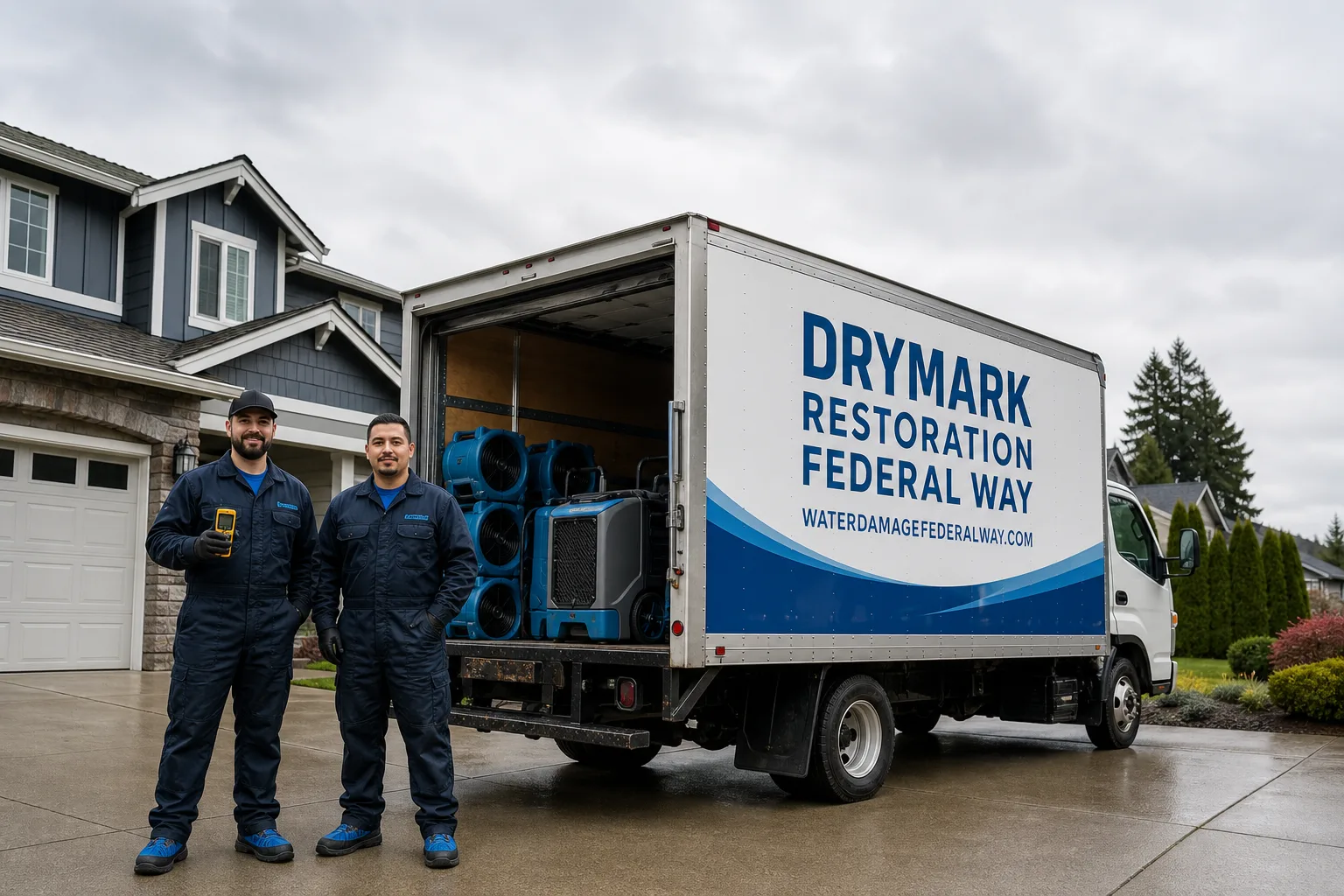
Free visual inspection and a written scope of work before any mitigation begins - photos, moisture readings, and drying logs go in your claim file
The scope we write is the scope we bill. Anything new gets shown to you, in writing, before we touch it.
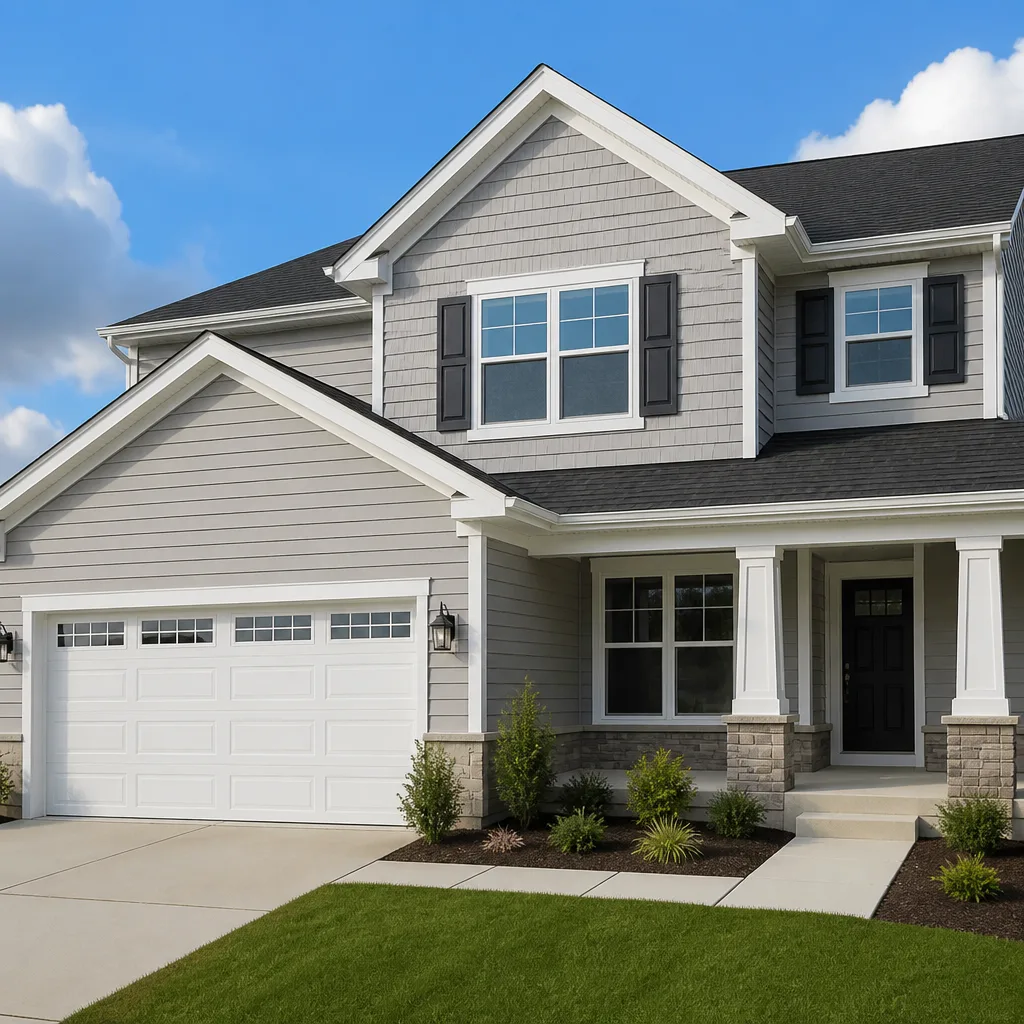
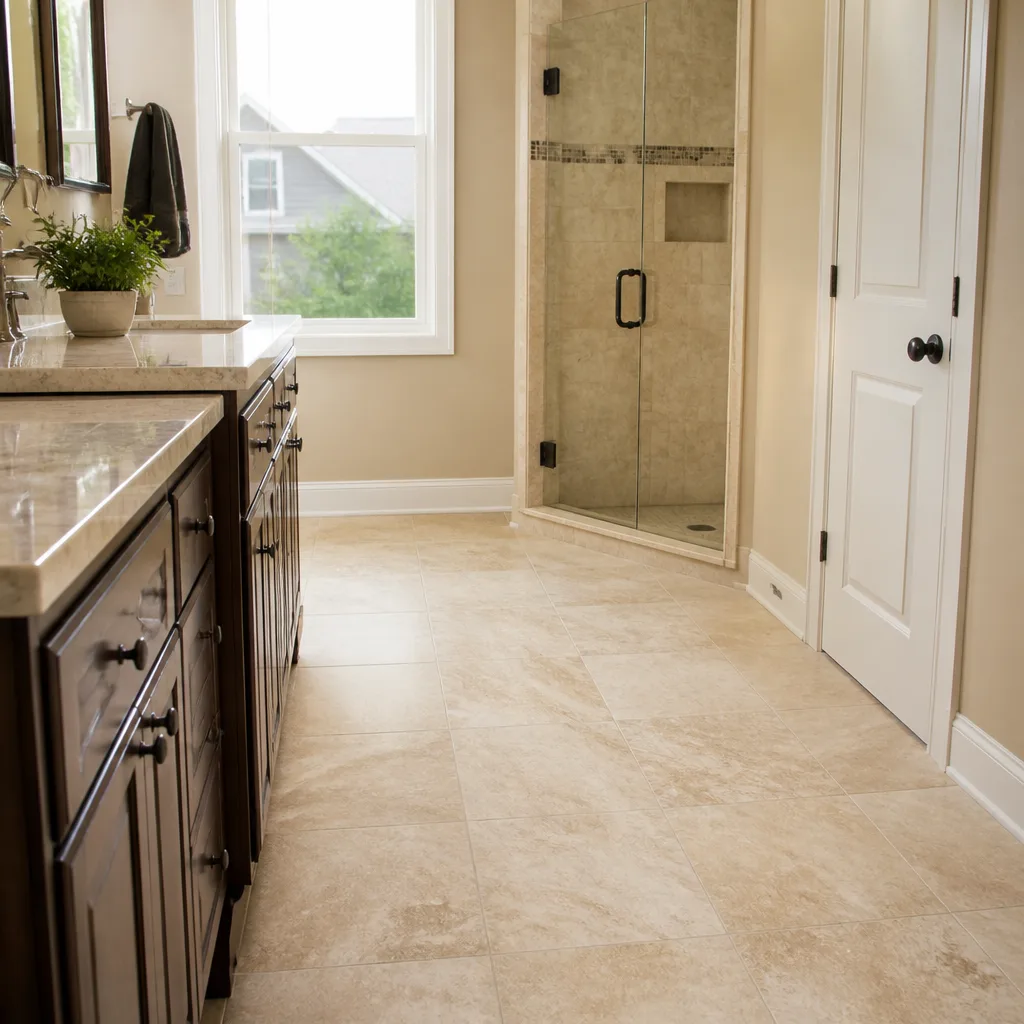
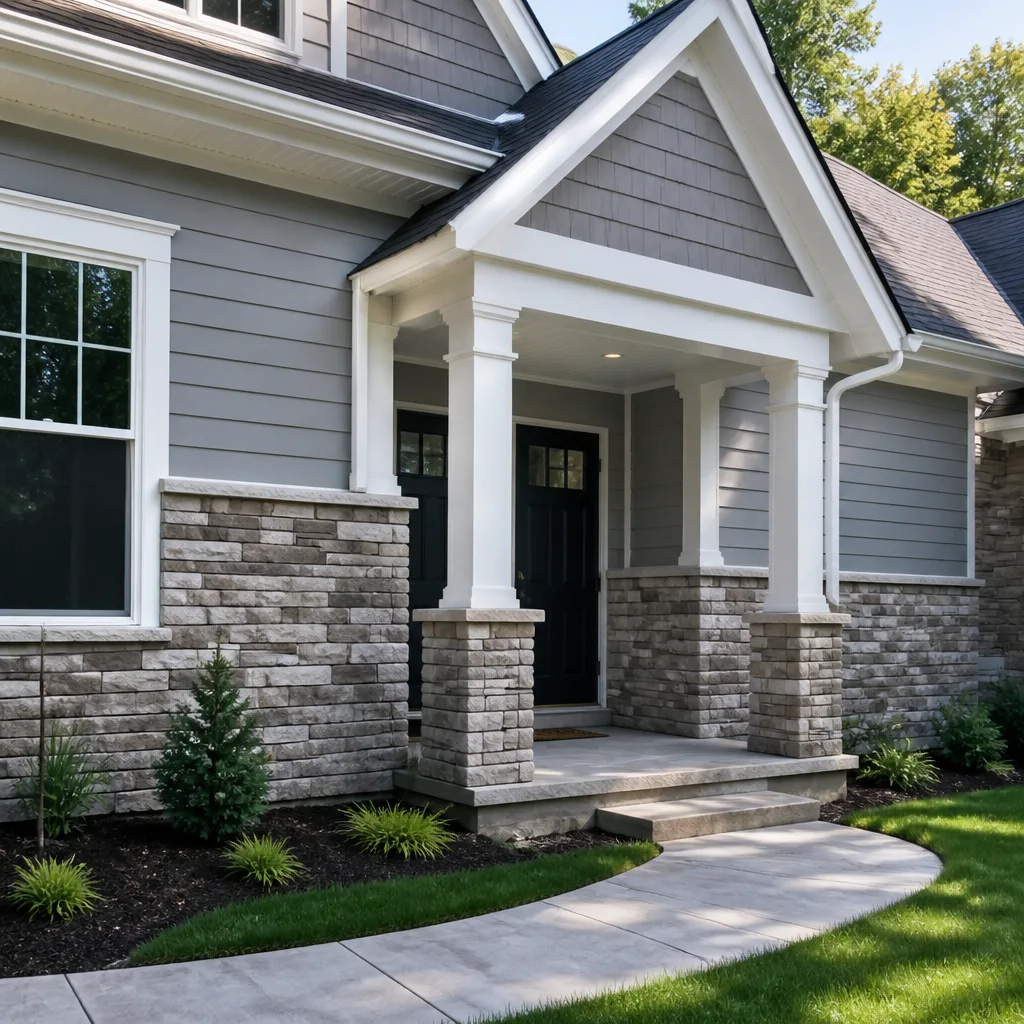
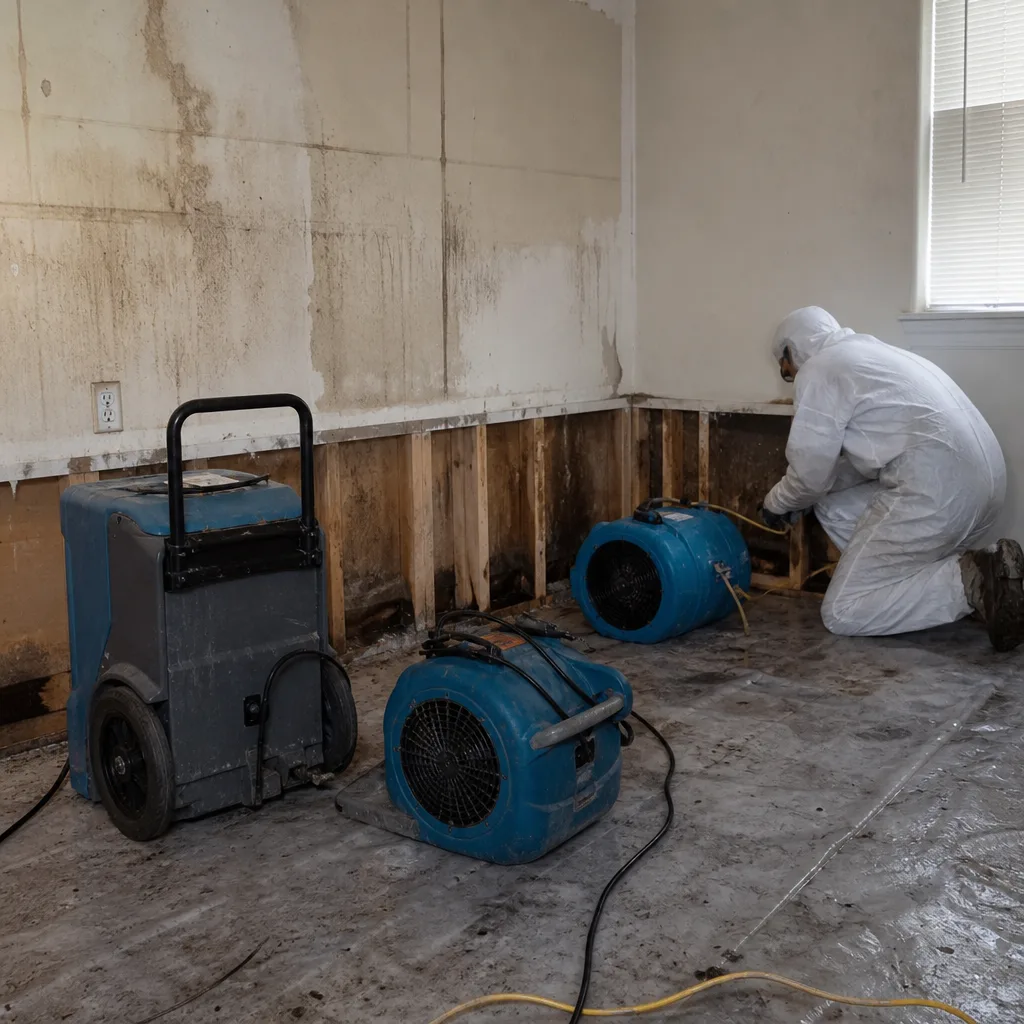 Before
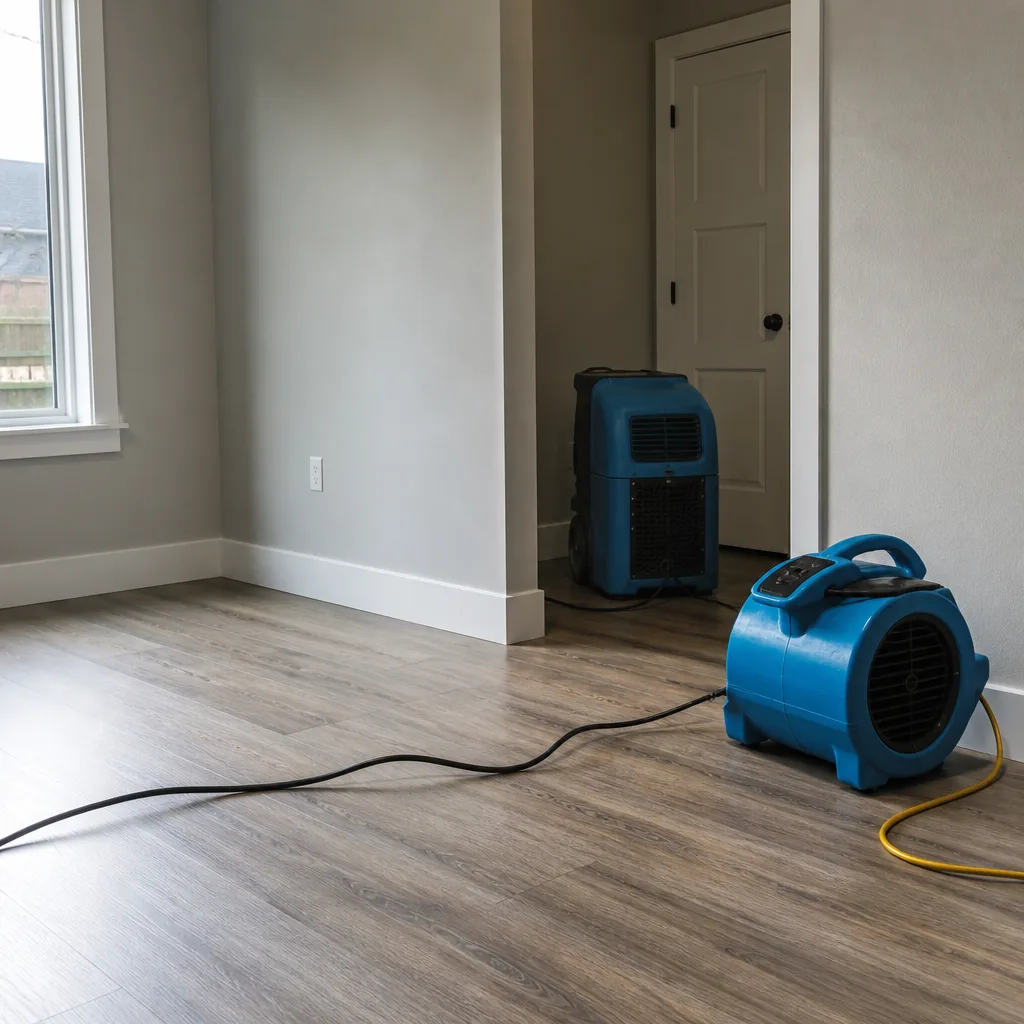 After
After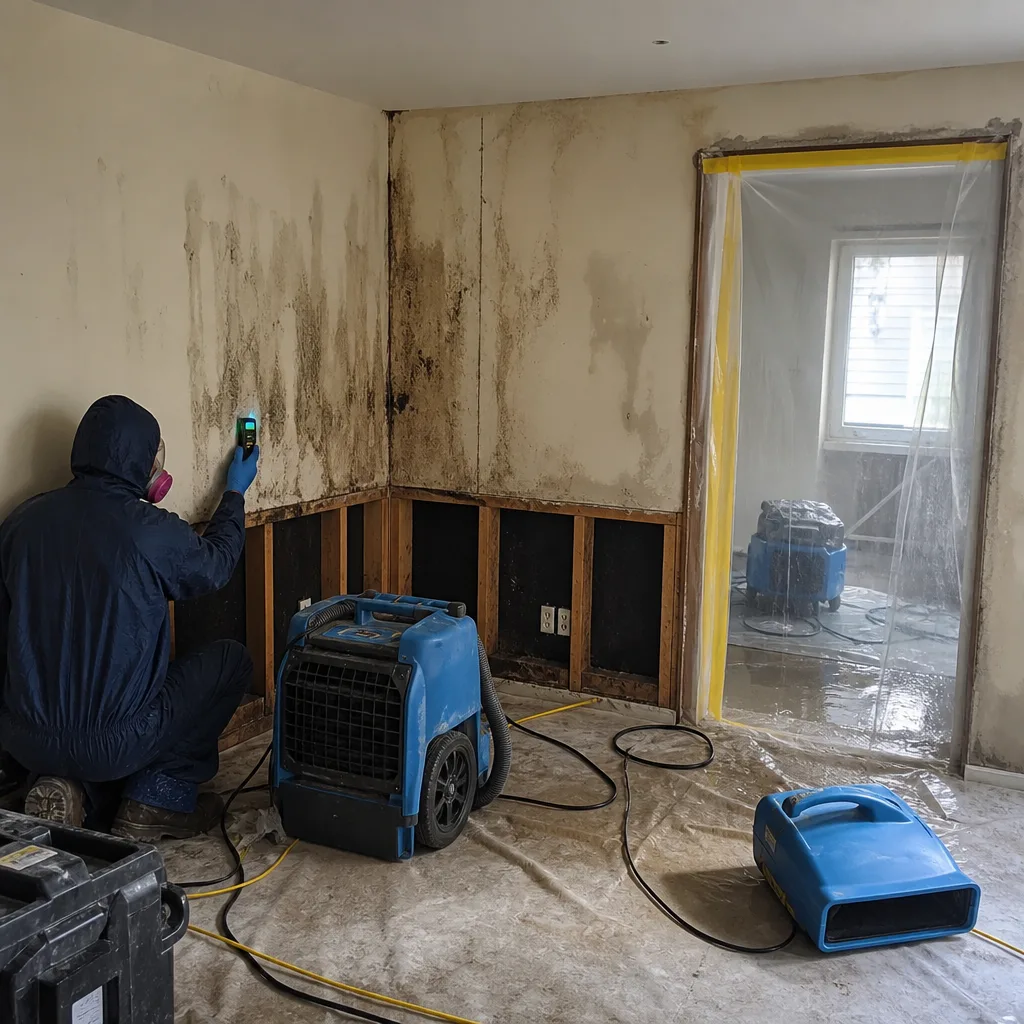 Before
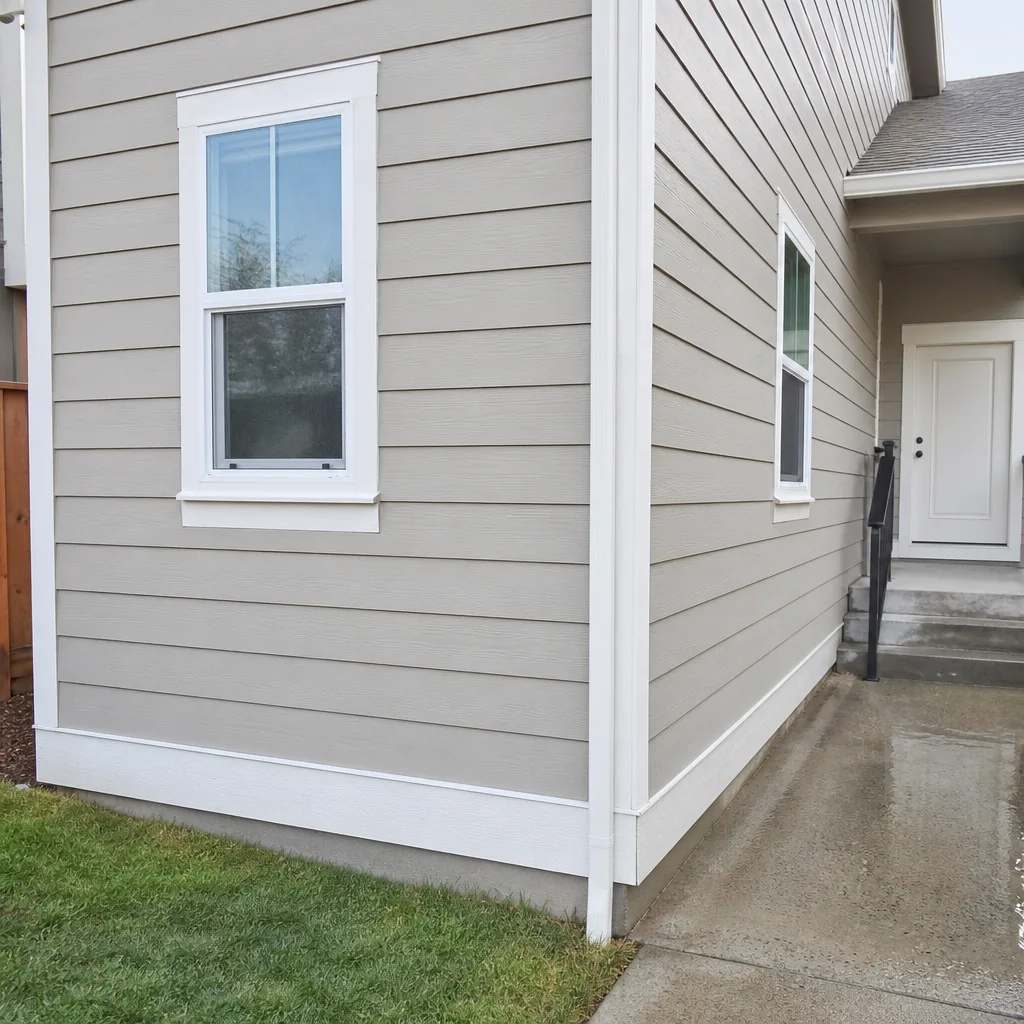 After
After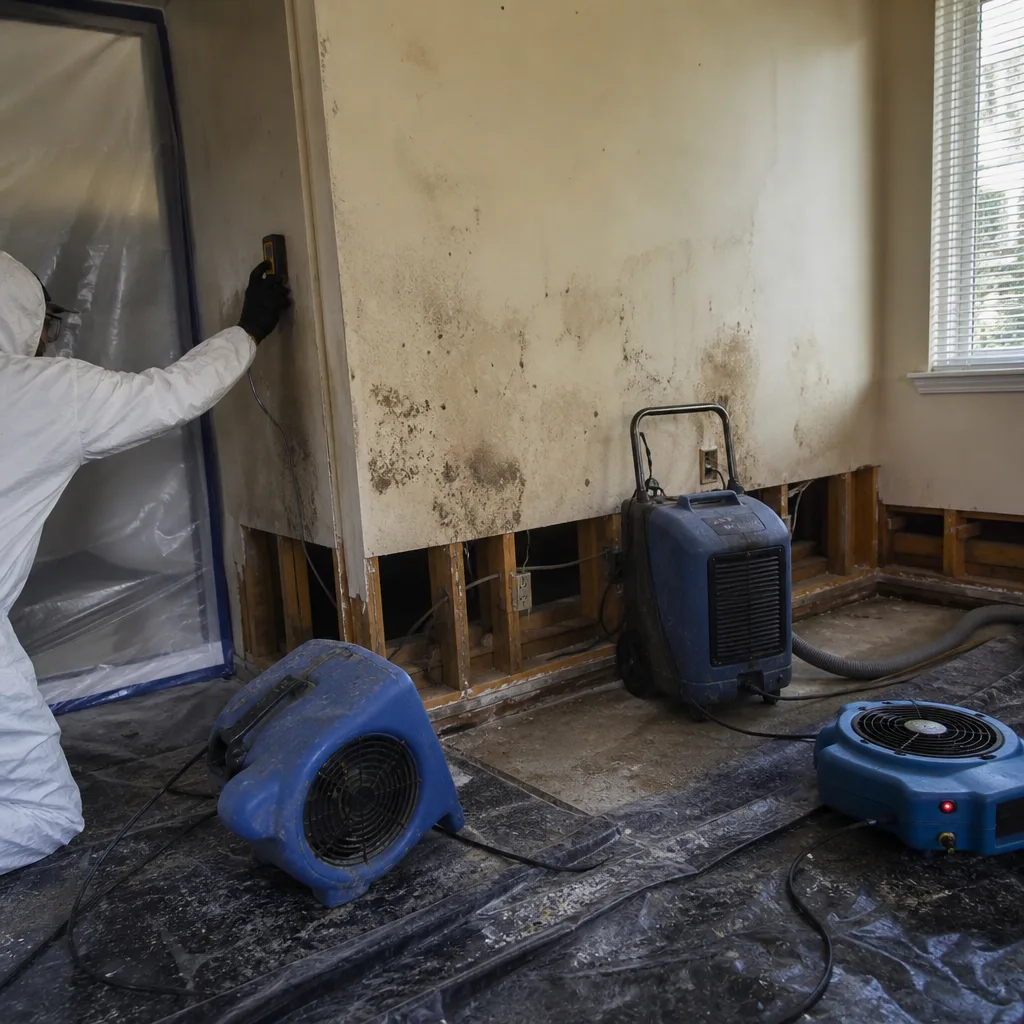 Before
 After
AfterFast, Reliable Mold Remediation Across Auburn
Mold remediation in Auburn typically runs $1,800-$4,500 for most residential jobs, with crawl space treatments starting around $2,200 and whole-structure air quality restoration reaching $6,000+ for severe colonization. We’re usually on-site in Auburn within 60-90 minutes of your call, and every job starts with a written price before any work begins. Call (253) 322-4873 for a free estimate.
Our crews know Auburn’s housing stock from the historic craftsman bungalows near Main Street to the dense townhome clusters off Auburn Way South and the manufactured-home communities along the valley floor. We’ve handled mold behind shared walls in alley-loaded properties, in shallow crawl spaces under 1970s tract homes on Lea Hill, and in subfloors where the Green River’s moisture table keeps structural members wet long after the visible water is gone. That local knowledge changes what we look for, how long we dry, and what we document.
Why DryMark Restoration Federal Way Is Auburn’s Preferred Mold Remediation Company
We’ve restored more than 12,000 homes since 2011, and a significant share of those jobs have been in the Green River Valley. Auburn customers leave reviews that mention the same thing: our techs show up with moisture meters already running, name the affected square footage and material classification in plain language, and hand over a written scope before anyone opens a containment barrier. No scope creep. No verbal estimates that shift once the crew is inside.
Our dispatch is coordinated from our Seattle office, but crews serve Auburn locally and carry the valley’s specific conditions in their job prep. They know that a crawl space off M Street NE dries differently than one in upland Kent or Federal Way. They know which Auburn neighborhoods carry active NFIP policies and prepare dual-track documentation accordingly. And they know that when a homeowner in the Lakeland Hills area calls at 10 PM, a live person answers, not a voicemail tree.
Alicia Brennan built this company around a documentation gap she saw as a former claims adjuster: sloppy drying logs and missing photo records that turned legitimate claims into denied ones. Our Mold Remediation team still operates under The Haven Standard she established, with Clause 1 guaranteeing a written price before work starts, and a 365-Day Done Right Promise backed by a signed warranty, not a marketing line.
Our Mold Remediation Services in Auburn
Mold Inspection & Testing
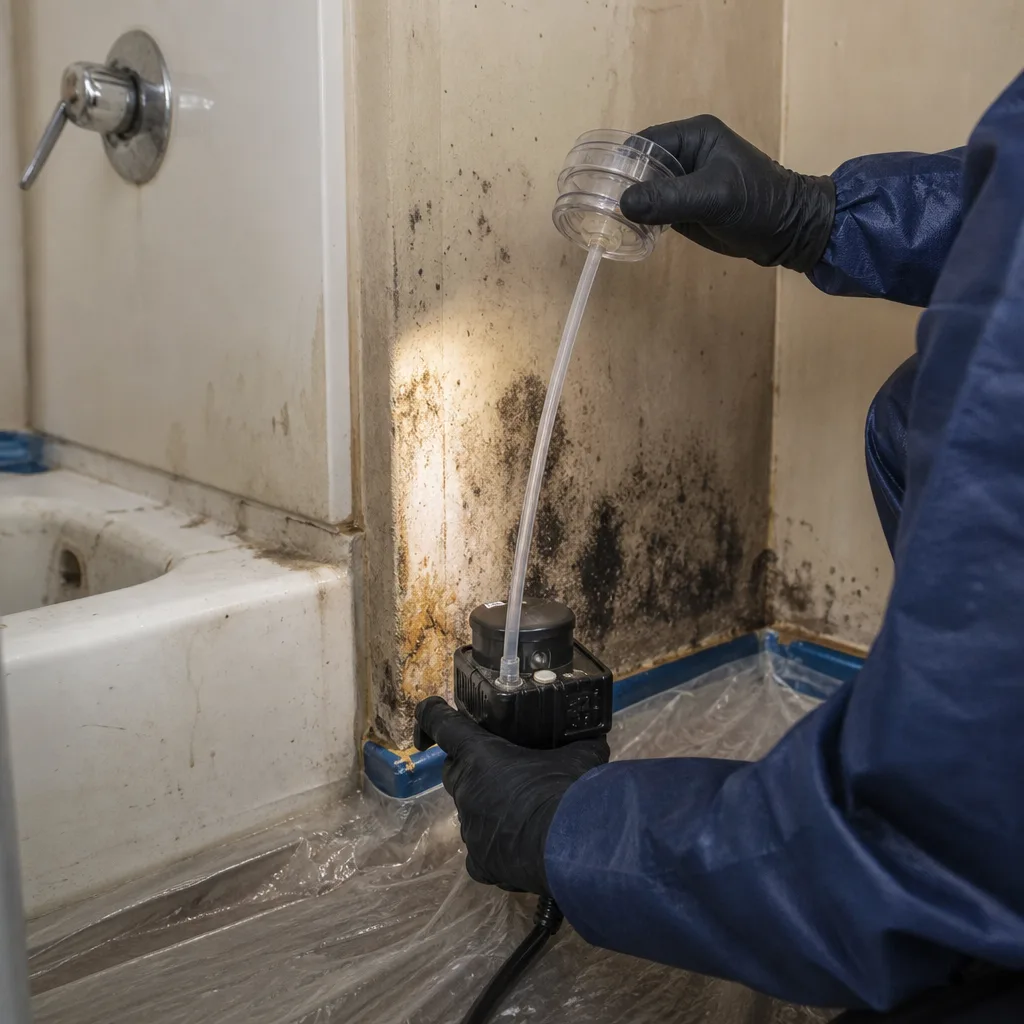
Every Auburn inspection starts with a mapped moisture grid, not a visual walkthrough. We measure vapor pressure differential, the force that drives moisture from wet materials into the air, and we log psychrometric data, the temperature-and-humidity readings that tell us whether the environment will support mold regrowth. In Auburn’s valley-floor homes, we often find hidden colonization behind shared walls in townhome units or under wet subfloors in manufactured homes where the water table sits close to grade. A typical inspection in Auburn runs $350-$650 and includes a documented photo record and written findings.
Mold Removal
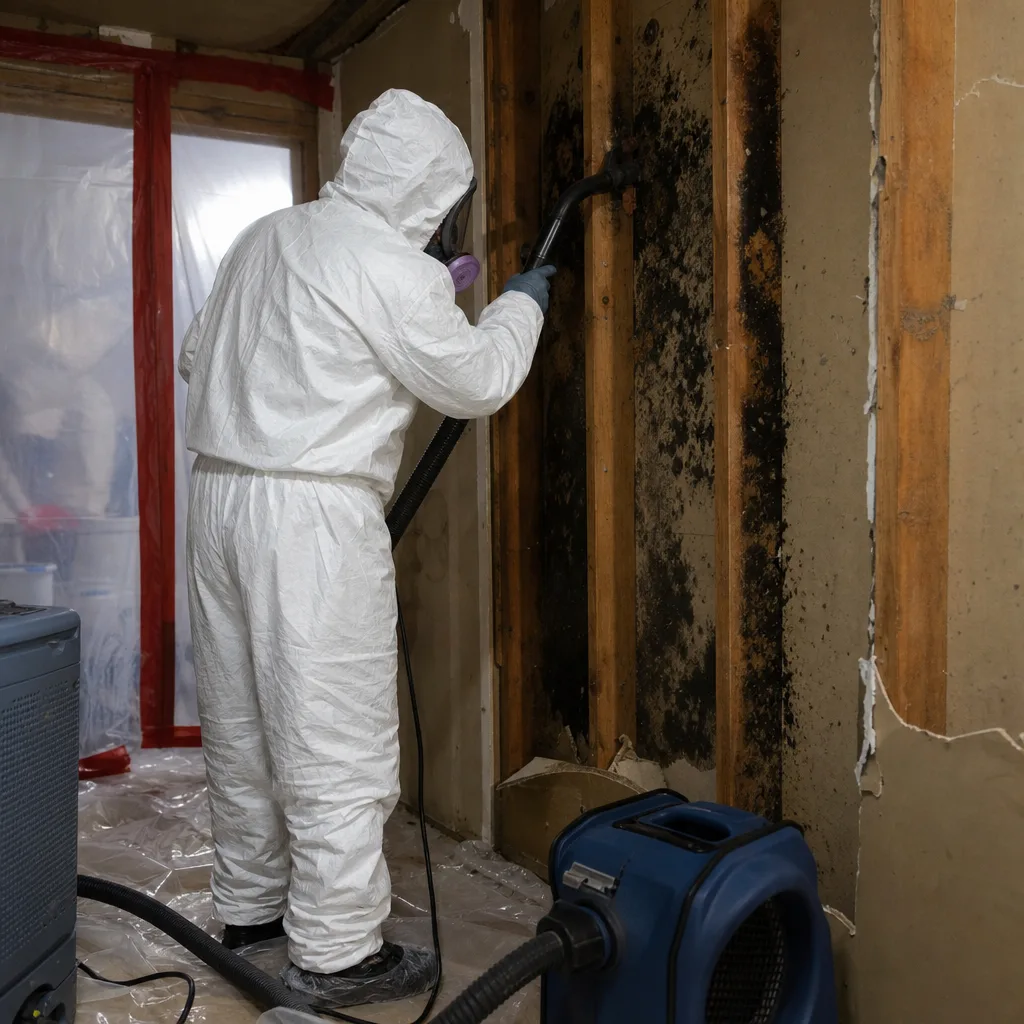
Removal in Auburn follows IICRC S520 standards: containment, negative air pressure, HEPA filtration, then physical removal of colonized materials. For a 12×12 room with drywall and insulation affected, expect $1,800-$3,200. But Auburn’s 1970s-90s tract homes on the valley floor often have more extensive spread, especially if the original water event was a backed-up drain line or seepage from a shallow crawl space. We price by affected square footage and material classification, and we put that price in writing before we cut the first piece of containment plastic.
Black Mold Remediation
Stachybotrys chartarum and other toxigenic species require the same containment rigor as any mold, with additional attention to spore load and cross-contamination risk. In Auburn, we see black mold most often in valley-floor crawl spaces with chronic moisture, in HVAC plenums where poor drainage feeds condensation, and behind vinyl wallpaper in dense townhomes where trapped humidity never escapes. Remediation runs $2,500-$5,500 depending on colonization extent and whether HVAC decontamination is required. Every black mold job includes third-party clearance testing at completion.
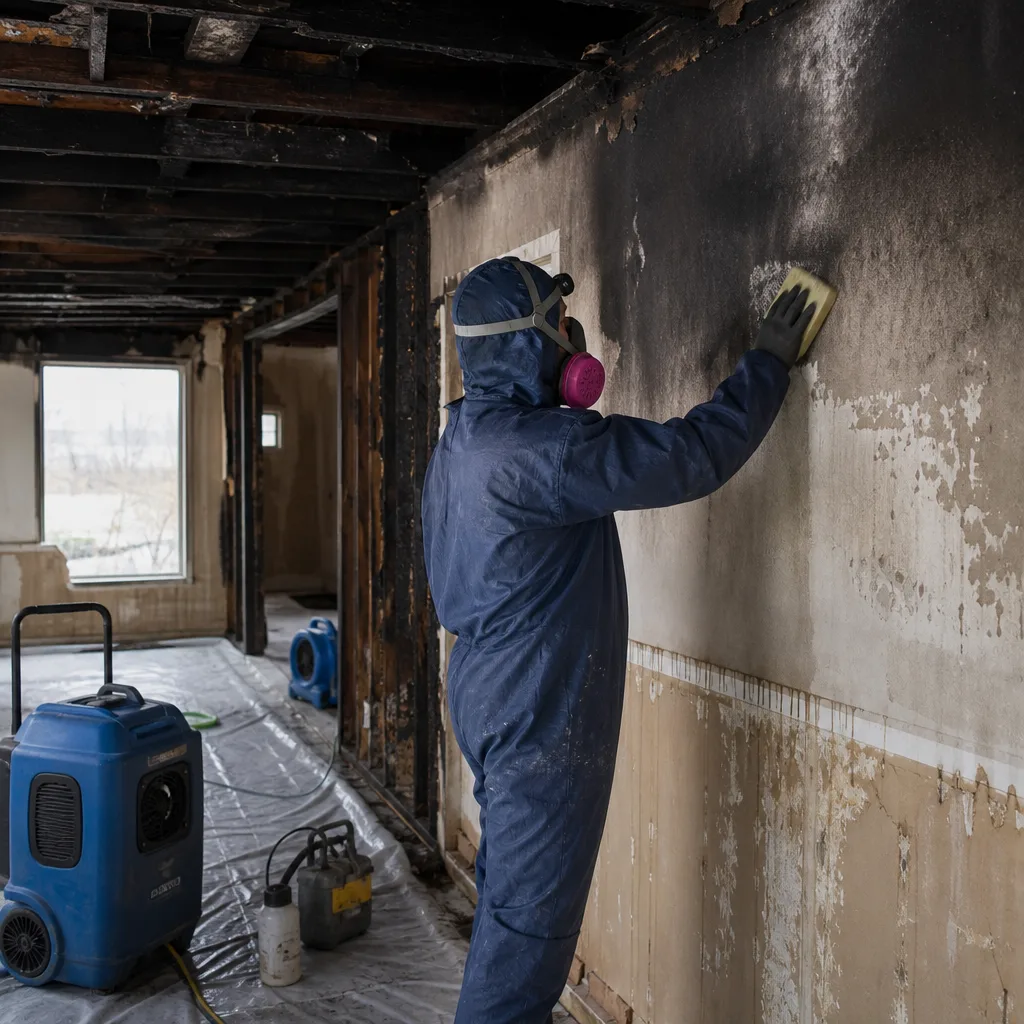
Air Quality Restoration
After physical removal, we restore breathable air through source removal of settled spores, HEPA air scrubbing, and controlled ventilation. In Auburn’s dense housing, this means coordinating with neighbors in townhome complexes, managing shared HVAC zones, and documenting that air scrubbers ran for the specified duration. Whole-home air quality restoration typically costs $1,200-$2,800 on top of removal, and we verify results with pre- and post-remediation air sampling.
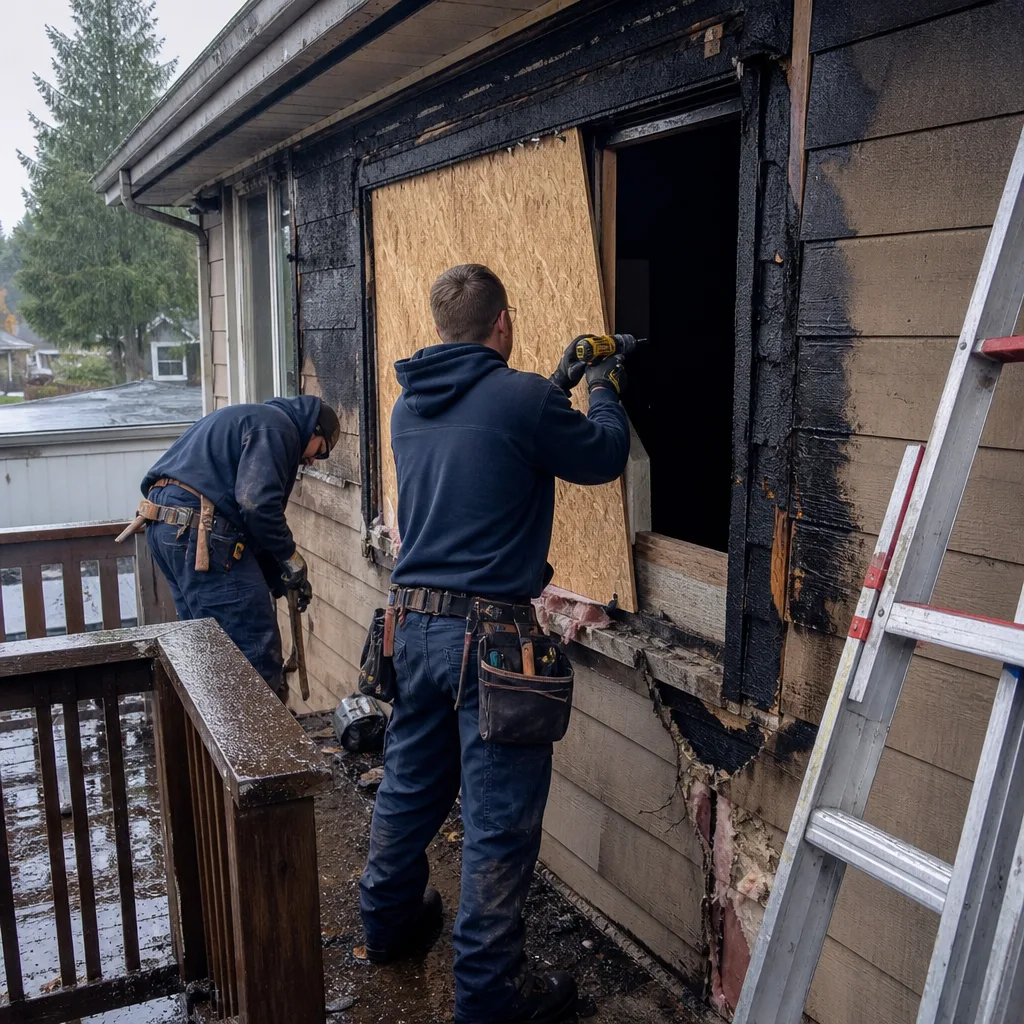
Crawl Space Treatment
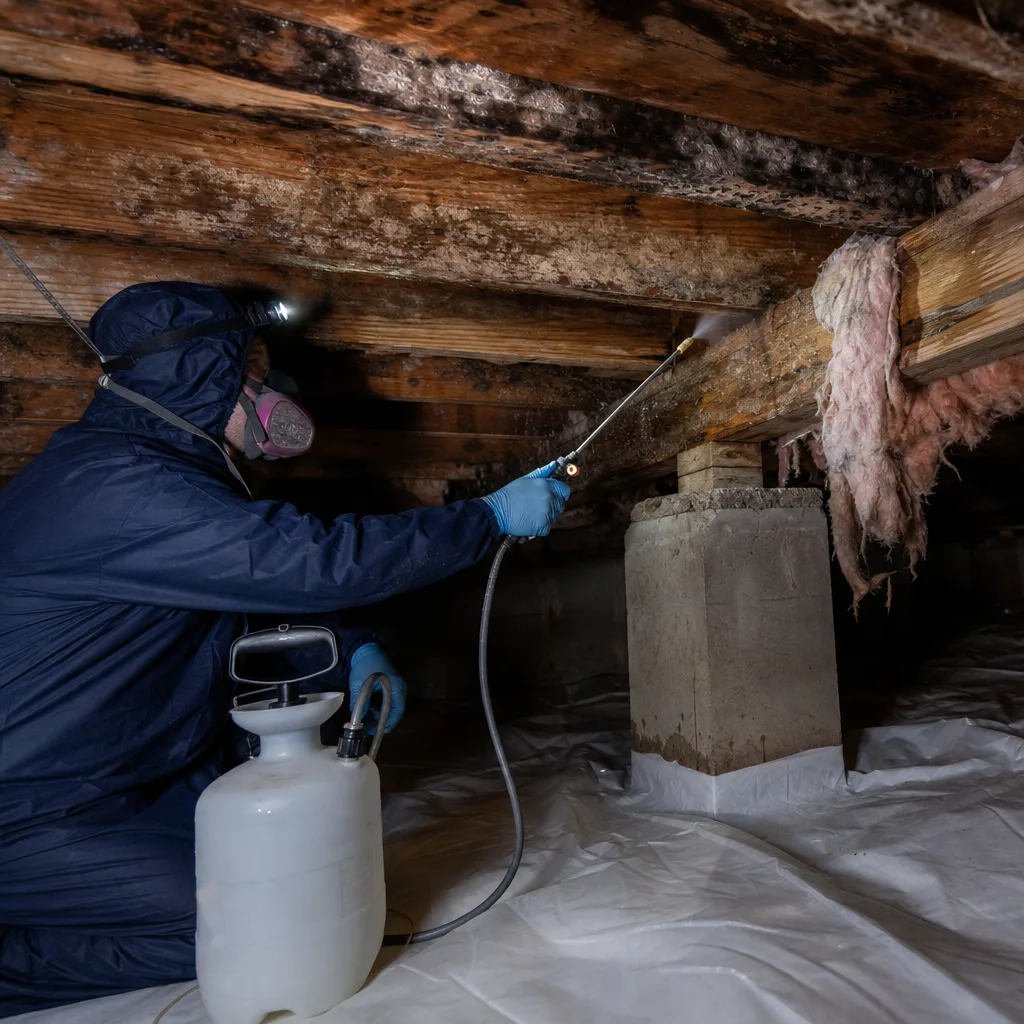
This is where Auburn’s geography hits hardest. Valley-floor crawl spaces sit near the water table, often uninsulated, with soil moisture that re-wets structural members after extraction crews leave. We don’t pull air movers after 48 hours and call it dry. We run Dri-Eaz and Phoenix dehumidification systems with continuous moisture logging, sometimes for 5-7 days, until the wood moisture content drops below 16 percent. A typical crawl space treatment in Auburn runs $2,200-$4,800, and we warranty the dry-out with our 365-Day Done Right Promise.
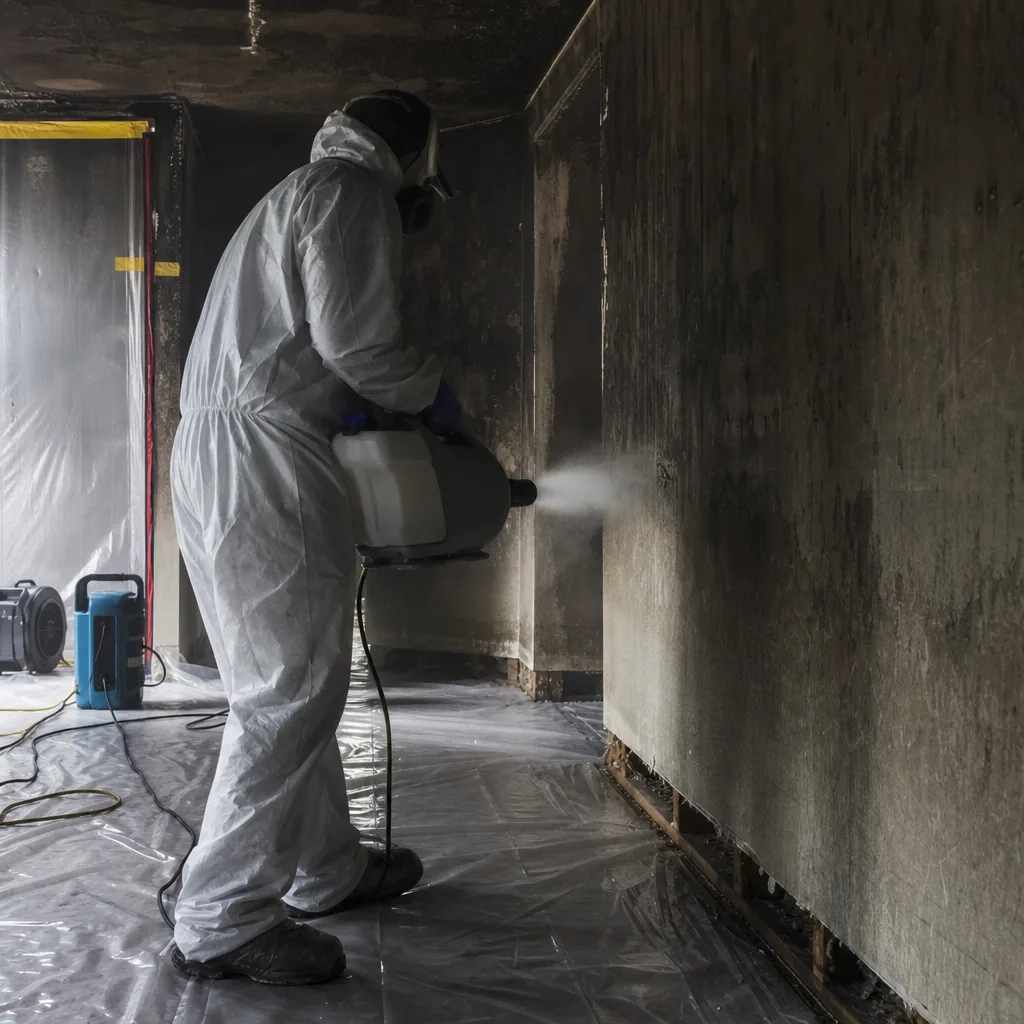
Moisture & Humidity Control
Long-term control means solving the moisture source, not just the symptom. In Auburn, that often means vapor barrier installation in crawl spaces, drainage improvements around foundation perimeters, or dehumidification systems sized for the valley’s poor ambient drying. We specify equipment by load calculation, not guesswork, and we document the before-and-after moisture readings that prove the fix worked.
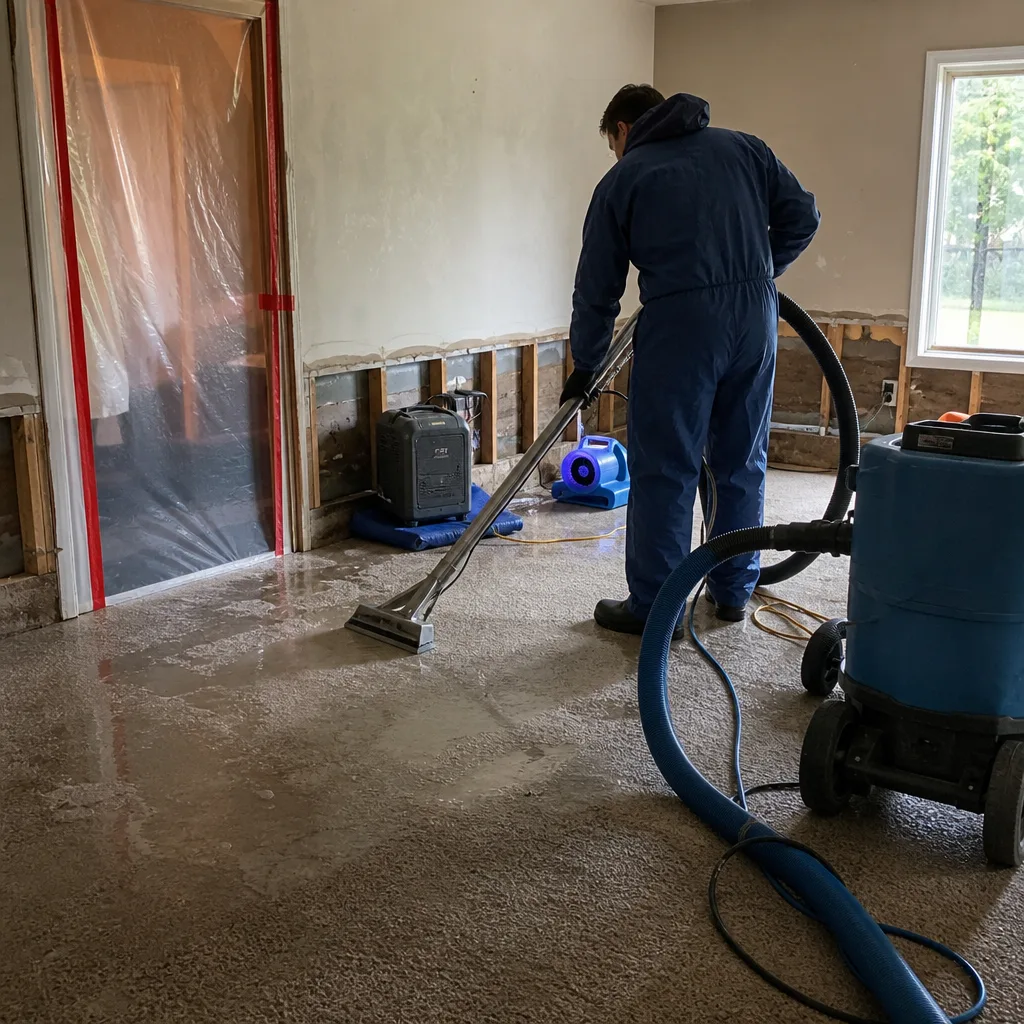
What happens when you call
- 1
A real person answersNo phone trees - you reach a local pro.
- 2
You get an upfront price rangeHonest numbers before anyone is dispatched.
- 3
A background-checked tech heads outLicensed & insured, dispatched right away.
- 4
You approve before work beginsNothing starts until you say go.
 Before
 After
AfterTrusted Brands We Service in Auburn
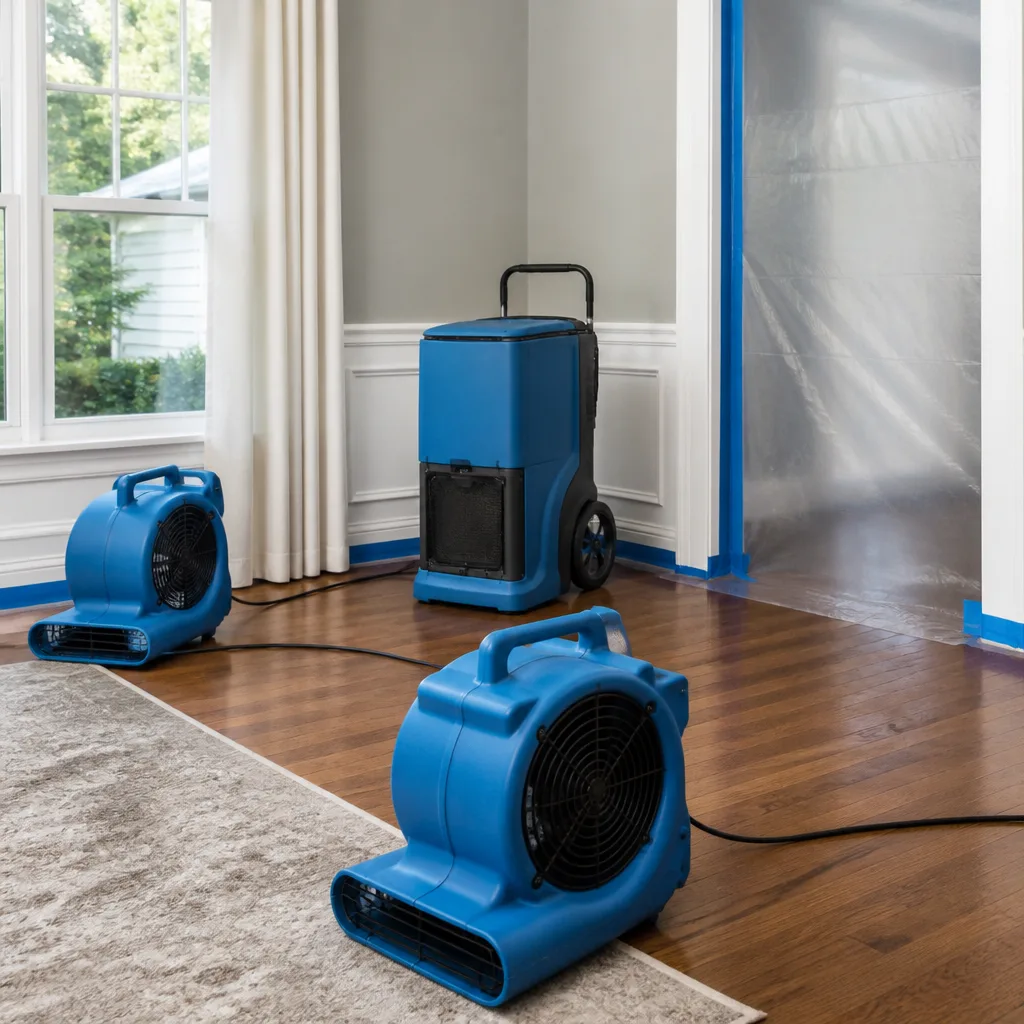
Our equipment inventory includes professional-grade drying systems from Dri-Eaz, Phoenix, and XPOWER, with Injectidry systems for wall-cavity and hardwood drying. We stock HEPA air scrubbers, negative air machines, and antimicrobial applicators sized for everything from a single Auburn condo unit to a full valley-floor manufactured home. Parts and replacement filters are carried on every truck, so we’re not waiting on a warehouse run while mold keeps colonizing.
Common Mold Remediation Problems We See in Auburn Homes
- Treating valley-floor crawl spaces like upland ones. Crews extract standing water, run air movers for two days, and leave while the near-water-table soil re-wets joists and subfloor within a week. We see this on repeat calls in the West Valley and along Auburn Way South, where the second remediation costs more than the first because structural members have degraded.
- Missing hidden water in dense townhomes and alley-loaded properties. Shared walls, tight door clearances, and limited exterior access mean Category 2 or 3 water travels horizontally behind finishes before anyone notices. A proper moisture map with thermal imaging catches this; a visual inspection doesn’t.
- Incomplete documentation for NFIP policyholders. Valley-floor properties near the Green River corridor frequently carry National Flood Insurance Program coverage, and FEMA reviewers require drying logs formatted differently than private adjusters. A scope written for one track stalls in the other, delaying rebuild by weeks.
- Ignoring Auburn’s trapped maritime moisture. The valley’s geography limits natural drying October through May. Wet framing and insulation stay saturated far longer than rainfall totals suggest, extending dry-out timelines and elevating regrowth risk if crews don’t account for ambient conditions.
Pricing for Mold Remediation in Auburn, WA
| Service | Typical Range in Auburn |
|---|---|
| Mold inspection & testing | $350-$650 |
| Contained mold removal (single room, drywall/insulation) | $1,800-$3,200 |
| Black mold / toxigenic species remediation | $2,500-$5,500 |
| Crawl space treatment (valley-floor properties) | $2,200-$4,800 |
| Whole-home air quality restoration | $1,200-$2,800 |
| Moisture control system installation | $1,500-$3,500 |
What moves a job to the higher end: multiple affected rooms, HVAC contamination, crawl spaces with chronic groundwater intrusion, or townhome properties requiring coordination with HOA and neighboring units. What keeps it lower: early detection, contained colonization, and no structural degradation requiring rebuild. Every estimate is free, written, and delivered before work starts, per Haven Standard, Clause 1. Bring a competitor’s written quote and we’ll review it at no charge.
We Also Serve Cities Near Auburn
Our crews handle Mold Remediation in Auburn and surrounding communities including Federal Way, Milton, Kent, and Puyallup. Each city’s geography and housing stock shape how we approach the work, but the documentation standard stays the same: written price, photo record, drying log, signed warranty.
Serving Auburn, WA - Our Local Coverage Area
We’re based in the Auburn area and know this community well. Use the map below to see our service coverage - if you’re nearby, we can almost certainly help.
FAQs - Mold Remediation in Auburn
Valley-floor properties trap maritime moisture October through May, and shallow crawl spaces near the water table re-wet after extraction if drying isn’t extended. A job that dries in three days in upland Federal Way or Kent often needs five to seven in Auburn’s Green River Valley. Call (253) 322-4873 for an exact timeline on your property.
Yes. Near-water-table soil keeps joists and subfloor damp even when air readings look acceptable, so we run dehumidification longer and log wood moisture content, not just ambient humidity. Treating a valley-floor crawl like an upland one is the most common cause of repeat mold calls we see in Auburn. We map the grid, log the data, and don’t close containment until the numbers hold.
Valley-floor properties near the Green River corridor often carry active NFIP policies, and FEMA reviewers require drying logs and scope documentation in formats distinct from private adjuster requirements. We prepare dual-track paperwork as standard on these jobs, not as an upsell, so neither claim track stalls. This is routine for our Auburn crews and rare for technicians working exclusively in upland cities.
Yes. Mold colonization can begin 24-48 hours after water intrusion, and in Auburn’s poor ambient drying conditions, that window often shrinks. We’ve opened containment on valley-floor jobs where mold was already active on wet insulation while the extraction crew was still on site. Speed matters on water calls, which is why our emergency dispatch answers live 24 hours a day.
We map moisture behind shared walls with thermal imaging, coordinate containment with HOA requirements, and manage access through alley-load entries with tight clearances. Documentation includes neighbor notification where required, and our photo record captures pre-existing conditions in shared spaces to protect all parties. The work takes more coordination than a detached single-family, but the Haven Standard applies the same: written price before work, documented record after.
On a valley-floor street off Auburn Way South, our techs opened a shallow, uninsulated crawl space under a 1970s tract home that had taken Category 2 water from a backed-up drain line and found active mold on wet joists and the subfloor. We set containment, ran XPOWER air movers and Dri-Eaz dehumidification, logged moisture readings across a mapped grid, and applied antimicrobial treatment before closing the space out, with drying logs written to satisfy both the homeowner’s adjuster and an NFIP reviewer.
Written by Alicia Brennan, Owner at Back to Dry Restoration, serving Auburn since 2011.