
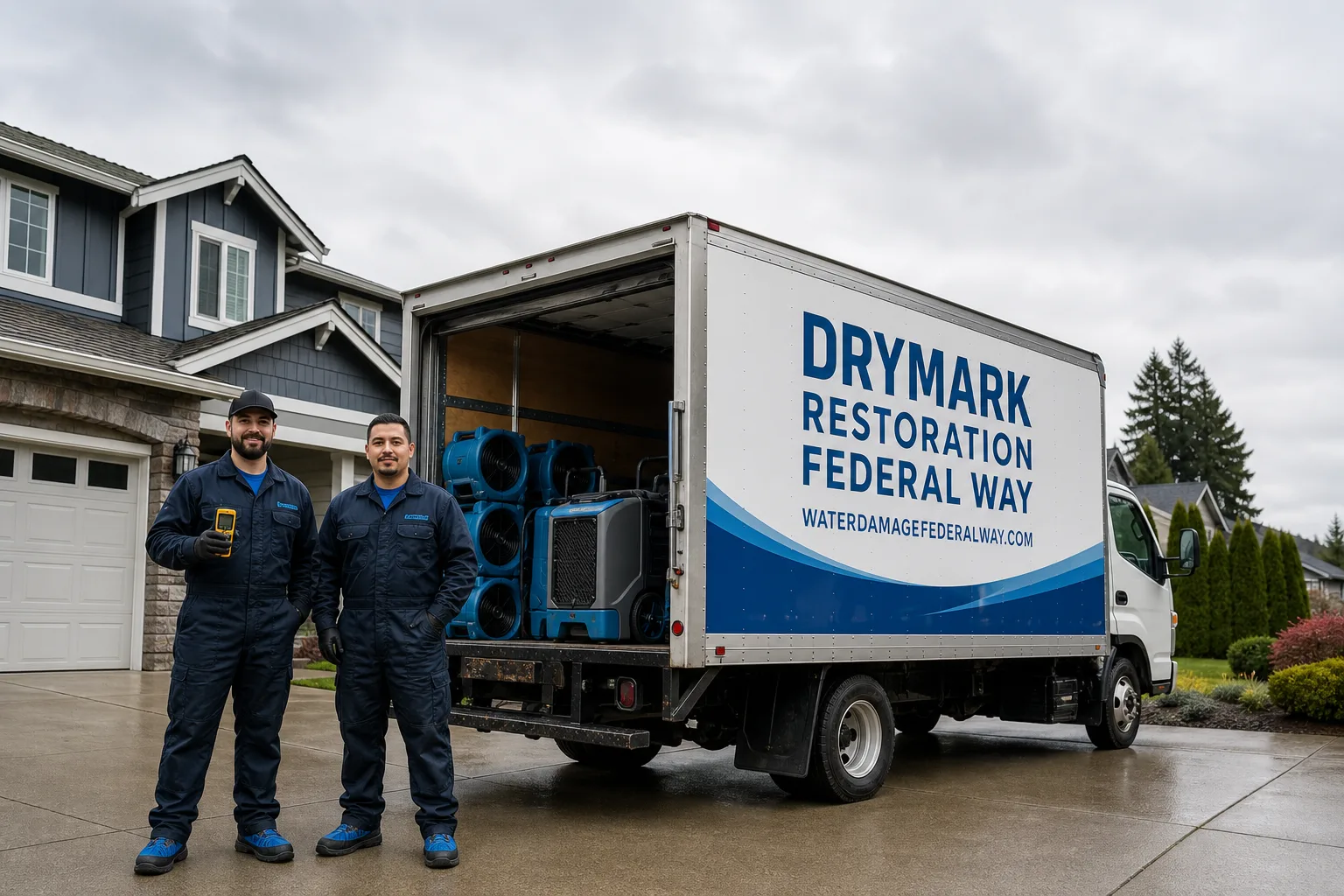
Free visual inspection and a written scope of work before any mitigation begins - photos, moisture readings, and drying logs go in your claim file
The scope we write is the scope we bill. Anything new gets shown to you, in writing, before we touch it.
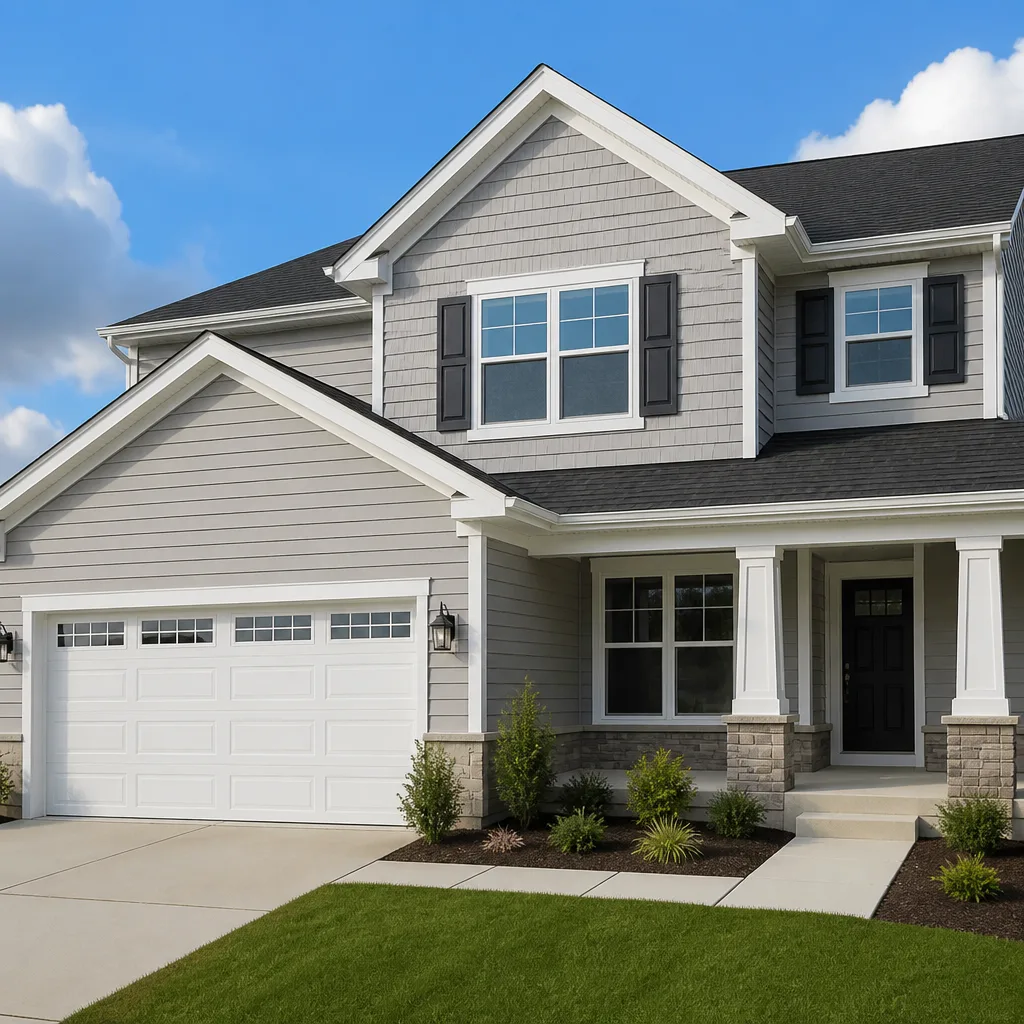
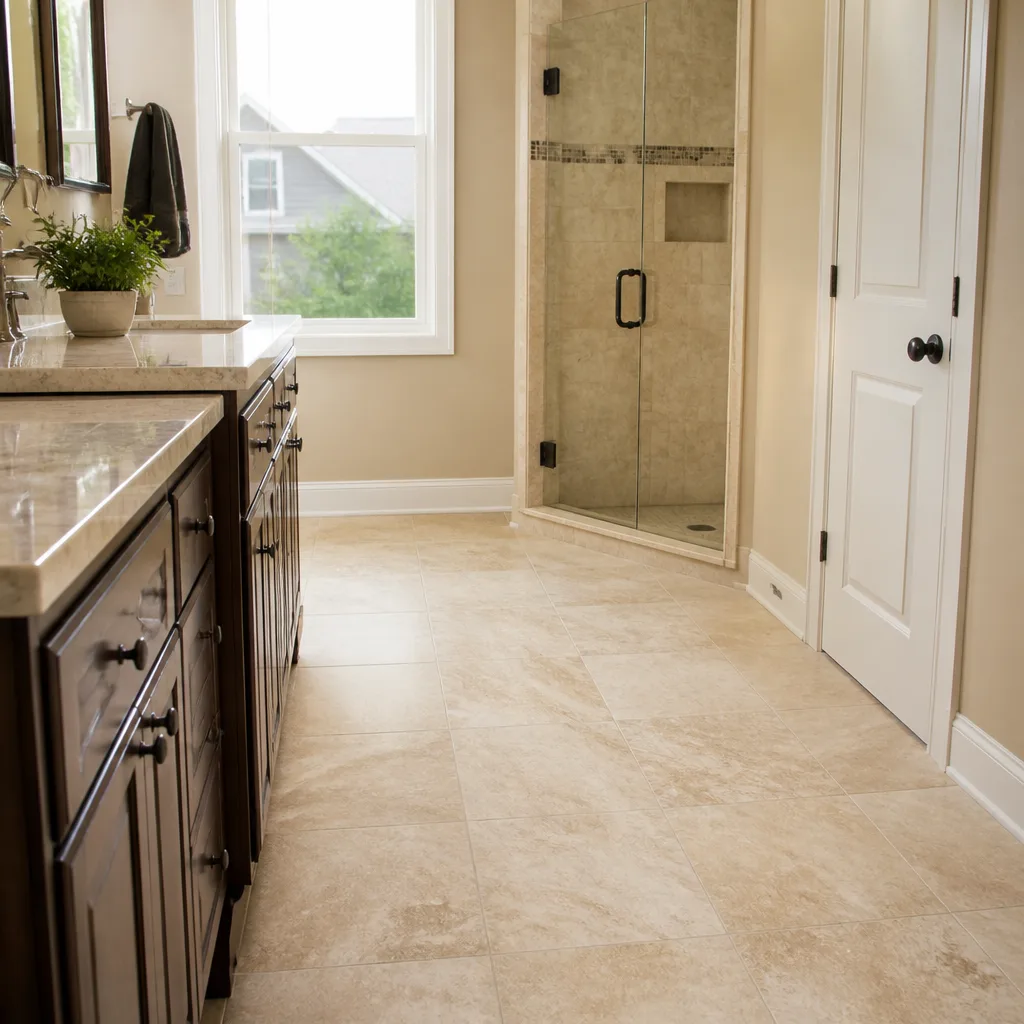
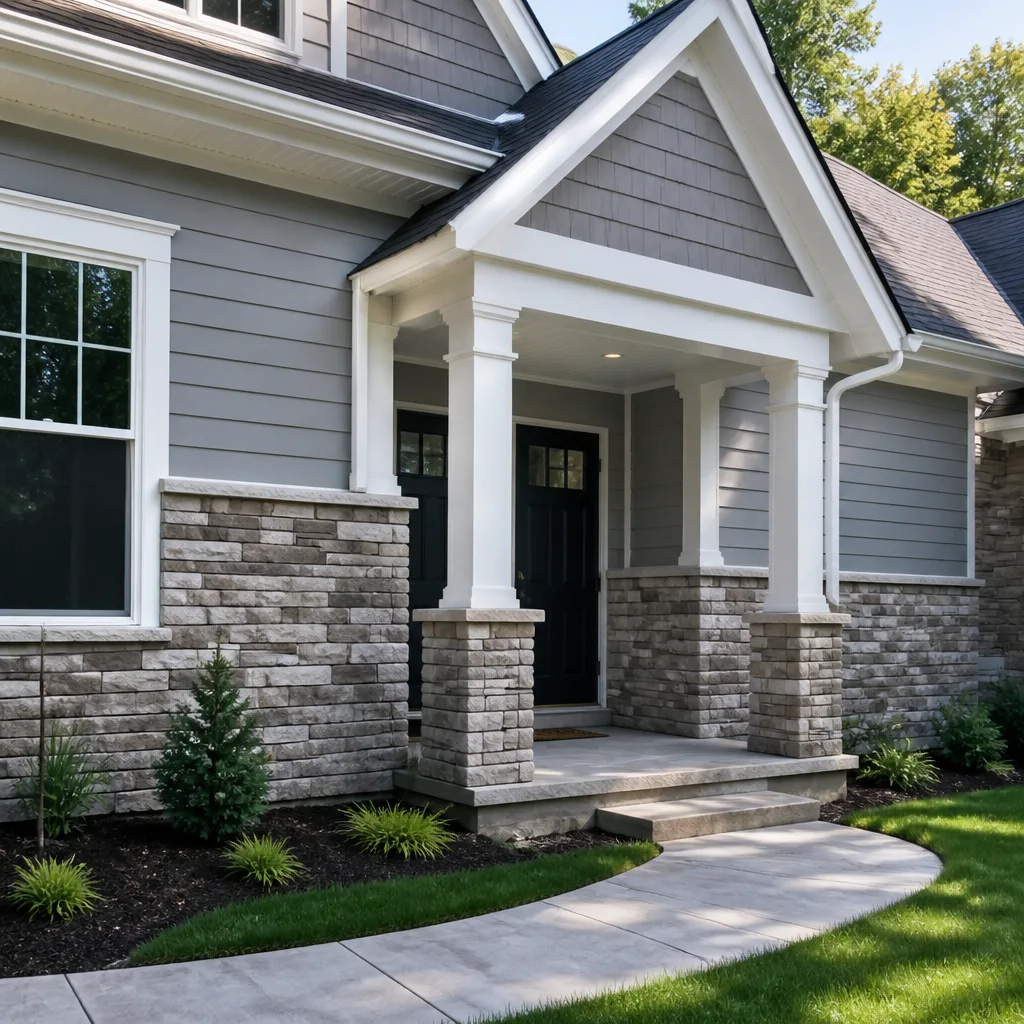
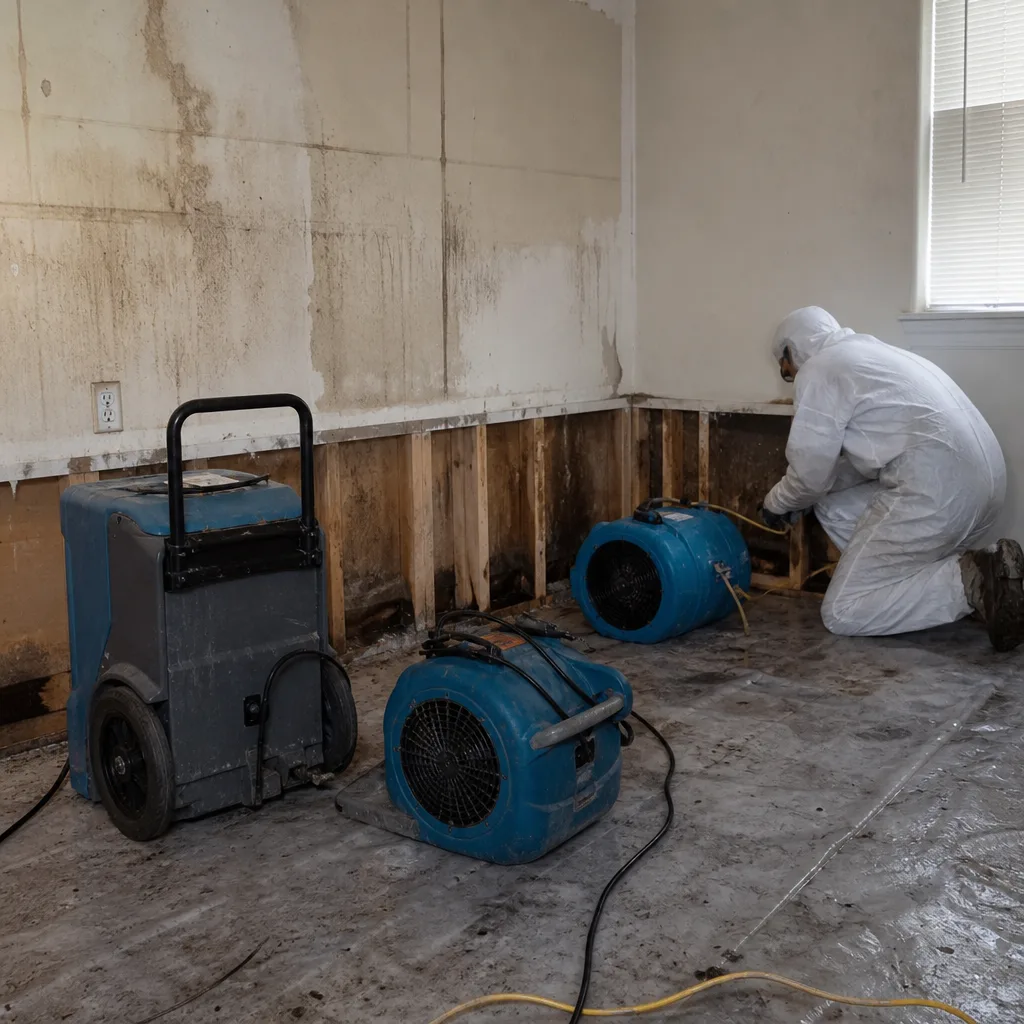 Before
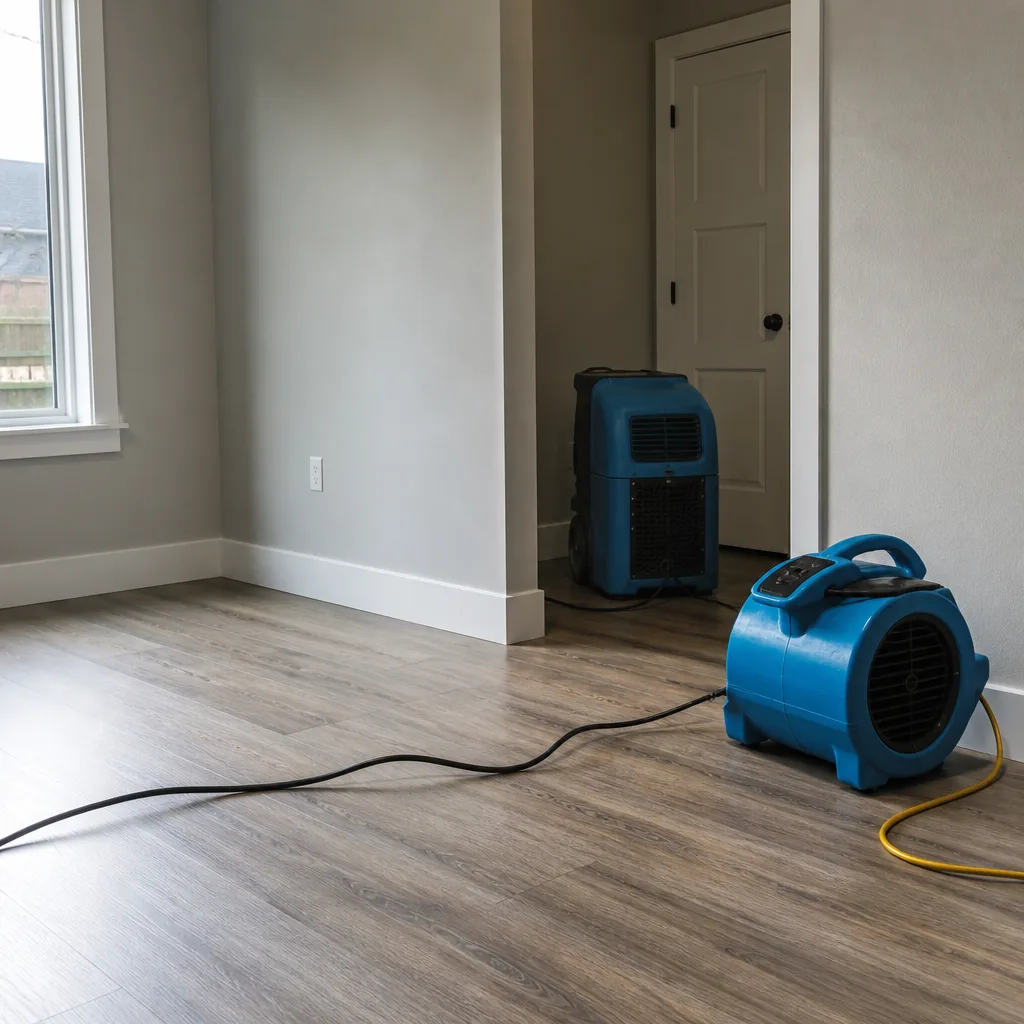 After
After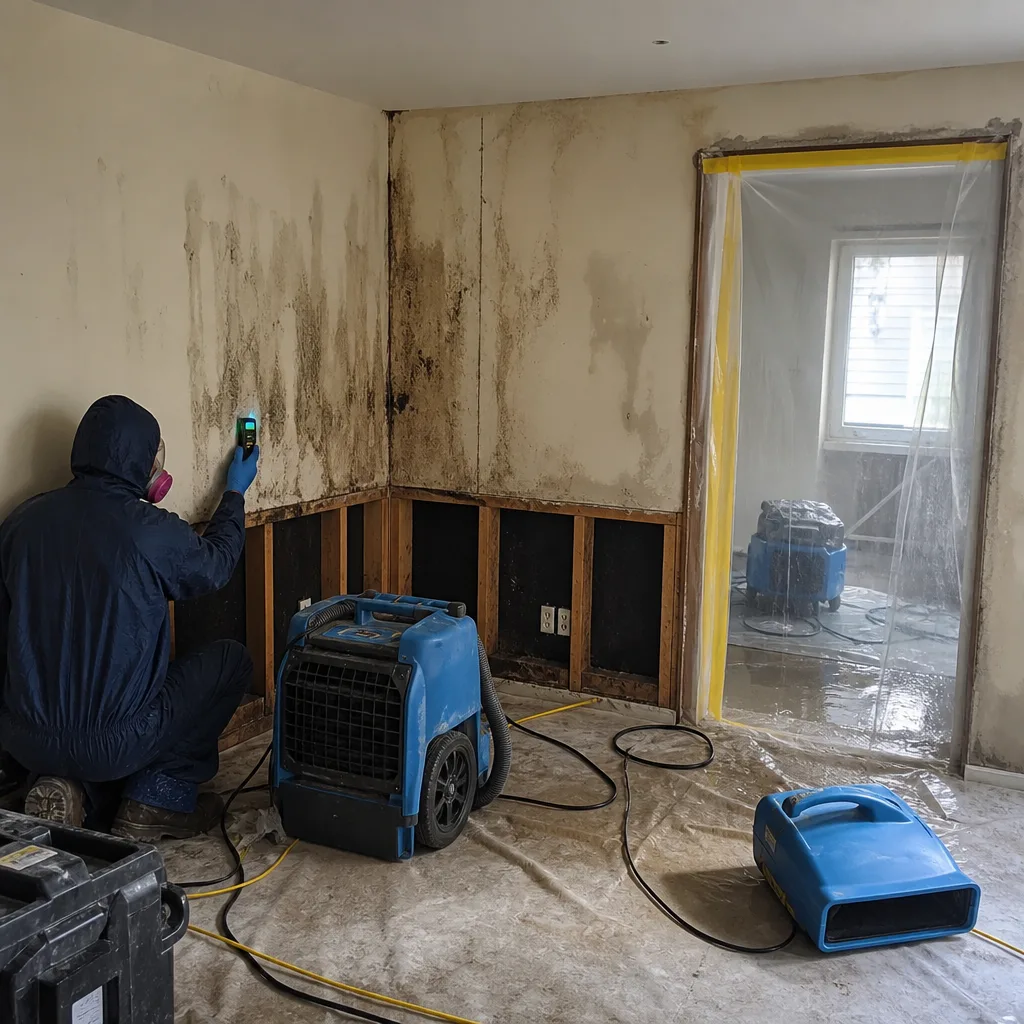 Before
 After
After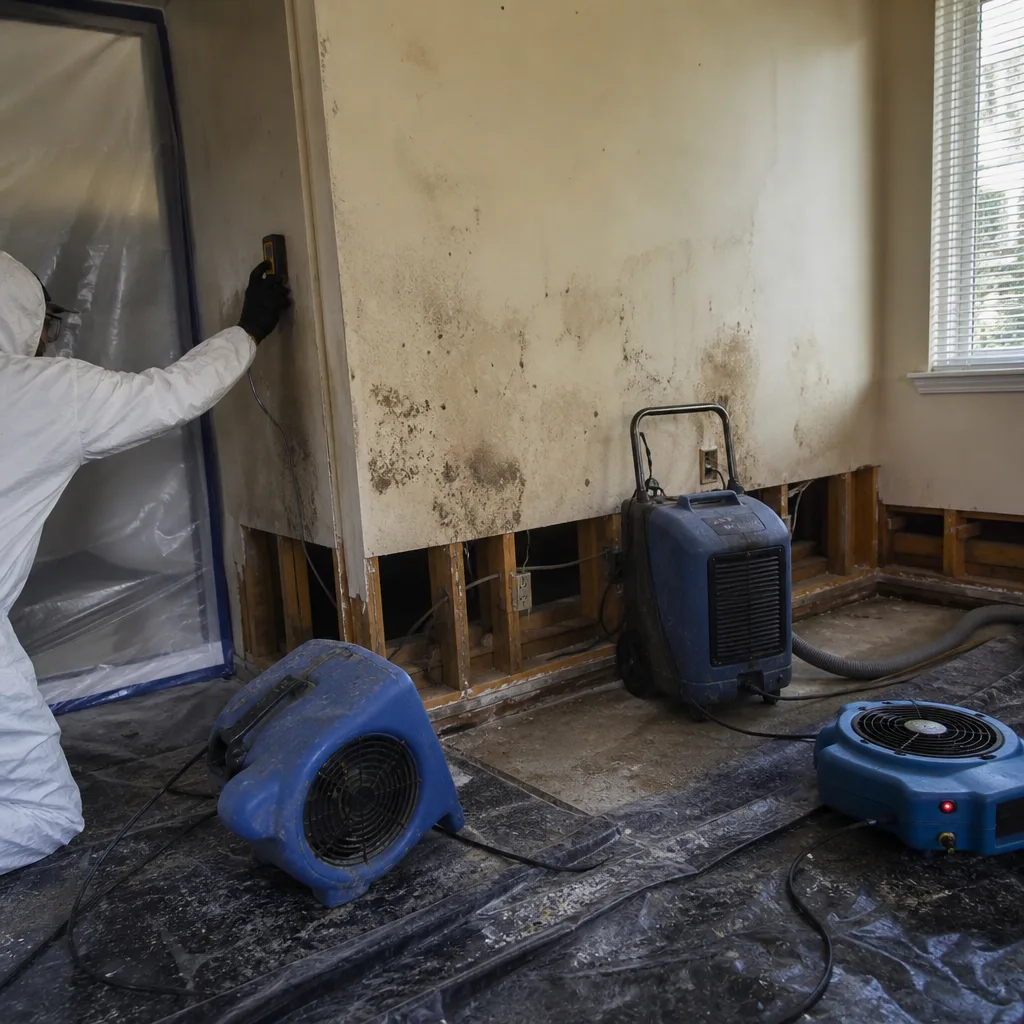 Before
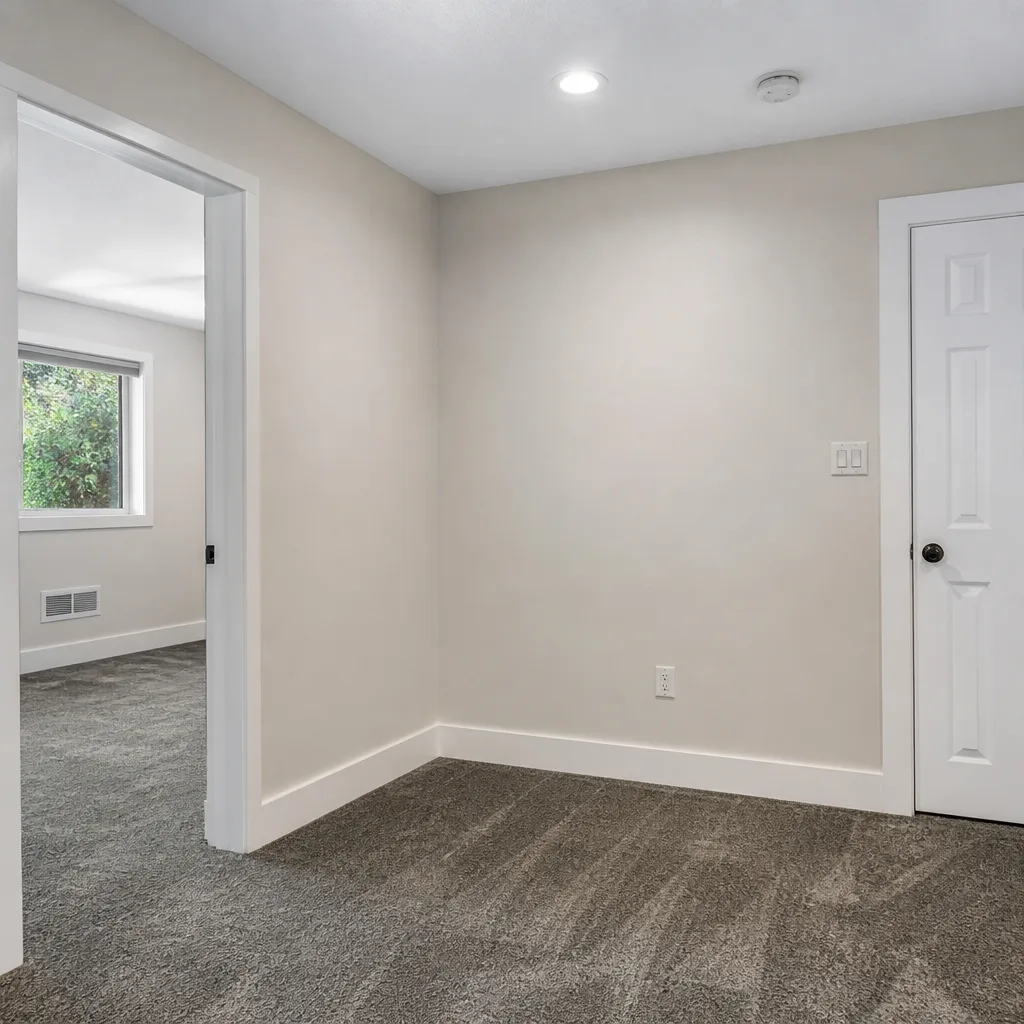 After
AfterFast, Reliable Water Damage Restoration Across Auburn
Water damage restoration in Auburn typically runs $2,800-$7,500 for a standard residential dry-out, with emergency extraction starting at $950 and full structural drying with dehumidification adding $1,800-$4,200 depending on square footage and material saturation. Most Auburn homeowners see our crews on-site within 60-90 minutes of calling (253) 322-4873, because we dispatch from our Seattle office and route directly to valley-floor neighborhoods, Lea Hill, and West Hill without crossing plateau traffic. When a pipe bursts at 2 a.m. near the historic downtown core or floodwater backs into a manufactured-home community off the Green River corridor, waiting until morning means mold colonization in 48-72 hours and structural damage that multiplies your claim complexity. We answer live, 24 hours a day, 7 days a week - no voicemail, no callback queues.
Auburn’s position on the Green River Valley floor creates water damage scenarios you won’t find in upland Federal Way or Kent. Shallow crawl spaces sit near the water table. Maritime moisture traps against the valley walls October through May. And FEMA flood zone status means your restoration documentation may need to satisfy both private adjusters and NFIP reviewers simultaneously. Our Water Damage Restoration team has handled this dual-track paperwork on hundreds of Auburn jobs since 2011.
Why DryMark Restoration Federal Way Is Auburn’s Preferred Water Damage Restoration Company
We’ve restored water-damaged properties in every Auburn neighborhood from the craftsman bungalows near Main Street to the 1970s tract homes on Lea Hill and the manufactured-home communities along the West Valley Highway. Our reviews from Auburn customers consistently cite two things: our written price before work starts, and our photo-documented drying logs that adjusters actually pay without dispute. We’ve completed 12,000+ restorations since 2011, every one with a written scope signed before the first hose ran.
Response time to Auburn averages under 90 minutes for emergency calls, because our Seattle office dispatches crews directly via I-5 and State Route 18 without the plateau routing delays that slow competitors based in Puyallup or Tacoma. We know which valley-floor streets flood first during Green River overflow events, which crawl spaces never dry without mechanical dehumidification, and how to structure NFIP documentation so FEMA reviewers don’t kick back your claim for insufficient drying-log detail.
Alicia Brennan built Back to Dry around the documentation gap that costs homeowners their claims. That origin shapes every Auburn job we run.
Our Water Damage Restoration Services in Auburn
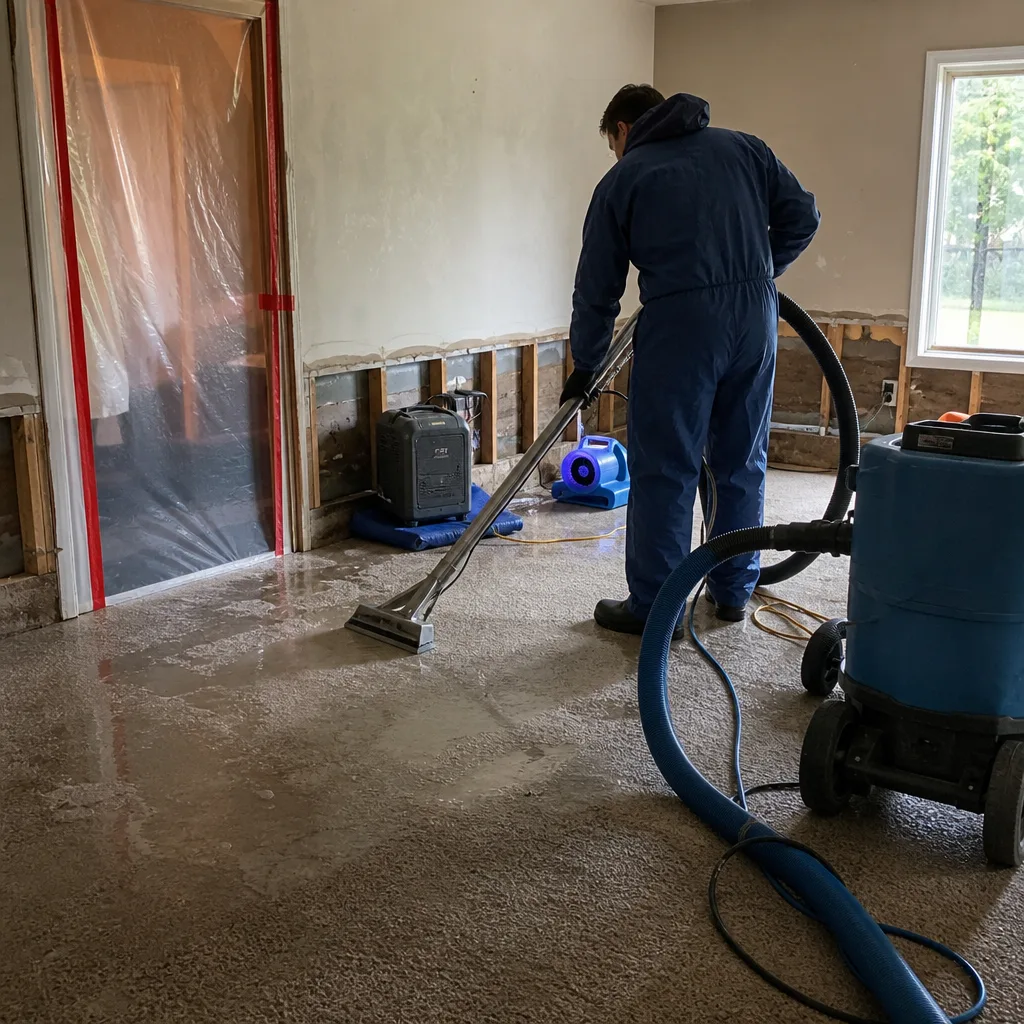
Emergency Water Extraction
We extract standing water from Auburn homes using truck-mounted systems and portable submersible pumps sized to the job. A typical basement extraction on the valley floor runs $950-$1,800 depending on depth and contamination level. We document water line height, affected square footage, and material classification before moving a single piece of furniture - photos that your adjuster (and potentially your NFIP reviewer) will need in sequence. Emergency extraction in Auburn requires speed, but speed without documentation is worthless when the claim gets reviewed.
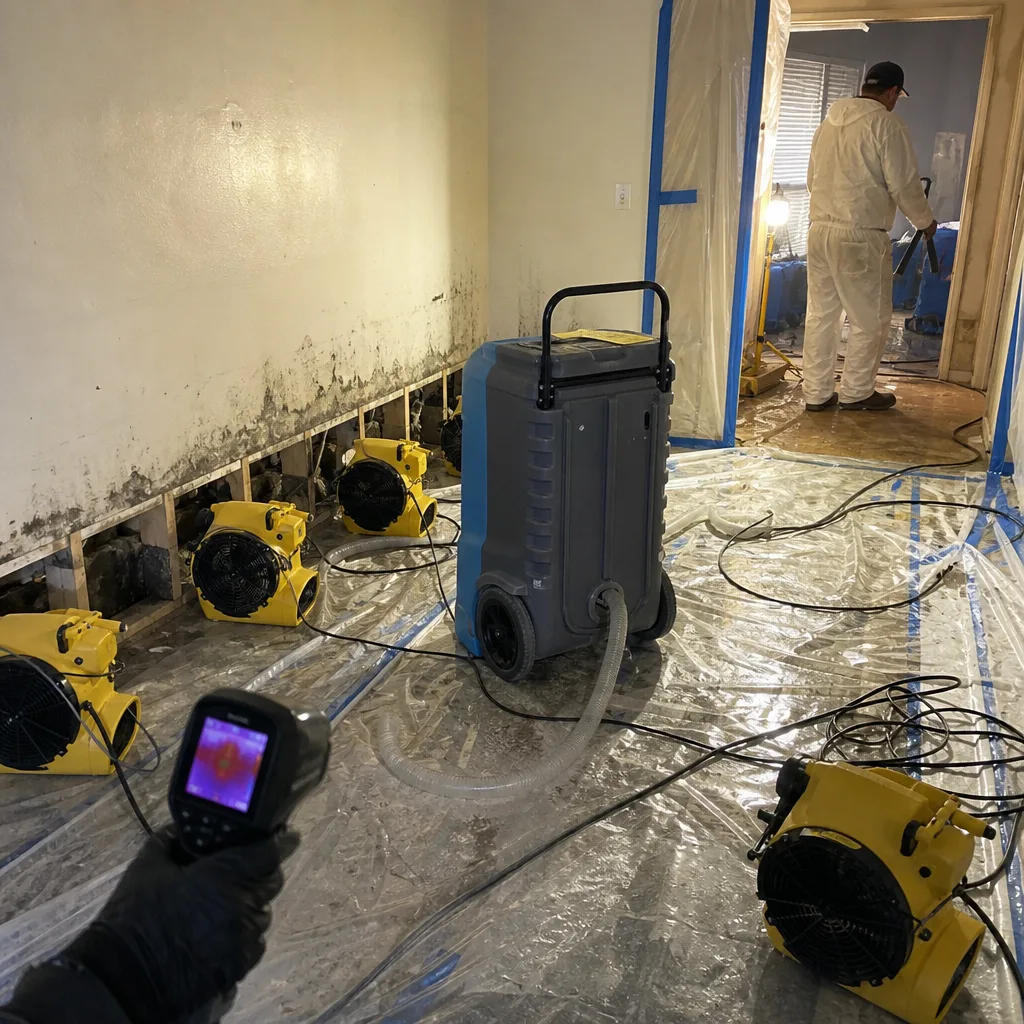
Structural Drying & Dehumidification
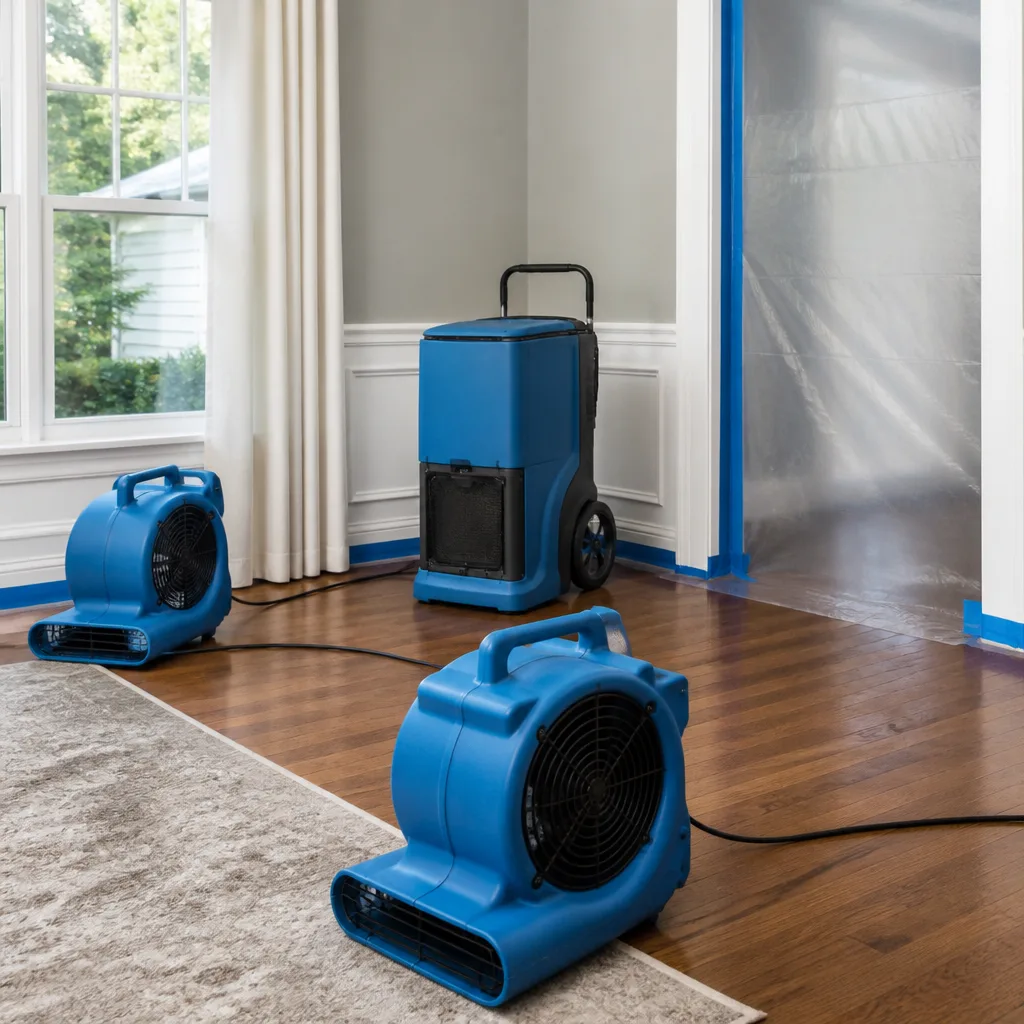
This is where Auburn’s geography punishes crews who cut corners. The valley’s trapped maritime moisture means wet framing, insulation, and crawl space materials stay saturated far longer than rainfall totals would suggest. We deploy Dri-Eaz desiccant dehumidifiers and Phoenix low-grain refrigerant units alongside XPOWER air movers to force vapor pressure differentials that ambient conditions never achieve naturally. A standard structural drying in Auburn runs 5-10 days, nearly double the timeline for comparable upland jobs because the crawl space never really dries on its own. Our daily moisture logs track psychrometric data - temperature, relative humidity, and specific humidity - at each affected room, producing the documentation trail that turns restoration invoices into payable claims. Typical range: $1,800-$4,200 for residential drying, with valley-floor crawl spaces trending toward the higher end.
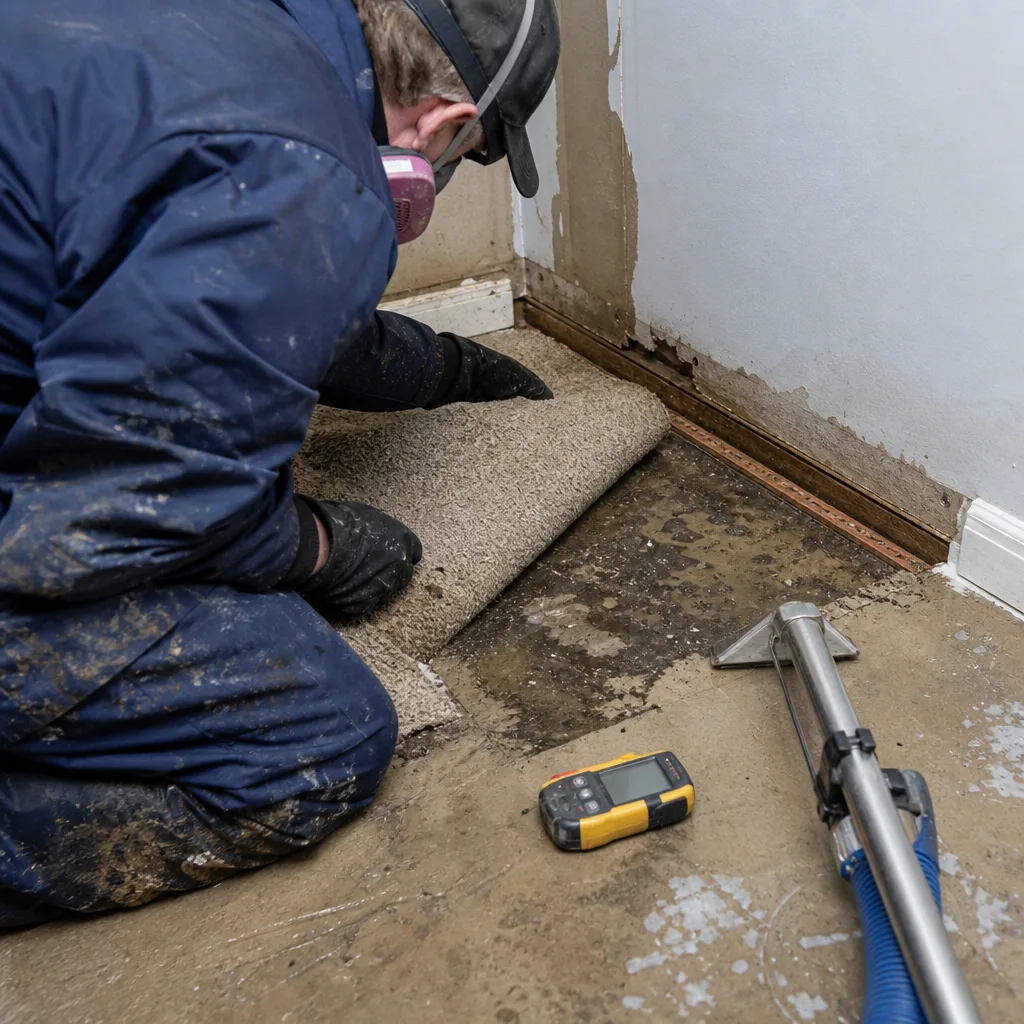
Flood Cleanup
Flood cleanup in Auburn carries a unique documentation burden. Valley-floor properties near the Green River corridor frequently carry active NFIP policies, so our scopes of loss and drying logs must satisfy both private adjusters and FEMA NFIP claim reviewers simultaneously - a dual-track paperwork burden that technicians working exclusively in Covington or Maple Valley rarely encounter. Category 3 floodwater (sewage-contaminated or ground-source) requires antimicrobial treatment, controlled demolition of saturated porous materials, and third-party clearance testing. We structure every flood cleanup with this dual-audience documentation from hour one, because retroactive paperwork organization fails NFIP review. Typical flood cleanup in Auburn: $4,500-$12,000 depending on contamination level, affected square footage, and whether NFIP documentation requirements apply.
Burst Pipe Restoration
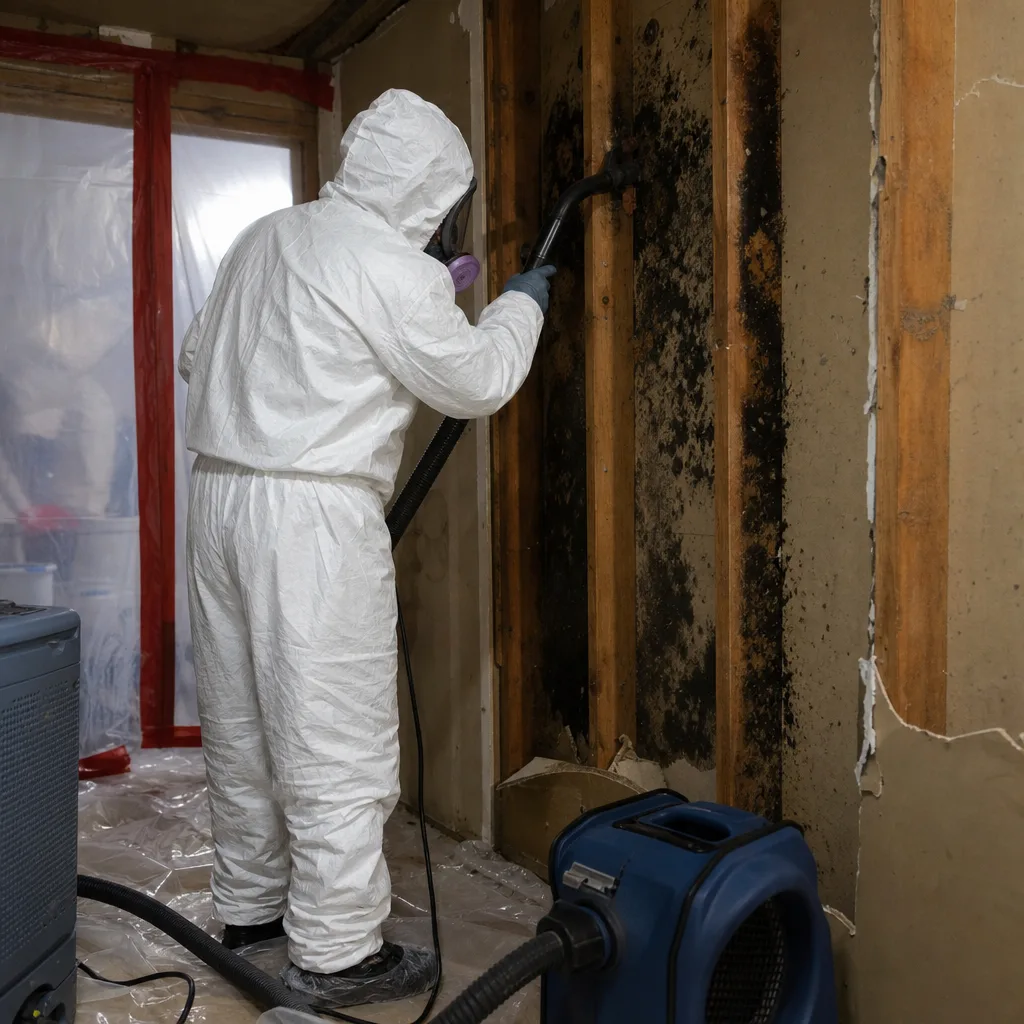
We got a call from a homeowner on a craftsman bungalow near the historic downtown core where a burst pipe had been leaking into a shallow, uninsulated crawl space for days before anyone noticed. Our tech ran moisture mapping and found the subfloor was saturated well beyond the visible stain, so we set up containment, applied antimicrobial treatment, and deployed Dri-Eaz desiccants and XPOWER air movers to combat the valley’s poor ambient drying conditions - the homeowner’s NFIP adjuster later cited our drying logs as the cleanest documentation in the claim file. The pack-out and structural drying took nearly twice as long as a comparable job on Lea Hill because the crawl space never really dried on its own. Burst pipe restoration in Auburn typically runs $2,200-$6,500; we deliver a written price before any demolition begins, Haven Standard, Clause 1.
What happens when you call
- 1
A real person answersNo phone trees - you reach a local pro.
- 2
You get an upfront price rangeHonest numbers before anyone is dispatched.
- 3
A background-checked tech heads outLicensed & insured, dispatched right away.
- 4
You approve before work beginsNothing starts until you say go.
 Before
 After
AfterTrusted Equipment Brands We Deploy in Auburn
Our crews carry professional-grade drying systems from Dri-Eaz, Phoenix, and XPOWER on every Auburn job - equipment documented to IICRC, RIA, and IFA standards. We don’t rent units by the day or scramble for availability during regional flood events. Our desiccant dehumidifiers, low-grain refrigerant units, and injection drying systems are maintained in-house and arrive with calibrated moisture meters and thermal imaging capability. For Auburn’s manufactured-home communities and limited-access crawl spaces, we stock Injectidry specialty drying attachments that direct airflow through wall cavities and subfloor channels without full demolition. This matters when your floor is buckling and the moisture source is trapped OSB you can’t reach from below.
Common Water Damage Restoration Problems We See in Auburn Homes
- Shallow valley-floor crawl spaces that never self-dry. Many homes near the historic downtown core and along the Green River corridor have uninsulated crawl spaces sitting inches above the water table. Crews that rely on ambient drying instead of mechanical dehumidification end up with mold colonization behind insulation within 10-14 days. We measure, we document, we run equipment until the readings prove dry.
- Manufactured-home subfloor moisture hidden from surface inspection. Auburn’s manufactured-home communities present distinct challenges around subfloor moisture damage and limited structural access. Moisture readings taken only at the surface miss saturated OSB underneath until the floor buckles. We use borescope inspection and strategic probe placement to find the real water line.
- NFIP dual-track documentation requirements that trip up unprepared contractors. Valley-floor properties in FEMA flood zones need scopes and drying logs structured for both private adjusters and FEMA reviewers simultaneously. Contractors who aren’t used to this dual-track paperwork produce documentation that satisfies neither, delaying claims by weeks or months.
- Extended mold colonization risk from trapped maritime moisture. Auburn’s valley position limits solar and wind drying naturally October through May. Wet framing and insulation stay saturated far longer than forecast rainfall would suggest, routinely extending remediation timelines and elevating mold risk if extraction crews don’t account for poor ambient conditions.
Pricing for Water Damage Restoration in Auburn, WA
| Service | Typical Range in Auburn |
|---|---|
| Emergency water extraction | $950 - $1,800 |
| Structural drying & dehumidification | $1,800 - $4,200 |
| Burst pipe restoration (with drying) | $2,200 - $6,500 |
| Flood cleanup (Category 3, with NFIP documentation) | $4,500 - $12,000 |
| Basement water removal (full service) | $2,800 - $7,500 |
| Ceiling/roof leak damage (drywall, insulation, drying) | $1,500 - $5,000 |
What moves you within these ranges: square footage affected, contamination category (clean water vs. gray vs. black), whether the crawl space requires extended dehumidification, and whether NFIP dual-track documentation applies. We deliver a written price before work begins, every time, with no scope-creep additions once the crew is inside - Haven Standard, Clause 1. Bring a competitor’s written estimate and we’ll review it free: our Free Second Opinion, no charge.
We Also Serve Cities Near Auburn
Our crews respond throughout the Green River Valley and surrounding plateaus, including Auburn, Federal Way, Milton, Kent, and Puyallup. Dispatch and scheduling are coordinated from our Seattle office; crews serve Auburn locally with the same documentation standards and written-price guarantee that apply across our full service area.
Serving Auburn, WA - Our Local Coverage Area
We’re based in the Auburn area and know this community well. Use the map below to see our service coverage - if you’re nearby, we can almost certainly help.
FAQs - Water Damage Restoration in Auburn
Restoration timelines in Auburn run 30-50% longer than comparable upland jobs because the valley traps maritime moisture and limits natural drying. A structural dry-out that takes 4-6 days in Federal Way or Kent typically requires 7-10 days in Auburn’s valley-floor neighborhoods, where crawl spaces and wall cavities stay saturated without continuous mechanical dehumidification. We account for this in our initial scope and equipment deployment, not by surprise-extending the timeline mid-job. Call (253) 322-4873 for a written estimate that reflects actual valley conditions.
Category 1 is clean water from a burst supply line; Category 2 is gray water with mild contamination from appliances or sump overflow; Category 3 is black water from sewage, ground flooding, or storm surge. The category determines demolition requirements, antimicrobial treatment, and whether your Auburn property needs third-party air-quality clearance before reconstruction. Category 3 floodwater in FEMA zones also triggers specific NFIP documentation requirements that Category 1 jobs don’t face. We classify and document water category in our first site report, with photos, so there’s no dispute during claim review.
Mold colonization begins in 48-72 hours in standard conditions, but Auburn’s valley moisture can accelerate this to 36-48 hours during October-May when ambient humidity already exceeds 70%. The combination of saturated materials and poor natural ventilation in shallow crawl spaces makes proactive dehumidification essential, not optional. We deploy equipment within hours of extraction to push timeline pressure back in your favor. If you suspect water has been present for more than a day, call (253) 322-4873 - we include mold assessment in our initial moisture mapping at no additional charge.
NFIP claims require itemized scopes of loss, sequential drying logs with daily moisture readings, and photo documentation that proves each step met FEMA’s “reasonable and necessary” standard - a higher bar than most private adjusters set. Private adjusters may accept summary invoices; NFIP reviewers reject them routinely for insufficient detail. We structure every FEMA-zone job with dual-track documentation from extraction through final walkthrough, so both audiences get what they need without retroactive rework. This is standard on our Auburn flood jobs, not an upsell.
Sometimes, if we catch it early and the OSB subfloor hasn’t delaminated. We use Injectidry injection drying systems and targeted dehumidification to push airflow through limited-access cavities without full demolition. But manufactured-home subfloors in Auburn’s valley communities have restricted structural access, and moisture readings taken only at the surface frequently miss hidden saturation until the floor buckles. We borescope and probe first, then give you a written scope with actual numbers - not a guess. If the subfloor is too far gone, we’ll say so before cutting anything. Call (253) 322-4873 for an honest assessment.
Written by Alicia Brennan, Owner at Back to Dry Restoration, serving Auburn since 2011.