
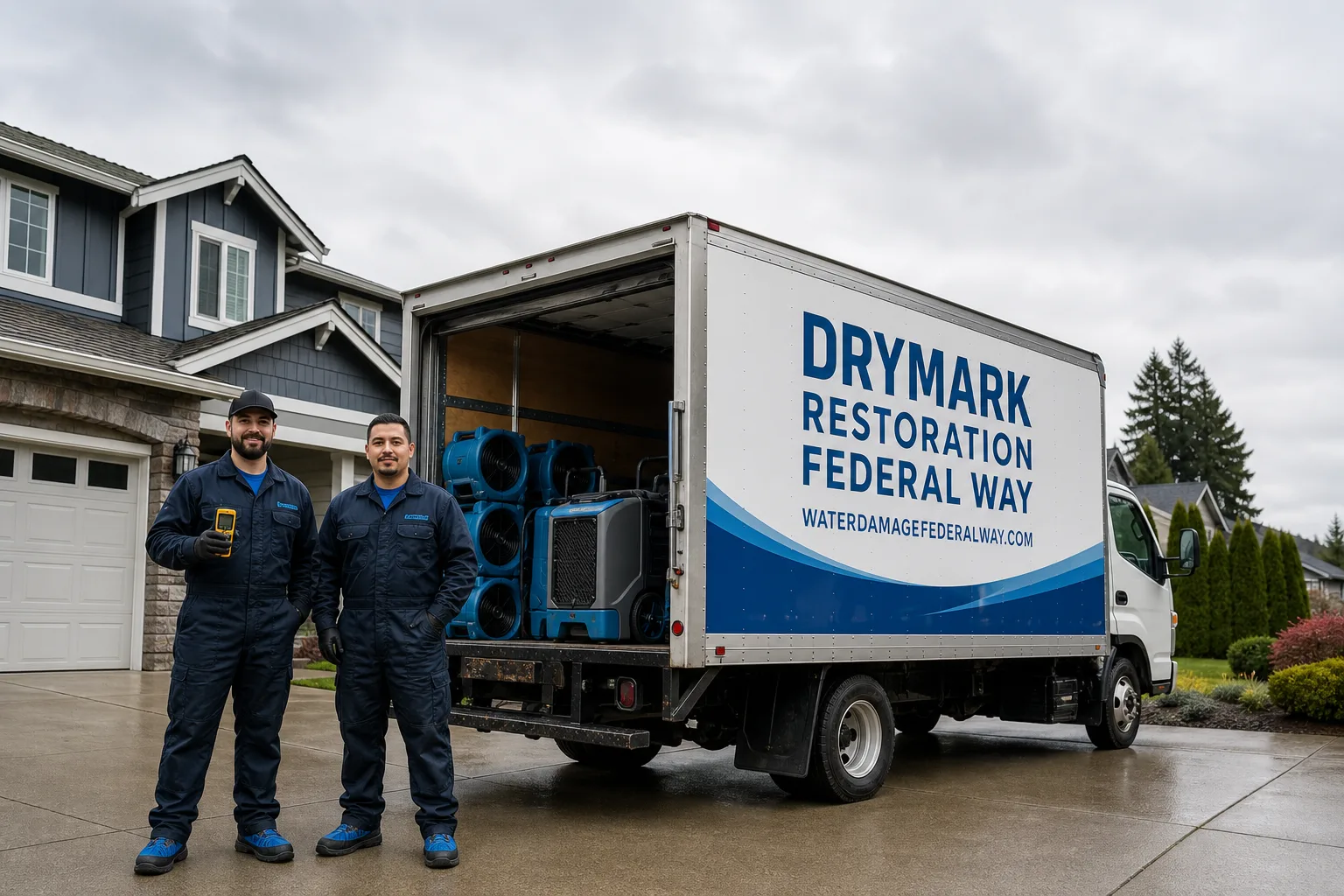
Free visual inspection and a written scope of work before any mitigation begins - photos, moisture readings, and drying logs go in your claim file
The scope we write is the scope we bill. Anything new gets shown to you, in writing, before we touch it.
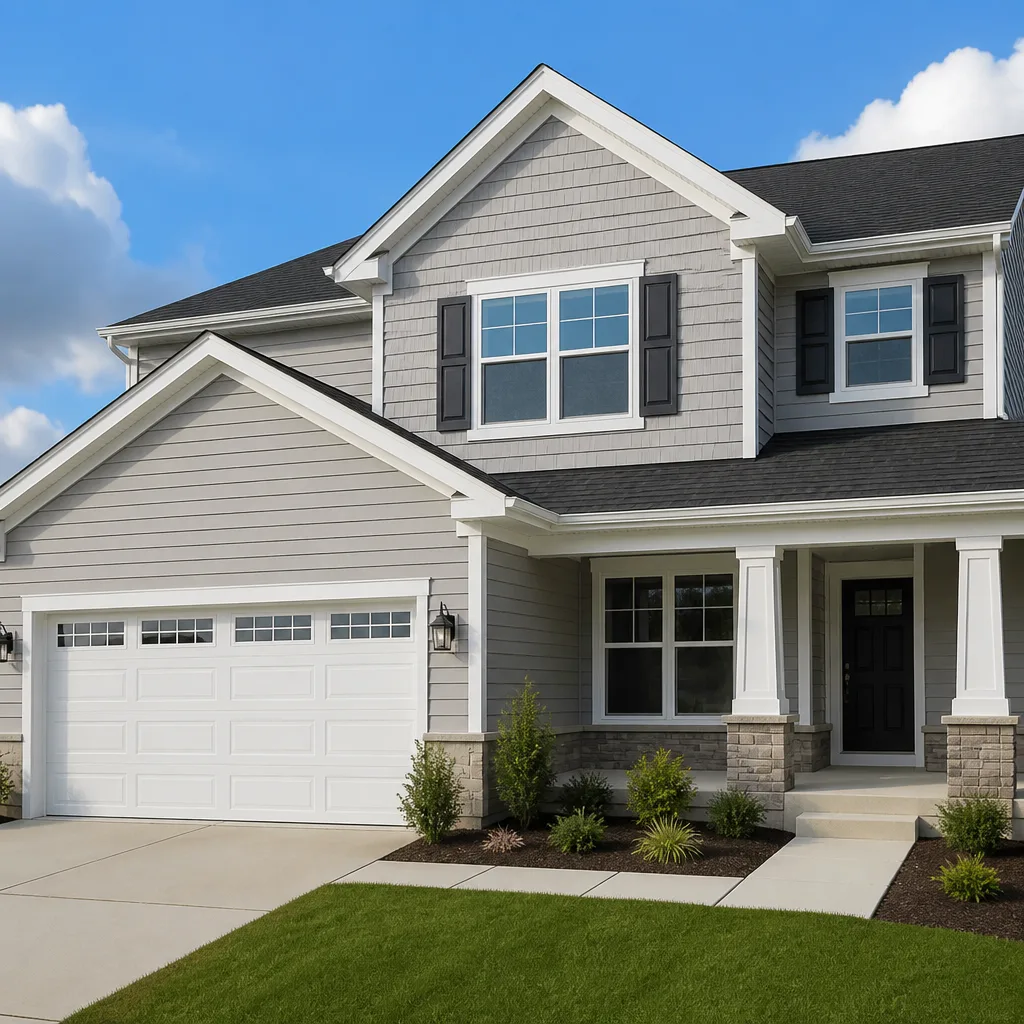
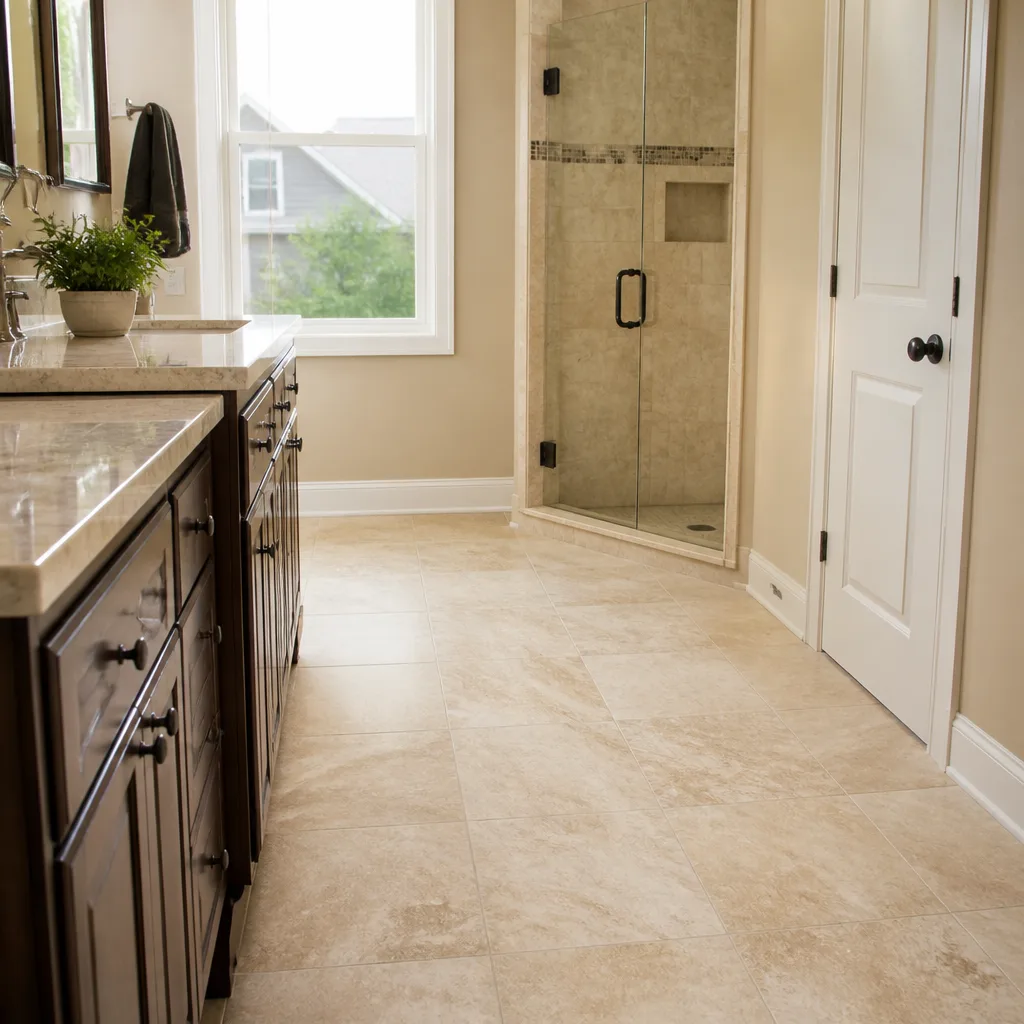
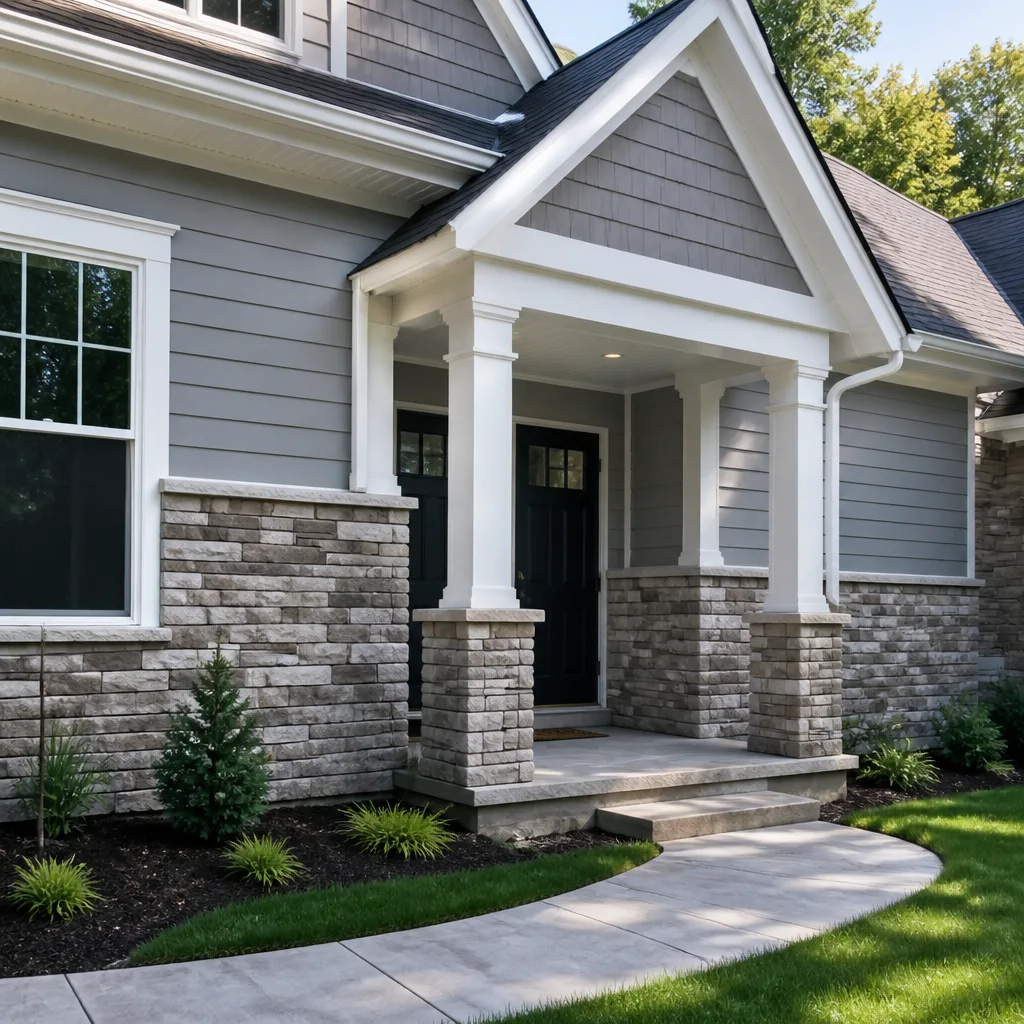
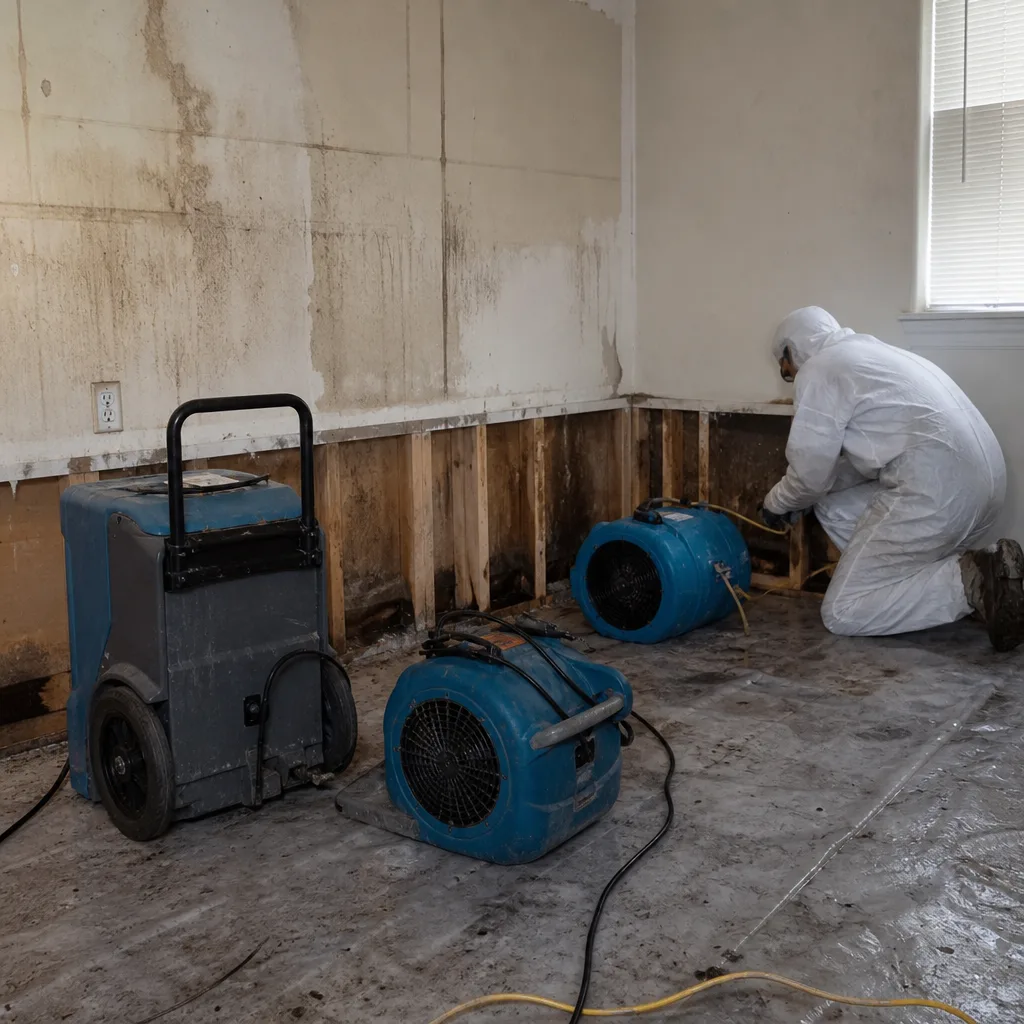 Before
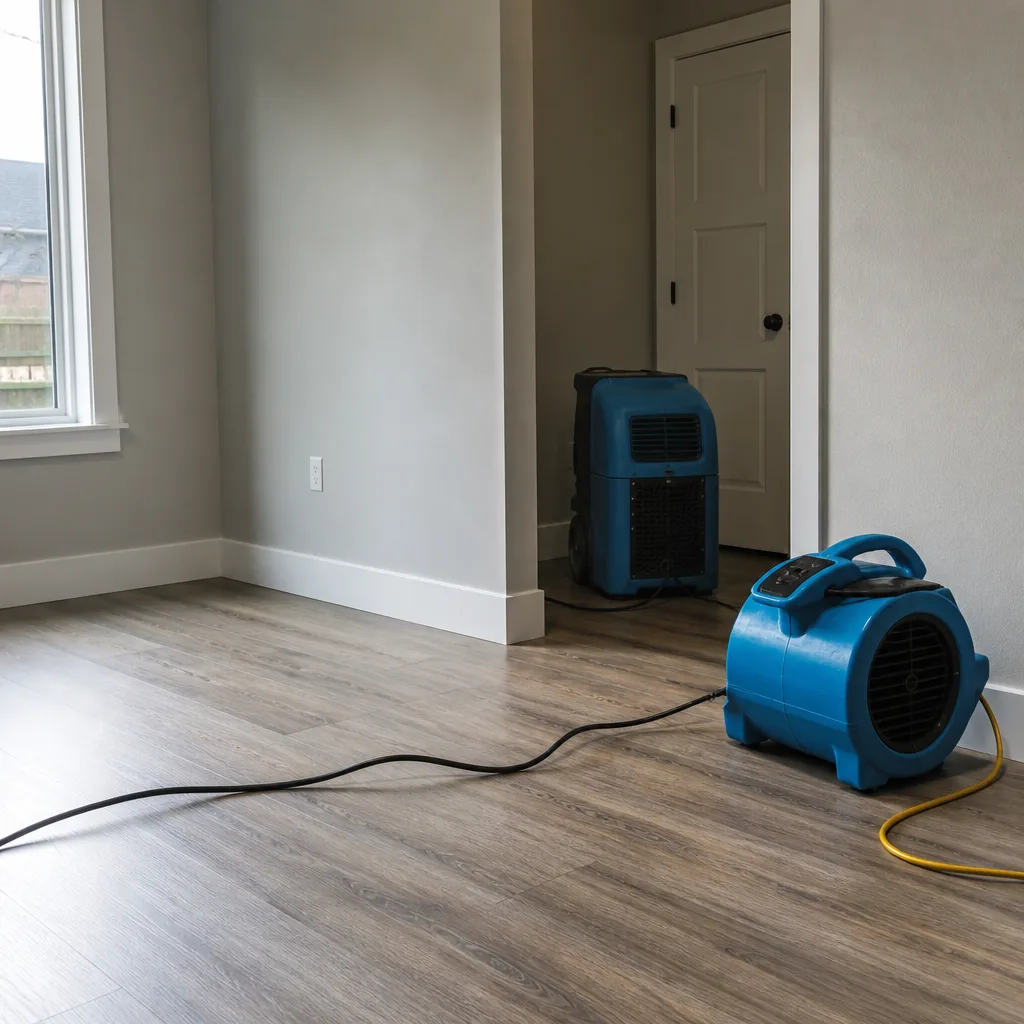 After
After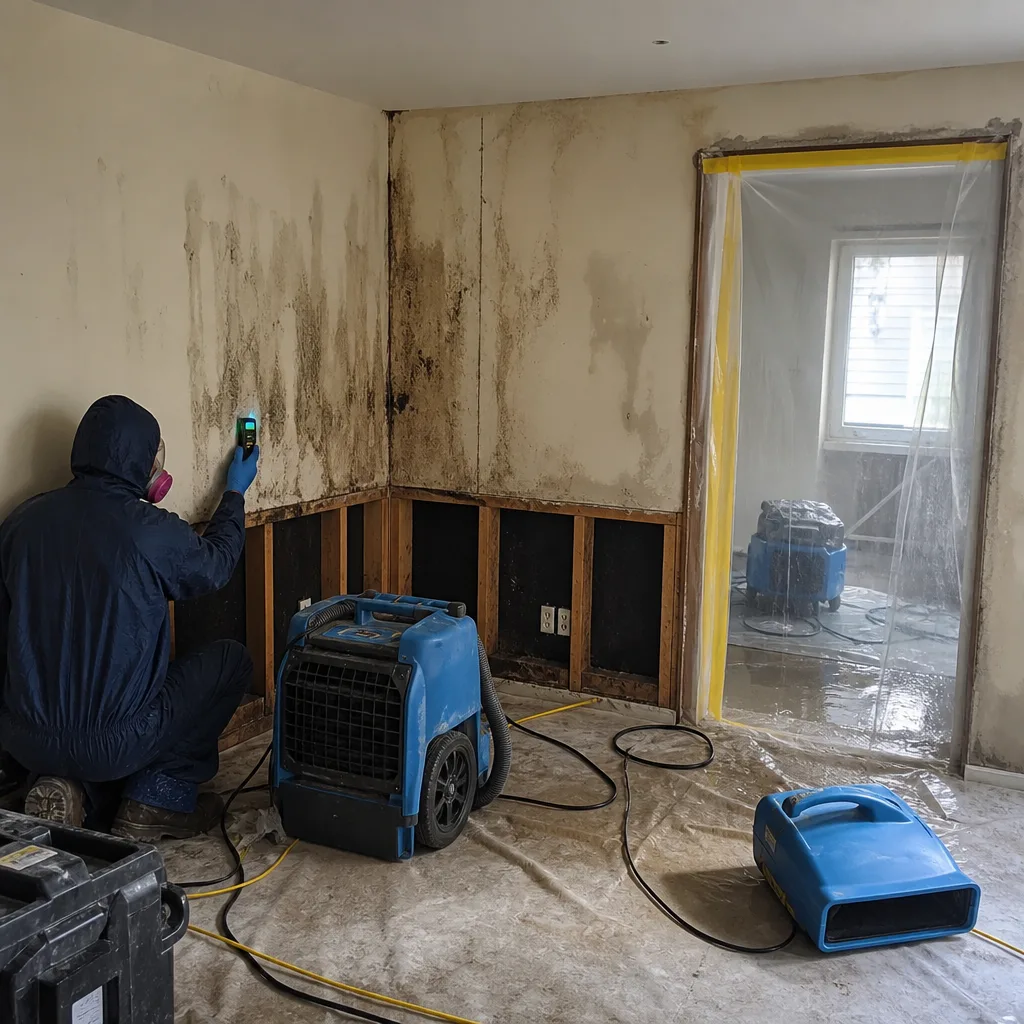 Before
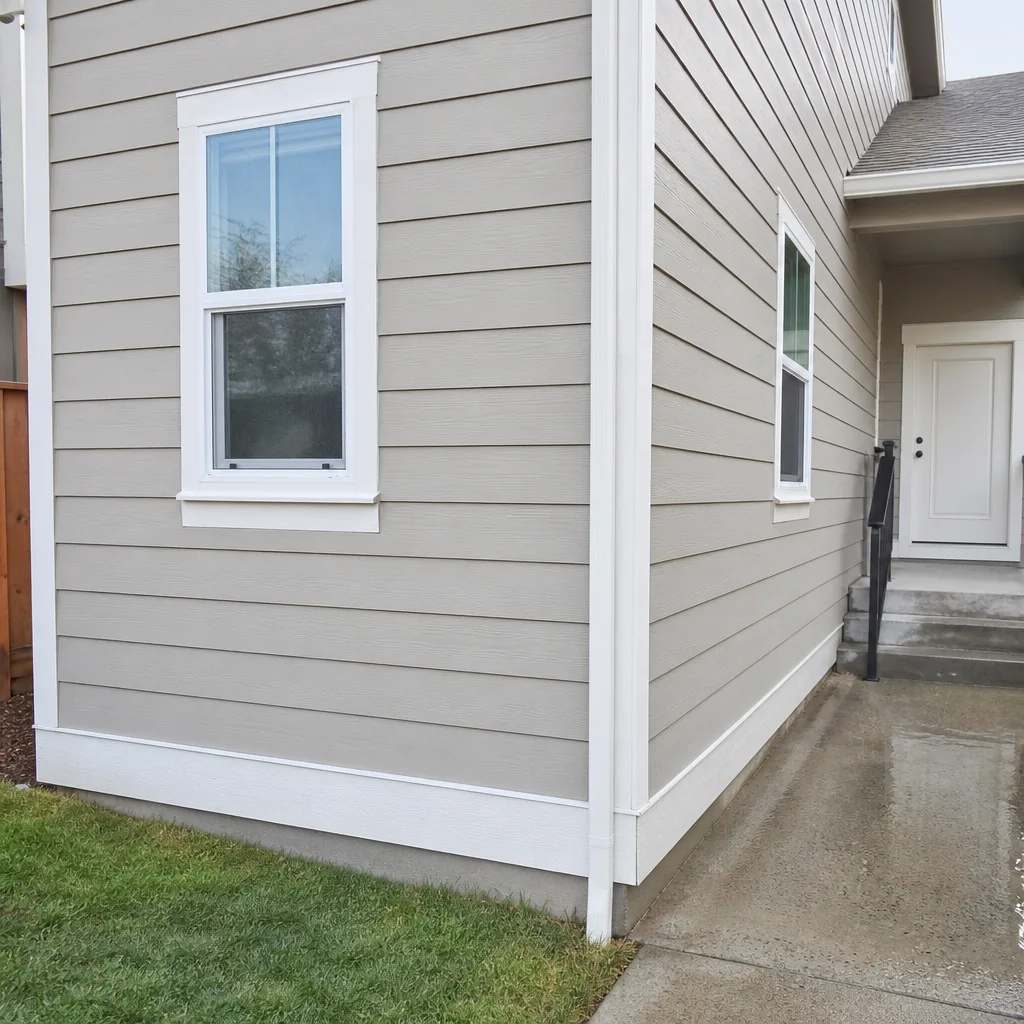 After
After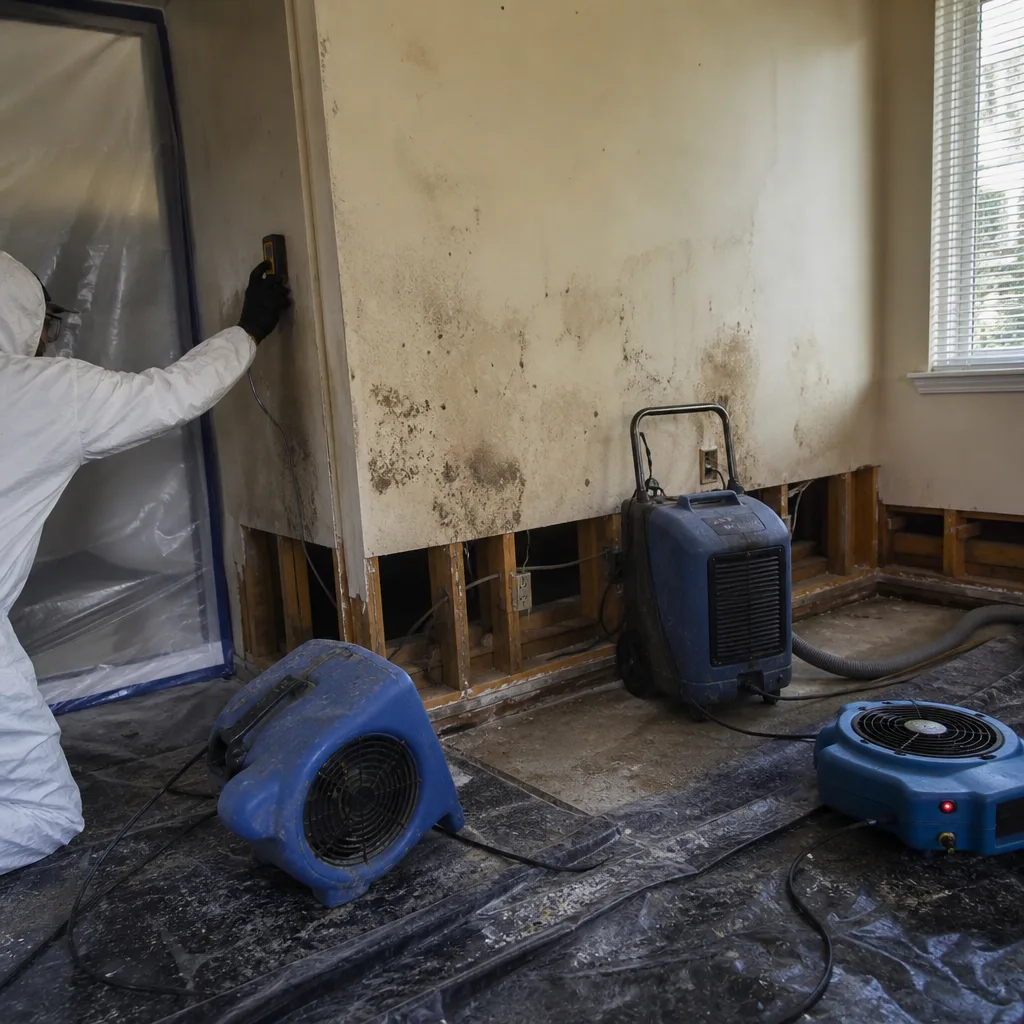 Before
 After
AfterFast, Reliable Water Damage Restoration Across Puyallup
Water damage restoration in Puyallup typically costs $2,800-$6,500 for a standard residential mitigation, with emergency water extraction running $180-$340 per hour and structural drying equipment rental at $95-$175 per day per unit. Most Puyallup calls reach a live person in under 60 seconds, and our crews can be on-site anywhere in the city within 45-90 minutes during daylight hours. Call (253) 322-4873 - the line is answered 24 hours a day, 7 days a week, no voicemail.
We’ve restored water-damaged homes in Puyallup since 2011, from the 1920s craftsmen near downtown to the engineered-wood subdivisions climbing South Hill. The valley geography here creates restoration problems Tacoma’s better-drained bluff neighborhoods simply don’t face: a high water table, chronic crawl-space moisture, and the compressed drying timeline that comes with Puyallup’s elevated ambient humidity. Our Water Damage Restoration team documents every job to IICRC, RIA, and IFA standards because we’ve seen what happens when sloppy paperwork kills an insurance claim.
Why DryMark Restoration Federal Way Is Puyallup’s Preferred Water Damage Restoration Company
Puyallup homeowners know the difference between a contractor who shows up with a wet vac and one who arrives with truck-mount extraction, psychrometric meters, and a written scope already printing. We’ve restored 12,000+ homes since 2011, every one with a documented photo record and a price signed before work started. Haven Standard, Clause 1: written price before work begins. No exceptions.
Our response time to Puyallup averages under 90 minutes during peak hours, faster to the valley-floor neighborhoods near River Road and downtown where water moves fastest through shallow crawl spaces. Dispatch and scheduling are coordinated from our Seattle office, but crews serve Puyallup locally and carry the permit and code familiarity that keeps jobs moving.
Reviews from Puyallup customers consistently cite two things: the daily moisture logs that made their adjuster pay without a fight, and the written 365-Day Done Right Promise backed by The Haven Standard - not a verbal assurance, a signed guarantee stamped on every job. Alicia Brennan built this company around the documentation gap that costs homeowners their claims. That origin shows in how we work.
Our Water Damage Restoration Services in Puyallup
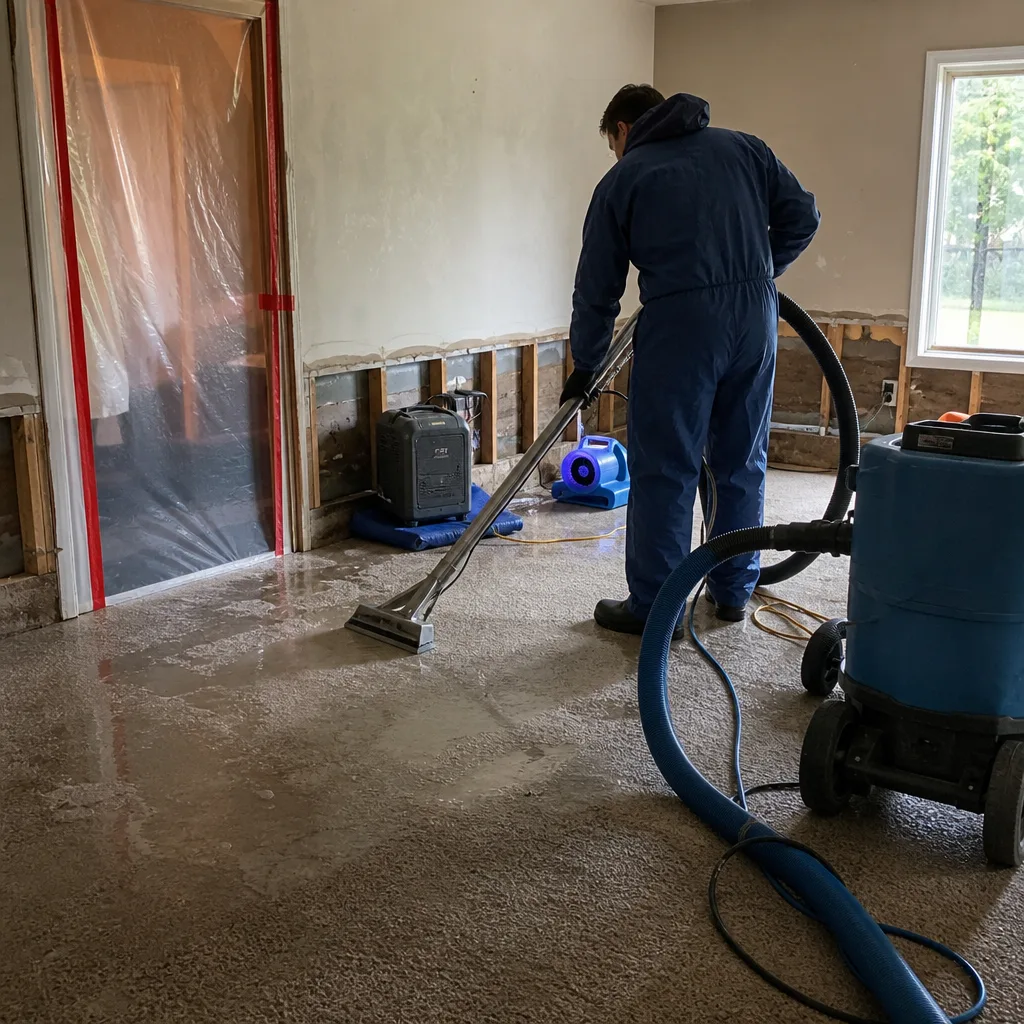
Emergency Water Extraction
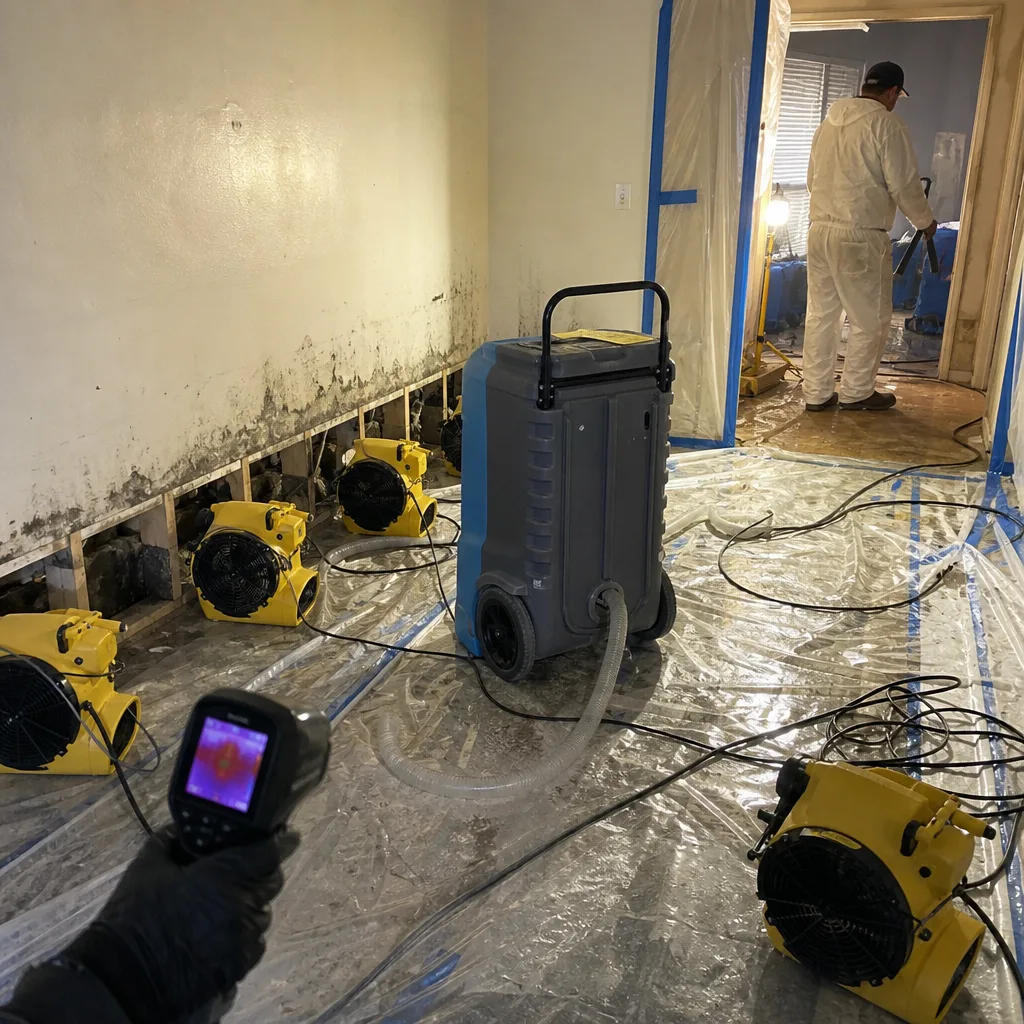
When a supply line bursts in a South Hill townhome or a washing machine overflows in a Meridian duplex, standing water doesn’t wait. Our truck-mount extraction systems pull category 1-3 water at 200+ CFM, and we deploy portable submersibles for basement water removal in Puyallup’s tighter 1940s crawl spaces where truck-mount hose runs won’t fit. Every extraction is photo-documented before, during, and after, with moisture readings logged to the drying record.
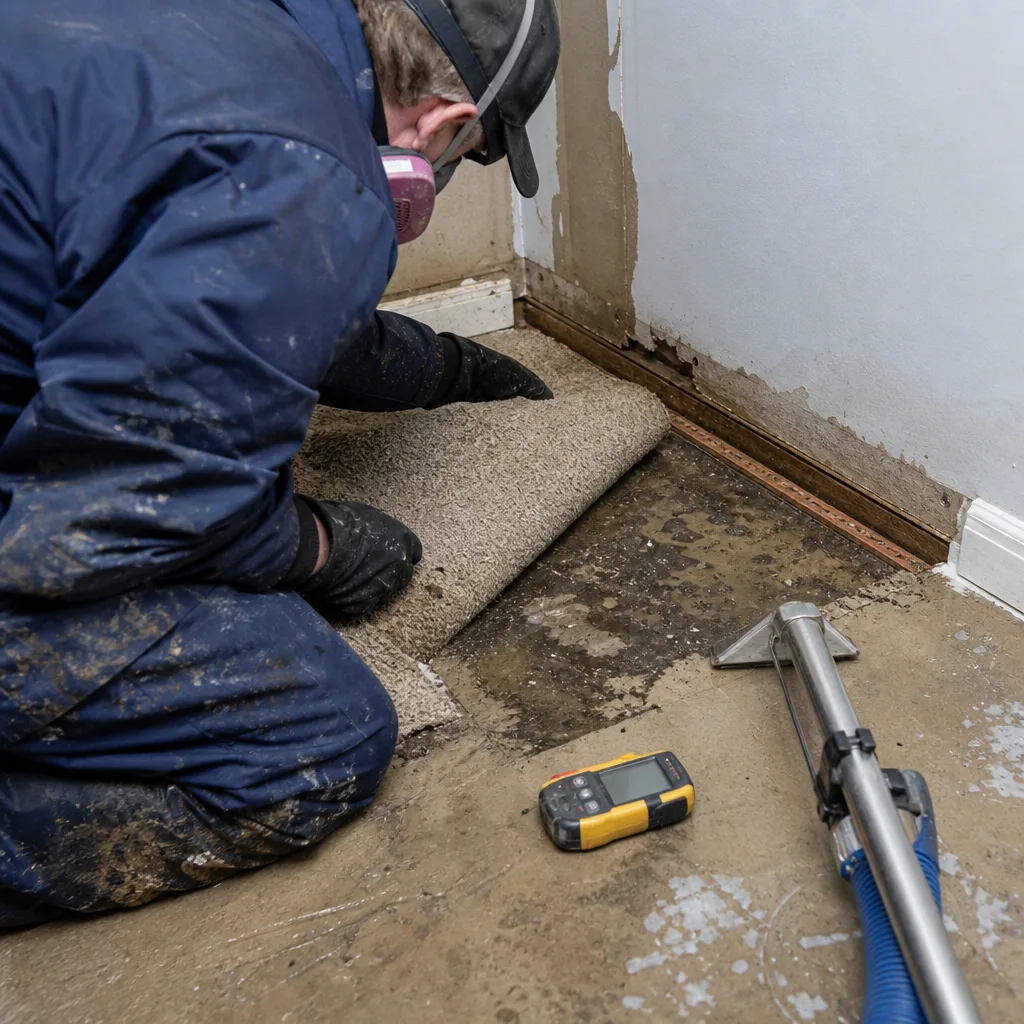
Structural Drying & Dehumidification
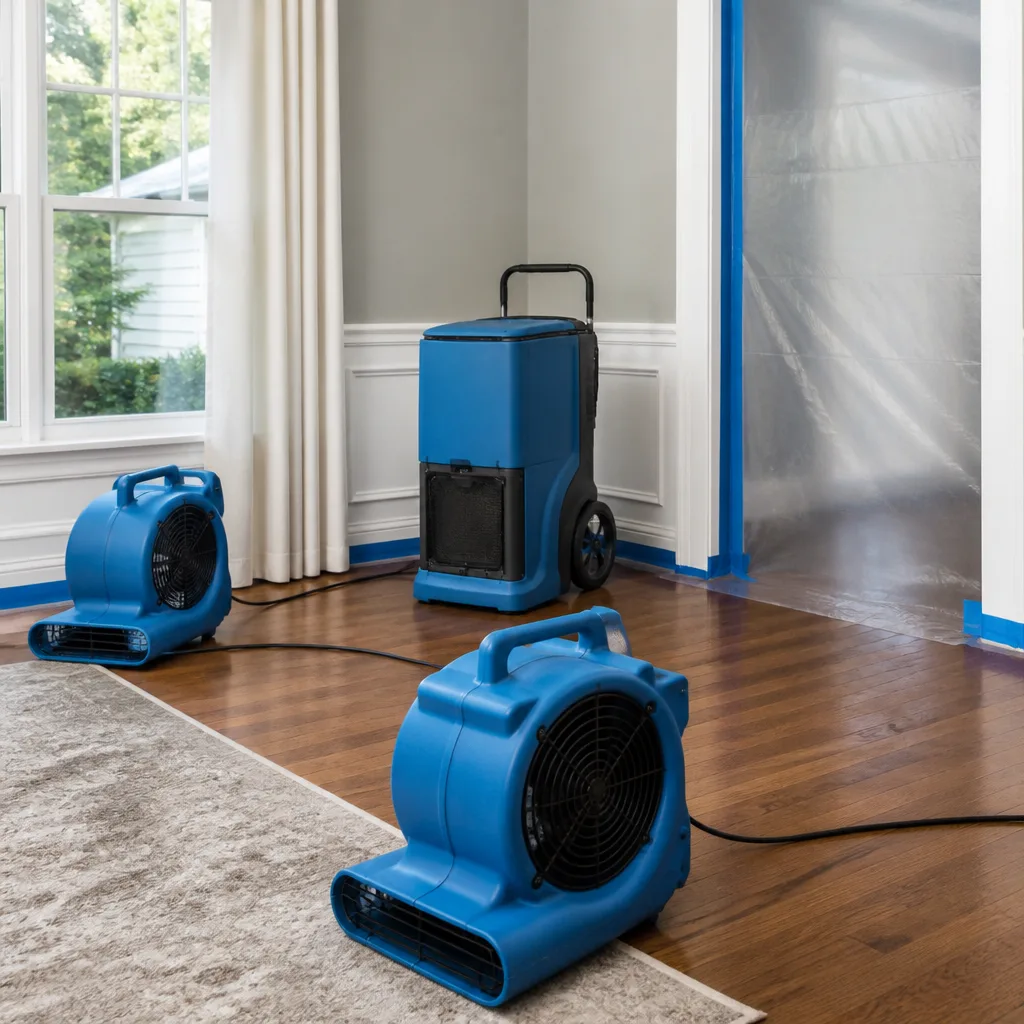
Puyallup’s valley geography funnels Pacific moisture against the Cascade foothills, keeping ambient humidity elevated even by Western Washington standards. That humidity compresses the drying window before secondary mold growth establishes itself. We deploy Dri-Eaz and Phoenix dehumidifiers sized to the vapor pressure differential - the measurable force that drives moisture from wet materials into dry air - and we seal containment around valley-floor crawl spaces rather than blowing open air that just re-wets the assembly.
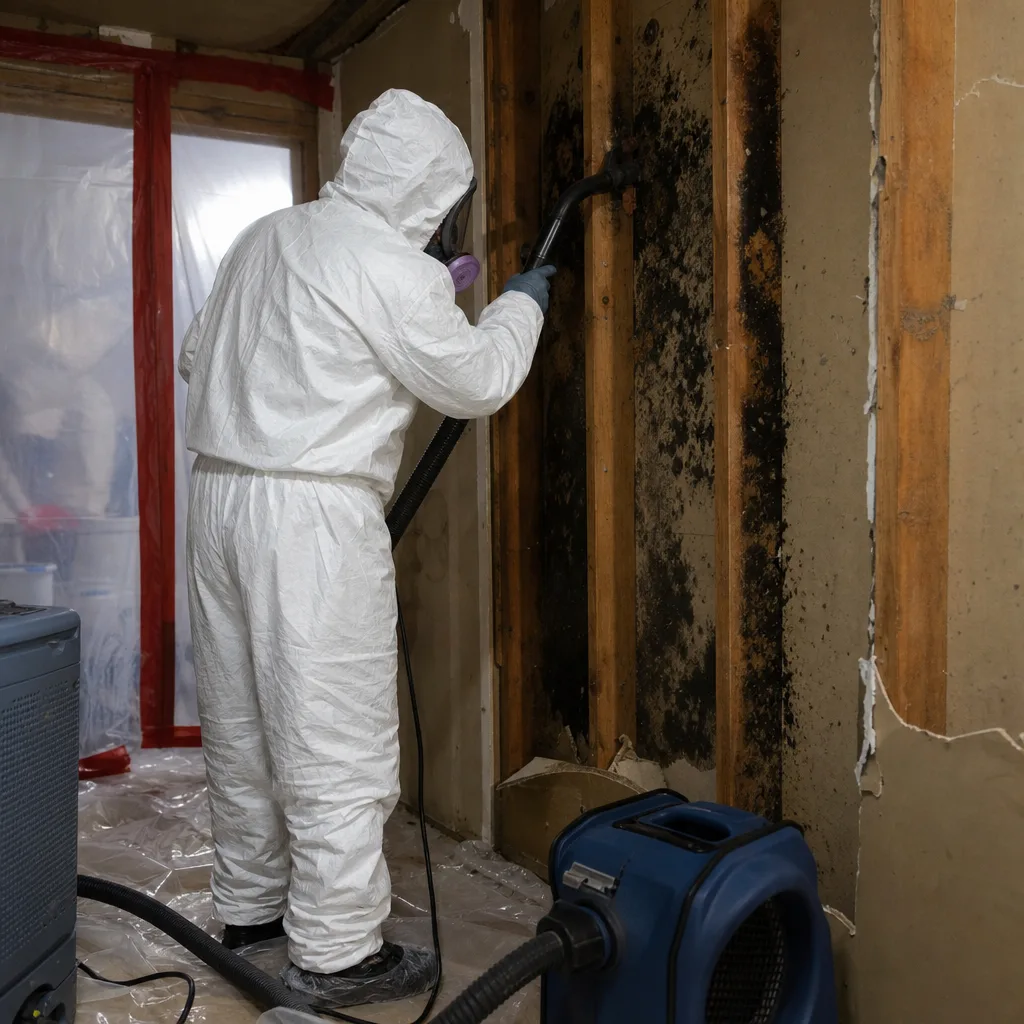
Flood Cleanup
Puyallup sits on a FEMA-mapped flood zone and a USGS-designated Mount Rainier lahar inundation corridor. The Puyallup River overtopped levees in 2006 and 2009, inundating valley-floor neighborhoods with category 3 water - river water carrying silt, agricultural runoff, and potential pathogens. Flood cleanup here requires full PPE, antimicrobial treatment, and disposal documentation that satisfies both IICRC S500 and adjuster scrutiny. We provide the written scope, the photo record, and the daily drying logs that turn a restoration invoice into a payable claim.
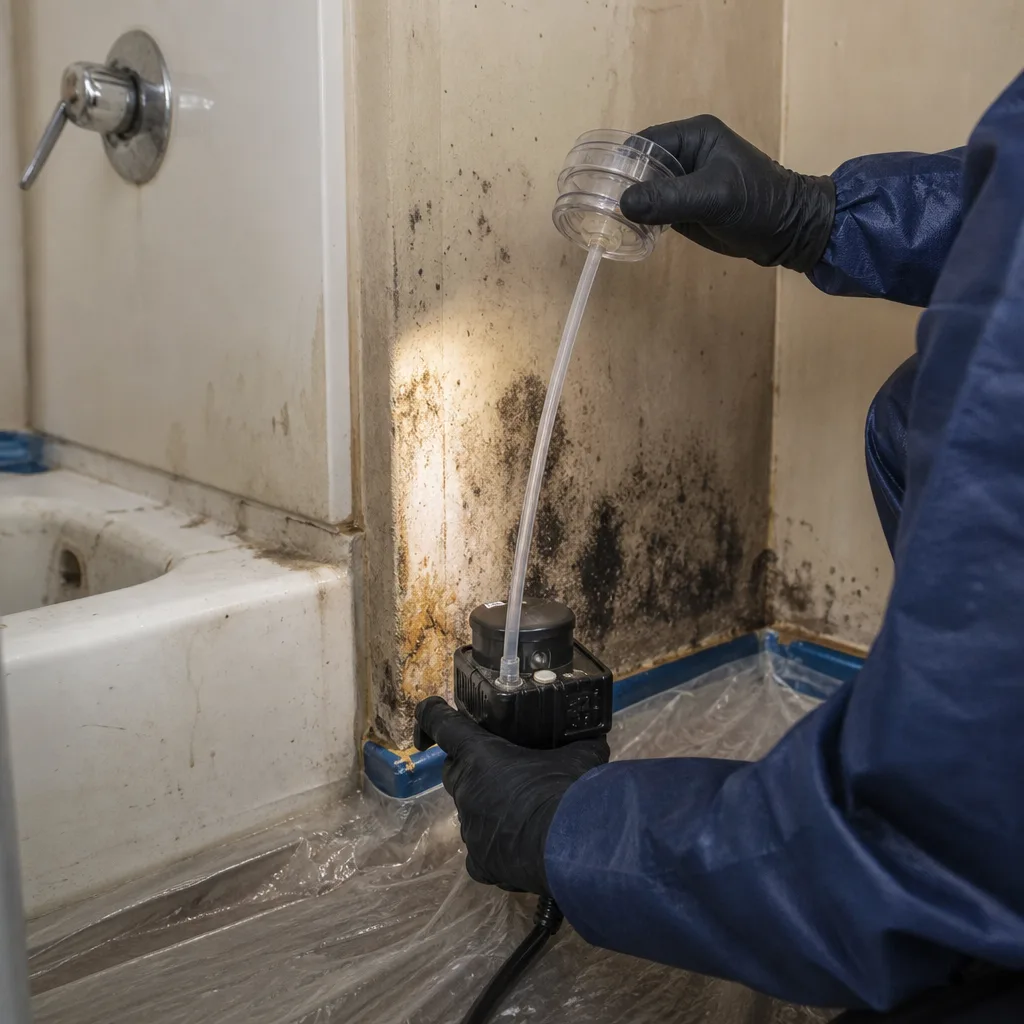
Burst Pipe Restoration
We got an after-hours call from a 1940s craftsman off River Road where a supply line let go under the kitchen sink and ran into a shallow dirt crawl space already showing old mold colonization. Our techs pulled category 1 water with truck-mount extraction, laid air movers and a Dri-Eaz dehumidifier under a temporary containment, then moisture-mapped the subfloor and logged readings against the pre-loss condition. Because the fungal growth predated the leak, the scope of work bundled structural drying with an antimicrobial treatment pass and a second day of drying logs to satisfy the dual-scope documentation. This pattern - active water mitigation plus IICRC S520 mold remediation - is so common in Puyallup’s downtown and River Road zip codes that experienced local techs treat every burst-pipe call there as presumptive dual-scope.
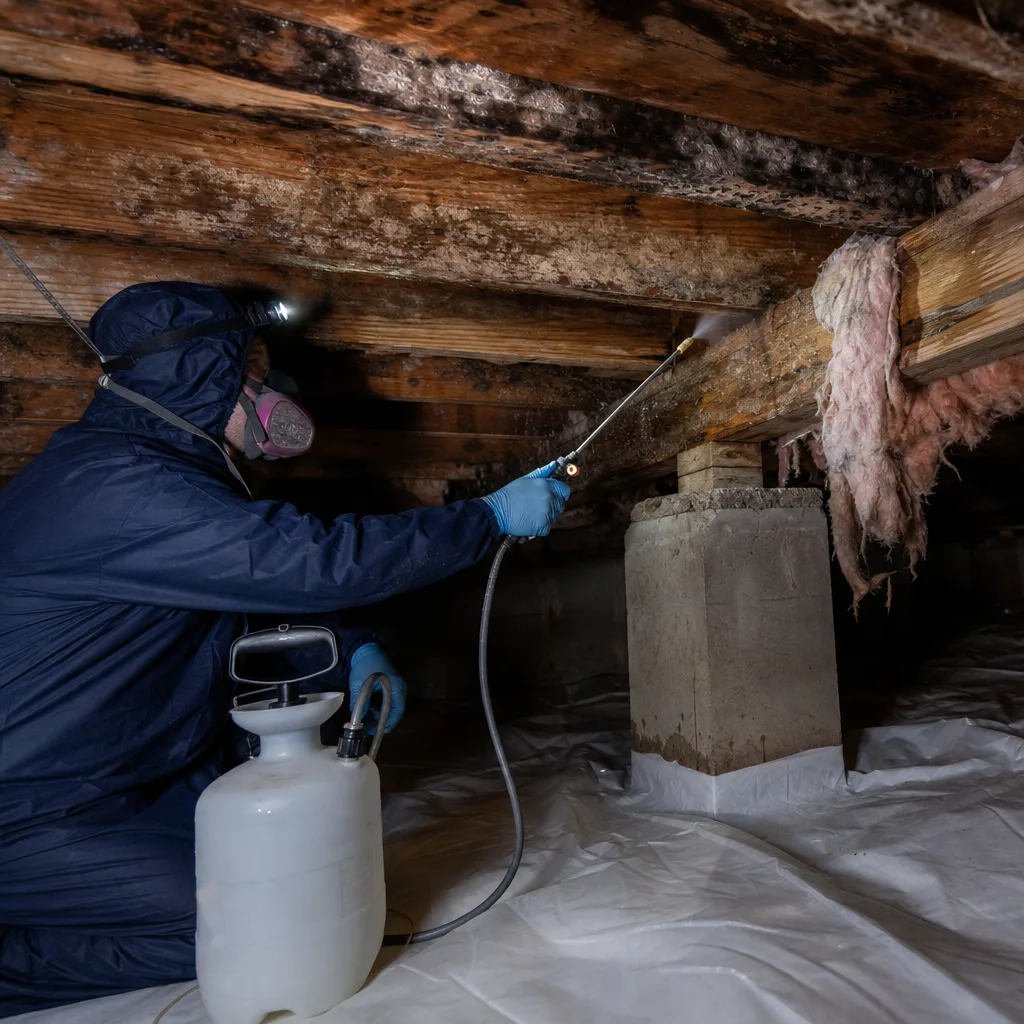
Basement Water Removal
Older Puyallup basements, especially in the 1920s-1950s stock near downtown, were built on former agricultural floodplain with perimeter drains that have long since failed. Snow melt from the Cascades raises the Puyallup River’s stage rapidly in late winter and early spring, creating a seasonal surge in basement flood calls that neighboring Tacoma doesn’t experience. We pump, extract, and install temporary drying systems while documenting the water source for insurance - river intrusion versus groundwater versus plumbing failure, each with different coverage implications.
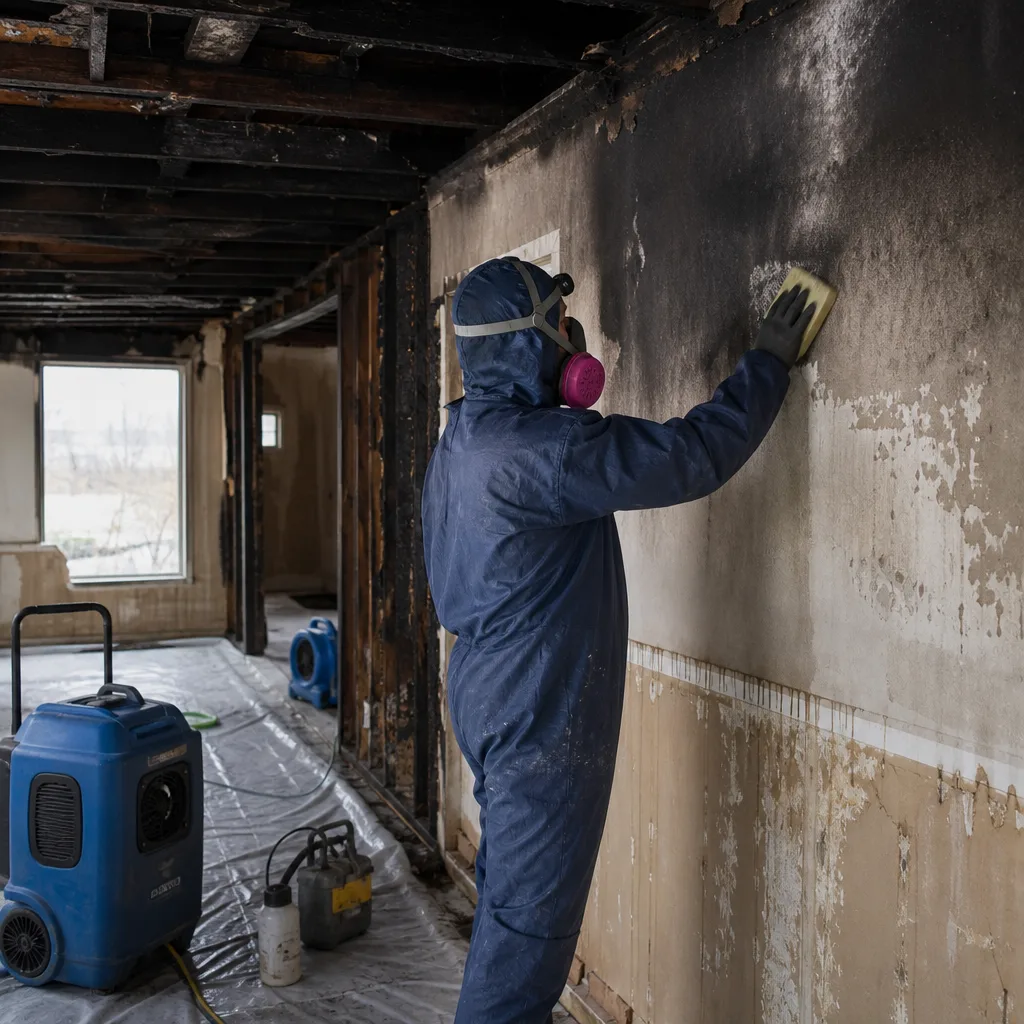
Ceiling & Roof Leak Water Damage
South Hill’s 1990s-2010s subdivisions with engineered wood siding and OSB sheathing show a specific failure mode: moisture breaches improperly installed housewrap, the OSB delaminates within 48-72 hours, and the damage tracks along structural members in ways that look smaller than it is. We moisture-map the full assembly, not just the visible stain, and write the scope to include hidden material replacement when readings justify it.
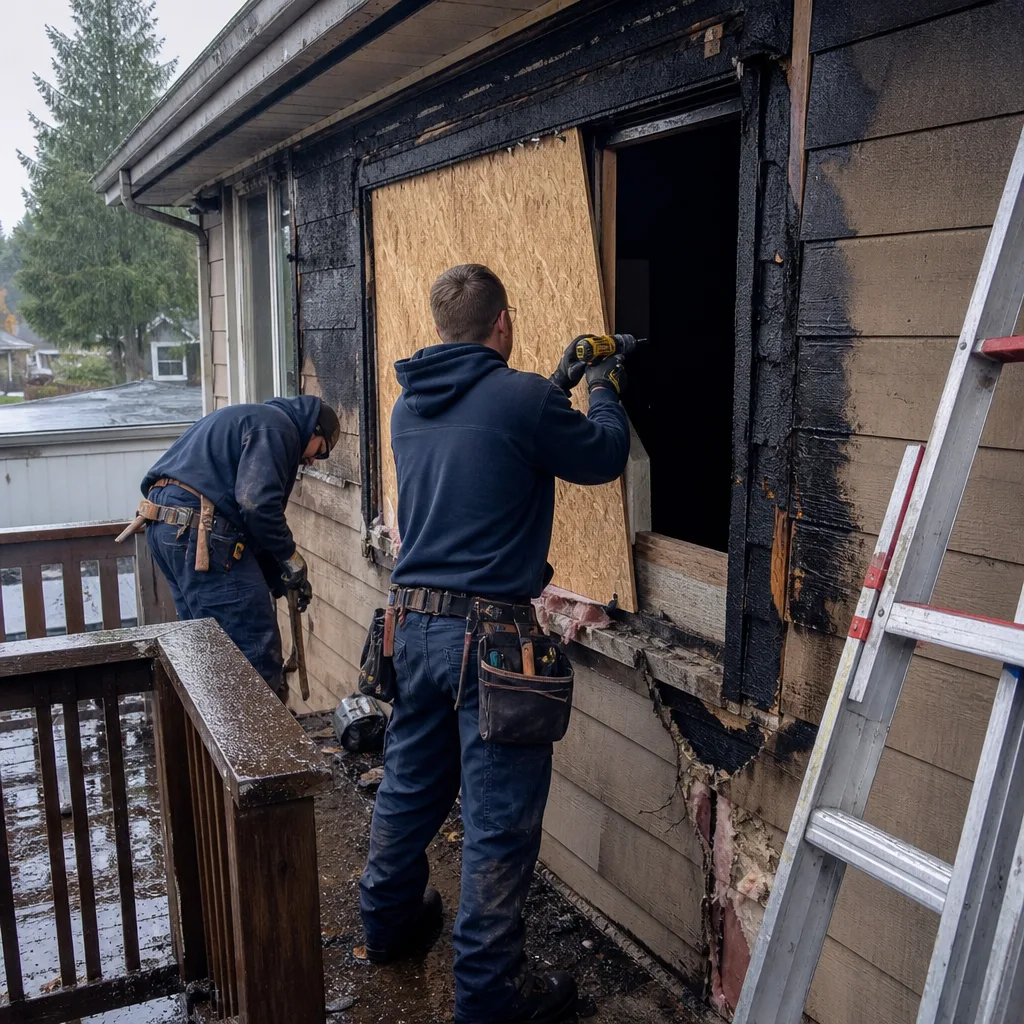
What happens when you call
- 1
A real person answersNo phone trees - you reach a local pro.
- 2
You get an upfront price rangeHonest numbers before anyone is dispatched.
- 3
A background-checked tech heads outLicensed & insured, dispatched right away.
- 4
You approve before work beginsNothing starts until you say go.
 Before
 After
AfterCommon Water Damage Restoration Problems We See in Puyallup Homes
- Drying valley-floor crawl spaces with open air movers but no sealed containment. The elevated Puyallup valley humidity just re-wets the structural materials and the drying logs never flatline. We see this from out-of-market contractors who don’t understand the local microclimate.
- Treating a River Road or downtown burst-pipe call as category 1 water only. The chronic pre-existing mold in shallow dirt crawl spaces turns a one-scope mitigation into a failed clearance. We moisture-map and photograph pre-existing conditions before extraction starts.
- Using standard drying timelines on 1920s-1950s farmhouse framing over former floodplain. Ground moisture keeps feeding the assembly from below, extending structural drying well past the typical Western WA window. Our scopes build in extended dehumidification and daily moisture-log verification.
- Missing the housewrap failure on South Hill engineered siding. OSB sheathing delaminates rapidly once moisture breaches the weather-resistant barrier, and the damage often extends two or three bays beyond the visible stain. We use thermal imaging and pinless meters to trace the full extent before writing the scope.
Pricing for Water Damage Restoration in Puyallup, WA
Most residential water damage restoration in Puyallup falls between $2,800 and $6,500 for a complete mitigation, with smaller contained jobs - a single-room supply-line break with no structural damage - starting around $1,400. Emergency water extraction runs $180-$340 per hour depending on crew size and equipment deployed. Structural drying equipment rental is $95-$175 per day per dehumidifier or air mover, with typical residential jobs requiring 3-7 units over 3-5 days. Category 3 flood cleanup, including antimicrobial treatment and disposal documentation, ranges $4,200-$9,800 due to PPE, containment, and extended drying requirements.
What moves a Puyallup job toward the higher end: valley-floor crawl spaces requiring dual-scope mold remediation, extended drying timelines on 1920s-1950s framing, or South Hill homes with concealed OSB damage behind engineered siding. Haven Standard, Clause 1: you receive a written price before any work starts, with no scope-creep additions once the crew is inside. Free Second Opinion on any competitor’s written estimate - bring their quote and we’ll review it at no charge. Call (253) 322-4873 for a written estimate; estimates are free.
We Also Serve Cities Near Puyallup
Our crews respond daily to Water Damage Restoration in Puyallup and surrounding communities: Milton, Tacoma, Auburn, and Federal Way. Each city’s housing stock and hydrology create distinct restoration challenges - Tacoma’s better-drained Puget Sound bluffs, Auburn’s Green River valley exposure, Federal Way’s mix of hillside and flatland development - and our scopes are written to match local conditions, not templated from a generic playbook.
Serving Puyallup, WA - Our Local Coverage Area
We’re based in the Puyallup area and know this community well. Use the map below to see our service coverage - if you’re nearby, we can almost certainly help.
FAQs - Water Damage Restoration in Puyallup
The shallow dirt crawl spaces in downtown and River Road corridor homes sit on a high water table with chronic pre-existing mold colonization. When a supply line bursts, the water doesn’t just create new damage - it activates and spreads fungal growth that was already established. We treat these as presumptive dual-scope jobs: IICRC S500 water mitigation plus IICRC S520 mold remediation, documented with separate drying logs and photo records for each scope. Call (253) 322-4873 for a written estimate on your specific property.
Secondary mold growth can establish in 24-48 hours in Puyallup’s elevated ambient humidity, faster than the 48-72 hour window typical in drier inland markets. The valley geography compresses this timeline further in unsealed crawl spaces where humidity lingers near saturation. We deploy dehumidification within hours of extraction, not days, and log moisture readings daily until materials reach their pre-loss equilibrium. Call (253) 322-4873 for emergency response.
Puyallup River flooding delivers category 3 water - grossly contaminated with silt, agricultural runoff, and potential pathogens from upstream sources. A clean supply-line break is category 1. The 2006 and 2009 levee overtopping events inundated valley-floor neighborhoods with category 3 water requiring full PPE, antimicrobial treatment, and disposal documentation. Coverage and restoration scope differ significantly between categories, and we document the source in every photo record for adjuster verification.
Yes. South Hill’s 1990s-2010s subdivisions with engineered wood siding and OSB sheathing fail differently - moisture breaches housewrap, OSB delaminates rapidly, and damage conceals itself behind intact exterior surfaces. Downtown’s 1920s-1950s craftsmen have plank sheathing and balloon framing that dries more predictably but sits on former floodplain with ground moisture feeding from below. Our drying strategies and equipment selection differ accordingly, and our scopes specify the materials and timeline for each construction type.
Snow melt from the Cascades raises the Puyallup River’s stage rapidly February through April, while saturated valley soils lose capacity to absorb additional groundwater. This seasonal surge hits basement and crawl-space calls hard in Puyallup - especially the downtown and River Road corridor - while neighboring Tacoma, sitting on higher Puget Sound bluffs, sees nothing comparable. We pre-position equipment and staffing for this predictable pattern, and our scopes build in extended drying timelines when river stage data indicates sustained groundwater pressure.
Written by Alicia Brennan, Owner at Back to Dry Restoration, serving Puyallup since 2011.
Water Damage Restoration in Nearby Areas