
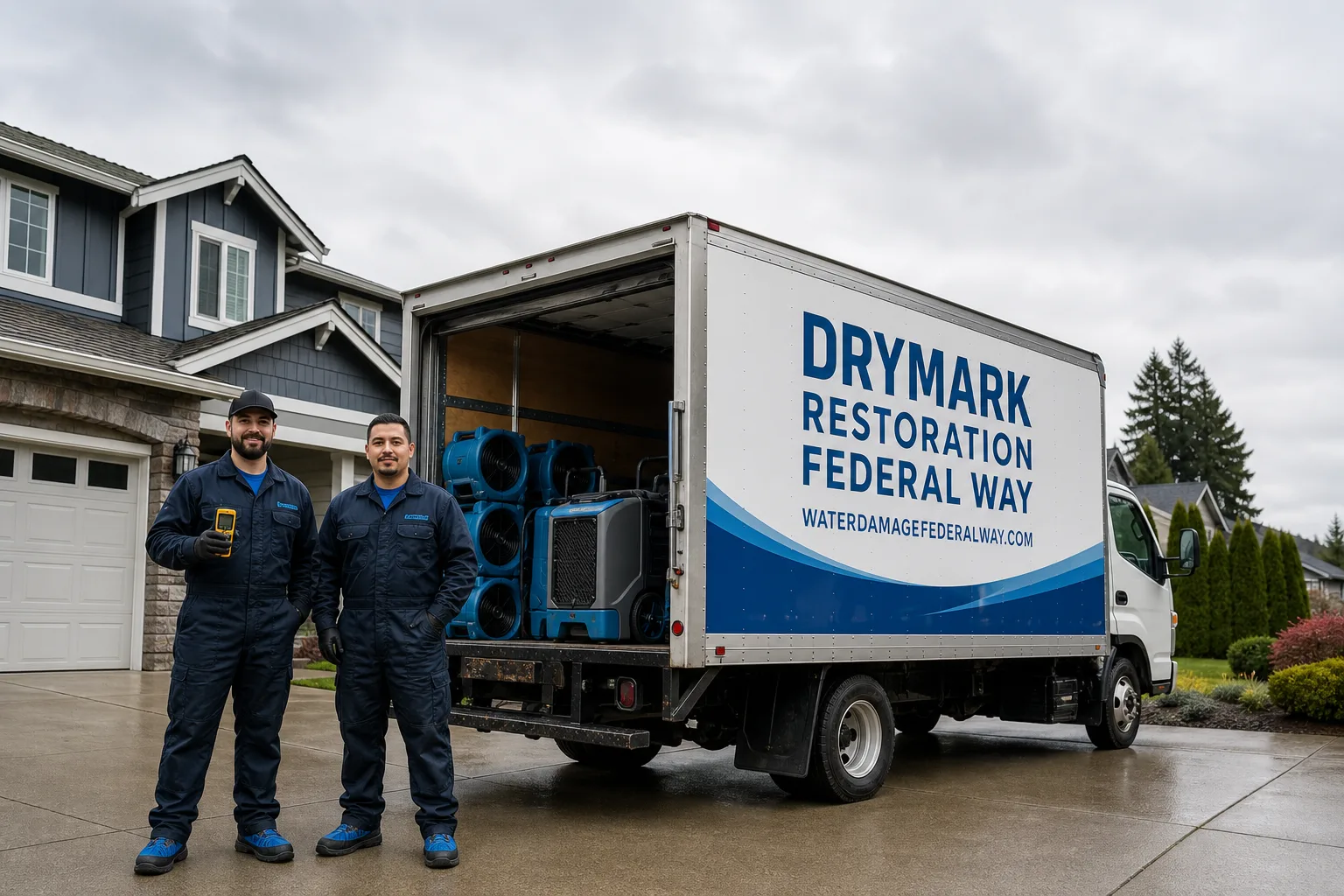
Free visual inspection and a written scope of work before any mitigation begins - photos, moisture readings, and drying logs go in your claim file
The scope we write is the scope we bill. Anything new gets shown to you, in writing, before we touch it.
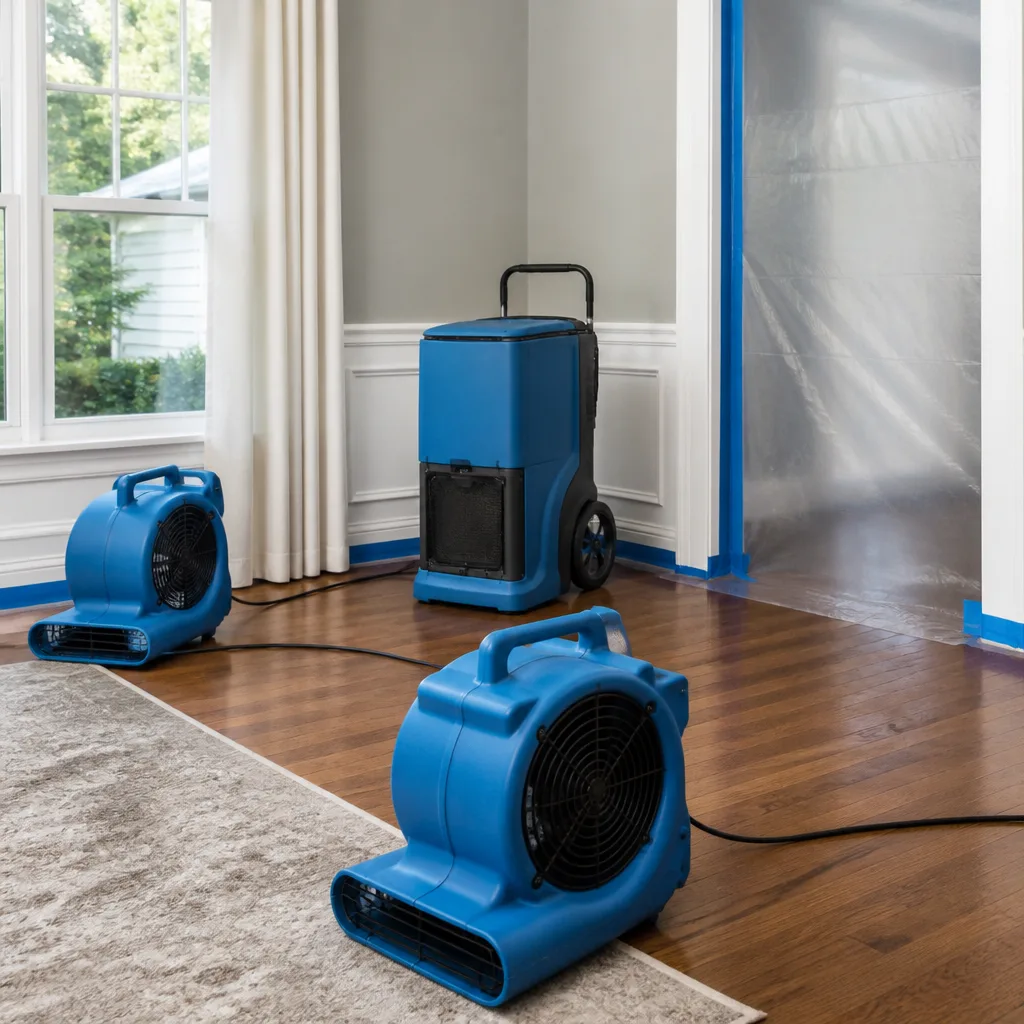
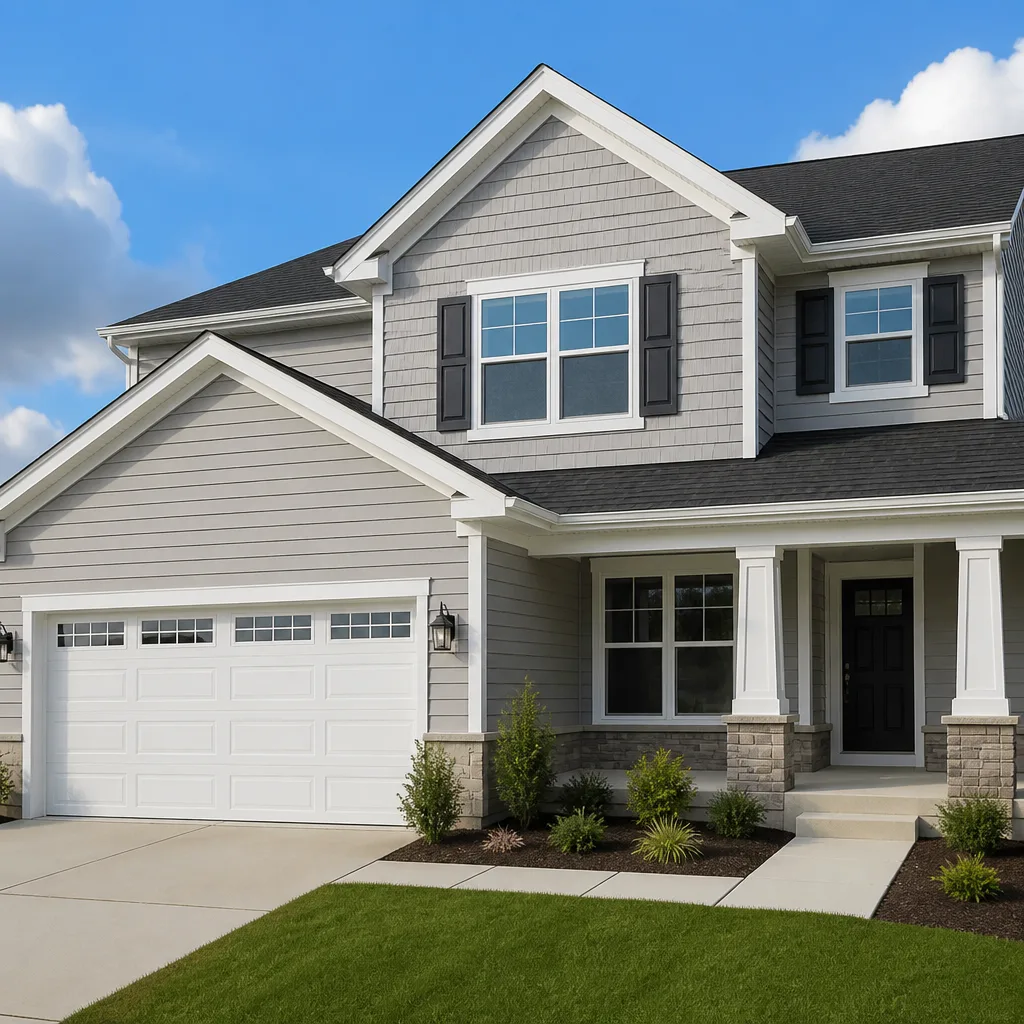
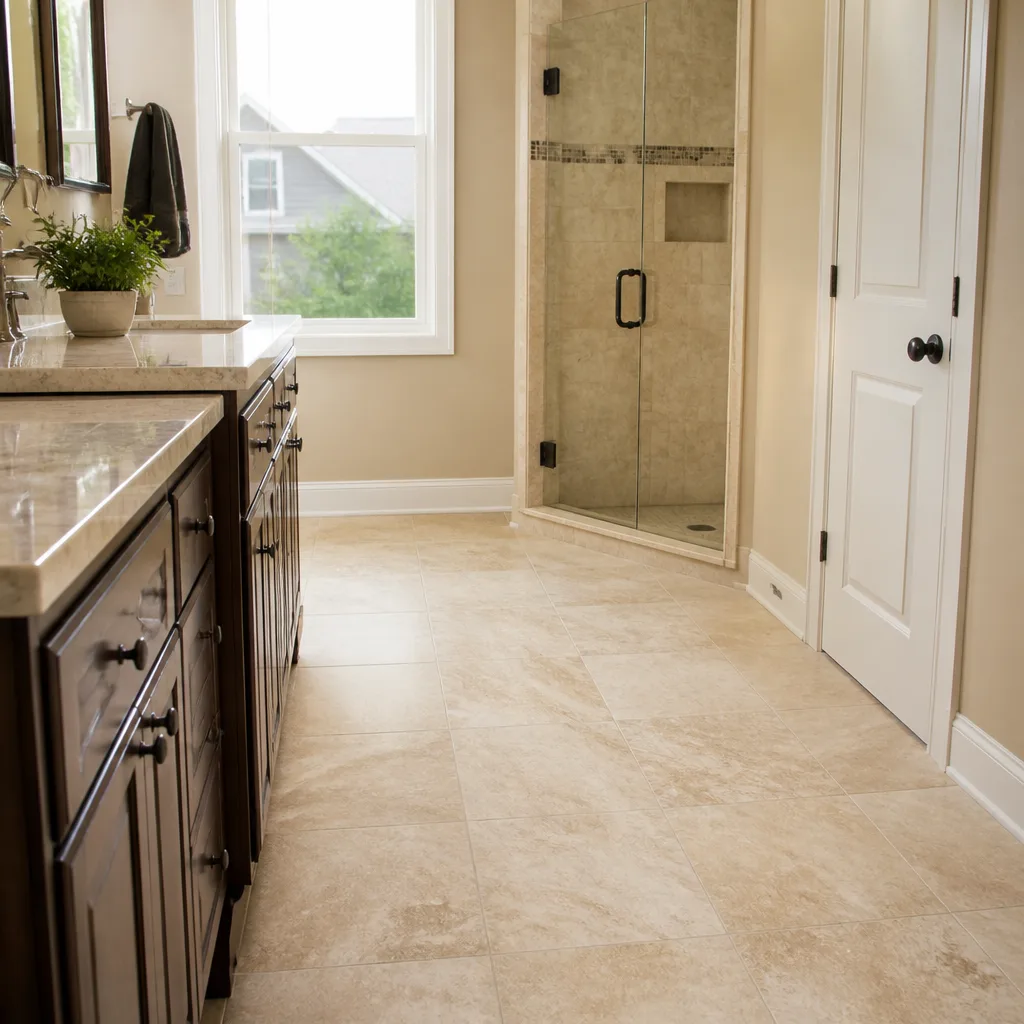
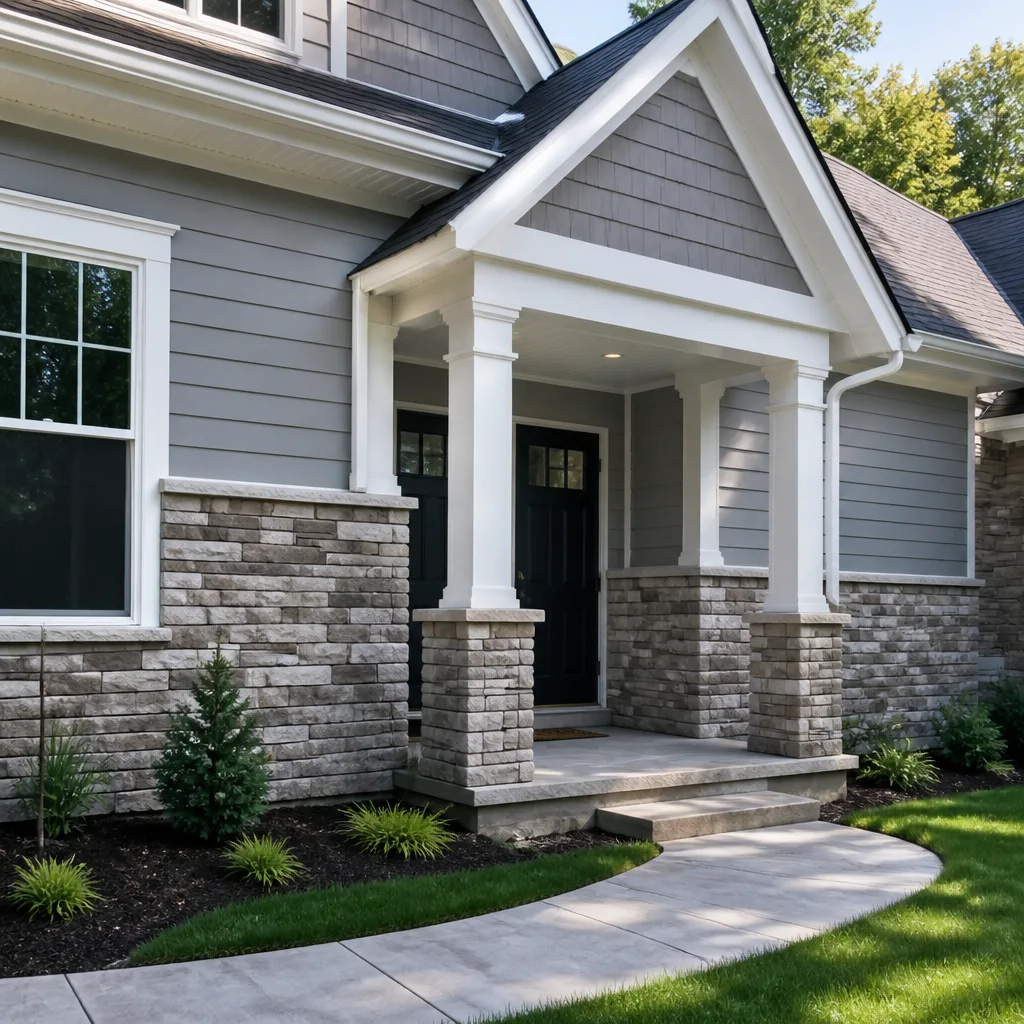
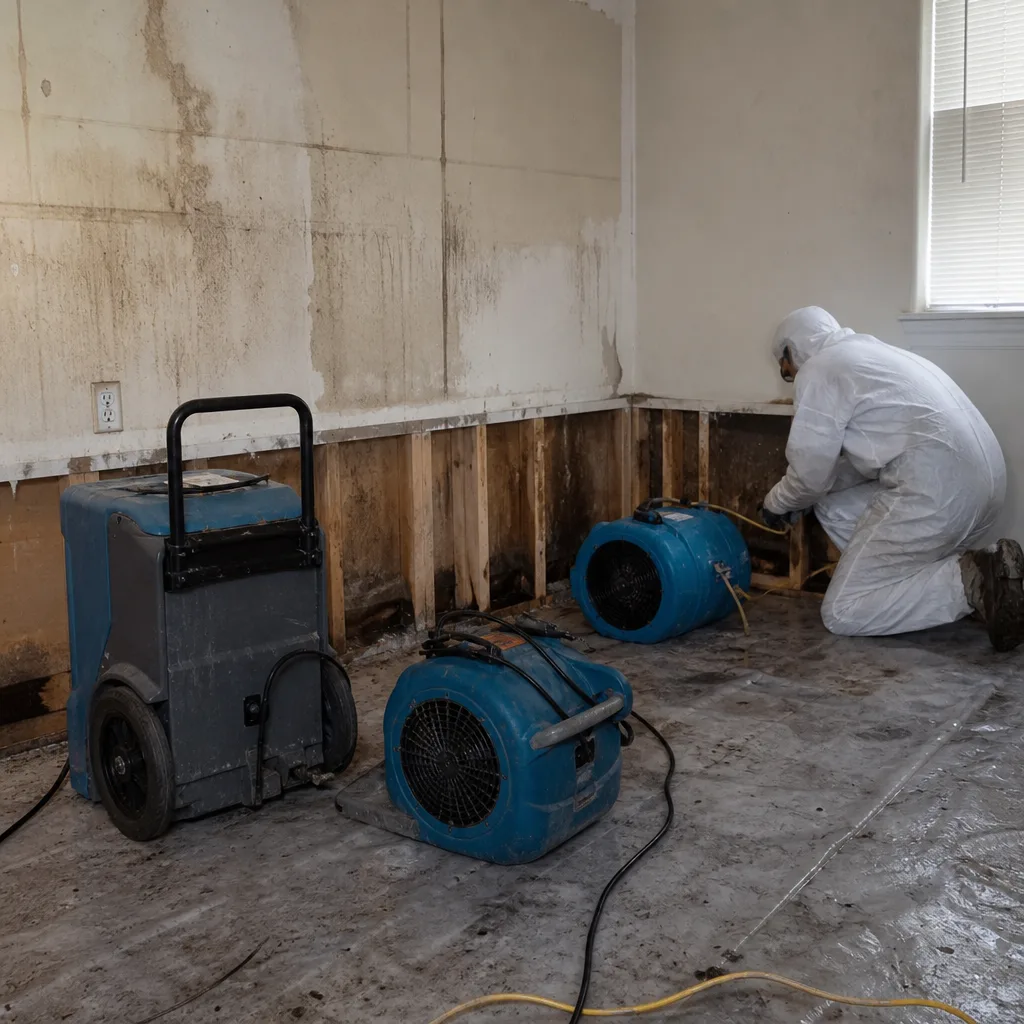 Before
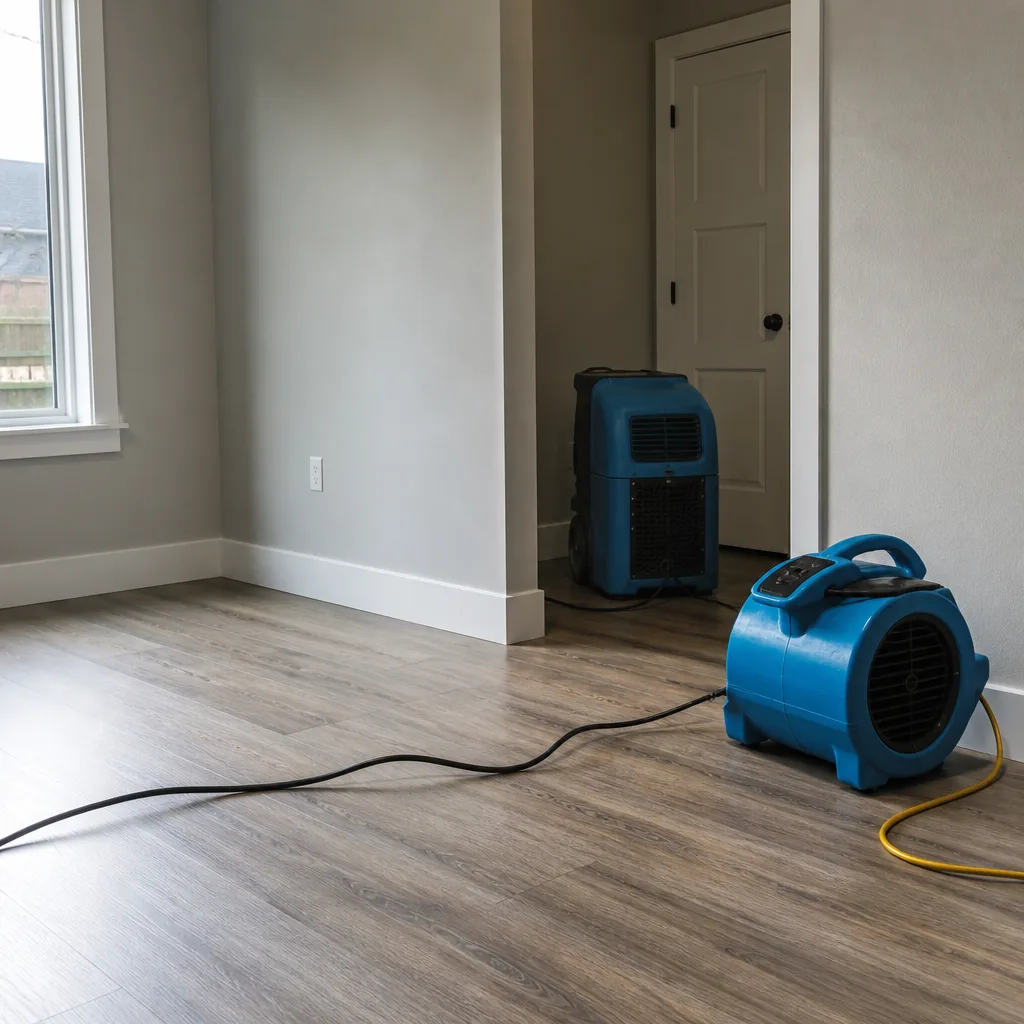 After
After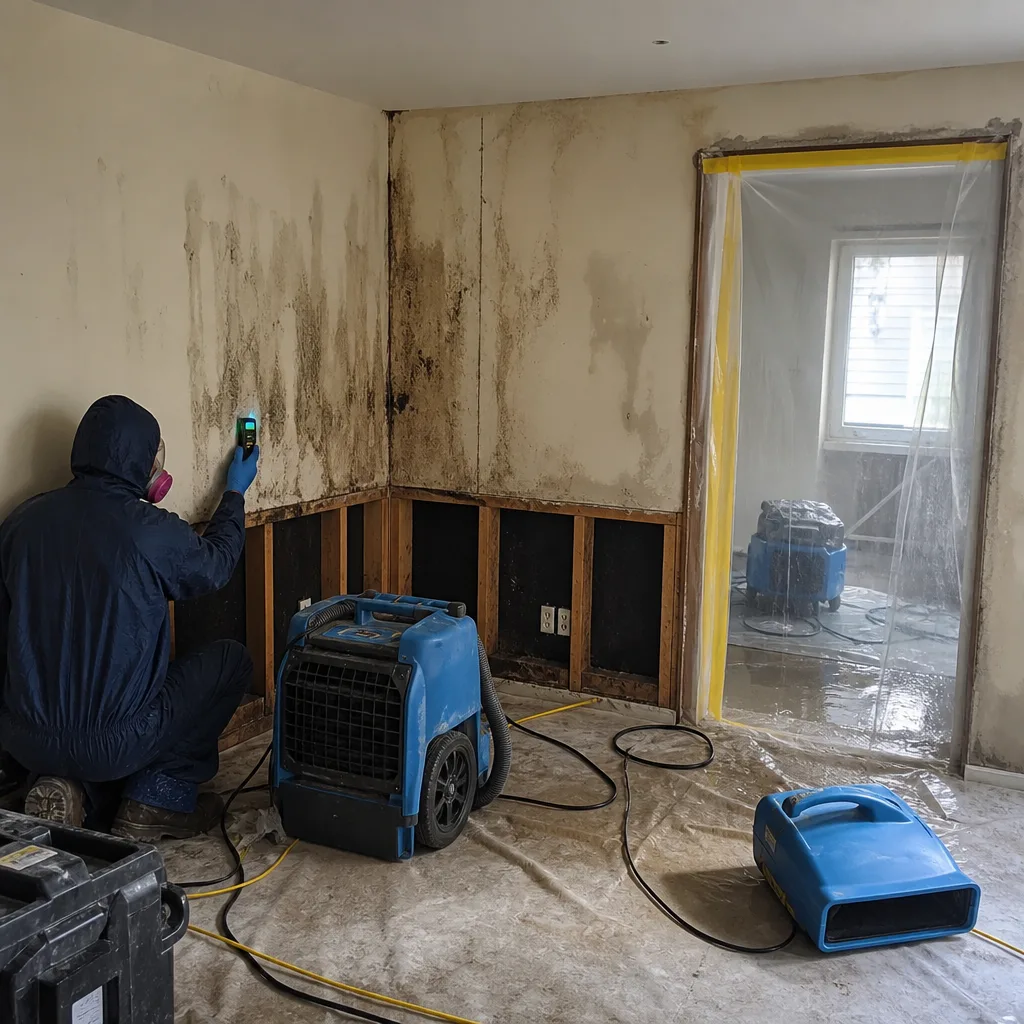 Before
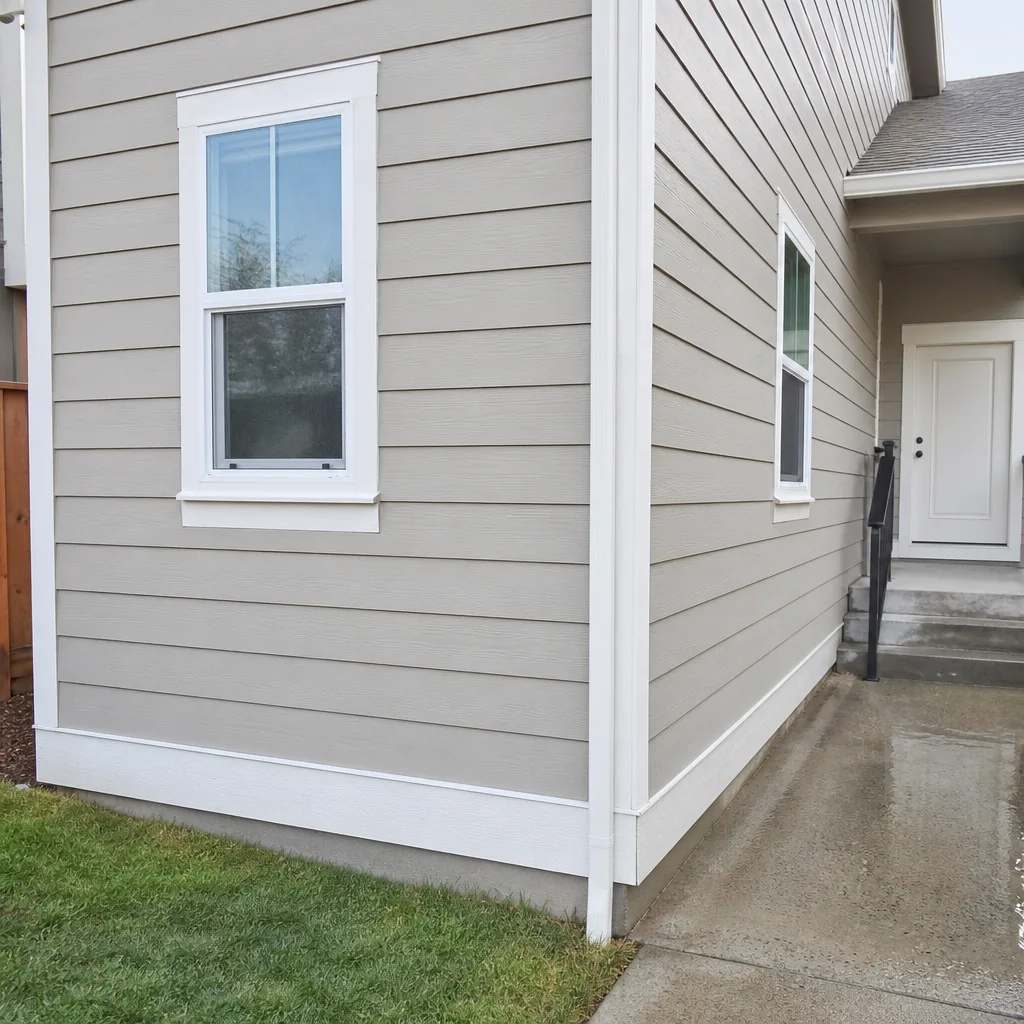 After
After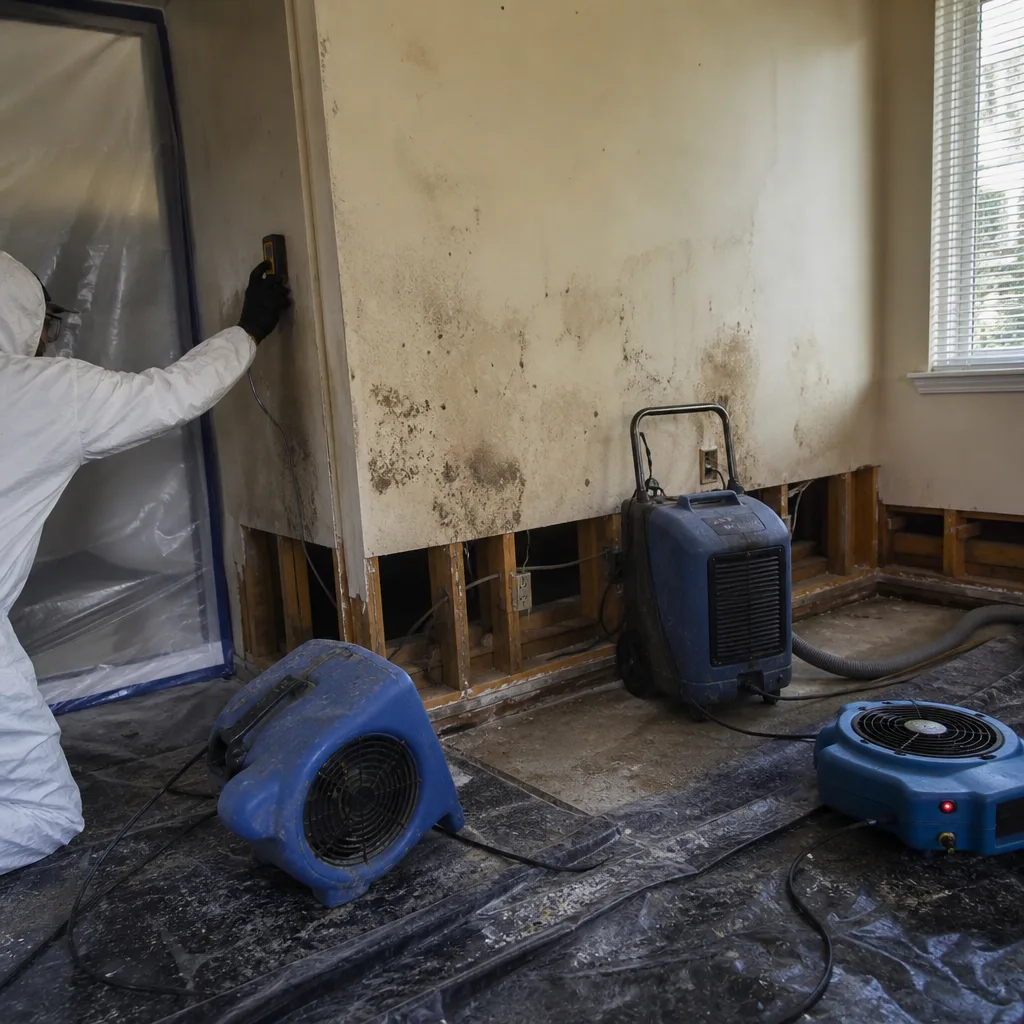 Before
 After
AfterFast, Reliable Mold Remediation Across Federal Way
Mold remediation in Federal Way typically costs $1,800-$4,500 for crawl-space treatment and $800-$2,200 for localized removal, with most inspections completed same-day. If you’re smelling mustiness in a split-level off Pacific Highway 99 or noticing discoloration behind baseboards in a Lakota neighborhood rental, we’re the Mold Remediation crew that understands Federal Way’s soil, its housing stock, and why your crawl space can look dry while still harboring active mold colonies. Dispatch and scheduling are coordinated from our Seattle office, but our crews serve Federal Way locally and carry the moisture meters, borescopes, and documentation systems needed for this city’s specific challenges. Call (253) 322-4873 for a written estimate before any work begins - Haven Standard, Clause 1.
Why Federal Way’s Housing Stock Demands Specialized Mold Expertise
Federal Way developed fast between 1975 and 1995, and that growth left a legacy of wood-frame tract homes, split-levels, and dense apartment complexes along the Pacific Highway 99 corridor. Most single-family homes here sit on crawl spaces over sandy outwash soils capped by a shallow glacial-till layer - a geological quirk that creates a perched water table keeping under-floor cavities saturated long after surface water disappears. We’ve pulled moisture readings above 20% wood moisture content from pier-and-beam crawl spaces in the Lakota area three weeks into a dry August spell, with no visible standing water anywhere.
This isn’t a generic Pacific Northwest moisture problem. Federal Way’s wetland corridors - the West and East Hylebos systems threading through residential neighborhoods - mean a significant share of local homes sit within or adjacent to chronic flood-risk zones that generate repeat water-intrusion calls year after year. The 1980s-1990s apartment stock lining Pacific Highway 99 carries original T-111 or hardboard siding that’s been absorbing marine rainfall for 30-40 years, and envelope failures in these buildings routinely hide cavity mold until it breaches interior surfaces.
Our field teams know to check what other crews miss: the “dry-looking” crawl space with elevated spore counts, the wall cavity behind apparently intact siding, the secondary mold colonization in HVAC returns after a primary leak was “fixed.” We document every reading, every photo, every treatment step to IICRC, RIA, and IFA standards - the daily drying logs and photo records that turn restoration invoices into payable insurance claims.
Our Mold Remediation Services in Federal Way
Mold Inspection & Testing
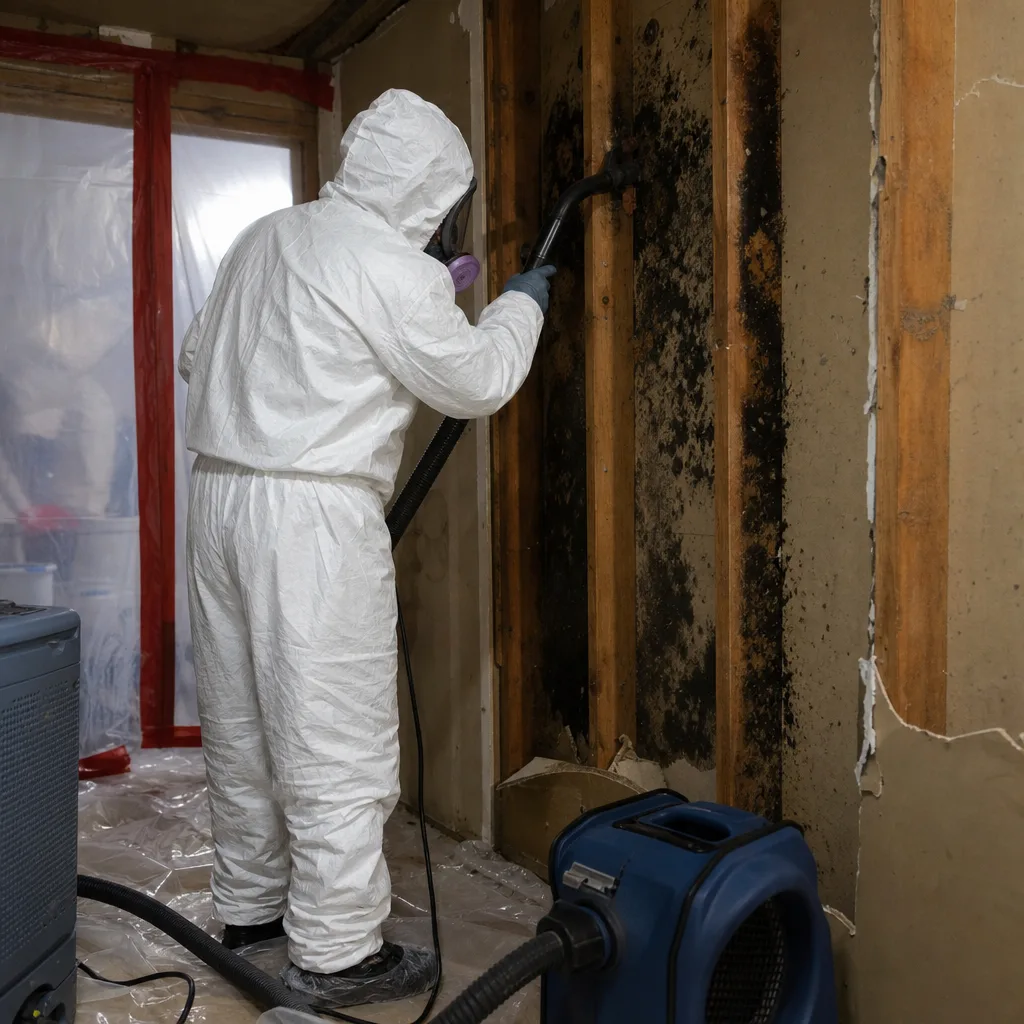
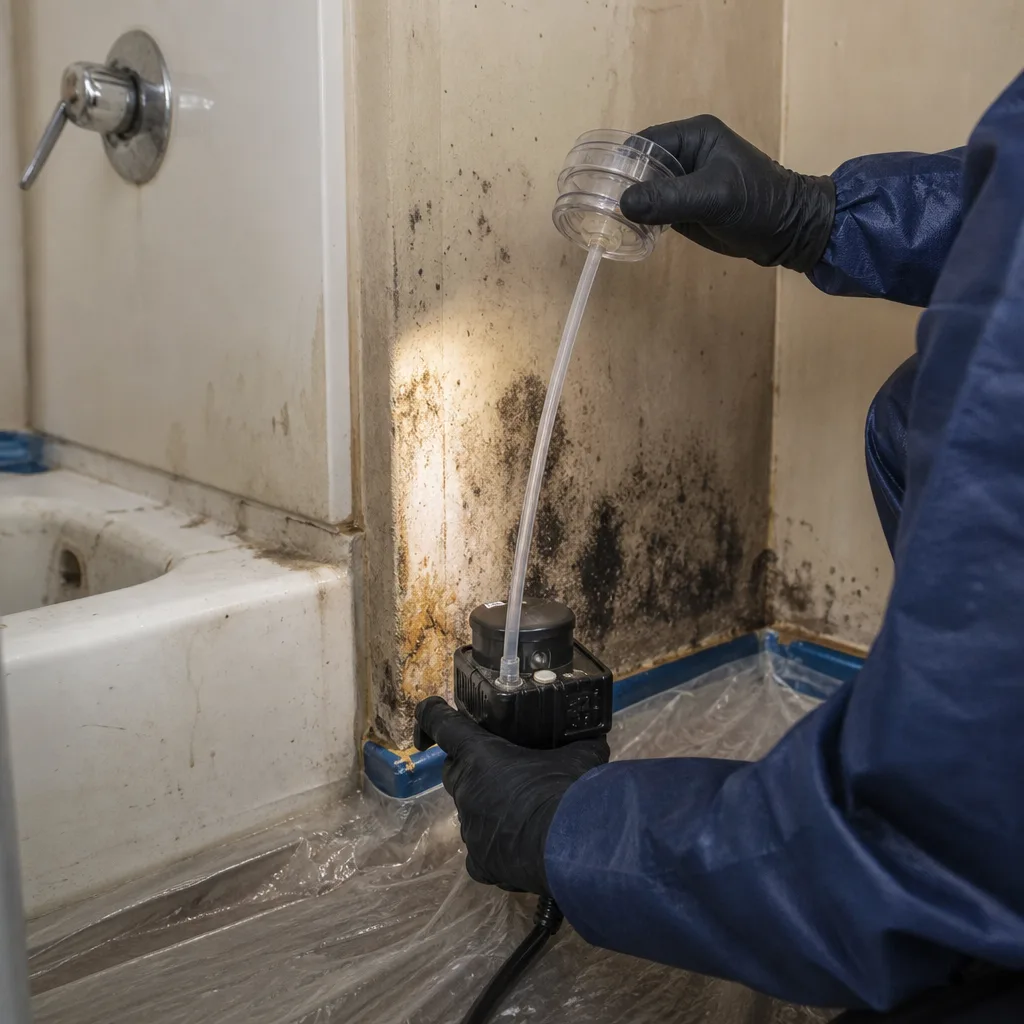
A proper Federal Way mold inspection starts with understanding where this city’s homes hide moisture. We don’t just swab visible spots. Our techs run moisture mapping across crawl-space soils and joists, take air samples for spore count comparison, and use borescopes to inspect wall cavities in Pacific Highway 99 corridor apartments where degraded siding has compromised the envelope. In Hylebos Creek-adjacent neighborhoods, we time our readings carefully - a dry spell reading taken at the wrong moment will understate the true remediation scope because that perched water table keeps feeding mold long after rain stops. Every inspection produces a written report with moisture percentages, spore counts by species, and a photo-documented scope of recommended work.
Crawl Space Treatment
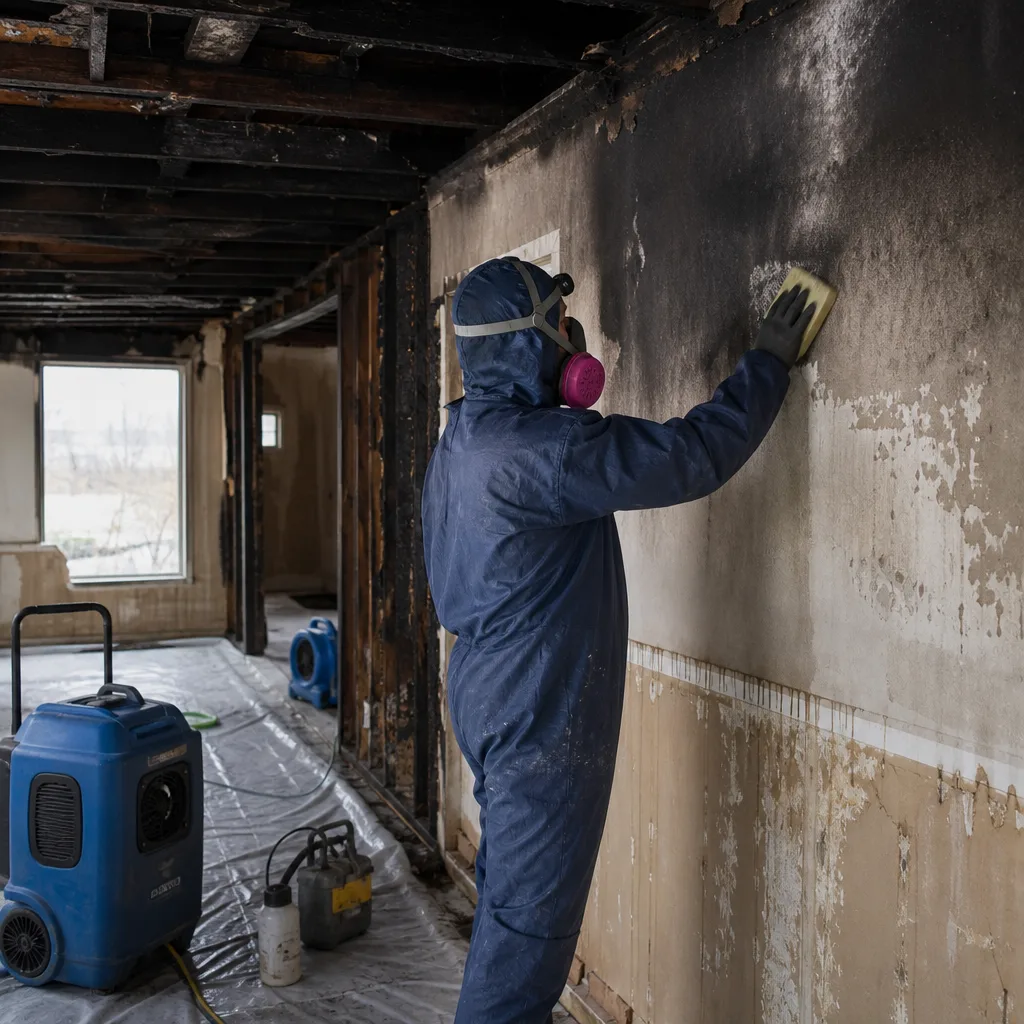
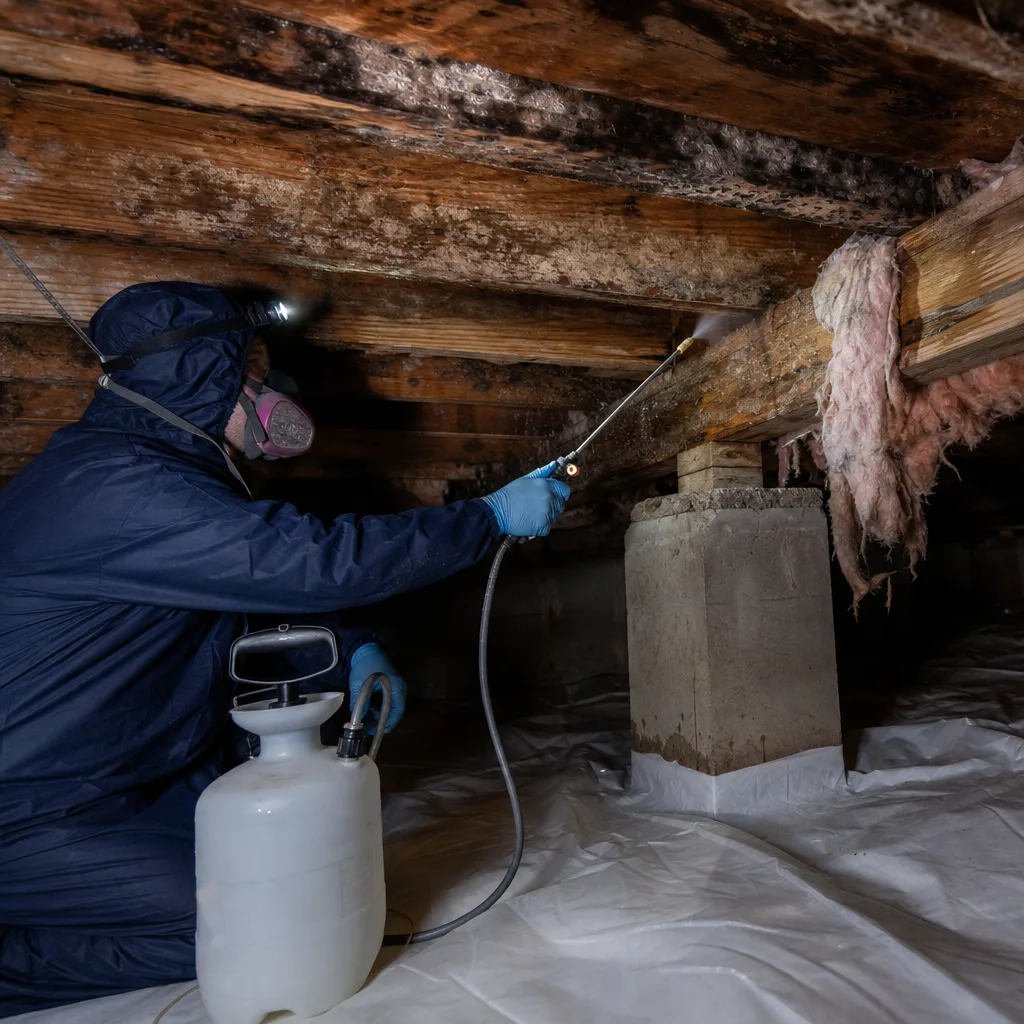
Crawl spaces are the norm in Federal Way’s single-family housing stock, and they’re where we find most of the city’s hidden mold problems. Surface antimicrobial treatment alone won’t solve what’s happening here - the shallow glacial-till drainage pattern drives repeat under-floor moisture year after year, so we address the water source alongside the mold. Our crawl space protocol includes containment barriers, HEPA-negative-air isolation, mechanical removal of colonized materials, antimicrobial treatment to EPA-registered standards, and structural drying with Injectidry and Dri-Eaz dehumidification systems. For chronic moisture zones, we specify vapor-barrier upgrades and drainage improvements with written scope items priced before work starts.
Moisture & Humidity Control
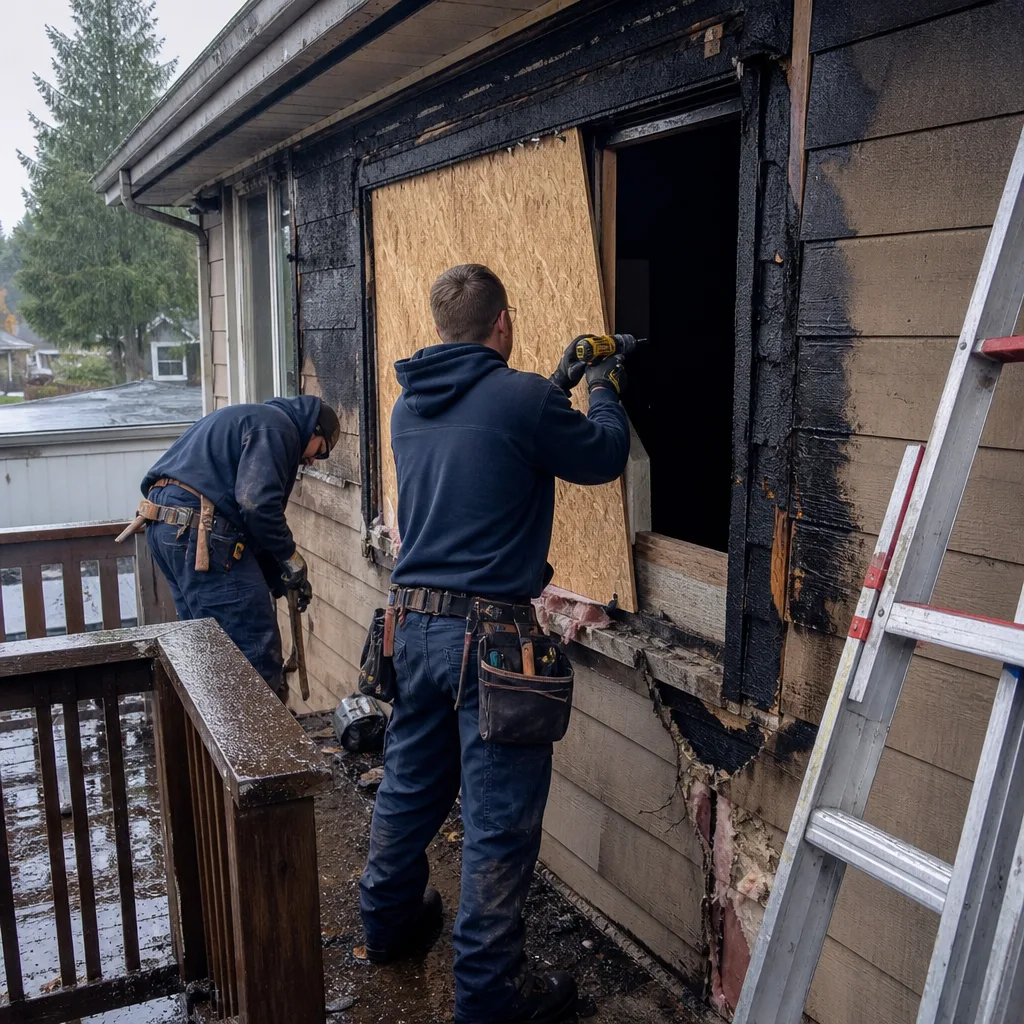
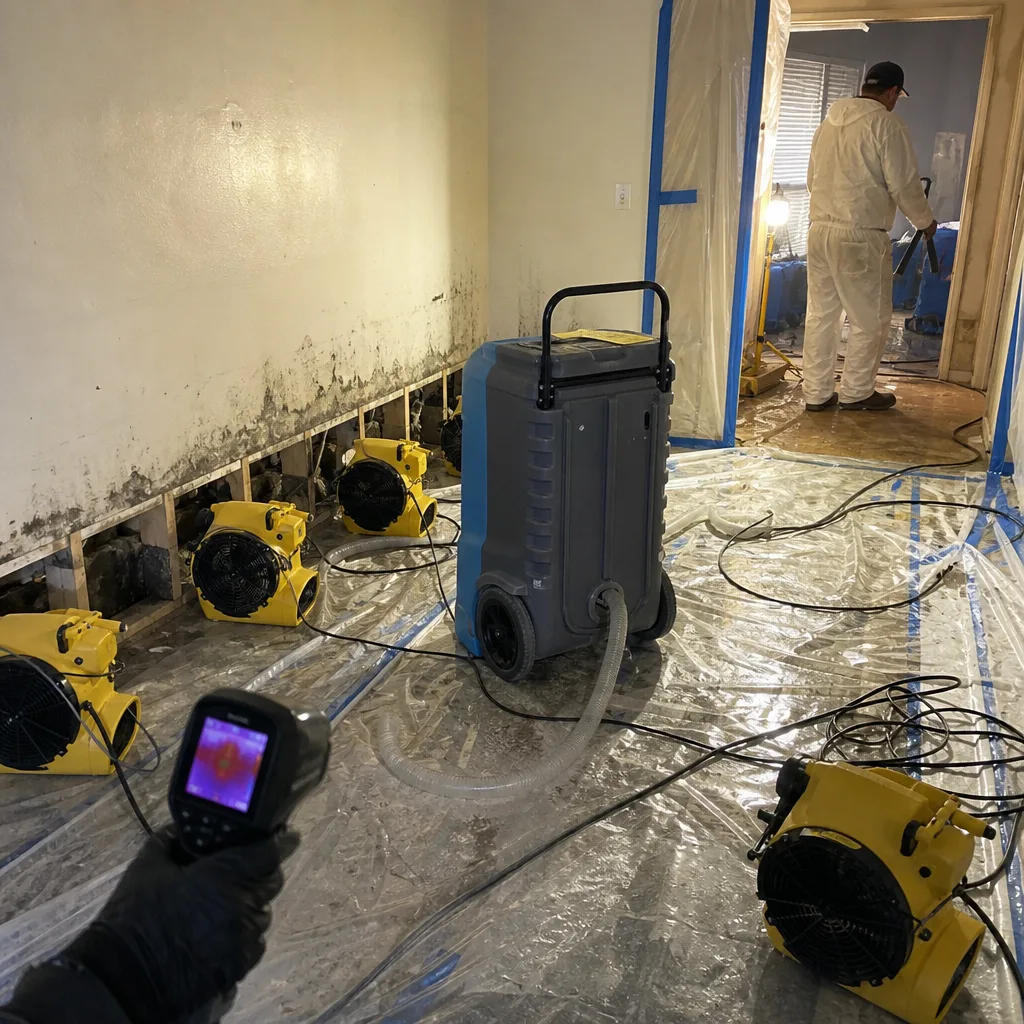
Controlling moisture in Federal Way means designing for six months of near-saturation conditions from October through April, when long Pacific storms keep building envelopes wet continuously. We specify dehumidification capacity based on crawl-space volume and seasonal load, not square footage alone. For 1980s split-levels near West Hylebos Wetlands State Park, that often means dedicated crawl-space dehumidifiers with condensate pumps, supplemented by targeted air movement to break vapor-pressure differentials across the subfloor. Every humidity control plan includes target equilibrium moisture content for the specific wood species in your joists and subfloor, with psychrometric data logged daily until targets are met.
Black Mold Remediation
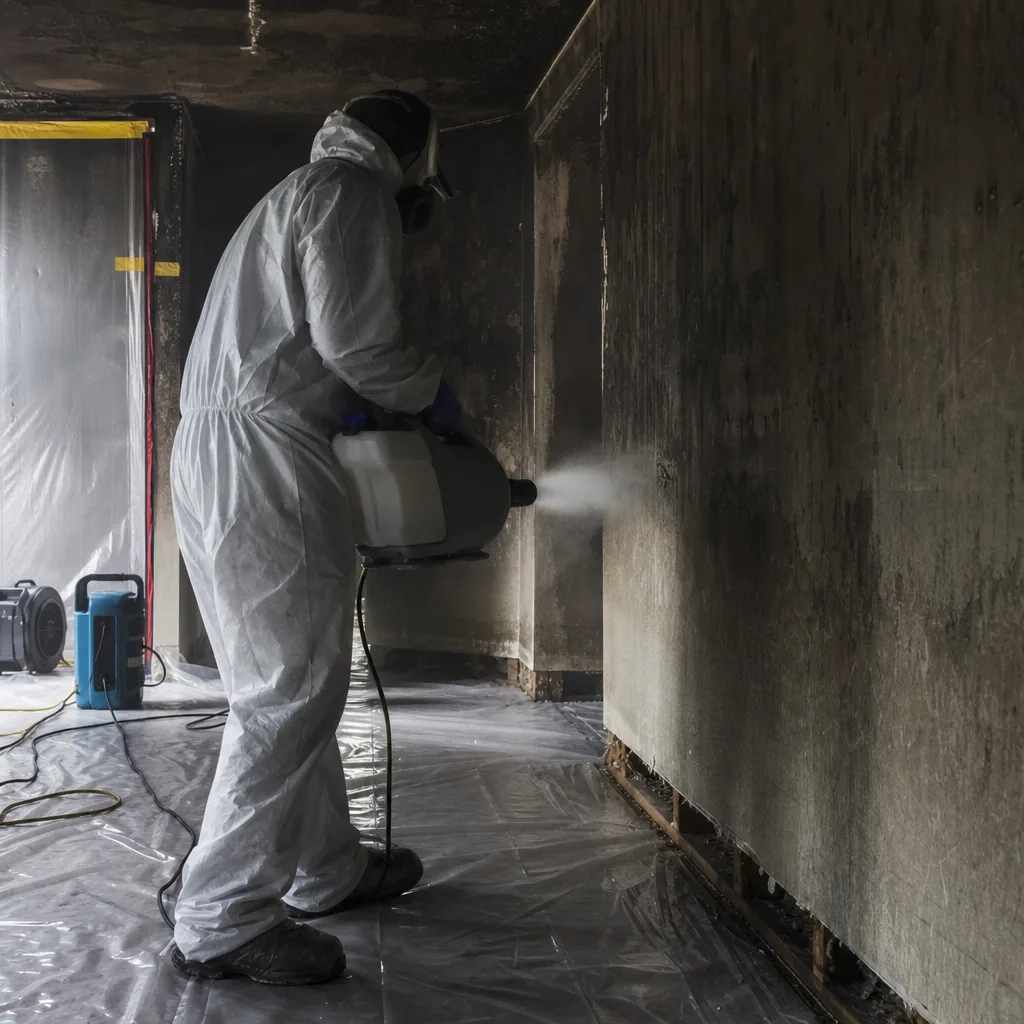
Stachybotrys and other toxigenic species thrive on cellulose with sustained moisture above 16% wood moisture content - conditions we find regularly in Federal Way’s older crawl spaces and water-damaged wall cavities. Our protocol follows IICRC S520 standards for professional mold remediation: containment with negative air pressure, personal protective equipment for technicians, controlled demolition of non-salvageable materials, HEPA vacuuming and damp-wiping of all surfaces, and post-remediation verification testing before clearance. We don’t declare a job complete until third-party lab results confirm spore counts at or below outdoor baseline levels for the Federal Way area.
Air Quality Restoration
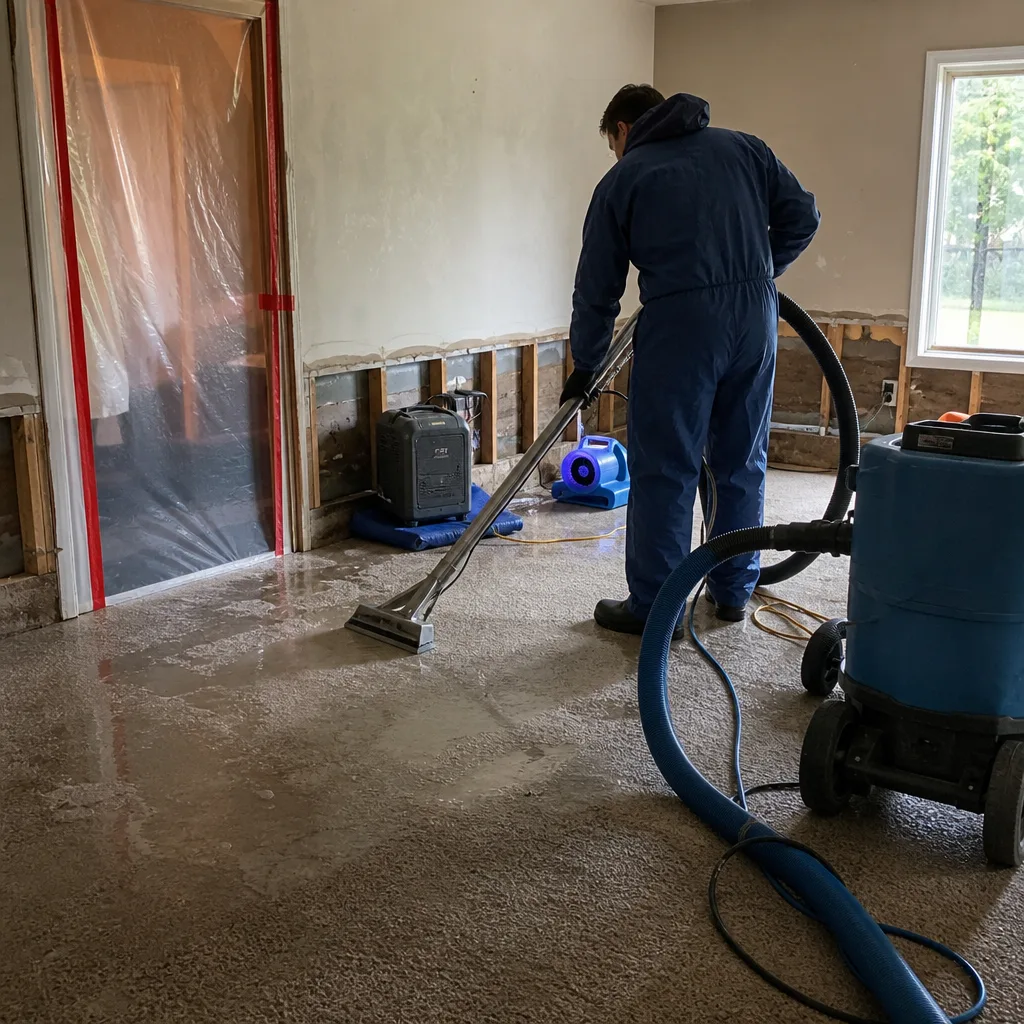
Mold doesn’t stay where it started. In Federal Way’s 1975-1995 housing stock with original ductwork, spores migrate through HVAC systems and settle in secondary locations. Our air quality restoration includes duct inspection with remote cameras, cleaning or replacement of contaminated components, and whole-house air scrubbing during remediation to prevent cross-contamination. We verify results with pre- and post-treatment air samples, documented in the same photo record that accompanies your final invoice.
What happens when you call
- 1
A real person answersNo phone trees - you reach a local pro.
- 2
You get an upfront price rangeHonest numbers before anyone is dispatched.
- 3
A background-checked tech heads outLicensed & insured, dispatched right away.
- 4
You approve before work beginsNothing starts until you say go.
 Before
 After
AfterTrusted Equipment and Documentation Standards
We deploy professional-grade drying and remediation equipment from Dri-Eaz, Phoenix, and Injectidry - systems specified to produce the psychrometric data and daily drying logs that insurance adjusters expect. Every Federal Way job is documented to IICRC, RIA, and IFA standards: moisture readings by room and material, photo records timestamped on every visit, and a written scope signed before any technician starts work. Alicia Brennan founded Back to Dry Restoration in 2011 after seeing how many homeowner claims were denied for lack of documentation, and that origin shapes every protocol we run. The Haven Standard requires it.
Common Mold Remediation Problems We See in Federal Way Homes
- Under-scoped crawl space remediation after dry-spell readings. Technicians who don’t understand Federal Way’s perched water table take moisture readings during a dry week, declare the crawl space “fine,” and leave active mold across joists and subfloor that will bloom again come October. We map moisture at multiple depths and account for glacial-till saturation patterns in every scope.
- Surface-only treatment of legacy tract-home crawl spaces. Spraying antimicrobial on visible joists while ignoring the drainage failure that keeps soil wet beneath the vapor barrier - this is repeat remediation waiting to happen. Our scopes address water source and mold colony together, with written pricing for each phase before work begins.
- Missed cavity mold behind degraded T-111 and hardboard siding. On Pacific Highway 99 corridor apartments and 1980s split-levels, 30-40 years of marine rainfall has compromised siding that looks intact from the curb. We borescope wall cavities as standard practice when exterior siding shows any degradation, catching colonization before it breaches interior drywall.
- Category misclassification of crawl space water. Water that enters through foundation cracks or soil wicking in Federal Way’s wetland-adjacent zones often carries soil bacteria and organic contaminants, making it Category 2 or 3 even when it looks “clean.” Misclassification leads to inadequate treatment and health hazards. We test and document water category before specifying remediation protocol.
Pricing for Mold Remediation in Federal Way, WA
Here’s what mold remediation typically runs in the Federal Way market, with every job quoted in writing before work starts - Haven Standard, Clause 1:
| Service | Typical Range in Federal Way |
|---|---|
| Mold inspection & testing (single-family home) | $350 - $650 |
| Localized mold removal (bathroom, closet, small area) | $800 - $2,200 |
| Crawl space mold remediation (typical 1,200-1,800 sq ft home) | $1,800 - $4,500 |
| Full crawl space treatment with vapor barrier replacement | $3,500 - $7,500 |
| Apartment unit mold remediation (Pacific Highway 99 corridor typical) | $1,200 - $3,800 |
| Air quality restoration / duct cleaning post-remediation | $800 - $1,800 |
| Post-remediation verification testing | $250 - $450 |
What moves a Federal Way job toward the higher end: extensive cavity demolition behind degraded siding, multiple contamination zones in split-levels with finished lower levels, Category 2 or 3 water requiring additional PPE and disposal protocols, and homes in Hylebos Creek-adjacent zones where the perched water table demands ongoing moisture management after remediation. What we never do: add scope items after the crew is inside. The written price you sign is the price you pay. Bring a competitor’s written estimate and we’ll review it free - our Second Opinion program, no charge.
We Also Serve Cities Near Federal Way
Our crews run regular routes to Federal Way and the surrounding communities - Auburn to the east, Milton and Kent to the north, and Tacoma to the south. Each city’s housing stock and soil conditions shape our approach: Auburn’s Green River floodplain demands different moisture protocols than Federal Way’s wetland corridors, and Tacoma’s older pre-war construction has its own mold patterns. We adjust our documentation and treatment specifications for each market, never applying a template scope.
Serving Federal Way, WA - Our Local Coverage Area
We’re based in the Federal Way area and know this community well. Use the map below to see our service coverage - if you’re nearby, we can almost certainly help.
FAQs - Mold Remediation in Federal Way
Yes, especially in Federal Way’s Hylebos Creek-adjacent neighborhoods where the perched water table keeps under-floor soil saturated weeks after rain stops. We regularly find crawl spaces reading bone-dry at the access hatch with mold colonies thriving at the center where soil moisture remains elevated. A visual check misses what’s happening in the joist bays and subfloor cavities. Call (253) 322-4873 and we’ll run moisture mapping and air sampling to give you documented data, not a guess - estimates are free.
Three decades of Pacific Northwest marine rainfall has degraded original T-111 and hardboard siding on these buildings, creating envelope failures that let water into wall cavities long before interior stains appear. The construction methods of that era - minimal exterior wall drainage planes, single-layer vapor barriers that have failed, and HVAC systems that pull negative pressure on leaky envelopes - compound the problem. We inspect these properties with borescopes as standard practice, catching cavity colonization before it breaches living spaces.
It does. Federal Way’s glacial-till layer over sandy outwash creates that perched water table unique to this soil profile - Auburn’s Green River floodplain has different drainage patterns and seasonal flood risks, while SeaTac’s airport-industrial zone has distinct building types and soil compaction. Our Federal Way scopes specify deeper soil-moisture probing and longer drying monitoring than we typically run in Auburn, because the till layer here holds moisture differently. Same equipment, same documentation standards, different protocol timing based on local geology.
We test it. Category 1 - clean water from a supply line - degrades to Category 2 or 3 after 48 hours of contact with soil and building materials, which is the norm in Federal Way’s crawl spaces where water enters through foundation contact or soil wicking. In wetland-adjacent zones, we assume potential soil contamination and sample accordingly. The category determines our PPE requirements, disposal protocols, and whether antimicrobial treatment meets EPA-registered standards for that contamination level. We document the classification in your written scope before treatment begins.
We start with containment: polyethylene barriers and negative-air machines to isolate the crawl space from living areas, critical in split-levels where the lower bedroom often shares air with the under-floor cavity. Then mechanical removal of colonized insulation and vapor barrier, HEPA vacuuming of all structural surfaces, antimicrobial treatment to bare wood, and structural drying with dehumidification and targeted air movement. For Federal Way’s perched-water-table conditions, we specify drainage improvements and vapor-barrier upgrades as separate scope items with their own pricing. Daily moisture logs document progress until wood moisture content reaches equilibrium targets - typically 12-14% for Pacific Northwest softwoods - and post-remediation verification testing confirms clearance. The whole process is photo-documented and written-scoped before we start. Call (253) 322-4873 to schedule an assessment.
Contact DryMark Restoration Federal Way
We’re ready when you are. Whether you’ve got mustiness in a Lakota split-level, visible mold in a Pacific Highway 99 corridor rental, or just want a documented moisture assessment before you commit to any work, we’ll give you a written price and a clear scope - no exceptions, no surprises after the crew arrives. Live phone coverage, 24 hours a day, 7 days a week: no voicemail trees, no next-business-day callbacks while mold keeps spreading. Call (253) 322-4873 for your free estimate. Haven Standard, Clause 1: written price before work begins, every time.
Written by Alicia Brennan, Owner at Back to Dry Restoration, serving Federal Way since 2011.
Mold Remediation in Nearby Areas