
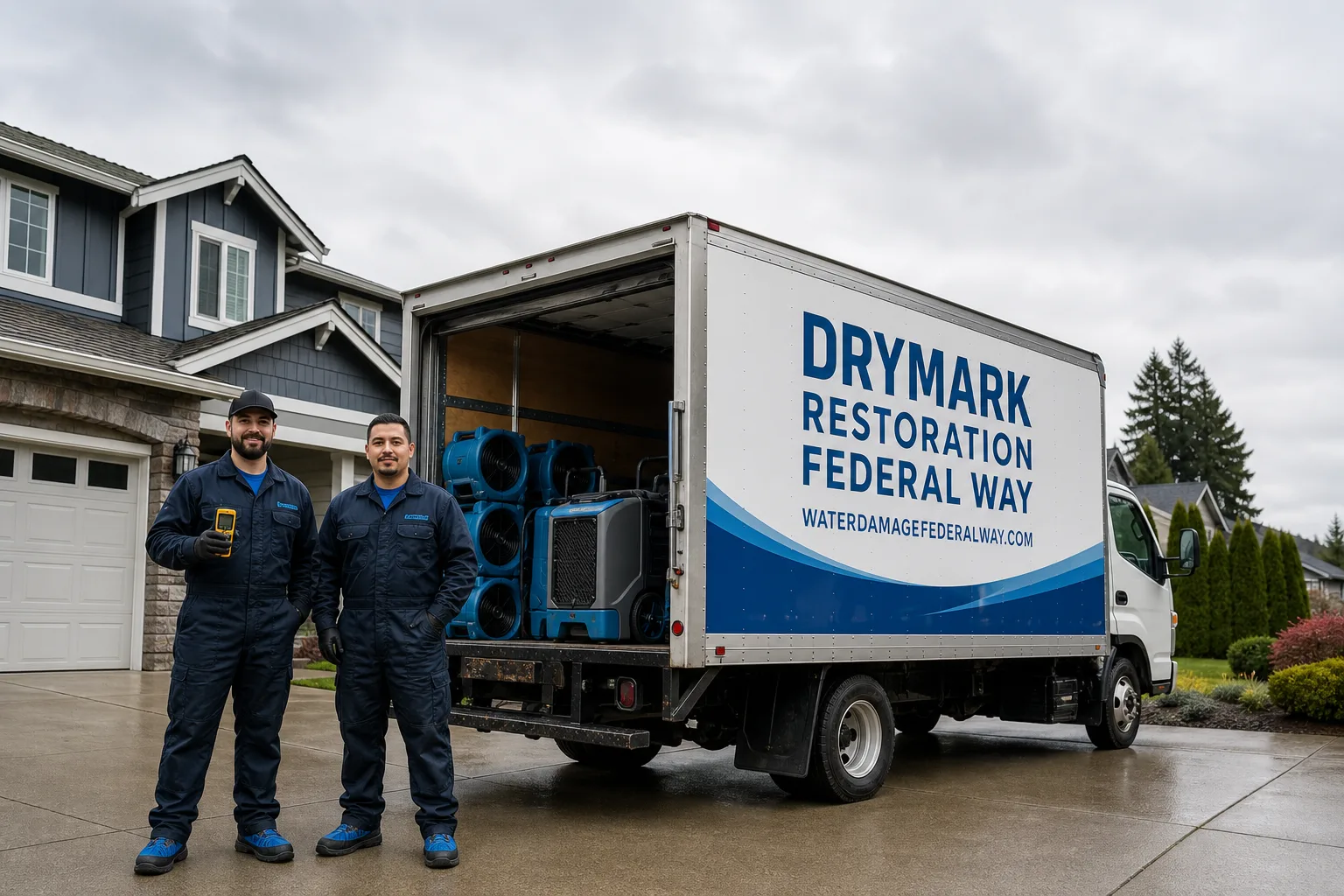
Free visual inspection and a written scope of work before any mitigation begins - photos, moisture readings, and drying logs go in your claim file
The scope we write is the scope we bill. Anything new gets shown to you, in writing, before we touch it.
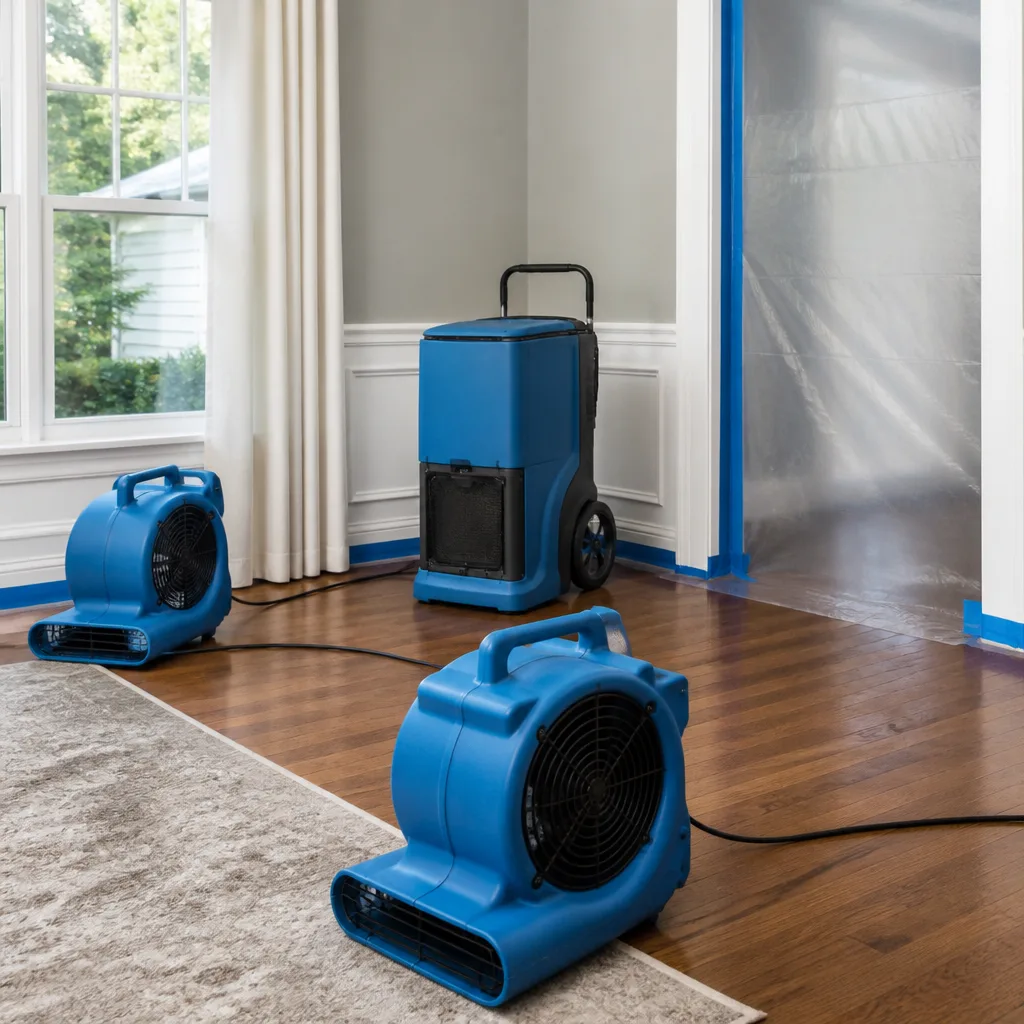
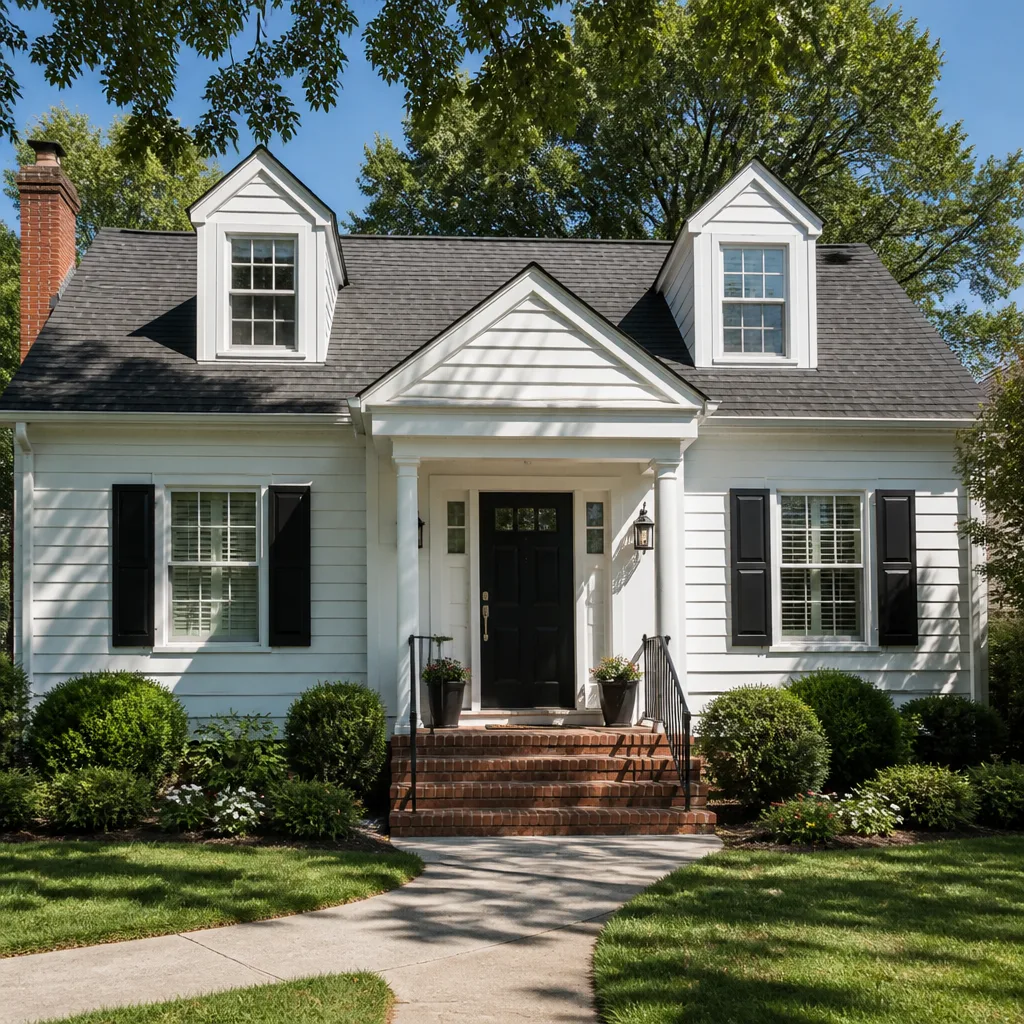
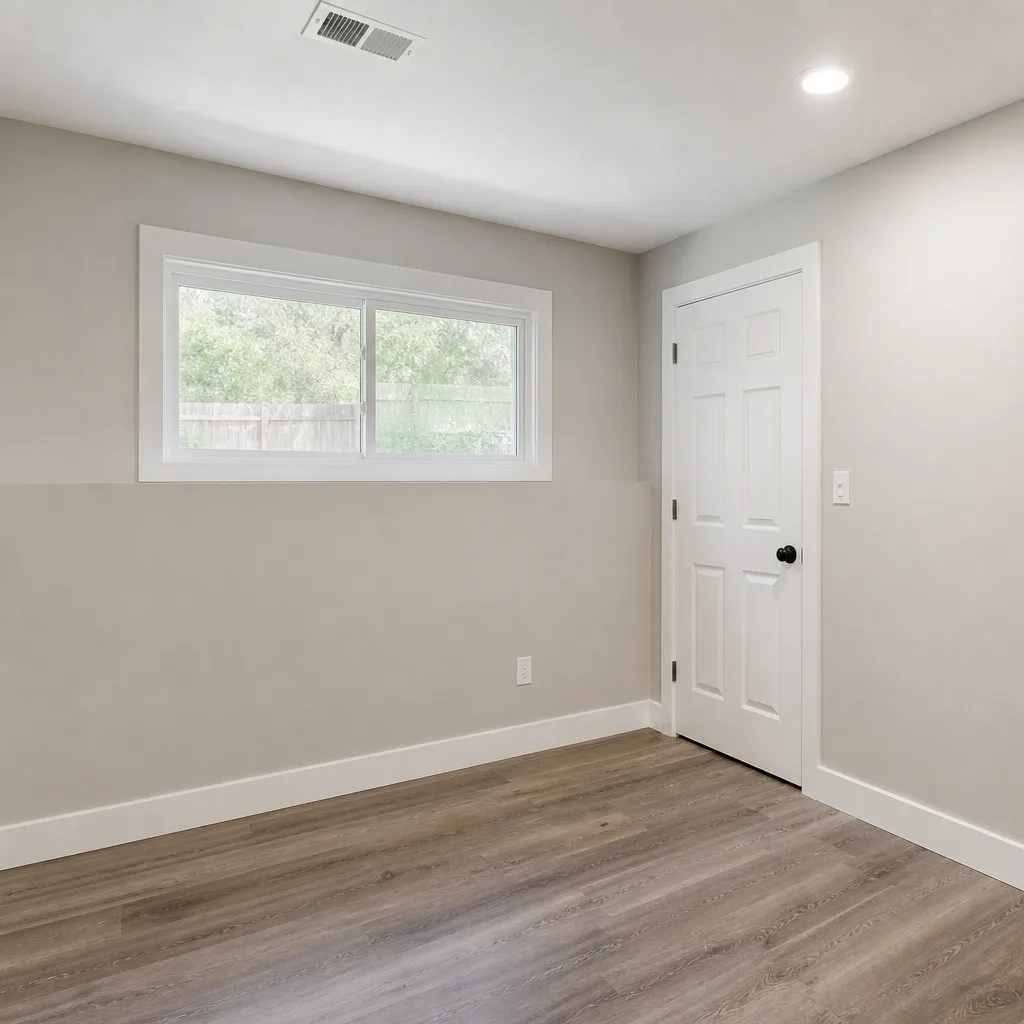
 Before
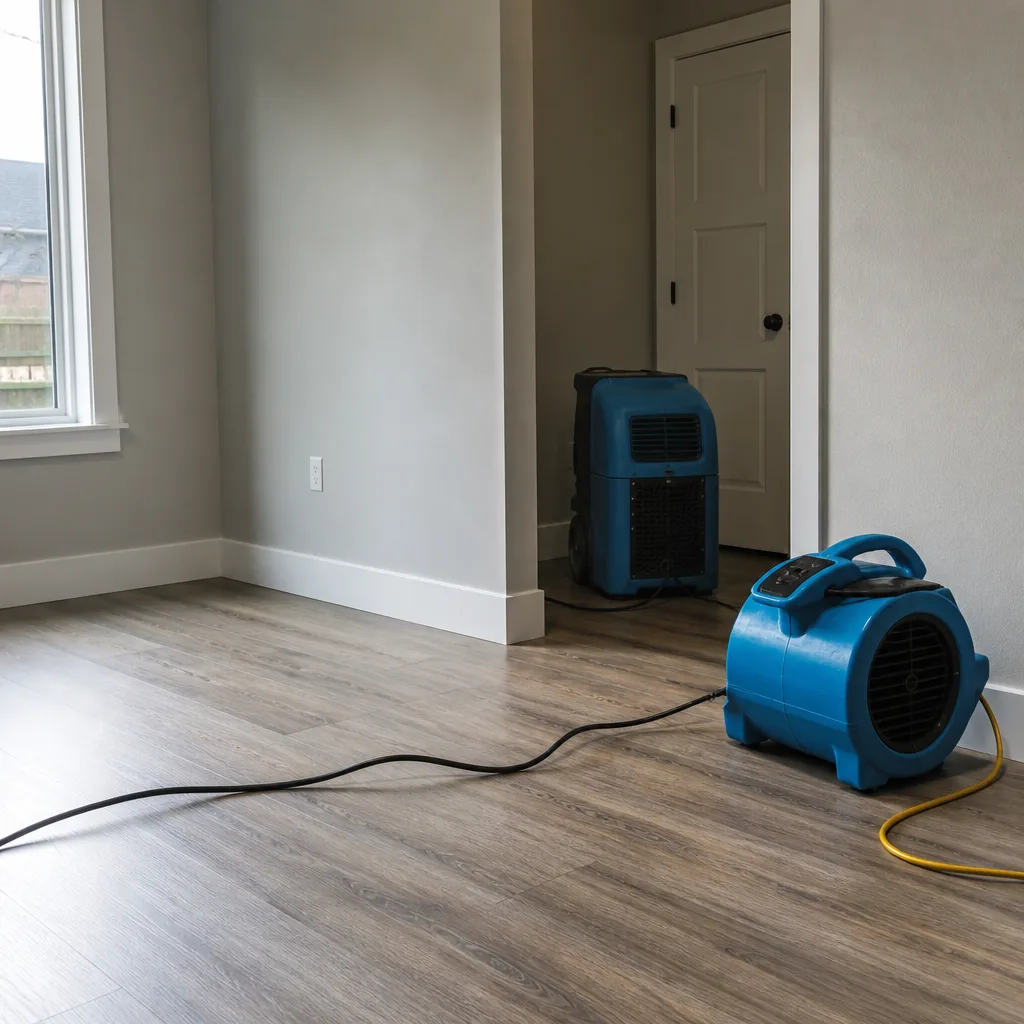 After
After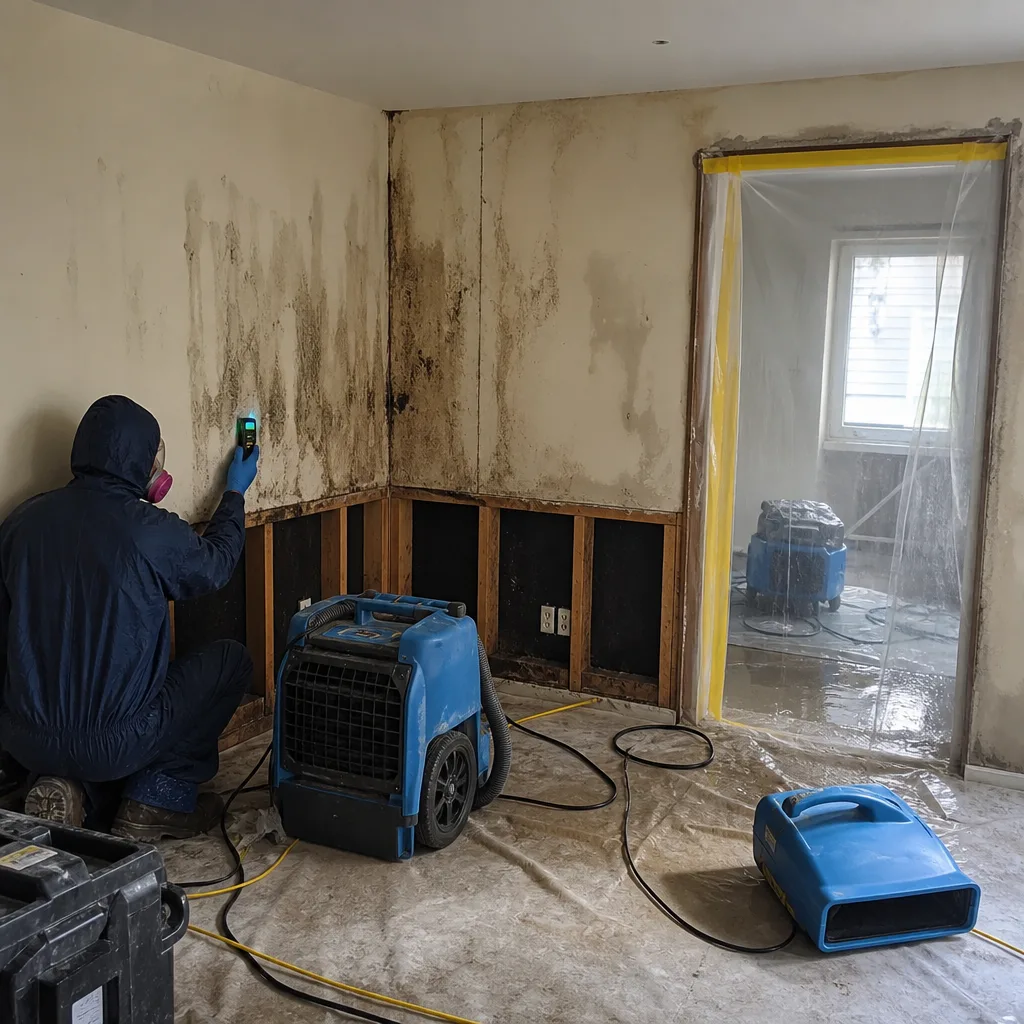 Before
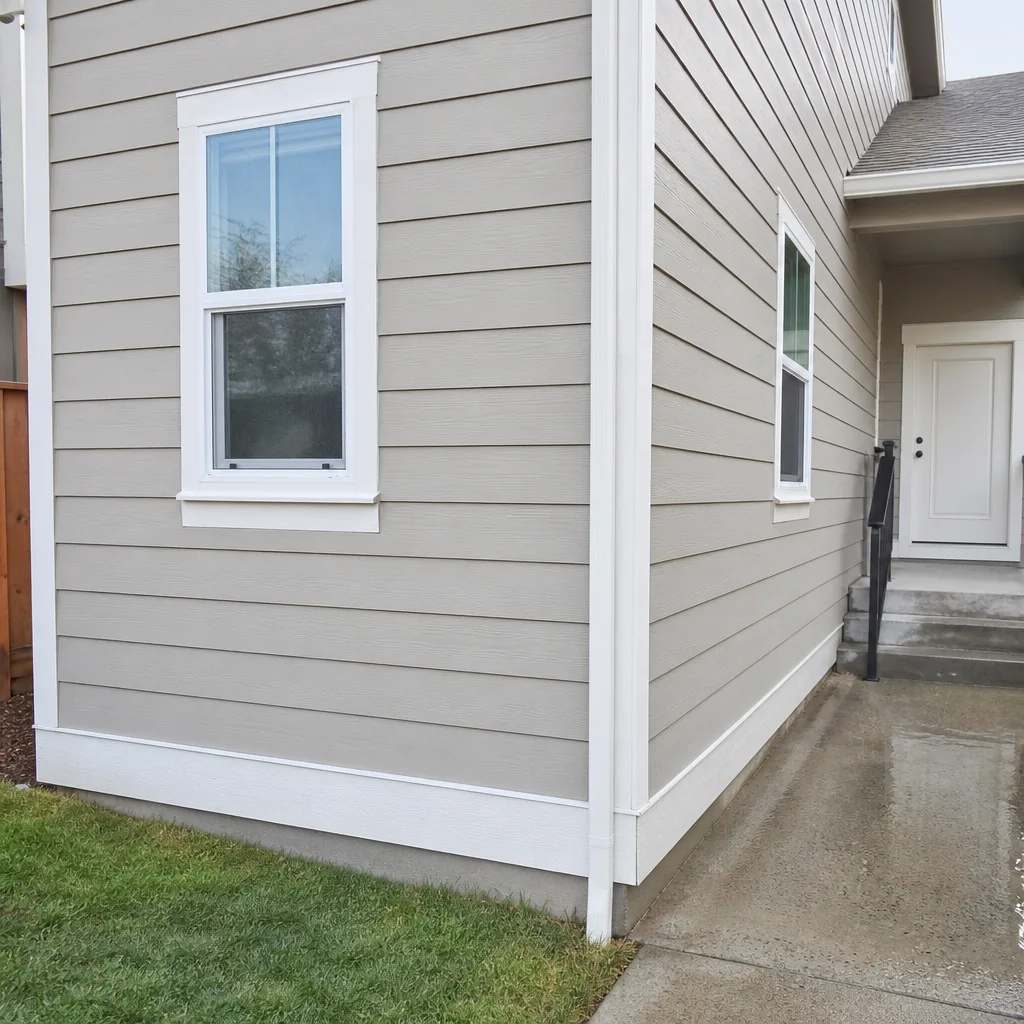 After
After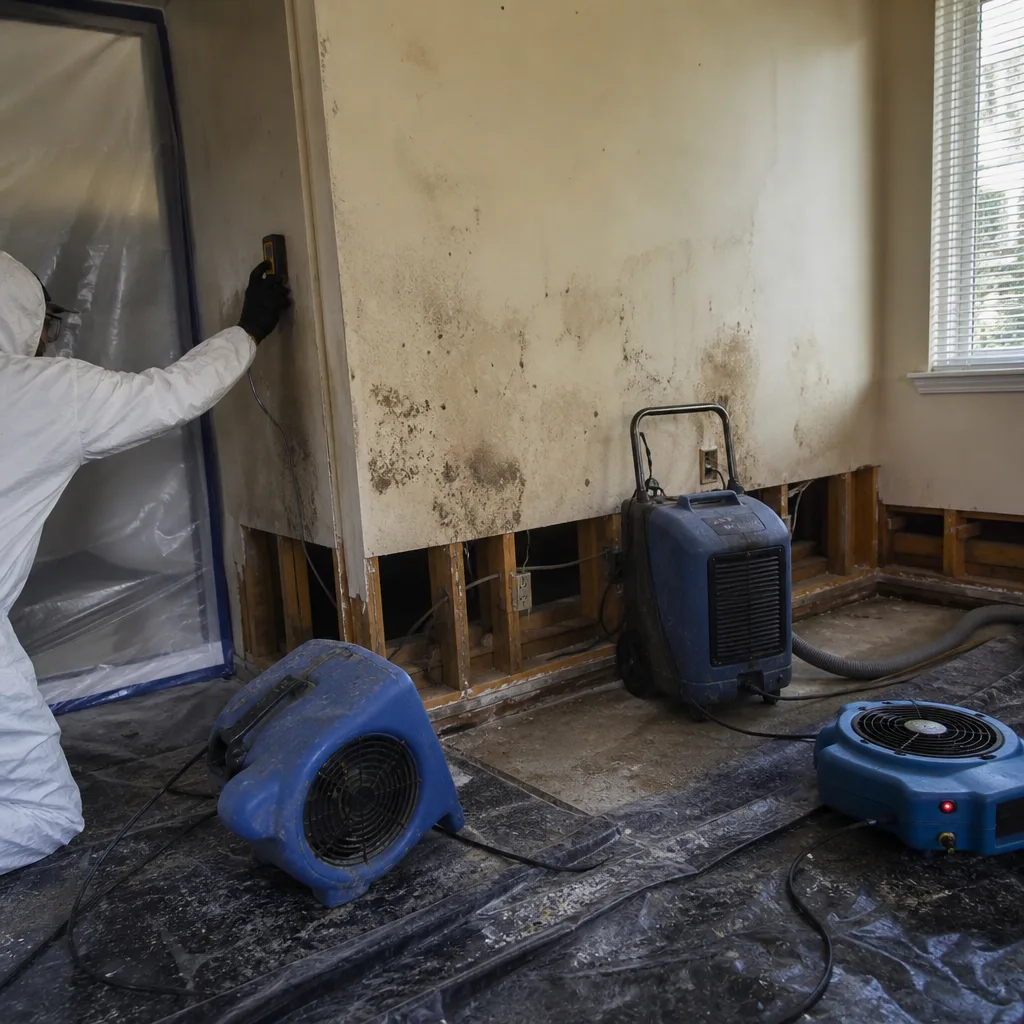 Before
 After
AfterTrusted Mold Remediation for Federal Way Homeowners
Mold Remediation in Federal Way typically costs between $1,200 and $6,500 depending on the affected square footage, with most residential jobs falling in the $2,000-$4,000 range for contained growth under 100 square feet. Most inspections can be scheduled within 24 hours, and containment begins same-day once the written scope is signed. Call (253) 322-4873 for a free written estimate with no obligation.
We’ve restored more than 12,000 homes since 2011, and Federal Way’s combination of older housing stock in neighborhoods like Twin Lakes, heavy winter rainfall averaging 39 inches annually, and the persistent marine layer off Puget Sound creates conditions we document week after week. Alicia Brennan founded Back to Dry Restoration after working as a claims adjuster and watching homeowners lose coverage fights because the restoration company couldn’t produce moisture logs, photo records, or written scopes that matched the invoice. We built The Haven Standard to fix that. Every Federal Way mold job starts with a written price before work begins - Haven Standard, Clause 1 - and ends with a documented photo record, a 365-Day Done Right Promise, and daily drying logs formatted to IICRC and RIA standards that adjusters recognize and pay without dispute.
What Our Mold Remediation Service Includes
Mold Inspection & Testing
A proper Mold Inspection & Testing in Federal Way starts with a moisture meter reading every porous surface in the affected area, not a visual walkthrough. We use thermal imaging to map vapor pressure differentials - the invisible force that drives moisture through walls - and collect air samples for third-party lab analysis when the job involves insurance documentation or disputed liability. You’ll receive a written report with affected square footage, material classification by trade name, and a photo record before any containment goes up. In the Marine Hills area, we regularly find secondary mold colonies behind original growth because the initial water source wasn’t traced to its origin; our inspection protocol is designed to catch that.
Mold Removal
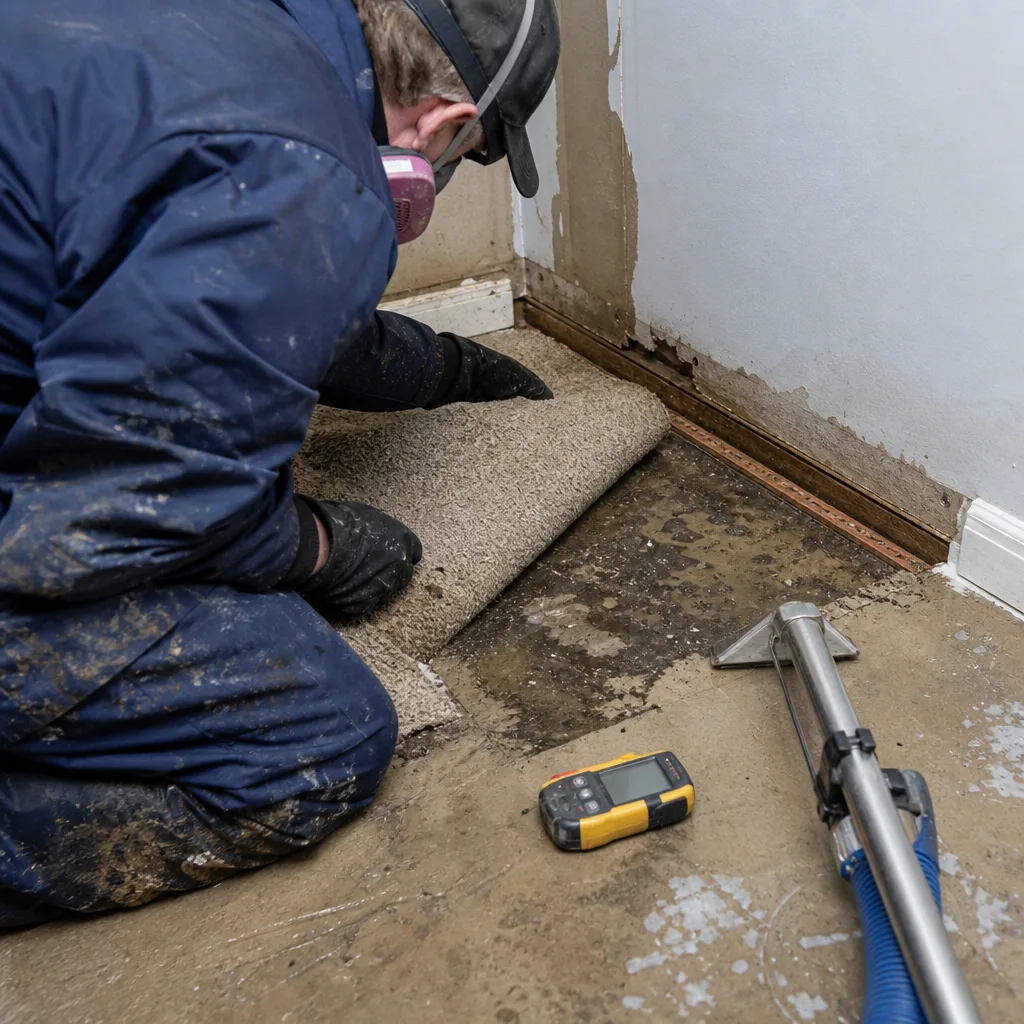
Mold Removal means physically extracting contaminated materials, not spraying bleach and hoping. We establish negative air pressure containment with HEPA filtration, remove porous materials that exceed IICRC contamination thresholds, and clean semi-porous surfaces with antimicrobial agents documented to IFA standards. The work is photographed at every stage, and nothing leaves the containment zone unbagged. In Federal Way’s 1970s-era ramblers around Enchanted Parkway, we often find mold embedded in original drywall that was never primed with mold-resistant sealant; removal in those cases includes the substrate, not just surface cleaning.
Black Mold Remediation
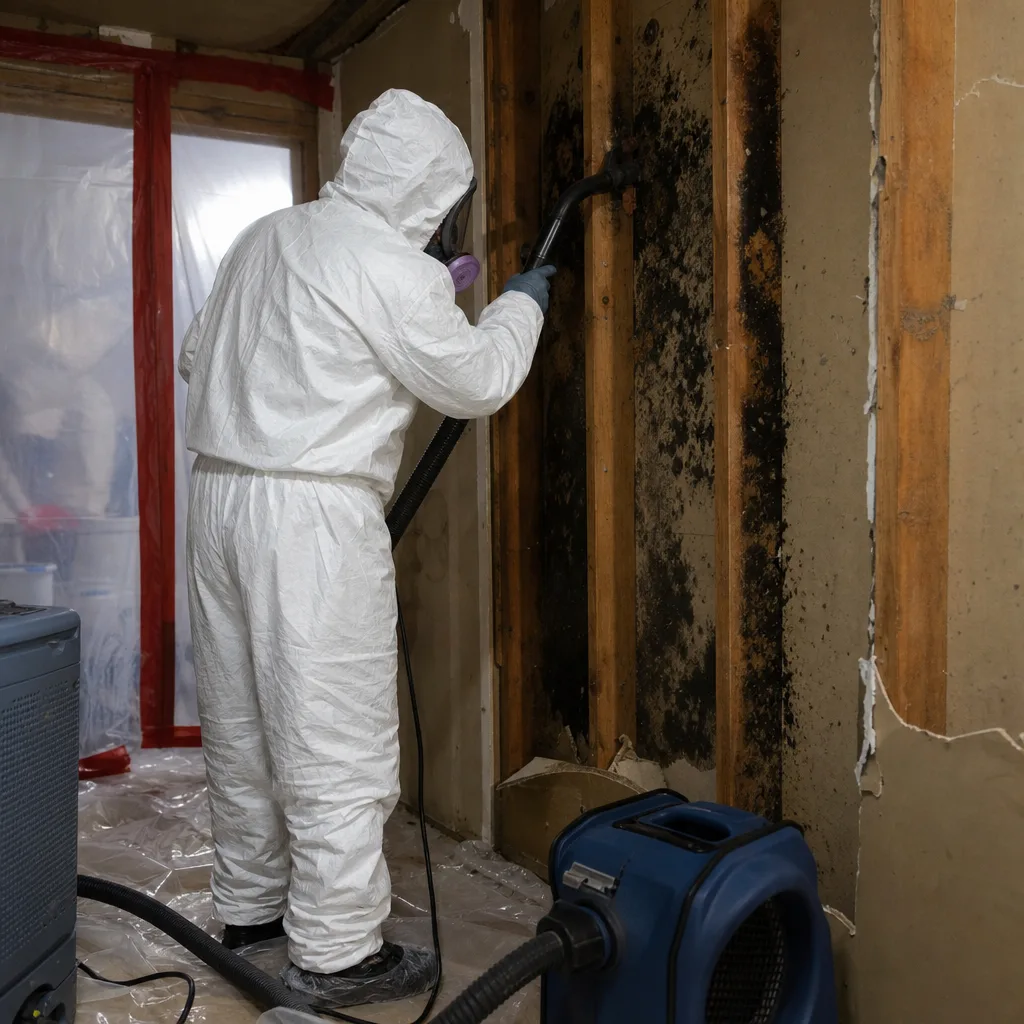
Stachybotrys chartarum - the species most homeowners mean by “black mold” - requires the same containment and removal protocol as other toxigenic molds, with one critical difference: documentation. Insurance adjusters and industrial hygienists scrutinize black mold claims more closely, and incomplete photo records are the leading cause of denied coverage. We document moisture readings, containment setup, material removal, and post-remediation verification with time-stamped photos on every visit. Federal Way’s crawl spaces, particularly in the low-lying Westway neighborhood where the water table sits high, produce the sustained cellulose moisture above 16% that Stachybotrys needs; our remediation includes identifying and correcting that source, not just removing the visible growth.
Air Quality Restoration
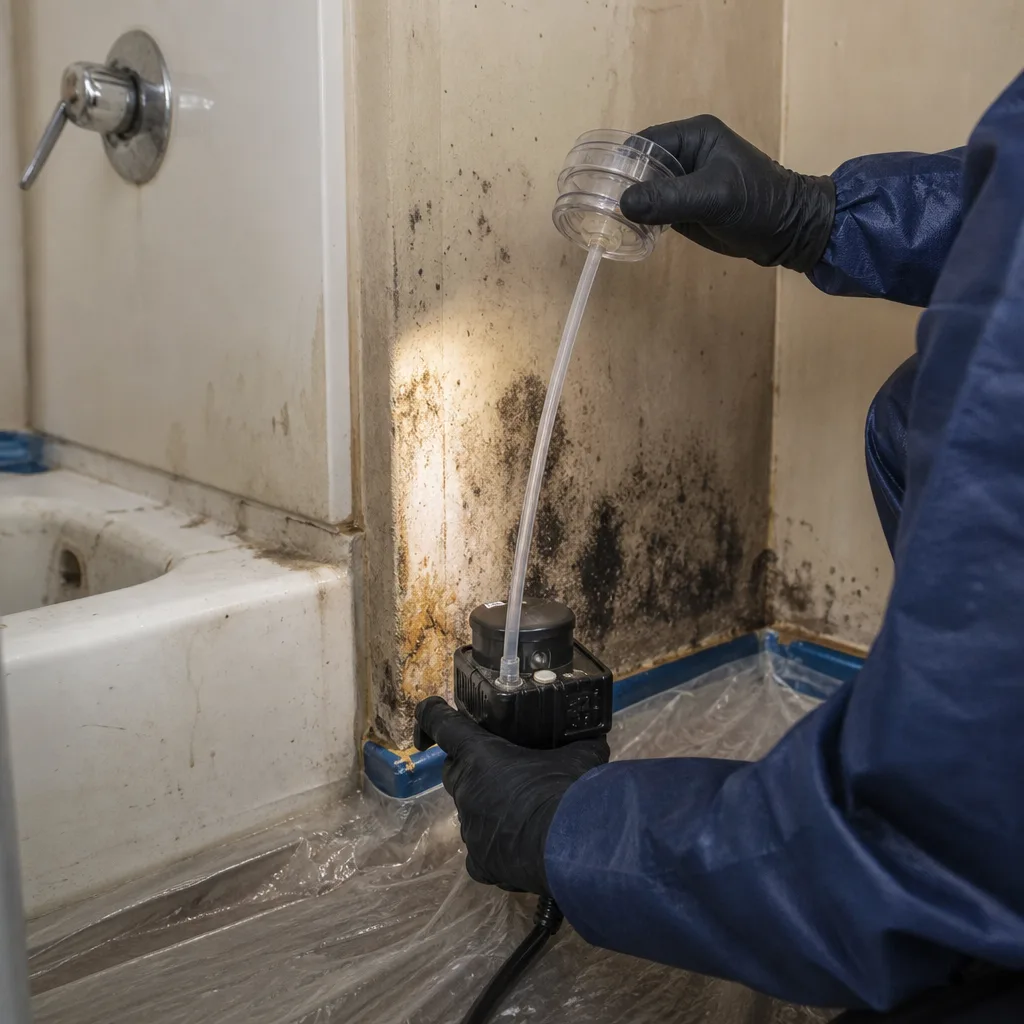
Post-remediation air quality isn’t assumed - it’s measured. We deploy HEPA air scrubbers during active work and run clearance sampling after, comparing spore counts to outdoor baseline levels and the specific thresholds in the IICRC S520 standard. The equipment we use includes Phoenix and Dri-Eaz HEPA units rated at 99.97% efficiency at 0.3 microns, with airflow documented in cubic feet per minute on the drying log. In Federal Way’s tighter-built homes from the 1990s and 2000s, particularly around Dash Point Road, inadequate ventilation can trap remediation debris if the air scrubbing phase is shortened; we don’t sign off until the numbers confirm clearance.
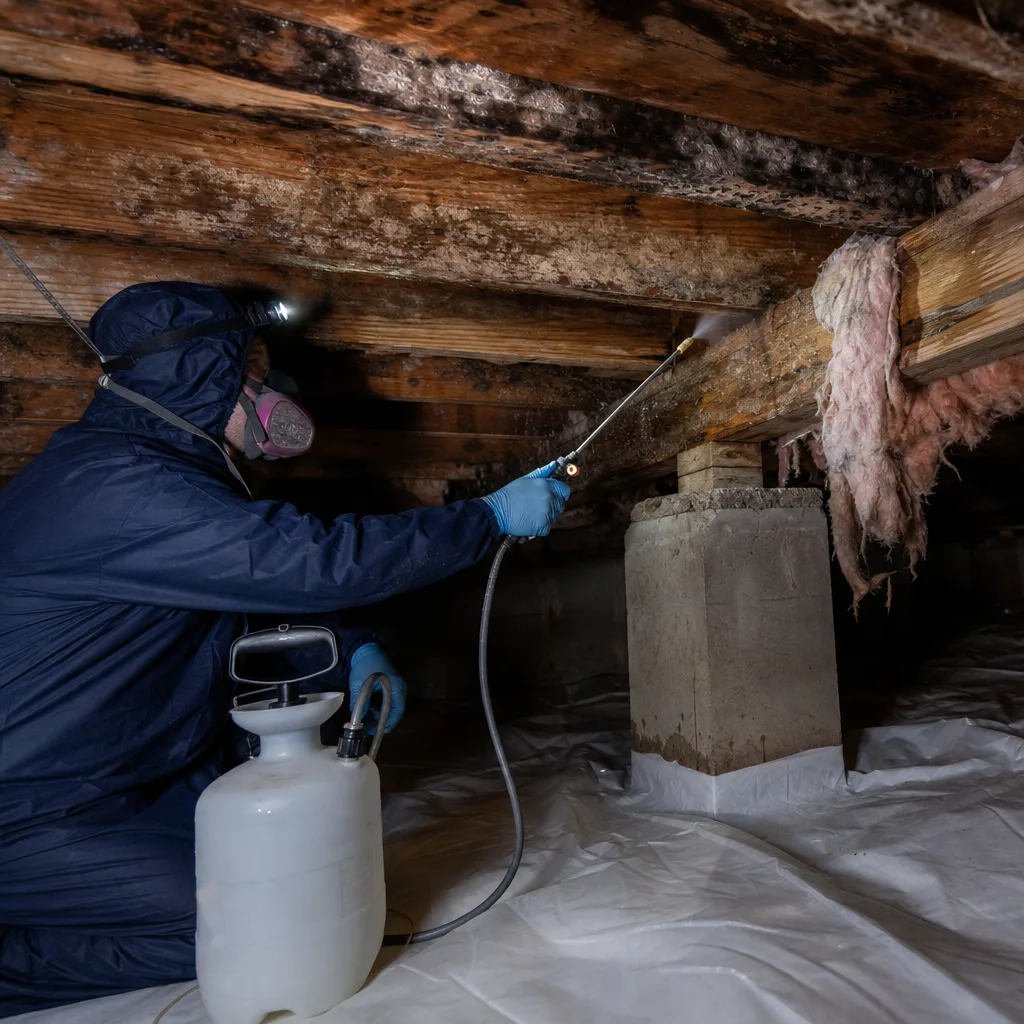
Crawl Space Treatment
Federal Way crawl spaces are mold incubators: dirt floors wick groundwater, foundation vents pull in humid summer air that condenses on cool joists, and the marine climate keeps relative humidity above 60% for eight months of the year. Our treatment protocol includes vapor barrier installation over dirt floors, sealed crawl space conversion where appropriate, dehumidification with B-Air units sized to the cubic volume, and structural drying with Injectidry systems that deliver heated, dehumidified air directly into floor cavities. We treat the joists, subfloor, and sill plate with antimicrobial agents, then document moisture content in each structural member before closing the access. The Haven Standard requires that we photograph every treated surface and record final moisture readings below 12% wood moisture equivalent.
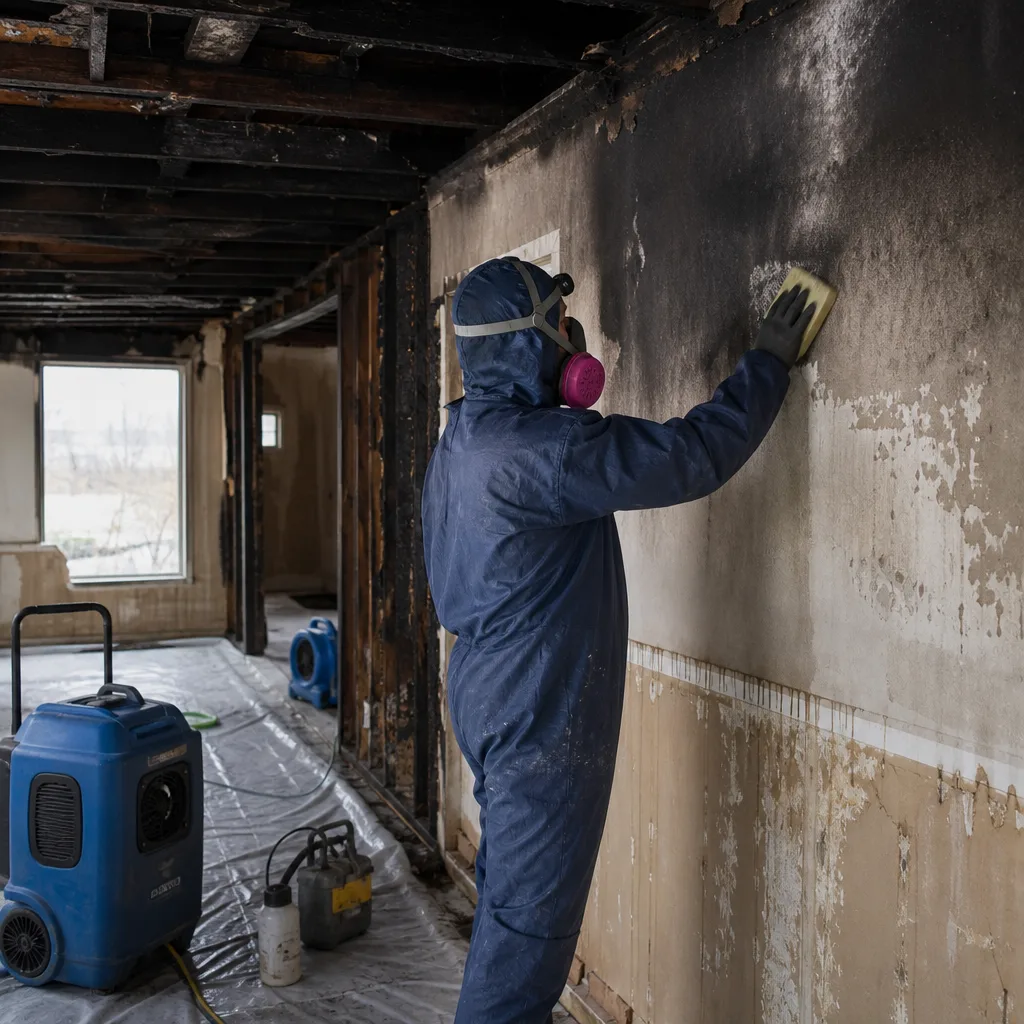
Moisture & Humidity Control
Remediation without moisture control is temporary. We install permanent dehumidification, repair the drainage or ventilation defect that enabled growth, and provide a written moisture management plan with target relative humidity ranges by season. In Federal Way, that means keeping indoor RH below 60% in winter when the marine layer is thickest, and addressing the gutter downspout failures, negative grading, and failed vapor barriers we find in roughly 70% of mold jobs. Our technicians use psychrometric data - temperature, relative humidity, and vapor pressure plotted on a standard chart - to determine whether your home’s current conditions will support regrowth, and we explain that data in plain language on the written scope.
What happens when you call
- 1
A real person answersNo phone trees - you reach a local pro.
- 2
You get an upfront price rangeHonest numbers before anyone is dispatched.
- 3
A background-checked tech heads outLicensed & insured, dispatched right away.
- 4
You approve before work beginsNothing starts until you say go.
Signs You Need Mold Remediation Right Now
- Visible discoloration on walls, ceilings, or baseboards. Any patch larger than 10 square feet, or multiple smaller patches in the same room, indicates active colonization that has progressed beyond surface level. In Federal Way’s older homes, we often find that what looks like a 2-foot stain on the living room ceiling actually covers 40 square feet of attic sheathing above.
- Persistent musty odor that doesn’t resolve with cleaning. Mold produces microbial volatile organic compounds (MVOCs) at the metabolic stage before visible growth appears; if you smell it, the colony is established and releasing spores. We’ve traced “mystery odors” in Federal Way’s Lakota neighborhood to hidden mold behind intact vinyl wallpaper where moisture was trapped for years.
- Recent water damage that wasn’t professionally dried. A toilet overflow, supply line leak, or roof intrusion that was mopped up without structural drying leaves moisture in wall cavities and subfloors. We find secondary mold in roughly 30% of Federal Way jobs where the homeowner handled the initial water loss without moisture meters or air movers.
- Respiratory symptoms that improve when you leave home. Not everyone reacts to mold, but those who do experience rhinitis, asthma exacerbation, or chronic cough that correlates with time spent in the affected building. We don’t diagnose health effects - we document the conditions that medical and industrial hygiene professionals can correlate with symptoms.
- Sagging drywall, warped baseboards, or bubbling paint. These are moisture damage symptoms, and where sustained moisture exists, mold is either present or imminent. In Federal Way’s crawl spaces, we regularly find joist sagging from fungal decay that has progressed past the mold stage into actual structural rot.
BeforeAfterOur Mold Remediation Process - Step by Step
- 1
Written estimate before any work begins. We inspect, measure, photograph, and deliver a line-item scope with a fixed price. Haven Standard, Clause 1: no work starts until you’ve signed the written price. In Federal Way, this typically happens within 24 hours of your call, and we offer a Free Second Opinion on any competitor’s written estimate if you want comparison.
- 2
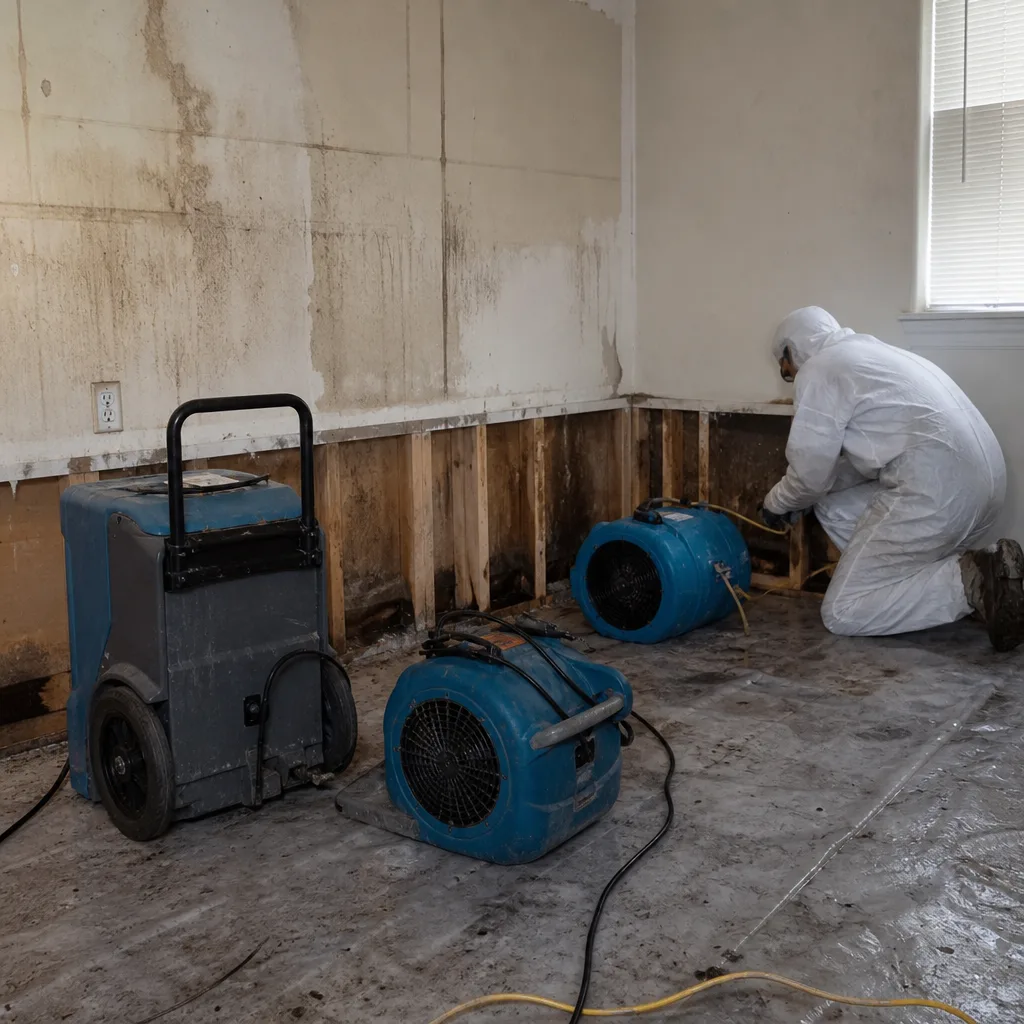
Containment and negative air pressure establishment. We seal the work zone with 6-mil polyethylene sheeting, install HEPA-filtered negative air machines to prevent cross-contamination, and establish a clean-to-dirty airflow pattern. The containment is photographed before any disturbance begins, and air scrubber flow rates are logged in cubic feet per minute.
- 3
Removal of contaminated materials and HEPA vacuuming. Porous materials exceeding IICRC contamination thresholds are removed and bagged within the containment zone. Semi-porous surfaces are HEPA-vacuumed and cleaned with antimicrobial agents. Every bag, every tool, and every technician’s egress is documented with photos.
- 4
Structural drying and dehumidification. We deploy Dri-Eaz and Phoenix dehumidifiers, B-Air air movers, and Injectidry systems as needed to return affected materials to acceptable moisture content. Daily moisture logs record readings by room, by material, with psychrometric data that shows the drying curve to the adjuster. Tertiary drying - the final phase where deep moisture is extracted at low vapor pressure differentials - is where less thorough companies stop too early; we continue until the numbers confirm.
- 5
Post-remediation verification and documentation package. Final moisture readings, clearance air samples where specified, and a complete photo record are compiled into a documentation package formatted to RIA and IFA standards. You receive the 365-Day Done Right Promise in writing, and our crew doesn’t leave until you’ve reviewed the documentation and signed the completion certificate.
How Much Does Mold Remediation Cost in Federal Way?
A typical contained mold remediation in Federal Way - one room or area under 100 square feet with no structural involvement - runs $1,200-$2,800; see our Mold Remediation cost guide for full details. Moderate jobs involving multiple rooms, crawl space access, or HVAC contamination range from $3,500-$6,500. Extensive whole-home remediation with structural drying, reconstruction, and air quality restoration can exceed $10,000, though these represent a small fraction of the jobs we handle.
What moves the price: square footage of visible and hidden contamination, accessibility (crawl spaces and attic kneewalls add labor hours), the need for third-party air testing, and whether the moisture source requires repair (failed vapor barrier, plumbing leak, negative grading). The biggest cost driver we see in Federal Way is delayed response - mold that has been growing for six months has penetrated deeper into substrates and requires more extensive removal than a two-week-old colony.
How to avoid overpaying: get a written scope from any contractor you’re considering, then bring it to us for a Free Second Opinion. Haven Standard, Clause 1 exists because we watched homeowners sign open-ended contracts and receive invoices 40% above the estimate. Our written price is the price you pay, with no scope-creep additions once the crew is inside. The free estimate includes the inspection, moisture mapping, photo documentation, and a line-item scope - not a verbal ballpark.
What’s included: containment setup, HEPA air scrubbing during work, removal and disposal of contaminated materials, antimicrobial treatment of remaining surfaces, structural drying to IICRC standards, post-remediation photo record, and the 365-Day Done Right Promise. Air quality testing and reconstruction are quoted separately if needed, with those prices also fixed in writing before work begins.
Mold Remediation Near Federal Way - Our Service Area
We maintain crews positioned for response across south King County and north Pierce County, with typical arrival times of 30-45 minutes to Milton, 20-30 minutes to Des Moines, and under an hour to Auburn, Kent, SeaTac, Tukwila, and Renton. Tacoma, Puyallup, Sumner, and Edgewood are within our standard service radius with scheduling flexibility for non-emergency remediation work. The marine climate patterns that drive mold in Federal Way - winter rainfall, summer humidity, and the persistent Puget Sound influence - affect all these markets similarly, and our documentation protocols are calibrated to the same adjuster expectations across the region. Mold Remediation in Milton and Mold Remediation in Des Moines follow identical Haven Standard procedures, with written prices and photo records on every job.
Serving Federal Way, WA - Our Local Coverage Area
We’re based in the Federal Way area and know this community well. Use the map below to see our service coverage - if you’re nearby, we can almost certainly help.
Frequently Asked Questions - Mold Remediation in Federal Way
Mold remediation is the complete process of containing, removing, and verifying the elimination of mold contamination, while “cleaning” typically refers only to surface treatment that doesn’t address hidden growth or moisture sources. Remediation includes establishing negative air pressure containment, removing contaminated porous materials, drying structural components to specified moisture content, and documenting the process with photos and moisture logs that satisfy insurance and industrial hygiene review. In Federal Way, we regularly find that DIY cleaning has spread spores to adjacent areas because containment wasn’t established; remediation prevents that cross-contamination.
Most residential mold remediation jobs in Federal Way are completed in 3-5 business days, with an additional 48-72 hours for post-remediation air clearance testing if required by your insurance or industrial hygienist. Crawl space treatments and jobs requiring structural reconstruction may extend to 7-10 days. The timeline is determined by the drying curve - we don’t sign off until moisture readings confirm materials have reached acceptable levels, not by a schedule. Call (253) 322-4873 for a specific timeline based on your inspection.
Contained single-area remediation in Federal Way typically runs $1,200-$2,800, moderate multi-room or crawl space jobs range $3,500-$6,500, and extensive whole-home remediation with structural involvement can exceed $10,000. The exact price depends on affected square footage, accessibility, and whether the moisture source requires repair. We deliver a written, line-item price before any work begins - Haven Standard, Clause 1 - and offer a Free Second Opinion on any competitor’s written estimate. Call (253) 322-4873 for your specific quote; estimates are free.
Yes - we service and supplement existing Dri-Eaz and Phoenix systems, and we regularly integrate our equipment with homeowner-purchased units in Federal Way’s DIY-inclined market. Our technicians assess whether existing equipment is sized correctly for the cubic volume and vapor load, document its performance with psychrometric readings, and supplement or replace as needed to meet IICRC drying standards. The photo record includes all equipment in place, regardless of ownership.
Active, spreading mold contamination - particularly after a recent water loss or when HVAC systems are involved - requires same-day containment to prevent cross-contamination and protect occupant health. We answer every call with a live person, 24 hours a day, 7 days a week, and can typically inspect within 24 hours in Federal Way. Non-emergency remediation, such as a contained crawl space colony with no active moisture source, can be scheduled within 2-3 business days. Call (253) 322-4873 to discuss urgency; we’ll tell you honestly whether your situation requires immediate response or scheduled remediation.
Every mold remediation job is covered by our 365-Day Done Right Promise under The Haven Standard: if the treated area shows recurrence of mold growth due to our workmanship or documentation error, we return and correct it at no charge. This is a written guarantee, not a verbal assurance, and it’s stamped on every job file. The warranty requires that the moisture source we identified and documented remains controlled - new plumbing leaks, roof failures, or homeowner alterations that reintroduce moisture are separate events. We explain the warranty terms in plain language on the written scope before you sign.
Remove personal items from the affected area if safe to do so; don’t disturb visible mold, as this releases spores. Ensure we have access to the work zone, the electrical panel, and the water main if plumbing repair is part of the scope. If you have pets, plan to keep them away from containment areas during work hours. We don’t require you to vacate the home for contained, single-area remediation, though occupants with respiratory sensitivity may prefer to stay elsewhere during the active removal phase. Bring any prior inspection reports, insurance correspondence, or competitor estimates to the initial appointment - we review them at no charge, and our Free Second Opinion applies to any written estimate you’ve received.
Schedule Your Mold Remediation Service in Federal Way Today
Call (253) 322-4873 now to speak with a live person - no voicemail, no callback queue. We’ll schedule your free inspection, deliver a written price before any work begins, and document every step to the standard that adjusters recognize and pay. The 365-Day Done Right Promise and The Haven Standard apply to every Federal Way job, with no exceptions.
Written by Alicia Brennan, Owner at Back to Dry Restoration, serving Federal Way since 2011.