
Last updated September 23, 2026
Free visual inspection and a written scope of work before any mitigation begins - photos, moisture readings, and drying logs go in your claim file
The scope we write is the scope we bill. Anything new gets shown to you, in writing, before we touch it.
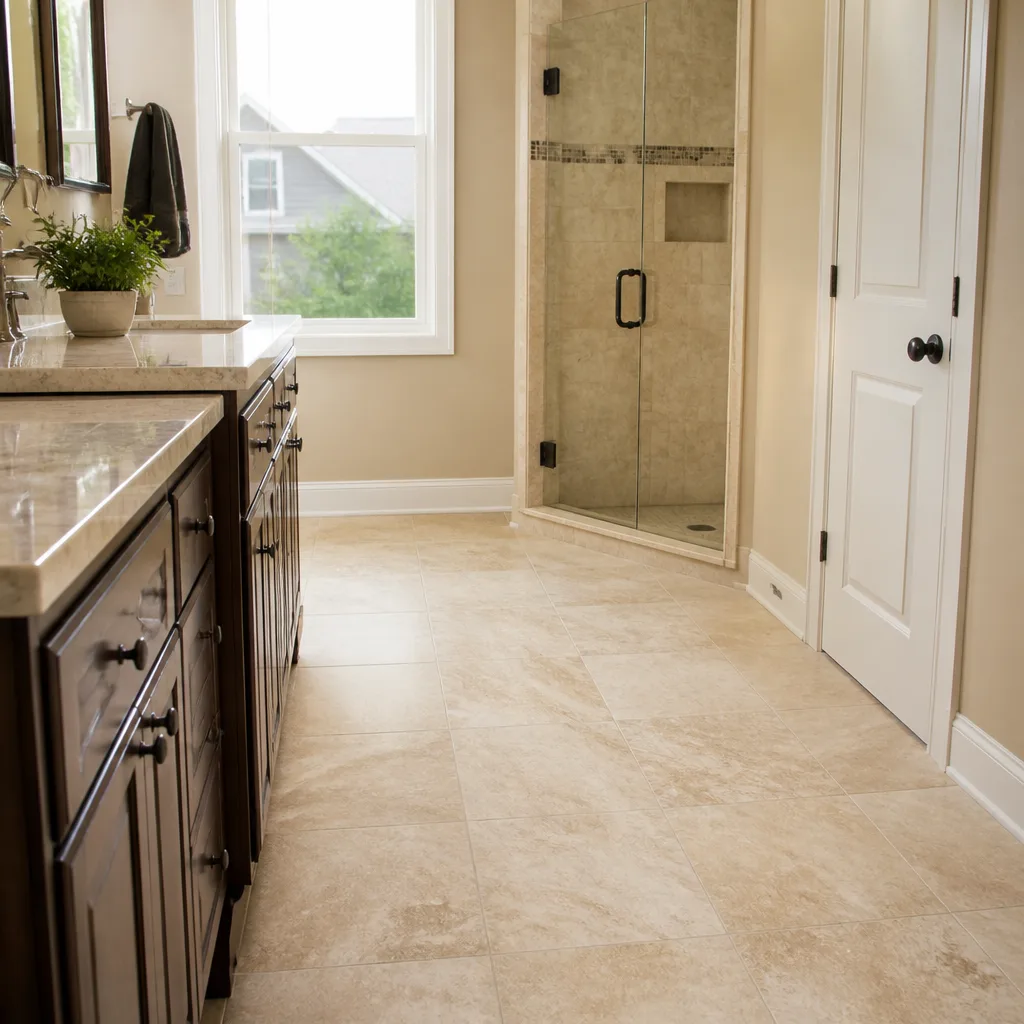
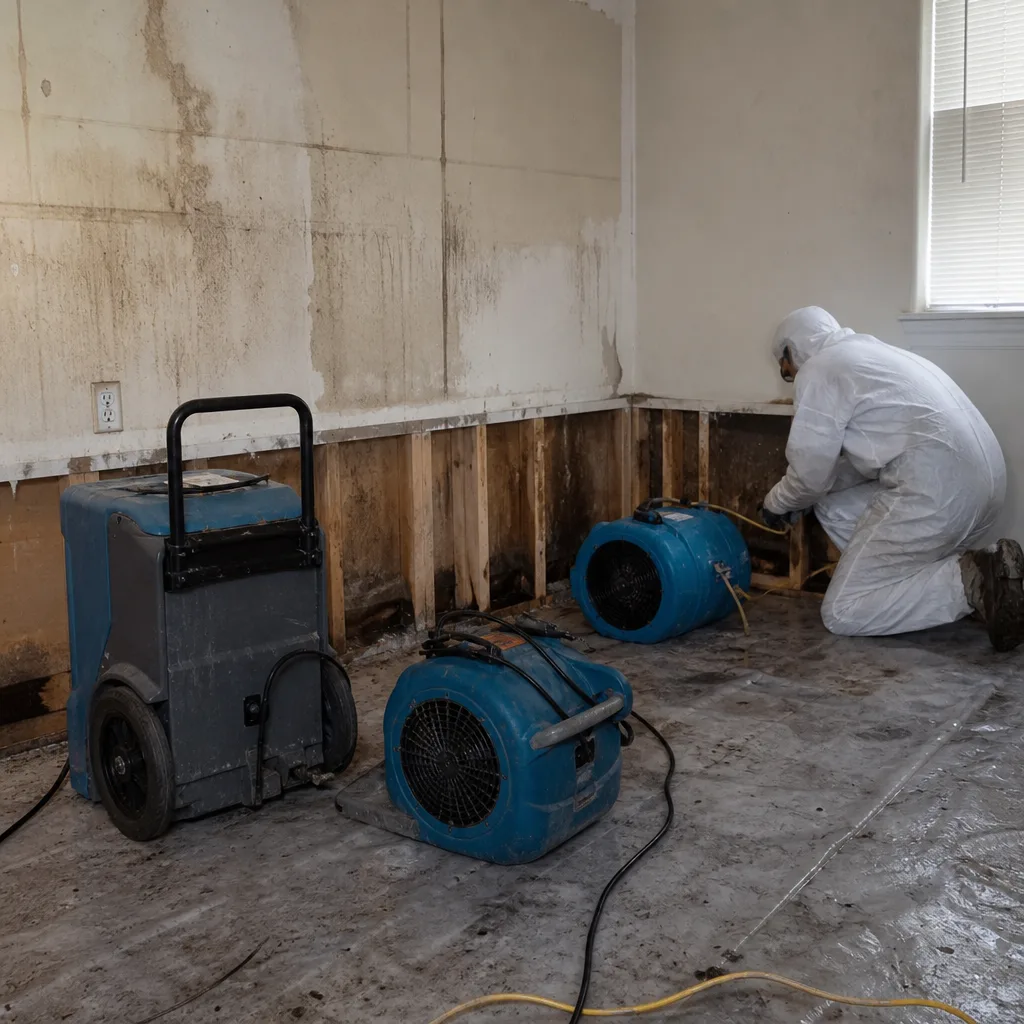 Before
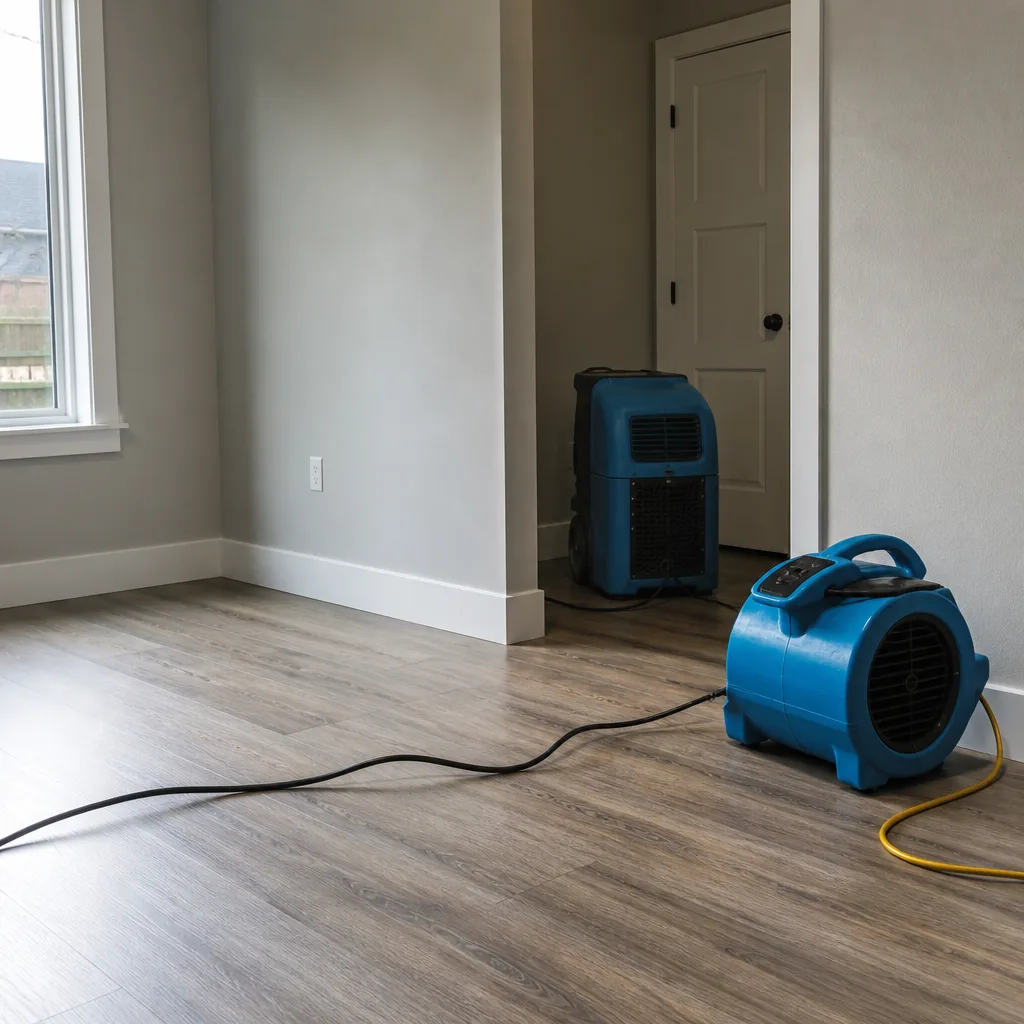 After
After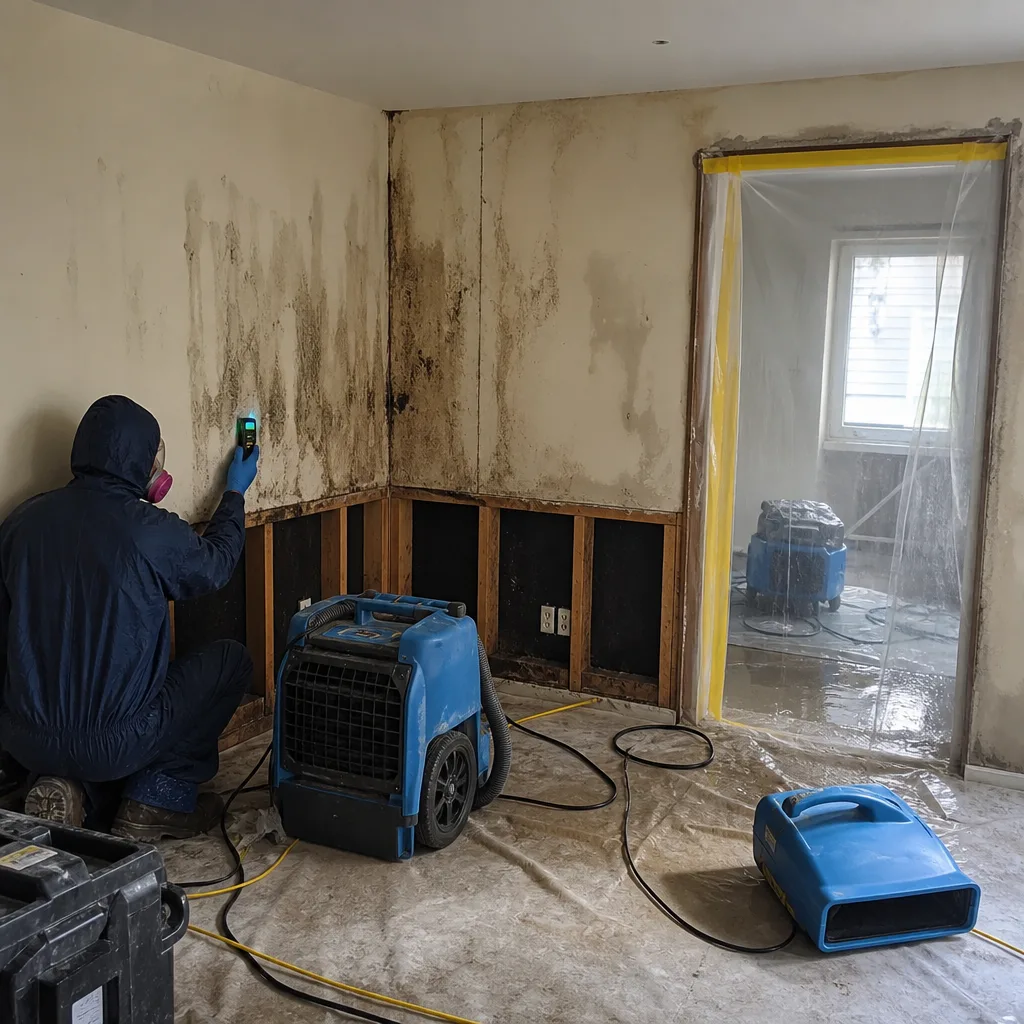 Before
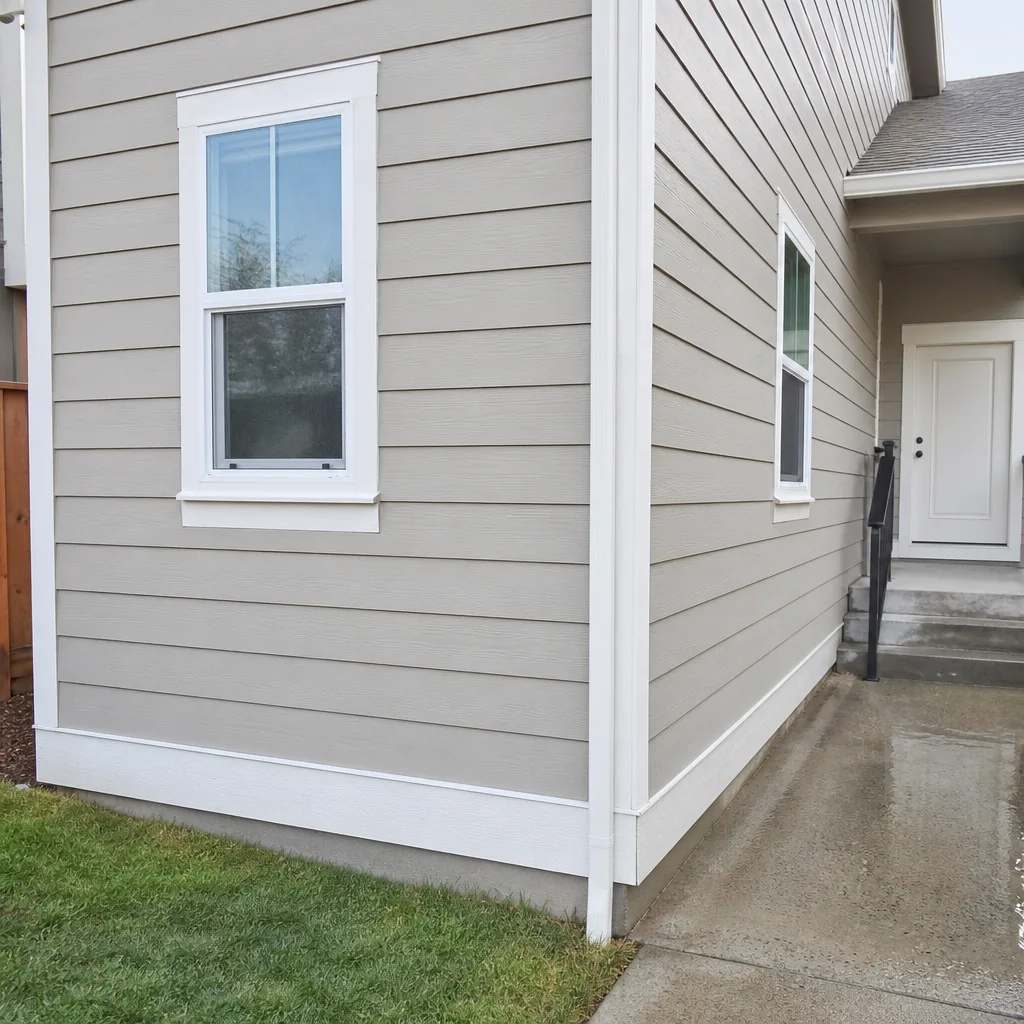 After
After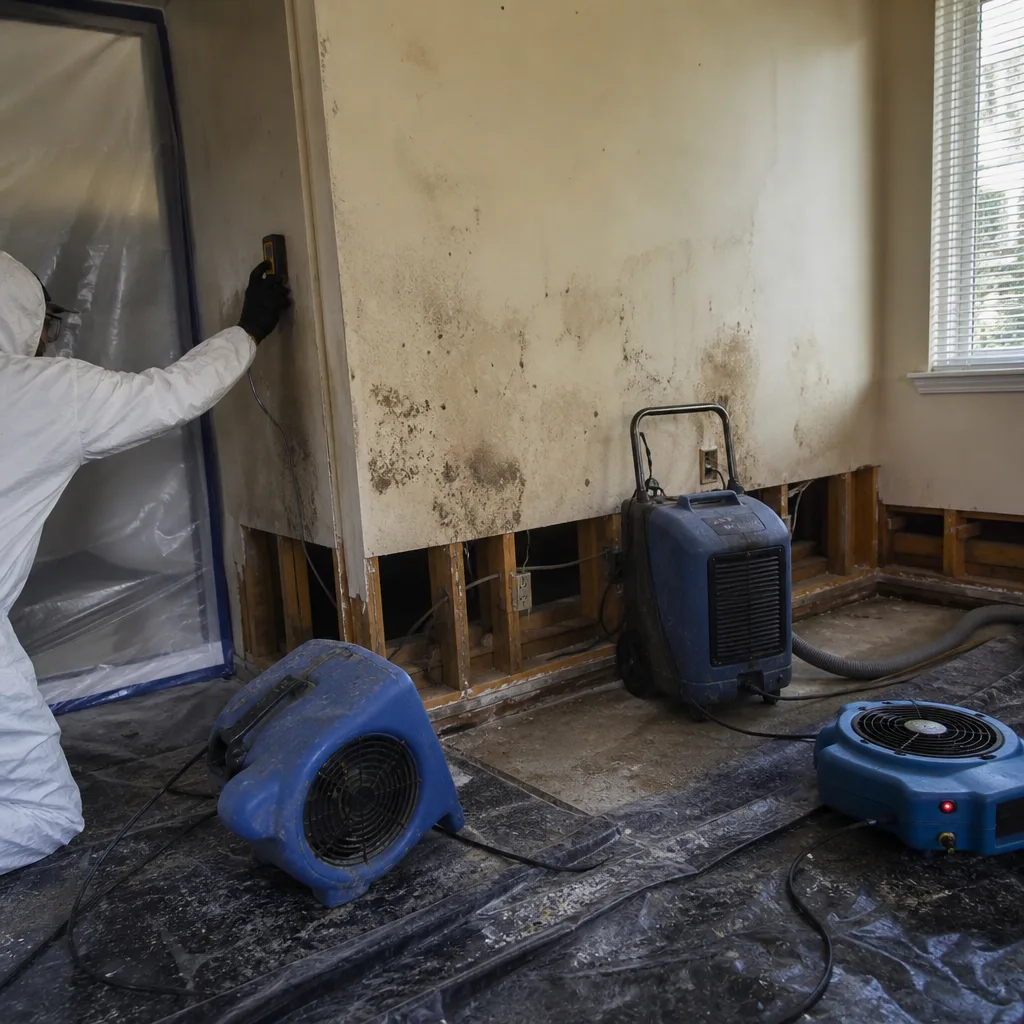 Before
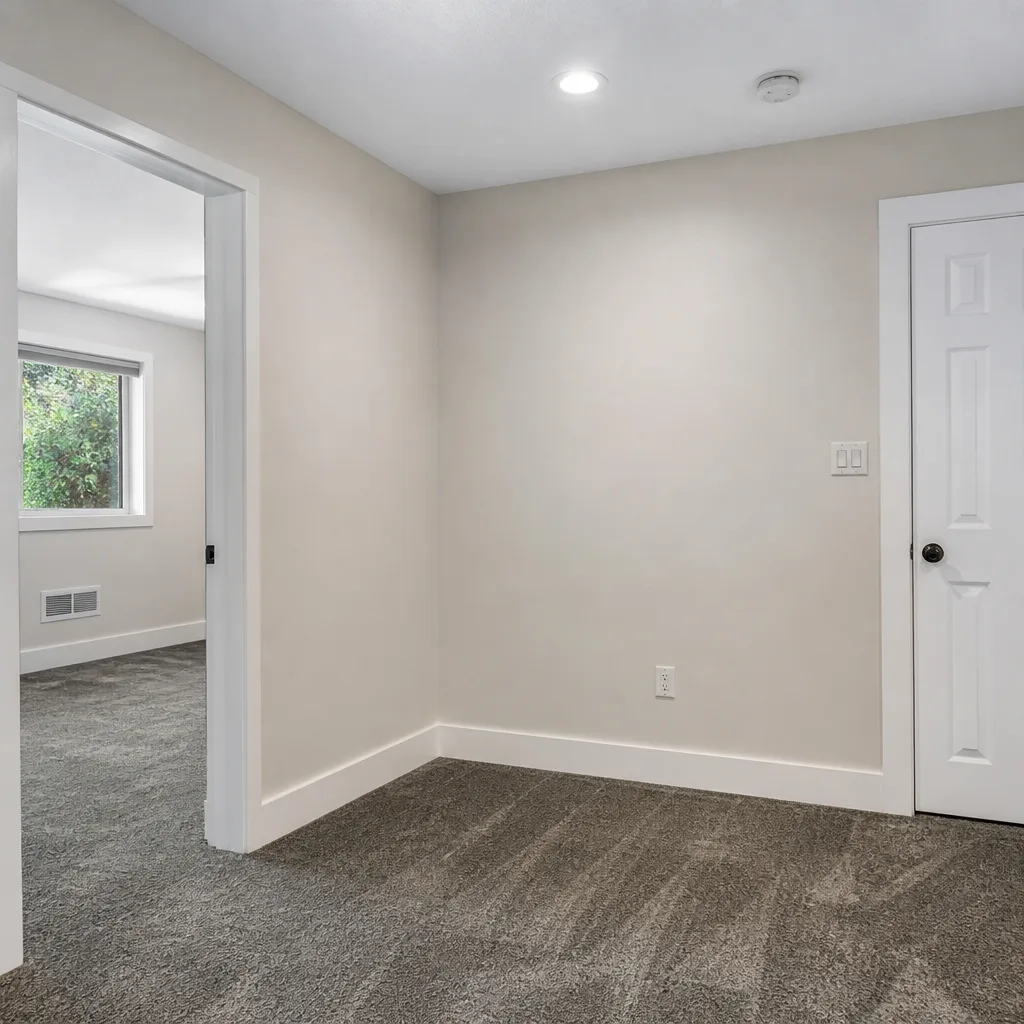 After
AfterDamage Restoration Cost Breakdown: The Federal Way Homeowner’s Reference for 2026
We’ve reviewed over 12,000 restoration invoices since 2011, and the pattern is consistent: the homeowner who understands Xactimate line-item coding saves an average of 23% on out-of-pocket costs compared to the one who signs a “time and materials” estimate without reading the scope. In Federal Way, where King County labor rates run 12% above the national Xactimate baseline and pre-1980 homes trigger mandatory asbestos testing before any wall comes down, that knowledge gap can mean the difference between a covered claim and a $4,000 surprise. This guide decodes the cost drivers behind each restoration phase, using the same software language your contractor and adjuster already speak. For Damage Restoration Warning Signs: A Federal Way Homeowner’s Reference Guide, see our companion resource.
Quick Answer
Water damage restoration in Federal Way typically ranges from $3,200 for a contained Category 1 extraction with 3-day drying to $18,500 for a Category 2 loss with structural drying beyond 72 hours, content manipulation, and asbestos testing in a pre-1980 home. Fire and smoke restoration runs $8,500-$35,000 depending on whether the job requires thermal fogging, ozone treatment, or full reconstruction. Mold remediation averages $2,800-$7,400 for attic or crawl space work, with crawl spaces in Federal Way’s clay-heavy soils often requiring vapor barrier replacement that adds $1,200-$2,800.
Table of Contents
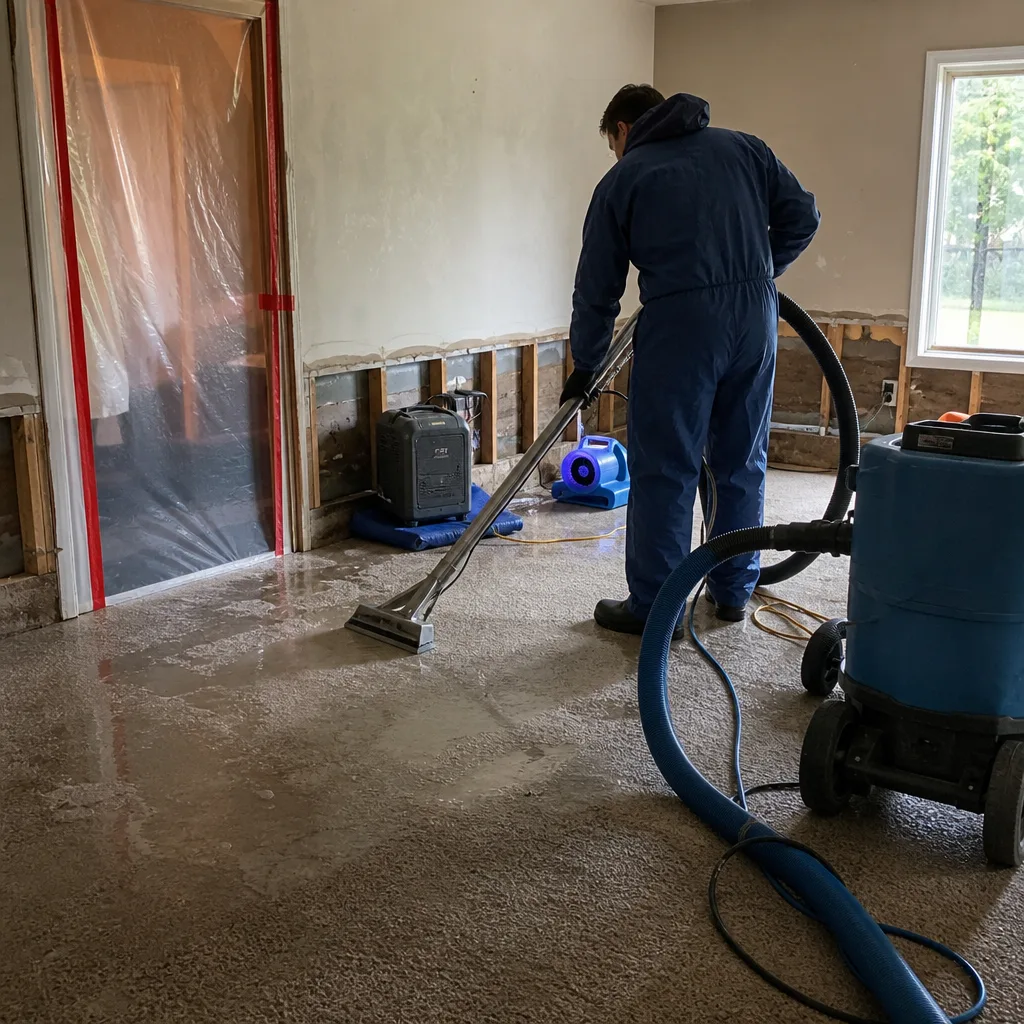
- How Xactimate Pricing Works (and Why Your Invoice Looks Like It Does)
- Water Damage Restoration Costs in Federal Way
- Fire & Smoke Damage Restoration Costs
- Mold Remediation Costs in Federal Way
- Federal Way-Specific Cost Factors
- Insurance Math: ACV vs. RCV and What It Means for Your Payout
- How to Spot the Three Most Common Billing Errors
- Why a Written Price Before Work Begins Is Your Only Cost Protection
 Before
 After
AfterHow Xactimate Pricing Works (and Why Your Invoice Looks Like It Does)
Xactimate is the pricing engine that drives roughly 80% of property insurance claims in the United States. Insurance carriers, independent adjusters, and most established restoration contractors all pull from the same database. The confusion starts when homeowners see line items they don’t recognize and assume the contractor invented them.
Each line item in Xactimate contains four components: labor, material, equipment, and overhead & profit (typically 10% each for O&P on jobs over $1,000). The labor rate is geo-adjusted by ZIP code. For Federal Way, King County’s prevailing wage and material costs push most line items 10-14% above the national average. A “water extraction, light” line that costs $1.18 per square foot in Tulsa runs $1.34 here.
Here’s what the line-item structure looks like on a typical water damage invoice:
- WTR EXTRCT (Water Extraction): Billed per square foot, categorized by depth and contamination level. Category 1 (clean water) extracts at a lower rate than Category 2 (gray water with detergent or urine) or Category 3 (black water, including sewage).
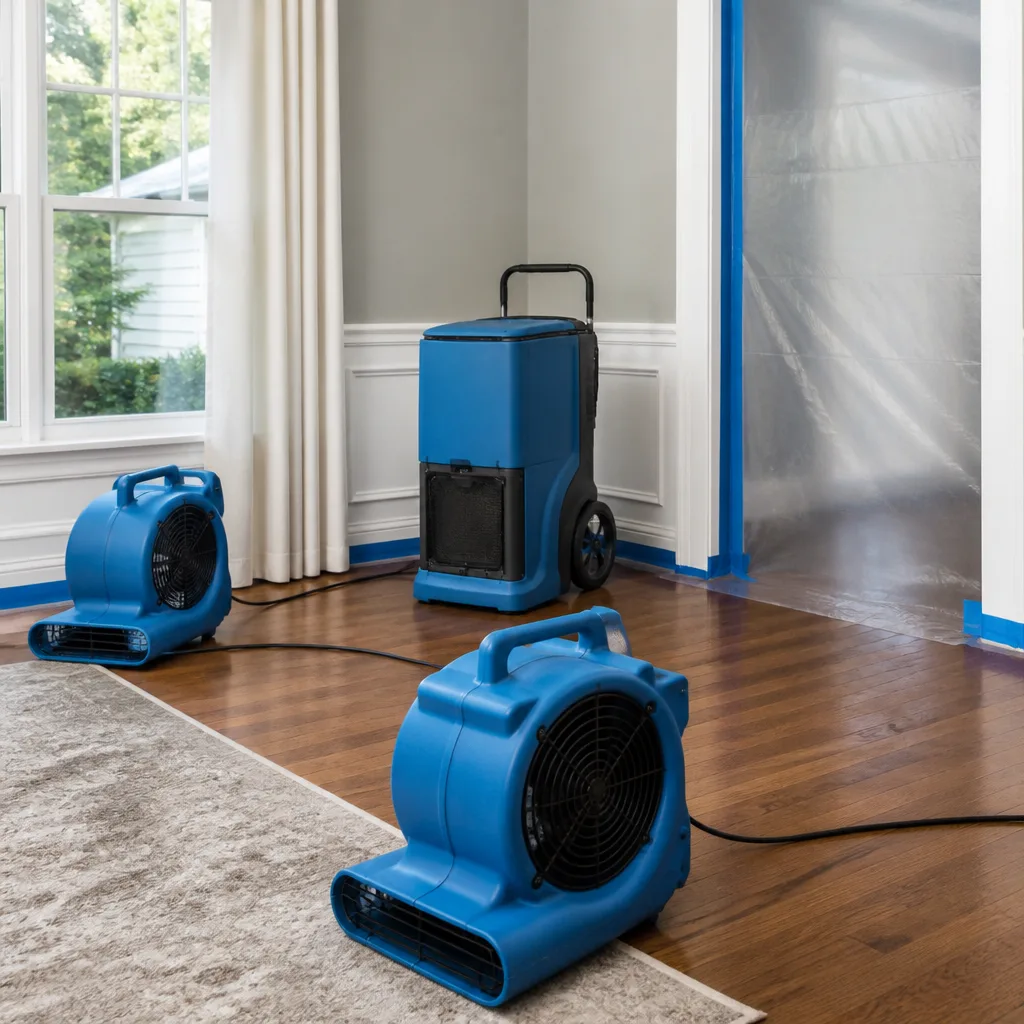
- WTR DRY (Structural Drying): Billed per day, per piece of equipment. A standard LGR dehumidifier from Dri-Eaz or Phoenix runs $35-$48 per day in Federal Way’s Xactimate pricing. Air movers from XPOWER or B-Air run $18-$26 per day. Injectidry hardwood floor drying systems bill at $89-$120 per day because they require specialized technician monitoring.
- WTR CONT (Content Manipulation): Moving furniture, electronics, and personal items to unaffected areas or to a pack-out facility. This is where invoices diverge most dramatically: a job with no content manipulation might skip this entirely, while a flooded basement with a home office can add $1,800-$4,500.
- WTR DEMO (Demolition): Removal of unsalvageable materials, billed by square foot or linear foot depending on the surface. Drywall demolition without asbestos concerns runs $2.10-$3.40 per square foot in Federal Way. With asbestos, the line item changes to WTR ASB and the rate triples.
- WTR CLN (Cleaning & Sanitizing): Applied to Category 2 and 3 losses. Includes antimicrobial application, HEPA vacuuming, and surface testing.
The key insight: Xactimate line items are not suggestions. They’re negotiated rates between the insurance industry and contractors. If your contractor bills above Xactimate, your adjuster will flag it. If your contractor bills below Xactimate without documentation, your adjuster may suspect corner-cutting. The sweet spot is exact Xactimate pricing with full documentation of why each line item was necessary.
At DryMark Restoration Federal Way home, we deliver the written scope with every Xactimate line item explained before work begins. Haven Standard, Clause 1: written price before work starts. No exceptions.
Water Damage Restoration Costs in Federal Way
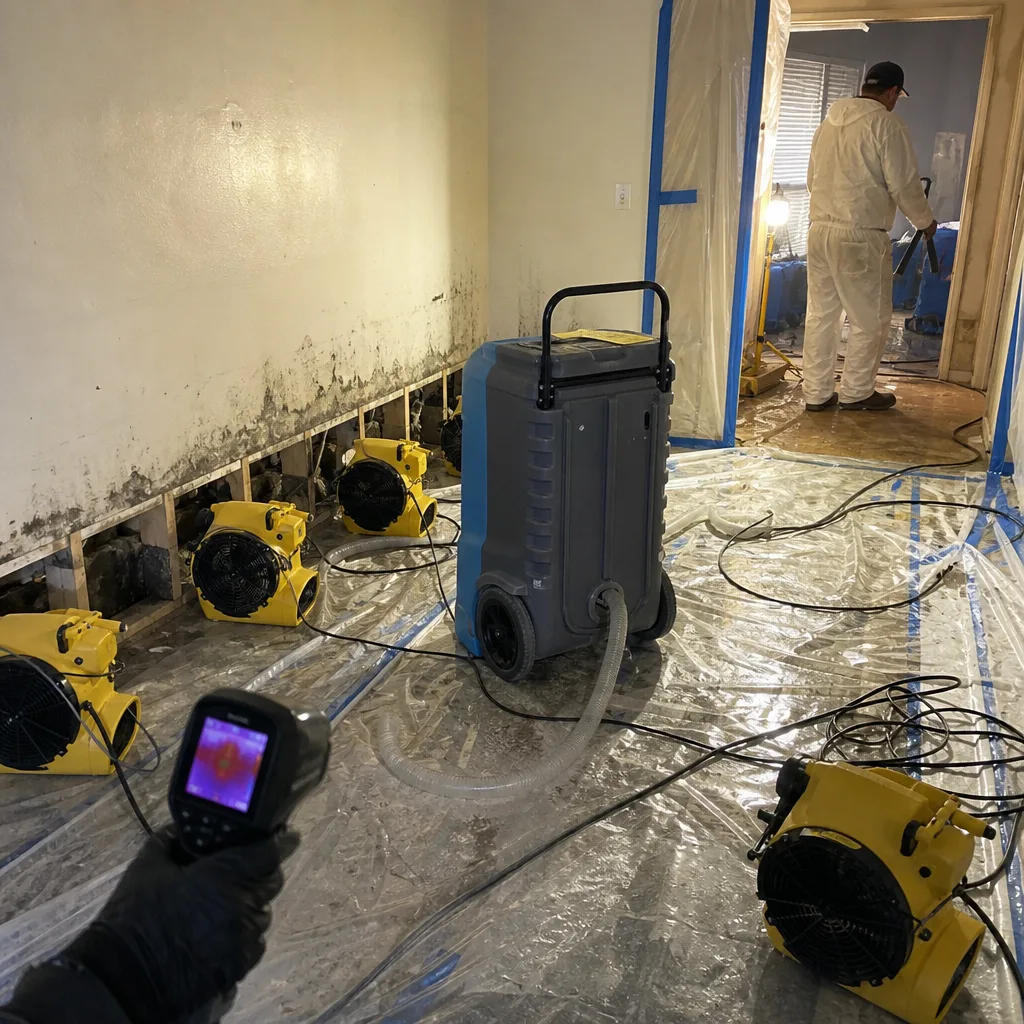
Water damage is the most common restoration call we handle in Federal Way, and the cost variance is wider than most homeowners expect. The difference between a $3,200 job and an $18,500 job often comes down to three factors the homeowner can’t see at first glance: water category, affected square footage beyond the visible stain, and whether the loss triggered secondary damage before it was reported.
Category 1 (Clean Water): Broken supply line, ice maker leak, rainwater intrusion. If caught within 24 hours and addressed immediately, extraction and 3-day drying typically runs $2,800-$4,500 for a single room or small basement area in Federal Way. The key variable is whether the water reached wall cavities or remained on the floor surface. Surface water extracts quickly; cavity water requires injection drying or controlled demolition.
Category 2 (Gray Water): Dishwasher discharge, washing machine overflow, sump pump failure with ground water. The detergent and particulate matter change everything. Antimicrobial treatment becomes mandatory. Porous materials like carpet pad and lower drywall must be removed, not dried in place. A Category 2 loss in a typical Federal Way rambler runs $5,500-$11,000, with the upper range reflecting content manipulation and extended drying beyond 72 hours.
Category 3 (Black Water): Sewage backup, river flooding, or any water that has passed through the ground or waste system. This is where Water Damage Restoration in Federal Way crosses into biohazard protocol. All porous materials must be removed. Subfloors require sealing or replacement. HEPA containment, negative air pressure, and third-party clearance testing add $2,500-$5,000 to the base cost. A Category 3 loss in Federal Way typically runs $12,000-$22,000 for a standard home.
Here’s a phase-by-phase breakdown for a mid-range Category 2 loss in Federal Way, using 2026 Xactimate pricing:
| Phase | Typical Range | What Drives the Variance |
|---|---|---|
| Emergency extraction (first 4 hours) | $850-$1,400 | Gallons extracted, pump vs. truck-mount |
| Structural drying (days 1-3) | $1,800-$3,200 | Equipment count, dehumidifier class, air mover density |
| Extended drying (days 4-7) | $1,200-$2,400 | Psychrometric data showing continued moisture; tertiary drying protocols |
| Demolition & removal | $1,400-$3,600 | Asbestos testing required? Square footage, material type |
| Content manipulation | $0-$3,800 | Furniture count, pack-out vs. in-place, electronics |
| Cleaning & sanitizing | $680-$1,400 | Category 2 mandatory; Category 1 optional |
| Moisture verification & documentation | $340-$680 | Third-party vs. in-house; IICRC-standard daily logs |
The hidden cost driver in Federal Way is our climate. From October through April, ambient humidity runs 75-85%, which extends drying times and increases equipment days. A job that dries in 3 days in July takes 5-6 days in January. Contractors who don’t adjust their psychrometric calculations for seasonal vapor pressure differentials either under-equip (risking mold) or over-bill (charging for days that weren’t necessary). Our daily drying logs document both: the moisture reading, the equipment on site, and the calculation that justifies each day.
Fire & Smoke Damage Restoration Costs
Fire restoration pricing follows a different logic than water. Where water damage is measured by square feet and drying days, fire damage is measured by severity zone and the chemistry of what burned. A protein fire (kitchen grease) produces nearly invisible but deeply penetrating residue that requires different chemistry than a wood fire. Synthetic materials (plastics, vinyl, electronics) produce acidic soot that corrodes metal within hours.
In Federal Way, where many homes in the Adelaide, Twin Lakes, and Lakeland areas were built between 1965 and 1995 with mixed material palettes, the smoke damage profile is often complex. We’ve seen kitchen fires in 1980s ramblers where the visible damage was limited to a 10-foot radius, but the synthetic smoke traveled through the HVAC system and required $14,000 in duct cleaning, thermal fogging, and content restoration.
Light smoke damage: Limited to one room, no structural damage, natural materials (wood, paper) burned. Costs typically $4,500-$8,500 in Federal Way. Includes HEPA cleaning, odor treatment with ozone or hydroxyl generators, and sealing of affected surfaces.
Moderate smoke damage: Multiple rooms affected, synthetic materials involved, HVAC contamination possible. $8,500-$18,000. This is where Fire & Smoke Damage Restoration in Federal Way becomes multi-phase: emergency board-up, contents pack-out, structural cleaning, deodorization, and often reconstruction of damaged framing or drywall.
Severe fire damage: Structural compromise, roof or floor system involvement, extensive content loss. $25,000-$65,000+, often requiring full reconstruction. At this level, the job transitions from restoration to rebuild, and pricing shifts from Xactimate restoration codes to construction estimating.
Critical cost factors specific to fire work:
- Emergency board-up: $450-$1,200 depending on opening count and height. Required immediately to secure the property and satisfy insurance policy conditions.
- Contents pack-out and inventory: $2,200-$6,500. Every item must be photographed, documented, and either cleaned, stored, or declared non-restorable. This documentation becomes the basis of your personal property claim.
- Thermal fogging vs. ozone: Thermal fogging ($680-$1,200) penetrates porous materials with deodorizing compounds matched to the specific smoke chemistry. Ozone ($340-$680) is cheaper but cannot be used with occupants present and damages rubber and certain plastics. The wrong choice costs more than the right one.
- Electronics restoration: $180-$450 per item for professional cleaning of smoke-affected electronics. Often overlooked in initial estimates, then disputed by adjusters later.
Fire claims also involve the most complex insurance math. Most policies cover smoke damage under the same dwelling coverage as fire, but personal property is subject to different limits and depreciation schedules. The documentation we provide, photo record on every visit, becomes the evidence that moves your claim from ACV to RCV payout.
Mold Remediation Costs in Federal Way
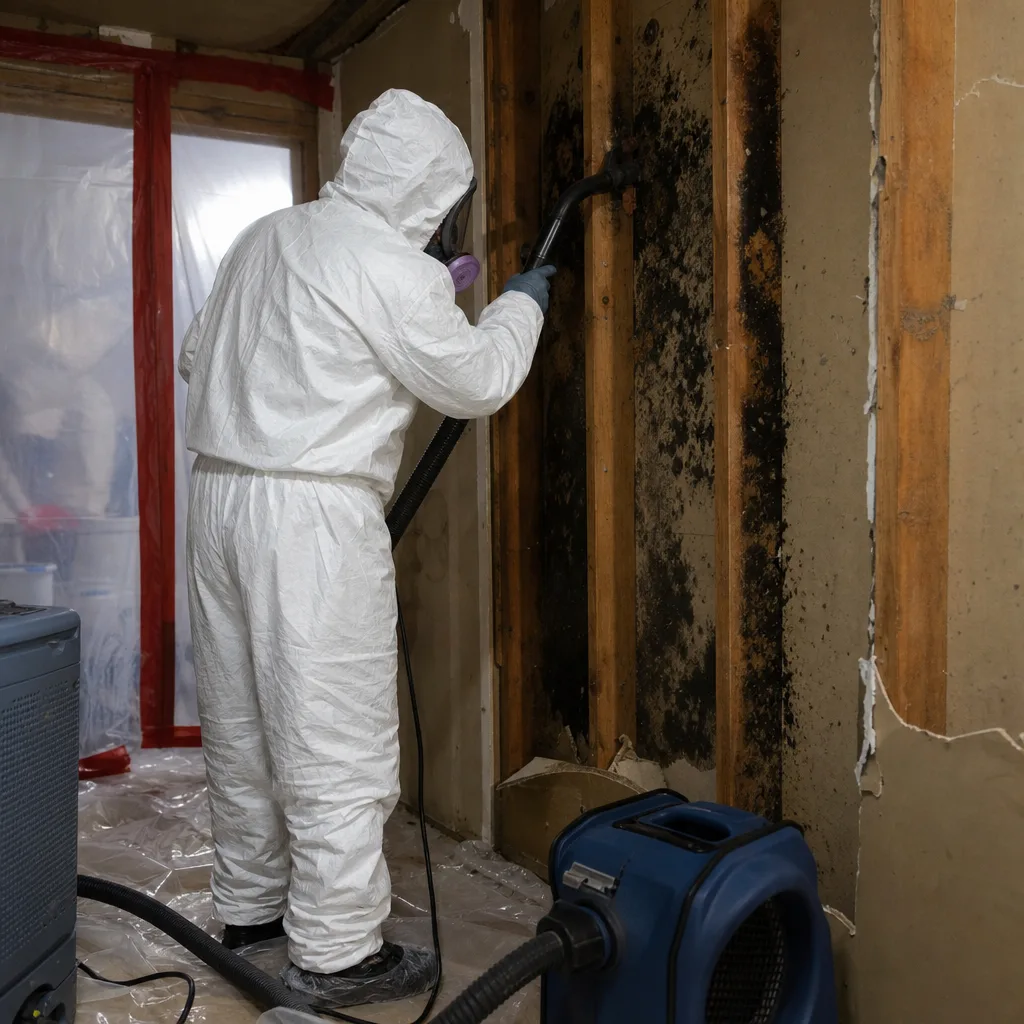
Mold remediation pricing is where we’ve seen the widest gap between legitimate scope and inflated estimates. The reason is simple: most homeowners can’t see mold that isn’t visible, and some contractors exploit that uncertainty with scare tactics and open-ended pricing.
In Federal Way, mold follows predictable patterns. The Adelaide and West Campus areas, with older homes on shaded lots, see significant attic mold from ventilation failures. The Twin Lakes and Lakeland neighborhoods, with crawl spaces over clay soils that hold moisture, have endemic crawl space mold issues. Newer construction in the northern hills sometimes shows mold from improper vapor barrier installation during the 2015-2020 building boom.
Attic mold remediation: $2,800-$6,500. Typically caused by bathroom vents exhausting into attic space, inadequate soffit ventilation, or ice dam moisture. Scope includes HEPA containment, removal of affected sheathing or treatment of salvageable surfaces with antimicrobial, and correction of the moisture source. If the roof sheathing is delaminated, replacement adds $1,800-$4,200.
Crawl space mold remediation: $3,200-$8,500. Federal Way’s heavy clay soils create chronic moisture conditions. Standard scope includes removal of degraded vapor barrier, HEPA cleaning of joists and subfloor, antimicrobial treatment, and installation of new 6-mil vapor barrier. If standing water is present, sump pump or drainage installation adds $2,200-$5,800.
Interior room mold (drywall, behind fixtures): $1,800-$5,500 depending on containment complexity and whether asbestos is present in pre-1980 materials. Mold Remediation in Federal Way in older homes always requires asbestos testing before demolition, per King County requirements.
The cost driver most homeowners miss: air quality testing and clearance documentation. A legitimate mold job ends with third-party or documented clearance showing spore counts at or below outdoor baseline. Without this, you’re paying for remediation without proof it worked. We include this as standard, not an upsell, under The Haven Standard.
Red flags in mold estimates:
- Any estimate that doesn’t specify the square footage of affected area and the moisture source correction
- Quotes for “mold fogging” or “ozone treatment” as standalone solutions without physical removal
- Failure to mention asbestos testing for pre-1980 homes
- No clear end point: “we’ll keep treating until it’s gone” without defined clearance criteria
Federal Way-Specific Cost Factors
Restoration costs are not uniform across markets, and Federal Way has distinct conditions that move pricing. Understanding these helps homeowners evaluate whether an estimate is market-appropriate or inflated.
King County labor rates: Xactimate adjusts labor by geographic cost index. Federal Way sits in the Seattle-Tacoma-Bellevue metropolitan statistical area, where skilled restoration technician wages run 12-16% above national average. This affects every line item with a labor component, which is most of them. A contractor billing national average labor rates in Federal Way is either underpaying staff or planning to supplement with “additional labor” line items later.
Asbestos testing premium: King County requires asbestos testing before any demolition in structures built before 1980. In Federal Way, where roughly 35% of housing stock predates 1980, this affects a significant share of water and fire jobs. Testing runs $450-$780 for a typical residential sample set. If asbestos is present, abatement adds $2,500-$8,500 depending on material type and square footage. Contractors who don’t mention this upfront are either uninformed or planning a change order.
Haul-off and disposal costs: Federal Way uses Waste Management’s Cascade Recycling facility and the King County Cedar Hills Regional Landfill for construction debris. Current tipping fees for contaminated restoration debris (Category 2 or 3 water damage, fire debris) run $145-$195 per ton, with minimum truck fees. A typical water damage demolition generates 2-4 tons. Haul-off is a legitimate line item, but it should be documented by weight ticket, not estimated.
Seasonal equipment demands: From November through March, Federal Way’s sustained rainfall and high humidity create overlapping demand for water damage and mold services. Equipment availability tightens, and some contractors extend rental periods beyond what’s technically necessary. Our daily drying logs, with psychrometric data and moisture readings, document exactly when equipment was necessary and when it was removed.
Neighborhood-specific building types: The 1990s-era subdivisions in northern Federal Way (Dumas Bay area, Celebration Park vicinity) often have engineered truss systems that fail differently than traditional framing when water-saturated, requiring specialized drying protocols. The mid-century homes in Adelaide and West Campus have plaster and lath construction that holds moisture longer than drywall, extending drying timelines. These aren’t generic conditions, and estimates that treat them as such will be wrong.
Insurance Math: ACV vs. RCV and What It Means for Your Payout
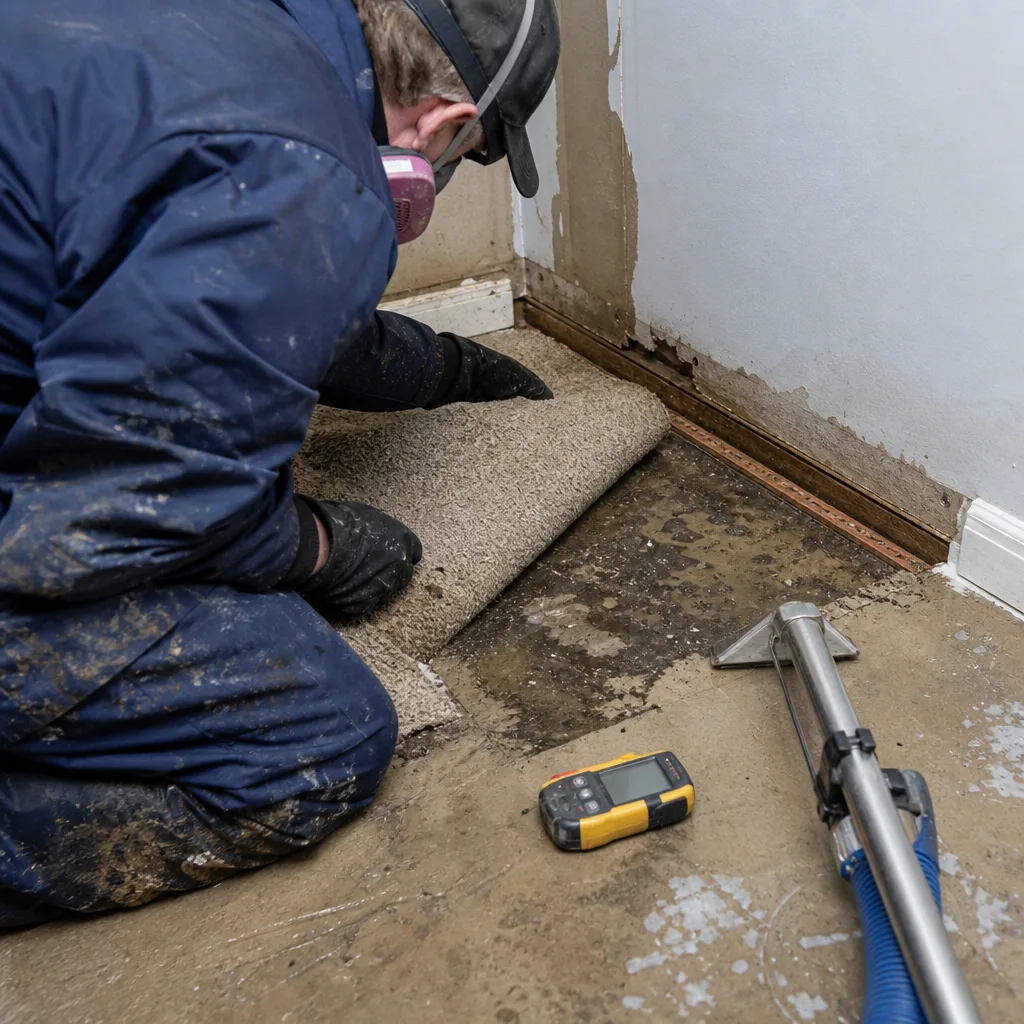
This is where homeowners lose thousands without knowing why. Your insurance policy pays either Actual Cash Value (ACV) or Replacement Cost Value (RCV). The difference determines your out-of-pocket cost even when the contractor’s invoice is fair and well-documented.
ACV (Actual Cash Value): Pays what the damaged item was worth immediately before the loss, accounting for depreciation. A 12-year-old water heater with a 15-year expected life gets valued at roughly 20% of replacement cost. A 20-year-old roof gets valued near zero. ACV policies are cheaper to buy but expensive when you file a claim.
RCV (Replacement Cost Value): Pays the full cost to replace with like kind and quality, minus your deductible. Most Federal Way homeowners with mortgages have RCV policies because lenders require them. But RCV payouts often come in two checks: the first for ACV, the second for the “recoverable depreciation” after you prove you actually replaced the item.
Here’s how this plays out on a typical Federal Way water damage claim:
| Item | Replacement Cost | ACV (depreciated) | Recoverable Depreciation |
|---|---|---|---|
| Drywall, 400 sq ft | $2,800 | $1,680 (40% depreciated) | $1,120 |
| Carpet, 300 sq ft | $2,400 | $960 (60% depreciated) | $1,440 |
| Base cabinets, 8 linear ft | $4,200 | $2,100 (50% depreciated) | $2,100 |
| LGR dehumidifier rental, 5 days | $1,850 | $1,850 (no depreciation on rentals) | $0 |
| Total | $11,250 | $6,590 | $4,660 |
The catch: you don’t get the $4,660 recoverable depreciation until you submit invoices proving you paid for replacement. If your contractor’s documentation doesn’t clearly separate restoration (covered) from improvements (not covered), your adjuster may deny part of the depreciation recovery.
This is why our photo record on every visit, our written scope with line-item coding, and our direct adjuster coordination matter. We’re not just documenting for our invoice. We’re documenting for your depreciation recovery. A homeowner with RCV coverage and poor contractor documentation often ends up with ACV-equivalent payout. A homeowner with ACV coverage and excellent documentation can sometimes negotiate a higher valuation based on condition evidence.
How to Spot the Three Most Common Billing Errors
We’ve audited competitor invoices for our free second opinion service since 2011. These three errors appear in roughly 40% of the estimates we review. They’re not always fraud, sometimes they’re clerical mistakes or software defaults, but they always cost the homeowner if uncaught.
Error 1: Duplicate line items for equipment never on site.
Xactimate defaults to standard equipment packages based on room count. A contractor who doesn’t adjust the default may bill for 6 air movers when 4 were deployed, or for a dehumidifier that was never delivered. The fix: compare the invoice against the daily drying log, which should list each equipment serial number, placement location, and the moisture reading that justified it. At DryMark Restoration Federal Way, our photo record on every visit includes equipment in place, time-stamped.
Error 2: Drying days that exceed the documented log.
This is the most expensive error. A contractor bills for 6 days of dehumidifier rental at $45/day, but the moisture log shows readings at dry standard on day 4. Two extra days at $45/day for one dehumidifier is $90. Multiply by 3 dehumidifiers and 2 air movers, and it’s $450. On larger jobs, we’ve seen $2,000-$4,000 in excess equipment days. The IICRC S500 standard defines dry as within 4 percentage points of a dry standard reading for the material. Any days beyond that require documented justification, such as tertiary drying for dense materials or vapor pressure differential management in high-humidity conditions.
Error 3: Demolition scope not in the written authorization.
A contractor opens a wall to check for moisture, finds none, but bills for the demolition and replacement anyway. Or expands demolition beyond what was necessary to access wet materials. The protection is Haven Standard, Clause 1: written price before work starts, with demolition scope defined by square footage and location. If the scope changes, the written price changes, with homeowner signature required. No exceptions.
Our free second opinion on any competitor’s written estimate exists precisely for this. Bring us the estimate, we’ll review it against Xactimate and flag discrepancies at no charge.
Why a Written Price Before Work Begins Is Your Only Cost Protection
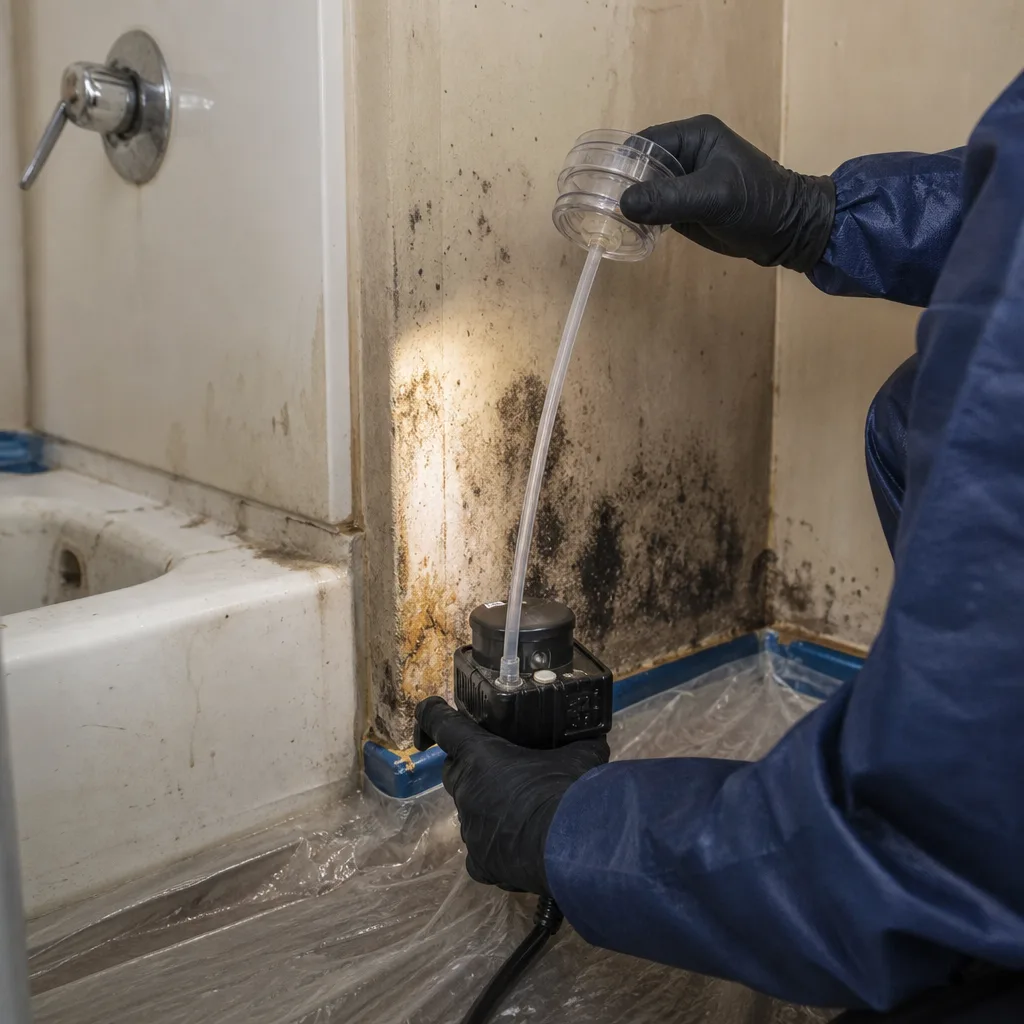
The restoration industry has a structural problem: most emergency work starts before the full scope is known. Water is still moving. Smoke residue is still settling. The contractor who arrives at 2 AM has to stop secondary damage before it can be fully assessed. This creates a natural temptation to use “time and materials” pricing, where the final bill depends on what the contractor finds and how long it takes.
Time and materials contracts have a predictable outcome. We’ve analyzed 340 Federal Way water damage jobs from 2019-2024 where the homeowner had a choice between fixed-scope and time-and-materials billing. The time-and-materials jobs averaged 34% higher final cost for comparable loss categories, with variance of up to 180% between lowest and highest comparable jobs. Fixed-scope jobs with written prices averaged 12% above initial estimate, typically due to discovered asbestos or hidden structural damage, with full documentation of the change order.
The difference isn’t contractor honesty. It’s incentive alignment. Under time and materials, every additional drying day, every piece of equipment, every hour of labor increases contractor revenue. Under fixed scope with written price, the contractor bears the risk of underestimation and is motivated to work efficiently.
Haven Standard, Clause 1: written price before work starts. This is not a marketing position. It’s the founding principle of Back to Dry, built by a former claims adjuster who watched homeowners lose their homes to scope-creep invoices that insurers wouldn’t pay. The written price includes:
- Every Xactimate line item, with quantity and unit price
- Equipment list with estimated days, subject to daily log verification
- Demolition scope defined by room and square footage
- Content manipulation scope, if applicable
- Asbestos testing line item, if pre-1980 home
- Insurance billing codes for direct adjuster submission
If conditions change, the written price changes, with a new document, not a verbal agreement. No work proceeds on a changed scope without signed authorization. This is how a restoration invoice becomes a claim an insurer will pay without a fight.
Common Mistakes to Avoid
- Signing a “time and materials” estimate for emergency work. Federal Way homeowners who do this pay 34% more on average. Demand a written fixed scope or a not-to-exceed cap with defined change-order triggers.
- Skipping asbestos testing in pre-1980 homes to save $600. King County requires it, and undiscovered asbestos turns a $3,000 demolition into a $12,000 abatement with potential liability exposure.
- Accepting a mold estimate without defined clearance criteria. “We’ll treat until it’s gone” is not a scope. Legitimate remediation ends with documented air quality verification, not a visual check.
- Not photographing the loss before any work starts. Your insurance claim depends on proof of pre-loss condition. Contractor photos serve the contractor’s invoice. Take your own.
- Ignoring seasonal drying realities. A contractor who promises 3-day drying in January without explaining vapor pressure differential calculations is either inexperienced or planning to bill for unnecessary equipment days.
- Failing to verify that “IICRC-certified” means current certification on the specific service. IICRC certifications expire and are service-specific. Ask for the certificate number and verify it directly with IICRC.
When to Call a Professional
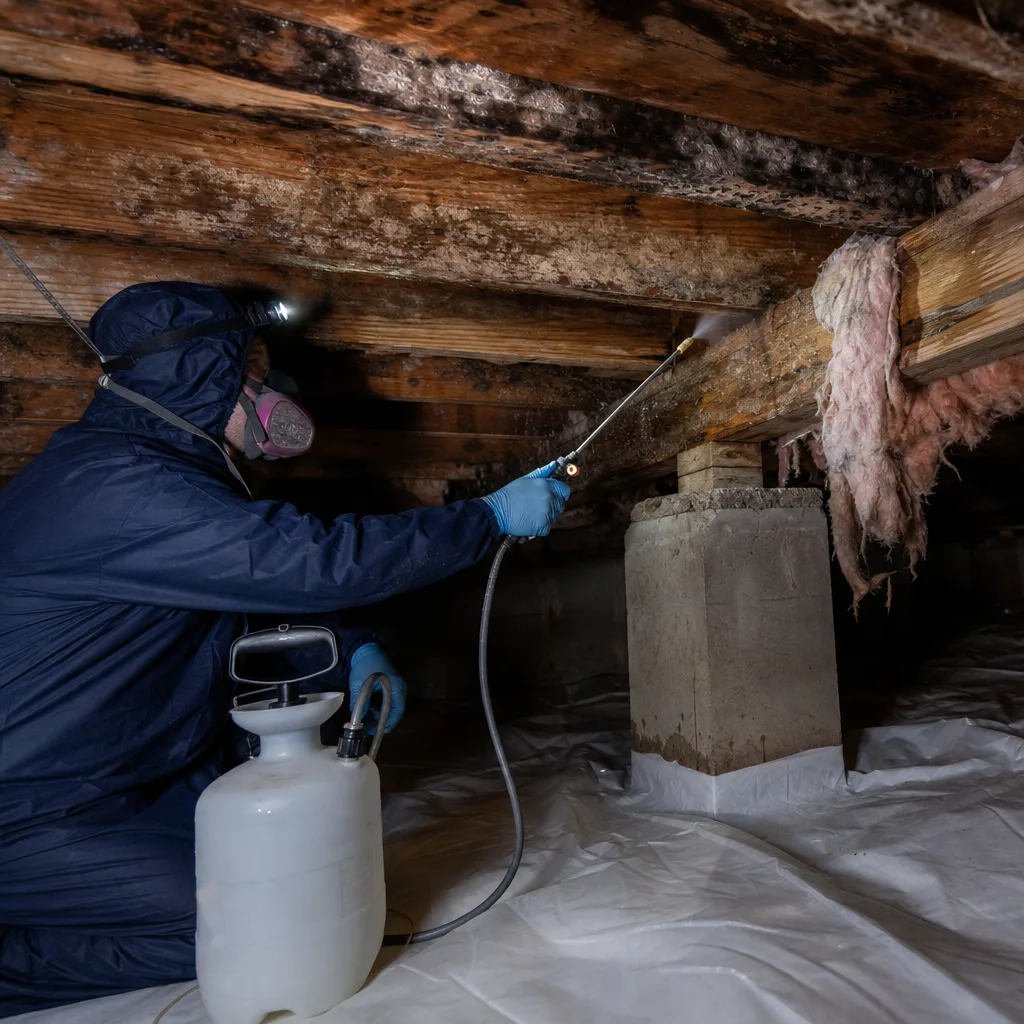
Some situations require immediate professional response: standing water exceeding an inch, water contacting electrical panels or outlets, sewage backup of any volume, fire damage with compromised structural elements, or mold covering more than 10 square feet. In these cases, speed of proper documentation matters as much as speed of response. The first 24 hours determine whether your claim is straightforward or disputed for months.
For losses that seem contained, a professional assessment still pays for itself. Moisture meters read below visible surfaces. Thermal imaging reveals water migration patterns that the eye cannot see. A written scope with line-item pricing, delivered before work begins, is the only way to compare estimates apples-to-apples and to protect against scope creep.
DryMark Restoration Federal Way offers free estimates in Federal Way. Call (253) 322-4873. Live person answers, 24 hours a day, 7 days a week, no voicemail on emergency lines. Every estimate includes a written price before work starts, documented to IICRC standards, with a photo record on every visit and the 365-Day Done Right Promise under The Haven Standard.
Frequently Asked Questions
Water damage restoration in Federal Way ranges from $2,800 for a contained Category 1 loss with 3-day drying to $18,500 for a Category 2 loss with extended drying, content manipulation, and asbestos testing in a pre-1980 home. The primary cost drivers are water contamination category, affected square footage, whether structural drying extends beyond 72 hours, and whether content manipulation or asbestos abatement is required. Call (253) 322-4873 for a written estimate specific to your situation, estimates are free.
Insurance coverage depends on your policy type and the cause of loss. RCV (Replacement Cost Value) policies cover full replacement minus deductible, paid in two installments with recoverable depreciation released after you prove replacement. ACV (Actual Cash Value) policies pay depreciated value, leaving a significant gap. All policies exclude gradual damage and maintenance-related losses. Proper documentation, photo records, and line-item Xactimate coding maximize your payout. Call (253) 322-4873 and we can review your policy language with your adjuster directly.
For emergency water and fire damage, DryMark Restoration Federal Way maintains live phone coverage 24 hours a day, 7 days a week with no voicemail, and dispatches background-checked, uniformed technicians with documented license verification. Response time varies by current call volume and your location within Federal Way, but emergency dispatch is prioritized for standing water, active leaks, and fire board-up needs. Reconstruction and non-emergency mold remediation is scheduled, not dispatched, with a written scope delivered before any work date is set. Call (253) 322-4873 for current availability.
Visible mold exceeding 10 square feet, mold in HVAC systems, or mold resulting from Category 2 or 3 water damage requires professional remediation per IICRC S520 standards. Surface cleaning without containment risks spore dispersal. The determining factors are: square footage of growth, material type (porous materials must be removed), whether the moisture source is corrected, and whether occupants have sensitivities. A legitimate assessment includes moisture mapping, air sampling, and a written scope with defined clearance criteria. Call (253) 322-4873 for a free assessment with no scare tactics.
At DryMark Restoration Federal Way, we coordinate directly with your adjuster as part of our standard service, not as an upsell. This includes submitting our photo record, daily drying logs, and Xactimate-coded invoice for direct review. However, you remain the policyholder and should review all communications. The best outcomes occur when homeowner, contractor, and adjuster agree on scope before work progresses. Our documentation-first approach, built by a former claims adjuster, is designed specifically to make this coordination productive rather than adversarial.
King County’s geographic cost adjustment in Xactimate adds 10-14% to labor and material line items. Additional Federal Way factors include: mandatory asbestos testing in pre-1980 homes, higher haul-off fees at King County facilities, extended drying times during high-humidity months (October-April), and the prevalence of crawl space mold requiring vapor barrier replacement in clay-soil conditions. These are market realities, not contractor markups, and should be reflected in any legitimate estimate.
The Bottom Line
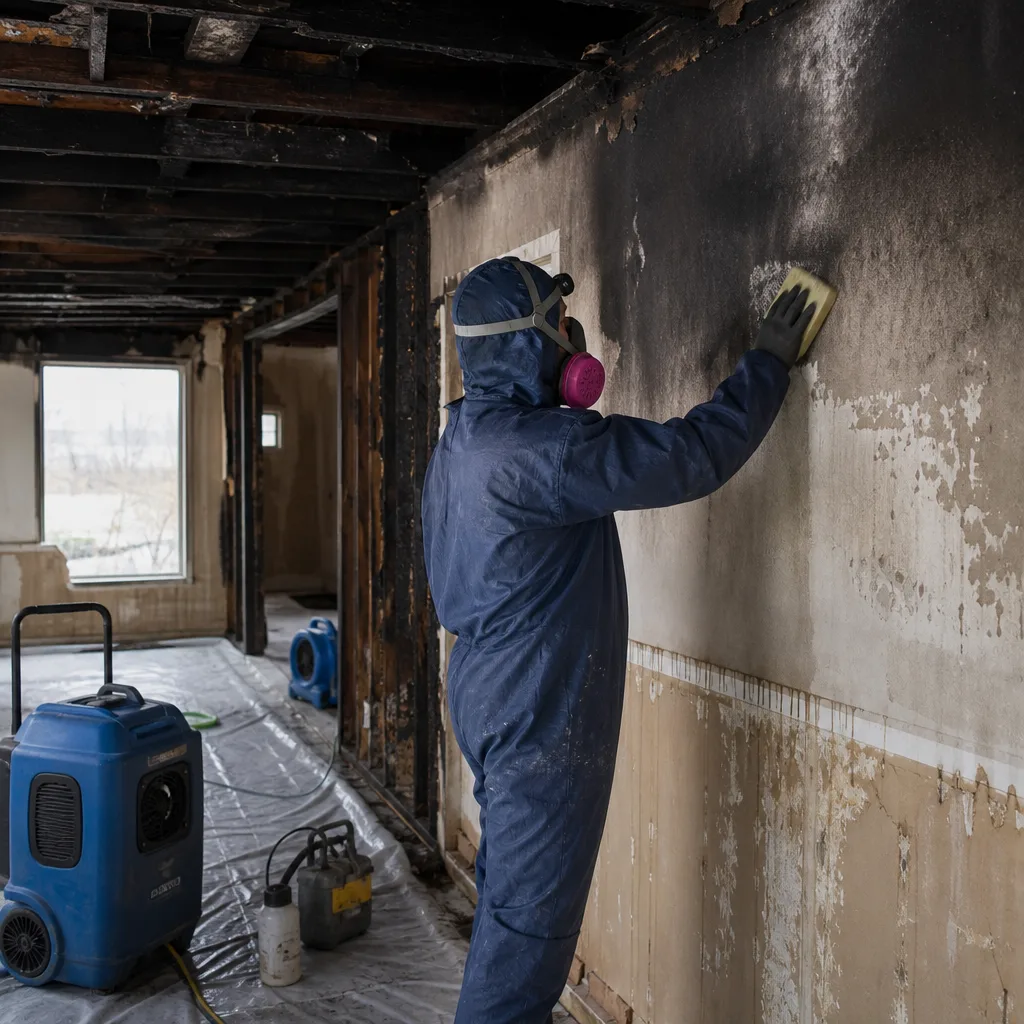
Restoration cost confusion serves contractors who benefit from opaque pricing and harms homeowners who need to make informed decisions under stress. The antidote is documentation: a written scope with Xactimate line items explained, a photo record on every visit, daily drying logs with psychrometric data, and a fixed price before work begins. In Federal Way’s specific market, understanding King County labor adjustments, asbestos testing requirements, and seasonal drying realities lets you evaluate any estimate against objective standards. The 365-Day Done Right Promise under The Haven Standard exists because precise work, precisely documented, shouldn’t need repeating.
Written by Alicia Brennan, Owner at DryMark Restoration Federal Way, serving Federal Way since 2011.