
Last updated September 23, 2026
Free visual inspection and a written scope of work before any mitigation begins - photos, moisture readings, and drying logs go in your claim file
The scope we write is the scope we bill. Anything new gets shown to you, in writing, before we touch it.
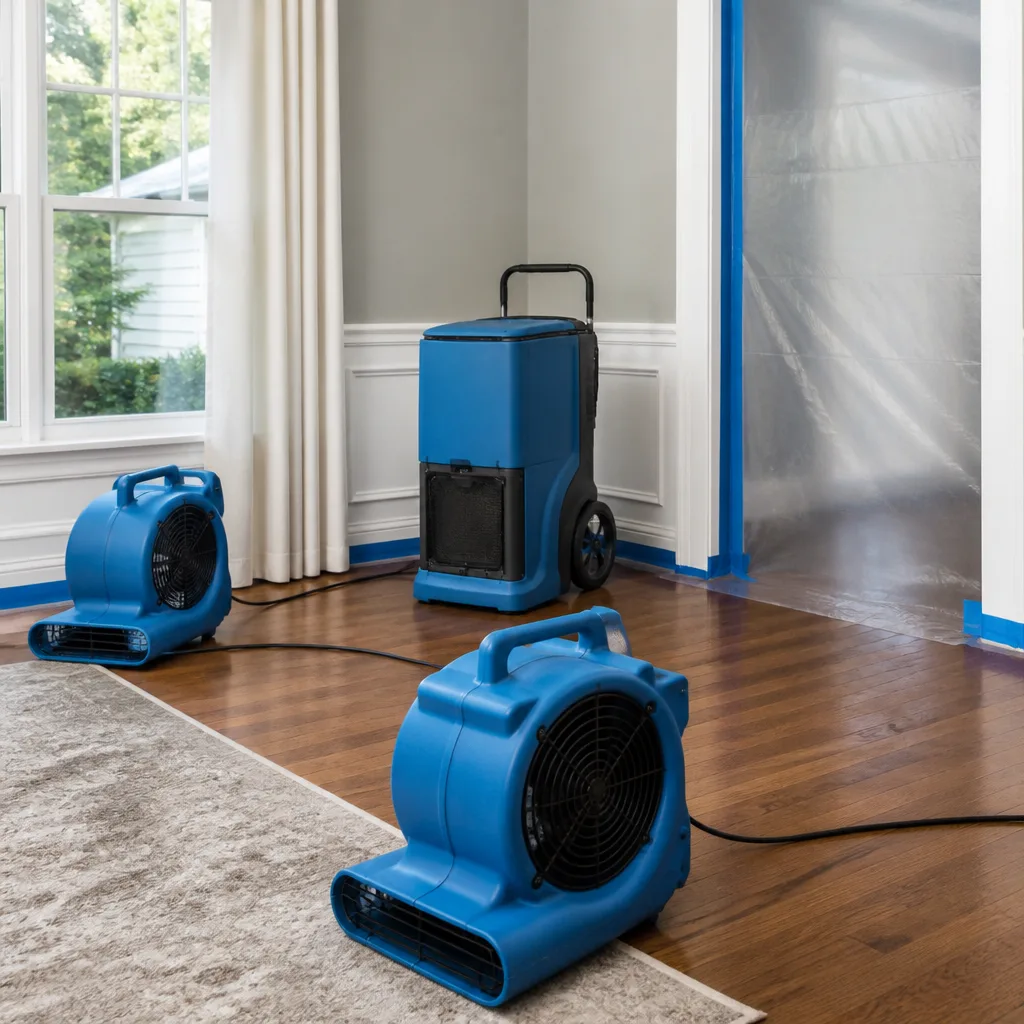
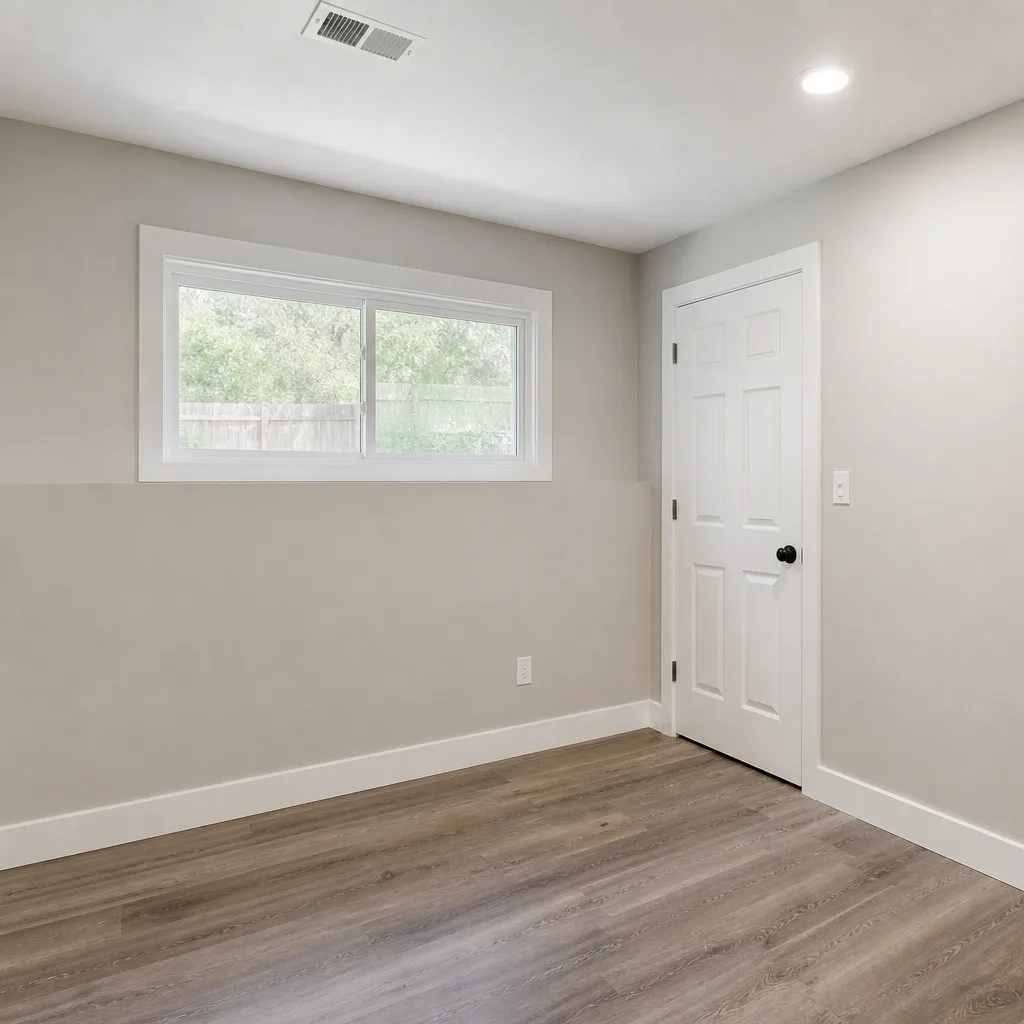
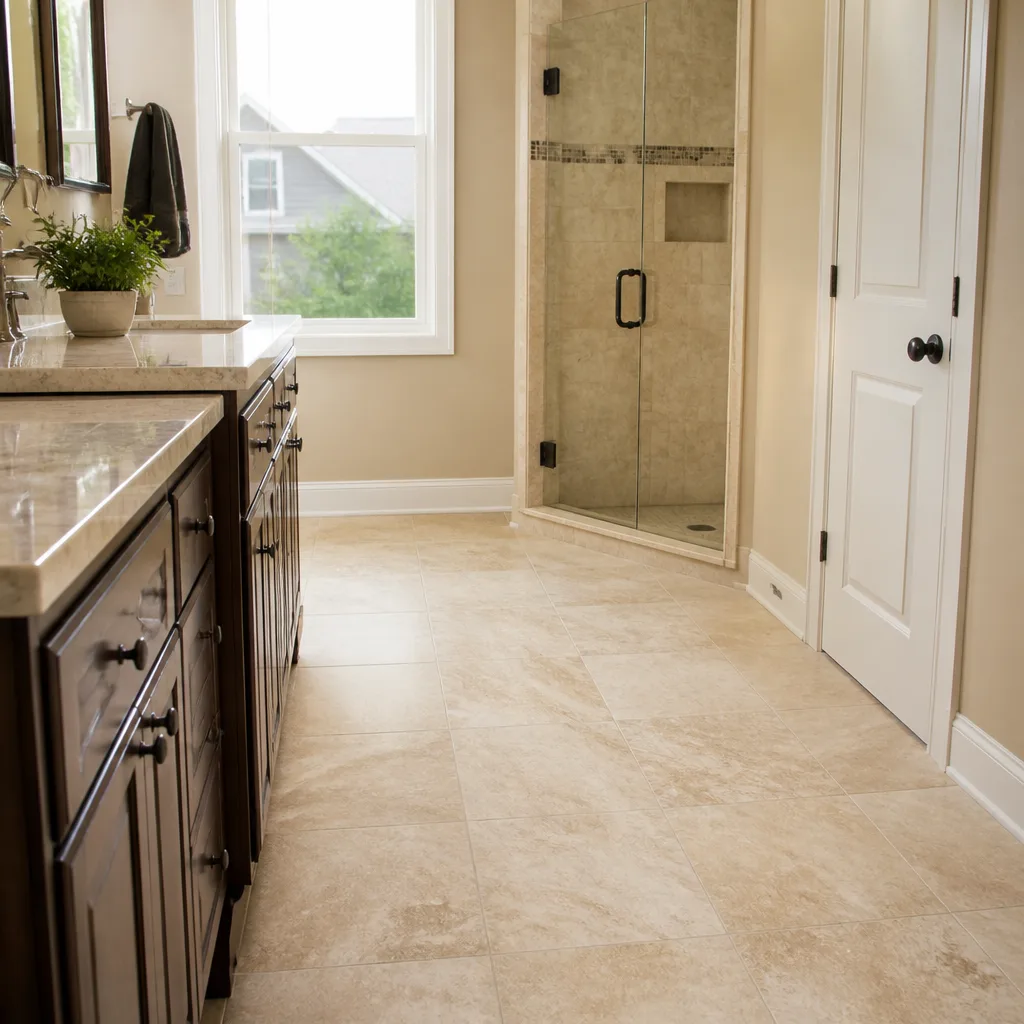
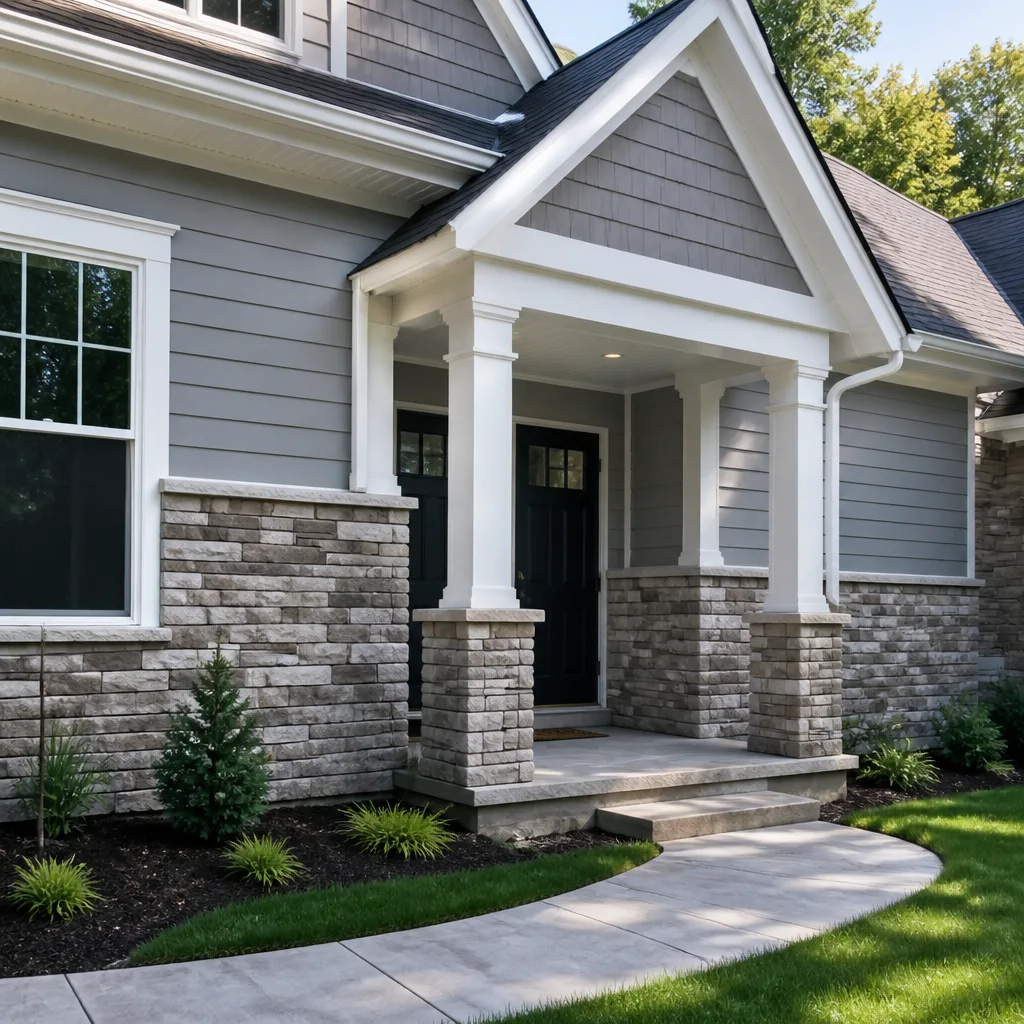
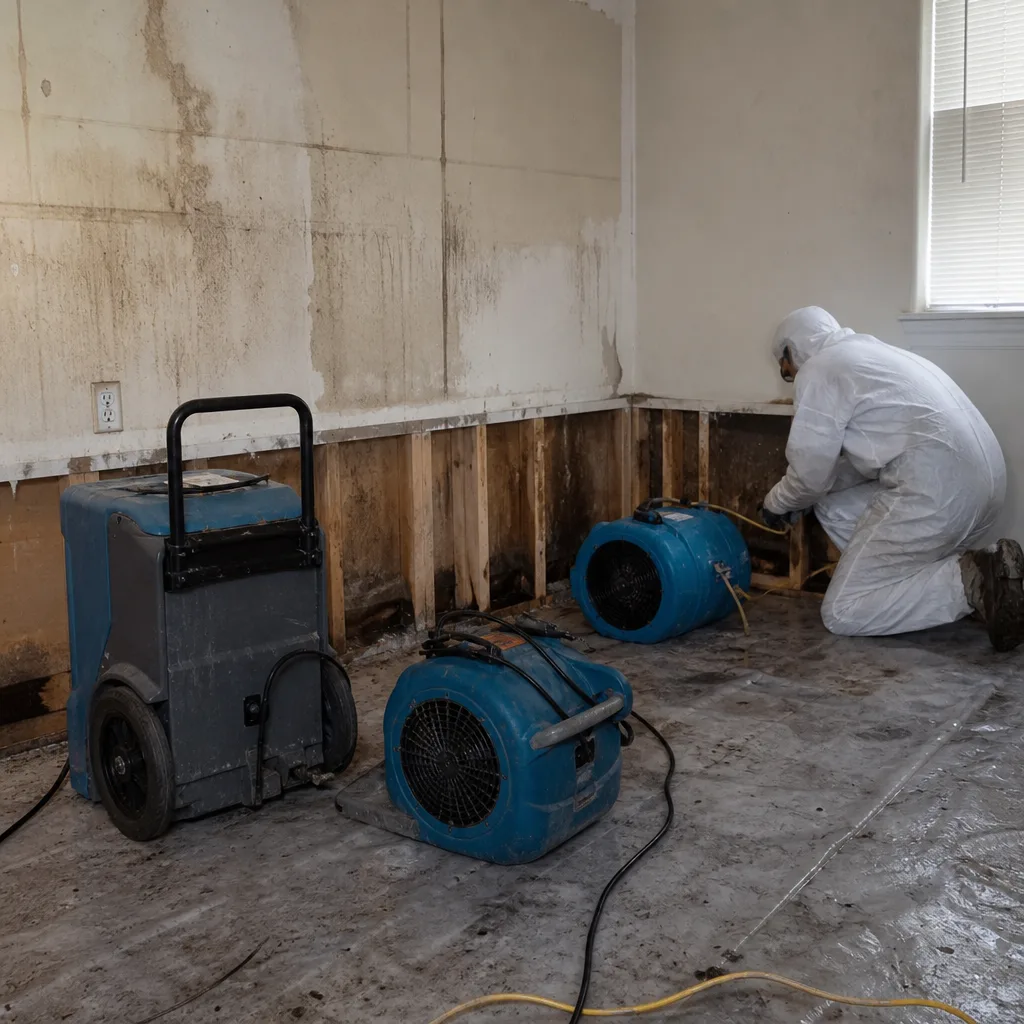 Before
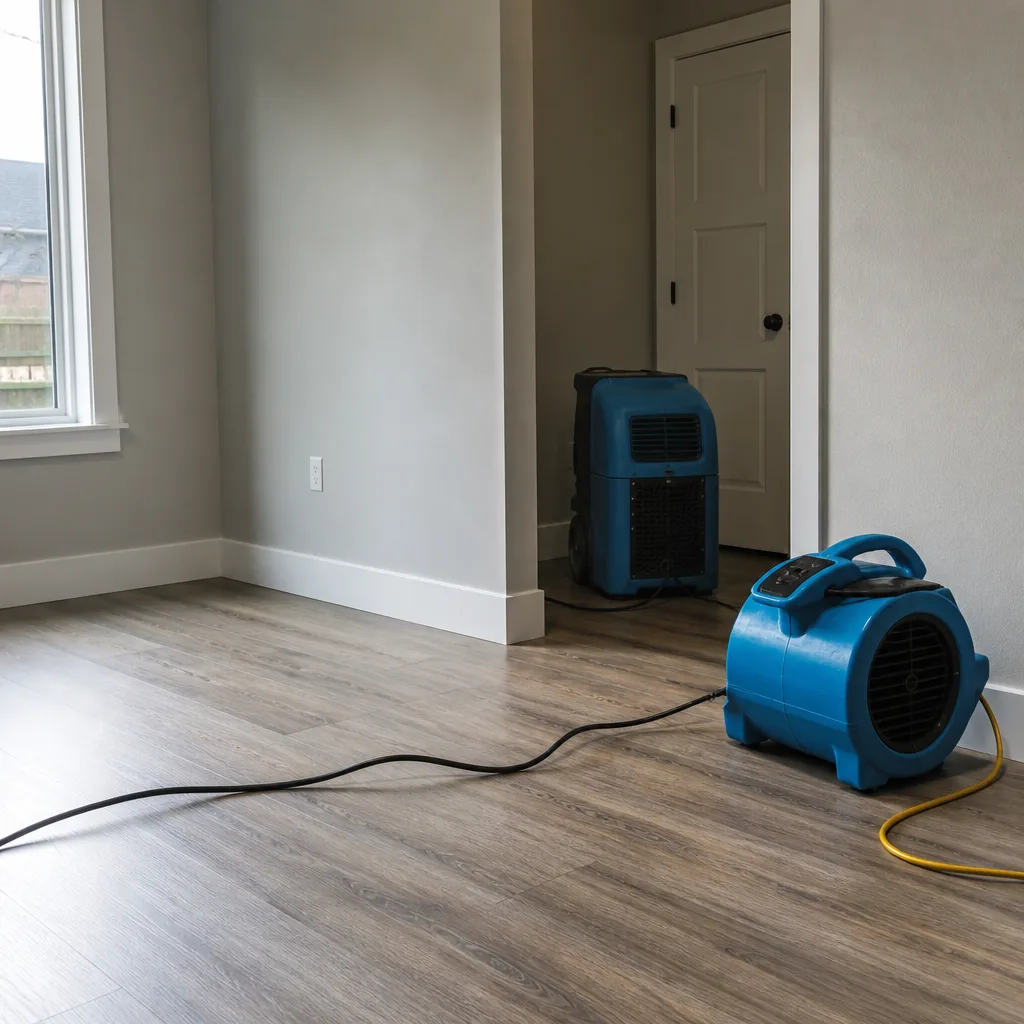 After
After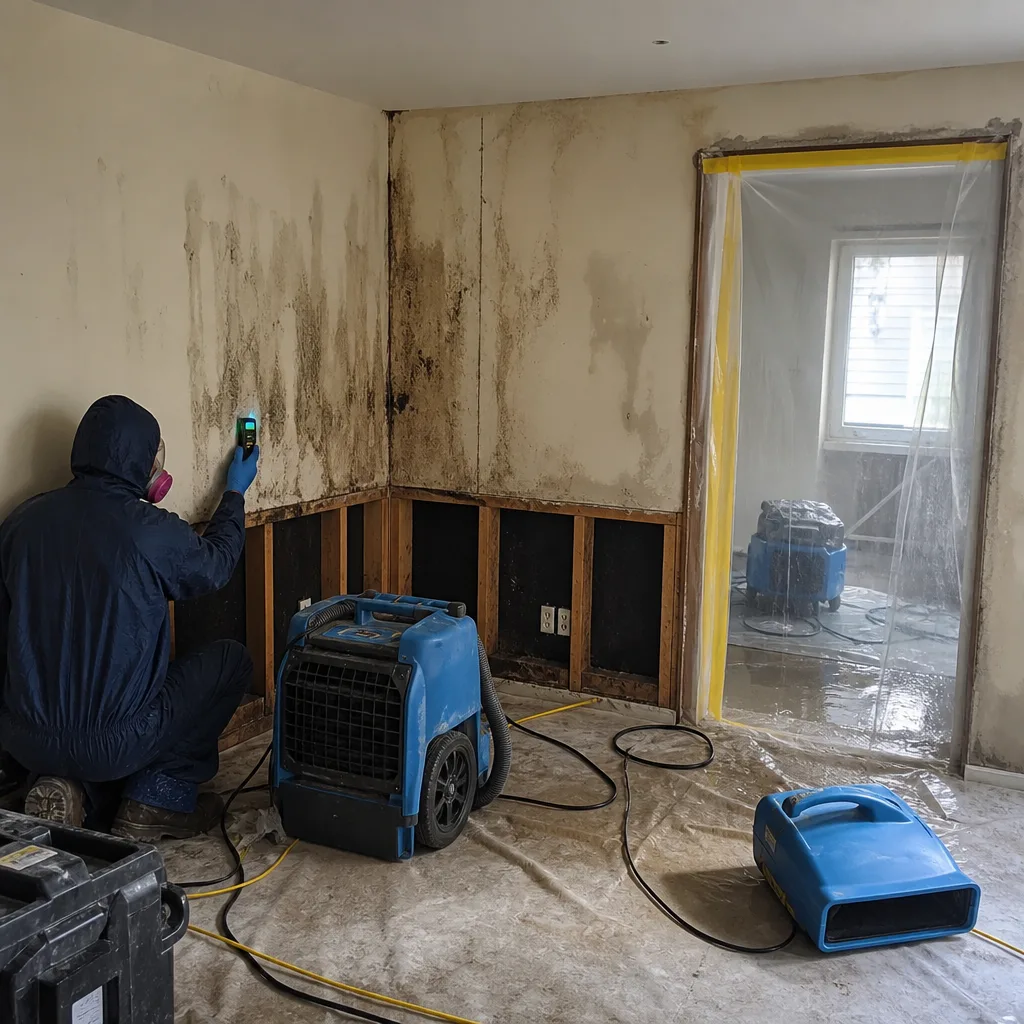 Before
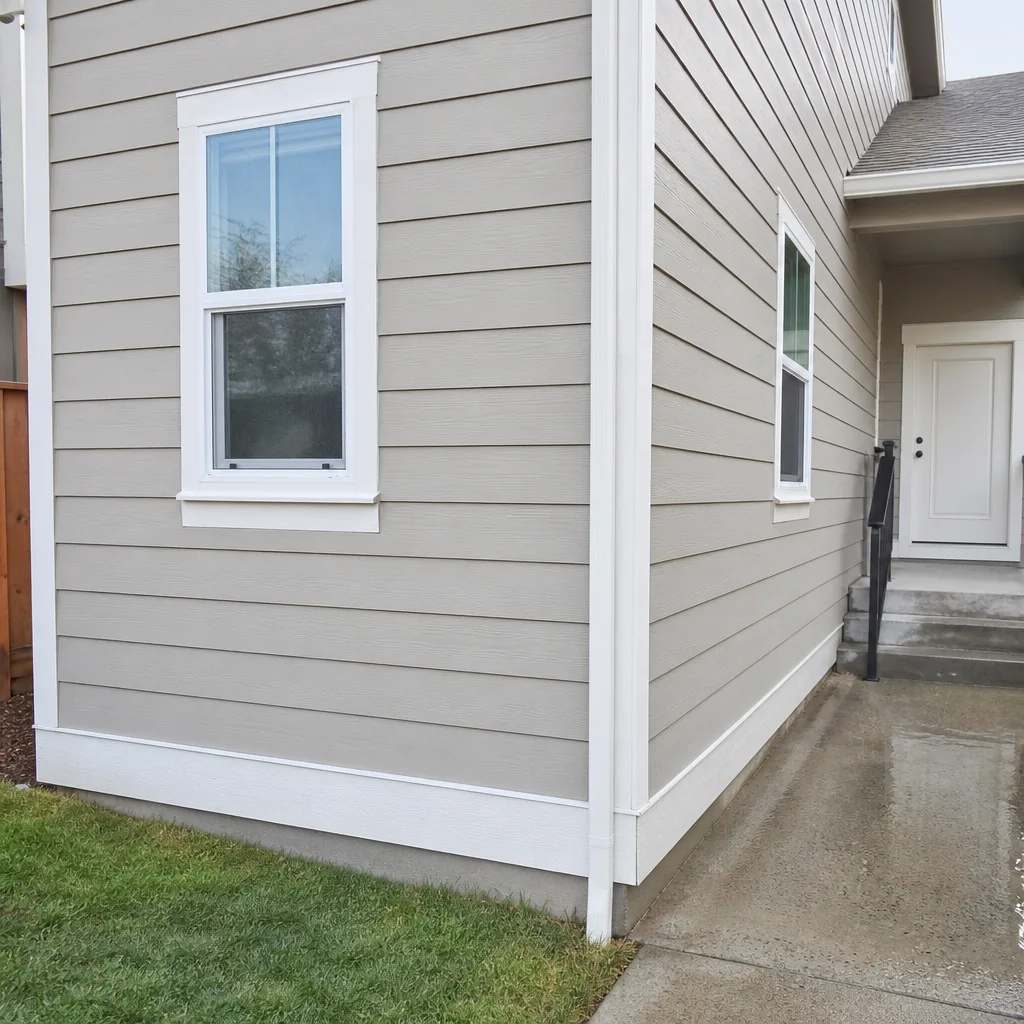 After
After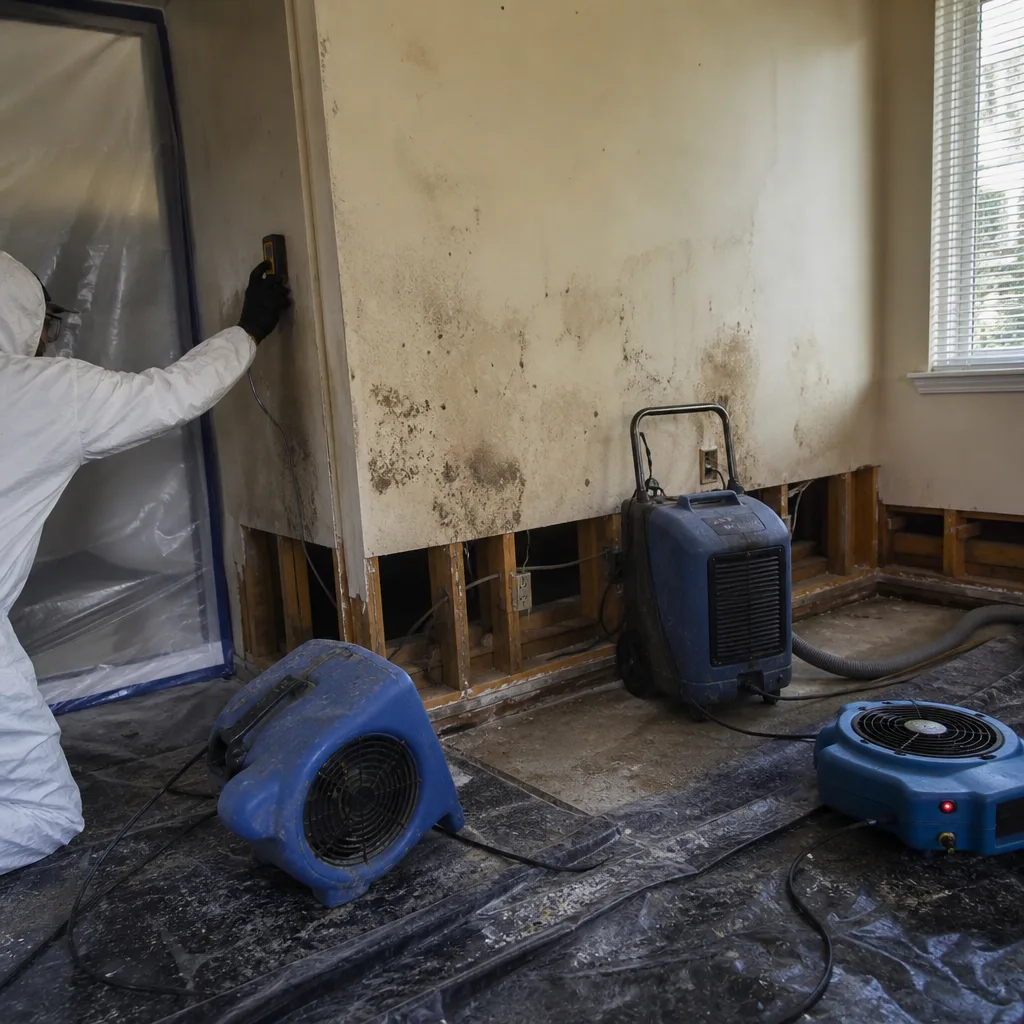 Before
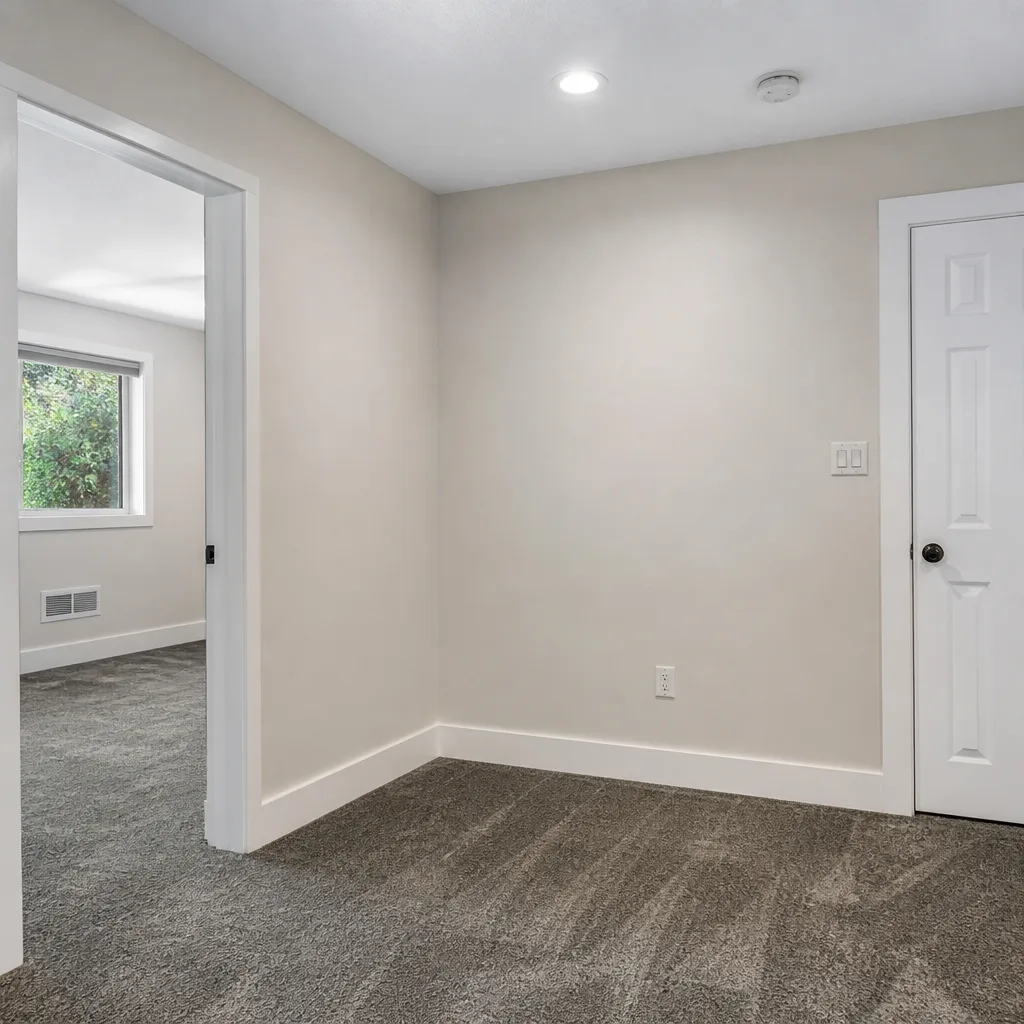 After
AfterDamage Restoration Permits, Codes & Inspections in WA: What You Need to Know
In Federal Way, replacing more than 50% of a damaged wall assembly typically requires a building permit - a threshold many restoration contractors quietly never mention because pulling permits slows their schedule. We’ve reviewed competitor scopes that proposed gutting three-quarters of a flooded basement in the Westway neighborhood without a single permit line item. The homeowner saved four days. Two years later, their buyer’s inspector flagged the unpermitted electrical relocation, and the sale stalled for six weeks while they paid retroactive permit fees, penalties, and re-inspection costs. This guide maps the specific permit triggers a restoration job crosses in Washington State, how to verify your contractor has actually pulled them, and what happens to your insurance claim when unpermitted work surfaces during an adjuster’s final walkthrough. For Damage Restoration Warning Signs: A Federal Way Homeowner’s Reference Guide, see our companion post.
Quick Answer
Most damage restoration in Washington State requires a building permit when structural elements, electrical, plumbing, or HVAC systems are altered, replaced, or concealed. Cosmetic repairs like painting, flooring replacement, and surface mold cleaning typically do not. In Federal Way, the City of Federal Way Building Division enforces the Washington State Building Code under WAC 51-50, and unpermitted structural work can void insurance coverage, fail resale inspections, and trigger retroactive penalties.
Table of Contents
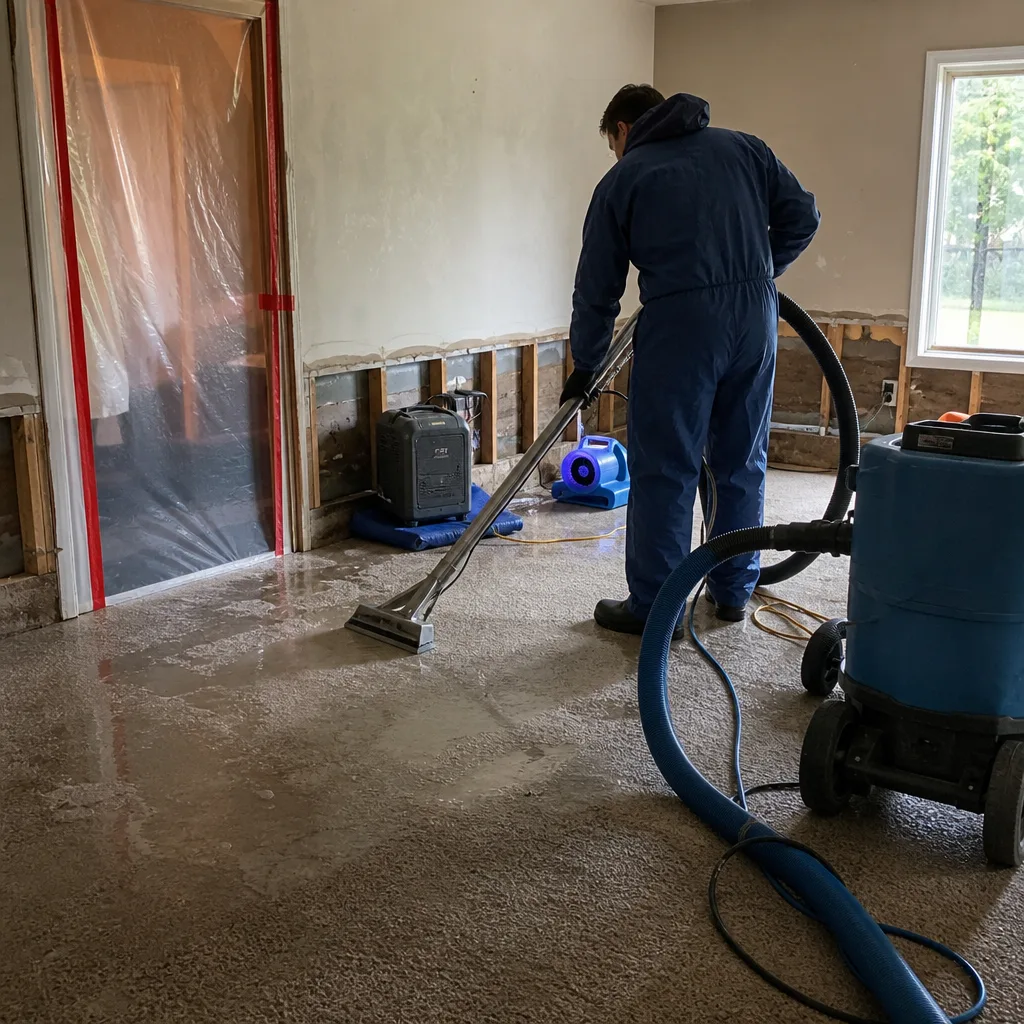
- When Permits Are Required for Restoration Work
- Federal Way’s Specific Jurisdiction and Exemptions
- Mold Remediation Protocol and Clearance Requirements
- How Unpermitted Work Affects Insurance Claims
- How to Verify Your Contractor Actually Pulled a Permit
- Resale Inspection Failures from Unpermitted Restoration
- Documentation Standards That Protect You
- Common Mistakes to Avoid
 Before
 After
AfterWhen Permits Are Required for Restoration Work
Washington State draws a sharp line between maintenance and alteration. Understanding where your project falls determines whether you’re looking at a $200 permit and a scheduled inspection, or a straightforward repair with no paperwork.
Permit-triggering work includes:
- Replacing more than 50% of any wall, floor, or roof assembly in a single room
- Moving, extending, or altering electrical circuits, outlets, or panels
- Replacing plumbing fixtures, water heaters, or any portion of supply/drain lines
- Modifying HVAC ductwork, vents, or equipment location
- Structural repairs to load-bearing walls, beams, columns, or foundations
- Rebuilding after fire damage that compromised structural integrity
- Any work that changes the building’s egress, occupancy classification, or fire rating
Maintenance exemptions (typically no permit needed):
- Surface mold removal under 10 square feet without structural disturbance
- Cosmetic painting, wallpaper, or trim replacement
- Flooring replacement that doesn’t alter subfloor structure
- Like-for-like replacement of cabinets, countertops, or fixtures in existing locations
- Emergency water extraction and surface drying without material removal
The 50% wall assembly threshold catches many Federal Way homeowners by surprise. In a typical 1970s rambler in the Lakeland area, a water line break that saturates the lower four feet of drywall in a 12-foot wall doesn’t trigger a permit if we remove and replace only that lower section. But if the damage extends to the ceiling, or if we discover degraded insulation and vapor barrier that requires full-gut replacement, we’ve crossed into permit territory.
We’ve documented this exact scenario on a job near Celebration Park. The initial scope called for a four-foot flood cut. Our moisture mapping with professional-grade detection equipment revealed wicking to the top plate and compromised fiberglass batts throughout. The written scope expanded to full wall replacement. Haven Standard, Clause 1 required us to stop and revise the price before proceeding - and that revised scope included a $340 building permit and two inspections. The alternative, which a competitor had proposed, was to frame the new wall over the wet top plate and skip the permit. The homeowner would have saved eight days. The wall would have failed within two years.
Electrical work carries its own trigger set. In Washington, any new circuit, any extension of existing wiring, and any work inside an electrical panel requires an electrical permit. This is separate from the building permit. A kitchen fire in Federal Way that damages three outlets and a stretch of Romex requires an electrical permit even if the drywall patch falls below the 50% threshold. We’ve seen restoration crews run new 14-gauge cable through fire-damaged ceiling cavities and tell homeowners it’s “just part of the rebuild.” It’s not. It’s unpermitted electrical work, and it’s a code violation that can void your homeowner’s policy if it ever contributes to a loss.
Federal Way’s Specific Jurisdiction and Exemptions
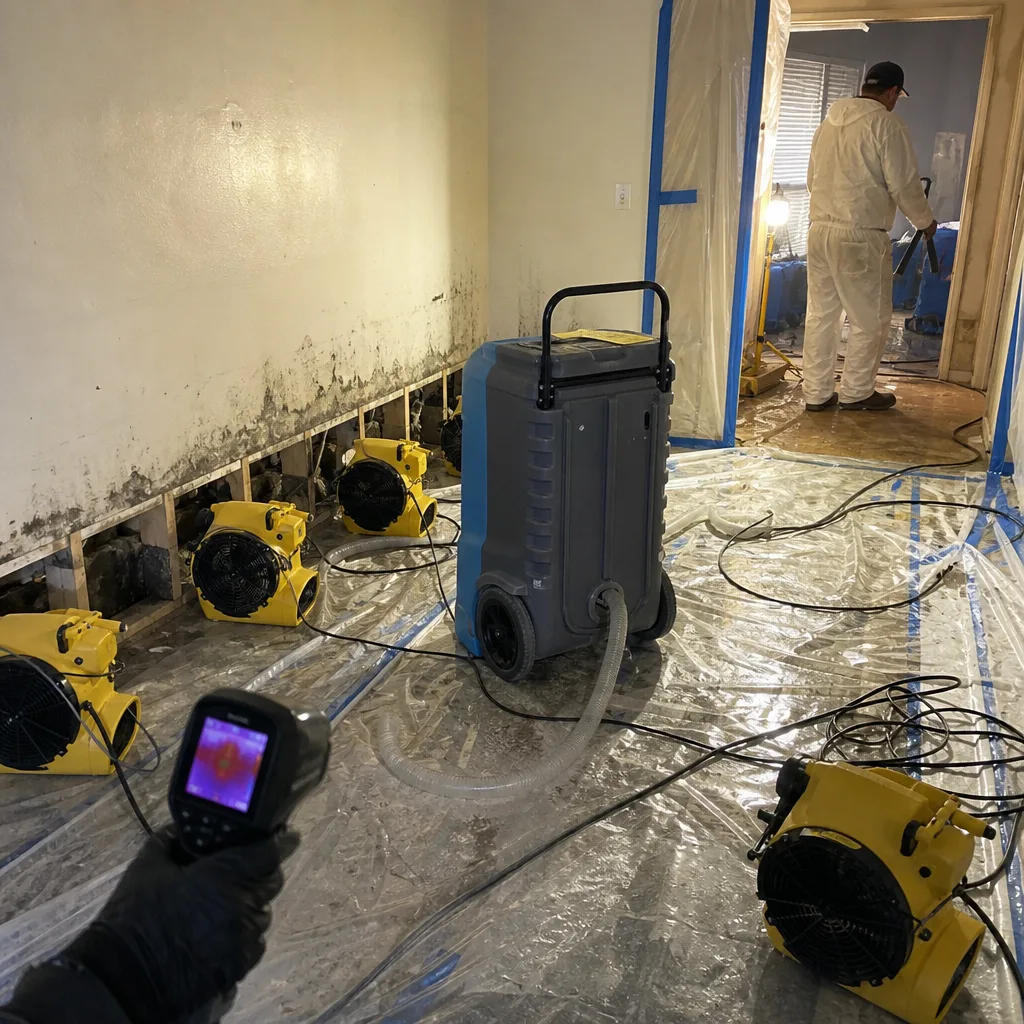
The City of Federal Way Building Division administers the Washington State Building Code under WAC 51-50, with local amendments published in the Federal Way Municipal Code Chapter 19. This matters because permit thresholds, fees, and inspection schedules vary between jurisdictions even within King County. What passes in unincorporated King County may fail in Federal Way.
Federal Way’s key local amendments affecting restoration:
- All permits require a site plan showing property lines and existing structures
- Work in the Critical Areas Ordinance zones (steep slopes, wetlands, fish-bearing streams) requires additional environmental review
- Homes in the Weyerhaeuser Creek or West Fork Hylebos Creek drainage areas face stricter stormwater controls during exterior reconstruction
- Historical structures - rare in Federal Way, but present in the historic core near the old Federal Way School - require review by the Landmarks Commission for any exterior alteration
The maintenance exemption under WAC 51-50-103 is where most disputes arise. The code exempts “ordinary repairs” from permit requirements, defining these as work that doesn’t affect structural members, egress, fire protection, or energy conservation features. But “ordinary” is interpreted narrowly in practice. A Federal Way inspector we work with regularly treats any insulation replacement as beyond ordinary repair, because insulation is classified as an energy conservation feature. This means a water damage job that removes wet drywall and discovers degraded R-13 batts may need a permit for the insulation replacement alone, even if the drywall patch is minor.
Federal Way’s permit fees scale with project valuation. For restoration work, the Building Division uses a fixed valuation table rather than contractor estimates. A typical residential water damage rebuild with structural, electrical, and mechanical components runs $800-$1,400 in permit fees, with each trade permit billed separately. Inspections are scheduled through the city’s online portal, with next-business-day availability for most trade inspections if booked before 3 PM. Same-day emergency inspections are available for life-safety issues at double the standard fee.
We’ve pulled permits on jobs in the Twin Lakes and Redondo neighborhoods where the homeowner’s initial reaction was surprise - they’d been told by another contractor that “restoration never needs permits.” If you’re weighing whether to tackle damage yourself, our DIY vs Professional Damage Restoration: The Federal Way Homeowner’s Decision Guide breaks down when permits make professional help essential. That contractor was wrong, or more likely, choosing to be wrong because permits add 5-10 business days to a schedule. At DryMark Restoration Federal Way, we build permit timelines into every scope that requires them. Haven Standard, Clause 1: the written price before work starts includes permit fees and inspection scheduling. No surprises, no shortcuts.
Mold Remediation Protocol and Clearance Requirements
Mold remediation occupies a peculiar regulatory space in Washington. The work itself typically doesn’t require a building permit unless it involves structural alteration, but the protocol governing how it’s performed is strictly defined, and the documentation required for insurance validation often exceeds what a permit would demand.
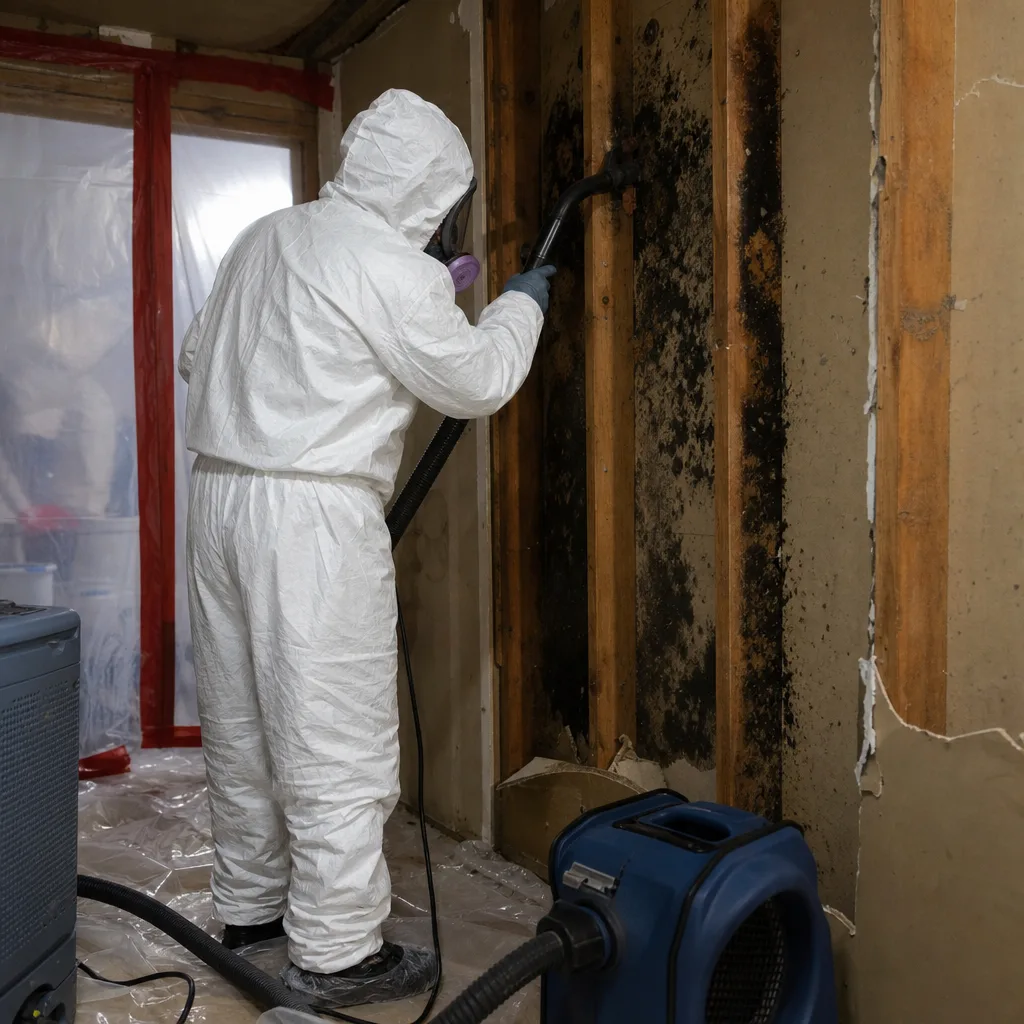
Washington State follows IICRC S520, the Standard and Reference Guide for Professional Mold Remediation. This protocol defines containment strategies, air filtration requirements, personal protective equipment levels, and clearance criteria. It does not, by itself, carry the force of law. But the Washington State Department of Labor and Industries enforces worker protection standards that incorporate S520 by reference for remediation projects, and most insurers require S520 documentation for mold claim payment.
The S520 protocol requirements that affect Federal Way homeowners:
- Containment: Physical isolation of the work area with 6-mil polyethylene sheeting, maintained under negative air pressure using HEPA-filtered air scrubbers. The containment must be inspected for breaches before work begins and after each work shift.
- Engineering controls: Air scrubbers rated at 99.97% efficiency at 0.3 microns, with documented airflow calculations showing minimum 4 air changes per hour within the contained area.
- Removal, not encapsulation: S520 prioritizes physical removal of mold growth over spray-and-leave treatments. Encapsulants are permitted only where removal would damage structural integrity, and must be documented as such.
- Clearance testing: Post-remediation verification by an independent industrial hygienist, not the remediation contractor, comparing indoor spore counts to outdoor baseline and evaluating for residual moisture.
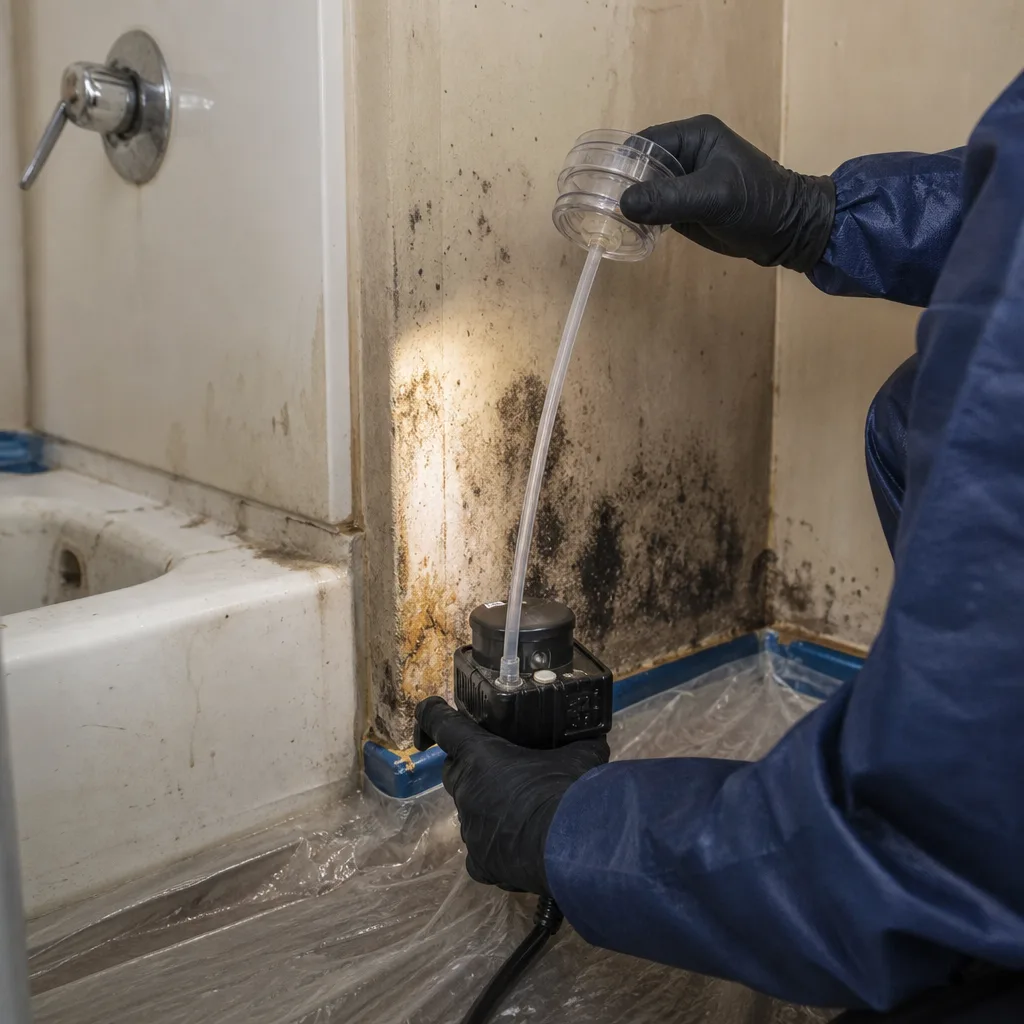
The permit question arises when remediation disturbs structural elements. In a 2019 job near Dash Point, we encountered Stachybotrys chartarum behind a bathroom vanity that had leaked for months. The vanity was built into a load-bearing partition wall. Proper remediation required removing the vanity, cutting drywall to expose the full extent of growth, and discovering degraded studs that needed sistering. The remediation became a structural repair, and the structural repair required a permit.
Many contractors handle this by leaving the degraded studs in place, spraying them with an antimicrobial, and calling it done. The mold is hidden. The permit is avoided. And the homeowner has no documentation that the structural issue was addressed. When we encounter this on second-opinion calls - Haven Standard: free review of any competitor’s written estimate - the scope gaps are obvious to anyone who reads the file. The moisture readings don’t match the visible damage. The photo record shows containment but no exposed framing. The “clearance” is a contractor-signed letter, not an independent hygienist report.
Federal Way’s climate amplifies the risk. Our proximity to Puget Sound means winter relative humidity regularly exceeds 80%, and homes without adequate vapor barriers - common in pre-1980 construction throughout the city - experience condensation-driven mold even without plumbing leaks. Remediation in these homes that doesn’t address the vapor barrier deficiency is temporary by design. We’ve returned to homes in the Marine Hills area where “mold removal” was performed three times in five years because the underlying building science was never corrected. The third time, the insurer denied the claim, citing failure to mitigate the known deficiency.
Documentation is your protection. Every mold job we perform includes: pre-remediation moisture mapping with psychrometric data (temperature, relative humidity, vapor pressure differential explained as the force that drives moisture through materials); photo documentation of containment establishment and breach checks; daily air scrubber runtime logs; post-remediation independent hygienist clearance report; and written scope for any structural repairs with permit numbers if applicable. This is the documentation that turns a restoration invoice into a payable insurance claim.
How Unpermitted Work Affects Insurance Claims
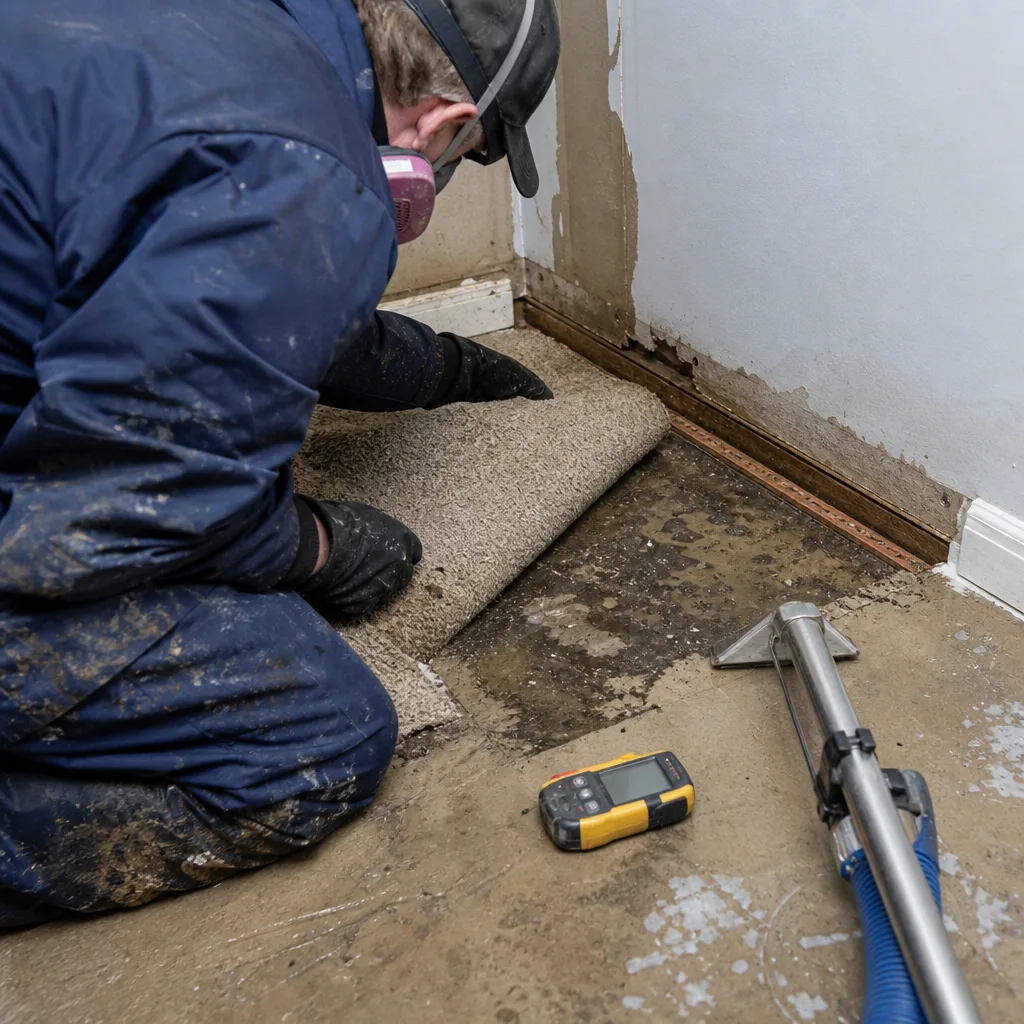
The intersection of building codes and insurance coverage is where restoration shortcuts become financially catastrophic. Most homeowner policies contain a standard exclusion for losses caused by “faulty, inadequate, or defective construction, repair, or maintenance.” Unpermitted structural work fits this exclusion precisely.
The claim denial sequence we see:
- Initial loss occurs - water damage, fire, storm - and the homeowner hires a restoration contractor
- Contractor performs structural repairs without permits to “speed up the process”
- Insurer pays the initial claim based on documented emergency mitigation
- Secondary loss occurs - mold, structural failure, electrical fire - traced to the unpermitted repair
- Adjuster requests permit records for the original repair during secondary claim investigation
- No permits exist; insurer denies secondary claim under the defective construction exclusion
- Homeowner is left with full cost of remediation, plus potential liability if the failure affected neighboring properties
We’ve reviewed files where this sequence played out over years. A 2016 water damage job in Federal Way’s Camelot neighborhood was rebuilt without permits by a contractor who is no longer in business. The homeowner sold in 2021. The buyer’s inspector flagged the unpermitted basement finish. The sale proceeded with a $15,000 price reduction. In 2023, a plumbing fitting in that unpermitted work failed, flooding the new owner’s finished basement. The current insurer - different from the original - denied the claim and pursued subrogation against the original homeowner for failing to disclose unpermitted work.
The original homeowner called us for documentation review. We had no record; we hadn’t performed the work. The contractor who did had vanished. The permits that would have created a paper trail were never pulled. The city had no inspection records. The homeowner’s defense rested entirely on their memory of what was done, against an insurer with adjusters trained to identify and deny defective construction claims.
Some insurers are more aggressive than others in permit verification. We’ve noted that carriers writing high-value homes in Federal Way’s newer developments - the areas north of 320th built after 2010 - increasingly require permit confirmation as a condition of renewal. One major carrier now requests a “permit history affidavit” at renewal for homes over $800,000 replacement value. This is not yet universal, but the trend is clear: documentation standards are rising, and the restoration industry’s historical laxity on permits is becoming a coverage issue.
Direct insurance billing doesn’t protect you from this exposure. When DryMark Restoration Federal Way bills an insurer directly, we include permit numbers and inspection sign-offs in the invoice documentation. If an adjuster questions whether a repair was performed to code, we produce the permit record. This is why our documentation-first approach matters beyond the immediate claim. We’re building the file that protects you from future denials.
How to Verify Your Contractor Actually Pulled a Permit
Verifying permit status is straightforward and should be routine. The fact that most homeowners never do it reflects the trust asymmetry in emergency restoration - you’re stressed, the water is still moving, and the contractor who promises immediate action feels like the answer.
Step-by-step verification for Federal Way:
- Request the permit application number before work begins. A contractor who has actually applied for a permit can provide this immediately. The City of Federal Way Building Division issues application numbers at submission, before approval.
- Check the public portal. The City of Federal Way maintains an online permit lookup at the city’s official website. Search by property address or permit application number. Active permits show status: “Application Received,” “Under Review,” “Issued,” “Inspection Scheduled,” or “Final Approved.”
- Verify the permit scope matches the work. A plumbing permit for “water heater replacement” doesn’t cover the full-gut basement rebuild the contractor is performing. Scope mismatches are a common evasion tactic.
- Confirm inspection scheduling. Issued permits require inspection at defined milestones. Ask your contractor for inspection dates and results. Passed inspections generate signed inspection cards that should be in your project file.
- Request the final Certificate of Occupancy or Completion. For structural work, this is the document that closes the permit and confirms code compliance. Without it, the permit remains open and can cloud title.
We’ve encountered contractors who present “permit applications” as proof of compliance. An application is not a permit. We’ve seen applications submitted and immediately abandoned, with the contractor proceeding while the application languishes in “Under Review” status. The homeowner, checking the portal, sees activity and assumes compliance. The work is unpermitted and uninspected.
Another evasion: the “owner-builder” permit. Some contractors pressure homeowners to pull permits in their own name, claiming it saves money or simplifies the process. This transfers all code compliance liability to the homeowner and typically voids the contractor’s insurance coverage for the work. If a contractor suggests this, it’s a red flag that should end the conversation.
At DryMark Restoration Federal Way, we pull permits in our name as the licensed contractor. The permit record shows our license number, our insurance certificate, and our bond. The inspection cards are part of your project deliverables, along with the photo record, the drying log, and the written scope. Haven Standard, Clause 1 means you see all of this before work starts - including the permit line item with its fee and timeline.
Resale Inspection Failures from Unpermitted Restoration
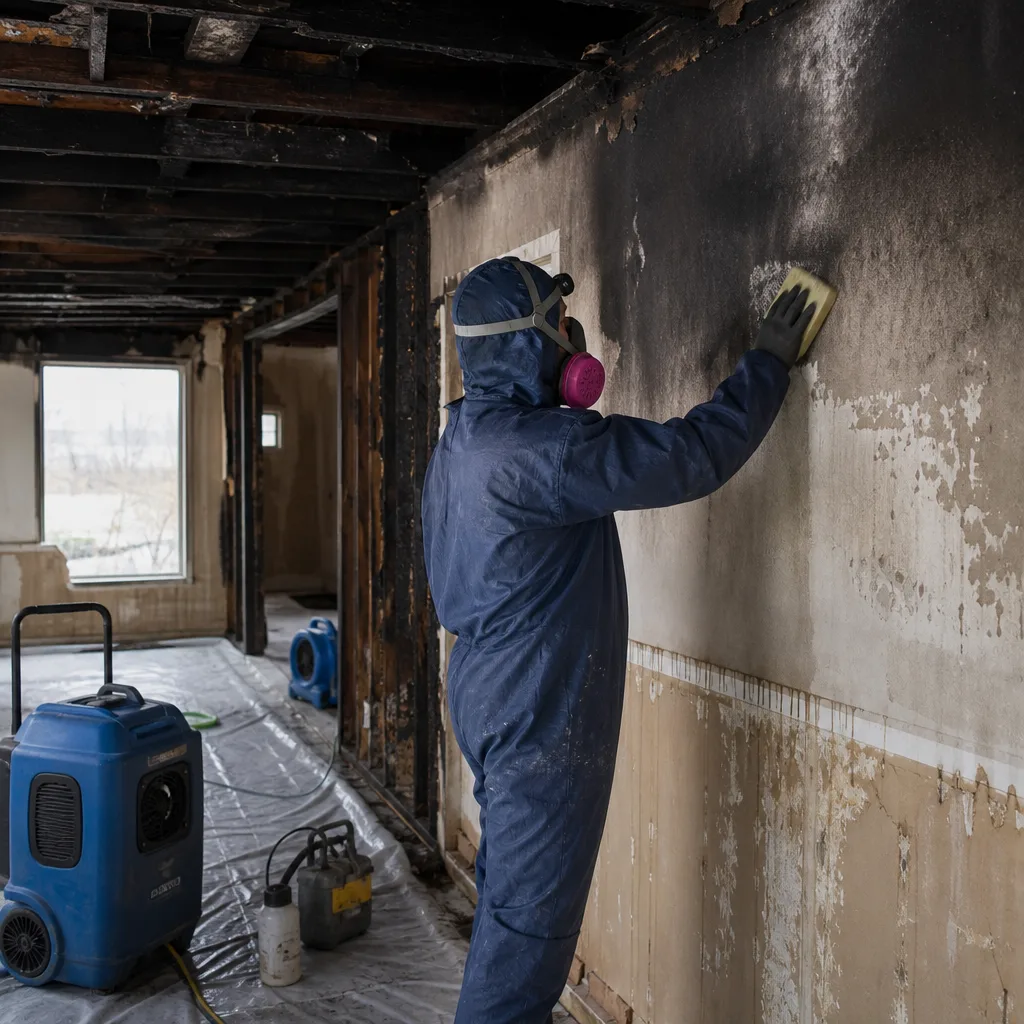
The resale market is where unpermitted restoration work surfaces most predictably. Federal Way’s housing stock, particularly the mid-century ramblers and split-levels built during the 1960s and 1970s development boom, has high turnover among the 32-50 demographic that purchased between 2015 and 2025. These buyers are research-oriented, inspection-savvy, and increasingly represented by agents who know how to read permit histories.
Common resale inspection triggers in Federal Way:
- Finished basements without egress windows - often added during water damage rebuilds without permit
- Electical subpanels in locations that don’t meet current working clearances - relocated during restoration without inspection
- HVAC ductwork in unconditioned crawl spaces without proper insulation and vapor sealing
- Bathroom exhaust fans vented into attics rather than through the roof - a “quick fix” after moisture damage
- Kitchen exhaust ranges without makeup air provisions, required for homes over specific air-tightness thresholds
A 2023 sale in the Woodmont neighborhood collapsed when the buyer’s inspector discovered a basement bedroom added during a 2019 water damage restoration. The room had no egress window, no smoke detector interconnect, and no permit record. The seller had paid $34,000 for the restoration, performed by a contractor who guaranteed “no permit hassles.” The seller now faced: a $12,000 permit application with full plans, a $4,500 egress window installation, drywall removal for inspection access, and a four-month delay that cost their purchase of a replacement home.
The Federal Way Building Division will issue retroactive permits, but the process is punitive by design. Full plans must be submitted, often requiring engineering for structural work. Inspections are more extensive, with drywall removal likely. Fees include the original permit cost plus a 200% penalty for work started without permit. The total routinely exceeds the original construction cost.
We’ve performed documentation recovery for homeowners in this position - reviewing whatever records exist, photographing current conditions, and preparing a scope of remediation that satisfies the Building Division’s retroactive requirements. It’s billable work we’d rather not perform, because it means someone was poorly served the first time. Haven Standard, Clause 1 exists to prevent this: the written price before work starts includes permit compliance, every time, with no exceptions.
Documentation Standards That Protect You
The documentation gap in restoration is the problem Back to Dry was built to solve. Alicia Brennan founded the company in 2011 after years as a claims adjuster watching homeowners lose legitimate coverage because their contractor’s paperwork wouldn’t support the invoice. The standards we apply - IICRC, RIA, and IFA documentation protocols - produce records that satisfy adjusters, building inspectors, and title companies.
What documentation you should receive on every restoration job:
- Written scope and price before work begins. Haven Standard, Clause 1. Itemized labor, materials, equipment, permits, and fees. Signed by both parties.
- Photo record on every visit. Date-stamped, geotagged, showing conditions before work, during each phase, and after completion. Stored in your client portal, not just on a technician’s phone.
- Daily moisture logs. Psychrometric readings - temperature, relative humidity, specific humidity, vapor pressure differential - for each affected area, documented to IICRC S500 standards. These prove drying progress and justify equipment rental duration.
- Permit applications and inspection records. Copies of all permits, inspection appointments, and signed inspection cards. Final Certificate of Completion where applicable.
- Equipment deployment logs. Serial numbers, placement diagrams, and runtime hours for all Dri-Eaz, Phoenix, and B-Air dehumidifiers; Injectidry and other specialty drying systems; and air scrubbers. Justifies rental charges and proves capacity was adequate for the loss.
- Material certifications. For mold remediation, documentation that antimicrobial products met EPA registration requirements. For structural repairs, grade stamps and mill certificates for lumber and engineered products.
- 365-Day Done Right Promise. Written warranty under The Haven Standard, not a verbal assurance. If it’s not done right, we make it right.
This documentation serves multiple masters. The adjuster needs it to justify payment. The building inspector needs it to verify code compliance. The next buyer’s agent needs it to confirm permits. Your attorney needs it if coverage is disputed. And you need it to sleep soundly, knowing that a hidden shortcut won’t surface years later.
We’ve had homeowners tell us our documentation requirements feel excessive when they’re standing in a wet living room. They don’t feel excessive when the insurer’s desk reviewer questions a $14,000 equipment charge and we produce 47 days of moisture logs showing progressive drying from 87% equilibrium relative moisture content to 12%, with vapor pressure differentials documented at each reading. The charge is paid. The homeowner who chose a competitor with “simpler” paperwork spends three weeks in phone tag and finally accepts a 40% reduction.
DryMark Restoration Federal Way operates under The Haven Standard because Alicia Brennan saw what sloppy documentation costs. We’ve restored 12,000+ homes since 2011, every one with a written price before work started and a documented record when the crew left. The standard is not negotiable because the consequences of deviation are not theoretical.
Common Mistakes to Avoid
- Accepting “permit not needed” without verification. In Federal Way, call the Building Division at (253) 322-4873 and confirm. A two-minute call prevents a two-month headache.
- Signing scope changes without written price revisions. Haven Standard, Clause 1 requires written price before any work starts - including changes. Verbal approvals are unenforceable and create scope creep.
- Letting the contractor pull an “owner-builder” permit. This transfers liability to you and typically voids their insurance. Professional contractors pull permits in their own name.
- Ignoring vapor barrier and insulation issues during water damage repair. Federal Way’s marine climate means moisture management is structural, not cosmetic. Skipping it guarantees callbacks.
- Accepting contractor-performed “clearance testing” for mold. IICRC S520 requires independent post-remediation verification. The remediator who performs their own clearance has a conflict of interest.
- Discarding documentation after claim payment. Keep permits, inspection cards, and warranties for the duration of ownership. They transfer with the property and protect against future disputes.
- Hiring based on speed promises for structural work. Proper permitting and inspection takes time. A contractor who promises to “skip the red tape” is promising to skip your protection.
When to Call a Professional
Call a professional when your damage involves structural elements, electrical systems, plumbing, HVAC, or mold growth exceeding 10 square feet. For more guides & resources on navigating restoration in Federal Way, visit our blog. Call when your insurer has assigned an adjuster and you need documentation that supports your claim. Call when you’ve received a competitor’s estimate and something about it feels incomplete - DryMark Restoration Federal Way offers free second opinions on any written estimate, no obligation.
We’re available 24 hours a day, 7 days a week, with a live person answering every call. No voicemail trees. No next-business-day callbacks while water is still wicking into your subfloor. For emergency water damage, fire damage, or storm damage in Federal Way, call (253) 322-4873. For reconstruction and non-emergency remediation, we’ll schedule a documented assessment and deliver your written price before any work begins. Haven Standard, Clause 1. Always.
Frequently Asked Questions
No. Emergency water extraction, surface drying, and cosmetic repairs like painting or flooring replacement typically don’t require permits. Permits are triggered when structural elements, electrical, plumbing, or HVAC systems are altered or when more than 50% of a wall, floor, or roof assembly is replaced. Call us at (253) 322-4873 for a free assessment that identifies permit requirements specific to your damage.
Your insurer may pay the initial emergency mitigation, but unpermitted structural repairs can void coverage for secondary losses. Most policies exclude damage caused by “faulty, inadequate, or defective construction,” which includes unpermitted work. If an adjuster discovers unpermitted repairs during a future claim investigation, they may deny the claim and potentially pursue rescission of prior payments. We document every permit on every job to prevent this exposure.
Request the permit application number and search the City of Federal Way’s online permit portal by property address or application number. Verify the permit status shows “Issued,” confirm the scope matches the work being performed, and ask for copies of inspection cards showing passed inspections. A legitimate contractor provides this documentation without hesitation. Call (253) 322-4873 if you need help interpreting what you find.
The remediation work itself typically doesn’t require a building permit unless it involves structural alteration like removing load-bearing walls or degraded framing. However, Washington State requires mold remediation to follow IICRC S520 protocol, and most insurers require independent industrial hygienist clearance testing for claim payment. The documentation burden often exceeds permit requirements. We include all S520 documentation and clearance coordination in our written scope.
Buyer’s inspectors routinely check permit history, and title companies may flag open or missing permits. You’ll face retroactive permit application with penalties up to 200% of original fees, required plan submissions, invasive inspections with possible drywall removal, and significant sale delays. In Federal Way’s competitive market, this can cost you the sale or force a substantial price reduction. We prevent this by pulling permits on every job that requires them.
Permitted structural work typically adds 5-10 business days for application, review, and inspection scheduling. Electrical and plumbing permits may add 3-5 days each. This is not “delay” - it’s the time required for code-compliant work to be verified. Unpermitted work that fails to disclose itself may save days upfront and cost months or years when discovered. Our written scopes include realistic timelines with permit scheduling built in.
You can, but you shouldn’t. Owner-builder permits transfer all code compliance liability to you, typically void the contractor’s insurance and bond coverage for that work, and may trigger additional scrutiny from your insurer if a claim arises. Professional restoration contractors should pull permits in their own name, with their license and insurance on record. If a contractor suggests otherwise, it’s a significant red flag.
The Bottom Line
Washington State building codes treat structural restoration as alteration, not maintenance, and Federal Way enforces these codes with specific local amendments that affect permit thresholds, fees, and inspection requirements. The contractor who skips permits to “move faster” is transferring risk to you - risk that materializes in denied insurance claims, failed resale inspections, and retroactive penalties that dwarf any schedule savings. Documentation is your protection: permits, inspection records, moisture logs, and photo records that prove what was done and that it was done right. At DryMark Restoration Federal Way, every job that crosses a permit threshold gets the permit, every time, with the fee and timeline in your written price before work begins. Haven Standard, Clause 1. No exceptions.
Written by Alicia Brennan, Owner at DryMark Restoration Federal Way, serving Federal Way since 2011.