
Last updated September 23, 2026
Free visual inspection and a written scope of work before any mitigation begins - photos, moisture readings, and drying logs go in your claim file
The scope we write is the scope we bill. Anything new gets shown to you, in writing, before we touch it.
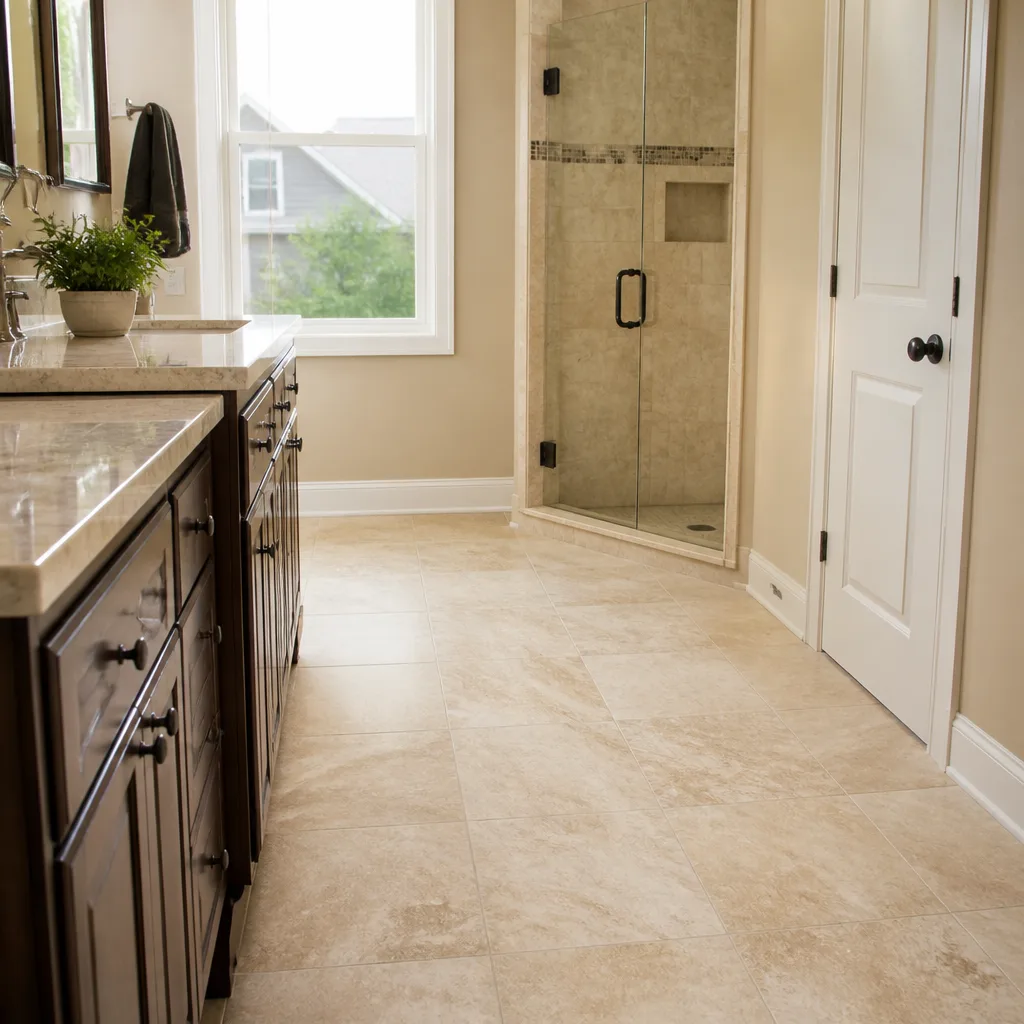
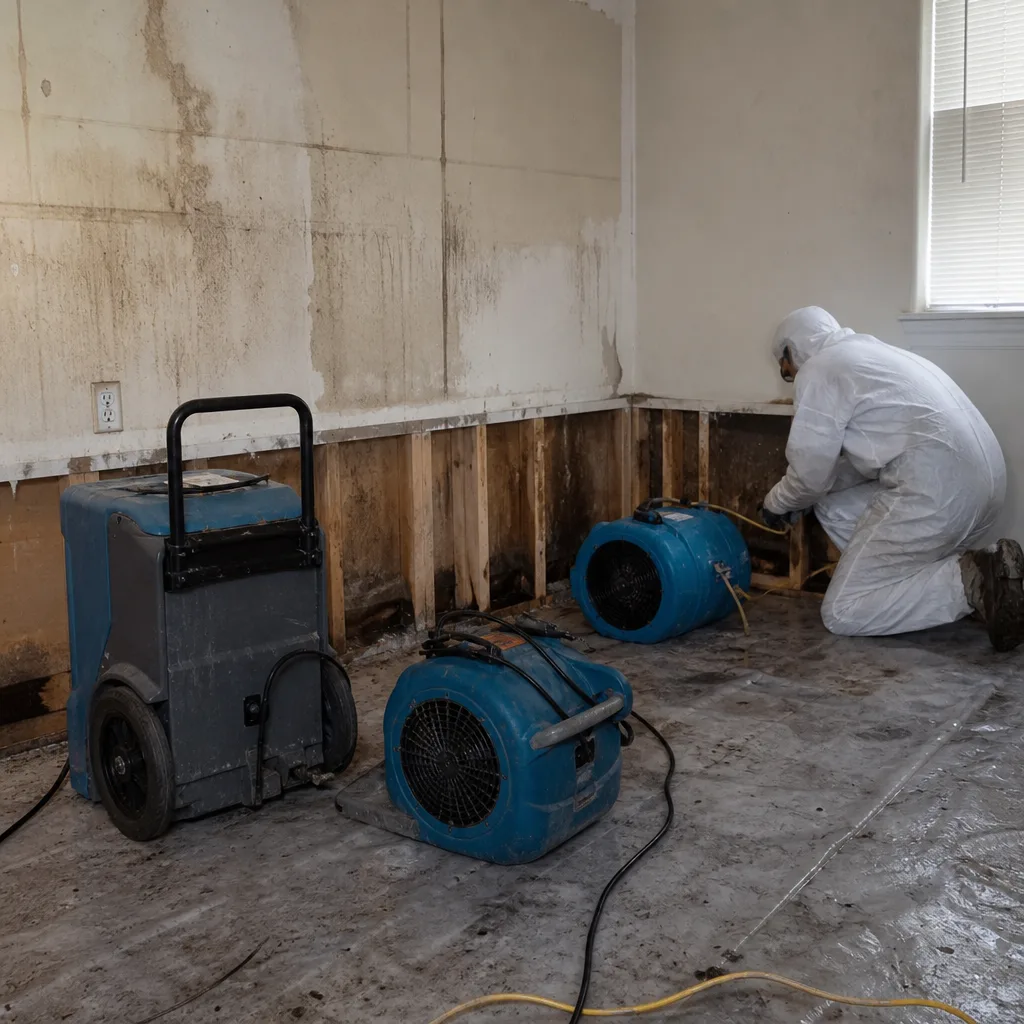 Before
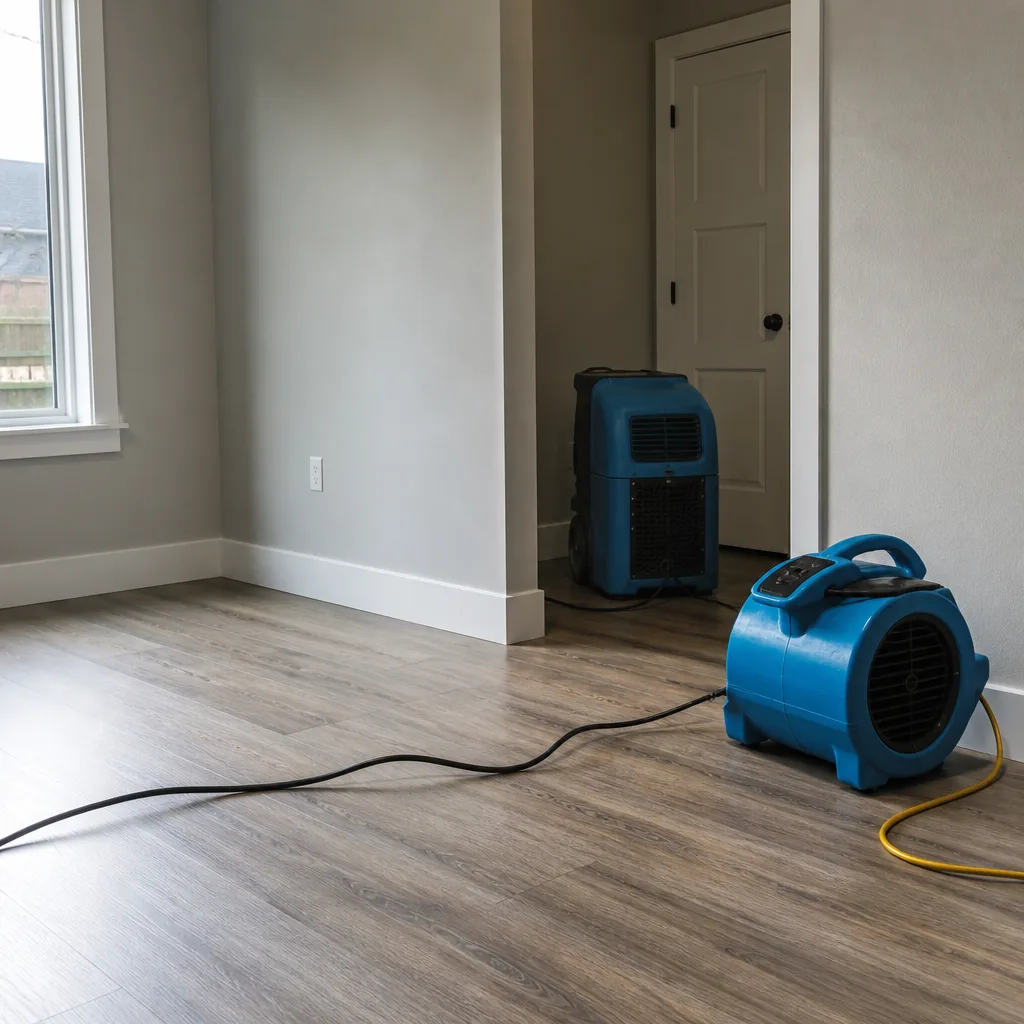 After
After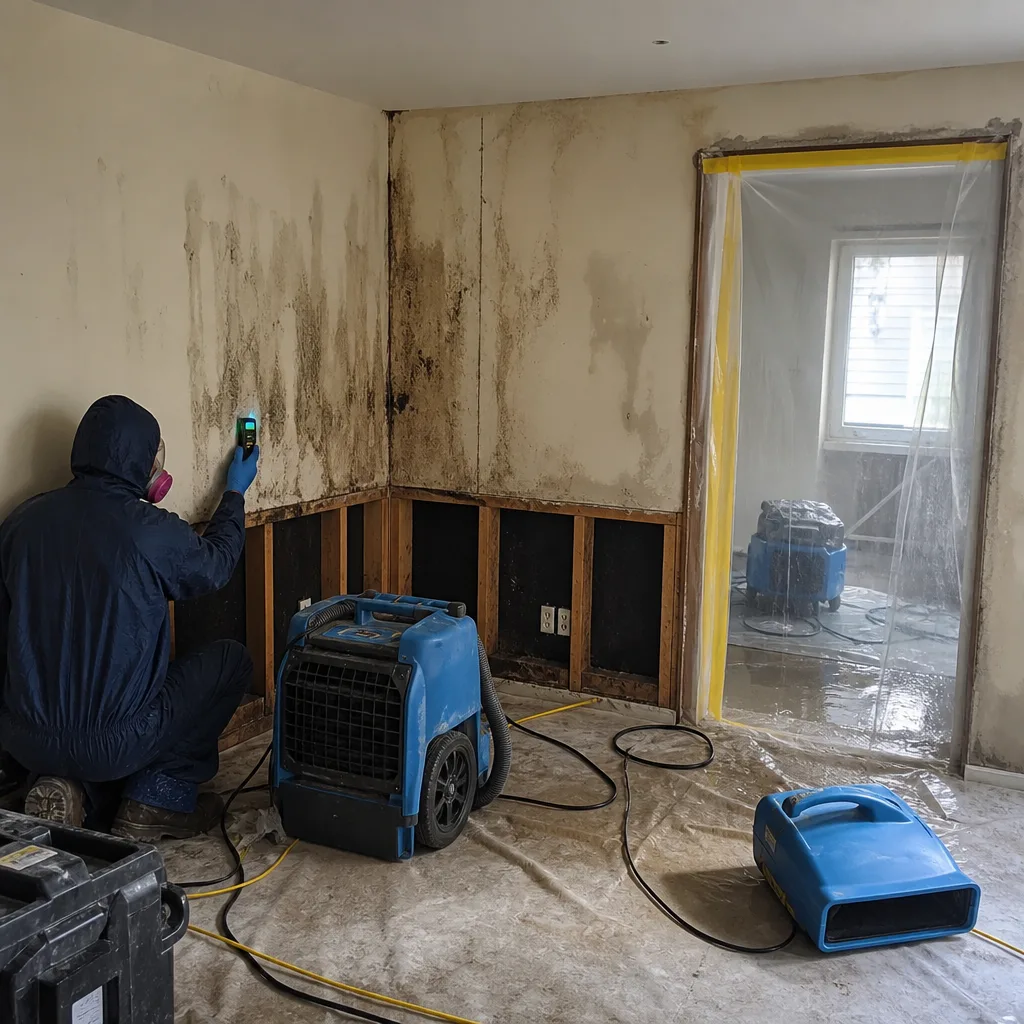 Before
 After
After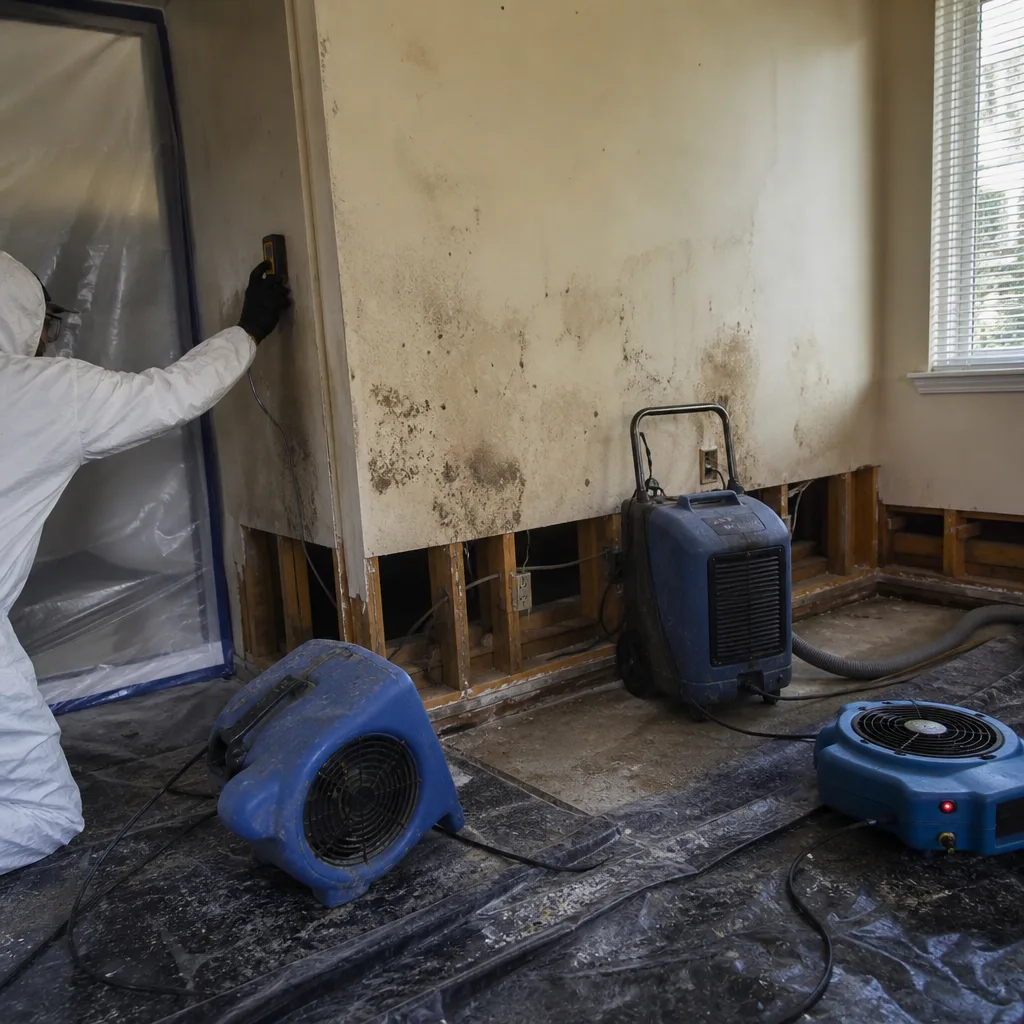 Before
 After
AfterHow to Hire a Damage Restoration Contractor in Federal Way: A Step-by-Step Guide
Here’s a fact most Federal Way homeowners don’t learn until it’s too late: a verbal estimate from a restoration contractor is legally unenforceable in Washington State. Yet most people sign a work authorization before they receive anything in writing. In the 14 years we’ve been documenting restoration jobs across Federal Way, from the hillside homes near Dash Point to the mid-century ranches along Pacific Highway, we’ve watched the same pattern repeat. Homeowners compare two quotes, pick the lower number, and only discover after the drywall is open that one contractor included structural drying and the other didn’t. This guide and our complete guide to damage restoration in Federal Way teach you to evaluate contractors by the paper trail they produce, not the promises they make.
Quick Answer
To hire a damage restoration contractor in Federal Way, verify their Washington State contractor’s license through L&I, demand a written scope with line-item pricing before signing any work authorization, confirm they document moisture baseline readings, and ask specifically whether their technicians are employees or subcontracted labor. Our Water Damage Restoration Maintenance Checklist for Federal Way Homeowners covers each step in detail. The contractor who hands over four documents before work starts will almost always deliver a more complete job than the one who asks you to “trust the process.”
Table of Contents
- Why “Get Three Quotes” Fails in Restoration
- The Four Documents Every Federal Way Contractor Should Hand Over
- How to Verify a Washington State Restoration License
- How to Read an IICRC-Referenced Scope of Work
- Why “We Work With Your Insurance” Needs Scrutiny
- Questions to Ask About Subcontractor Use
- What a 365-Day Warranty Should Specify in Writing
- Federal Way Climate and Code Considerations
 Before
 After
AfterWhy “Get Three Quotes” Fails in Restoration
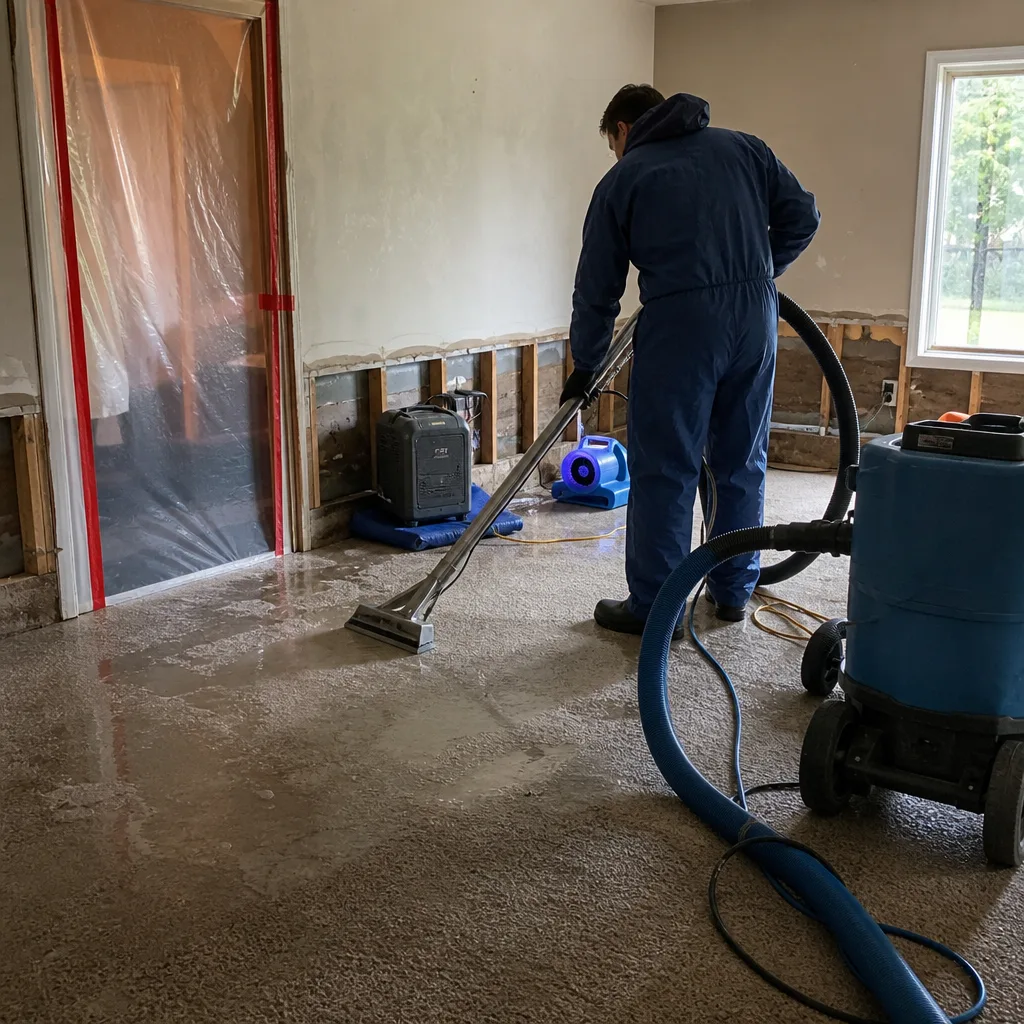
The standard advice to check reviews and get three quotes works for kitchen remodels. It fails for water damage restoration because the product being quoted isn’t standardized. Two contractors in Federal Way might both quote $8,000 for what a homeowner describes as “water in the basement.” One quote covers extraction, structural drying with dehumidification, and antimicrobial application. The other covers extraction and a few fans for three days. The homeowner sees “$8,000” twice and assumes parity. They are not buying the same job.
Restoration pricing is scope-dependent. Without a written scope that references the IICRC S500 Standard for Professional Water Damage Restoration, a dollar figure is a decoration. We’ve reviewed competitor estimates in Federal Way where the scope omitted vapor barrier removal in crawl spaces, skipped psychrometric monitoring (the measurement of temperature, relative humidity, and vapor pressure that determines when a structure is actually dry), or listed “dry standard achieved” without documenting the moisture content percentage that defines “dry” for each material.
The Federal Way market compounds this problem. Our proximity to Puget Sound means higher ambient humidity, especially in neighborhoods west of I-5 like Marine Hills and Redondo. A drying plan that works in Spokane in August fails here in November. Contractors who don’t adjust their equipment calculations for local conditions produce incomplete drying, which leads to secondary mold damage six months later. The homeowner pays twice.
Here’s what to do instead of comparing top-line numbers:
- Request a written scope from each contractor before any work authorization.
- Check that the scope references IICRC S500 (water), S520 (mold), or S740 (fire) standards by section number.
- Compare line items, not totals: number of air movers, dehumidifier capacity in pints per day, frequency of moisture readings, and material removal specifications.
- Ask for the drying goal: what moisture content percentage defines “dry” for framing, subfloor, and concrete?
- Confirm the quote includes daily drying logs with psychrometric data, not just “we checked it.”
The contractor who resists this level of detail is telling you something about how they operate. We’ve found that documentation-ready contractors, the ones who produce written scopes without being asked twice, also tend to be the ones who show up with calibrated moisture meters and who can explain why a water damage restoration in Federal Way requires different equipment than the same job in eastern Washington.
The Four Documents Every Federal Way Contractor Should Hand Over
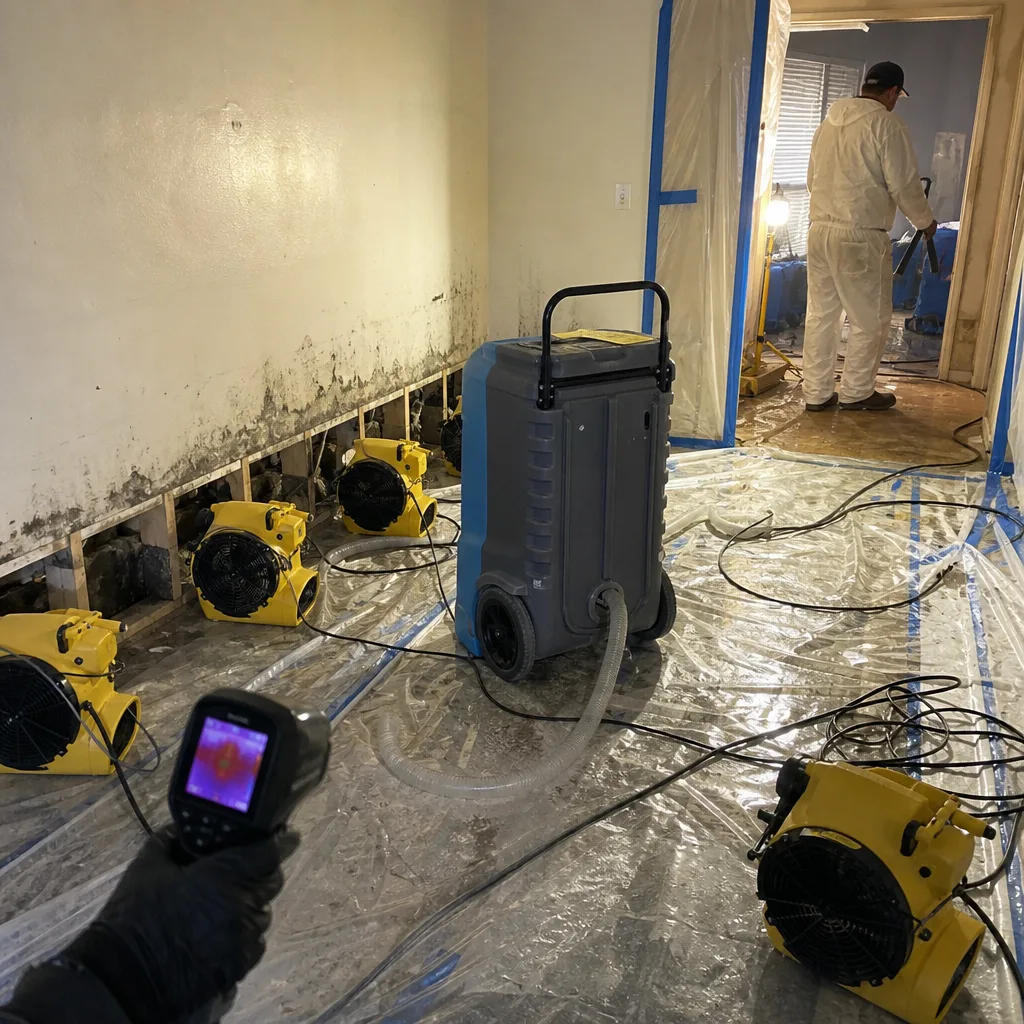
Before any technician touches your property, you should hold four documents. Not three. Not “we’ll email that later.” Four. In our experience across more than 12,000 homes since 2011, the presence or absence of these documents predicts job quality more reliably than any review score.
Document 1: Written Scope of Work
This is not an estimate. A scope describes what will be done, in what sequence, to what materials, using what methods. It should reference applicable standards (IICRC S500, S520, S740) by section. It should specify square footage affected, material classifications (Category 1, 2, or 3 water; Class 1, 2, 3, or 4 drying scenario), and the equipment to be deployed. At DryMark Restoration Federal Way, we produce this document before any work authorization is signed. Haven Standard, Clause 1: written price before work begins. No exceptions.
Document 2: Line-Item Estimate
Each task in the scope carries a price. Line-item pricing prevents scope creep and allows you to verify that each charge corresponds to a documented action. Beware of lump-sum estimates in restoration. “Dry basement: $8,000” tells you nothing about whether the price includes HEPA air scrubbing, contents manipulation, or disposal of contaminated materials.
Document 3: Moisture Baseline Readings
Every legitimate restoration job starts with documented moisture content of unaffected materials in the same structure. This establishes the “dry standard” for that specific building. A contractor who begins drying without baseline readings is guessing when to stop. We document baseline readings with a photo record on every visit, included as standard, never an upsell. Our technicians use penetrating and non-penetrating moisture meters from manufacturers like Dri-Eaz and Phoenix, with calibration dates noted.
Document 4: Proof of Washington State Contractor’s License
Restoration contractors in Washington must hold a contractor’s license registered with the Department of Labor and Industries (L&I). The license number should appear on every proposal. You can verify this at the L&I website using the contractor’s name or license number. Unlicensed contractors cannot pull permits, and their work may void your homeowner’s insurance policy if damage results from unpermitted work.
We’ve responded to jobs in Federal Way where a previous contractor’s unlicensed crew removed asbestos-containing materials without proper abatement, exposing the homeowner to liability. The license check takes 90 seconds. It is never optional.
How to Verify a Washington State Restoration License
Washington’s L&I verification system is public and free. Here’s the exact process:
- Go to the L&I Verify a Contractor tool (search “Washington L&I verify contractor”).
- Enter the contractor’s name or the license number they provided.
- Confirm the status shows “Active” and the expiration date is current.
- Check that the trade classifications include the work being performed. A “General Construction” license does not authorize mold remediation or biohazard cleanup unless specifically endorsed.
- Verify bond and insurance are current. The bond protects you if the contractor abandons the job or damages your property.
- Review any disciplinary history. L&I records are public and include fines, suspensions, and consumer complaints.
In Federal Way, we’ve encountered contractors using expired licenses or operating under a principal’s license that doesn’t cover their current corporate entity. This matters because insurance claims can be denied when work is performed by improperly licensed contractors. The adjuster’s first question, in our experience, is often “was the contractor licensed?” not “was the work done well?”
Ask specifically whether the technicians who will enter your home are employees of the licensed entity or subcontractors. Subcontractor use is common in restoration, but the licensing and insurance chain gets complicated fast. We’ll cover this in detail below.
How to Read an IICRC-Referenced Scope of Work
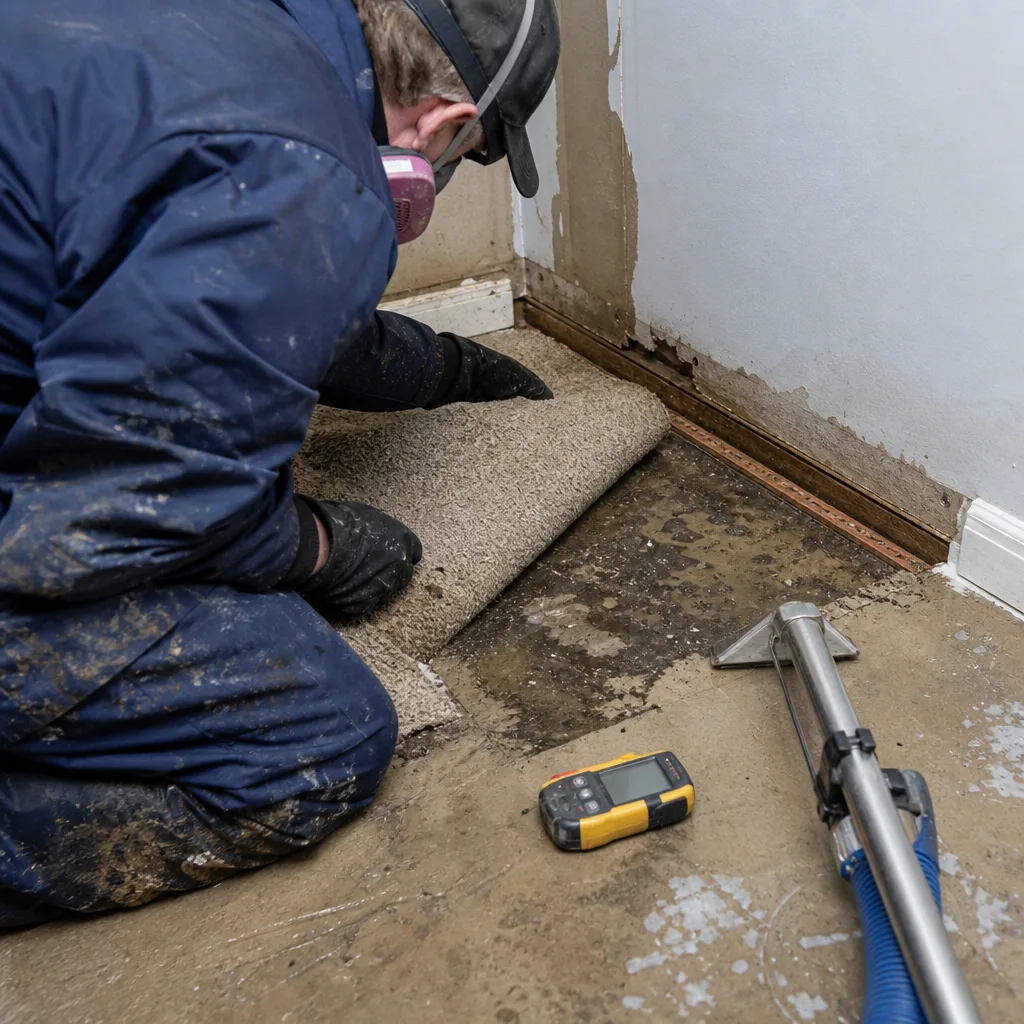
The Institute of Inspection, Cleaning and Restoration Certification (IICRC) publishes standards that define professional practice for water damage, mold remediation, and fire restoration. A scope that references these standards by section number signals that the contractor follows documented protocols, not improvised methods. Here’s how to read what you’re holding.
IICRC S500: Water Damage Restoration
Look for these specific references:
- Section on water categorization (Category 1, 2, or 3). Category 3 water, or “black water,” requires different PPE, disposal protocols, and antimicrobial application than Category 1.
- Class of water loss (1 through 4). Class 4 losses, which include water trapped in low-permeability materials like hardwood or plaster, require specialized drying techniques including low-grain refrigerant dehumidification and directed heat drying.
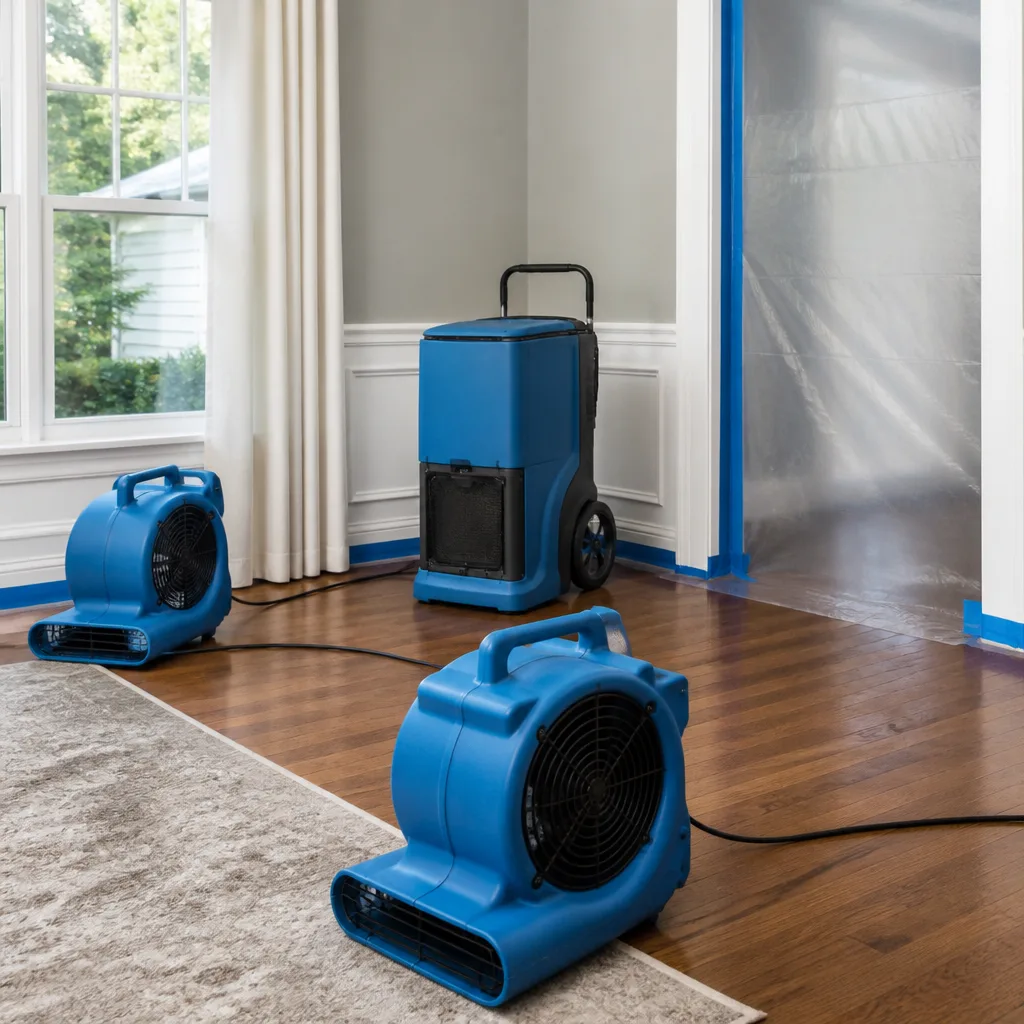
- Structural drying line items. These should specify air mover count based on square footage (typically one per 10-12 linear feet of wall), dehumidifier capacity calculated for the affected volume, and daily moisture mapping.
- Psychrometric monitoring. The scope should state that temperature, relative humidity, and specific humidity will be recorded daily, with target equilibrium moisture content defined.
Common Omissions That Cost Homeowners
Missing structural drying line items are the most frequent way contractors reduce quoted price while increasing long-term cost. Watch for these specific gaps:
- No vapor pressure differential calculation. This determines whether moisture is actually moving from materials into the air, or just circulating.
- No mention of tertiary drying, the final phase where equipment is reduced and the structure reaches equilibrium with normal indoor conditions.
- No contents manipulation or pack-out service, leaving wet belongings in the drying zone where they reintroduce moisture.
- No HEPA air filtration during drying, which in Federal Way’s pollen-heavy spring and fall seasons extends drying time by circulating particulate-laden air.
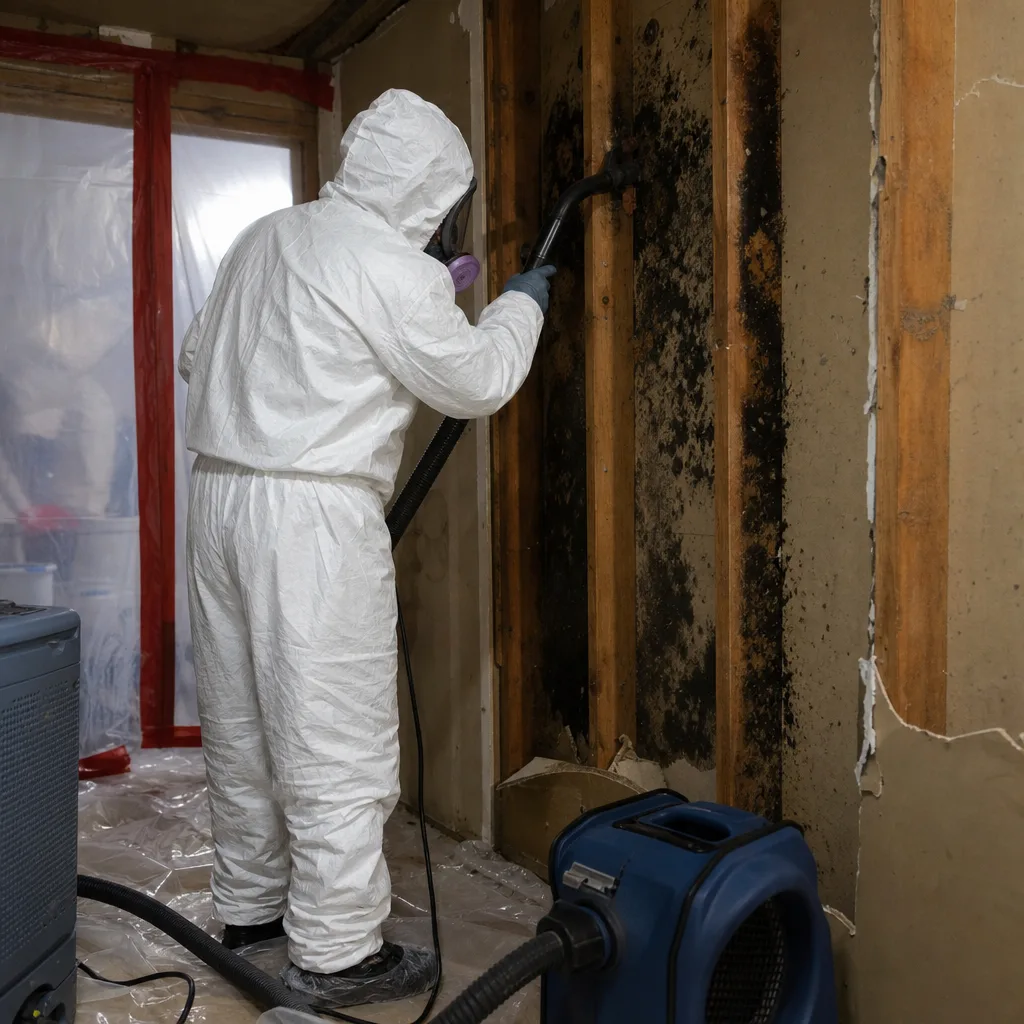
When we scope a mold remediation in Federal Way, we reference IICRC S520 by section, specify containment barrier construction (6-mil polyethylene minimum), and detail negative air machine placement with air changes per hour calculated for the contained volume. A scope without these specifics is a wish, not a plan.
Why “We Work With Your Insurance” Needs Scrutiny
This phrase sounds like advocacy. It can mean the opposite. When a restoration contractor says they “work directly with your insurance,” the arrangement typically involves the contractor receiving payment directly from the insurer, often through a process called “assignment of benefits.” The homeowner signs over their claim rights, and the contractor negotiates with the adjuster.
Here’s the problem: the contractor’s financial incentive is to maximize the invoice, not to ensure your coverage limits are preserved for future needs. We’ve reviewed Federal Way cases where a contractor’s direct billing consumed the entire policy limit on water extraction and drying, leaving nothing for the reconstruction phase. The homeowner paid out of pocket for drywall, paint, and flooring.
Another model involves the contractor providing a low initial scope to secure the job, then supplementing the claim after work begins with “discovered” damage. This practice, called supplementing, is legitimate when documented. It is abusive when used to escalate revenue without corresponding scope changes. The homeowner rarely sees the supplemental invoices; they arrive directly from contractor to adjuster.
What we do instead: we provide you with our written scope, our line-item estimate, and our documented photo record. You submit these to your adjuster, or we coordinate a three-way review where you retain claim control. Our documentation, produced to IICRC, RIA, and IFA standards, is designed to be paid without dispute because it is specific, measurable, and referenced to industry standards. The daily drying logs, the moisture percentage readings, the equipment deployment photos, these turn restoration invoices into payable claims because they answer the adjuster’s questions before they are asked.
We also offer a Free Second Opinion on any competitor’s written estimate. Bring us their scope and we’ll review it at no charge, noting omissions, questionable line items, or areas where the drying plan doesn’t match the material classification. This service exists because we’ve seen too many Federal Way homeowners discover, six months after the fans left, that their subfloor never actually dried.
Questions to Ask About Subcontractor Use
Many restoration companies in the Federal Way area operate as project managers rather than technicians. They sell the job, then subcontract the actual drying, demolition, or reconstruction to other firms. This isn’t inherently fraudulent, but it creates accountability gaps that homeowners rarely anticipate.
Ask these specific questions:
- “Will your employees perform the drying work, or will you subcontract to another company?” If subcontracted, request the subcontractor’s name and license number.
- “Are your technicians background-checked, uniformed employees, or day labor?” At DryMark Restoration Federal Way, our technicians are named, licensed, insured, and verified before they arrive. We do not use unverified subcontractor crews.
- “Who carries liability and workers’ compensation insurance for the people in my home?” If the subcontractor lacks coverage, your homeowner’s policy may be the primary coverage for on-site injuries.
- “Who produces the daily drying logs and photo documentation, your company or the subcontractor?” Documentation quality varies enormously between firms. If the subcontractor’s records are incomplete, your claim may be underpaid.
- “If I have a concern about the work, do I contact you or the subcontractor?” Multiple points of contact delay resolution.
We’ve responded to emergency calls in Federal Way where the homeowner couldn’t reach the company they’d hired because that company had already forwarded their number to a subcontractor’s voicemail. The subcontractor had no record of the warranty terms the original company promised. The Haven Standard applies to our work specifically; we do not delegate it.
What a 365-Day Warranty Should Specify in Writing
Vague “satisfaction guarantees” are common in restoration. They are also unenforceable. A meaningful warranty specifies what is covered, for how long, under what conditions, and who performs corrective work. Here’s what to demand.
Coverage Period
One year is the industry minimum for restoration work. Shorter periods suggest the contractor lacks confidence in their drying or reconstruction. Our 365-Day Done Right Promise, backed by The Haven Standard, specifies that if any work we performed fails due to our materials or methods, we return and correct it at no charge.
Specific Exclusions
A legitimate warranty states what it does not cover. Typically: new water intrusion from external sources, homeowner modifications after completion, and pre-existing conditions not addressed in the original scope. The absence of exclusions is a red flag; it suggests the warranty was written for marketing, not for use.
Trigger and Process
How do you invoke the warranty? Who do you call? What documentation must you provide? What is the response timeline? The Haven Standard specifies: call our live phone coverage, available 24 hours a day, 7 days a week, and a technician responds within the same business day to assess. No voicemail trees. No “we’ll get back to you next business day.”
Corrective Work Specifications
Does the warranty promise to “make it right” or does it specify the standard for “right”? Our warranty references the original scope, the IICRC standards cited therein, and the documented moisture readings that defined completion. “Right” is measurable, not subjective.
We’ve encountered Federal Way homeowners who discovered mold recurrence in a “warrantied” bathroom six months after remediation. The original contractor’s warranty excluded “secondary moisture events,” which their own incomplete drying had caused. The warranty was technically enforceable and practically useless.
Federal Way Climate and Code Considerations
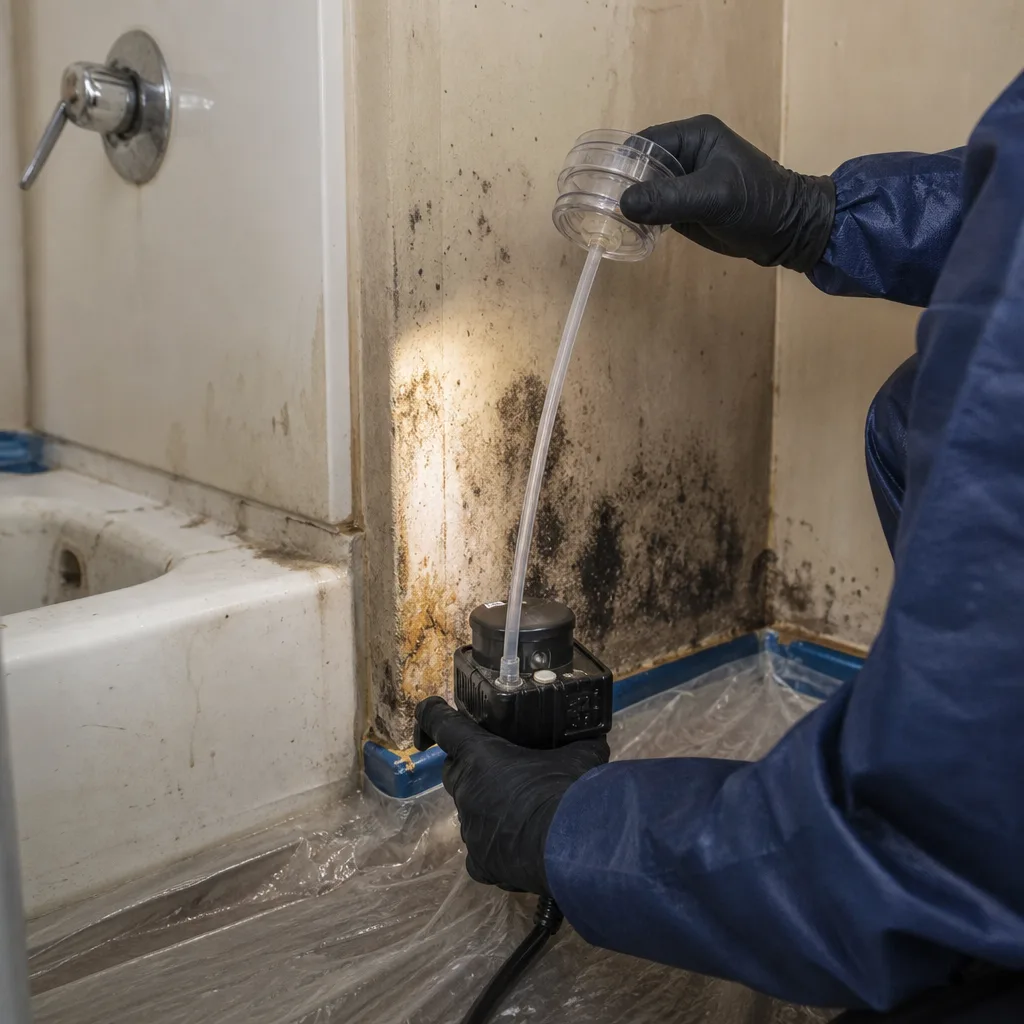
Federal Way’s location between Puget Sound and the Cascade foothills creates specific restoration challenges that contractors from other regions underestimate, which is why we published Seasonal Damage Restoration Care for Federal Way: Year-Round Homeowner’s Guide. Our annual precipitation exceeds 39 inches, concentrated in October through May. Homes in the Lake Fenwick area, at higher elevation, experience more freeze-thaw cycling on exterior plumbing. Properties near the BPA Trail and West Campus lowlands deal with higher water tables and seasonal groundwater intrusion.
The city of Federal Way adopted the 2021 International Building Code with local amendments. Restoration work that involves structural repair, electrical replacement, or plumbing modification requires permits from the city’s Community Development Department. Unpermitted work can complicate future property sales; Federal Way’s building records are accessible to title companies and insurers.
Our climate also affects drying strategy. The high ambient humidity in Federal Way, particularly in spring and fall when relative humidity routinely exceeds 75%, means dehumidifiers must work harder to achieve the same vapor pressure differential. A contractor using equipment sized for drier climates will extend drying time, increasing labor costs and the risk of microbial growth. We size our dehumidification using psychrometric calculations that account for local conditions, deploying units from Phoenix and Dri-Eaz with sufficient capacity for Pacific Northwest humidity loads.
Seasonal wind patterns matter too. Southwesterly winter storms drive rain into wall assemblies from unusual angles. We’ve documented water intrusion in Federal Way homes where the visible damage was on the leeward side, with the actual entry point on the windward elevation, because water traveled within the wall cavity. Surface-level inspection misses this; thermal imaging and moisture mapping do not.
Common Mistakes to Avoid
- Signing a work authorization before receiving a written scope. In Washington State, this document often contains binding arbitration clauses and assignment of benefits language that limits your rights. Read it. All of it.
- Assuming “certified” means licensed. IICRC certification is valuable but voluntary. Washington State contractor licensing is mandatory and enforceable. Verify both, but prioritize the license.
- Choosing by response speed alone. Fast response matters for water damage mitigation, but a contractor who arrives in 30 minutes without documentation capability is less useful than one who arrives in 90 minutes with a written scope. For reconstruction work, speed is irrelevant; accuracy is everything.
- Ignoring the equipment list. “Fans and dehumidifiers” is not a specification. Ask for manufacturer (Dri-Eaz, Phoenix, XPOWER, B-Air), model, and capacity. Unspecified equipment often means underpowered or consumer-grade units.
- Failing to document pre-existing conditions. Photograph everything before work starts. Federal Way’s competitive rental market means some homeowners are tenants; your documentation protects against deposit disputes with landlords who blame restoration crews for pre-existing damage.
- Accepting verbal warranties. If it’s not in writing with a specific coverage period, exclusions, and invocation process, it is not a warranty. It is a conversation.
- Neglecting to ask about disposal documentation. Category 3 water damage and mold remediation generate regulated waste. The contractor should provide waste manifest documentation, especially for jobs in Federal Way’s environmentally sensitive areas near Hylebos Creek and the West Hylebos Wetlands.
When to Call a Professional
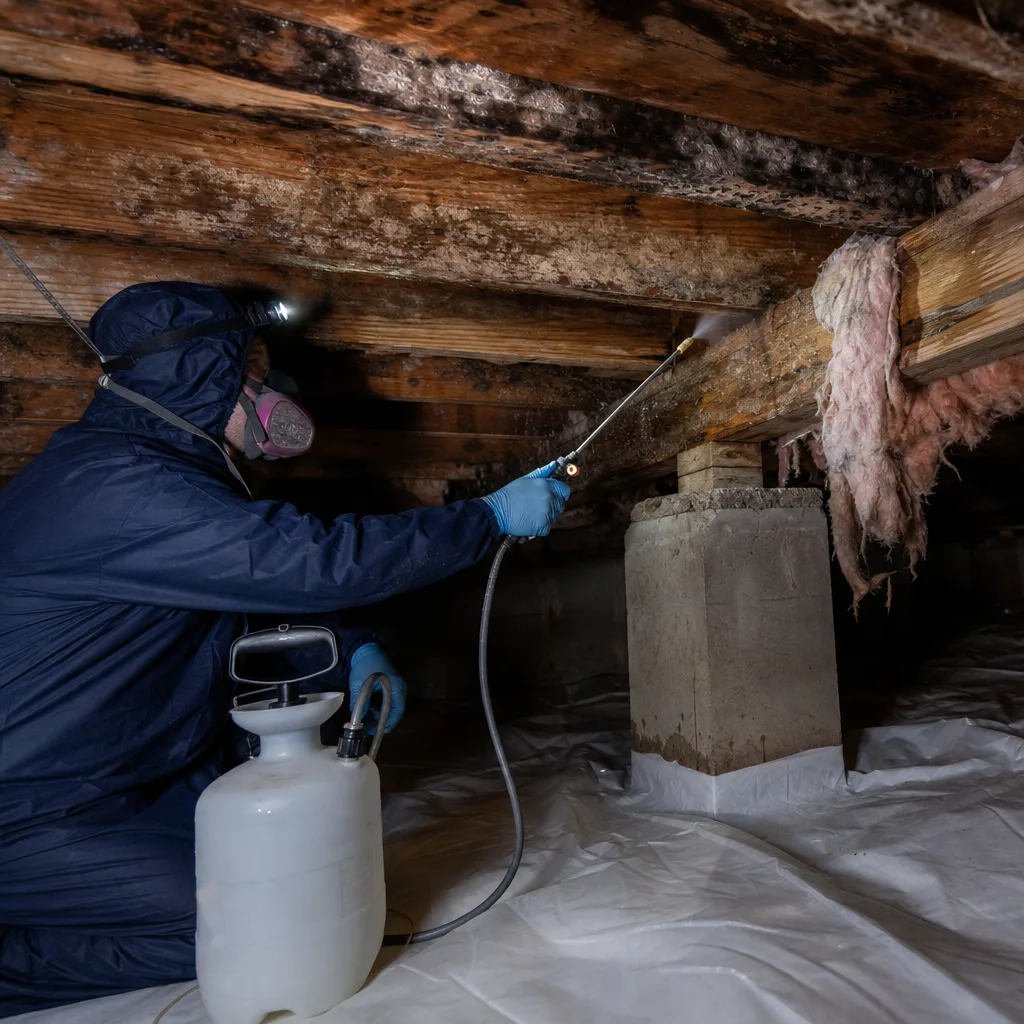
Some situations tolerate research and comparison shopping. Others do not. Call a professional immediately when: water continues to enter the structure from any source; sewage or gray water is present; electrical systems are wet or compromised; mold is visible and covers more than 10 square feet; or fire damage has affected structural elements or HVAC systems. In these scenarios, every hour of delay increases restoration cost and reduces insurance coverage likelihood.
For reconstruction and non-emergency remediation, you have time to verify licenses, compare written scopes, and request second opinions. See more guides & resources for additional Federal Way-specific restoration advice. DryMark Restoration Federal Way offers free estimates in Federal Way. We also provide a Free Second Opinion on any competitor’s written estimate. Call (253) 322-4873 to speak with a live person, 24 hours a day, 7 days a week. No voicemail on emergency lines.
Frequently Asked Questions
Water damage restoration in Federal Way typically ranges from $1,200 for limited Category 1 extraction and drying to $8,000-$15,000 for Class 3-4 losses involving structural drying, material removal, and reconstruction preparation. The variation depends on water category, affected square footage, and whether the loss involves finished basement space common in Federal Way’s 1970s-1990s housing stock. Call (253) 322-4873 for a written estimate with line-item pricing before any work begins.
Homeowner’s insurance covers sudden and accidental water damage, but coverage limits, deductibles, and exclusions vary by policy. Most policies exclude gradual leaks, groundwater intrusion, and sewer backup without specific endorsement. The key to full coverage is documentation: a written scope, daily drying logs, and photo records that prove the loss was sudden and that restoration was performed to professional standards. We produce this documentation as standard on every job. Call (253) 322-4873 to discuss your specific policy and loss.
For emergency water damage mitigation, DryMark Restoration Federal Way maintains live phone coverage and dispatches technicians for same-day response. Reconstruction and non-emergency remediation are scheduled after written scope and pricing agreement. Speed language belongs on mitigation only; promising same-day reconstruction is a sign of sloppy scoping, not efficiency. Call (253) 322-4873 for current availability.
Visible mold exceeding 10 square feet, or any mold resulting from Category 2 or 3 water damage, requires professional remediation per IICRC S520. DIY cleaning without containment and negative air pressure spreads spores and often increases airborne concentration. In Federal Way’s high-humidity climate, incomplete remediation virtually guarantees recurrence. We provide written scopes with containment specifications and post-remediation verification testing. Call (253) 322-4873 for assessment.
You retain that authority unless you sign an assignment of benefits. We recommend that you, the homeowner, maintain direct communication with your adjuster while we provide the documentation they need. Our written scopes, photo records, and daily drying logs are formatted for direct adjuster review. We can participate in three-way calls or site meetings, but the claim remains yours. This preserves your coverage limits and your right to dispute. Call (253) 322-4873 to discuss documentation for your specific claim.
Professional-grade drying requires low-grain refrigerant or desiccant dehumidifiers (not consumer units), air movers with specified CFM ratings, and moisture detection equipment calibrated to manufacturer standards. In Federal Way’s humid climate, dehumidifier capacity must exceed calculations for drier regions. We deploy equipment from Dri-Eaz, Phoenix, XPOWER, B-Air, and Injectidry, sized to each job’s psychrometric requirements. Equipment lists should appear in your written scope. Call (253) 322-4873 for specifics on your property.
The Bottom Line
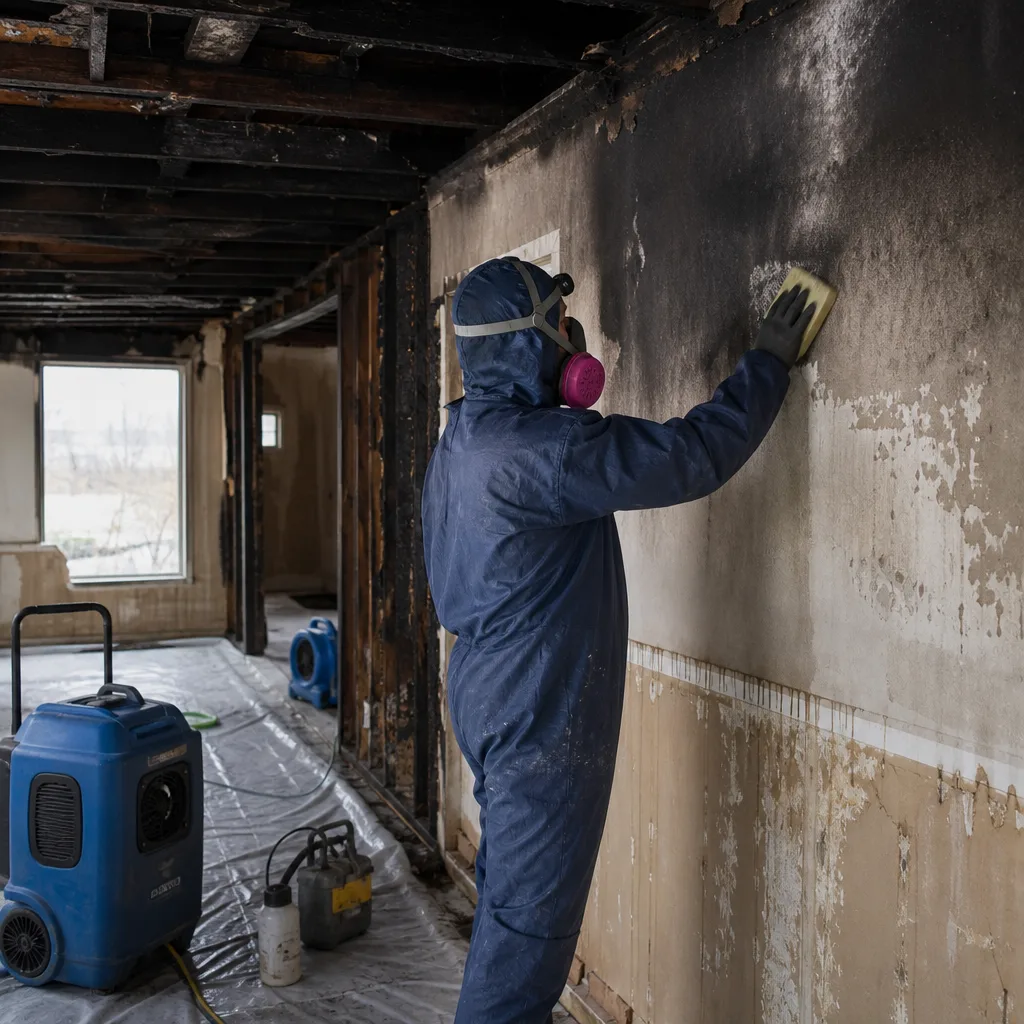
Hiring a restoration contractor in Federal Way is not about finding the lowest quote or the fastest response. It is about finding the contractor who produces documentation before work begins, who references industry standards by section, and who hands you a written warranty with specific terms. The paper trail predicts the job quality. Four documents: written scope, line-item estimate, moisture baseline readings, and license verification. Ask about subcontractor use. Scrutinize “we work with your insurance.” Demand equipment specifications. And never sign a work authorization until you’ve read every clause. The contractors who resist this process are telling you exactly who they are. The ones who welcome it, who build their entire operation around documentation and transparency, are the ones who will still answer the phone if something needs correction a year later.
Written by Alicia Brennan, Owner at DryMark Restoration Federal Way, serving Federal Way since 2011.