
Last updated September 23, 2026
Free visual inspection and a written scope of work before any mitigation begins - photos, moisture readings, and drying logs go in your claim file
The scope we write is the scope we bill. Anything new gets shown to you, in writing, before we touch it.
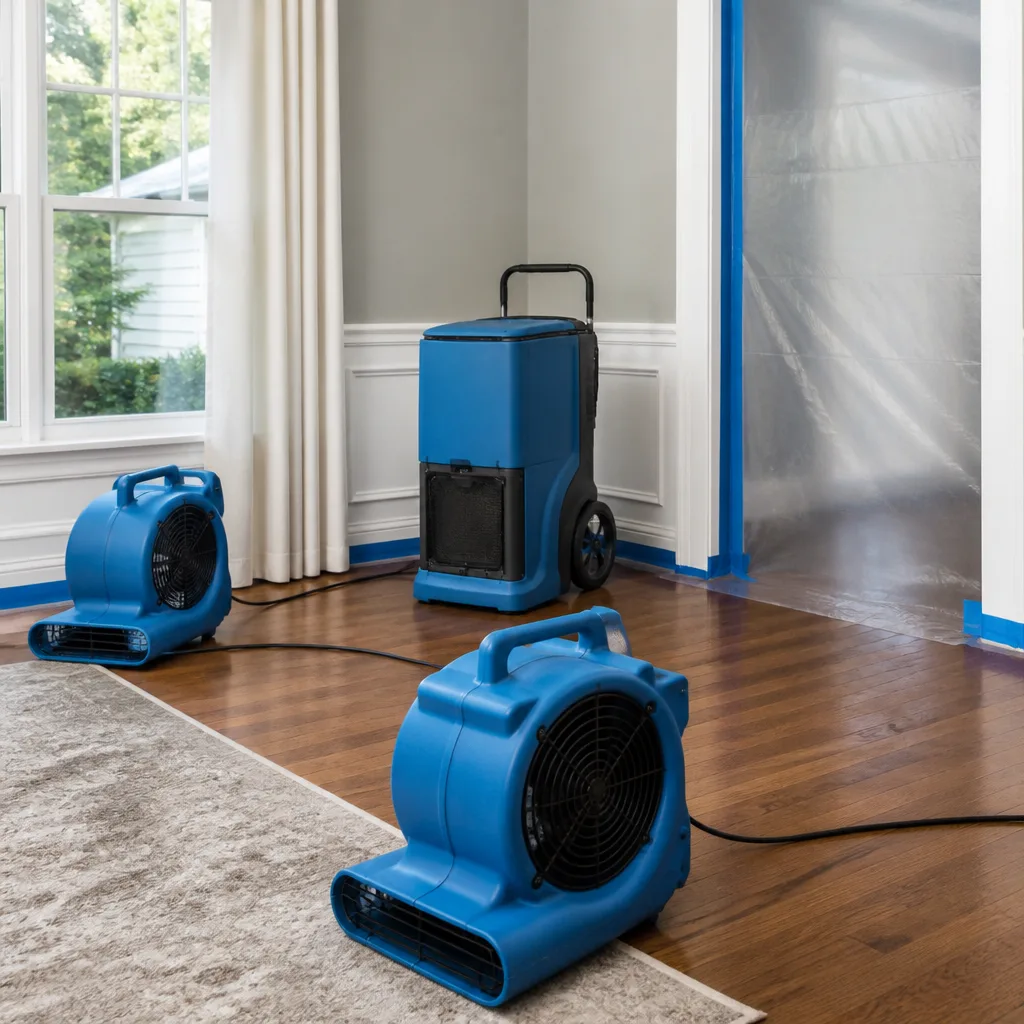

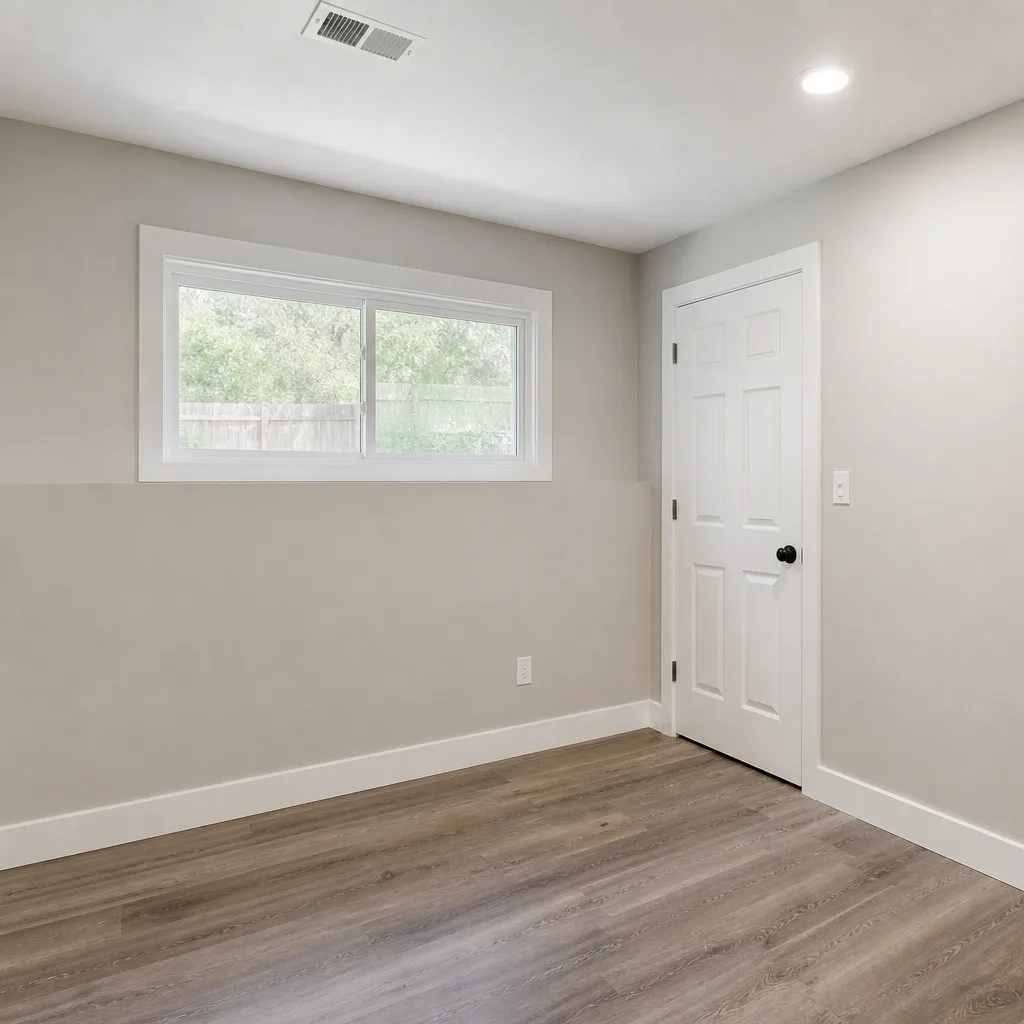

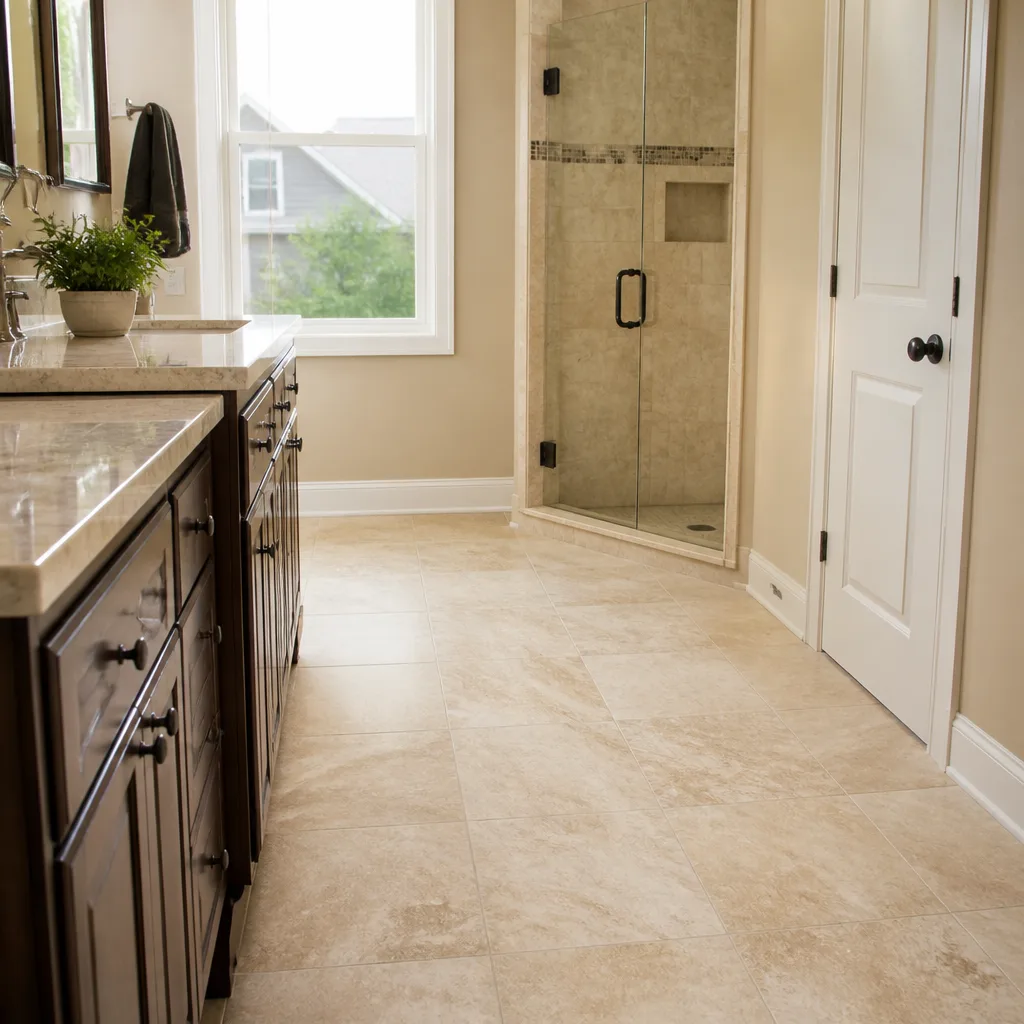

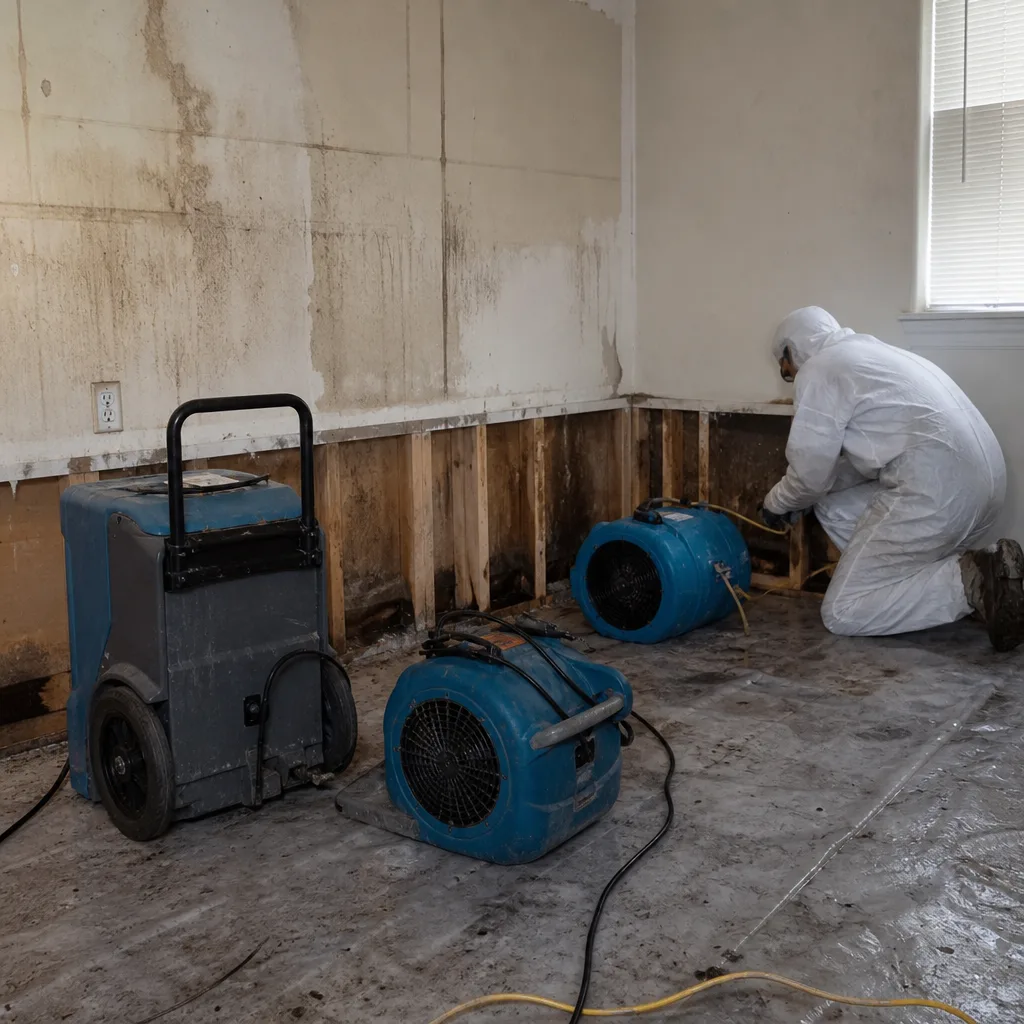 Before
 After
After Before
 After
After Before
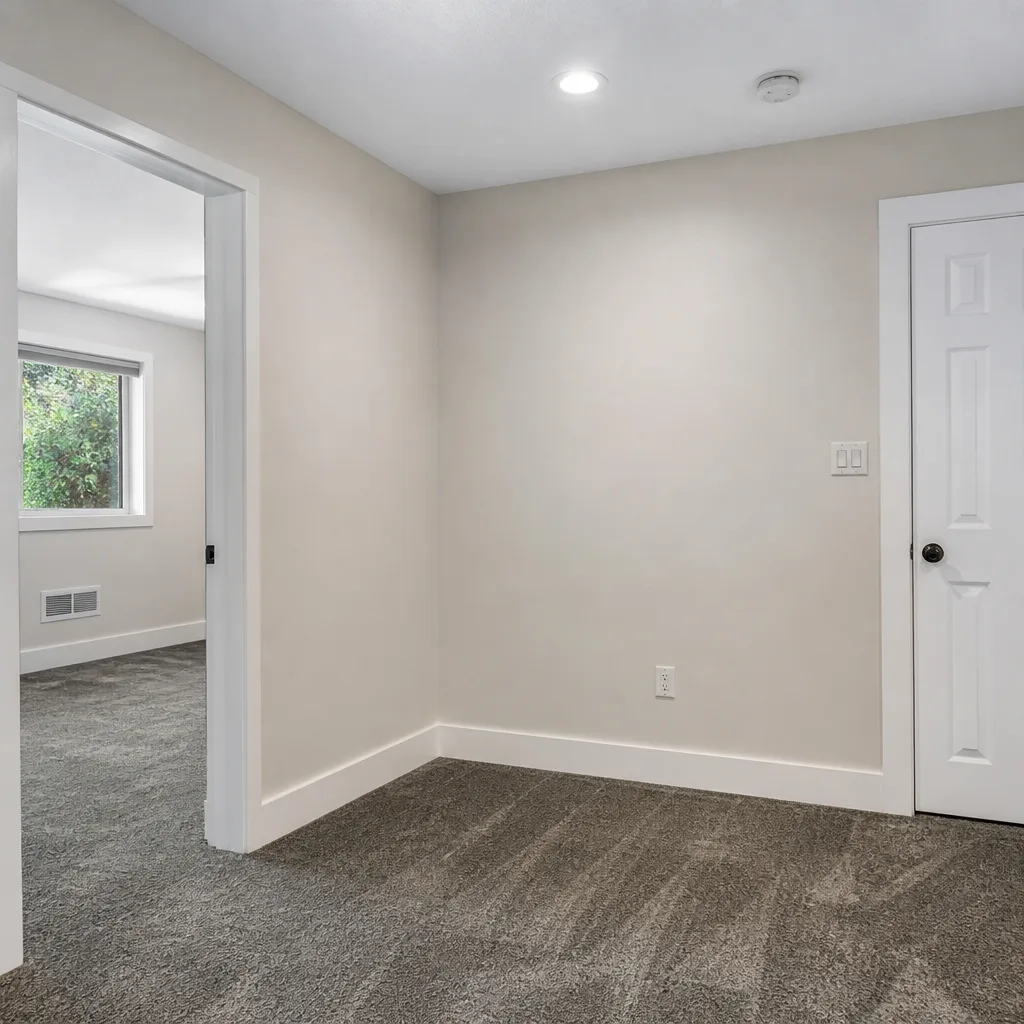 After
AfterWater Damage Restoration Maintenance Checklist for Federal Way Homeowners
Washington insurers denied more than $340 million in water damage claims between 2019 and 2023, and the denial reason most cited was “long-term seepage” - damage that, according to the policy, the homeowner should have prevented. In Federal Way, where the wet season stretches from October through May and homes sit on clay-heavy soils that wick moisture into crawl spaces, we’ve seen this pattern repeat. Homeowners who genuinely performed maintenance lost their claims because they had no dated record to prove it. This guide turns every maintenance task into a documentable action that closes that argument before an adjuster can open it.
Quick Answer
A water damage restoration maintenance checklist for Federal Way homeowners must include quarterly inspections of roof valleys, crawl space humidity monitoring, and appliance hose checks tied to the October wet season onset, plus annual documentation of plumbing, gutters, and foundation drainage. Every task should produce a dated photo or written record, because Washington insurers routinely deny claims for “long-term seepage” when homeowners cannot prove maintenance occurred. The checklist below is structured to create that proof.
Table of Contents
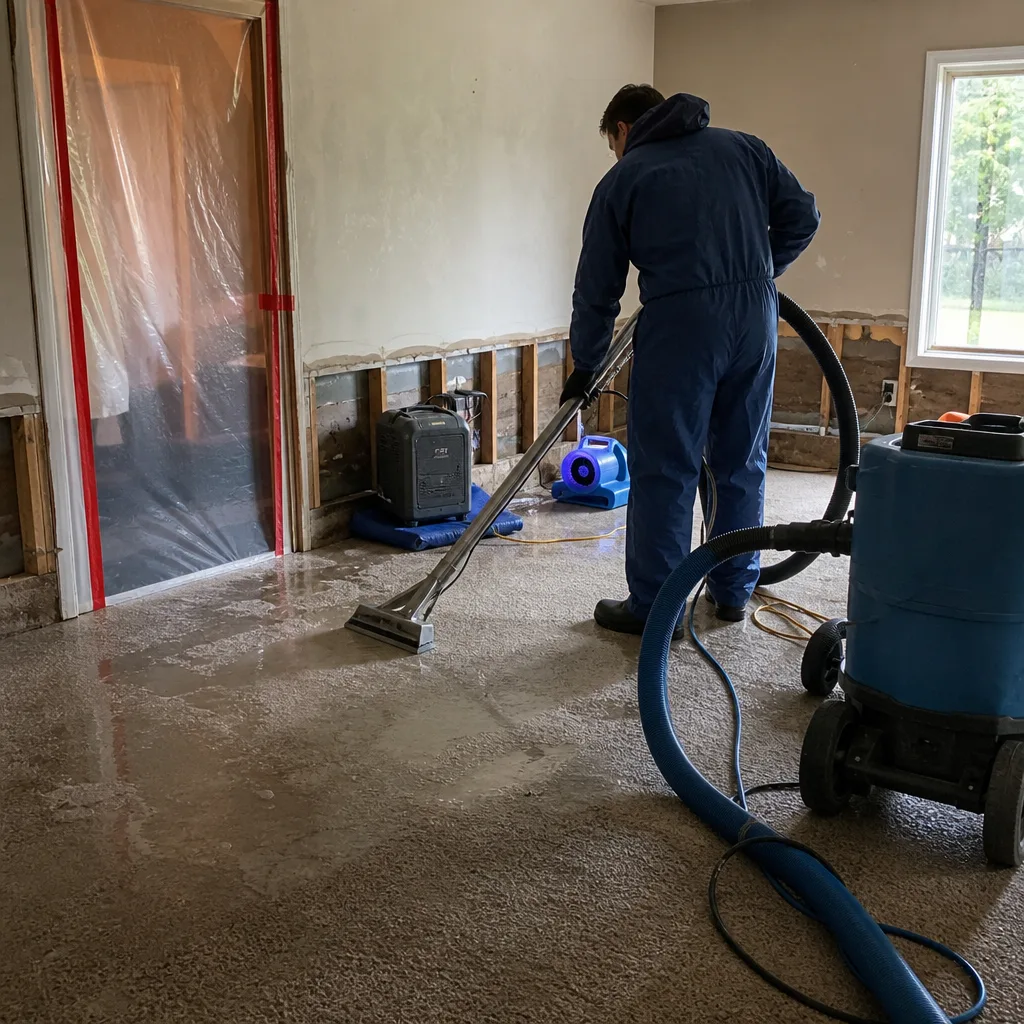
- Federal Way Conditions That Should Shape Your Checklist
- Quarterly Maintenance Tasks (October Start)
- Annual Deep Inspection & Documentation Tasks
- Measurable Thresholds That Matter
- How to Build a Dated Photo Log That Protects Your Claim
- Maintenance Tasks Whose Omission Voids Washington Coverage
- Common Mistakes to Avoid
- When to Call a Professional
- Frequently Asked Questions
 Before
 After
AfterFederal Way Conditions That Should Shape Your Checklist
National maintenance templates miss the conditions that actually drive water damage in Federal Way. The city sits at the transition between Puget Sound’s marine climate and the Cascade foothills’ heavier precipitation gradient. Annual rainfall here exceeds 39 inches, concentrated in a seven-month wet season that begins when soil temperatures are still warm enough to sustain evaporation - creating a vapor drive that pushes moisture through crawl space vents and into floor systems.
Three Federal Way-specific factors belong on every checklist:
Roof pitch and valley geometry. Many Federal Way homes built between 1965 and 1995 feature shallow-pitch roofs with internal valleys that collect debris from the dense evergreen canopy. These valleys back up during the conifer needle drop in October and November, then freeze-thaw in December and January. A checklist that only says “clean gutters” misses the valley inspection that prevents ice dam infiltration.
Crawl space moisture dynamics. Federal Way’s clay soils retain water through May, and the city’s older neighborhoods - particularly the Lakeland area and parcels near the BPA Trail - have crawl spaces with original vent configurations that actually amplify humidity in wet conditions. Cross-ventilation designed for 1970s building codes can pull saturated air across joist bays, producing condensation on cooler surfaces. Your checklist needs to address whether those vents should be sealed and conditioned, not merely “checked.”
Storm drain proximity and backflow risk. Homes in lower Federal Way elevations, including sections of the Westway neighborhood and properties near the Hylebos Creek watershed, sit close to municipal storm systems that surcharge during intense fall rain events. Basement and foundation drainage systems here need backflow prevention inspection as a standard checklist item, not an afterthought.
We’ve documented these conditions across thousands of Water Damage Restoration in Federal Way jobs since 2011. The pattern is consistent: the damage that triggers a denied claim almost always traces to a maintenance gap that a generic checklist would not have caught.
Quarterly Maintenance Tasks (October Start)
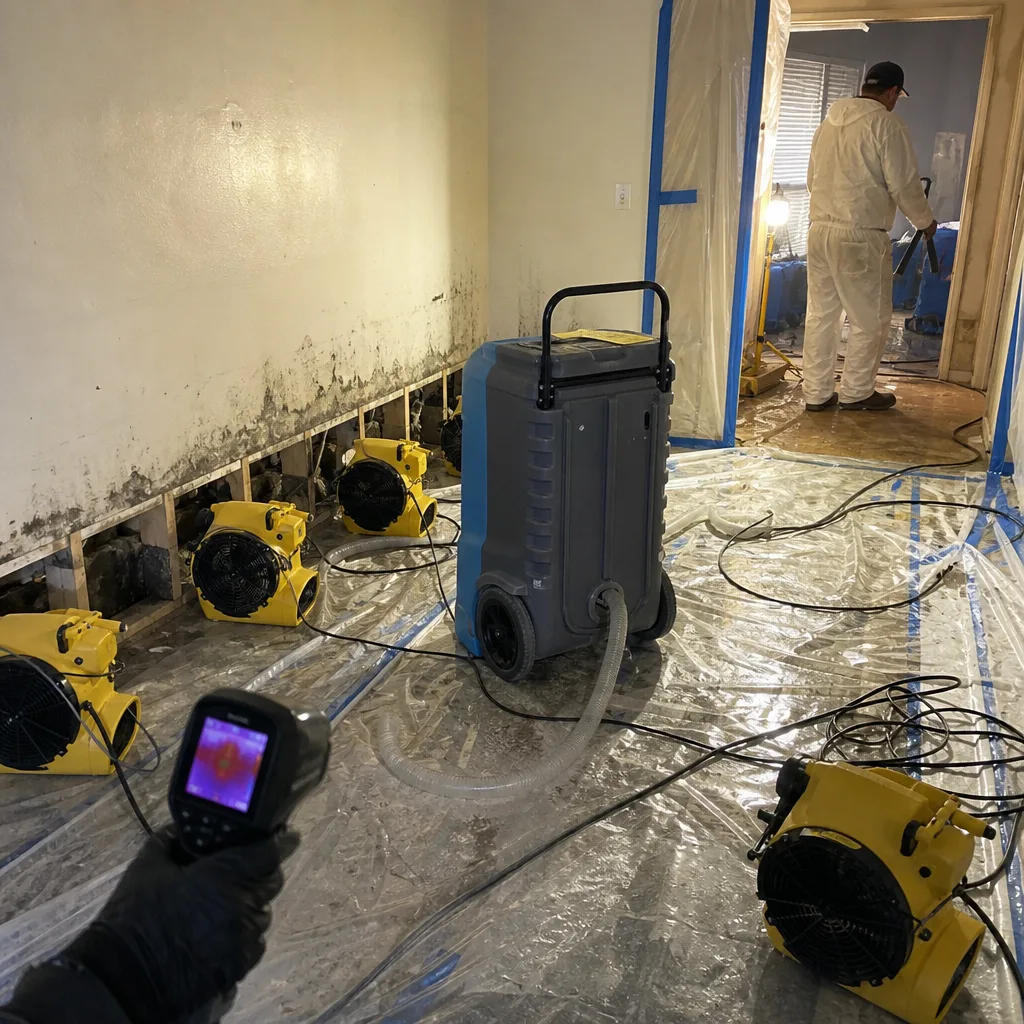
Federal Way’s wet season typically begins in mid-October, when the first sustained rains saturate summer-dry soil and the temperature differential between crawl space and ambient air starts producing condensation. We structure quarterly tasks around this calendar, not a generic January-April-July-October cycle.
October: Pre-Wet Season Launch
- Roof valley and gutter inspection. Photograph each valley from the ground with a dated timestamp. Note accumulation of needles, moss, or granule loss. If valleys show standing debris, schedule cleaning before the first freeze.
- Crawl space humidity baseline. Place a calibrated hygrometer in the center of the crawl space, away from vents. Record the reading. Above 60% RH triggers the action items in the Measurable Thresholds section below.
- Appliance hose and connection check. Inspect washing machine, dishwasher, and refrigerator water lines. Look for corrosion at brass fittings, bulging in reinforced hoses, and date stamps on rubber components older than five years. Photograph each connection.
- Sump pump and discharge test. Pour five gallons into the sump basin. Verify float activation, discharge flow, and check-valve function. Photograph the discharge point clear of obstruction.
January: Mid-Season Stress Check
- Ice dam and icicle documentation. Photograph roof edges from the ground. Icicle formation indicates heat loss and potential ice dam conditions. Note any interior ceiling stains that appeared since October.
- Crawl space re-check. Second humidity reading. Compare to October baseline. Rising readings indicate active moisture loading.
- Foundation perimeter drainage. Verify downspout extensions are intact and discharge 6+ feet from foundation. Note any soil erosion or pooling.
April: Post-Wet Season Assessment
- Comprehensive moisture survey. This is the critical documentation period. Use a pinless moisture meter on accessible framing in crawl space, attic, and basement. Record readings by location. See thresholds in the next section.
- Gutter and downspout integrity. Check for winter damage, separation at seams, and proper slope.
- Exterior grade and hardscaping. Verify soil slopes away from foundation at minimum 6 inches over 10 feet. Resettle any areas that have flattened.
July: Dry-Season Systems Check
- Plumbing pressure test. Record static pressure at an exterior hose bib. Pressure above 80 PSI indicates regulator failure that stresses supply lines.
- Water heater tank and pan inspection. Check T&P valve discharge, pan condition, and anode rod age per manufacturer stamp.
- HVAC condensate drainage. Verify clear flow from condensate line, clean pan, and pump function if equipped.
Each quarterly cycle should produce a folder - digital or physical - containing dated photos, meter readings, and notes. This is your pre-loss documentation. When an adjuster asks whether you maintained the property, you hand them a file.
Annual Deep Inspection & Documentation Tasks
Quarterly tasks catch active problems. Annual tasks document the systems that quarterly checks assume are functional. We recommend completing these in September, before the wet season begins.
Roofing system professional inspection. Hire a licensed roofing contractor for a walking inspection. Request a written report with photographs of flashing condition, shingle wear patterns, and valley integrity. In Federal Way, the combination of marine air and tree debris accelerates flashing corrosion at chimney and vent penetrations. The report should specify remaining service life by component. File this with your insurance documents.
Plumbing system assessment. A licensed plumber should inspect supply line material and age, particularly if your Federal Way home contains polybutylene (common 1978-1995) or original copper with pinhole corrosion. Request a written scope of any recommended replacement, with material specifications. Polybutylene failure is specifically excluded from some Washington policies if replacement was recommended and not performed.
Foundation and drainage evaluation. For homes with finished basements or significant crawl space moisture history, consider a foundation specialist inspection. In Federal Way’s clay soils, seasonal expansion-contraction can crack perimeter drainage and create pathways for subsurface water. A written assessment with repair recommendations closes the “neglect” argument if damage later occurs.
HVAC duct and air handler inspection. Condensation in ductwork, particularly in unconditioned crawl spaces, produces moisture damage that insurers often classify as maintenance-related. A written inspection report from an HVAC contractor documents that you addressed this system.
Tree and vegetation management. Document tree proximity to foundation, roof, and sewer line. In Federal Way’s established neighborhoods, mature Douglas fir and western red cedar root systems infiltrate sewer laterals and displace foundation drainage. A certified arborist’s written assessment of tree risk and recommended action protects your position if root intrusion later causes damage.
The annual cycle should produce five written reports, each dated and filed. This is not excessive. We’ve seen $40,000 restoration claims denied for lack of a $200 inspection report that would have taken twenty minutes to file.
Measurable Thresholds That Matter
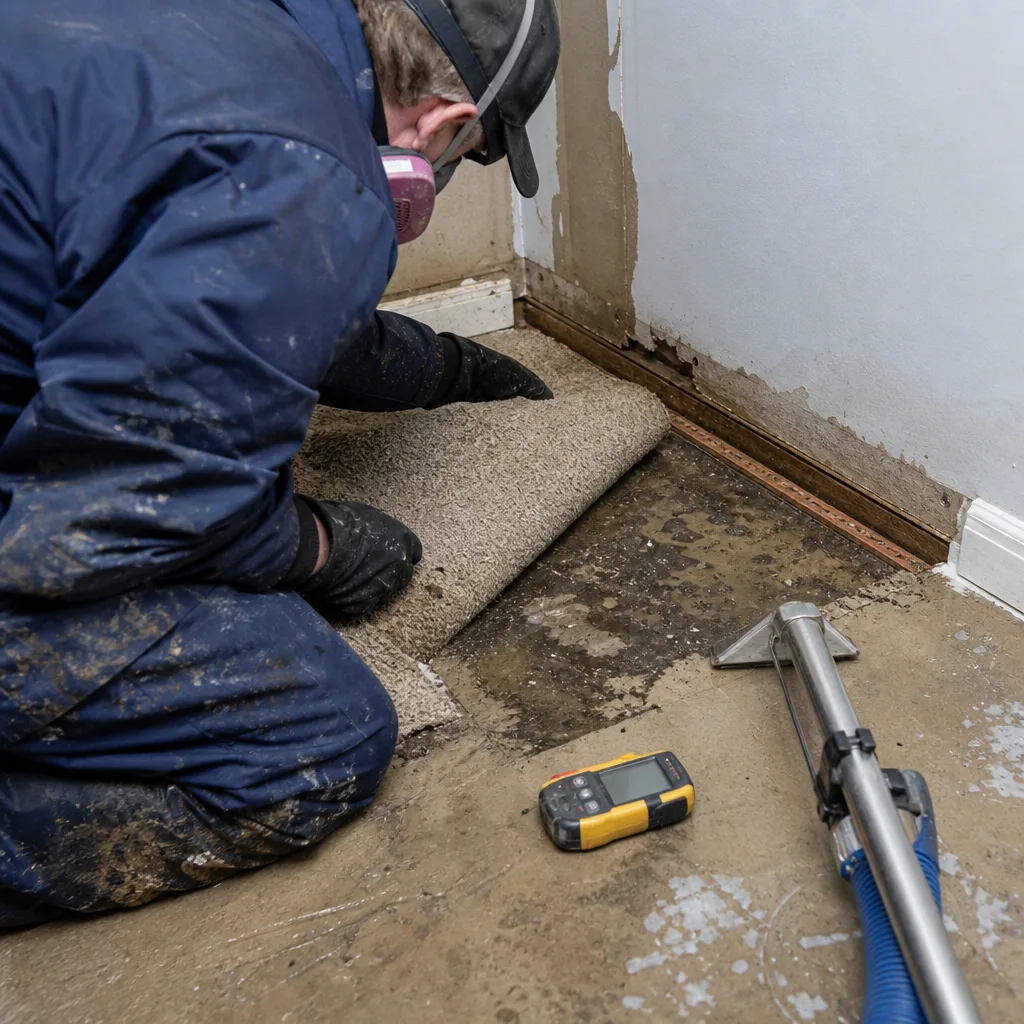
Visual inspection is insufficient. Washington adjusters and their engineers use quantitative thresholds to classify damage as “sudden and accidental” versus “long-term seepage.” Your maintenance documentation should reference the same numbers.
| Location / Material | Threshold | Action Required | Documentation Method |
|---|---|---|---|
| Crawl space air | 60% relative humidity | Increase ventilation, seal vents, or install dehumidification | Hygrometer photo with date |
| Wood framing, crawl space | 19% moisture content | Identify source, implement drying, inspect for fungal growth | Pinless meter photo at test location |
| Attic sheathing, framing | 19% moisture content | Check ventilation, insulation contact, roof leaks | Meter reading photo, attic photo |
| Basement concrete | 4% moisture content (CMU) | Evaluate perimeter drainage, consider interior sealant | Calcium chloride test or meter |
| Interior drywall | 1% above baseline | Trace to source, verify no hidden plumbing leak | Meter reading, surrounding area photo |
| Water pressure | 80 PSI static | Install or replace pressure regulator | Pressure gauge photo |
These numbers come from IICRC S500 standards for water damage restoration and are recognized by Washington insurance adjusters. When your maintenance log shows a crawl space humidity reading of 67% RH in January and documents that you installed a dehumidifier in response, you’ve created evidence that contradicts a “neglect” denial.
Psychrometric data - the relationship between temperature, humidity, and vapor pressure - drives moisture movement in building assemblies. In Federal Way’s climate, a crawl space at 55°F and 65% RH has a vapor pressure differential that pushes moisture into cooler floor joists at approximately 2.5 grains per pound. You don’t need to calculate this. You need to know that 60% RH is the threshold where that vapor drive becomes structurally significant, and document that you monitored it.
How to Build a Dated Photo Log That Protects Your Claim
A photo log is not a camera roll with 400 random images. It is a structured, searchable record that an adjuster, an attorney, or an arbitrator can follow. We’ve built these records for 12,000+ homes since 2011, and the format that survives scrutiny is specific.
Folder Structure
Create a main folder: [Property Address] Water Damage Prevention [Year]. Subfolders: Q1-Oct, Q2-Jan, Q3-Apr, Q4-Jul, Annual-Sept. Each quarterly folder contains: dated photos, meter readings, and a one-page summary note. The Annual-Sept folder contains professional inspection reports.
Photo Requirements
- Timestamp enabled. Camera settings must embed date and time. Screenshots of phone photos with separate date notes are weak evidence.
- Location identifier in frame. Include a handwritten note or printed label in each photo: “Crawl space, NW corner, hygrometer reading.” This prevents later disputes about what the image depicts.
- Wide and detail pairs. Every location gets two photos: one establishing the space, one close on the condition or reading.
- Sequential numbering. 2024-01-15_CrawlSpace_01, 2024-01-15_CrawlSpace_02. This prevents gaps from being alleged.
The Summary Note Template
Each quarterly folder contains a single document, dated and signed:
“On [date], I inspected [locations] using [equipment]. Readings were [numbers]. Conditions observed: [description]. Actions taken: [list]. Next inspection due: [date]. [Signature].”
This format mirrors the daily drying logs we produce on DryMark Restoration Federal Way home jobs, documented to IICRC, RIA, and IFA standards. Adjusters recognize it. It speaks their language.
Store the complete annual folder in cloud storage with local backup. Email a copy to your insurance agent with a note that this is your maintenance documentation. That email timestamp becomes additional evidence of good faith.
Maintenance Tasks Whose Omission Voids Washington Coverage
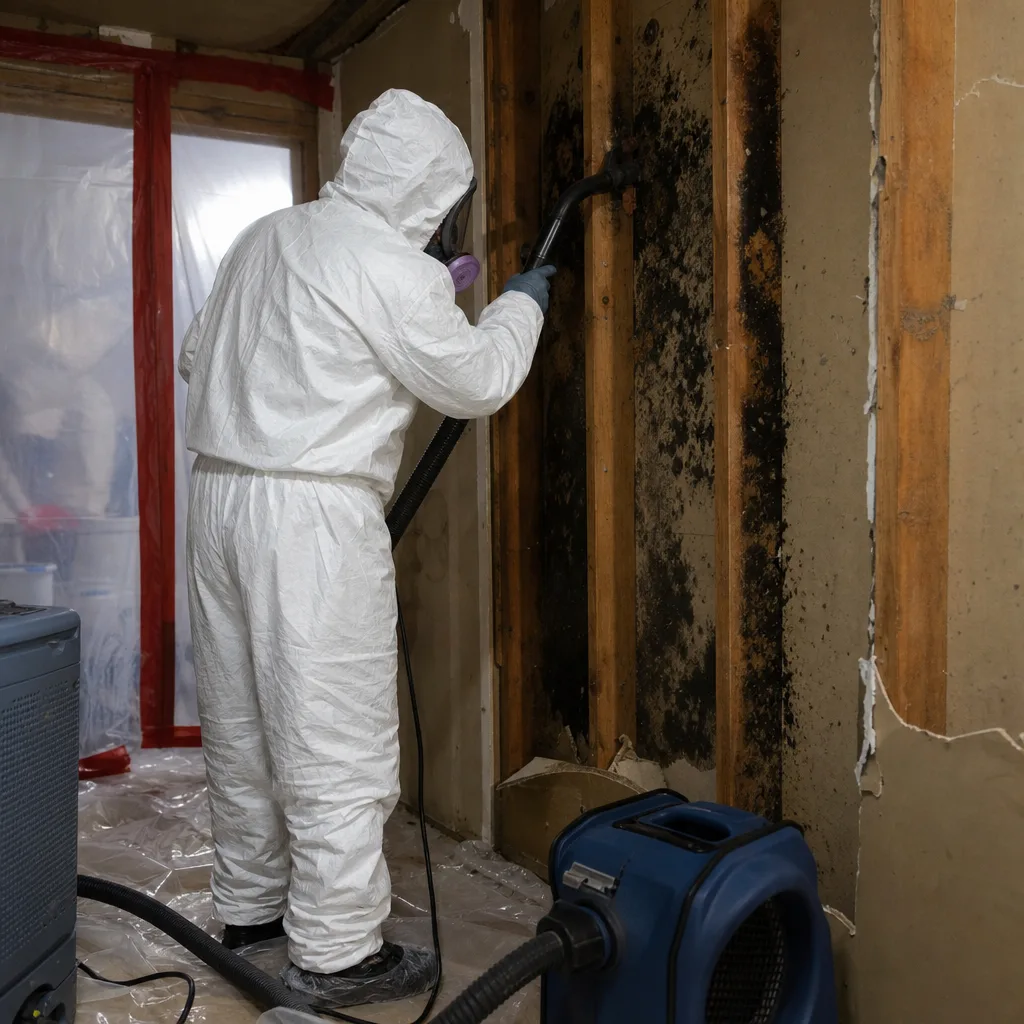
Washington homeowner policies contain specific maintenance obligations that, if unperformed, shift water damage from covered peril to excluded wear. The checklist items below directly address these clauses.
Roof and gutter maintenance. Most Washington HO-3 policies exclude “water damage caused by lack of maintenance to roof or gutters.” The quarterly gutter and annual roof inspection tasks above satisfy this requirement. The critical documentation is the annual professional roof report - a homeowner’s self-inspection is less defensible.
Plumbing system upkeep. Policies exclude “damage caused by plumbing system failure due to corrosion, wear, or lack of maintenance.” The annual plumbing assessment with written scope of recommended replacement addresses this directly. If a plumber recommends polybutylene replacement and you defer, the exclusion applies.
Foundation drainage. “Surface water” and “subsurface water” exclusions are common. The annual foundation evaluation and documented maintenance of grade, downspout extensions, and perimeter drainage demonstrates that you addressed the systems within your control.
Appliance hose replacement. Washing machine hose failure is one of the top five water loss causes in Federal Way. Policies increasingly exclude “damage caused by failure of appliance hoses beyond their rated service life.” The five-year replacement rule, with date-stamped photos of new hose installation, closes this gap.
Sump pump maintenance. Where sump pumps are present, policies may require “regular testing and maintenance.” The quarterly pump test with photo documentation satisfies this. Consider a battery backup system and document its installation - some policies reduce coverage for basement contents if backup power is not present.
Mold limitation endorsements. Washington policies increasingly cap mold coverage at $10,000 unless the mold results from a “covered water loss.” The maintenance documentation that proves sudden, accidental water damage (as opposed to long-term moisture) directly affects whether mold remediation is covered. This is where your crawl space humidity log and moisture meter readings become financially consequential.
We’ve reviewed competitor estimates for Mold Remediation in Federal Way where the scope was identical but the coverage determination differed by $30,000 based on maintenance documentation alone.
Common Mistakes to Avoid
- Using a national checklist without Federal Way adaptation. Templates that don’t address conifer debris, clay soil moisture, or marine climate vapor drive miss the actual risks. Adapt every template to local conditions.
- Photographing without timestamps or location labels. An undated photo of a crawl space proves nothing. An adjuster will assume it was staged after the loss.
- Recording “looks fine” instead of numbers. Visual descriptions are subjective. Moisture readings, humidity percentages, and pressure measurements are verifiable.
- Storing documentation only on a phone. Phones fail, are lost, or replaced without complete transfer. Cloud storage with agent notification is the standard.
- Deferring annual professional inspections. The $400 roof inspection seems unnecessary until a $15,000 claim is denied for lack of it. Schedule and file these as non-negotiable.
- Ignoring the dry season. July tasks matter. Pressure regulator failure and water heater tank corrosion don’t follow the wet season calendar.
- Failing to act on threshold exceedance. Recording 67% RH without installing dehumidification documents the problem without documenting the response. The response is what proves maintenance.
When to Call a Professional
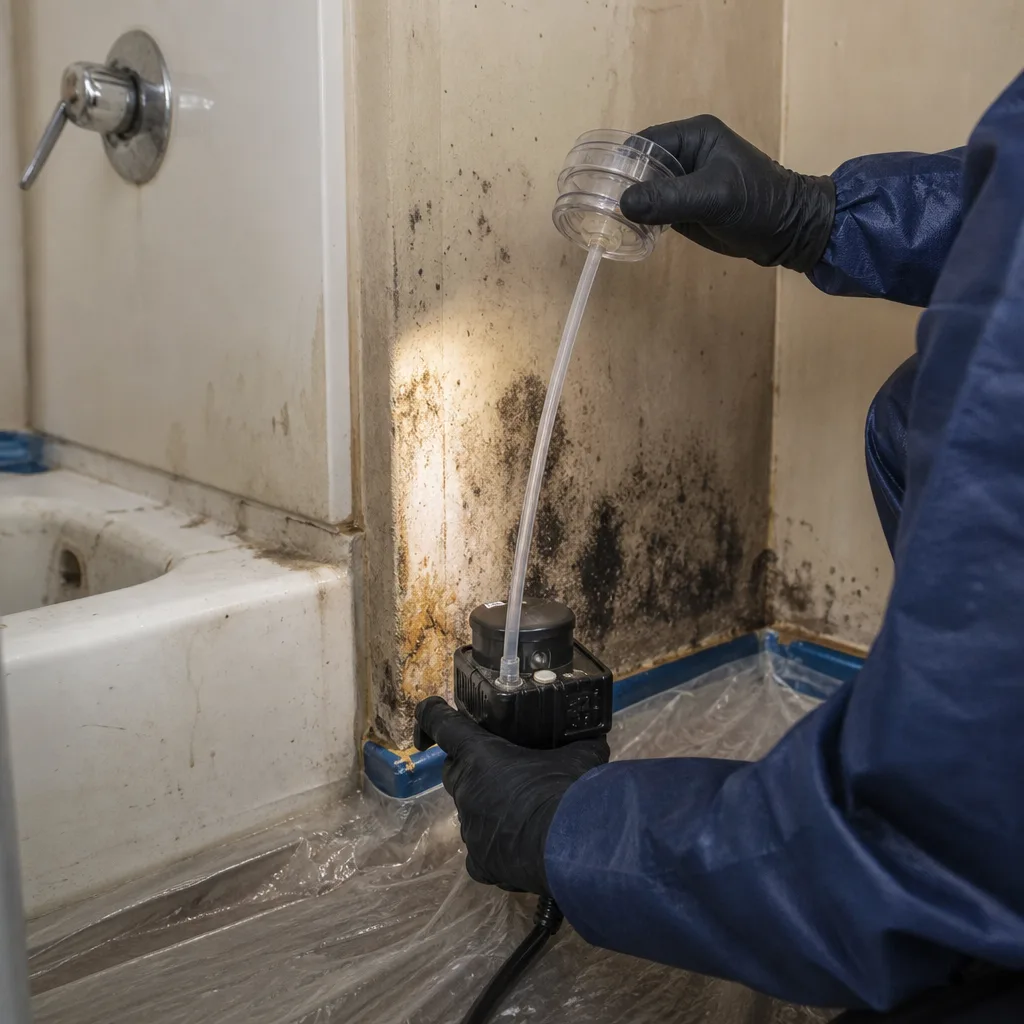
Some conditions exceed homeowner maintenance and require immediate professional assessment. Call a certified restoration contractor if you discover: active water intrusion during rainfall, indicating roof or envelope failure; moisture meter readings above 25% in any wood framing, suggesting active fungal growth conditions; visible mold growth exceeding 10 square feet, which IICRC guidelines classify as requiring professional remediation; sewage backup or Category 3 water intrusion, which poses health hazards beyond homeowner handling; or structural deformation of floors, walls, or ceilings, indicating concealed water damage.
Documentation remains critical even in emergency response. Photograph conditions before any disturbance. Request that your restoration contractor provide daily drying logs, room-by-room moisture readings, and a photo record on every visit - the same documentation standard we apply to every Fire & Smoke Damage Restoration in Federal Way and water damage job.
DryMark Restoration Federal Way offers free estimates in Federal Way. Call (253) 322-4873 to schedule assessment, or bring any competitor’s written estimate for a free second opinion review.
Frequently Asked Questions
Professional moisture mapping and documentation for a typical Federal Way home ranges from $350 to $800, depending on crawl space accessibility and the number of affected areas. This produces a written scope, photo record, and moisture log that satisfies IICRC documentation standards and supports insurance claim filing. Call (253) 322-4873 for an exact quote - estimates are free.
Maybe, but the burden shifts to you. Washington insurers can deny claims for “long-term seepage” or “lack of maintenance” without documentation to rebut those classifications. Maintenance records don’t guarantee coverage, but their absence significantly increases denial risk. We’ve seen identical losses covered and denied based solely on documentation quality.
DryMark Restoration Federal Way maintains live phone coverage 24 hours a day, 7 days a week with no voicemail on emergency lines. Dispatch for active water intrusion typically occurs within 90 minutes during business hours and 2 hours overnight in the Federal Way area. Speed matters for mitigation - the first 24-48 hours determine whether drying succeeds or demolition becomes necessary.
It depends on water category and material saturation. Category 1 clean water on hard surfaces may require only extraction and drying. Category 2 or 3 water, or any saturation of porous materials like drywall or insulation, requires removal and replacement per IICRC standards. A professional assessment with moisture meter verification determines the actual scope - visual inspection alone is unreliable.
Below 60% relative humidity. In Federal Way’s climate, readings above this threshold activate vapor pressure differentials that drive moisture into floor framing. During the wet season, sustained readings above 65% RH typically require mechanical dehumidification or vent sealing. Document your readings quarterly.
You can, but you’re not required to. A documentation-first restoration contractor handles adjuster coordination as part of standard service. At DryMark Restoration Federal Way, we provide direct adjuster coordination, photo-documented assessments, and written scopes before work begins - the documentation that turns restoration invoices into payable claims. Call (253) 322-4873 to discuss your specific situation.
The Bottom Line
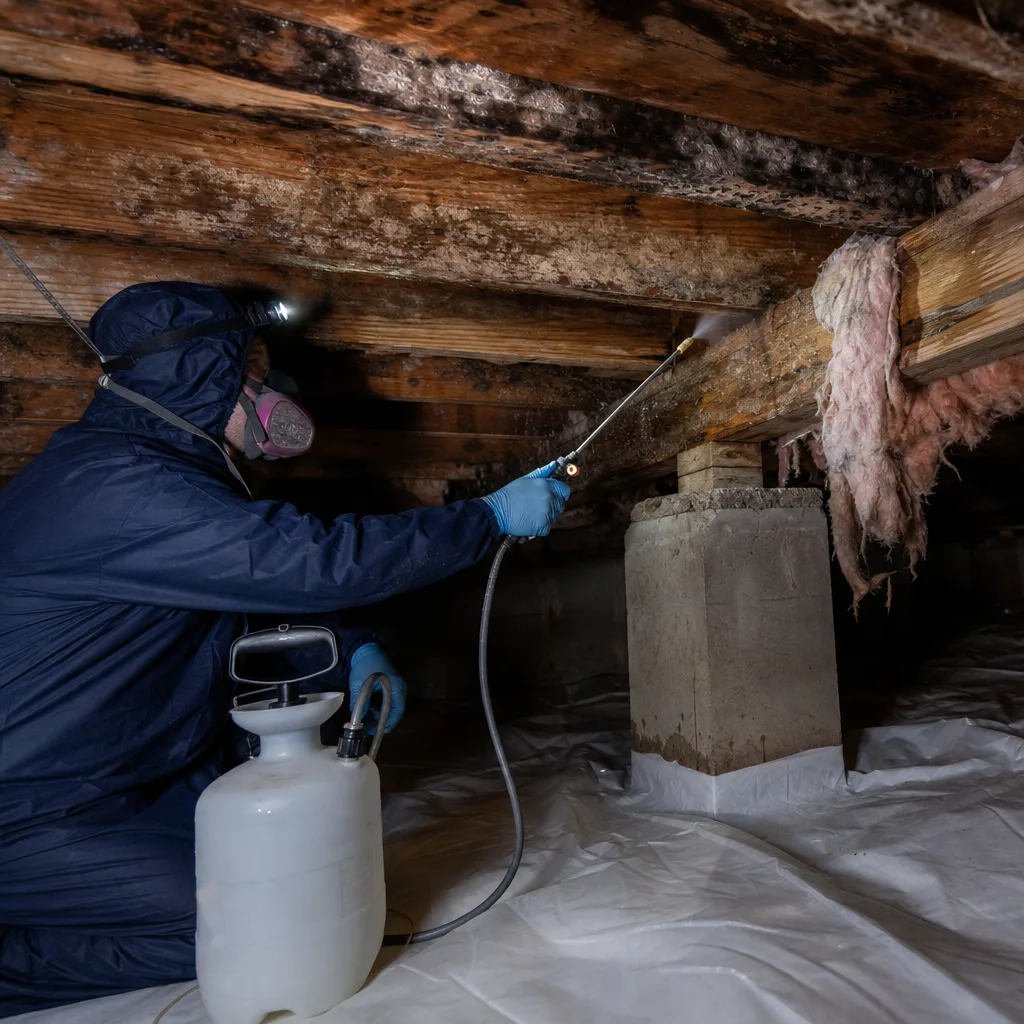
A water damage maintenance checklist protects Federal Way homeowners only when it produces evidence. The quarterly and annual tasks above, tied to the October wet season onset and documented with timestamps, meter readings, and professional reports, create a record that withstands insurer scrutiny. The measurable thresholds - 60% RH, 19% MC, 80 PSI - give your documentation the specificity that adjusters recognize. The photo log system structures that evidence for clarity. And the coverage clause awareness ensures you’re maintaining the specific systems your policy requires. Maintenance without documentation is indistinguishable from neglect after a loss occurs.
Written by Alicia Brennan, Owner at DryMark Restoration Federal Way, serving Federal Way since 2011.