
Last updated September 23, 2026
Free visual inspection and a written scope of work before any mitigation begins - photos, moisture readings, and drying logs go in your claim file
The scope we write is the scope we bill. Anything new gets shown to you, in writing, before we touch it.
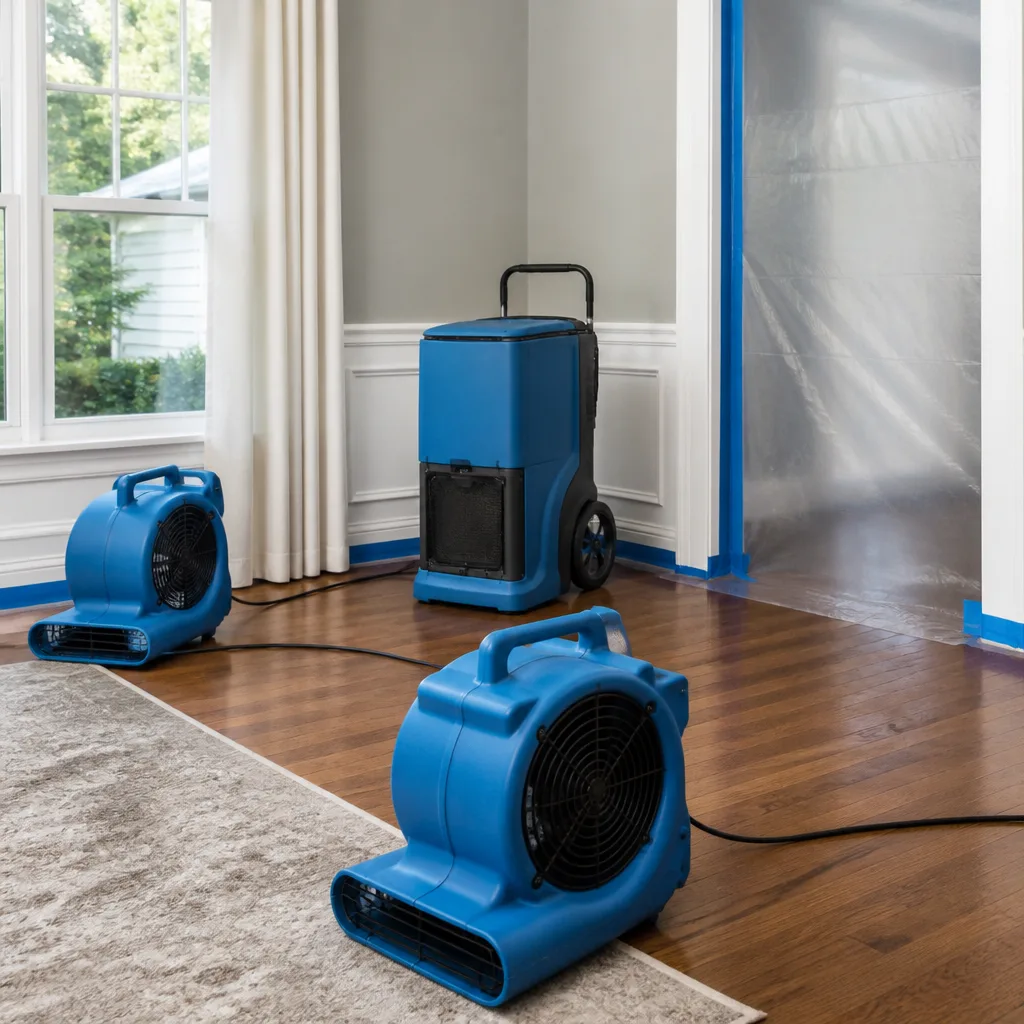

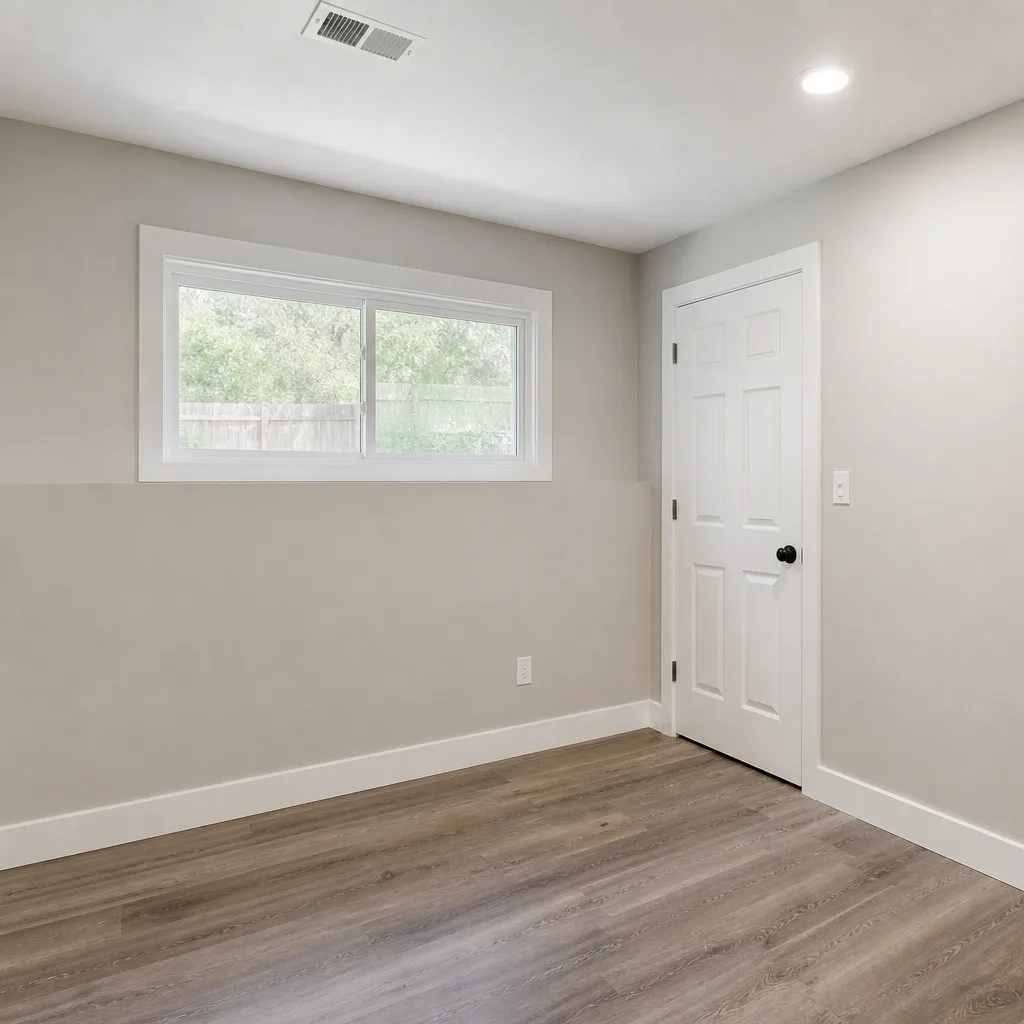

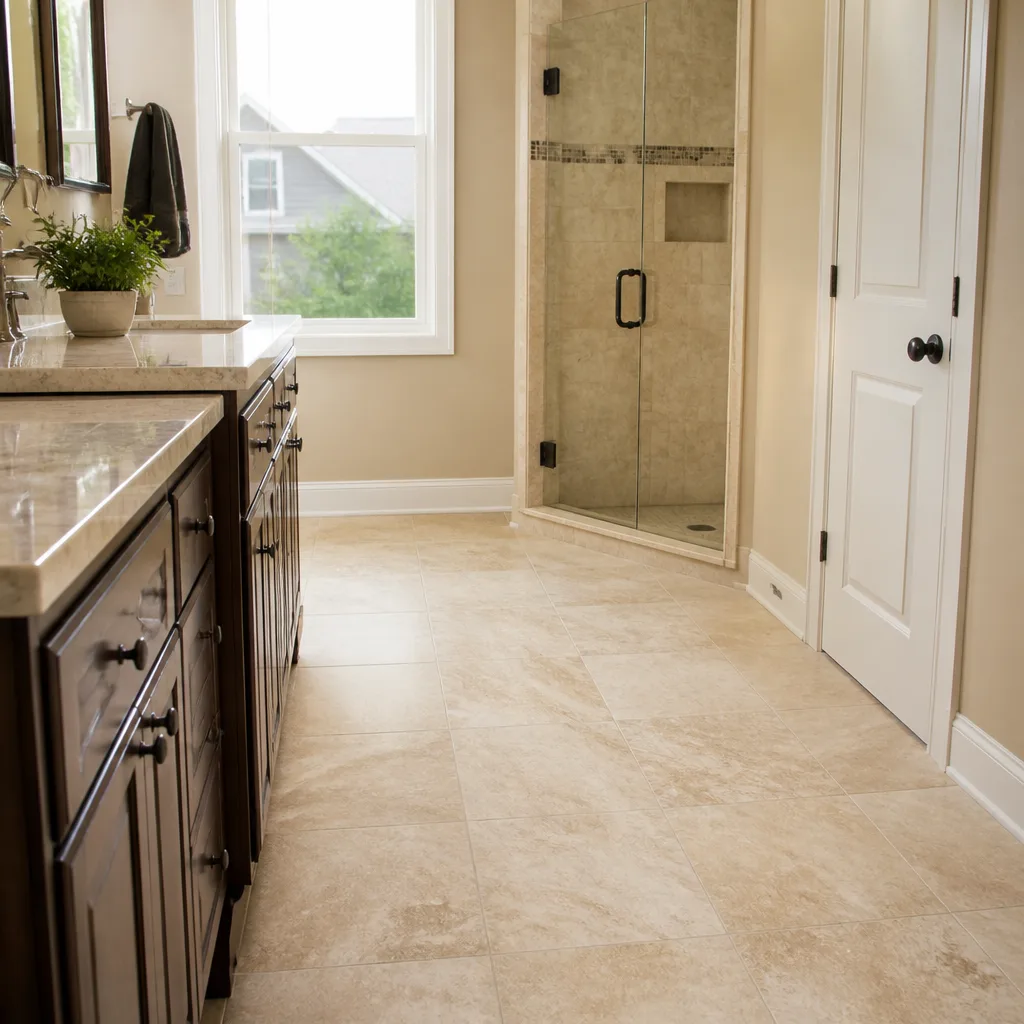

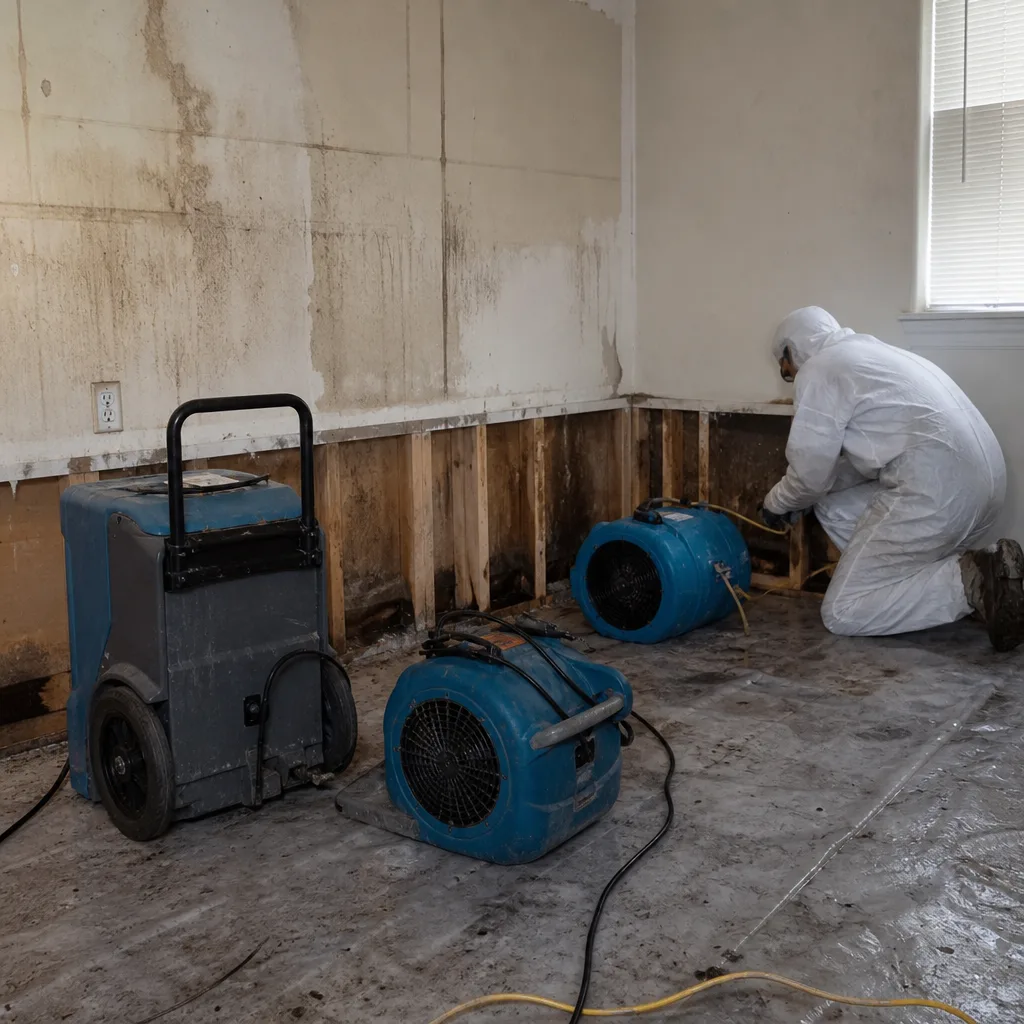 Before
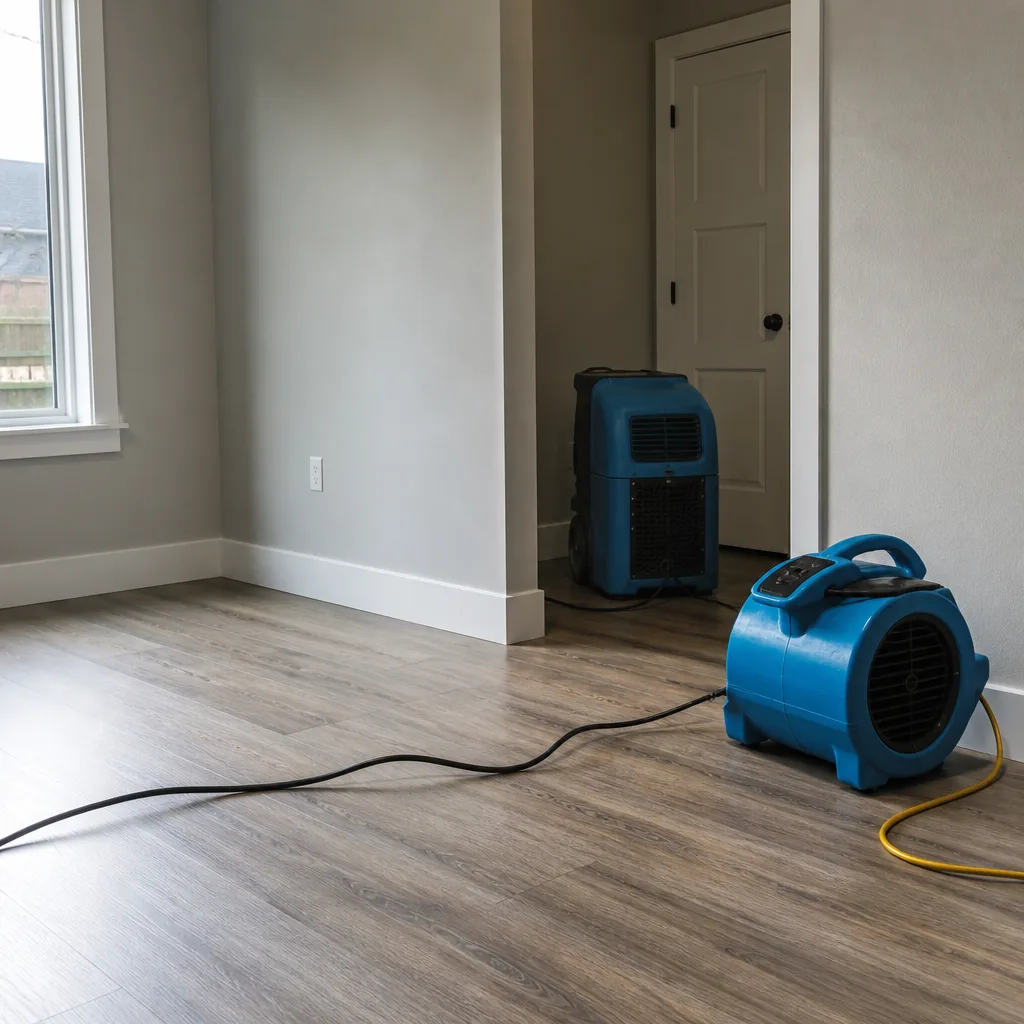 After
After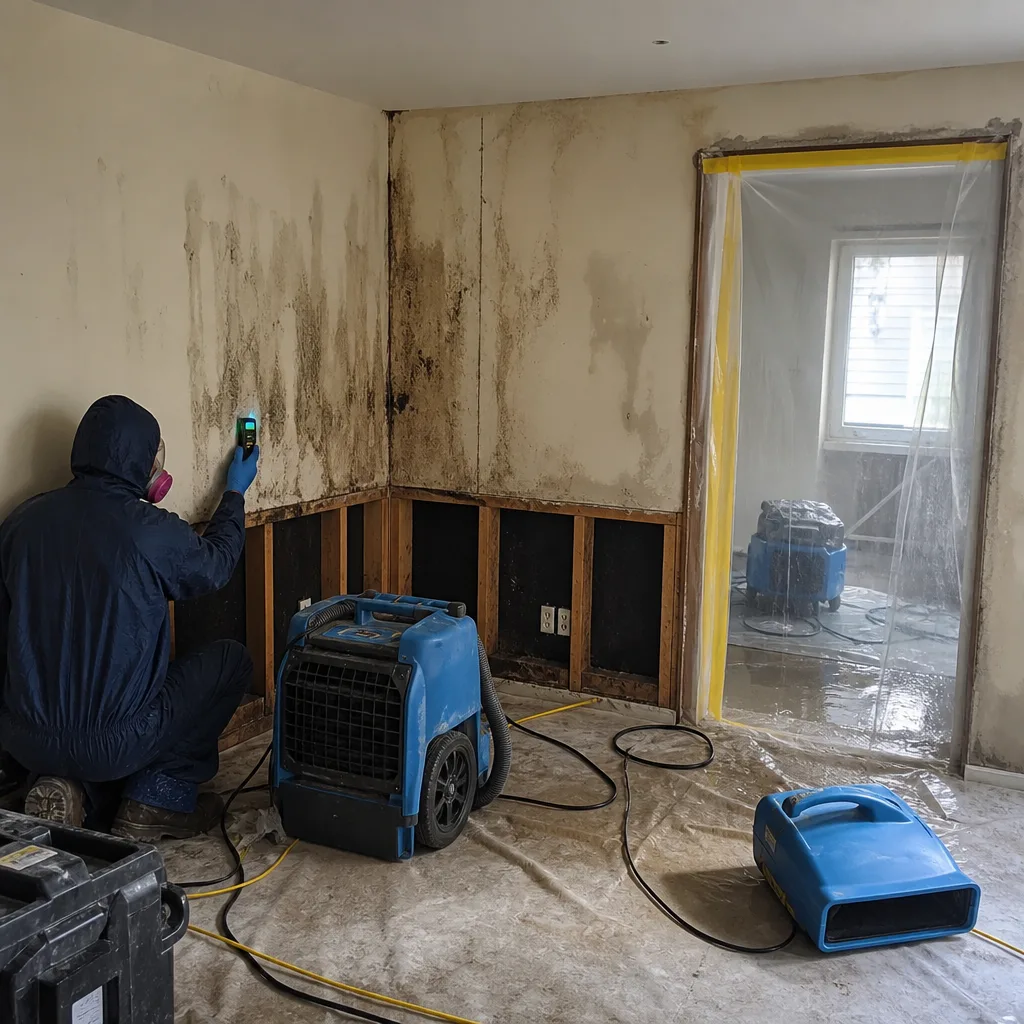 Before
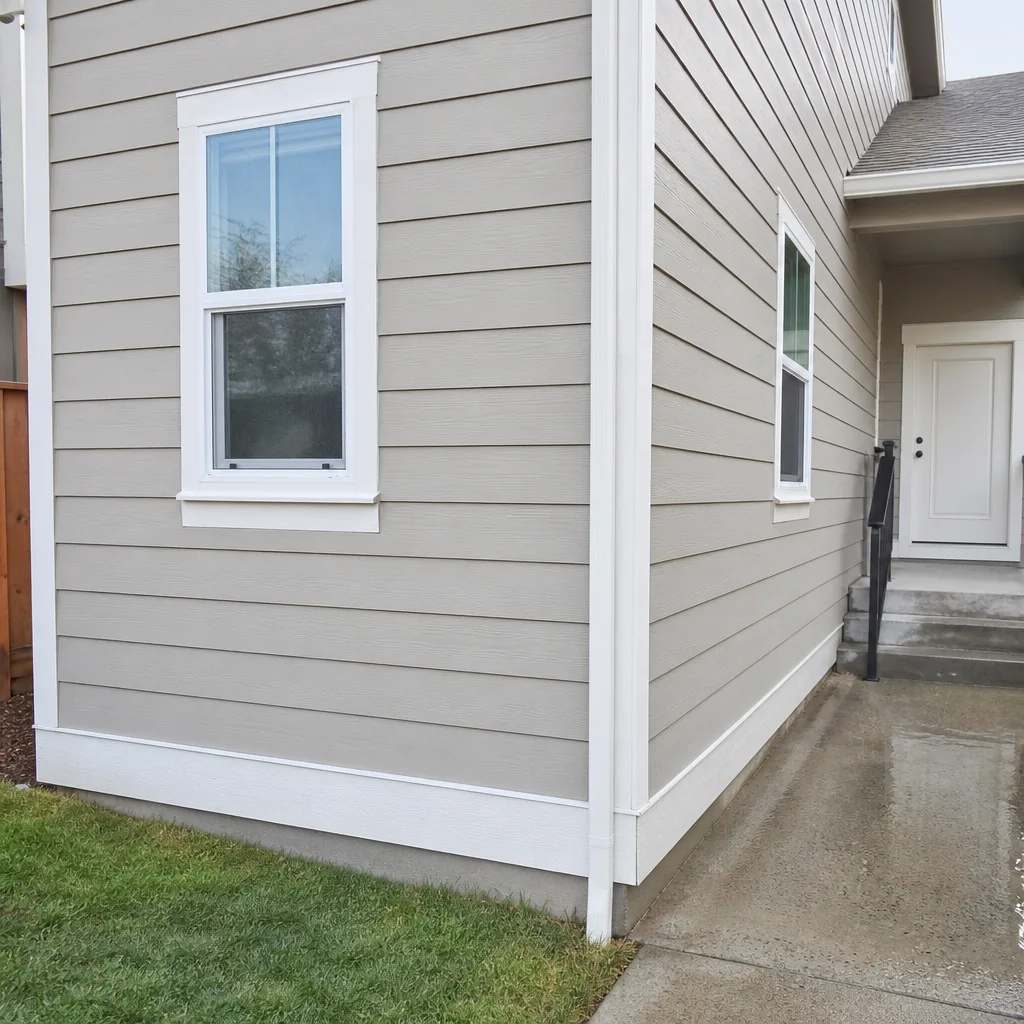 After
After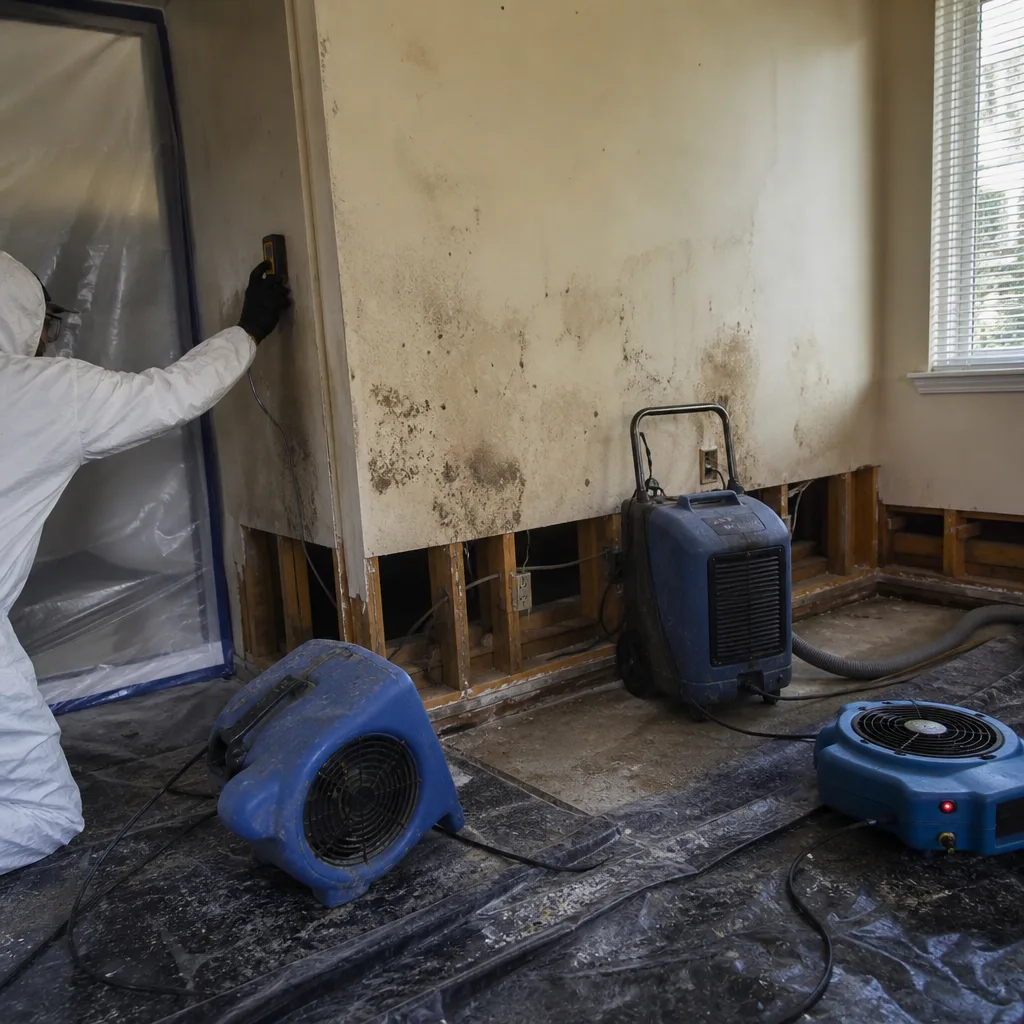 Before
 After
AfterSeasonal Damage Restoration Care for Federal Way: Year-Round Homeowner’s Guide
Federal Way averages 37 inches of rain annually, but 60% of it falls between October and February - meaning a homeowner who waits until the first storm to inspect their drainage has already missed the preparation window. In our experience restoring homes across Federal Way since 2011, the most expensive claims we see aren’t from the storms themselves. They’re from damage that started in one season and wasn’t caught until the next, when rot, mold, or structural compromise had already set in. This guide assigns specific, measurable actions to each season so you can document your home’s condition year-round and protect yourself against the “long-term neglect” denials that insurers use to reject legitimate sudden-loss claims.
Quick Answer
Seasonal damage restoration care in Federal Way means preparing your home’s drainage and envelope before the October-to-February wet season, documenting moisture baselines and post-storm conditions for insurance timelines, managing summer crawl space humidity that exceeds 70% RH without visible signs, and conducting spring inspections for slow damage like roof granule loss and soffit paint bubbling before they become Category 2 water claims. For a deeper look at year-round protection, see our Complete Guide to Damage Restoration in Federal Way. The homeowners who recover fastest from storm damage are the ones who measured and photographed their home’s condition before the loss occurred.
Table of Contents
- September Preparation: The Critical Pre-Wet-Season Inspection
- Winter Storm Response: What to Measure and Record
- Spring Post-Season Inspection: Finding Slow Damage Before It Spreads
- Summer Crawl Space and Attic Humidity Management
- How Seasonal Documentation Protects Your Insurance Claim
- Federal Way-Specific Risks: Terrain, Drainage, and Microclimates
- Professional Drying Standards and Equipment Documentation
- Your Year-Round Maintenance Schedule
 Before
 After
AfterSeptember Preparation: The Critical Pre-Wet-Season Inspection
The third week of September is the last reliable window before Pacific moisture systems begin stacking off the Washington coast. By October 15, Federal Way typically sees its first sustained rainfall, and the homeowners who call us in November with flooded crawl spaces are almost always the ones who skipped this inspection.
Here’s what we measure and document on every pre-season assessment we perform, and what you can replicate yourself:
- Downspout extension test. Every downspout must discharge at least 6 feet from the foundation. In Federal Way’s hilly neighborhoods near Dash Point and the West Hill, we regularly see extensions that worked in summer become overwhelmed once fall debris accumulates. Run a hose at each downspout for 10 minutes. Photograph where the water goes. If it pools within 4 feet of the foundation, mark it for correction.
- Crawl space vapor barrier integrity check. Federal Way’s clay-heavy soils hold moisture through dry spells and release it when rains return. A 6-mil polyethylene vapor barrier with seams overlapped 12 inches and sealed with mastic is the minimum standard we document to IICRC S500. Lift corners in three locations. Photograph any tears, displacement, or standing water beneath the plastic. Note the date - this establishes your pre-season baseline.
- Sump pump float test with documented moisture reading. Pour 5 gallons of water into the sump pit until the float activates. Time how long until the pit empties. More importantly, take a moisture reading of the rim joist and subfloor above with a pinless moisture meter. In Federal Way crawl spaces, we expect 12-15% wood moisture content (MC) in September. Readings above 18% indicate either a failing perimeter drain or a groundwater intrusion path that will worsen dramatically once the rains arrive. Record the MC, the location, and the date.
- Roof and gutter debris removal with shingle inspection. Federal Way’s Douglas fir and western red cedar shed needles and cones that compact in gutters and create overflow paths behind fascia boards. We document this with photos because it’s the most common source of “mystery” wall cavity moisture we find in February. While clearing, examine shingle edges for lifting or granule loss - early indicators of wind-driven rain penetration.
- Window and door seal inspection. The south-facing exposures in Federal Way’s Enchanted Parkway corridor take sustained UV degradation that cracks caulk and weatherstripping. Open each window, inspect the sill pan for staining, and run your hand along the interior trim for cold drafts that indicate seal failure.
Store these photos and readings in a dated folder. If a November storm causes damage, this September documentation becomes your proof that the condition was maintained, not neglected.
Winter Storm Response: What to Measure and Record
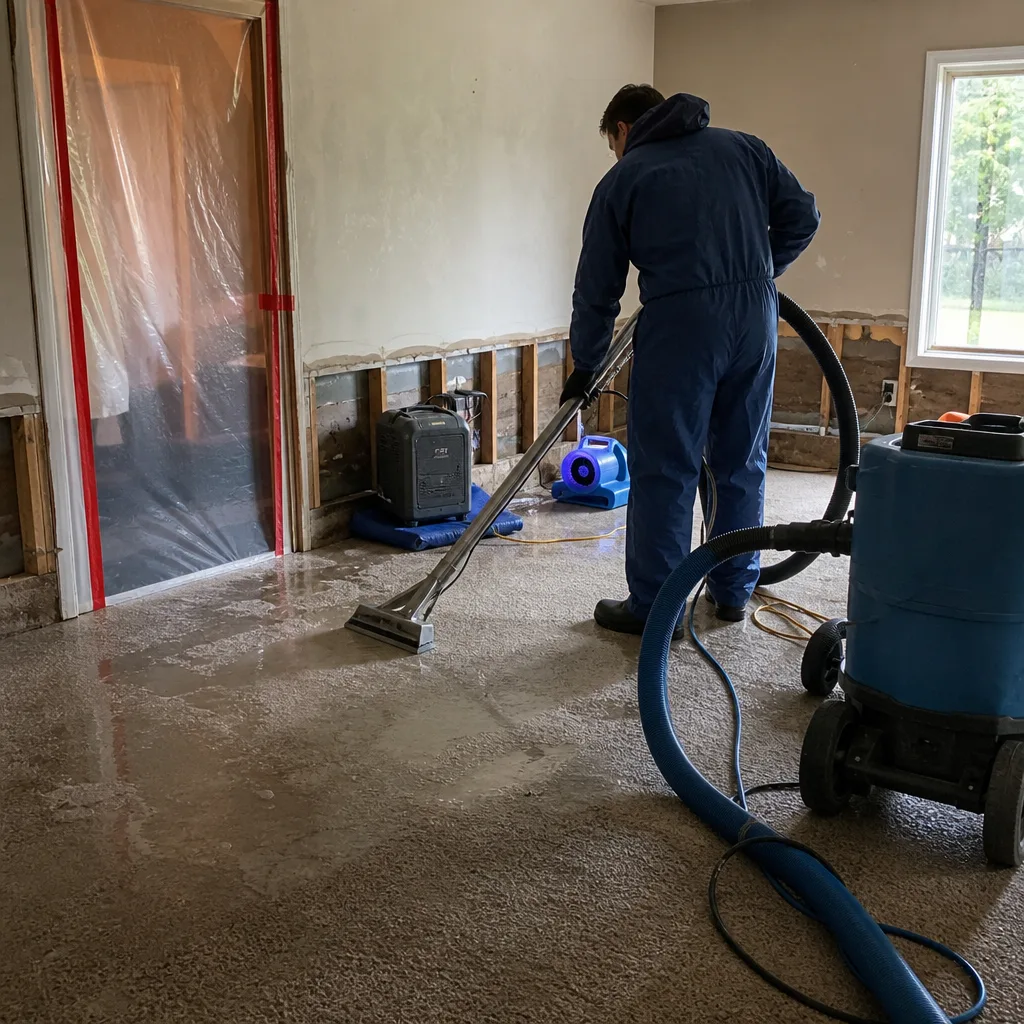
When a major storm hits Federal Way - typically a Water Damage Restoration in Federal Way event - the homeowners who recover fastest are the ones who know what to document in the first 24 hours. Insurance adjusters are trained to look for evidence of pre-existing damage. Your job in the immediate aftermath is to establish the exact date of loss onset and the initial scope of affected materials.
Here’s what we teach Federal Way homeowners to record:
- Photograph standing water with a timestamp. Use your phone’s location services. Capture the water line on walls, the depth in crawl spaces or basements, and the source point if visible (failed sump, overwhelmed window well, ice dam runoff).
- Measure and record moisture content of affected structural materials. Pinless moisture meters cost $50-80 and are worth owning in Federal Way. Document drywall at 2 feet and 4 feet from the floor, subfloor at the perimeter of the water line, and rim joists. Readings above 16% drywall MC or 20% wood MC indicate saturation requiring professional drying.
- Inventory affected contents with photos before moving anything. Insurance claims for “mysteriously missing” personal property spike after water damage. Photograph each room’s contents in place, then again after relocation. This takes 20 minutes and saves weeks of claim disputes.
- Note weather conditions and any visible failure point. “Sump pump failed at 11 PM during 2-inch-per-hour rainfall on December 3” is a defensible claim origin. “Water in basement” is not.
- Contact your insurer within 24 hours, then call for professional assessment. Federal Way’s topography means groundwater responds unevenly - homes near the BPA Trail may see delayed flooding 48 hours after rainfall as hillside drainage channels overload. A professional moisture assessment with psychrometric data (temperature, relative humidity, vapor pressure differential) documents whether drying is achievable in place or if material removal is necessary.
Psychrometric data, for the homeowner unfamiliar with the term, is simply the measurement of how much moisture air can hold at a given temperature - the math that determines whether your dehumidifier is actually drying the structure or just recirculating wet air. We document this daily on every job using Dri-Eaz and Phoenix equipment, producing the drying logs that turn restoration invoices into payable claims.
One critical distinction: speed language belongs on mitigation. If you have active water intrusion, call immediately - our live phone coverage answers 24 hours a day, 7 days a week with no voicemail on emergency lines. But reconstruction, the rebuild phase, is scoped, scheduled, and priced in writing before work begins, like any remodel. Haven Standard, Clause 1: written price before work starts, every time, with no exceptions.
Spring Post-Season Inspection: Finding Slow Damage Before It Spreads
By April, Federal Way’s wet season has typically delivered 22-24 inches of rain. The damage that matters now isn’t the flooding you saw - it’s the damage you didn’t. Spring inspections target slow, hidden deterioration that accumulates across multiple seasons and becomes the basis for insurer “long-term neglect” denials when it finally manifests.
We perform these inspections across Federal Way neighborhoods from Twin Lakes to Marine Hills, and the pattern is consistent: the worst mold and rot claims in July started as minor envelope failures the previous winter.
Your spring checklist:
- Roof granule loss in gutters. Asphalt shingles shed granules as they age, but accelerated loss indicates hail impact or wind scouring that has compromised the waterproofing layer. Empty your gutters into a white bucket and examine the debris. A handful of granules is normal; a cup or more suggests shingle damage requiring closer inspection. Photograph the accumulation.
- Paint bubbling on soffits and fascia. This is the signature of winter ice dam or gutter overflow that has wicked into the roof edge. In Federal Way’s older homes near the original downtown core, we see this frequently on north-facing exposures where snow lingers. Probe gently with a screwdriver - soft wood indicates active rot. Document with photos and moisture readings.
- Crawl space post-season assessment. Return to your September moisture reading locations. Has MC increased? Is the vapor barrier displaced by winter groundwater? In our experience, Federal Way crawl spaces that tested at 15% MC in September and 22% MC in April have active perimeter drain failure or surface water intrusion that will produce mold growth once temperatures rise.
- Foundation perimeter for soil settlement and drainage reversal. Winter saturation causes soil expansion and contraction that can reverse grading toward the foundation. Walk the perimeter with a level - soil should fall away at 6 inches over 10 feet. In Federal Way’s clay soils, spring is when settlement cracks become visible.
- Window well drainage and egress. Federal Way’s code requires emergency egress windows in finished basements, but the wells accumulate debris and drain poorly. Remove covers, check for standing water or sediment, and test drains with a hose. A failed window well drain is a Category 2 water loss waiting for the first summer thunderstorm.
Category 2 water, in restoration terminology, is water with significant contamination - not sewage, but not clean either. Think groundwater with soil bacteria, or window well water with decaying organic matter. It requires more aggressive remediation than clean water and is harder to claim as “sudden” if your spring inspection shows you knew the drain was failed.
Summer Crawl Space and Attic Humidity Management
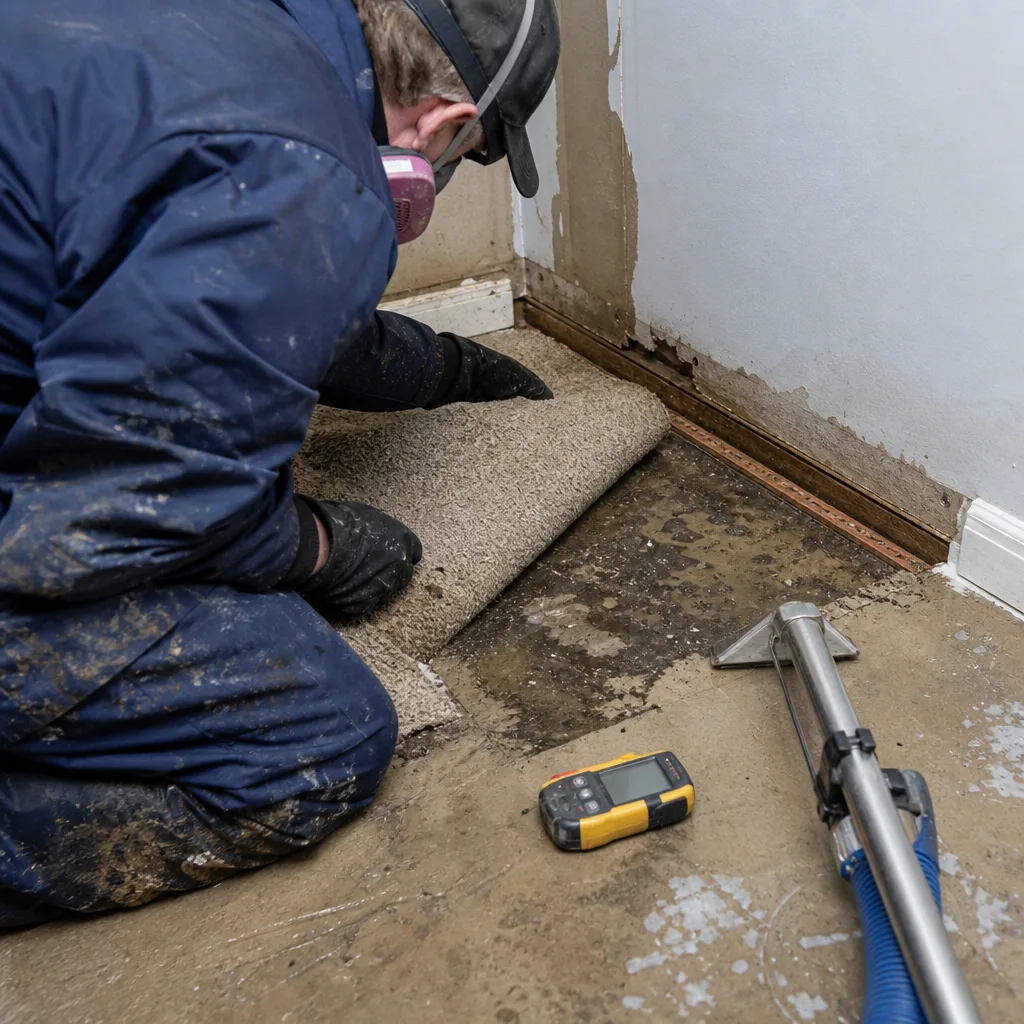
July and August in Federal Way bring an invisible threat that homeowners consistently underestimate. Vented crawl spaces in this climate, built to code standards from the 1970s through early 2000s, routinely reach 70% relative humidity (RH) or higher without any visible water intrusion. At 70% RH and 65°F, wood moisture content stabilizes around 16% - the threshold where mold spores activate on organic surfaces.
We’ve documented this in Federal Way homes from the Parkway corridor to the lakefront neighborhoods: crawl spaces that were “dry” by visual inspection but showed active mold growth on joists and subflooring because summer humidity alone sustained colonization.
Here’s what to measure and how to respond:
- Install a hygrometer and check it weekly. Digital units with remote sensors cost $25-40. Place one sensor in the crawl space center, one near the rim joist. Record readings. Federal Way’s summer average exterior RH is 65-75%, but a properly managed crawl space should stay below 60% RH.
- Understand why vented crawl spaces fail here. The Pacific Northwest summer brings warm, moist air into cool crawl spaces through foundation vents. When that air contacts 55°F concrete or soil, it drops below its dew point and condenses. You’re adding moisture, not removing it. This is why we often recommend sealed crawl spaces with conditioned air supply or dedicated dehumidification in Federal Way’s older housing stock.
- Assess your vapor barrier again. Summer is when gaps and tears become obvious - you’ll see condensation on exposed soil. If your barrier is incomplete or damaged, this is the season to repair it before fall rains return.
- Check attic ventilation balance. Federal Way’s summer sun on dark roofing can drive attic temperatures to 140°F. Without adequate exhaust ventilation (ridge vents, gable vents, or powered fans), that heat drives moisture into the conditioned space and increases cooling load. But over-ventilation without intake balance can pull conditioned air upward and create pressure differentials that draw crawl space air into living spaces. We measure this with manometers on assessments - pressure in pascals, documented to the drying log.
Tertiary drying, the phase after initial water removal and primary dehumidification, is where summer humidity management lives. It’s the long, slow reduction of bound moisture in structural materials that requires precise vapor pressure differential control - the difference between the moisture in the material and the moisture in the surrounding air. Professional-grade drying systems from Phoenix and XPOWER, documented to IICRC S500 standards, maintain this differential until materials reach their dry standard. Home dehumidifiers typically cannot.
If your crawl space reads above 70% RH for more than two consecutive weeks in summer, you have a condition that warrants professional assessment. Mold Remediation in Federal Way is significantly less disruptive when caught before colonization spreads to finished spaces above.
How Seasonal Documentation Protects Your Insurance Claim
The single most common reason we see legitimate water damage claims denied or reduced is the insurer’s assertion of “long-term neglect” or “pre-existing damage.” In Federal Way’s claims environment, where average home values and rebuild costs have risen substantially since 2015, this assertion can cost homeowners tens of thousands in uncovered repairs.
Seasonal documentation creates a timeline that makes this defense impossible to sustain. Here’s how:
| Document | What It Proves | When to Create It |
|---|---|---|
| September moisture readings with photos | Pre-season baseline; no elevated moisture before wet season | Third week of September |
| Storm event photos with timestamps | Exact date of loss onset; initial scope of damage | Within 4 hours of discovery |
| Professional moisture assessment with drying log | Scientific documentation of affected materials and drying progress | Within 24 hours of loss |
| Spring inspection photos | No concealed damage from prior season; maintenance performed | April, after wet season ends |
| Summer humidity logs | Crawl space was managed; any mold is sudden, not chronic | Weekly, June through August |
The Haven Standard requires that we provide a documented photo record on every visit as a standard deliverable, never an upsell. This isn’t marketing - it’s the documentation gap that costs homeowners their claims, and it’s why Alicia Brennan founded this company in 2011 after seeing it repeatedly as a claims adjuster.
When we arrive at a Federal Way home with active water damage, our first action is to photograph the loss in its existing condition. Then we take moisture readings of affected and adjacent materials. Then we begin water removal. This sequence matters because it produces evidence that the loss was sudden and the response immediate - the two elements that trigger coverage under standard HO-3 policies.
Homeowners who maintain their own seasonal records have an even stronger position. Your September photos of a dry crawl space with 14% MC wood readings, followed by your December 3 timestamped photos of standing water after a sump failure, create a narrative that no adjuster can credibly dispute.
Federal Way-Specific Risks: Terrain, Drainage, and Microclimates
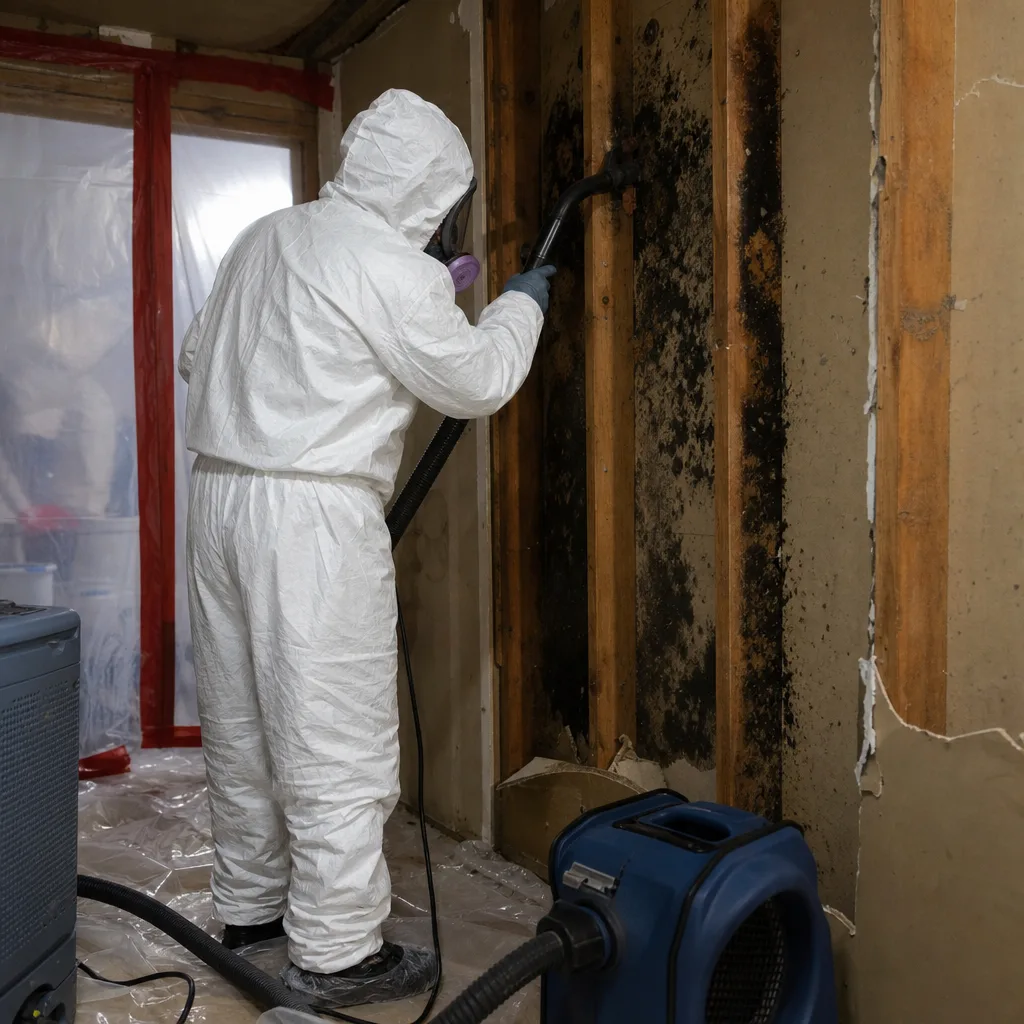
Federal Way’s geography creates damage patterns that generic advice misses. Understanding these local conditions helps target your seasonal preparation.
Hillside drainage and the West Hill. Homes above 400 feet elevation, from the Dash Point Road corridor west to the city limits, sit on slopes that concentrate surface water during intense rainfall. We’ve restored homes where the damage source was a neighbor’s uphill drainage that overwhelmed a shared swale. If you live on or below a slope, walk the uphill properties in September - document any new hardscaping, filled areas, or altered drainage that could redirect water toward your foundation.
The BPA Trail corridor and delayed flooding. The former railroad grade that runs through central Federal Way creates a subtle drainage divide. Homes east of the trail, particularly in the Celebration Park area, can experience basement flooding 24-48 hours after rainfall as subsurface water moves laterally through the glacial till that underlies this area. If you’re in this zone, your sump pump working during the storm doesn’t mean you’re clear - check again at 48 hours.
Marine influence and wind-driven rain. Federal Way’s proximity to Puget Sound means winter storms arrive with sustained south-southwest winds that drive rain horizontally into wall assemblies. Homes with west and southwest exposures, particularly those built before 1990 with single-layer housewrap or felt paper, are vulnerable to water intrusion that doesn’t appear until interior finishes are damaged. We find this regularly in the Marine Hills and Redondo neighborhoods.
Soil composition and foundation behavior. Federal Way’s soils are predominantly Alderwood gravelly sandy loam and Everett silt loam - both prone to expansion when saturated and shrinkage when dry. This seasonal cycling stresses foundation walls and can crack basement slabs, creating new water intrusion paths each year. Spring is when these cracks are most visible, after winter expansion and before summer shrinkage begins.
Tree canopy and gutter maintenance cycles. Federal Way’s mature Douglas fir and bigleaf maple canopy sheds debris on a different schedule than deciduous trees alone. Fir needles fall year-round, with peak shedding in late summer. Maples drop samaras in spring and leaves in fall. This means gutters need cleaning at least three times annually, not the twice-yearly schedule that suffices in less forested areas.
Professional Drying Standards and Equipment Documentation
When damage exceeds what a homeowner can manage, the quality of professional response determines whether the restoration invoice becomes a payable claim or a months-long dispute. In Federal Way, we document every job to IICRC S500 (water damage), S520 (mold), and RIA standards, using equipment from Dri-Eaz, Phoenix, XPOWER, and Injectidry that produces the daily moisture logs insurers expect.
What this means in practical terms:
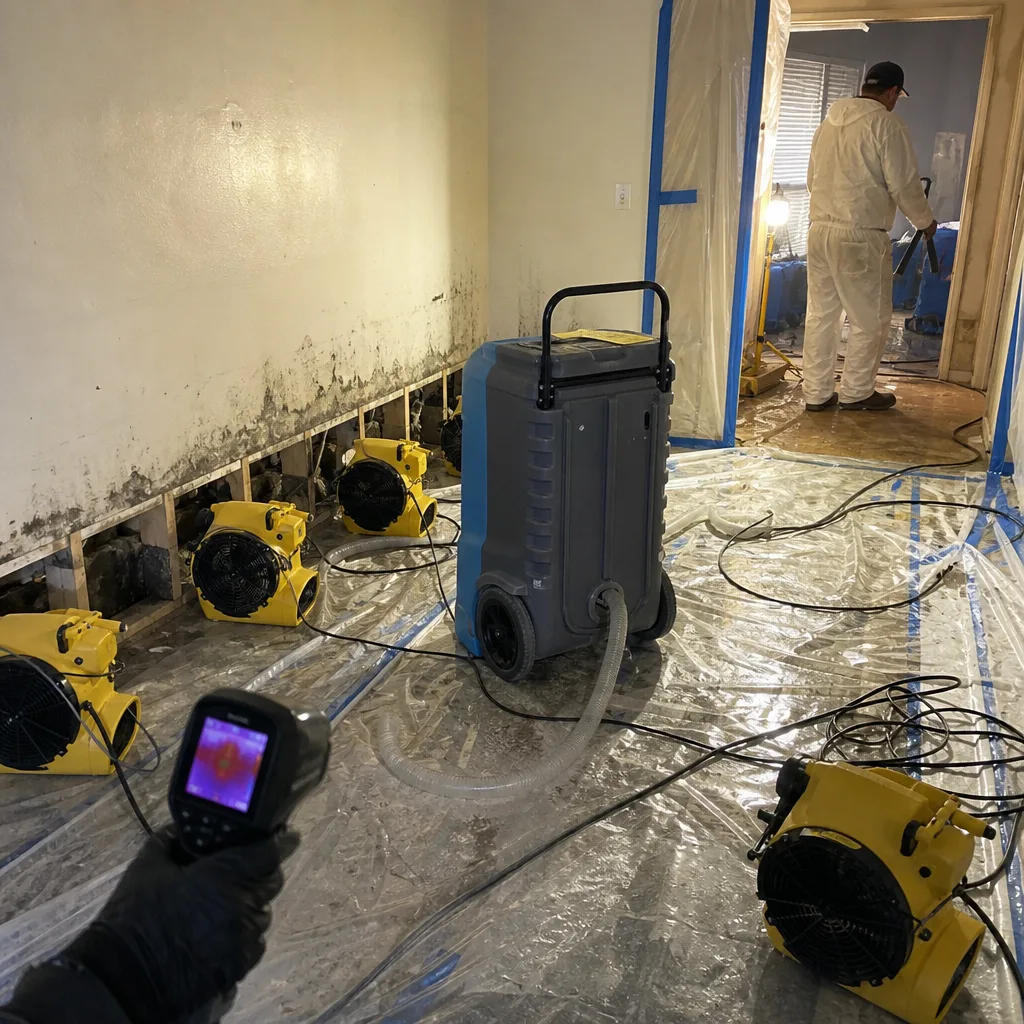
- Low-grain refrigerant dehumidifiers (Dri-Eaz LGR 7000XLi, Phoenix R200) remove moisture to levels that conventional dehumidifiers cannot achieve, reaching specific humidity levels below 40 grains per pound - the threshold for effective structural drying.
- Air movers (XPOWER P-230AT, B-Air Grizzly) create controlled airflow across wet surfaces, accelerating evaporation without forcing moisture into unaffected materials. Placement is calculated by square footage and material type, not guesswork.
- Injectidry systems deliver heated, dehumidified air into wall cavities and subfloor spaces through small access points, enabling in-place drying of hardwood floors and plaster that would otherwise require demolition.
- Thermal imaging identifies moisture migration paths invisible to visual inspection, documenting the full extent of affected materials before drying begins.
Every day of professional drying produces a log: temperature, relative humidity, specific humidity, vapor pressure, and moisture content readings at multiple points. This is the documentation that transforms a restoration invoice from a number on a page into evidence of necessary, properly performed work.
Our DryMark Restoration Federal Way home page details our full service range, but the principle applies regardless of who you hire: if a restoration company cannot show you their daily drying logs and explain what each measurement means, you are not receiving documented service. You’re receiving a promise.
Your Year-Round Maintenance Schedule
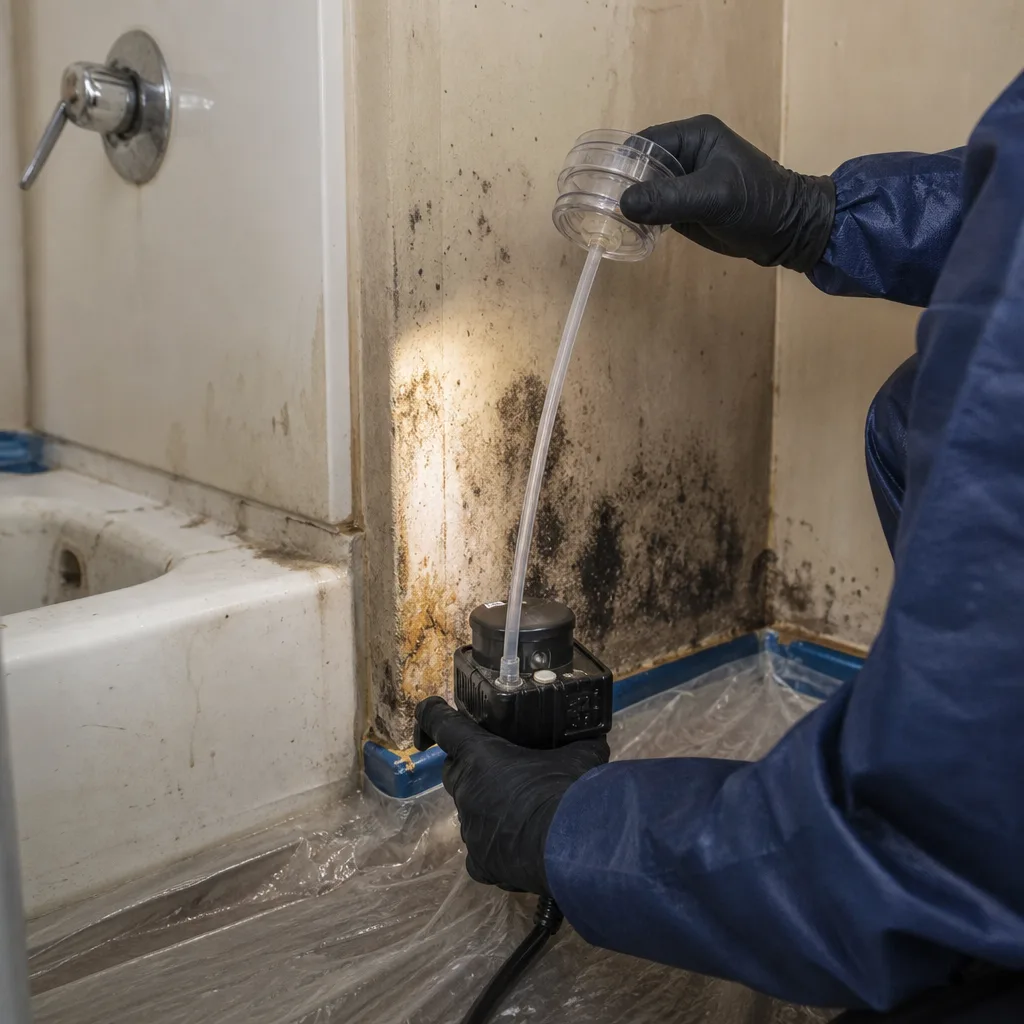
Here’s a consolidated calendar based on our 12,000+ restorations since 2011, adapted specifically for Federal Way’s climate pattern:
| Timing | Action | What to Document |
|---|---|---|
| Third week of September | Pre-wet-season inspection: downspouts, vapor barrier, sump pump, roof, seals | Photos, moisture readings, any deficiencies noted |
| After each major storm (Nov-Feb) | Perimeter check for pooling, gutter overflow, new stains | Timestamped photos of any anomalies |
| First week of April | Spring post-season inspection: granules, soffits, crawl space, foundation, window wells | Photos, moisture readings compared to September baseline |
| Weekly, June-August | Crawl space and attic humidity monitoring | Hygrometer readings in dated log |
| Mid-August | Gutter cleaning (fir needle peak); roof shingle inspection | Photos of debris volume, any shingle damage |
| Ongoing | Professional assessment if any reading exceeds threshold | Written scope and price before any work begins |
Haven Standard, Clause 1 applies here as everywhere: a written price before work starts, every time, with no exceptions. If a contractor cannot tell you what they’ll do and what it costs before beginning, you are not receiving professional service. This is particularly important for reconstruction work - the rebuild after mitigation - which must be scoped and priced like any remodeling project, not sold under pressure while your home is disrupted.
We also offer a Free Second Opinion on any competitor’s written estimate. Bring us their scope and price, and we’ll review it at no charge. In Federal Way’s restoration market, we’ve seen estimates that omitted necessary drying steps, proposed demolition that in-place drying could avoid, or failed to document the psychrometric data that insurers require for payment. An informed homeowner is our best customer.
Common Mistakes to Avoid
- Waiting for visible water to call for help. By the time water is visible on interior finishes, it’s already migrated through wall cavities and insulation. In Federal Way’s wood-framed construction, 48 hours of concealed wetting can require removal of drywall, insulation, and potentially structural materials. Call at the first indication - musty smell, soft drywall, stained trim - not when water pools on the floor.
- Running a household dehumidifier in a flooded crawl space. Residential units typically remove 30-50 pints per day at 80°F and 60% RH. A flooded 1,500 square foot crawl space in Federal Way’s clay soil may contain 200+ gallons of bound and free moisture. Professional LGR dehumidifiers remove 130+ pints per day and are sized to the space with calculated air changes per hour. The wrong equipment wastes electricity and extends damage timeline.
- Cleaning mold with bleach and painting over it. Bleach does not penetrate porous materials to kill mold roots; it bleaches the surface and leaves viable hyphae that regrow. Painted-over mold continues to emit microbial volatile organic compounds (MVOCs) and can spread when humidity rises. Proper mold remediation requires source removal, HEPA containment, and post-remediation verification testing - documented to IICRC S520.
- Ignoring summer crawl space humidity because “there’s no water.” We’ve addressed this above, but it bears repeating: 70% RH sustained for 30 days produces mold growth on wood with no liquid water ever present. Federal Way’s summer climate creates this condition in hundreds of homes annually.
- Accepting verbal estimates or “we’ll figure it out as we go” pricing. This is how scope creep begins, and it’s how restoration bills exceed insurance coverage limits. Haven Standard, Clause 1 exists because Alicia Brennan saw this repeatedly as an adjuster - homeowners left with uncovered costs because the initial “estimate” bore no resemblance to the final invoice. A written price before work starts protects everyone.
- Failing to document pre-existing condition before a storm. The September inspection isn’t paranoid - it’s the difference between a paid claim and a denial. Insurers have access to aerial imagery, permit records, and prior claim history. Your dated photos and moisture readings are your counter-evidence.
When to Call a Professional
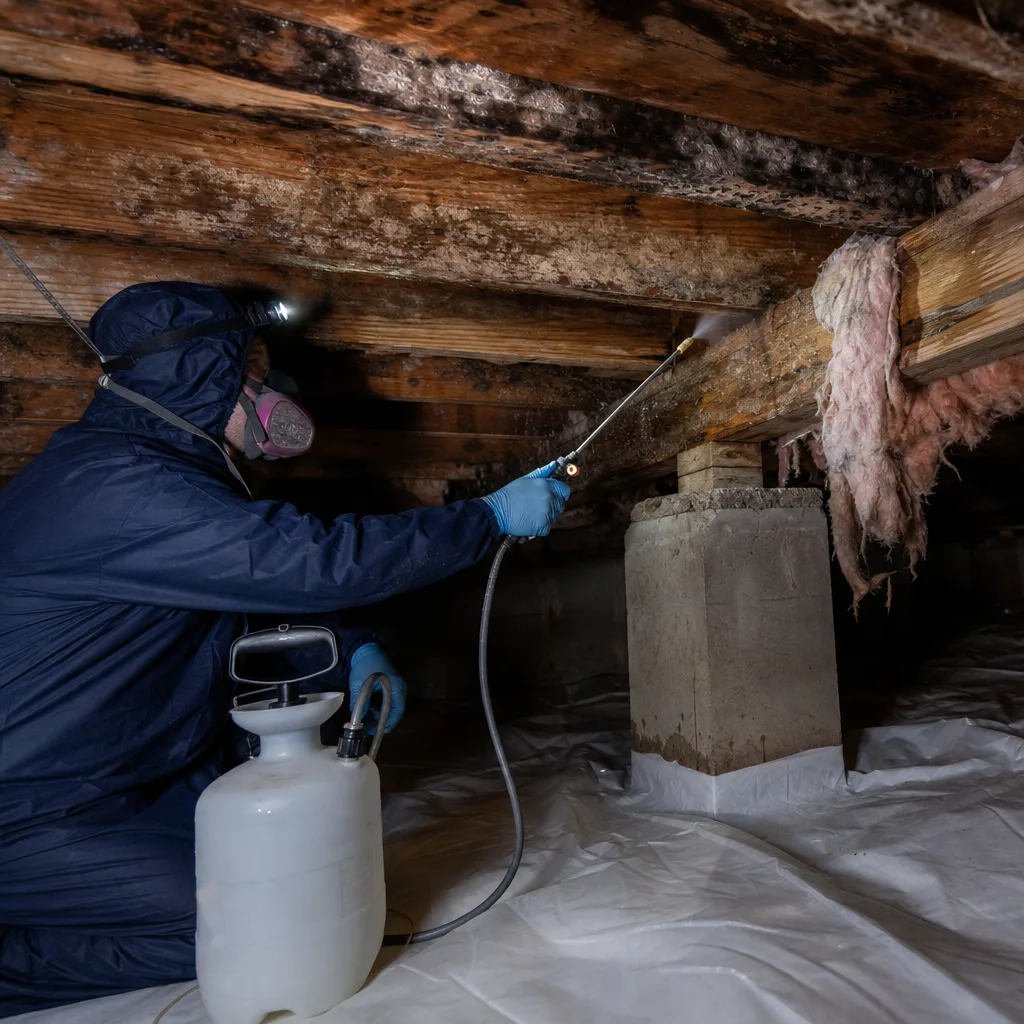
Some conditions in Federal Way homes require immediate professional assessment: standing water in crawl spaces or basements that recurs after pumping; moisture meter readings above 20% in wood structural members; visible mold growth exceeding 10 square feet; water intrusion accompanied by electrical panel proximity; or any sewage backup (Category 3 water, requiring full PPE and specialized remediation).
For Fire & Smoke Damage Restoration in Federal Way, the threshold is lower - smoke residues are acidic and cause permanent etching of surfaces within hours. But the documentation principle is identical: photograph everything before any cleaning begins, and demand a written scope and price before work starts.
DryMark Restoration Federal Way offers free estimates in Federal Way. Our live phone coverage answers 24 hours a day, 7 days a week with no voicemail on emergency lines. Every assessment includes documented moisture readings, a photo record, and a written price before any work begins - Haven Standard, Clause 1. For non-emergency scheduling or to review your seasonal documentation, call (253) 322-4873.
Frequently Asked Questions
Water damage restoration in Federal Way typically ranges from $3,200 for limited Category 1 clean water drying of a single room to $18,000+ for whole-house Category 2 or 3 losses requiring material removal and reconstruction. See our Damage Restoration Cost Breakdown: The Federal Way Homeowner’s Reference for 2026 for detailed pricing factors. The critical variable is how quickly drying begins - delayed response extends the affected area and increases cost. Call (253) 322-4873 for a written estimate with exact scope and pricing - estimates are free.
Standard HO-3 policies cover sudden and accidental water damage regardless of seasonal maintenance, but insurers routinely deny or reduce claims by asserting “long-term neglect” when damage appears extensive. Your September inspection documentation isn’t required for coverage, but it eliminates the insurer’s ability to claim pre-existing damage. In our experience, documented homeowners recover 30-40% more on average than those without records. We coordinate directly with adjusters and provide the drying logs and photo records that support full payment.
For active water intrusion, our live phone coverage dispatches immediately - no voicemail trees, no next-business-day callbacks while water is still moving. Typical Federal Way response time is 45-90 minutes depending on traffic and current call volume. Reconstruction work is scheduled, not dispatched, and is always scoped and priced in writing before work begins.
Areas under 10 square feet with no HVAC involvement can sometimes be addressed by homeowners using proper PPE and EPA-registered fungicides, but Federal Way’s climate means most visible mold indicates a larger concealed colony. We offer free assessments that include moisture mapping to identify the moisture source - without eliminating the source, cleaning is temporary. For areas exceeding 10 square feet, or any mold in HVAC systems, professional remediation with containment and negative air pressure is required by IICRC S520 and is the standard insurers expect for claim payment.
We handle adjuster coordination as a standard service, not an upsell. This includes providing the documented photo record, daily drying logs with psychrometric data, material classifications, and written scope that adjusters need to approve payment. You remain the policyholder and must authorize all work, but our documentation-first approach means your claim file arrives complete rather than requiring repeated back-and-forth. This is the documentation gap that costs homeowners their claims, and it’s why we built our process around closing it.
Federal Way’s combination of clay-heavy soils, significant elevation changes, mature tree canopy, and marine-influenced wind-driven rain creates a specific risk profile. The October-February concentration of 60% of annual rainfall, combined with summer humidity that sustains mold without visible water, means damage often accumulates across seasons before manifesting. Generic maintenance schedules don’t account for these interactions - which is why this guide assigns specific, measurable actions to each season rather than offering one-size-fits-all advice.
The Bottom Line
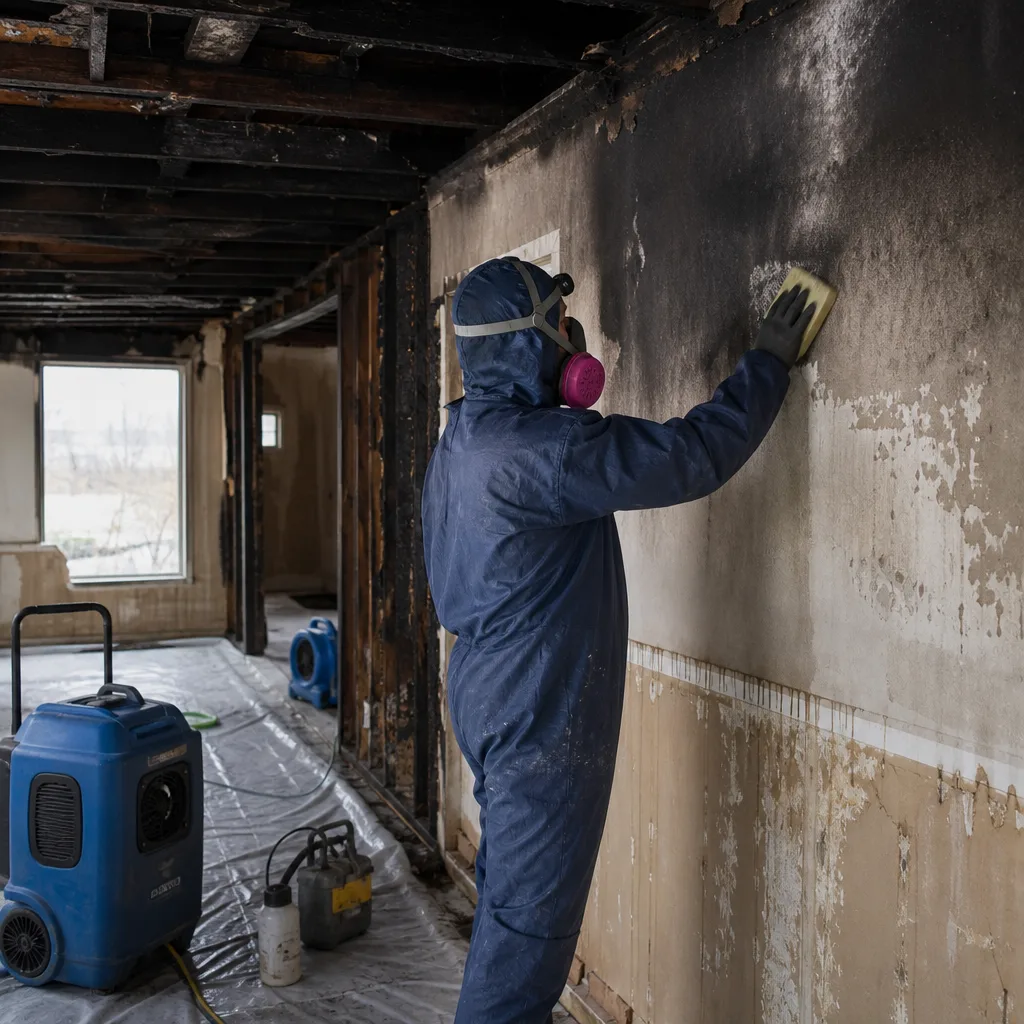
Federal Way homeowners who treat damage restoration as a year-round discipline - measuring in September, documenting through winter, inspecting in spring, and monitoring humidity through summer - recover faster, spend less, and avoid the claim denials that plague reactive homeowners. Our Water Damage Restoration Maintenance Checklist for Federal Way Homeowners provides the specific tasks for each season. The 37 inches of annual rain aren’t evenly distributed, and neither should your preparation be. Seasonal documentation isn’t paranoid; it’s the evidence that transforms a potential dispute into a straightforward claim. Start with the September inspection, maintain the records, and know that when damage does occur, a written price before work begins and a documented record when the crew leaves are your protection against both the damage and the bureaucracy that follows it.
Written by Alicia Brennan, Owner at DryMark Restoration Federal Way, serving Federal Way since 2011. Explore more guides & resources on protecting your home.