
Last updated September 23, 2026
Free visual inspection and a written scope of work before any mitigation begins - photos, moisture readings, and drying logs go in your claim file
The scope we write is the scope we bill. Anything new gets shown to you, in writing, before we touch it.
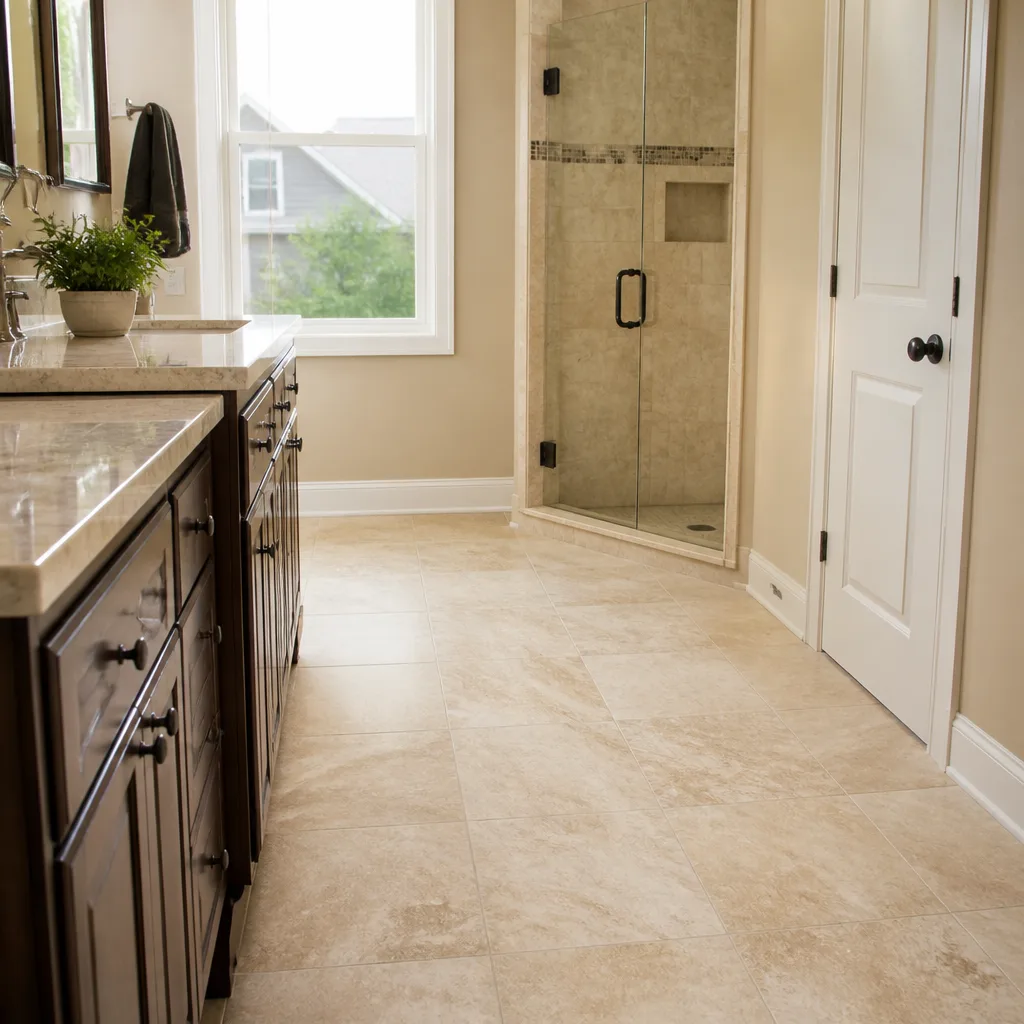
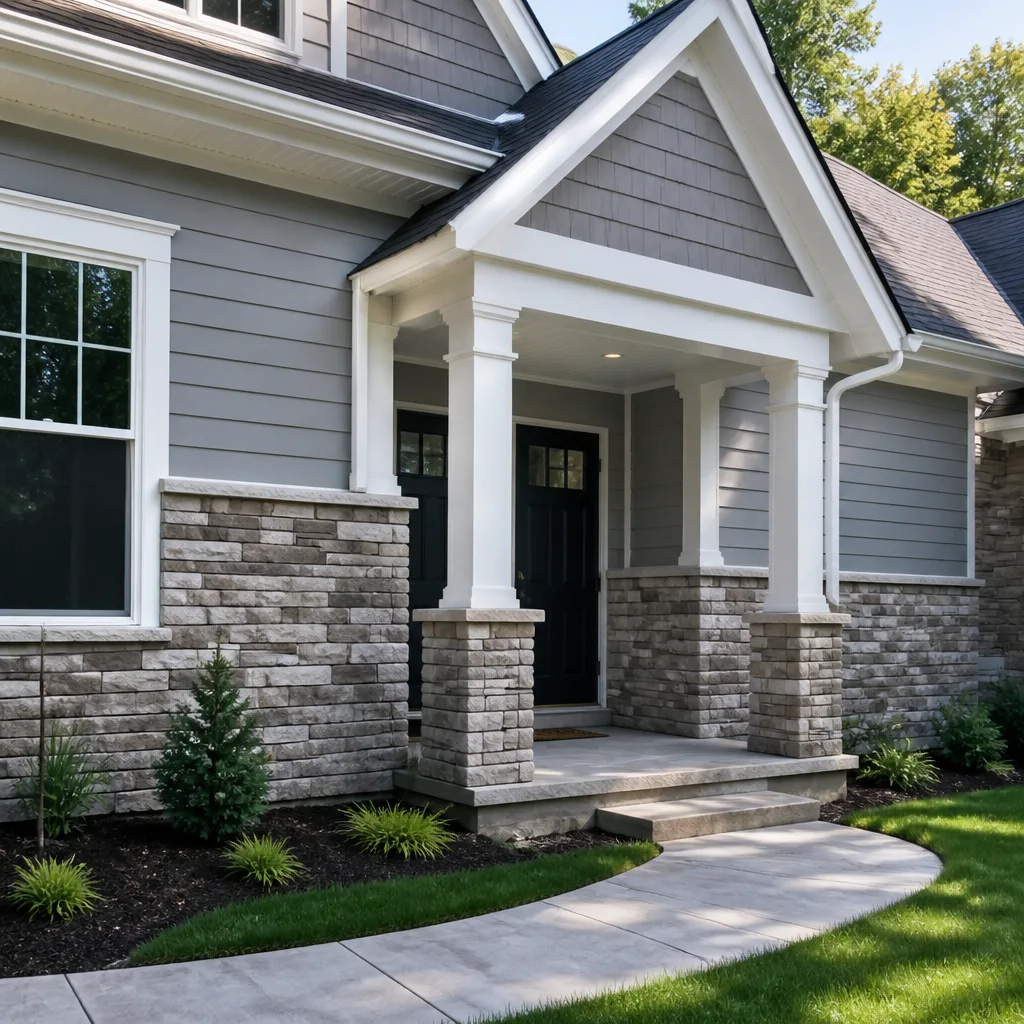
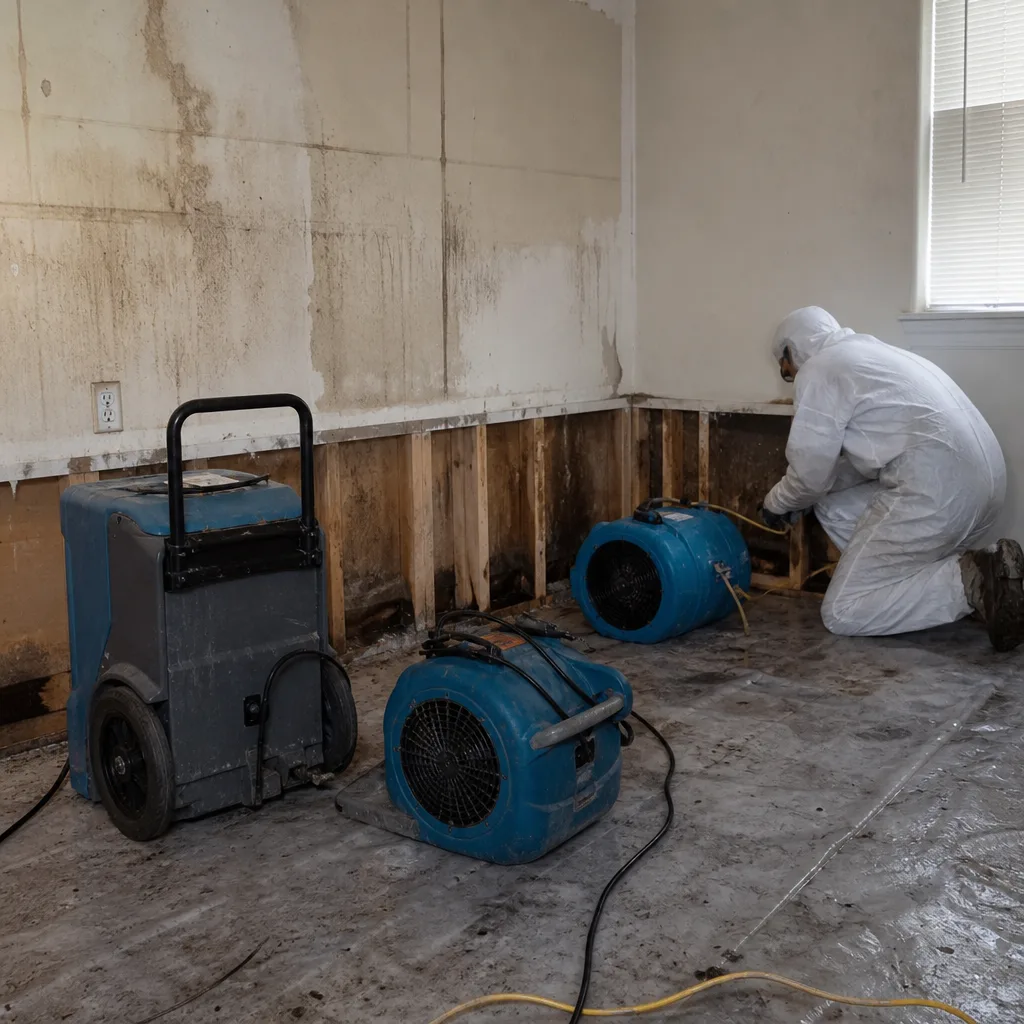 Before
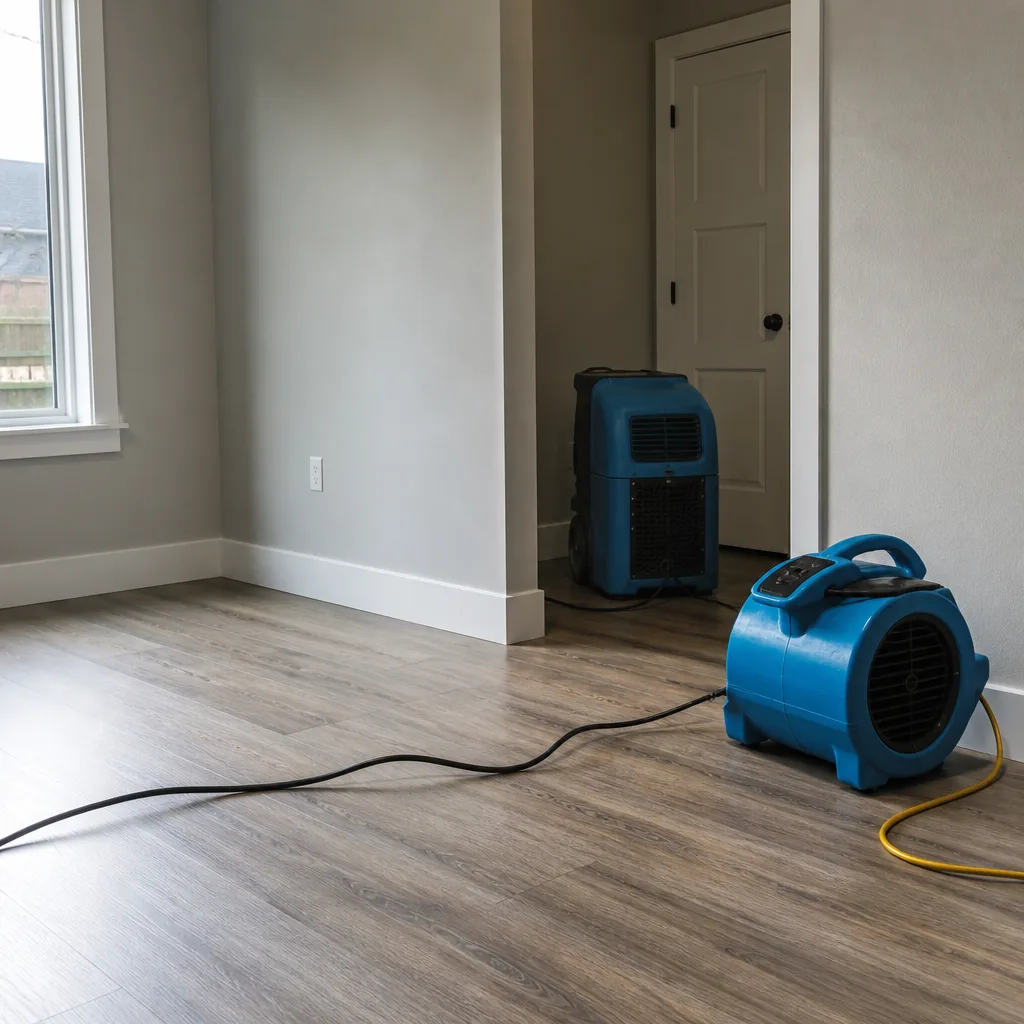 After
After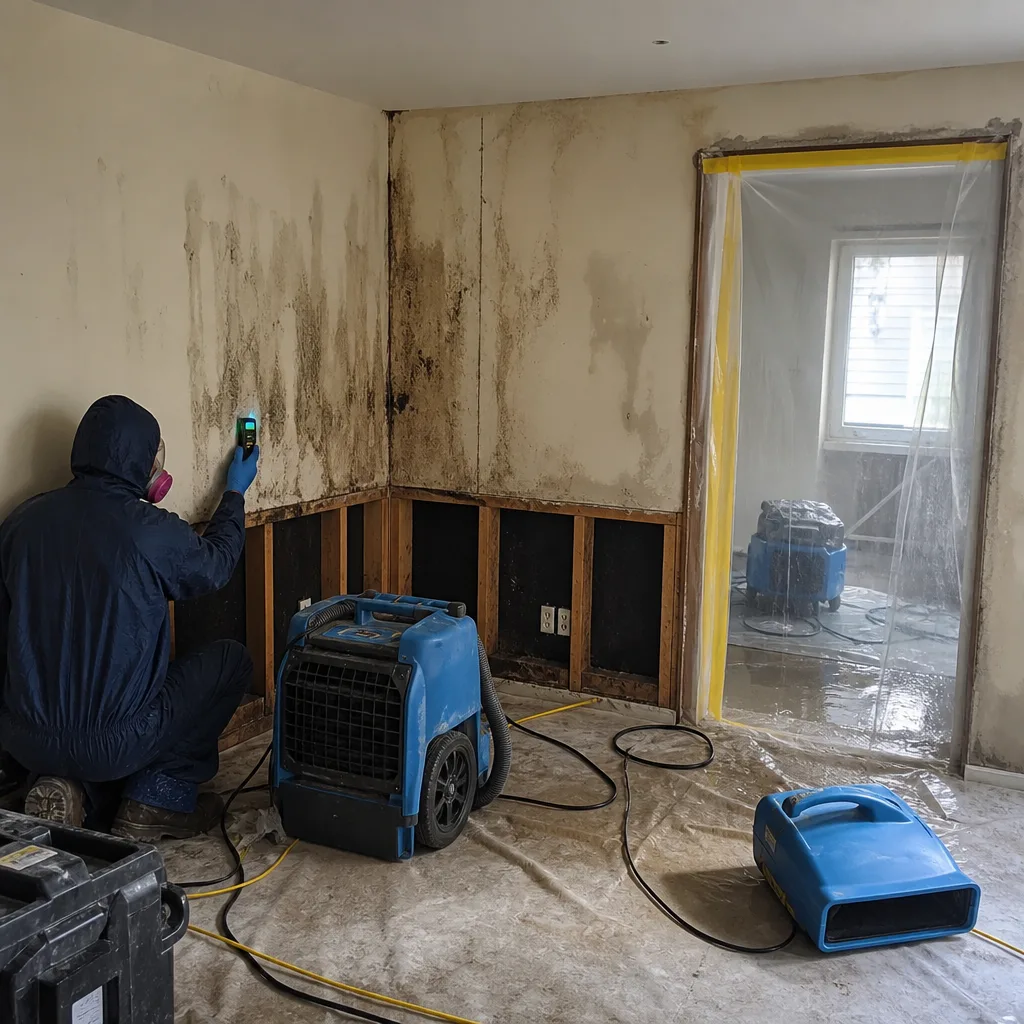 Before
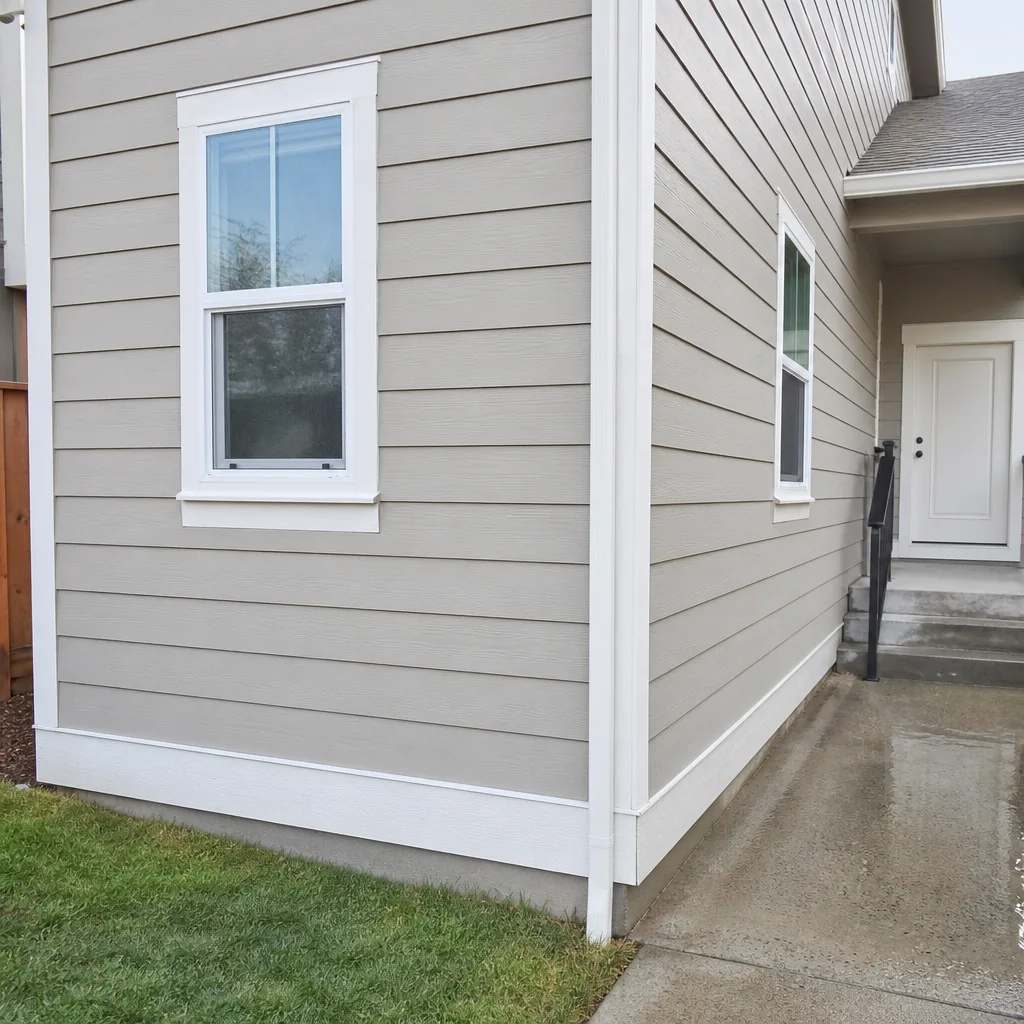 After
After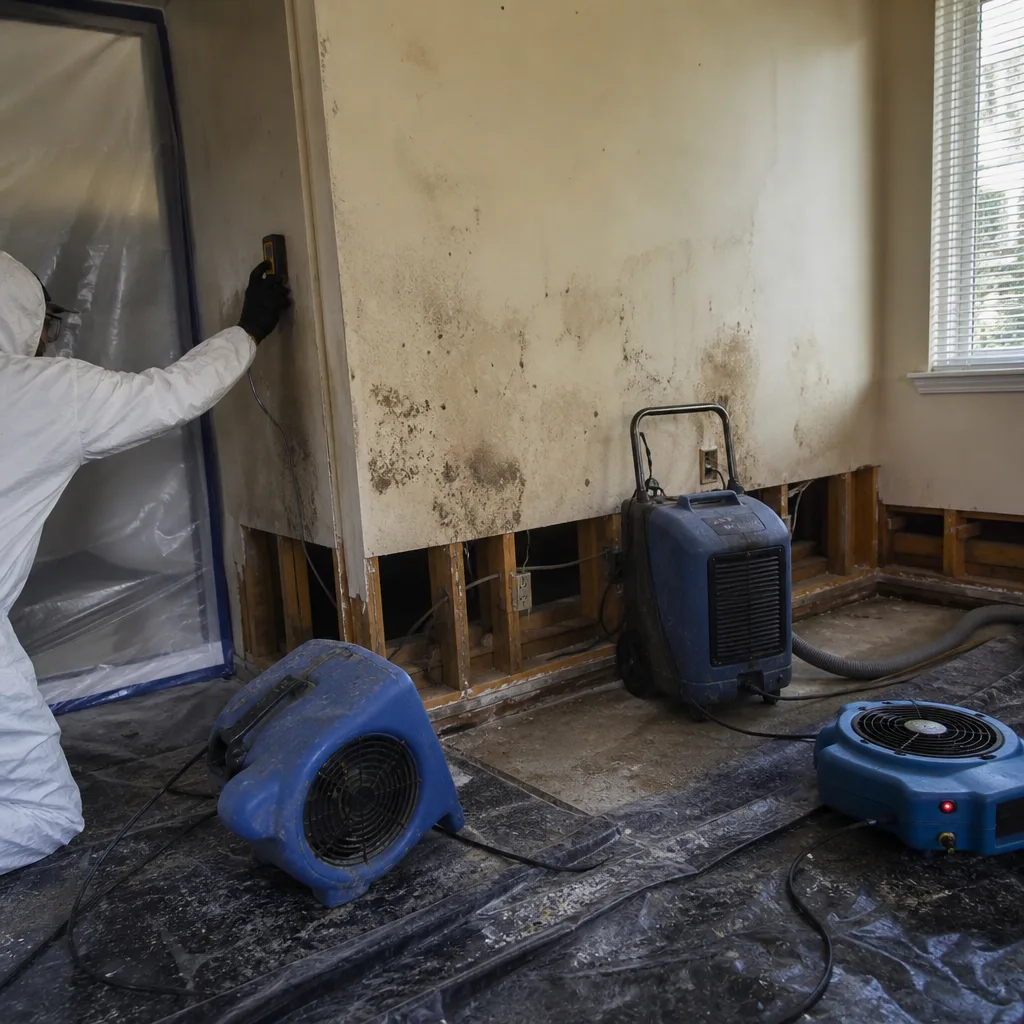 Before
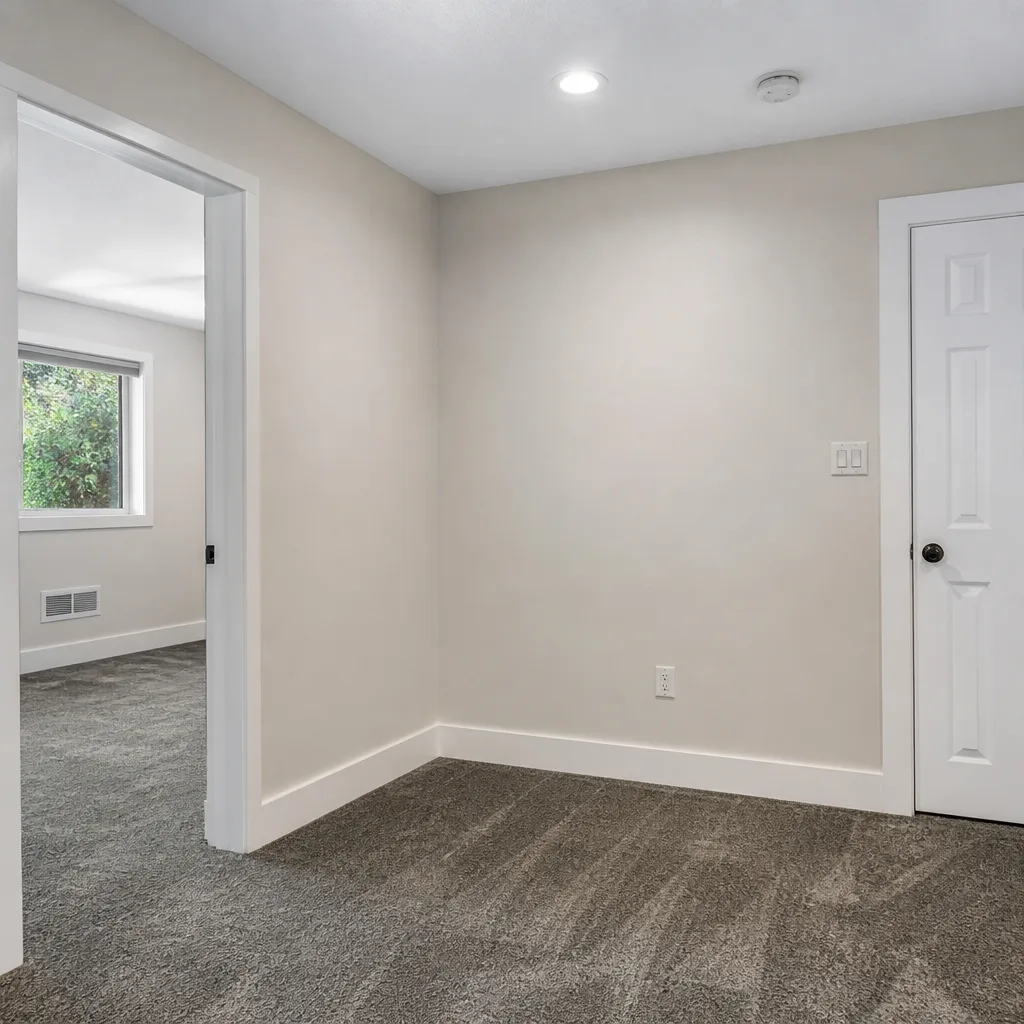 After
AfterThe Complete Guide to Damage Restoration in Federal Way
A Federal Way adjuster can deny a water damage claim months after work is complete if the contractor’s drying logs show gaps - even if the house looks perfectly dry today. We’ve seen it happen. In 2019, a homeowner in the Marine Hills area of Federal Way had a $14,000 structural drying claim reduced to $3,200 because their contractor logged moisture readings on only three of seven visits, with no photo timestamps to prove equipment had actually run overnight. The house was dry. The documentation was not. This guide - along with our Damage Restoration Warning Signs: A Federal Way Homeowner’s Reference Guide - maps every phase of a restoration job to the specific records that make an insurer pay without dispute, with Federal Way’s climate, housing stock, and insurer expectations as the backdrop.
Quick Answer
Damage restoration in Federal Way is the process of returning a property to its pre-loss condition after water, fire, mold, storm, or biohazard damage. A properly documented restoration includes a written scope before work begins, daily moisture readings with photo evidence, and a final report that satisfies Washington State insurance requirements. Without this documentation sequence, even successful drying can result in claim denial or reduced payment.
Table of Contents
- What Is Damage Restoration, Exactly?
- Water Damage Categories: Why Misclassification Costs You
- The Documentation Sequence Insurers Require in Washington
- Federal Way’s Climate, Housing Stock, and Mold Risk Timelines
- How a Written Scope Protects Against Scope-Creep Invoices
- When a Third-Party Industrial Hygienist Is Required
- The Six Phases of a Documented Restoration Job
- Common Mistakes to Avoid
- When to Call a Professional
- Frequently Asked Questions
- The Bottom Line
 Before
 After
AfterWhat Is Damage Restoration, Exactly?
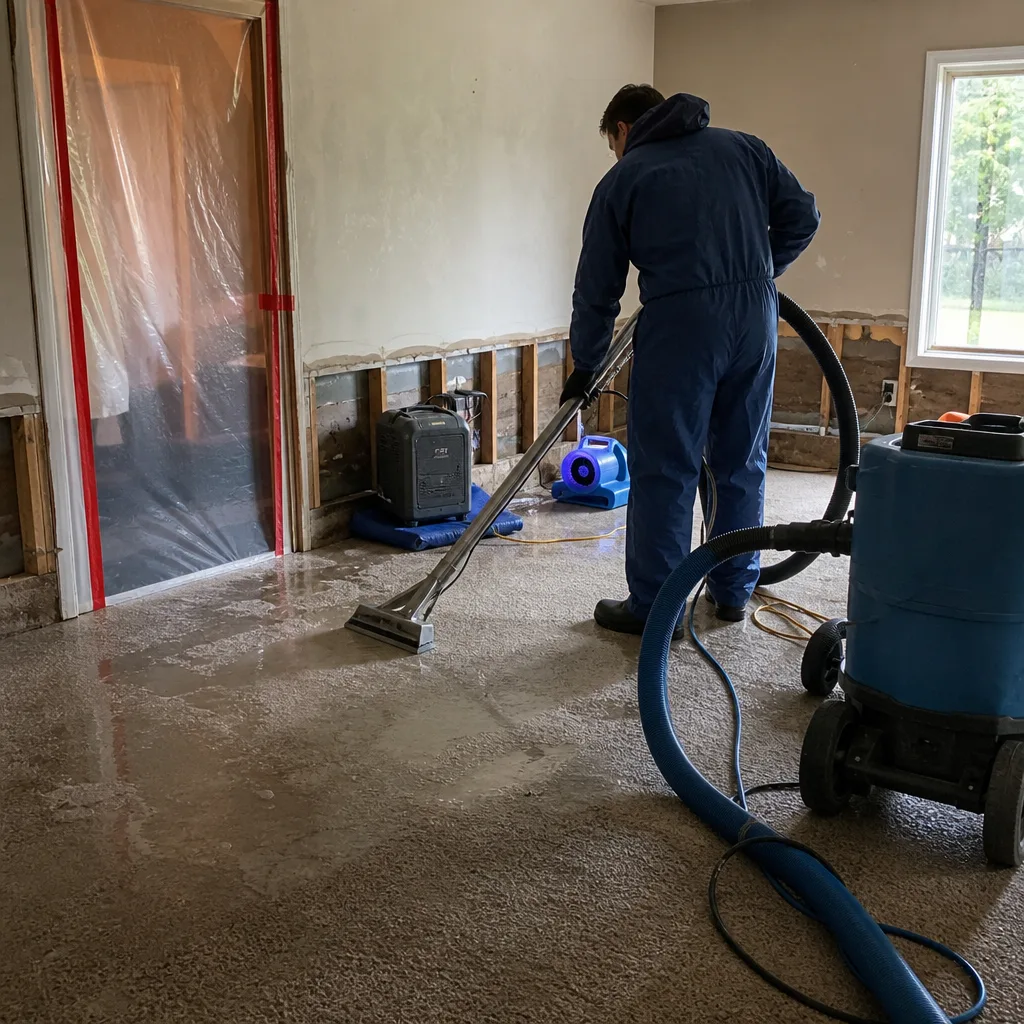
Damage restoration is not cleaning. It is not remodeling. It is the controlled reversal of physical and chemical changes that occur when water, fire, smoke, mold, or hazardous materials compromise a building’s materials and indoor environment.
The work breaks into distinct technical disciplines, each with its own documentation standard:
- Water damage restoration - extraction, structural drying, and material replacement governed by IICRC S500 standards
- Mold remediation - containment, removal, and clearance testing governed by IICRC S520 and EPA guidelines
- Fire and smoke damage restoration - soot removal, odor neutralization, and structural repair governed by IICRC S700
- Storm and disaster restoration - emergency board-up, water mitigation, and rebuild coordination
- Sewage cleanup - Category 3 water loss requiring specialized PPE and disposal protocols
- Biohazard and crime scene cleanup - bloodborne pathogen remediation per OSHA 29 CFR 1910.1030
- Reconstruction - the return of removed materials to pre-loss condition, scoped and priced as a separate phase
Each discipline produces deliverables: a written scope, daily logs, photo records, and a final certificate or warranty. In Federal Way, where many homes in neighborhoods like Enchanted Park and Lakeland were built between 1960 and 1985, the age of materials affects both the restoration approach and the documentation required. Vinyl-asbestos tile, for example, demands abatement documentation before any water damage restoration can proceed in the same room.
Water Damage Restoration in Federal Way covers the technical drying process in detail. This guide addresses the documentation framework that makes any of these services payable by insurance.
Water Damage Categories: Why Misclassification Costs You
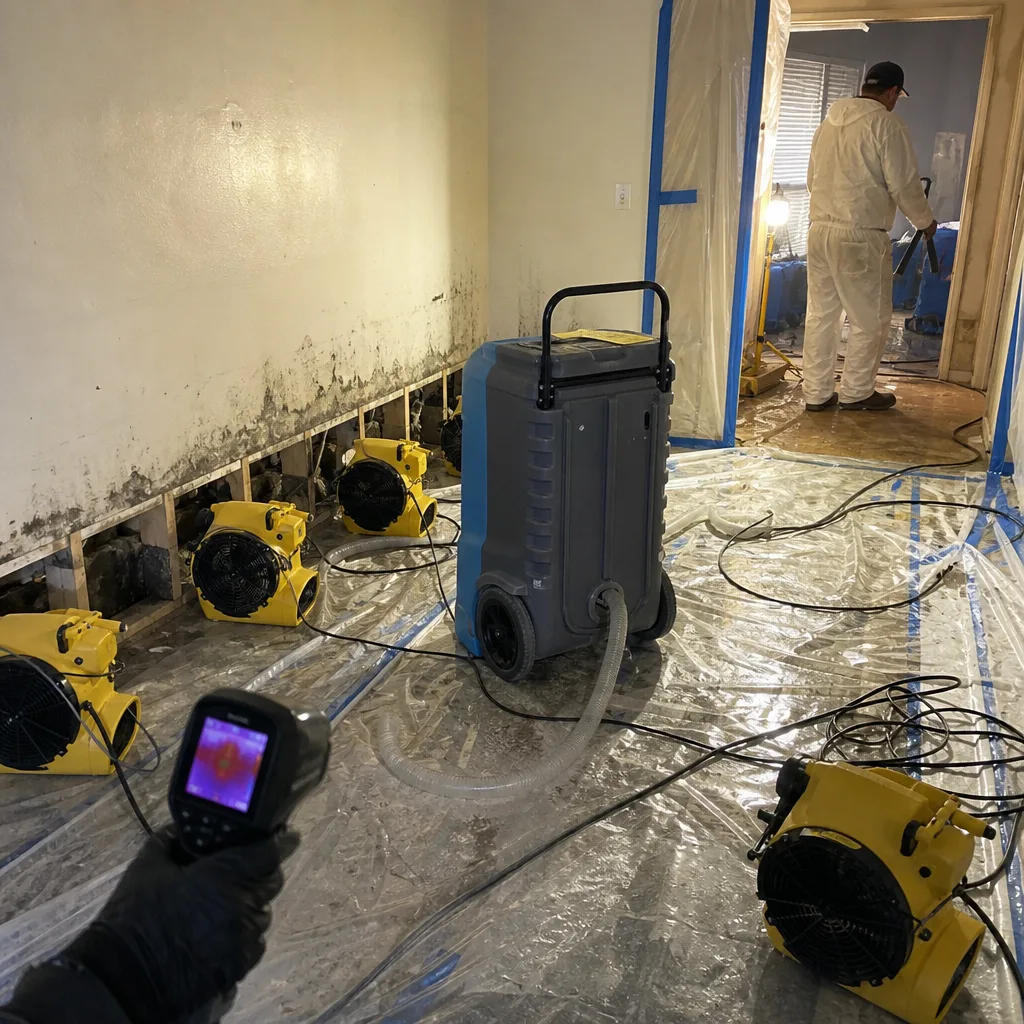
Water damage is classified by contamination level, not by how wet something is. A contractor who mislabels the category exposes the homeowner to liability, health risk, and claim denial. Here’s how the IICRC categories actually work on a Federal Way job site:
Category 1 - Clean Water
Originates from a sanitary source: broken supply line, tub overflow with no contaminants, melting ice. Category 1 can become Category 2 or 3 if it sits longer than 24 hours, or if it contacts contaminated surfaces. In Federal Way’s older homes with original galvanized plumbing, a supply line break often releases rust and sediment that technically push the loss to Category 2 upon contact.
Category 2 - Gray Water
Contains significant contamination: dishwasher discharge, washing machine overflow, sump pump failures, toilet bowl overflow with urine but no feces. Category 2 requires antimicrobial treatment and disposal of porous materials that cannot be thoroughly cleaned. A contractor who treats Category 2 as Category 1 to save time leaves the homeowner with a documented protocol violation if mold develops later.
Category 3 - Black Water
Grossly contaminated: sewage backup, seawater flooding, rising water from rivers or streams, toilet overflow with feces. Category 3 demands full removal of porous materials, specialized PPE, and often third-party clearance testing. Federal Way’s proximity to the Puget Sound means storm surge and tidal flooding can introduce Category 3 water into low-lying areas near the Dumas Bay Centre, even when the source looks like rainwater.
The classification is made at the time of loss, not after cleaning begins. The initial moisture map must note the category, the source, and the affected materials. If a contractor changes the classification mid-job without documenting why, insurers treat it as a red flag for inflated billing. We’ve reviewed competitor estimates where a Category 1 loss became Category 3 after 48 hours of contractor delay - the homeowner, not the contractor, absorbed the deductible increase and coverage dispute that followed.
The Documentation Sequence Insurers Require in Washington
Washington State does not have a unique restoration documentation statute, but the major insurers operating in Federal Way - including PEMCO, Safeco, and the Washington FAIR Plan - have developed consistent documentation expectations through years of claim disputes. These expectations have effectively become the standard. Meet them, and claims process smoothly. Miss them, and the adjuster has grounds to reduce or deny.
The sequence is:
- Initial moisture mapping - A room-by-room diagram showing moisture content readings in affected materials, taken with a calibrated penetrating or non-penetrating meter, recorded in percentage of moisture content (MC%) relative to the dry standard for that material. Wood framing in Federal Way’s marine climate typically has a dry standard of 10-12% MC; drywall is 5-7%.
- Photo documentation with timestamps - Every affected area, every piece of equipment placement, every material removal. Photos must be geotagged and time-stamped. Adjusters increasingly run EXIF data checks to verify equipment ran overnight as billed.
- Daily psychrometric readings - Temperature, relative humidity, and specific humidity recorded at the same time each day, with equipment readings (inlet and outlet) for each dehumidifier and air mover. These readings prove the drying chamber was maintained within IICRC parameters.
- Equipment placement and movement log - Serial numbers, placement dates, relocation dates, and removal dates for every piece of equipment. This prevents the common dispute: “You billed for 12 air movers for five days, but photos show only eight on day three.”
- Material removal and disposal record - What was removed, why (unsalvageable per IICRC criteria or tested above dry standard), square footage or linear footage, and disposal method. Hazardous materials require manifest numbers.
- Final moisture verification - Post-drying readings at the same locations as the initial map, showing attainment of dry standard, plus a 24-hour stability check (readings unchanged after equipment removal).
- Written completion certificate - Summary of work performed, dates, equipment used, final readings, and warranty terms. Under The Haven Standard, this includes our 365-Day Done Right Promise.
Each of these documents becomes part of the claim file. A contractor who cannot produce them on request is asking the homeowner to argue with their own insurance company. We deliver them as standard, not as an upsell. DryMark Restoration Federal Way home explains how to request a sample documentation package before hiring any contractor.
Federal Way’s Climate, Housing Stock, and Mold Risk Timelines
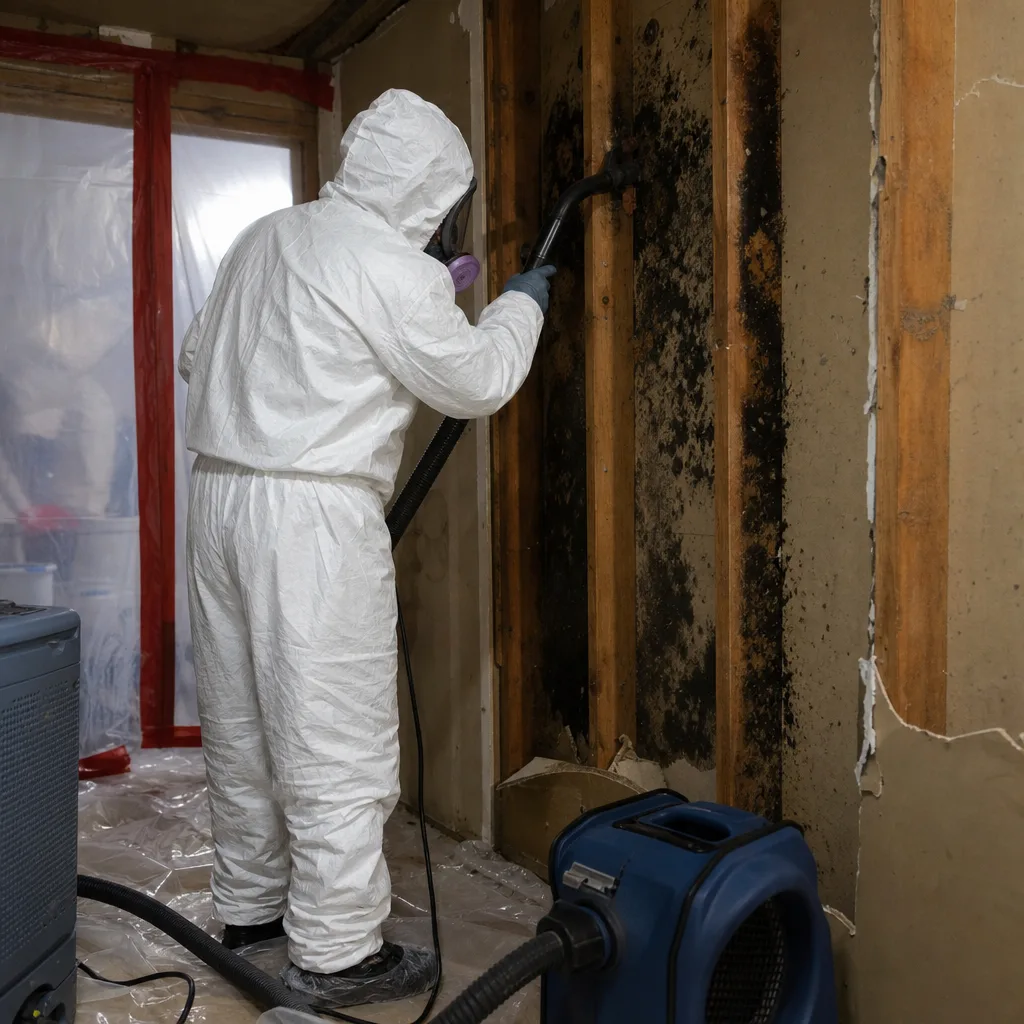
National restoration averages suggest mold colonization begins 48-72 hours after water intrusion. In Federal Way, we regularly see active mold growth in 24-36 hours during certain conditions. The difference matters for documentation urgency and for the homeowner’s expectations.
Federal Way receives 39-42 inches of annual rainfall, concentrated October through May. The marine influence keeps relative humidity elevated even between storms - summer mornings often start at 75-85% RH. A water intrusion in October, when the house is already moisture-loaded and heating systems have not yet dried the interior air, creates conditions closer to a tropical greenhouse than to the arid climates where many national drying protocols were developed.
The housing stock compounds this. Federal Way’s building boom peaked in the 1970s and early 1980s. Homes from this era commonly feature:
- Single-pane aluminum windows with failed seals, creating chronic condensation zones
- Kraft-faced fiberglass insulation in walls, which acts as a vapor retarder in the wrong location and traps moisture against sheathing
- Polyethylene vapor barriers in crawl spaces, often torn or improperly lapped, that trap soil moisture against floor joists
- Original galvanized steel supply lines with interior corrosion that narrows diameter and increases turbulence, raising failure risk
In the Twin Lakes and Redondo neighborhoods, we’ve documented crawl spaces with year-round relative humidity above 80% due to combination of high water tables, poor drainage, and intact-but-misplaced vapor barriers. These homes do not respond to standard drying timelines. A contractor who applies national average drying days without adjusting for local conditions produces documentation that an experienced adjuster can challenge.
Our drying protocols for Federal Way’s pre-1980 housing stock include lower target equilibrium moisture contents, extended dehumidification phases, and mandatory crawl space vapor pressure differential monitoring. Vapor pressure differential is the force that drives moisture from wet materials to dry air; in a saturated crawl space, standard dehumidification may not create sufficient differential without supplemental heat or desiccant equipment. We document this calculation and the equipment response, so the claim file shows engineering judgment, not guesswork.
How a Written Scope Protects Against Scope-Creep Invoices
Scope creep is the most common source of restoration billing disputes, and it is almost always avoidable. Here’s how it happens: a contractor begins emergency mitigation with a verbal or minimal written agreement, discovers additional damage during demolition, and presents a revised invoice that is 40-200% higher than the original estimate. The homeowner, already stressed, signs. The insurer, reviewing the file later, notes the absence of pre-demolition documentation and reduces payment to the original estimate, leaving the homeowner responsible for the difference.
Haven Standard, Clause 1 exists to end this pattern: a written price is delivered before anyone starts work, every time, with no exceptions. The scope of work that accompanies this price must include:
- Specific rooms and areas affected, with square footage
- Materials to be removed, with justification (category of water loss, testing results, or visible contamination)
- Equipment type and estimated quantity, with daily rate
- Labor classification and estimated hours
- Anticipated reconstruction items, even if priced separately
- Exclusions - what is not included, so there are no surprises
In Federal Way, where many homes have finished basements in the North Lake and Adelaide neighborhoods, the scope must specifically address whether basement finishes are included in the drying plan or excluded pending separate evaluation. A contractor who omits this distinction can later claim the finished basement was “discovered” during work, when any competent initial inspection would have identified it.
The written scope also protects against under-scoping, which is equally damaging. A contractor who omits necessary steps to hit a lower price creates documentation gaps that insurers later exploit. We’ve reviewed competitor scopes that excluded HEPA air scrubbing during mold remediation, omitted containment barriers, or failed to specify third-party clearance testing - all items that Washington insurers increasingly require for mold claim approval. The homeowner saved nothing; they paid twice when the insurer demanded rework.
Our Free Second Opinion on Any Written Estimate exists precisely for this scenario. Bring a competitor’s scope and we will review it for completeness against IICRC, RIA, and IFA standards, at no charge. The review typically takes 20 minutes and has saved Federal Way homeowners from incomplete scopes that would have cost thousands in uncovered work.
When a Third-Party Industrial Hygienist Is Required
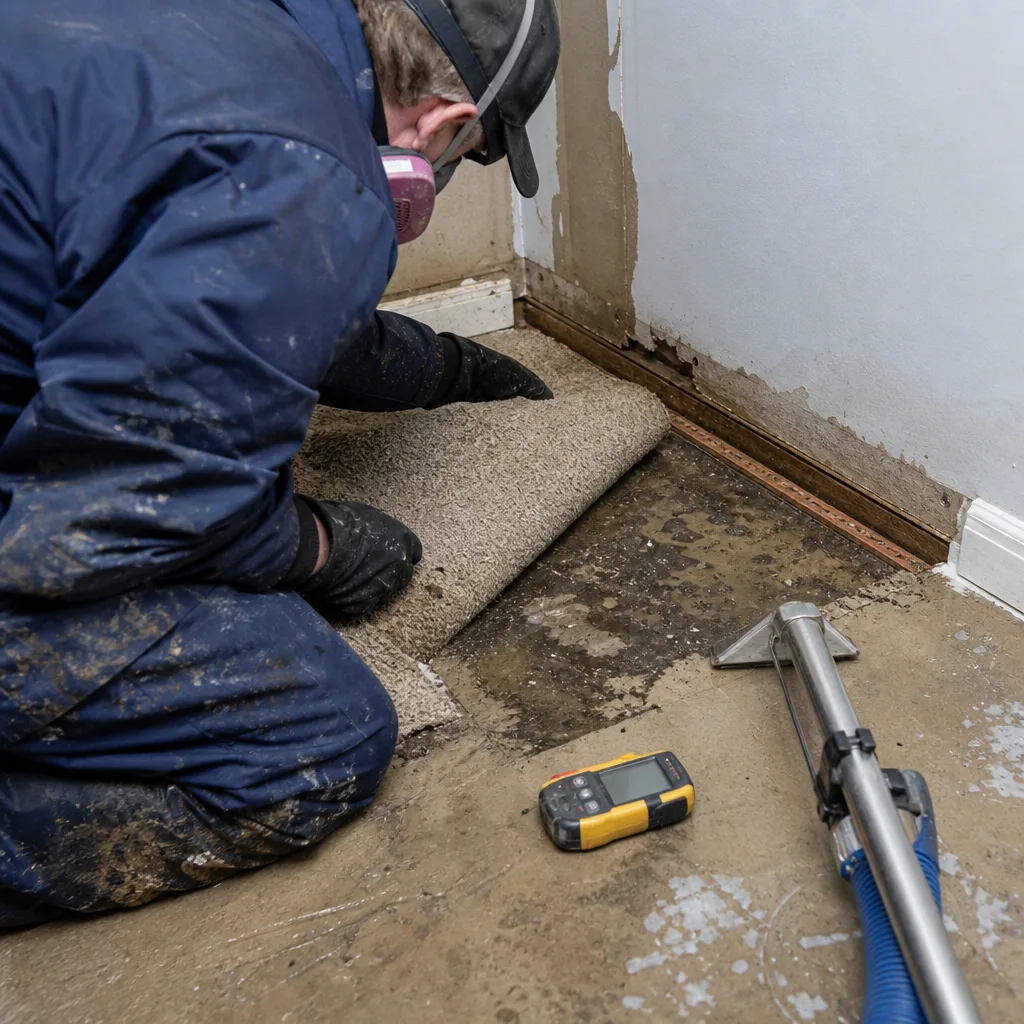
An industrial hygienist (IH) is an independent professional who assesses environmental hazards, designs remediation protocols, and verifies clearance after work completion. In Federal Way restoration, third-party IH involvement is not optional in three specific scenarios:
- Mold remediation in occupied structures - Washington Department of Labor and Industries guidelines recommend independent verification when mold-affected areas exceed 10 square feet in occupied buildings. Many insurers now require it for claims above $5,000.
- Category 3 water losses - Sewage contamination requires bacterial and pathogen clearance testing by a qualified environmental professional. Self-testing by the restoration contractor is not accepted by most insurers.
- Post-fire smoke and soot - When synthetic materials burn, they produce polycyclic aromatic hydrocarbons (PAHs) and other compounds that require specialized testing to verify safe re-occupancy.
The IH’s role in the claim documentation chain is specific. They produce:
- A pre-remediation assessment with air and surface sampling, identifying species and concentration
- A written protocol that the restoration contractor must follow, with pass/fail criteria
- Post-remediation verification sampling, conducted after contractor work is complete but before containment is removed
- A final report that becomes part of the insurance claim file, providing independent evidence that work was performed to standard
In Federal Way, we maintain relationships with several licensed industrial hygienists who understand local insurer requirements. The IH report, combined with our daily documentation, creates a claim file that has never been reduced for documentation insufficiency in our experience. This matters because a denied or reduced claim can affect the homeowner’s future insurability; a clean file protects more than the current repair.
Mold Remediation in Federal Way details our containment and removal protocols, which are designed to integrate seamlessly with third-party verification.
The Six Phases of a Documented Restoration Job
Every restoration job we perform in Federal Way follows the same six phases, each with its own documentation deliverable. This structure allows adjusters to verify progress, homeowners to understand timelines, and our crews to maintain consistency.
Phase 1: Emergency Response and Stabilization
We arrive, stop ongoing damage, and document the scene before anything moves. This means photos of standing water levels, moisture readings in unaffected areas to establish dry standard, and identification of the water category and source. In Federal Way’s hilly terrain, water often travels from the entry point to lower levels; our initial documentation traces this migration path so later drying targets the full extent, not just the obvious damage.
Phase 2: Detailed Assessment and Written Scope
Within 24 hours of stabilization, we deliver a written scope with line-item pricing. Haven Standard, Clause 1 requires this before work proceeds. The scope includes our equipment plan, estimated drying days based on the specific materials and local conditions, and a reconstruction preview if applicable. For Fire & Smoke Damage Restoration in Federal Way, this phase includes a detailed inventory of affected contents with pre-cleaning photos.
Phase 3: Mitigation and Structural Drying
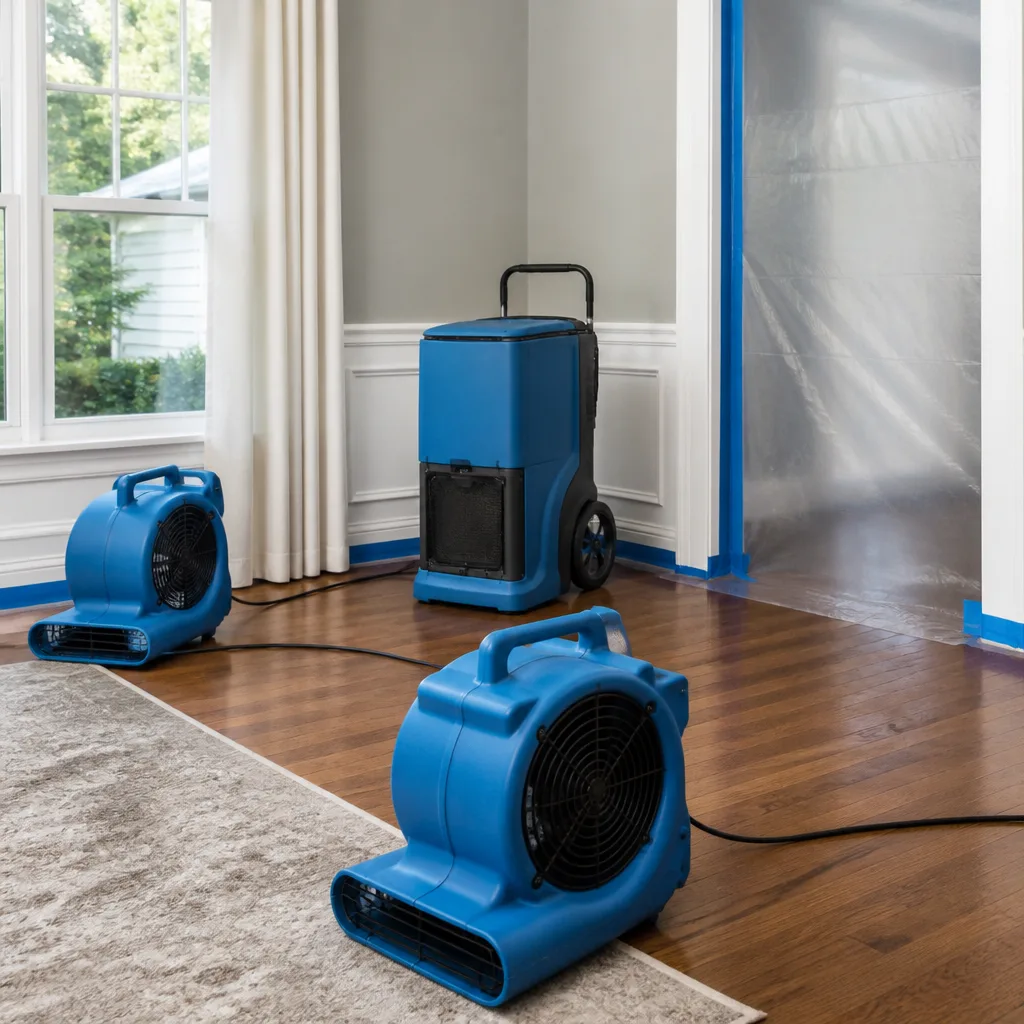
The active work phase, documented with daily moisture logs, equipment readings, and photo timestamps. Our crews use professional-grade drying systems from Dri-Eaz, Phoenix, and Injectidry, selected for the specific material configuration of each job. Injectidry’s inter-air drying system, for example, is essential for drying Federal Way’s common double-wythe plaster walls without demolition. Each day’s log is uploaded to the claim file within 24 hours.
Phase 4: Verification of Dry Standard Attainment
Before any reconstruction begins, we verify that all materials have reached their species-specific dry standard and held stable for 24 hours without equipment. This verification is documented with readings at the original moisture map locations, creating a before-and-after record that proves the drying phase is legitimately complete.
Phase 5: Reconstruction and Repair
Reconstruction is scoped and priced separately from mitigation, with its own written agreement. This separation is required by most insurers and protects the homeowner from commingled billing that obscures actual costs. We coordinate directly with adjusters on material matching, code upgrade requirements, and depreciation calculations.
Phase 6: Final Documentation and Warranty Delivery
The completed file includes: initial moisture map, daily drying logs with psychrometric data, equipment placement log, photo record with timestamps, material removal and disposal records, IH clearance report if applicable, final verification readings, and our signed 365-Day Done Right Promise. This package is delivered to the homeowner and, with authorization, to their insurer. The file typically runs 40-80 pages for a standard water loss; complex fire or mold jobs may exceed 200 pages.
Common Mistakes to Avoid
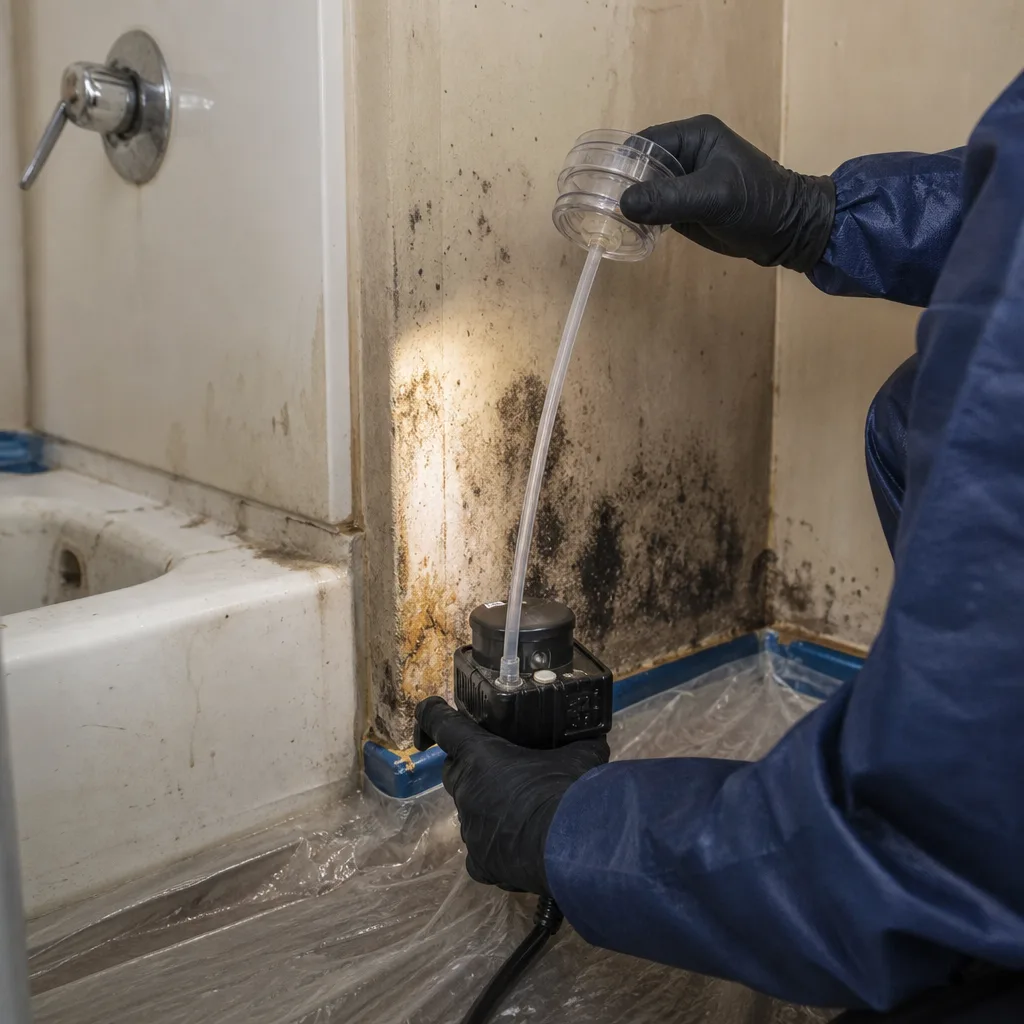
- Hiring based on response time alone. A contractor who arrives in 30 minutes with no documentation system will cost more in claim disputes than one who arrives in 90 minutes with a complete protocol. Speed matters for active water, but documentation determines the final outcome.
- Accepting a verbal estimate. In Federal Way, where median home values exceed $500,000, a restoration job can represent 5-15% of home value. No other expenditure of this size would proceed without written terms. Restoration should not either.
- Failing to verify equipment is actually running. Photo timestamps are the only proof. A contractor who places equipment but does not document daily operation may be billing for idle machines. Ask for the daily log, not just the placement photo.
- Ignoring crawl space moisture after a main-floor loss. Federal Way’s homes on slope lots frequently channel water to crawl spaces through foundation cracks. A contractor who dries the main floor but misses crawl space saturation creates a mold claim that manifests 3-6 months later, often uncovered as a separate loss with a new deductible.
- Skipping third-party clearance to save money. Self-clearance by the remediation contractor is faster and cheaper, but insurers increasingly reject it. The savings evaporate when the insurer demands re-testing by an independent party at homeowner expense.
- Not documenting pre-existing conditions. A contractor who begins demolition without photos of pre-loss conditions cannot prove that discovered damage was not pre-existing. This is especially important in Federal Way’s older homes, where prior repairs, old leaks, and settled foundations create conditions that insurers may attribute to maintenance neglect.
When to Call a Professional
Call immediately when water is actively flowing, when sewage or contaminated water is present, when mold is visible or suspected, when fire damage includes structural compromise, or when any damage affects electrical systems or HVAC equipment. These scenarios carry safety risks and documentation requirements that exceed homeowner capacity.
Even for seemingly minor incidents, professional documentation serves a purpose. A small water stain on a Federal Way ceiling may indicate a months-long leak in the roof assembly, with saturated insulation and hidden mold that a moisture meter and thermal camera reveal. Without this documentation, a later mold claim may be denied as pre-existing or maintenance-related.
DryMark Restoration Federal Way offers free estimates in Federal Way - call (253) 322-4873. Our live person answers every call, 24 hours a day, 7 days a week, with no voicemail on emergency lines. Every estimate includes a written scope before any work begins, and our Free Second Opinion on any competitor’s written estimate is available at no charge.
Frequently Asked Questions
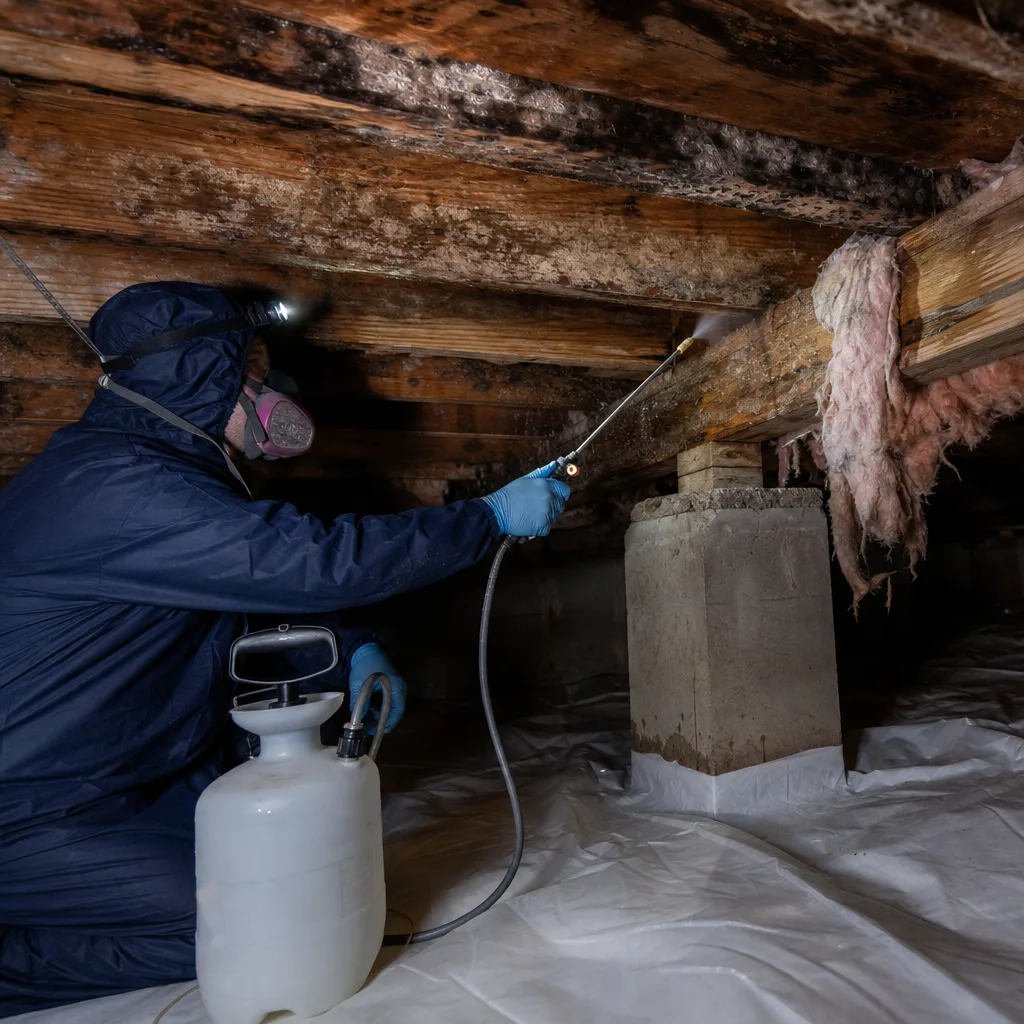
Water damage mitigation typically ranges from $1,200 for a contained supply line break to $8,500+ for whole-house flooding with crawl space involvement; mold remediation averages $15-30 per square foot of contained area; fire and smoke restoration starts around $3,000 for light soot with no structural damage and escalates based on contents inventory and reconstruction scope. See our Damage Restoration Cost Breakdown: The Federal Way Homeowner’s Reference for 2026 for detailed pricing by damage type. Call (253) 322-4873 for an exact quote - estimates are free, and Haven Standard, Clause 1 guarantees a written price before work starts.
Most homeowner policies cover sudden and accidental water damage, fire, and storm impact, but exclude gradual leaks, maintenance neglect, and flood damage from outside rising water. Documentation quality determines whether a covered loss is fully paid. Our photo-documented assessments and direct adjuster coordination are designed to produce claim files that insurers accept without dispute. We do not guarantee coverage - that is between you and your insurer - but we guarantee the documentation that maximizes your position.
Our live dispatch answers immediately, and emergency crews are typically on-site in Federal Way within 60-90 minutes for active water or sewage losses. Fire and storm damage with structural compromise receives same-day response. Reconstruction and non-emergency assessments are scheduled within 24-48 hours. Speed language applies to mitigation only; rebuild work is scoped, scheduled, and priced in writing before commencement.
Category 1 water losses under 10 square feet on hard surfaces can sometimes be handled by homeowners with proper drying equipment. Anything involving Category 2 or 3 water, mold growth exceeding 1 square foot, fire or smoke damage, or contamination of HVAC systems requires professional intervention for safety and documentation reasons. In Federal Way’s humid climate, DIY drying frequently leaves residual moisture that supports mold colonization visible within 30 days.
We coordinate directly with your adjuster, providing the documentation package - moisture maps, daily logs, photo records, and completion certificates - that adjusters need to process claims. We do not negotiate coverage terms or policy limits; that remains between you and your insurer. Our role is to make the technical documentation so complete that disputes over work performed are eliminated.
Federal Way’s combination of pre-1980 housing stock, high water table in low-lying areas, and marine climate creates faster mold timelines and more complex crawl space drying than inland or newer suburbs. Homes in the Marine Hills and Lakeland areas often have original galvanized plumbing with higher failure rates, and the city’s slope topography channels water in ways that complicate source identification. A contractor unfamiliar with these patterns may under-scope drying or miss secondary moisture migration.
The Bottom Line
The quality of your restoration is determined in the first 72 hours - not by how fast equipment runs, but by how completely the work is documented. A dry house with incomplete logs is a denied claim waiting to happen. In Federal Way, where climate and housing age amplify both damage risk and documentation complexity, the contractor you choose should be selected for their documentation protocol first, their equipment second, and their response time third. All three matter, but only documentation protects you months after the crew leaves. For more guides & resources on protecting your Federal Way home, visit our blog.
We built DryMark Restoration Federal Way around this priority. Since 2011, our 12,000+ completed jobs have all included written prices before work began, photo records on every visit, and the 365-Day Done Right Promise backed by The Haven Standard. Our equipment - from Dri-Eaz, Phoenix, XPOWER, B-Air, and Injectidry - is documented to IICRC, RIA, and IFA standards. Our technicians are background-checked, uniformed, and licensed, with license numbers available on request.
Call (253) 322-4873 for a free estimate or a Free Second Opinion on any competitor’s written estimate. A live person answers, 24 hours a day, 7 days a week. Written by Alicia Brennan, Owner at DryMark Restoration Federal Way, serving Federal Way since 2011.