
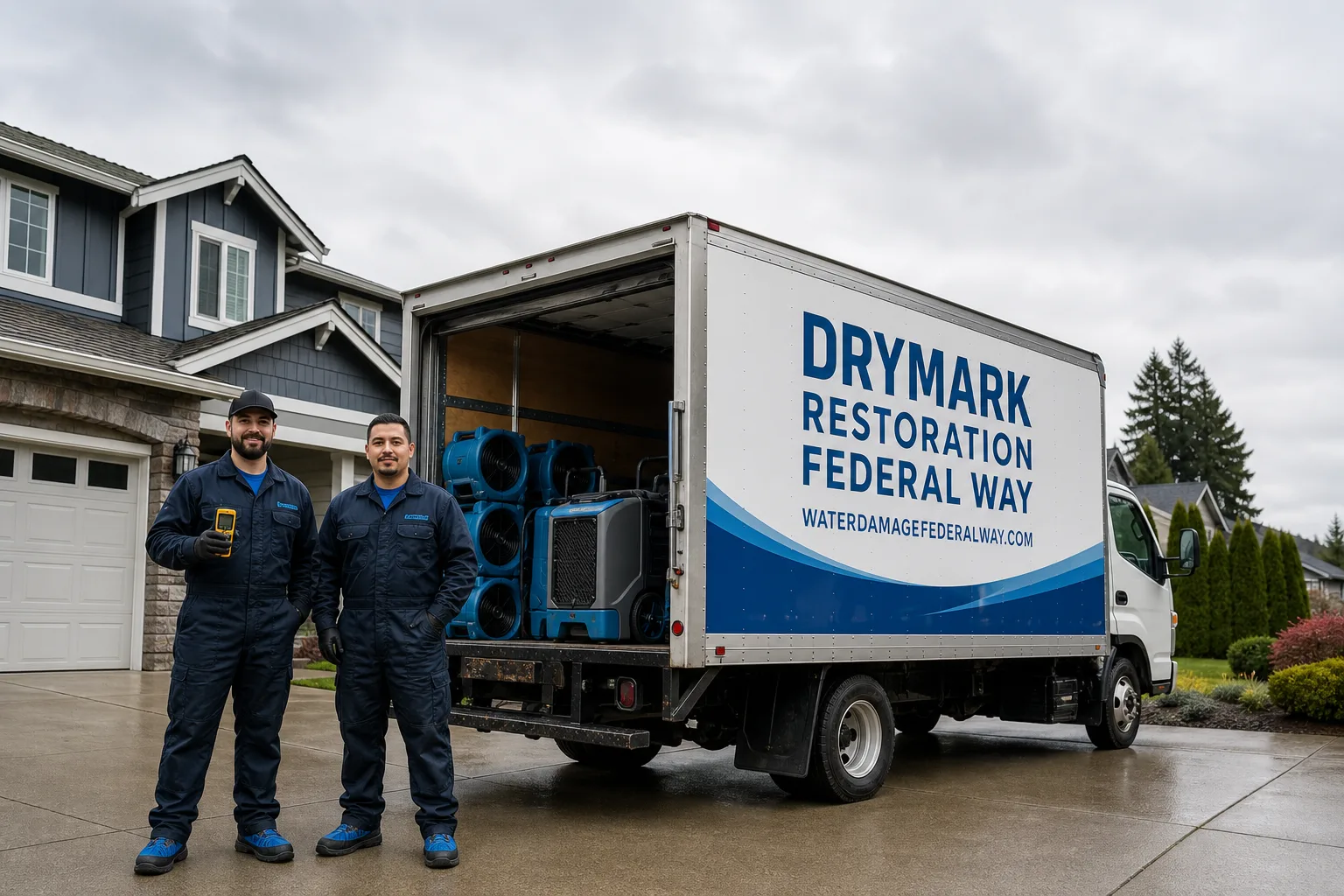
Free visual inspection and a written scope of work before any mitigation begins - photos, moisture readings, and drying logs go in your claim file
The scope we write is the scope we bill. Anything new gets shown to you, in writing, before we touch it.
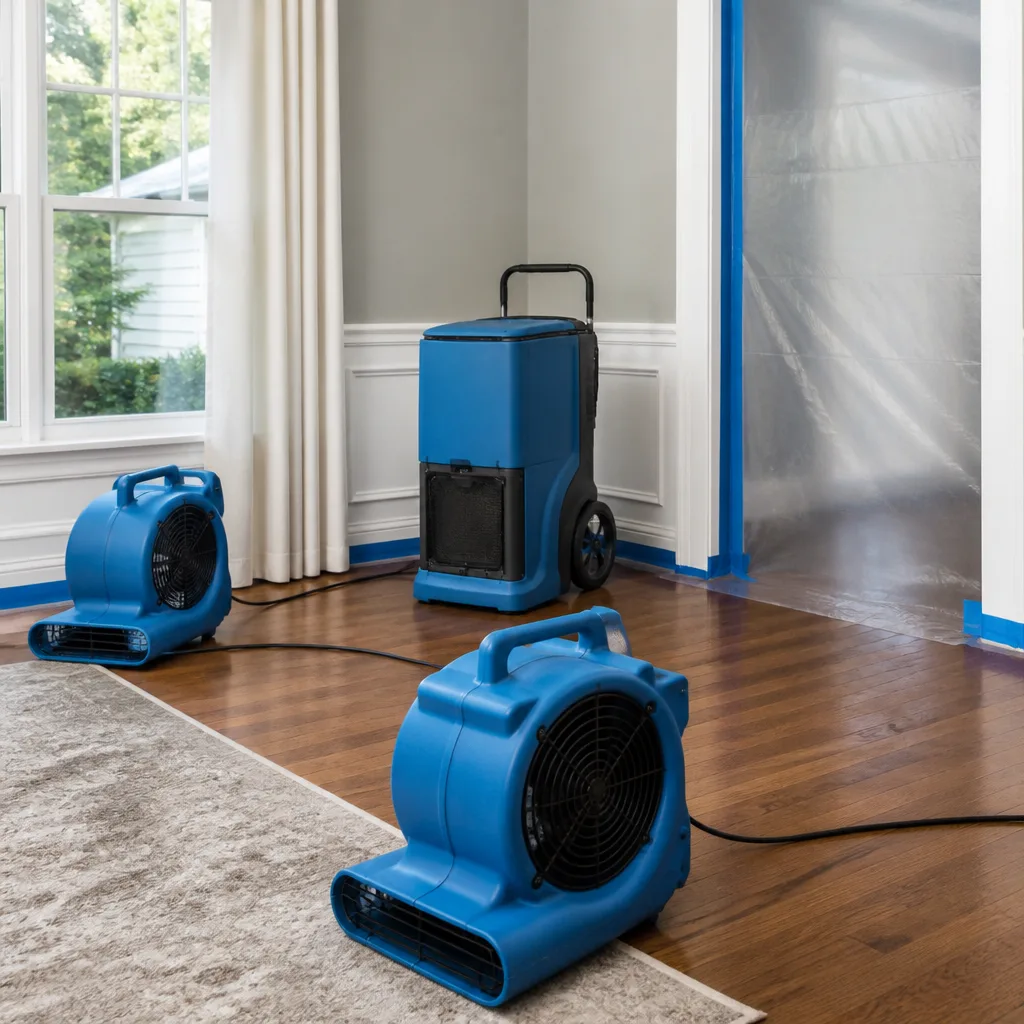
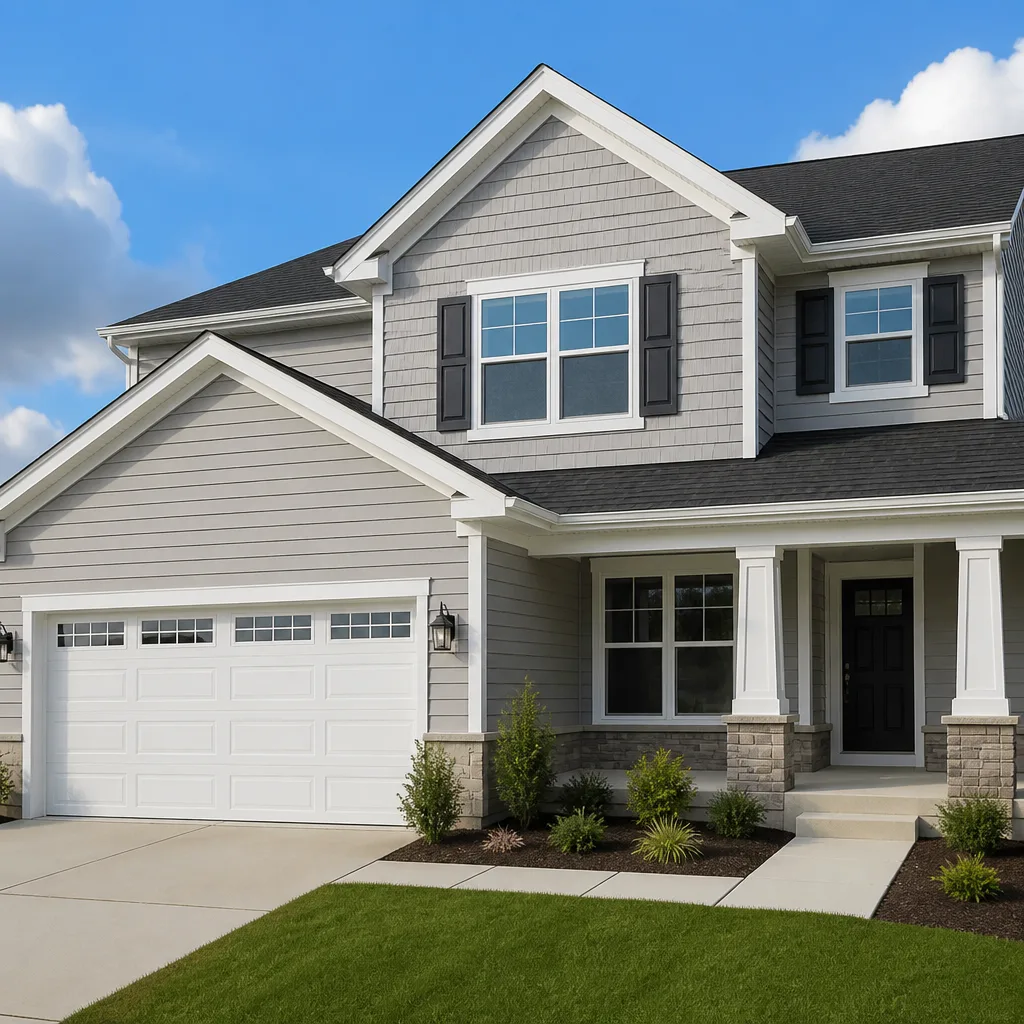
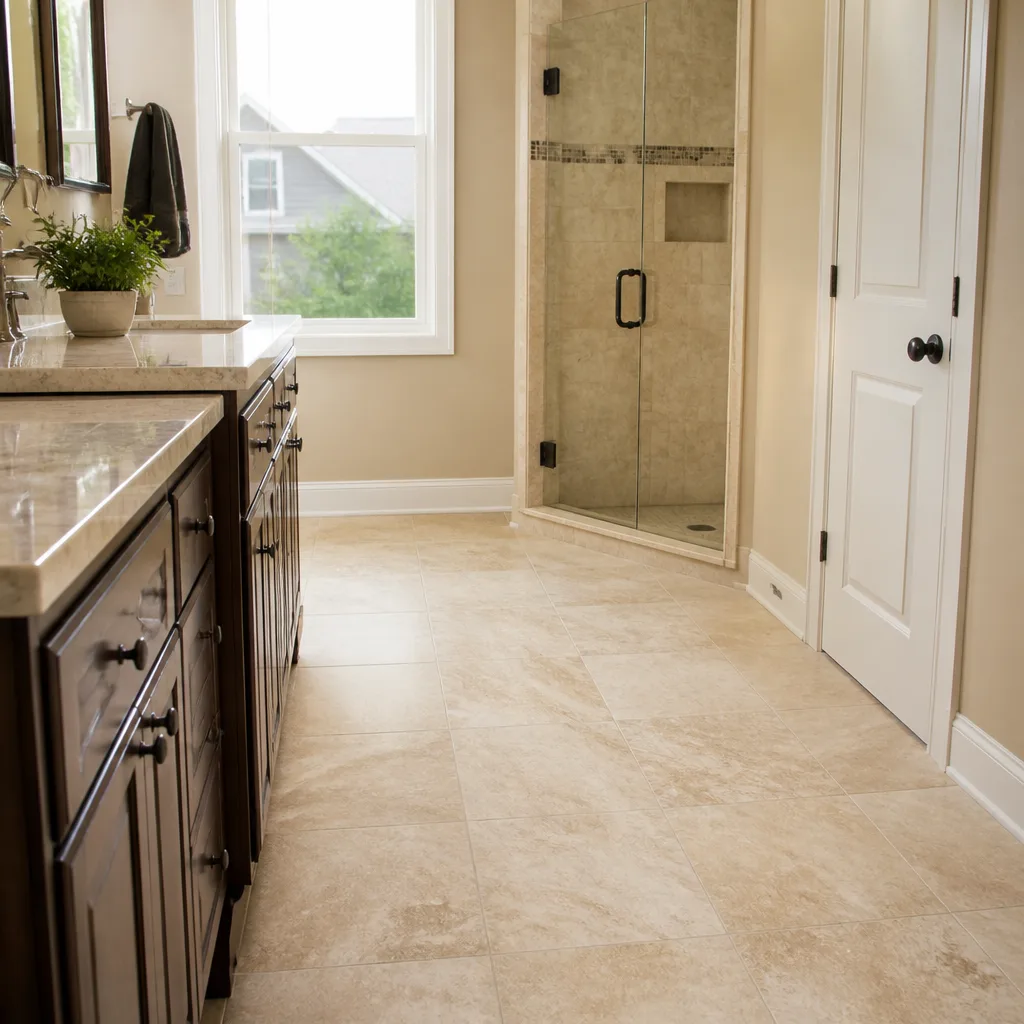
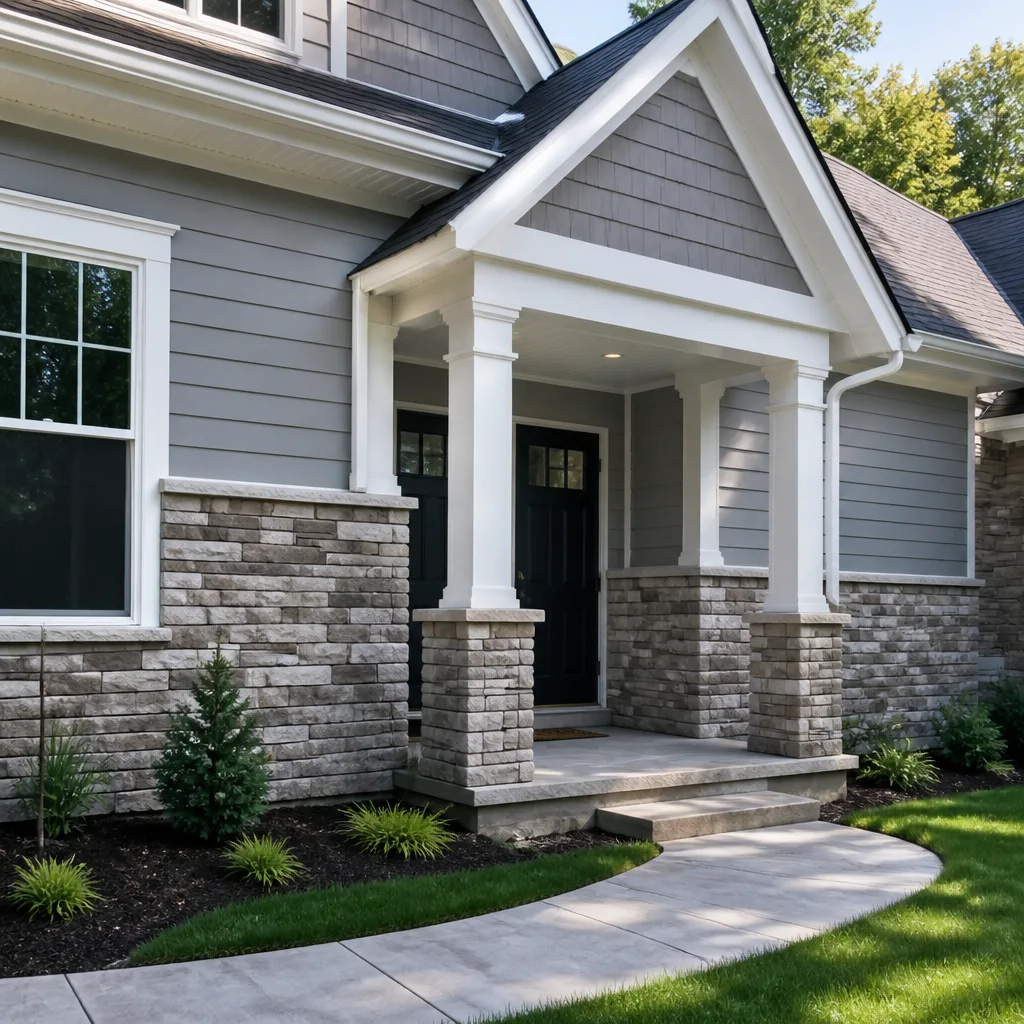
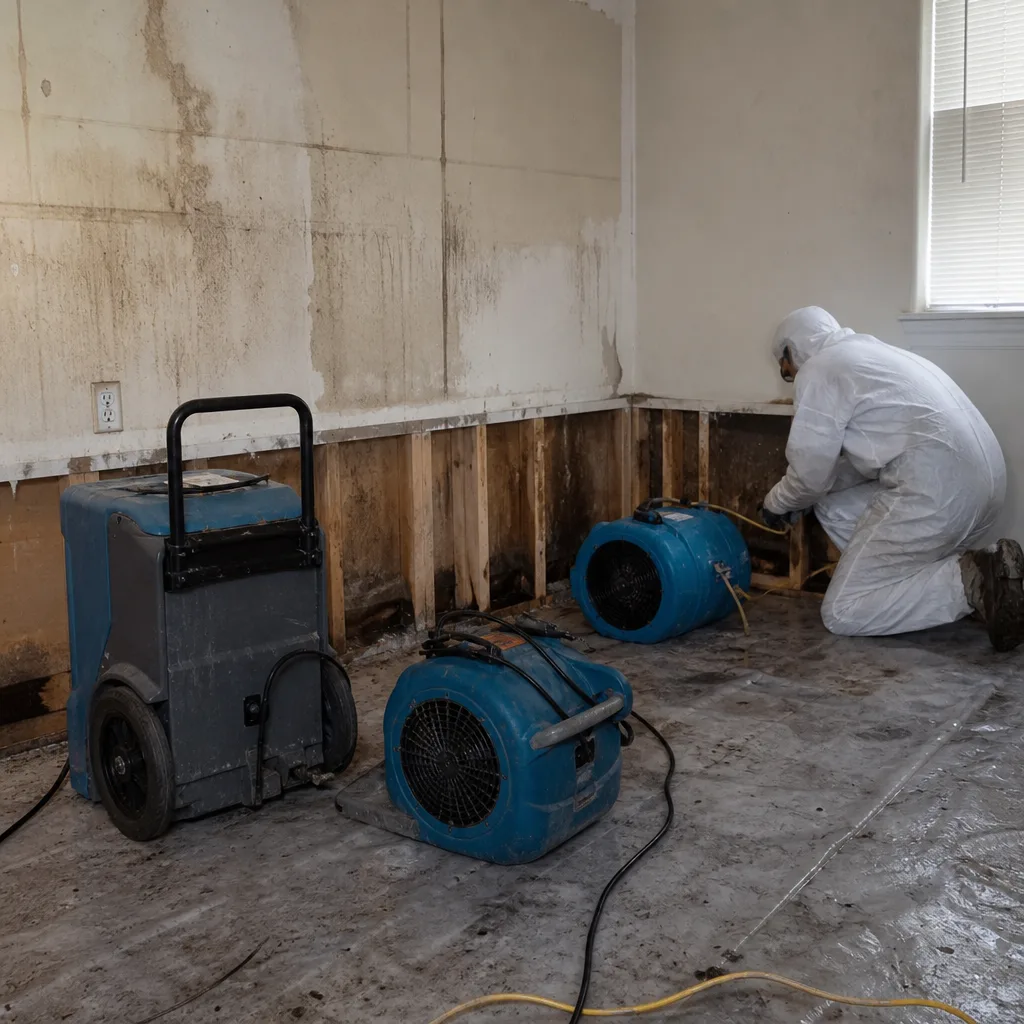 Before
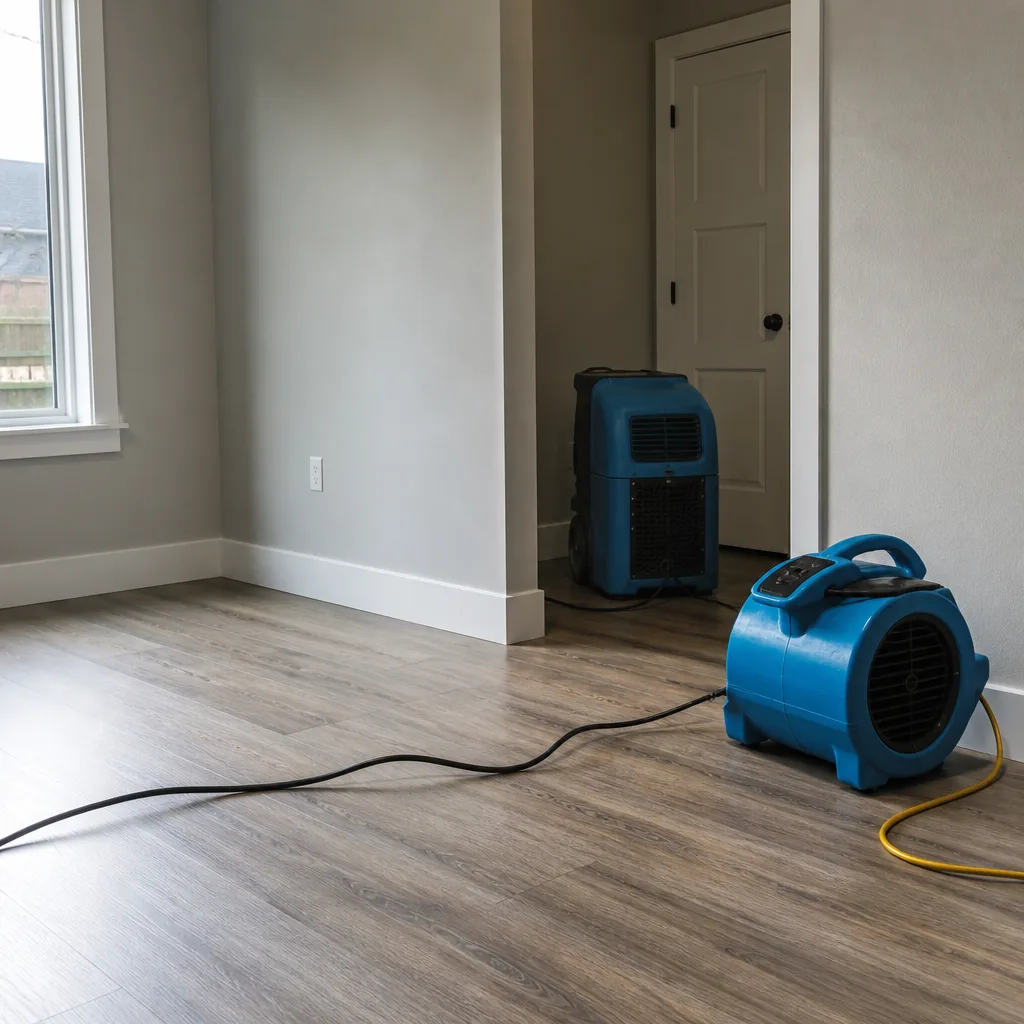 After
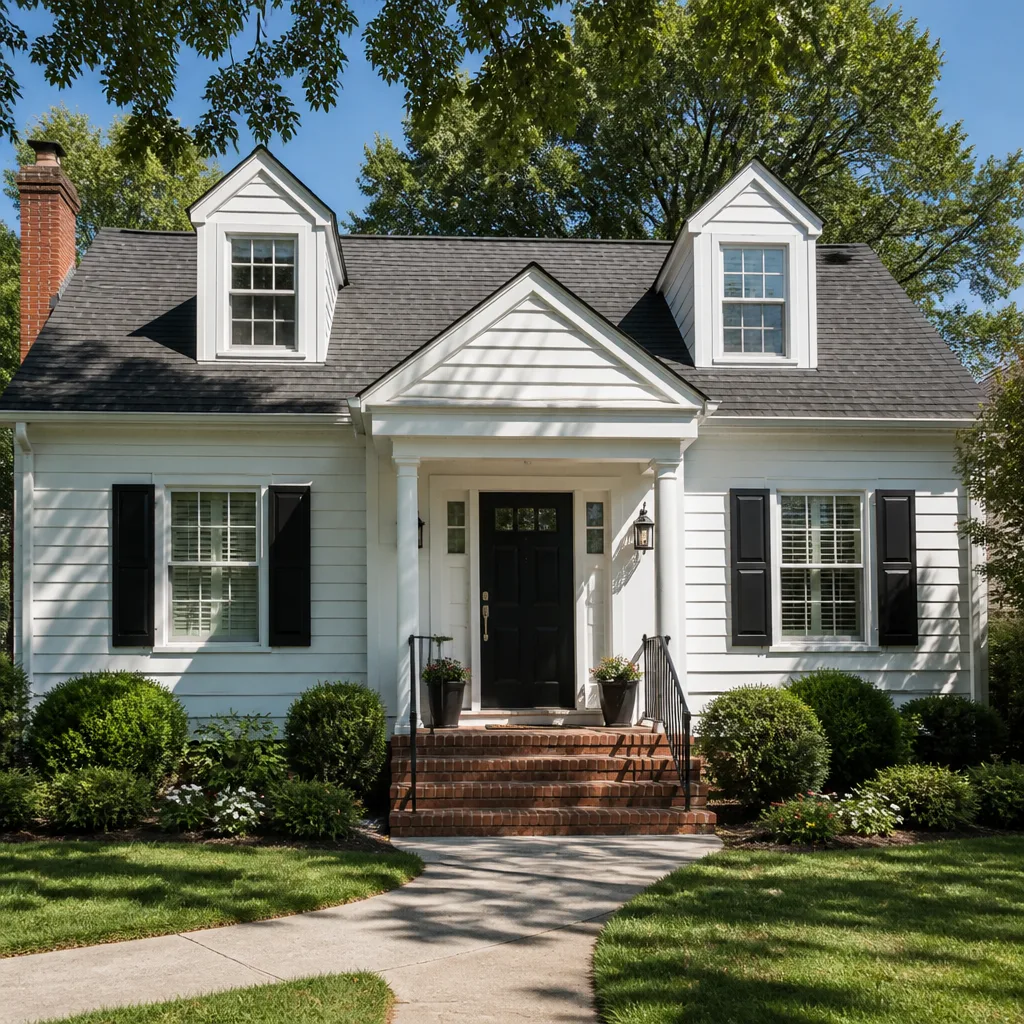
After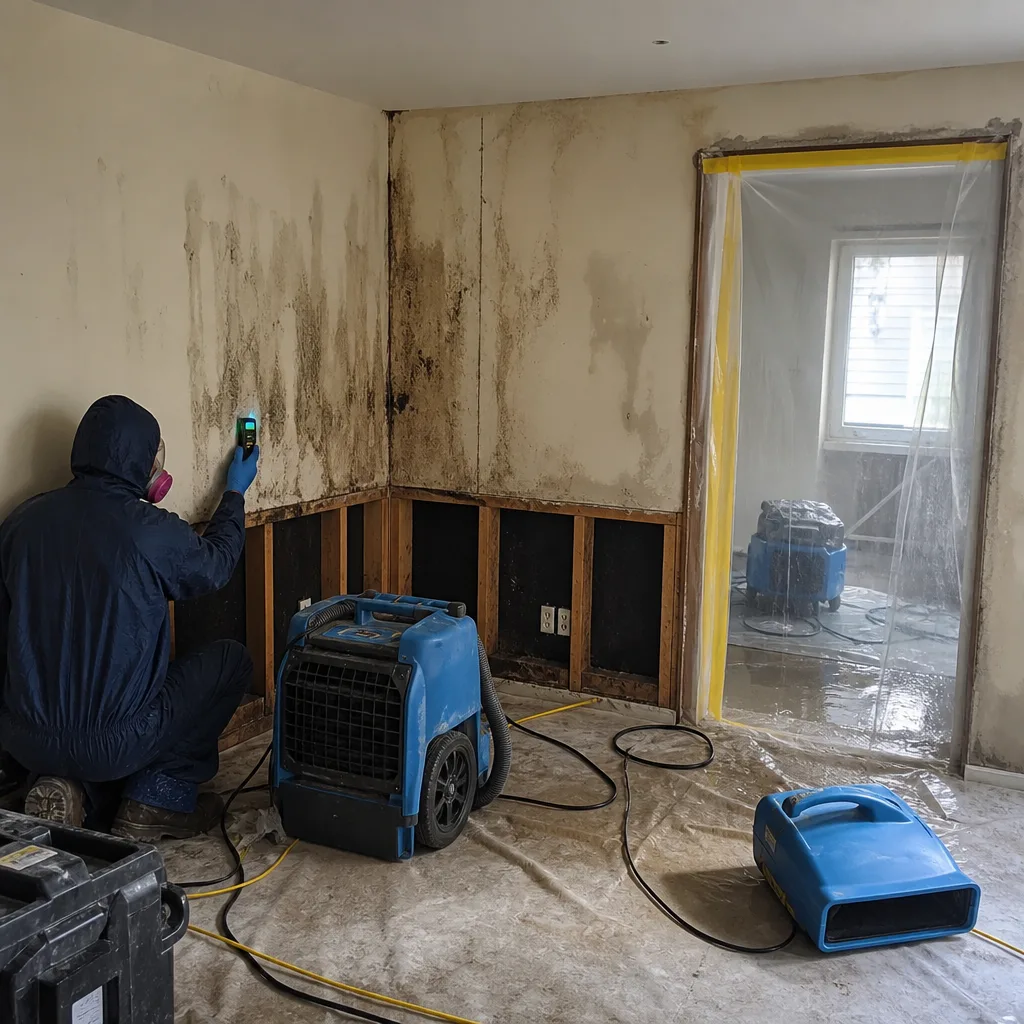 Before
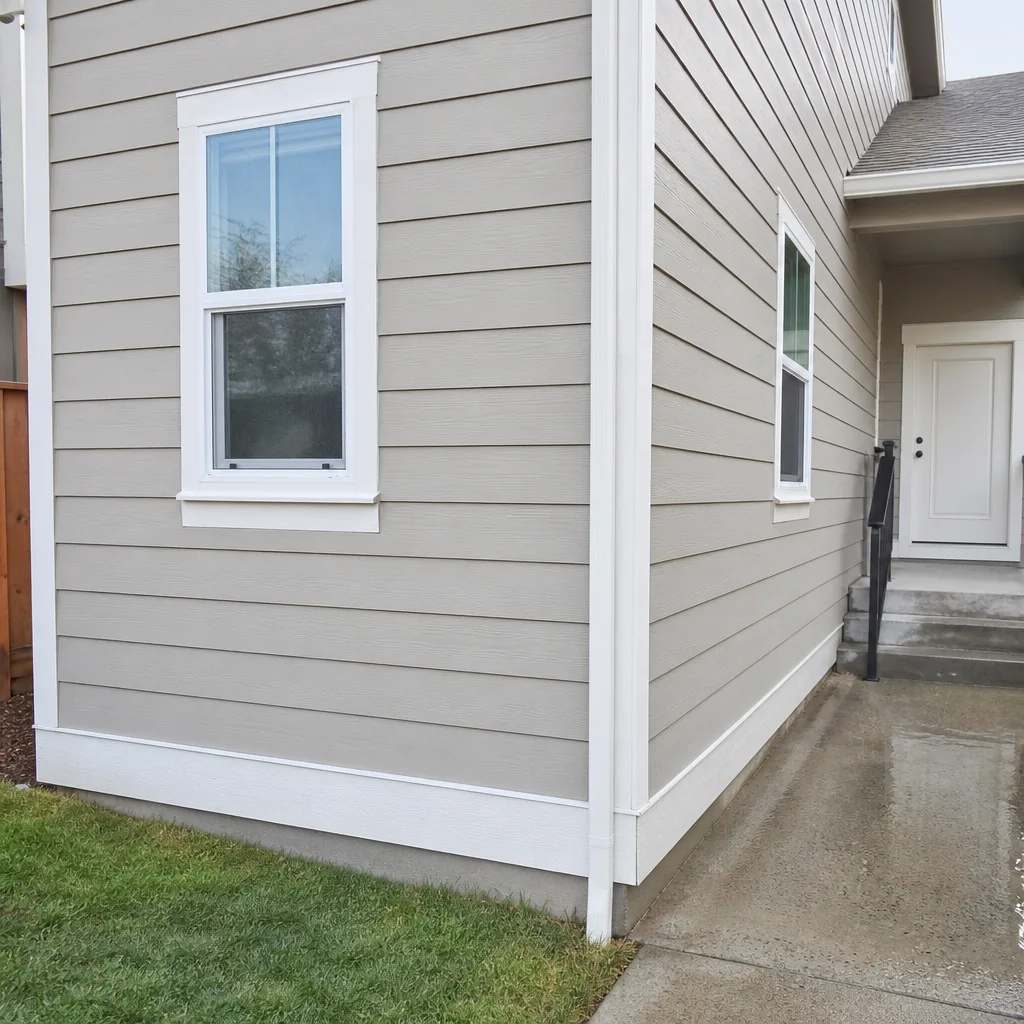 After
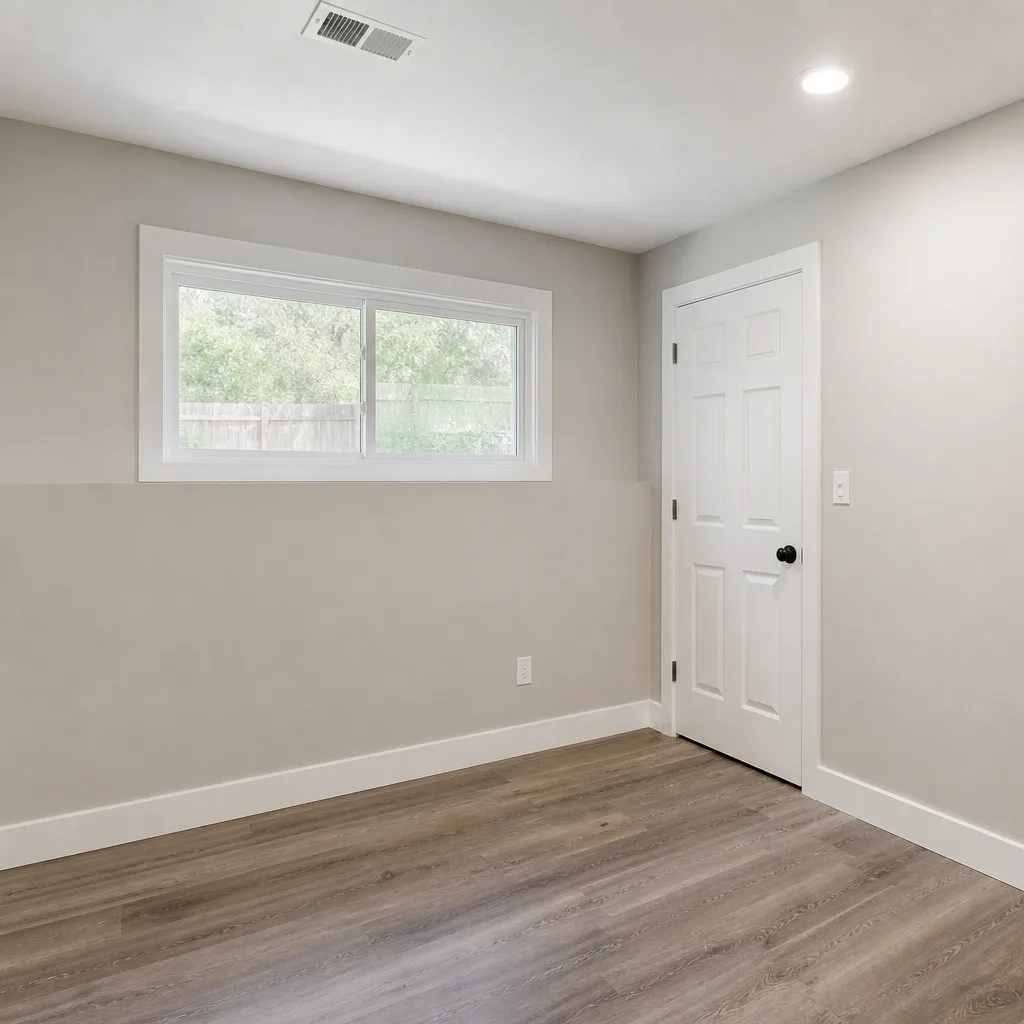
After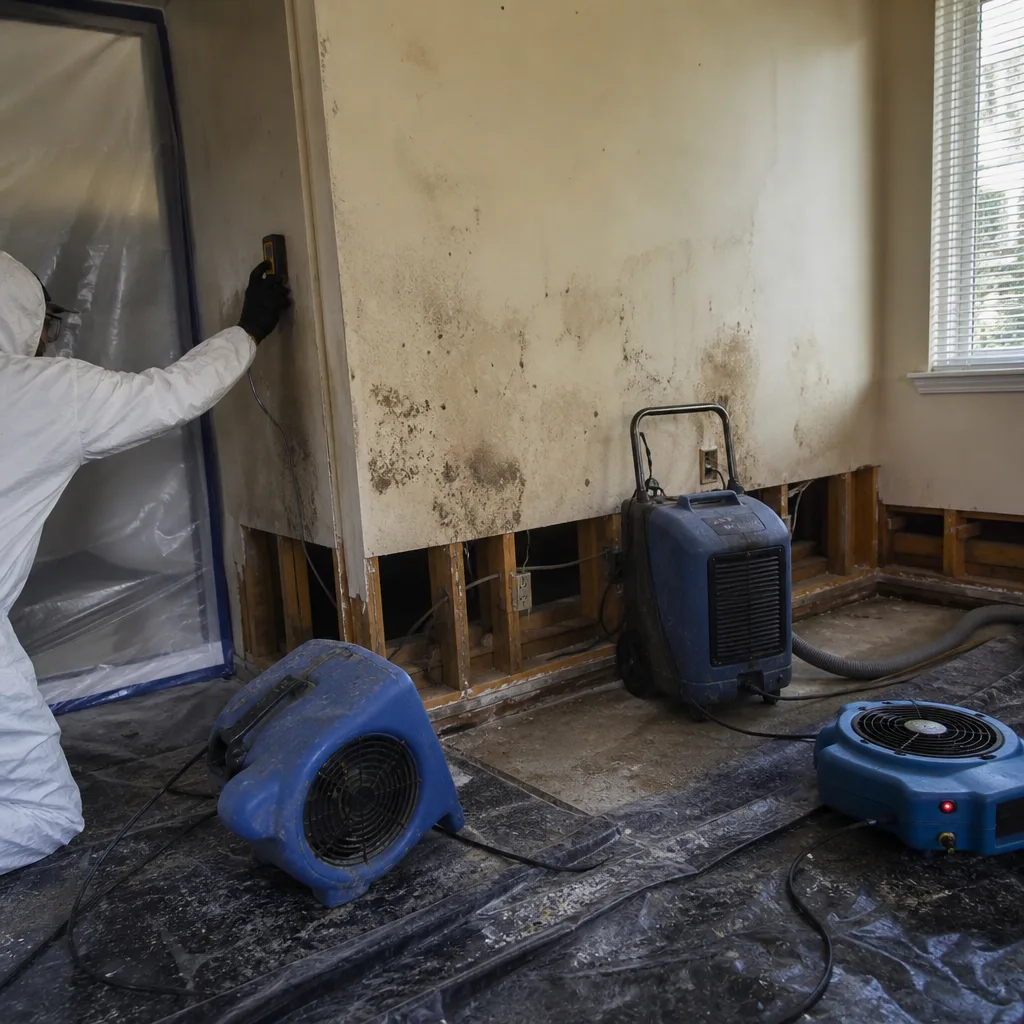 Before
 After
AfterFast, Reliable Mold Remediation Across Tacoma
Mold remediation in Tacoma typically costs $1,800-$4,500 for contained residential jobs, with full-structure crawl-space treatments running $3,200-$7,800 due to the dual-scope drying our market demands. Most Tacoma inspections can be scheduled within 24 hours, with containment and air-scrubbing starting the same day we confirm active growth. Call (253) 322-4873 for a written estimate before any work begins.
We’ve restored homes from Salishan to Salmon Beach to the South End, and every Tacoma job we’ve logged since 2011 has started with a written price, a photo-documented assessment, and moisture readings mapped room by room. Our crews dispatch from the Seattle office, but they carry Tacoma-specific abatement protocols on every tablet: the WISHA checklists for pre-1920 construction, the soil-saturation thresholds for hillside crawl spaces, and the extended dehumidification runtimes the South Puget Sound marine layer requires.
Why DryMark Restoration Federal Way Is Tacoma’s Preferred Mold Remediation Company
Tacoma homeowners know our name from the documentation we leave behind, not from billboards. We’ve completed mold remediation in zip codes 98402, 98405, 98424, and 98499, and our reviews consistently cite the same detail: the written scope that arrived before the first HEPA filter ran, and the daily drying logs that made the insurance adjuster’s job simple. We don’t chase stars; we chase signatures on clear paperwork.
Our response time to Tacoma averages same-day for active growth calls and next-morning for inspection requests. That matters in a city where 150-plus overcast days per year keep relative humidity high enough that a water loss on Monday becomes visible mold by Thursday. The live person who answers (253) 322-4873 at 2 a.m. has the same dispatch authority as the day-shift manager. No voicemail tree. No callback queue.
What separates our Tacoma work is local building knowledge. We know which North Slope block faces contain 1890s balloon framing, where Central Tacoma’s horsehair plaster meets modern drywall in layered renovations, and why a 1950s Lincoln tract home’s vermiculite attic changes every moisture-map decision. That specificity saves days on the job and thousands on the invoice.
Our Mold Remediation Services in Tacoma
Mold Inspection & Testing
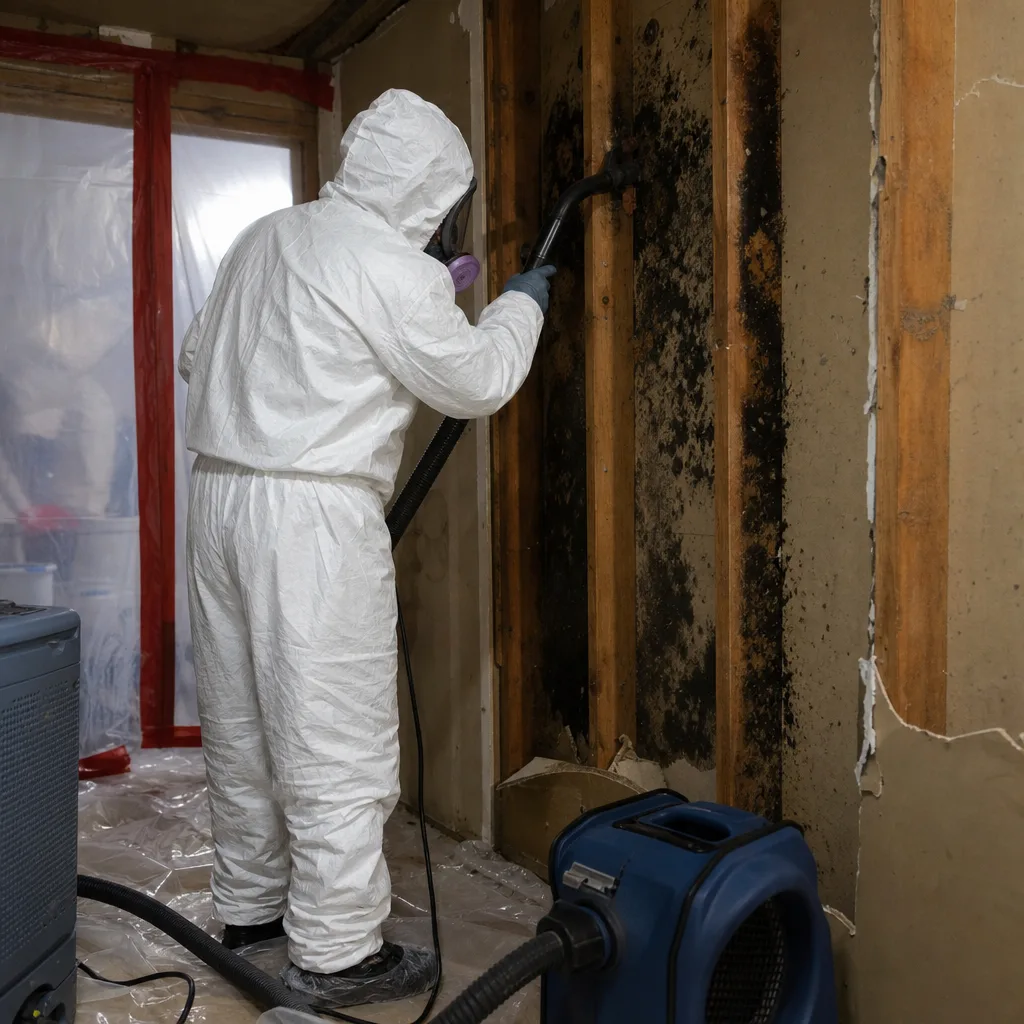
Every Tacoma inspection begins with moisture mapping, not guesswork. We use thermal imaging and calibrated moisture meters to find the water source that feeds the mold, because killing growth without stopping the moisture is temporary by definition. In Tacoma’s marine climate, we pay particular attention to vapor pressure differentials - the force that drives humid outside air into cooler wall cavities - and we document each reading to IICRC and IFA standards. The written report you receive includes affected square footage, material classifications by trade name, and a photo record of every reading location. Haven Standard, Clause 1: the price for any recommended remediation is included in that same written document before you decide.
Mold Removal
Our containment protocols follow the square footage and material type we documented during inspection. For Tacoma’s pre-1920 homes, removal always includes the abatement pre-check: we verify whether opening walls will trigger WISHA asbestos or lead-paint protocols before the first cut. We’ve seen crews skip this step and shut down mid-job, with the homeowner paying for re-containment and restart time. Our technicians are background-checked, uniformed, and named on your written scope; their license numbers are available on request. Equipment on every Tacoma removal includes HEPA-negative-air machines from Phoenix and contained debris removal bagged and logged by weight.
Black Mold Remediation
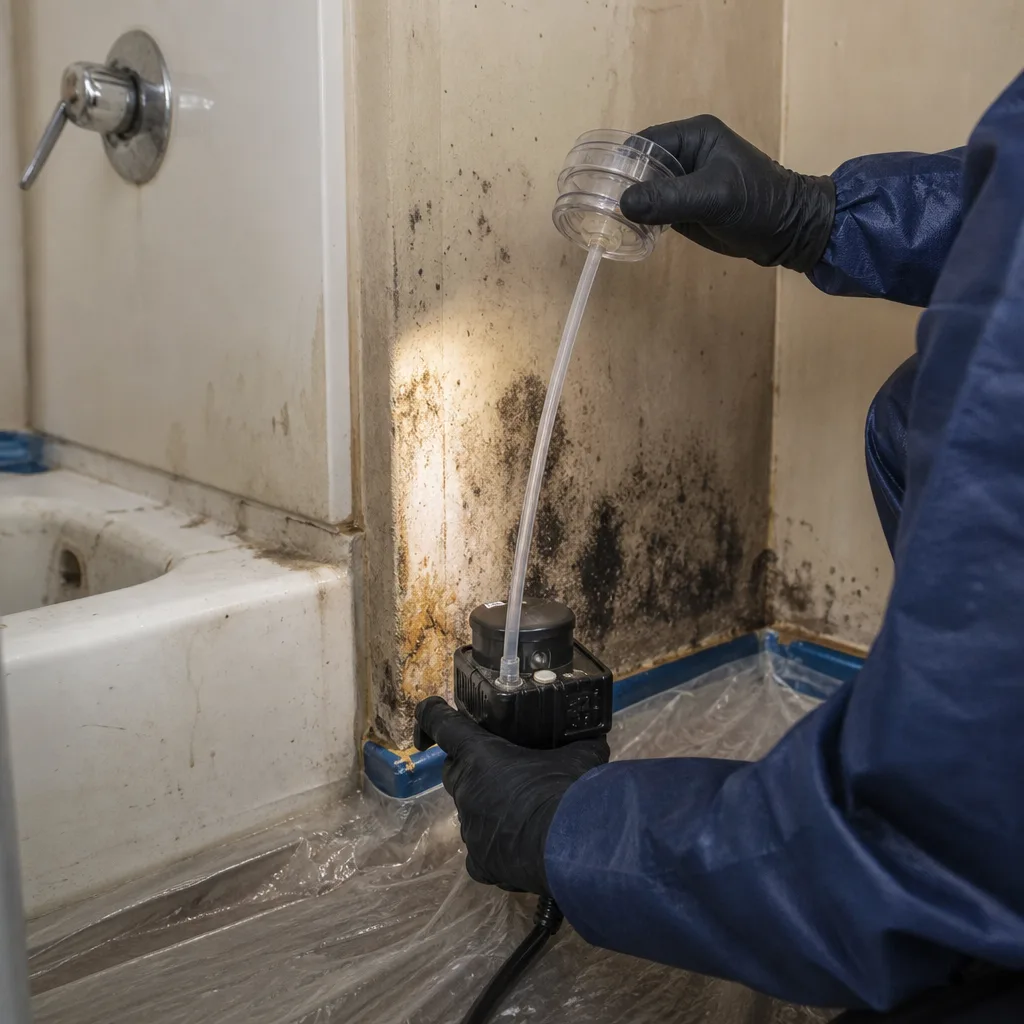
Stachybotrys and other toxigenic species require the same documentation rigor as any mold job, with additional personal-protective protocols for technicians and stricter clearance-testing standards for re-occupancy. In Tacoma, black mold calls often trace to chronic crawl-space conditions in North End and Central Tacoma hillside homes, where subsurface water channels through glacial till and keeps sills damp year-round. We don’t spray and leave. We extract subgrade moisture with Injectidry mats alongside Dri-Eaz dehumidification, log daily psychrometric data until both wood and soil hit dry standard, then apply antimicrobial treatment. The 365-Day Done Right Promise covers every black mold job under The Haven Standard.
Air Quality Restoration
Post-remediation air scrubbing in Tacoma runs longer than inland markets because outdoor relative humidity rarely drops below the threshold that supports regrowth. We size Phoenix HEPA scrubbers to achieve four to six air changes per hour in the contained zone, then run clearance sampling through an independent lab before removing containment. The lab report, the final moisture log, and the photo record of cleaned surfaces are delivered as a single documentation packet - the same packet that turns a restoration invoice into a payable insurance claim.
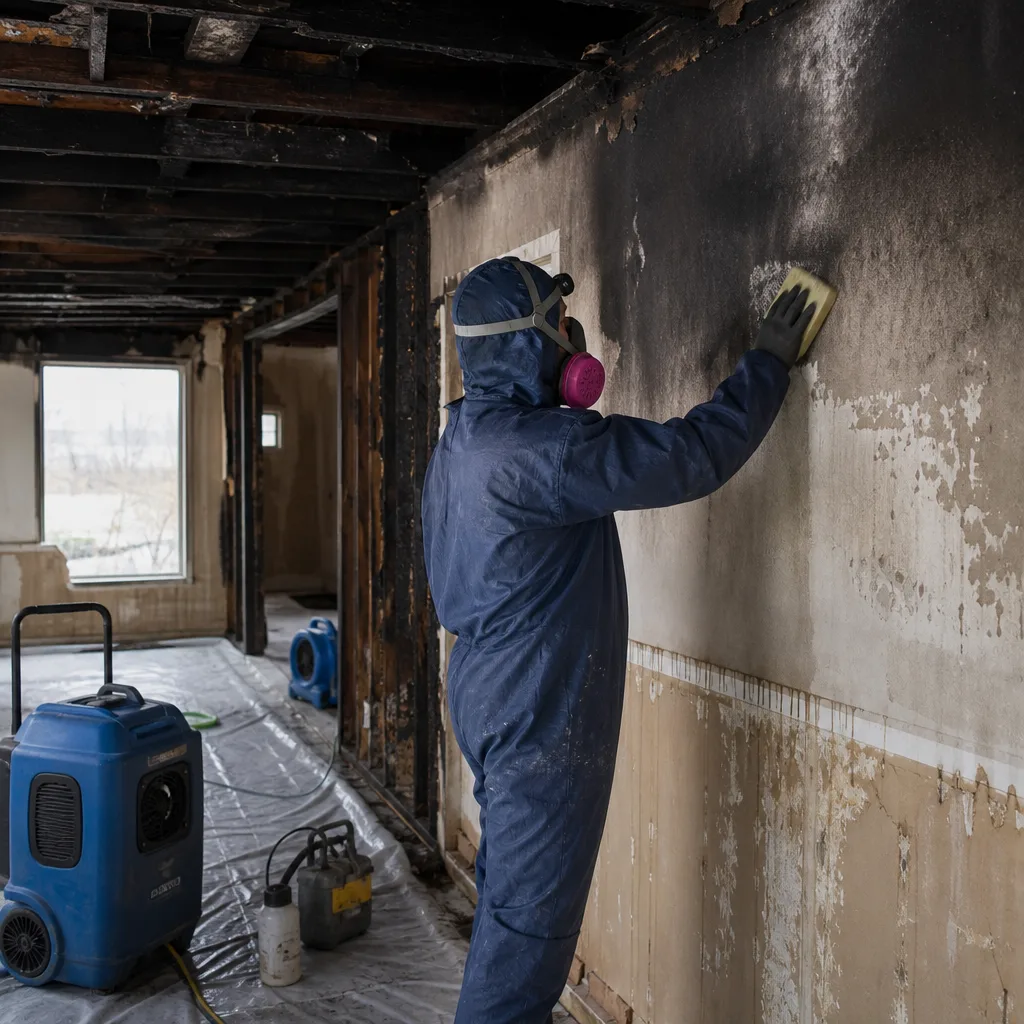
Crawl Space Treatment
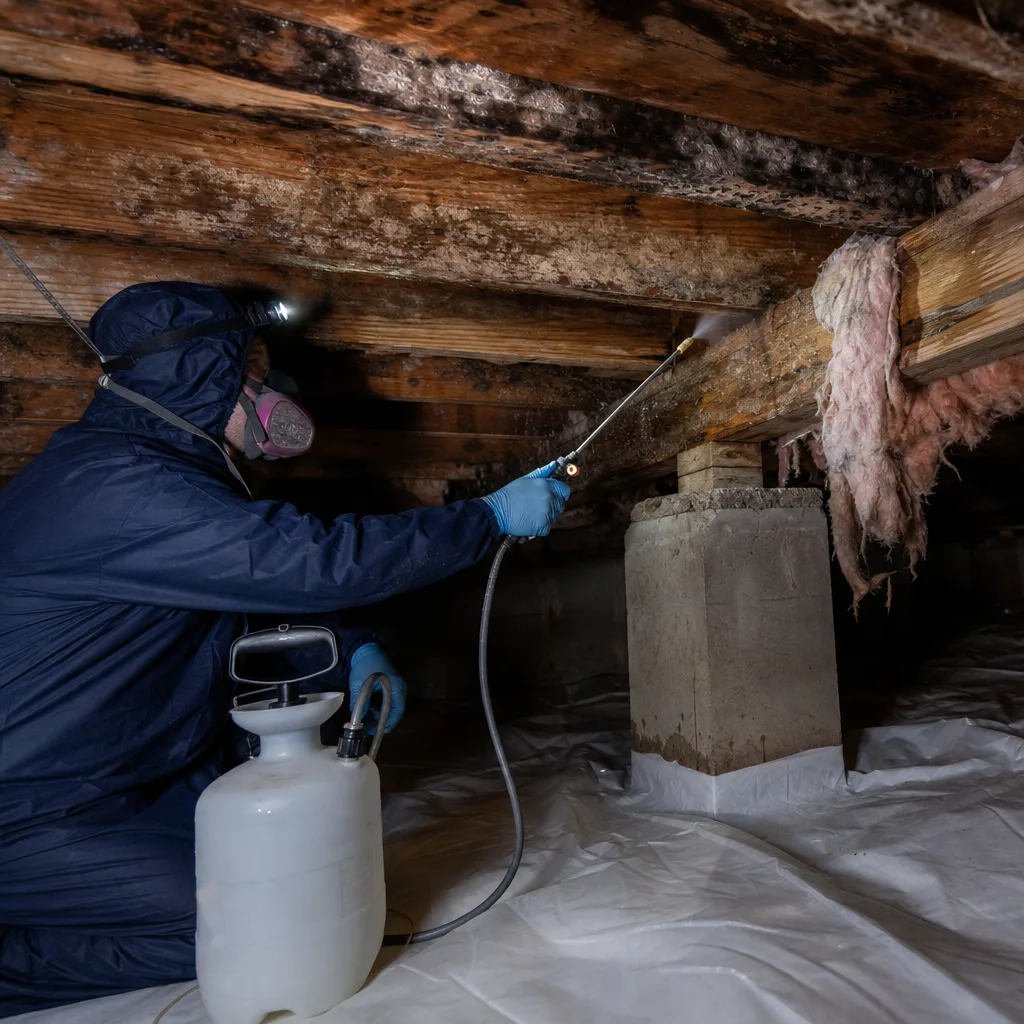
This is where Tacoma’s geography makes mold work distinct from anywhere else in the South Sound. The steep bluffs dropping to Commencement Bay channel groundwater into crawl spaces beneath North End and Central Tacoma homes continuously, not just after storms. Original cedar foundation sills from the 1890-1910 building boom rest directly on saturated glacial-till soil, so when a supply line fails, both the framing and the soil beneath it absorb water simultaneously. Washington State mold-remediation thresholds require us to address both before sign-off. Our Mold Remediation crews treat this as a dual-scope job by default: structural wood drying plus subgrade moisture extraction, logged separately, confirmed separately, billed as one written price.
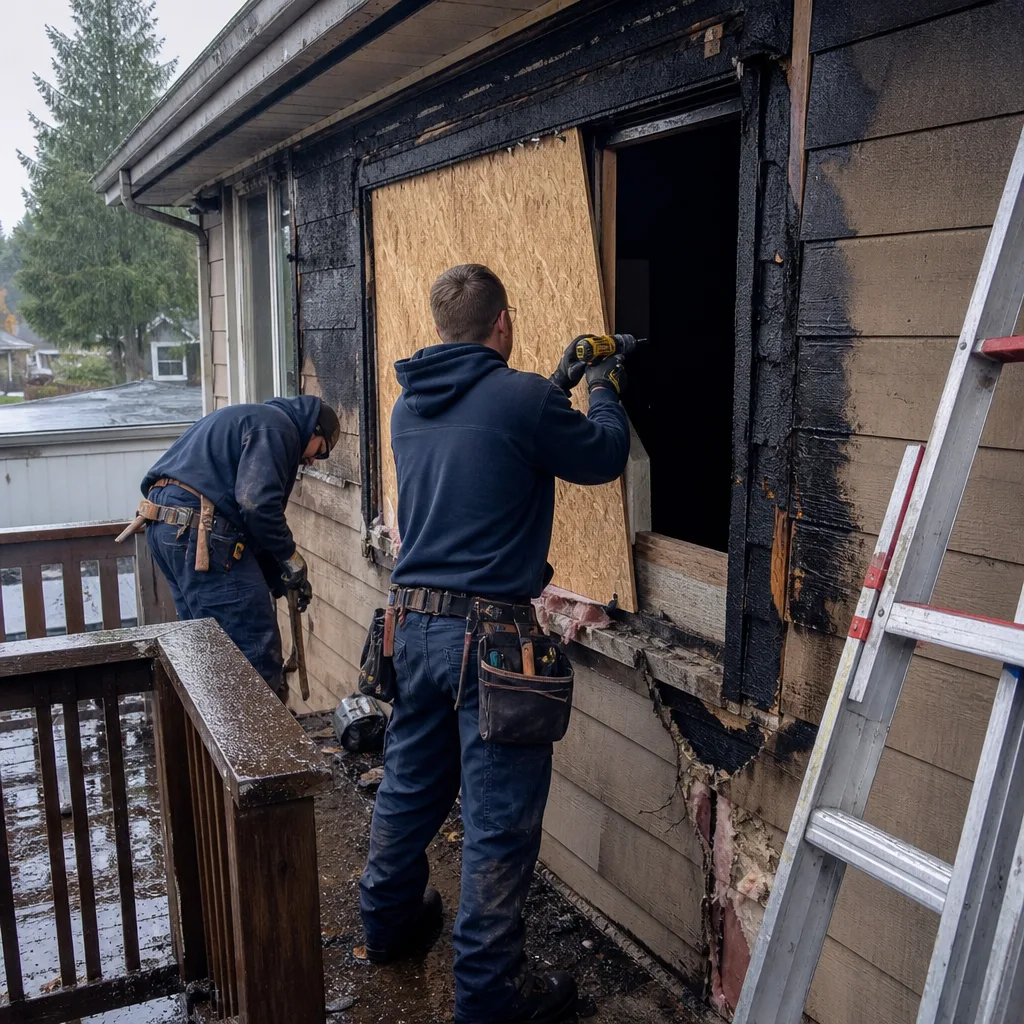
Moisture & Humidity Control
Long-term control in Tacoma means equipment sized for marine-climate baselines, not inland dry standards. We specify Dri-Eaz and XPOWER dehumidification systems with the capacity to pull moisture against 150-plus overcast days per year, and we place sensors in crawl spaces and wall cavities to verify performance. The daily drying logs we produce - psychrometric data, grain-per-pound readings, vapor pressure differential explained in plain terms - become your documentation if mold ever becomes an insurance question.
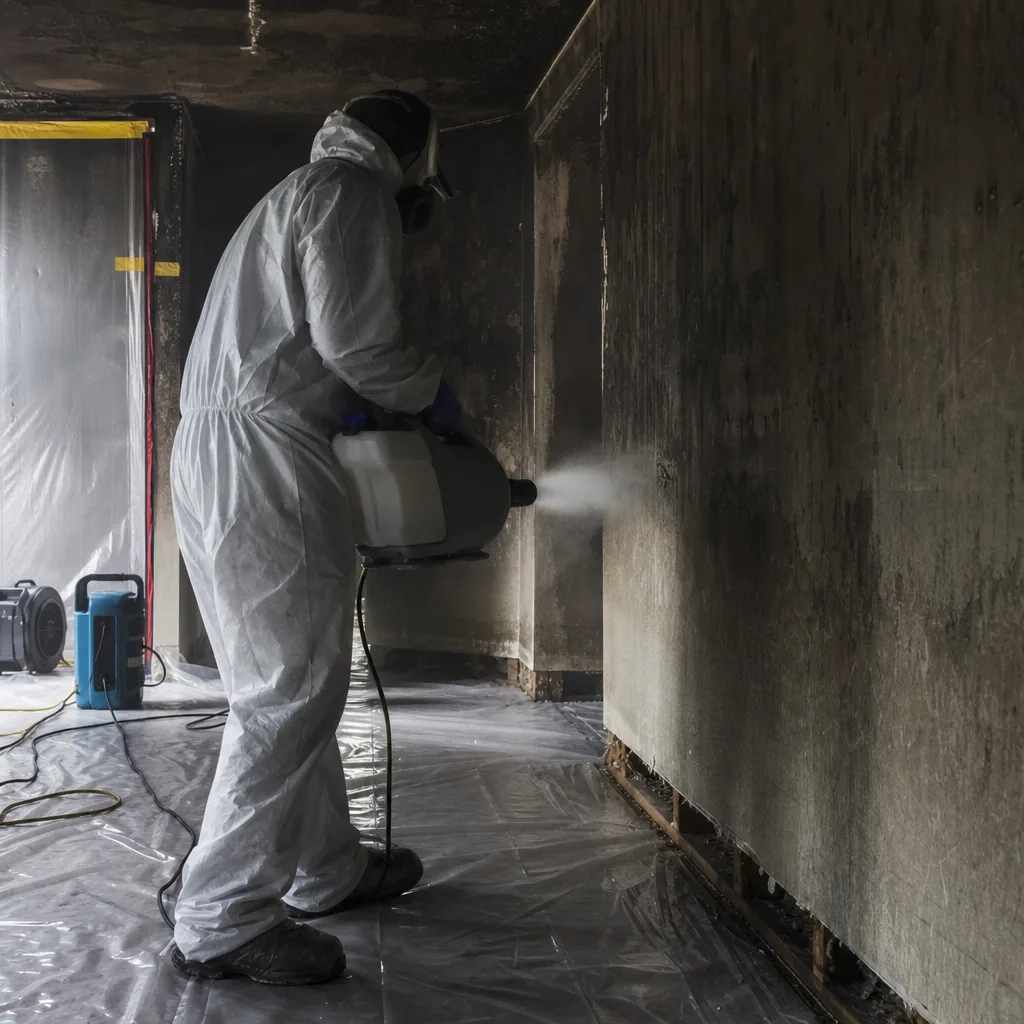
What happens when you call
- 1
A real person answersNo phone trees - you reach a local pro.
- 2
You get an upfront price rangeHonest numbers before anyone is dispatched.
- 3
A background-checked tech heads outLicensed & insured, dispatched right away.
- 4
You approve before work beginsNothing starts until you say go.
BeforeAfterTrusted Brands We Service in Tacoma
Our equipment inventory is built around the documentation standards that insurers pay without protest. We deploy Dri-Eaz dehumidifiers and Phoenix HEPA air scrubbers on every Tacoma job, with Injectidry mat systems for subgrade moisture extraction in the hillside crawl spaces that define this market. XPOWER axial air movers supplement the drying array when extended runtimes are required by marine-layer conditions. All equipment is maintained to manufacturer spec, and the serial numbers of units deployed on your job appear in your written scope. Parts and filter stock are held locally, so a failed dehumidifier or saturated HEPA filter doesn’t add days to your timeline.
Common Mold Remediation Problems We See in Tacoma Homes
- Treating a crawl space as a one-time spray. In North Slope and Central Tacoma homes with original cedar sills on saturated glacial till, mold rebounds unless subgrade moisture is actively extracted alongside structural drying and confirmed with drying logs. We’ve been called in to redo jobs where another crew sprayed antimicrobial and left the soil beneath the sill wet.
- Calling a Tacoma Category 2 or 3 loss dryable without verifying what the moisture reached. Original old-growth fir framing, horsehair plaster, and vermiculite attic insulation hold water differently than modern materials, so moisture mapping must be done before air movers are staged. Skipping this step means guessing at dry standard.
- Skipping the abatement step. Opening walls in pre-1920 Tacoma homes can trigger WISHA asbestos and lead-paint protocols, and crews that start mitigation before testing often have to stop, re-contain, and restart the clock. We test first, contain second, cut third.
- Undersizing dehumidification for marine-climate baselines. Tacoma’s persistent humidity means equipment that achieves dry standard in Puyallup or Federal Way may run continuously here without reaching threshold. We size for the local climate, not the catalog spec.
Pricing for Mold Remediation in Tacoma, WA
| Service | Typical Range in Tacoma |
|---|---|
| Visual mold inspection with moisture mapping | $250-$450 |
| Air/surface sampling (independent lab) | $150-$300 per sample |
| Contained room remediation (under 150 sq ft) | $1,800-$3,200 |
| Full crawl-space treatment with subgrade extraction | $3,200-$7,800 |
| Whole-structure remediation with abatement coordination | $6,500-$14,000 |
| Post-remediation clearance testing | $400-$650 |
What moves a Tacoma job toward the higher end: WISHA abatement protocols on pre-1920 homes, vermiculite insulation requiring safe handling, subgrade moisture extraction in hillside crawl spaces, and extended dehumidification runtimes due to marine-layer humidity. What keeps costs controlled: early detection, contained growth, and no secondary damage to finish materials. Every price is delivered in writing before work begins, with no scope-creep additions once the crew is inside. Haven Standard, Clause 1. Call (253) 322-4873 for a written estimate on your specific situation - estimates are free, and we offer a Free Second Opinion on any competitor’s written quote.
We Also Serve Cities Near Tacoma
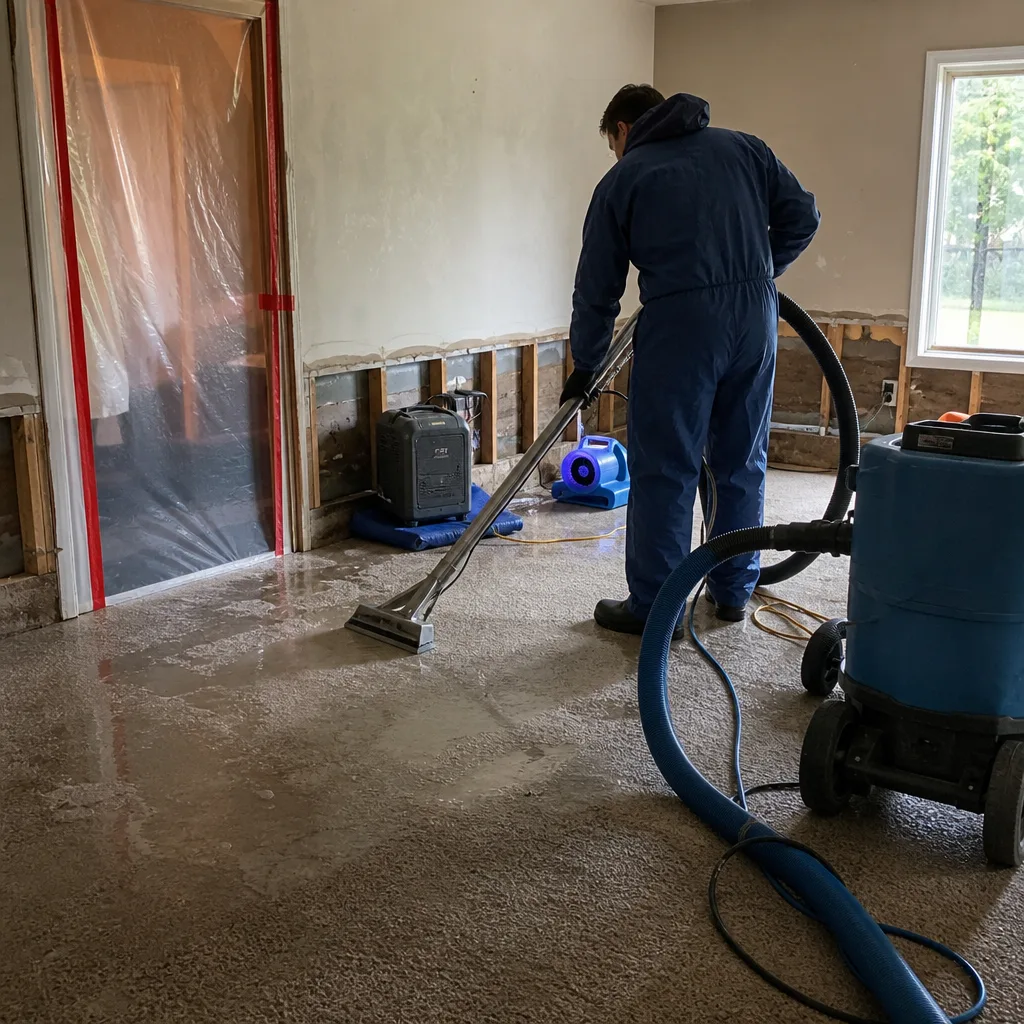
Our crews work throughout the South Puget Sound corridor, including Milton, Puyallup, Federal Way, and Lakewood. Each market gets the same documentation standards and the same written-price-first protocol, with equipment and timelines adjusted to local building stock and climate conditions.
Serving Tacoma, WA - Our Local Coverage Area
We’re based in the Tacoma area and know this community well. Use the map below to see our service coverage - if you’re nearby, we can almost certainly help.
FAQs - Mold Remediation in Tacoma
Because subgrade moisture in saturated glacial-till soil was never extracted, only the visible mold was treated. In North Slope and Central Tacoma homes with original cedar sills resting directly on that soil, mold regrows within weeks if the wood dries but the ground beneath it stays wet. Our dual-scope approach - structural drying plus subgrade moisture extraction, confirmed with daily logs - prevents this. Call (253) 322-4873 for a written assessment of your crawl space.
Dehumidification runtimes in Tacoma routinely exceed inland Pacific Northwest markets by 30 to 50 percent because outdoor relative humidity rarely drops low enough to accelerate passive drying. We size equipment accordingly and log psychrometric data daily until both the structure and the subgrade hit dry standard, not just until the air feels dry. The extended timeline is built into your written price from day one.
Not always - only when the home was built before 1980 and wall or ceiling cavities will be opened. But in Tacoma’s pre-1920 neighborhoods, including North Slope, North End, McKinley Hill, and Central Tacoma, testing is mandatory under WISHA before disturbance of suspect materials. We coordinate this step and include it in your written scope so work never stops mid-job for a protocol violation.
These postwar builds in the 98424 area often contain vermiculite attic insulation and asbestos-backed vinyl flooring that require safe-handling protocols when walls or ceilings are opened for drying access. The framing is newer and dries faster than old-growth fir, but the insulation and finish materials add an abatement step that 1970s slab-on-grade construction avoids. We test and scope for this before cutting.
When the moisture logs show dry standard achieved in both structural materials and subgrade soil, the independent lab returns clearance samples below industry thresholds, and the photo record documents clean, intact surfaces in every contained area. Only then do we remove containment and issue the 365-Day Done Right Promise under The Haven Standard. No verbal assurances. Written documentation only.
Written by Alicia Brennan, Owner at Back to Dry Restoration, serving Tacoma since 2011 under The Haven Standard.