
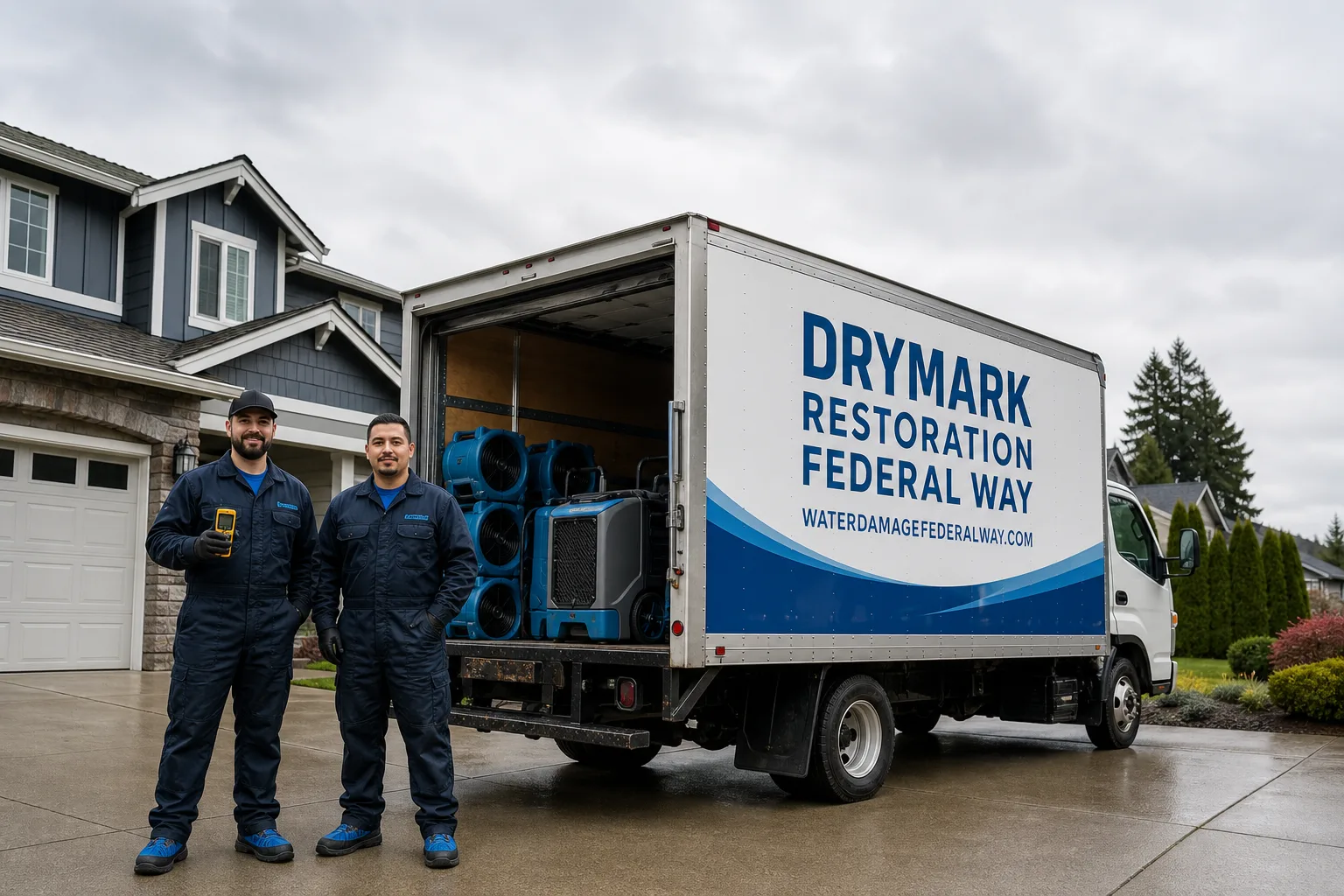
Free visual inspection and a written scope of work before any mitigation begins - photos, moisture readings, and drying logs go in your claim file
The scope we write is the scope we bill. Anything new gets shown to you, in writing, before we touch it.
 Before
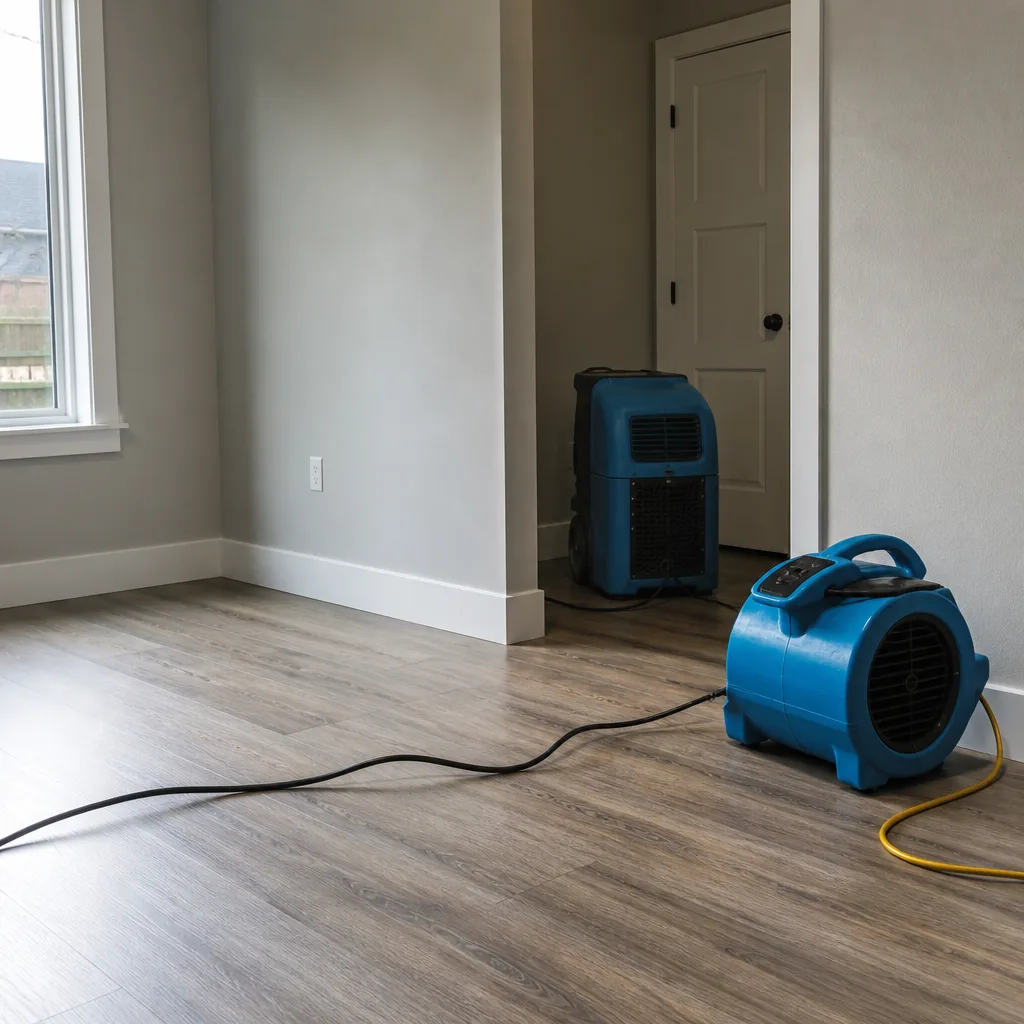 After
After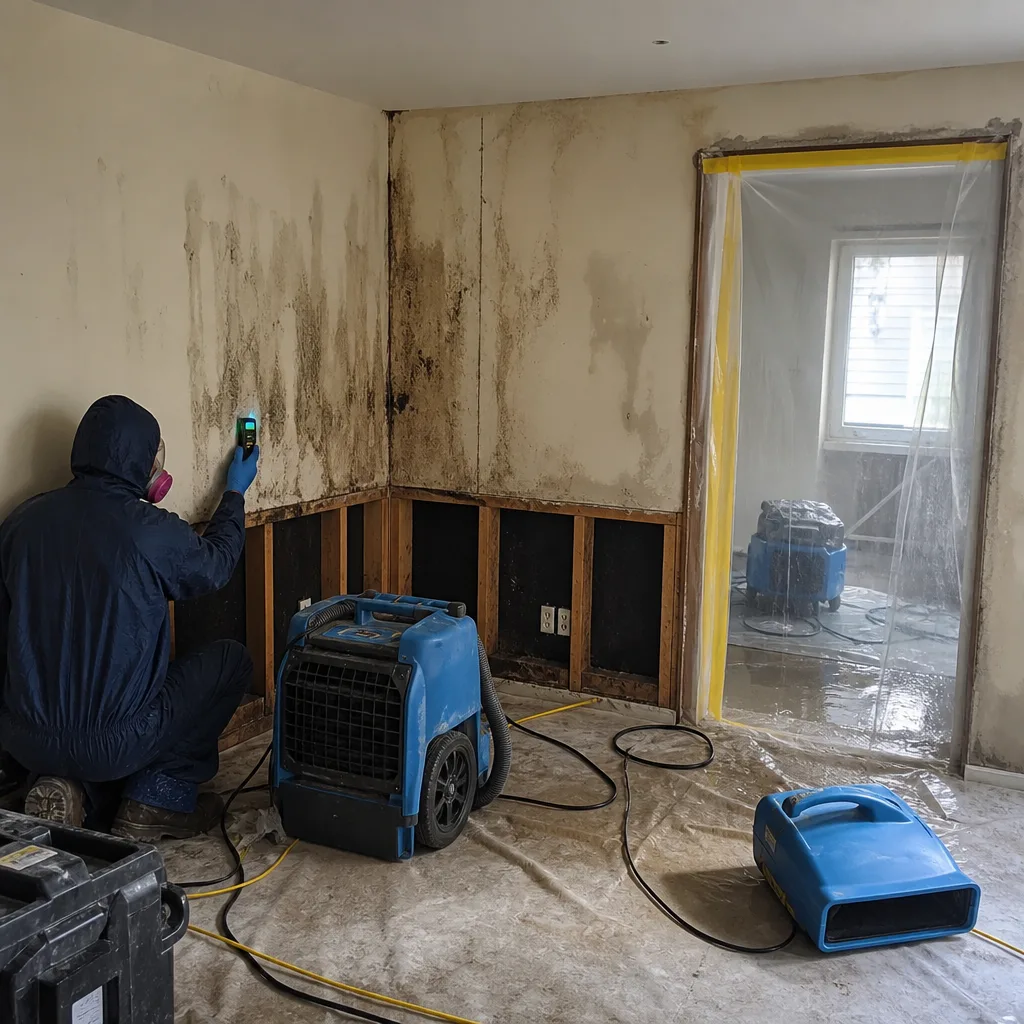 Before
 After
After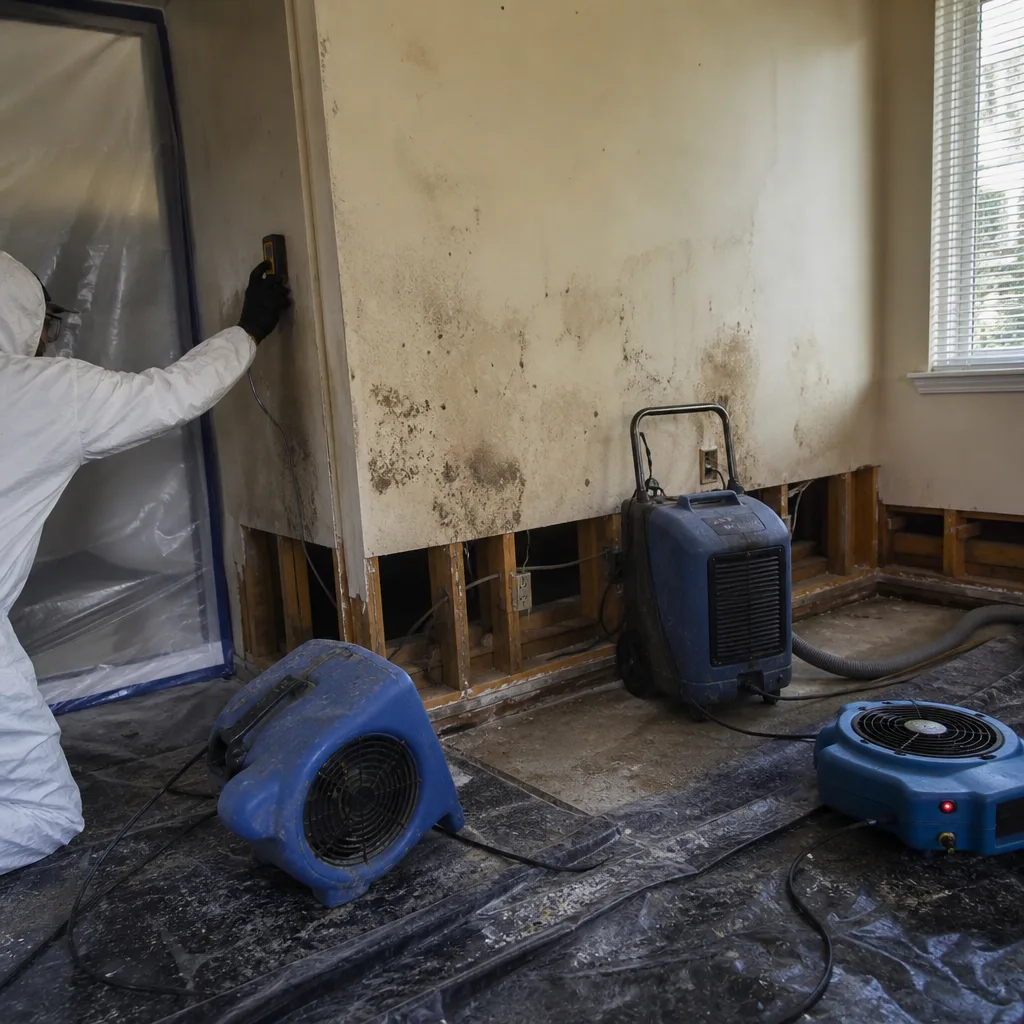 Before
 After
AfterFast, Reliable Mold Remediation Across Lakewood
Mold remediation in Lakewood typically costs $1,800-$4,500 for contained residential jobs and $4,500-$12,000 for whole-home or crawl-space treatments requiring encapsulation. Most inspections can be scheduled within 24 hours, with our Lakewood crews dispatching from our Seattle coordination office. Call (253) 322-4873 for a written estimate before any work begins.
We’ve worked the rental corridors near Joint Base Lewis-McChord long enough to know the pattern: a landlord walks into a unit after a PCS turnover and finds staining they can’t explain, or a musty crawl space that hasn’t been opened in years. Lakewood’s flat Puget Sound lowland terrain, its 38-40 inches of concentrated October-through-April rainfall, and housing stock built largely in the 1940s through 1960s create conditions where mold colonizes quietly and spreads before anyone living there thinks to report it. Our Mold Remediation team documents every job with moisture readings, photo records, and written scopes that satisfy insurers and property managers alike.
Why DryMark Restoration Federal Way Is Lakewood’s Preferred Mold Remediation Company
Back to Dry Restoration, led by Alicia Brennan, has handled mold jobs across Lakewood since 2011 with a single rule: every job gets a written price before work starts, every time, with no exceptions. Haven Standard, Clause 1. That policy was built by a former claims adjuster who watched too many homeowners lose coverage fights because the restoration invoice lacked documentation.
Our Lakewood customers receive the same deliverable on every visit: dated photo records, room-by-room moisture logs, and a drying summary that maps psychrometric data - temperature, relative humidity, and vapor pressure differential, which is the force that drives moisture through walls - in plain language an adjuster can read without calling back.
Live phone coverage runs 24 hours a day, 7 days a week. No voicemail trees. When a Tillicum-area landlord finds water damage three days after a tenant shipped out, that call gets answered by a person who can schedule Lakewood Water Damage Restoration moisture mapping within hours, not the next business day.
Our 365-Day Done Right Promise, backed by The Haven Standard, applies to every Lakewood job. If it’s not done right, we make it right. That’s a signed guarantee, not a verbal assurance.
Our Mold Remediation Services in Lakewood
Mold Inspection & Testing
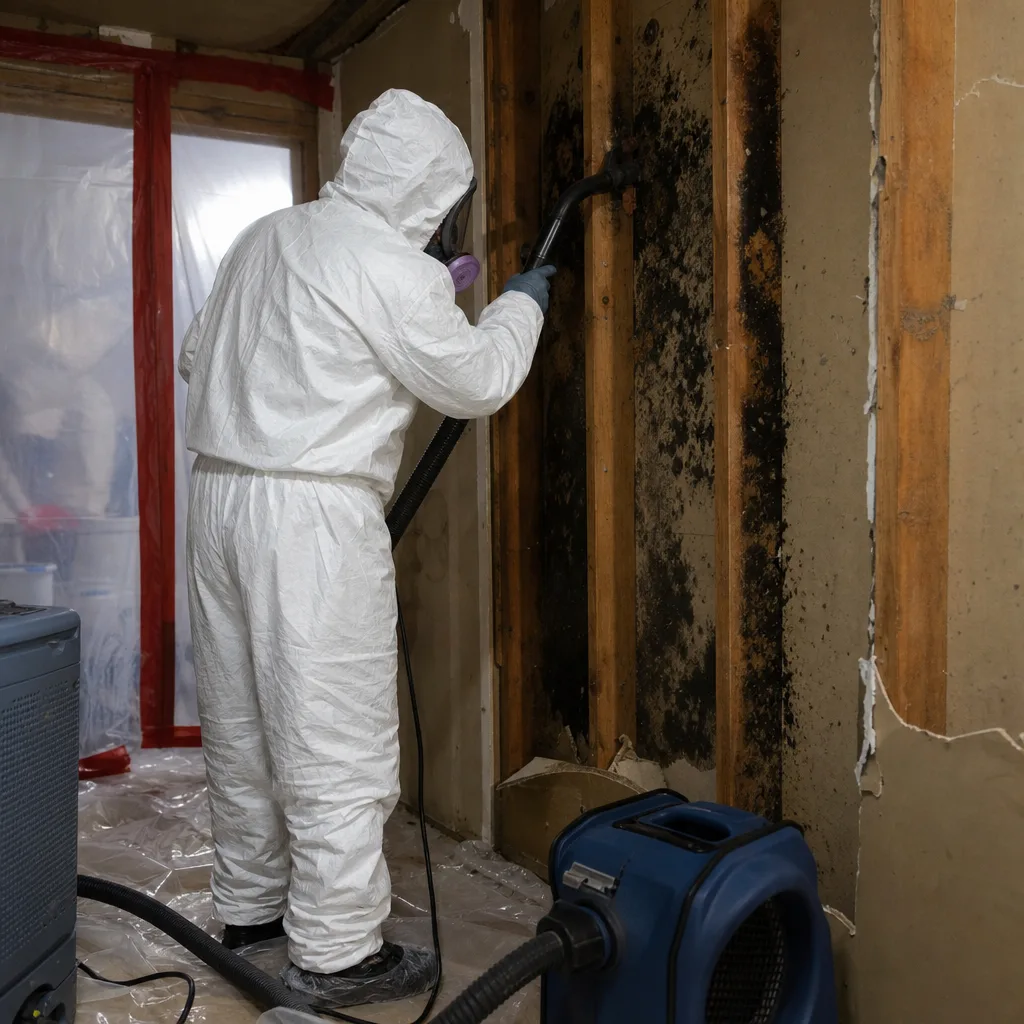
A proper Lakewood inspection starts with moisture mapping, not guesswork. We use thermal imaging and calibrated moisture meters to find the water source that feeds the mold - because killing mold without stopping the moisture is temporary work that wastes everyone’s money. In Lakewood’s older Tillicum rentals, we regularly find supply-line leaks behind original galvanized plumbing or chronic crawl-space saturation from the elevated water table near American Lake and Gravelly Lake. Our inspection reports include documented moisture readings, affected square footage by material type, and a written scope with line-item pricing before any remediation begins.
Mold Removal
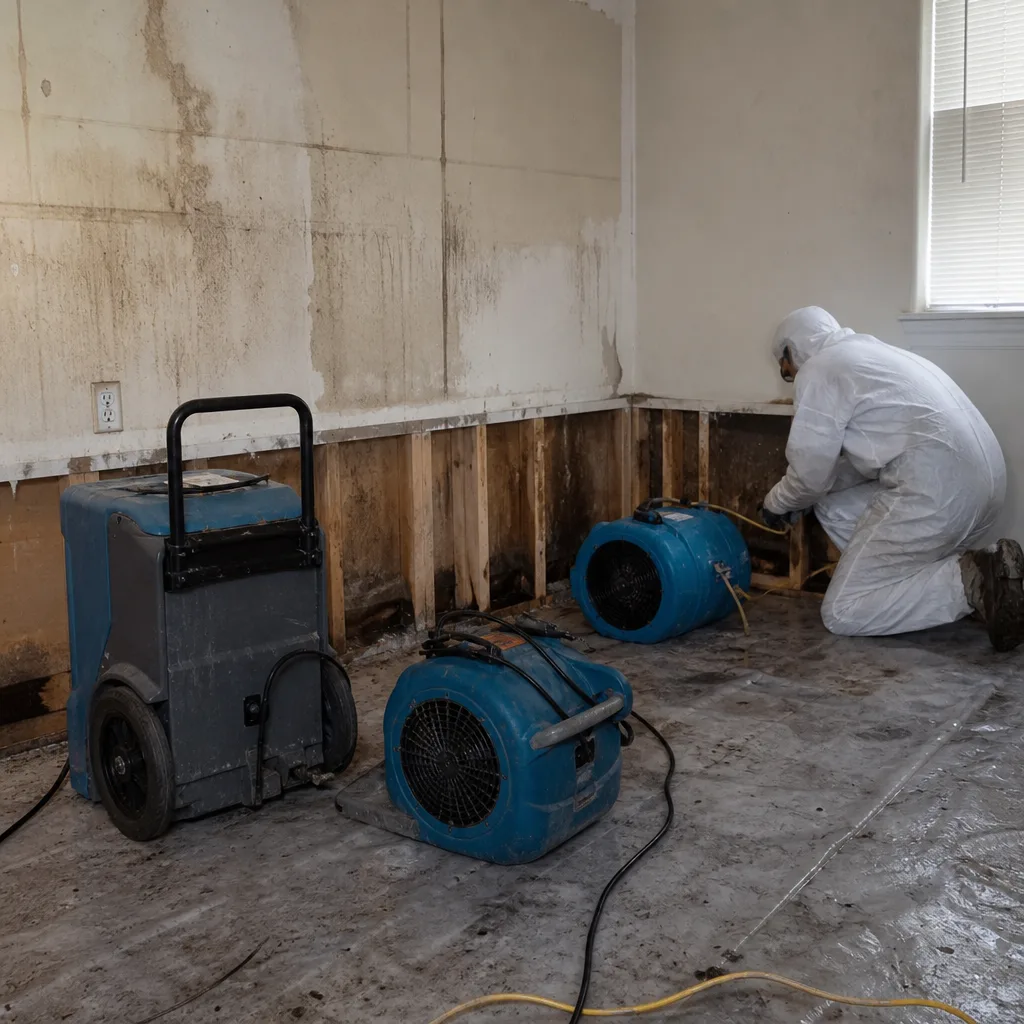
Removal in Lakewood often means working around legacy building materials. The 1940s-1960s housing stock near JBLM frequently contains asbestos-containing floor tiles, duct insulation, or textured ceilings that require hazmat abatement before standard mold remediation can proceed. We sequence that work into the scope from the start, not as a surprise add-on once the crew is inside. Our technicians are background-checked, uniformed, and licensed, with containment protocols that keep unaffected areas clean. Equipment includes HEPA-negative air machines, antimicrobial application systems, and structural drying setups from Dri-Eaz and XPOWER.
Black Mold Remediation
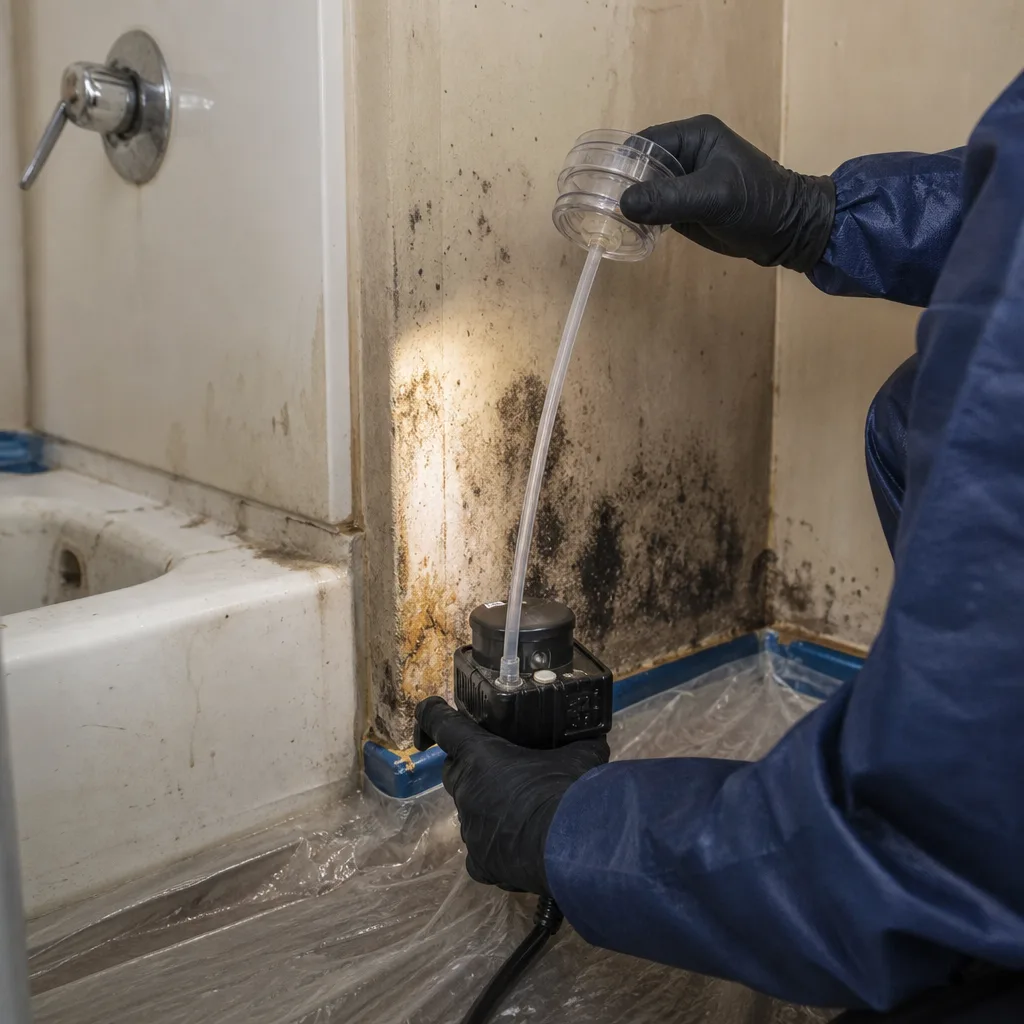
Stachybotrys chartarum and similar toxigenic species in Lakewood almost always signal long-term moisture exposure - the kind that develops when a leak goes unreported through an entire PCS cycle. We treat these jobs with full containment, air scrubbing, and post-remediation verification sampling. The critical step most competitors skip: documenting the moisture source and repair in the same record as the mold removal, so the insurer sees the problem was solved, not just cleaned. Our photo record on every visit supports that documentation standard.
Air Quality Restoration
After remediation, Lakewood properties need more than surface cleaning. We deploy HEPA filtration, activated carbon scrubbing, and controlled ventilation to restore breathable air quality, with post-treatment testing that measures spore counts against outdoor baseline levels. For rental properties near JBLM with rapid tenant turnover, this documentation protects landlords from liability claims and gives incoming tenants measurable proof of safe conditions.
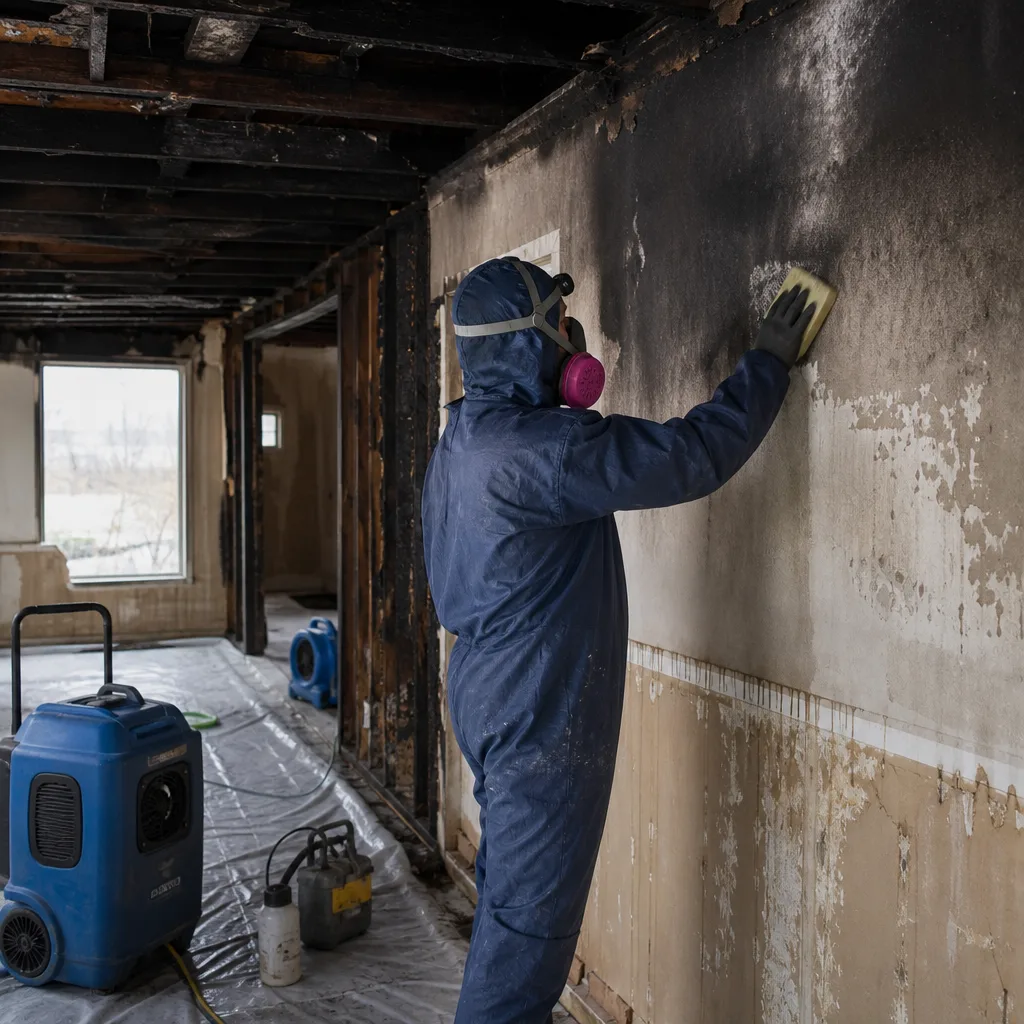
Crawl Space Treatment
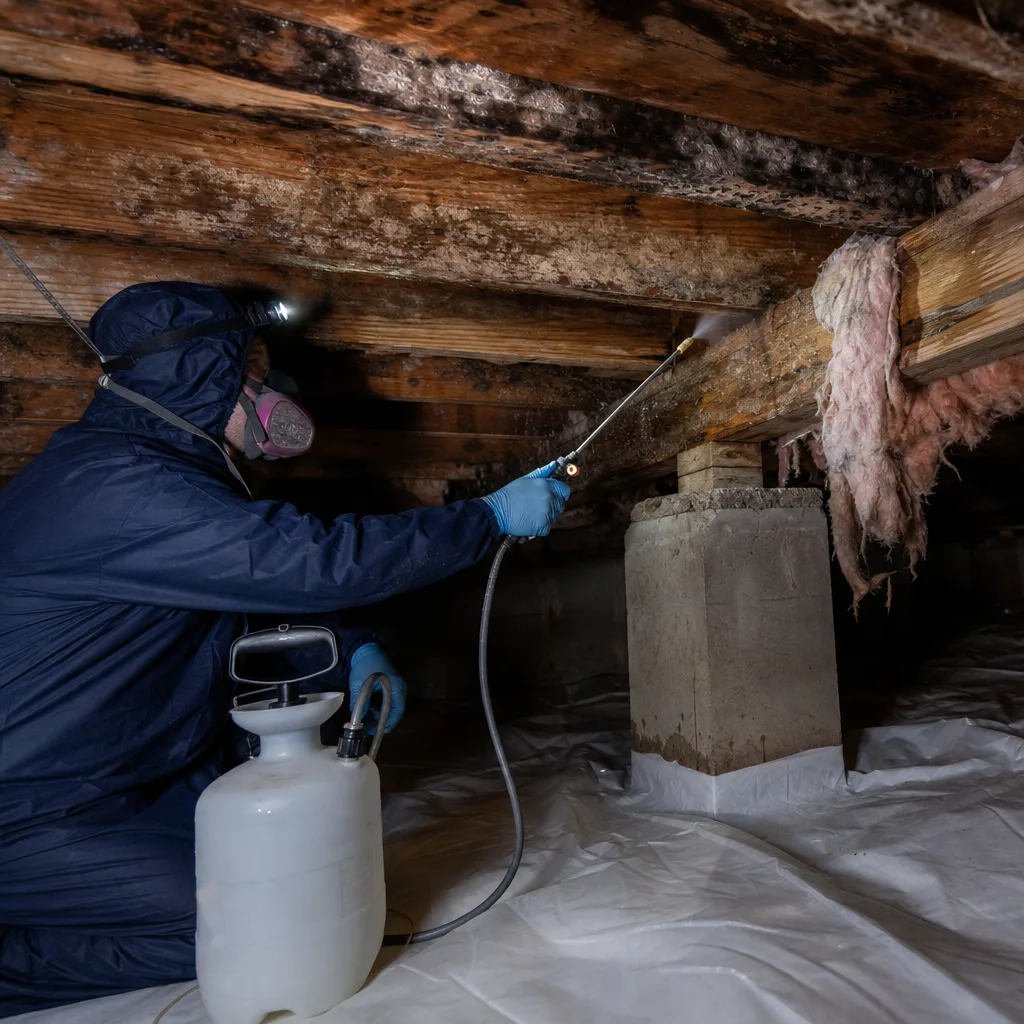
Lakewood’s slab-on-grade and pier-and-beam homes near the lake corridors suffer chronic crawl-space mold because spot drying treats symptoms while the groundwater keeps coming. We install vapor barriers, sealed encapsulation systems, and permanent dehumidification - often with B-Air and Phoenix equipment - to drop relative humidity below the 60% threshold where mold stops growing. Without this step, Lakewood crawl spaces flood again every October when the rains return.
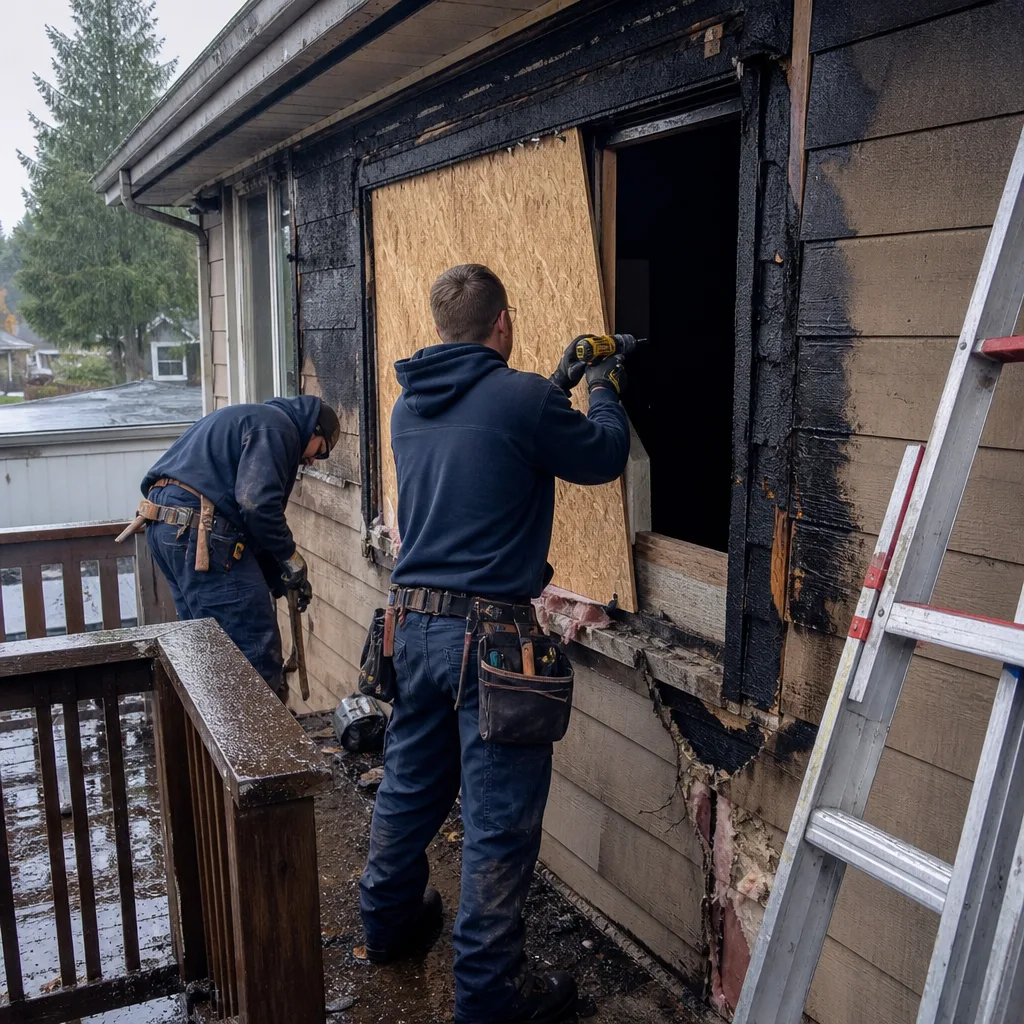
Moisture & Humidity Control
Our moisture control programs for Lakewood properties include permanent dehumidification, ventilation correction, and seasonal monitoring. We specify equipment by model and capacity, document baseline and target moisture readings, and provide drying logs that show progress in real numbers. This is the documentation that turns restoration invoices into payable claims.
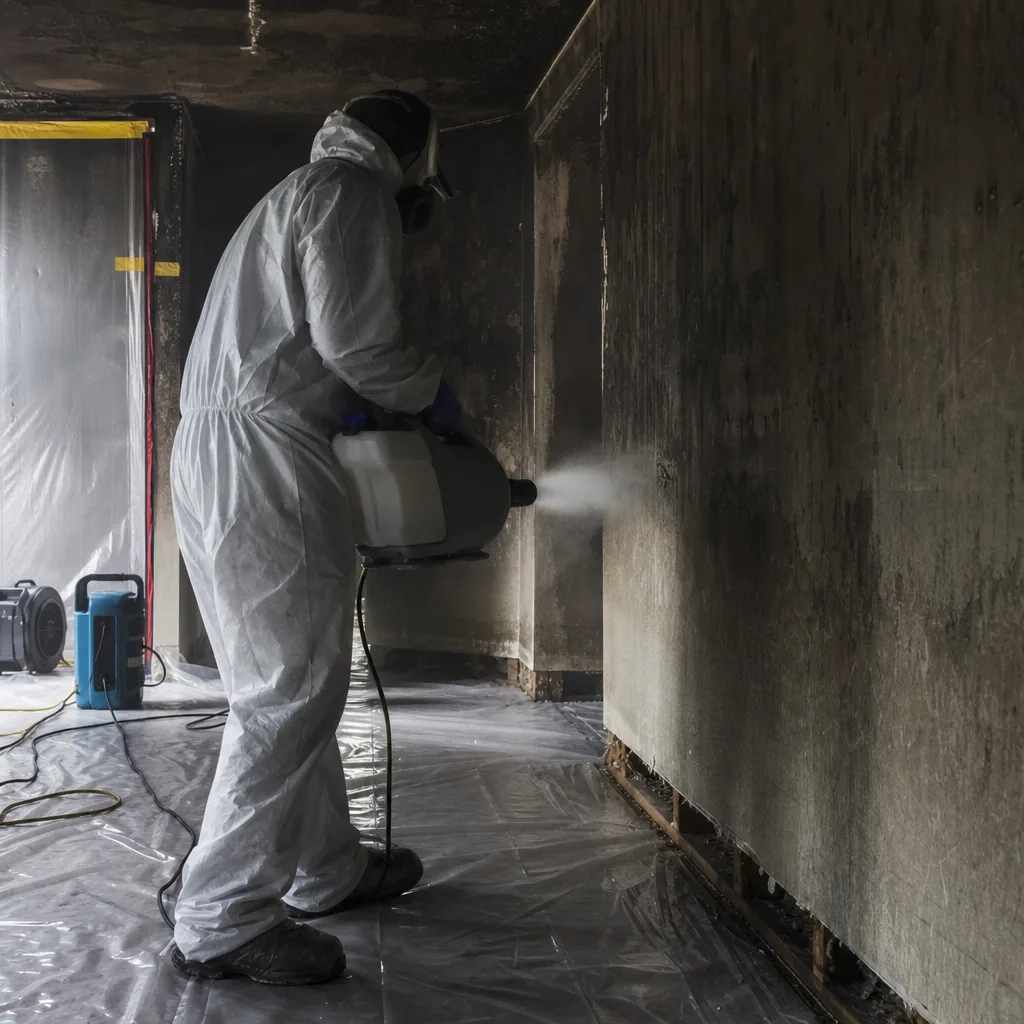
What happens when you call
- 1
A real person answersNo phone trees - you reach a local pro.
- 2
You get an upfront price rangeHonest numbers before anyone is dispatched.
- 3
A background-checked tech heads outLicensed & insured, dispatched right away.
- 4
You approve before work beginsNothing starts until you say go.
 Before
 After
AfterTrusted Brands We Service in Lakewood
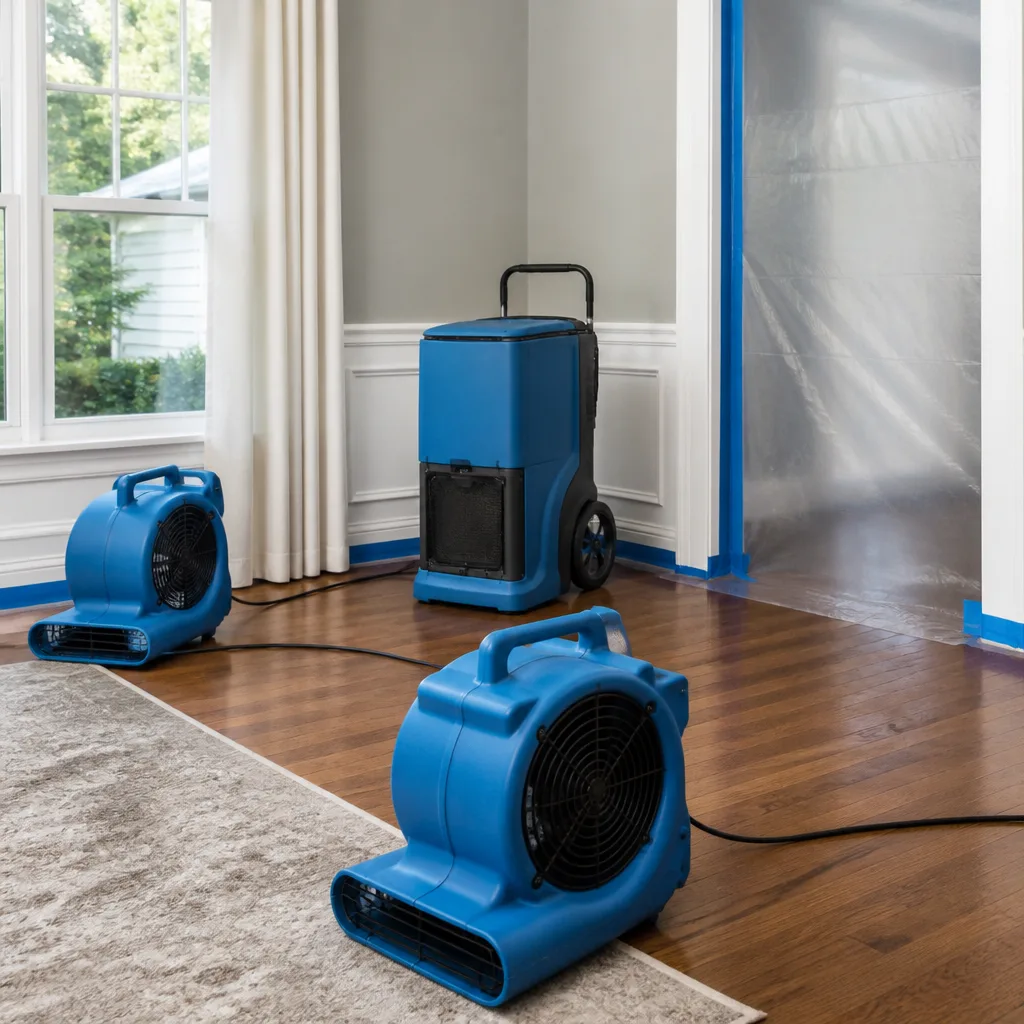
We deploy professional-grade drying and remediation equipment from Dri-Eaz, Phoenix, XPOWER, and B-Air on Lakewood jobs - brands specified in IICRC, RIA, and IFA standards because their output can be measured and documented. Our Seattle office stocks replacement components and additional units for rapid deployment, so a Lakewood crawl-space encapsulation or whole-home drying project doesn’t wait on freight. Every machine’s performance is logged daily: cubic feet per minute of air movement, grains of moisture removed per hour, and relative humidity reduction by room. Those numbers go into your file, not ours.
Common Mold Remediation Problems We See in Lakewood Homes
- Mold returns seasonally in lake-corridor rentals. Slab-on-grade and pier-and-beam homes near American Lake flood every wet season because spot drying doesn’t address the groundwater pushing up through the foundation. Full encapsulation with vapor barrier and permanent dehumidification is the only fix that lasts.
- Water damage sits unreported through PCS cycles. By the time a Lakewood landlord discovers the problem, category 2 or 3 water has been feeding mold for months. Our techs date damage from growth patterns and staining when there’s no tenant left to interview - a documentation challenge unique to this market.
- Hazmat surprises stall half-started jobs. Original asbestos floor tiles, duct insulation, and textured ceilings in 1940s-1960s Tillicum housing require abatement before mold work proceeds. We build this sequencing into our initial scope so the timeline and price don’t shift mid-job.
- Drying logs never get captured. Competitors repair and paint over moisture damage without documenting pre-loss conditions or drying progress. When the insurer disputes the claim, the homeowner has no evidence. We photograph and log every visit as standard, never as an upsell.
Pricing for Mold Remediation in Lakewood, WA
Mold inspection and testing in Lakewood runs $350-$650 for residential properties, including moisture mapping, thermal imaging, and written findings. Contained mold removal in a single room or bathroom typically costs $1,800-$3,200. Whole-home remediation with crawl-space encapsulation ranges $4,500-$12,000 depending on affected square footage, hazmat requirements, and whether permanent dehumidification is specified.
Factors that move Lakewood jobs toward the higher end: asbestos-containing materials requiring abatement sequencing, extensive crawl-space work with groundwater management, and jobs where mold has colonized HVAC ductwork. We deliver a written price before any work starts, every time, with no scope-creep additions once the crew is inside. Haven Standard, Clause 1. Free second opinion on any competitor’s written estimate.
Call (253) 322-4873 for a written estimate - inspections are priced upfront, not hidden behind a “call for quote” gate.
We Also Serve Cities Near Lakewood
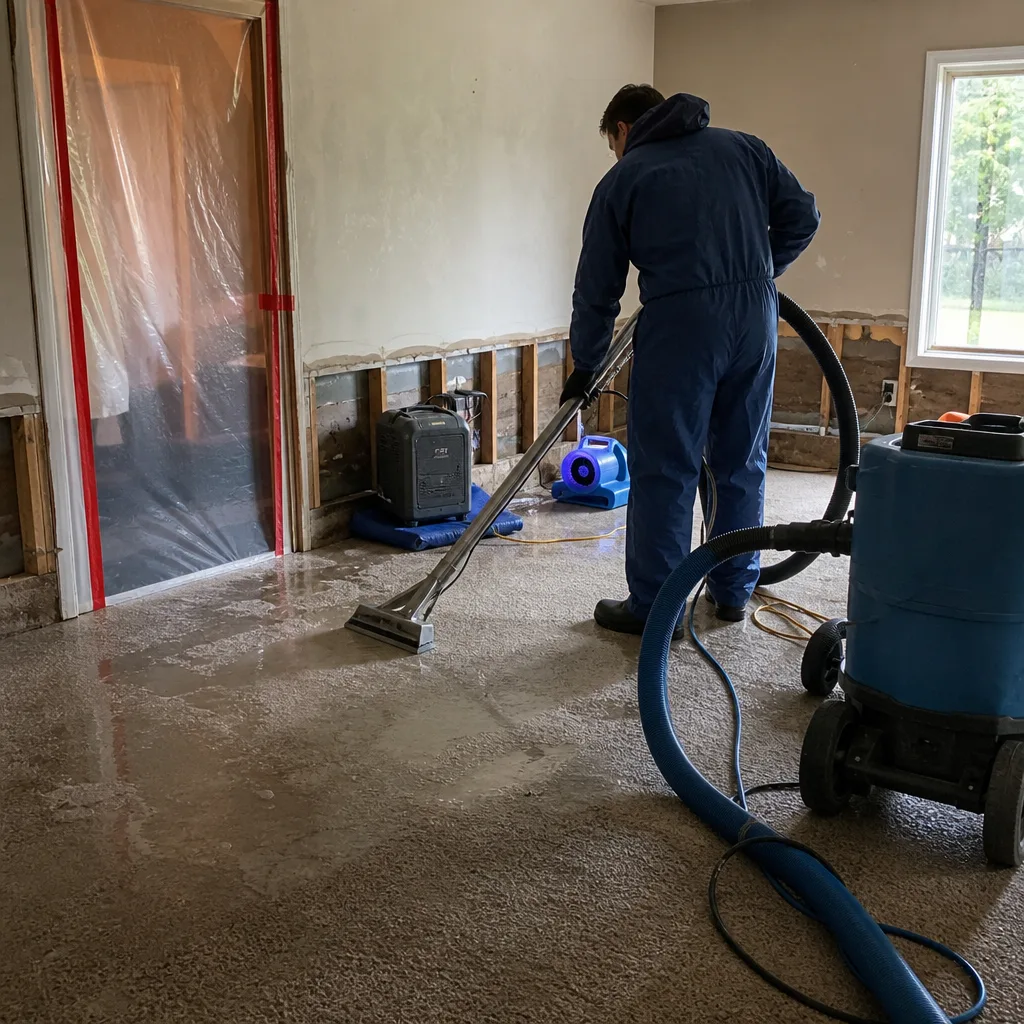
Our crews work throughout the South Sound, including Mold Remediation in Lakewood and surrounding communities: Tacoma to the north, Puyallup to the northeast, Milton to the east, and Federal Way to the north along I-5. Dispatch and scheduling are coordinated from our Seattle office; crews serve each city locally with the same documentation standards and written pricing policy.
Serving Lakewood, WA - Our Local Coverage Area
We’re based in the Lakewood area and know this community well. Use the map below to see our service coverage - if you’re nearby, we can almost certainly help.
FAQs - Mold Remediation in Lakewood
Visible mold can develop within 48-72 hours of sustained moisture exposure, but in Lakewood’s cooler crawl spaces and wall cavities, colonization often spreads for weeks or months before discovery - especially when a military tenant has already PCS’d and no one is reporting the leak. We date damage from growth patterns, staining progression, and material degradation when tenant interviews aren’t possible. Call (253) 322-4873 for moisture mapping that establishes a timeline your adjuster can use.
Persistently elevated water tables in Lakewood’s flat Puget Sound lowland terrain drive groundwater through slab edges and pier-and-beam foundations every wet season. Spot drying or temporary fans don’t lower the water table; only full encapsulation with sealed vapor barrier, perimeter drainage where needed, and permanent dehumidification stops the cycle. We specify equipment capacity by crawl-space volume and document target humidity levels in writing.
Document everything before touching anything, then call for moisture mapping and a written scope. Photograph all visible staining, note the date of tenant departure if known, and preserve any maintenance records. Our estimators will date the damage from mold growth patterns and moisture readings, then build a scope that sequences hazmat testing, containment, remediation, and encapsulation with line-item pricing before work begins. Haven Standard, Clause 1.
Yes. The 1940s-1960s housing near JBLM’s main gate frequently contains asbestos floor tiles, duct insulation, and textured ceilings that require licensed abatement before mold work proceeds. We test for these materials during inspection and build abatement sequencing into the initial scope and price, so the job doesn’t stall with a mid-project surprise. Our written scope names each material classification and the regulatory requirement that applies.
Category 1 is clean water from a supply line; Category 2 is gray water with chemical or biological contamination, like dishwasher discharge; Category 3 is black water from sewage or groundwater flooding. In Lakewood’s JBLM-adjacent rentals, water often degrades from Category 1 to 2 or 3 while sitting unreported through a PCS cycle - microbial growth and material contamination change the classification over time. We test and document the category at discovery, which determines antimicrobial protocol, disposal requirements, and whether porous materials must be removed rather than cleaned. Call (253) 322-4873 for a written assessment.
Written by Alicia Brennan, Owner at Back to Dry Restoration, serving Lakewood since 2011.