
Free visual inspection and a written scope of work before any mitigation begins - photos, moisture readings, and drying logs go in your claim file
The scope we write is the scope we bill. Anything new gets shown to you, in writing, before we touch it.
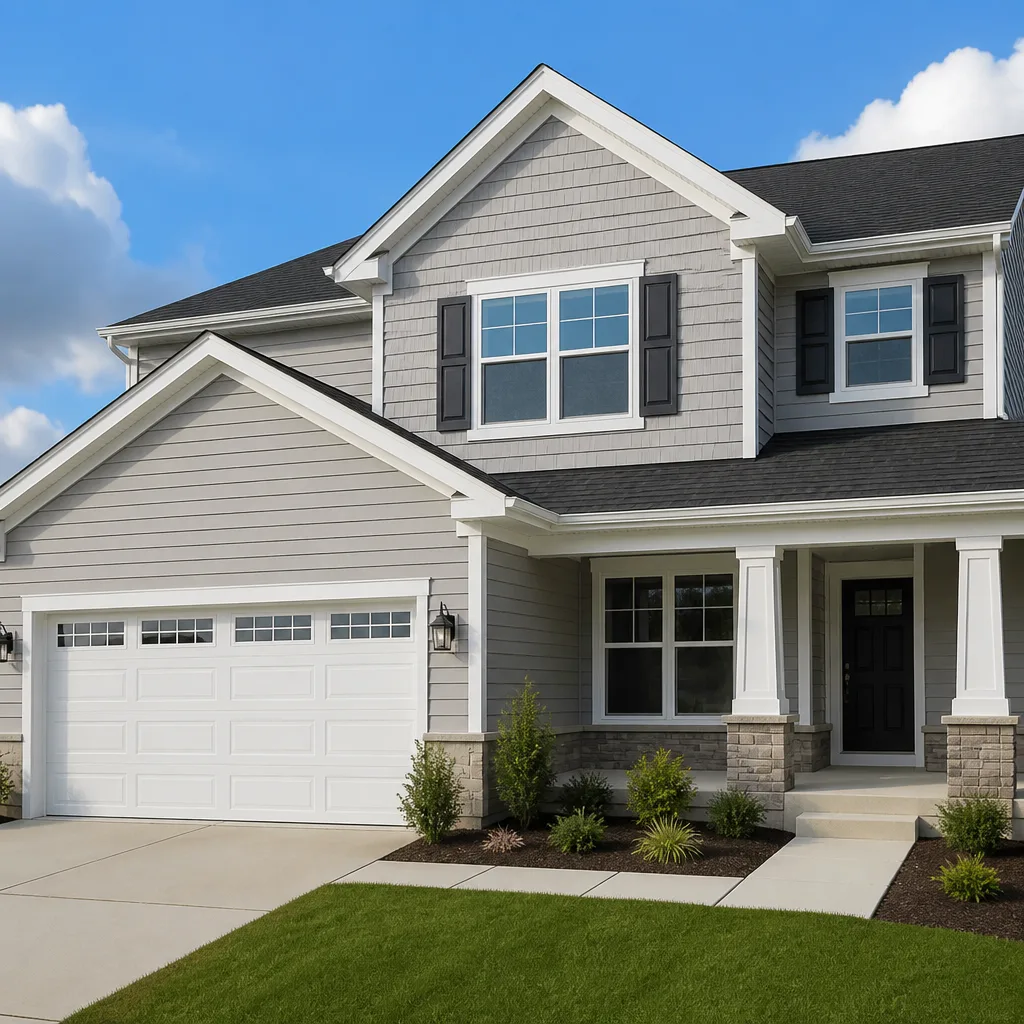
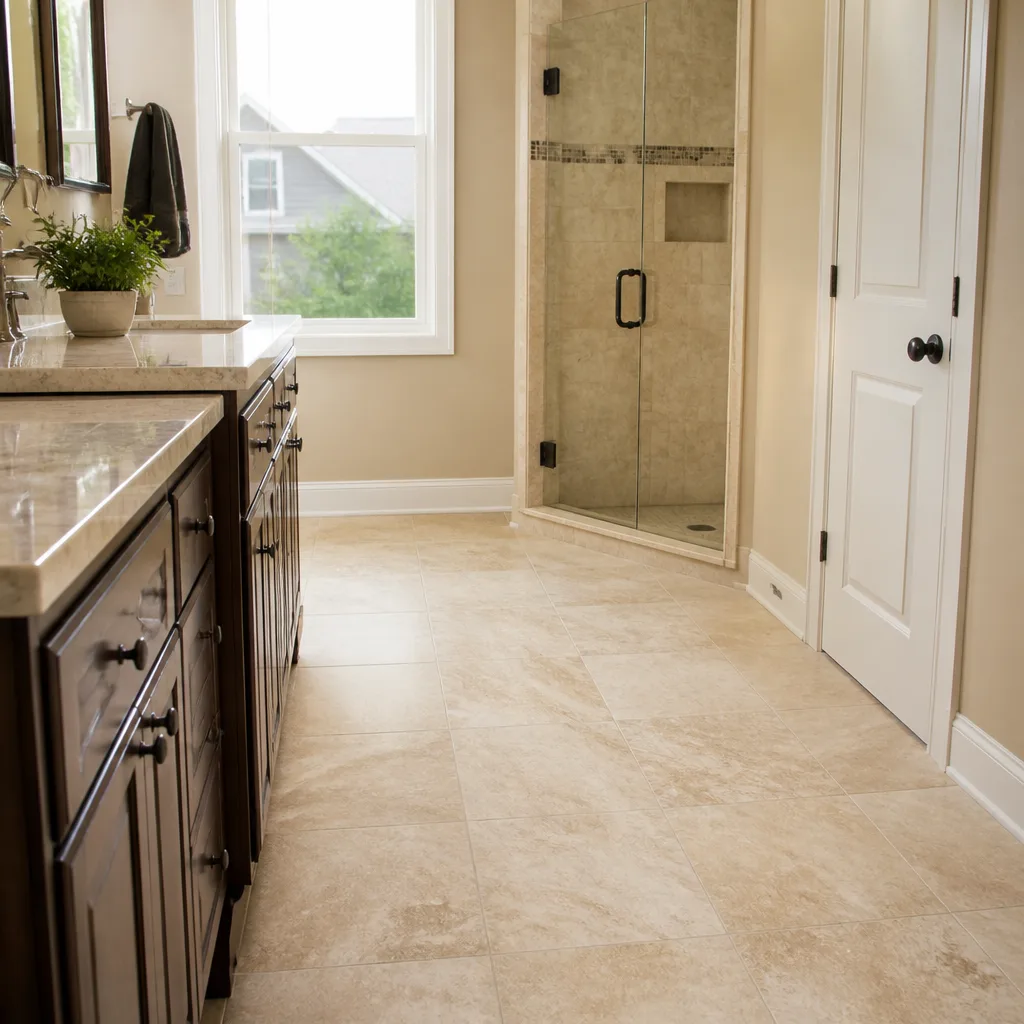
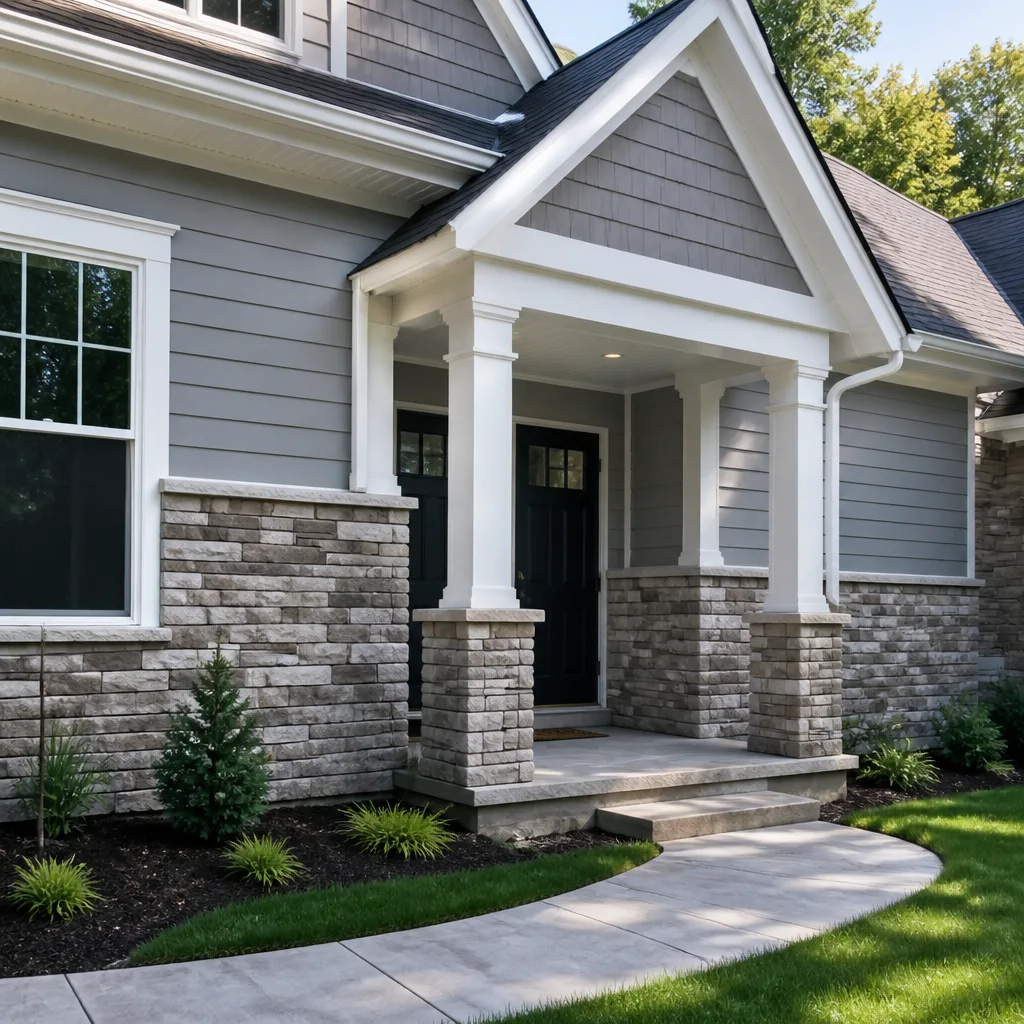
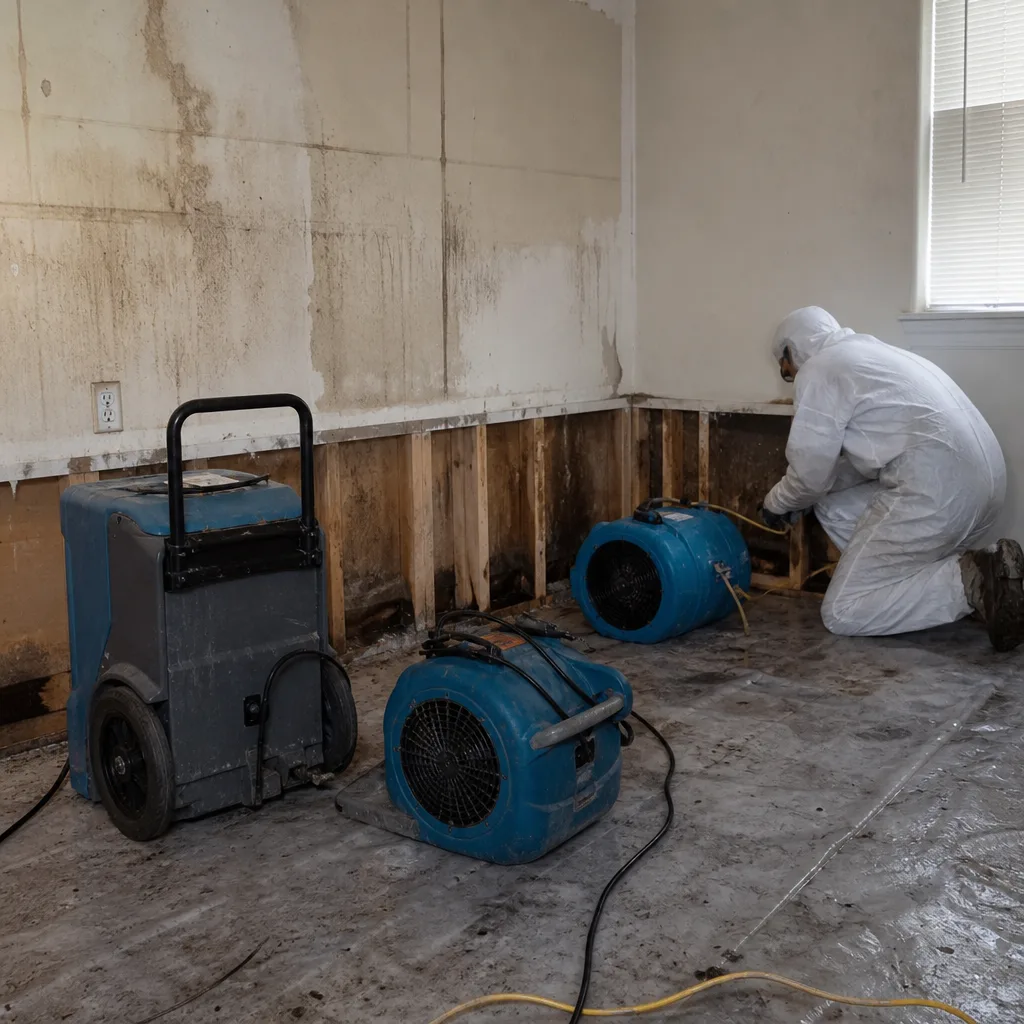 Before
 After
After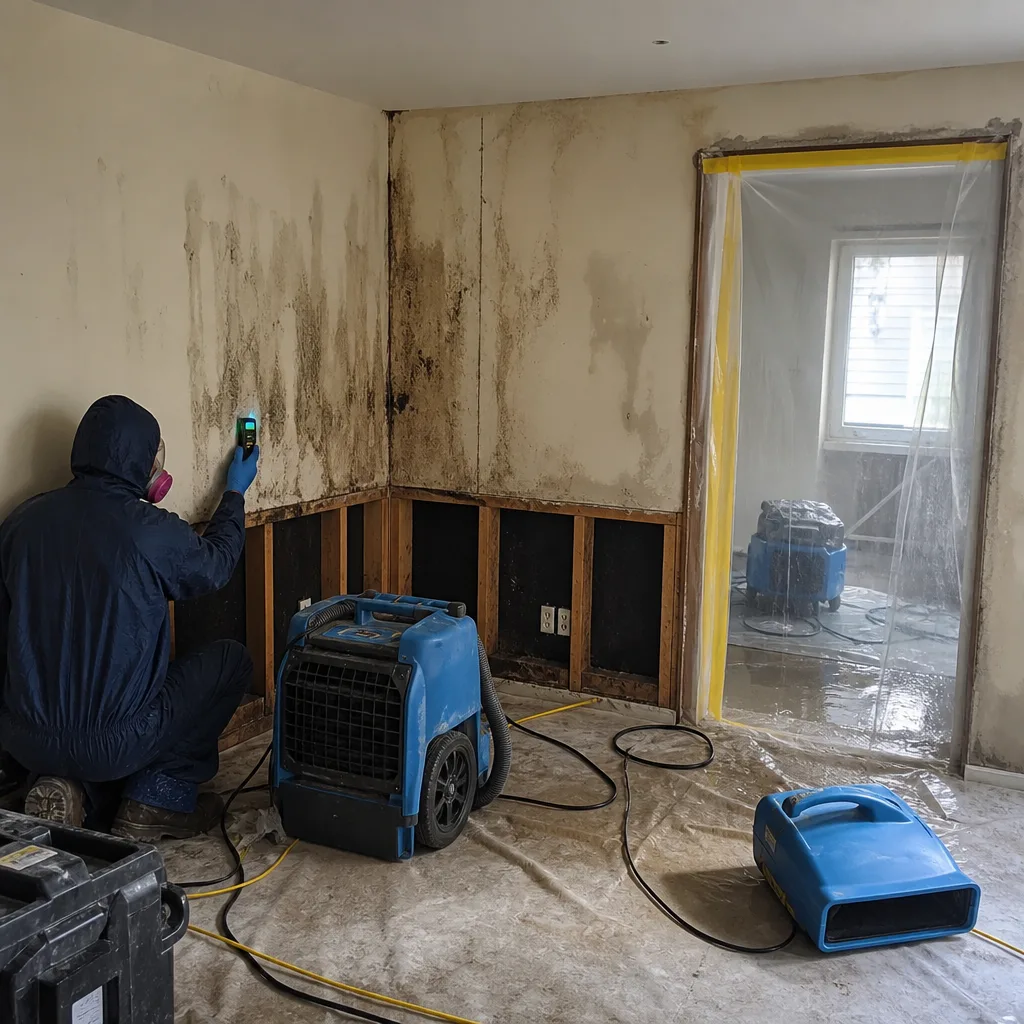 Before
 After
After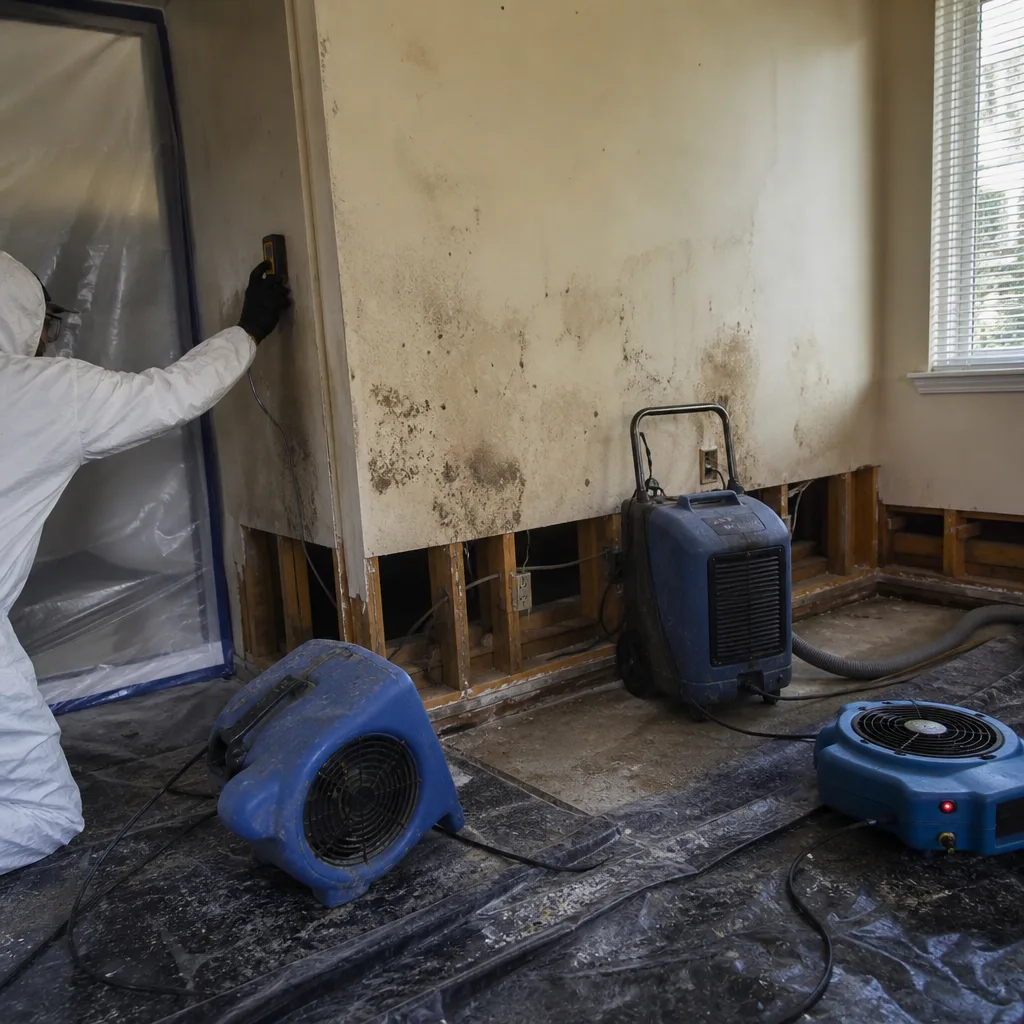 Before
 After
AfterFast, Reliable Mold Remediation Across Kent
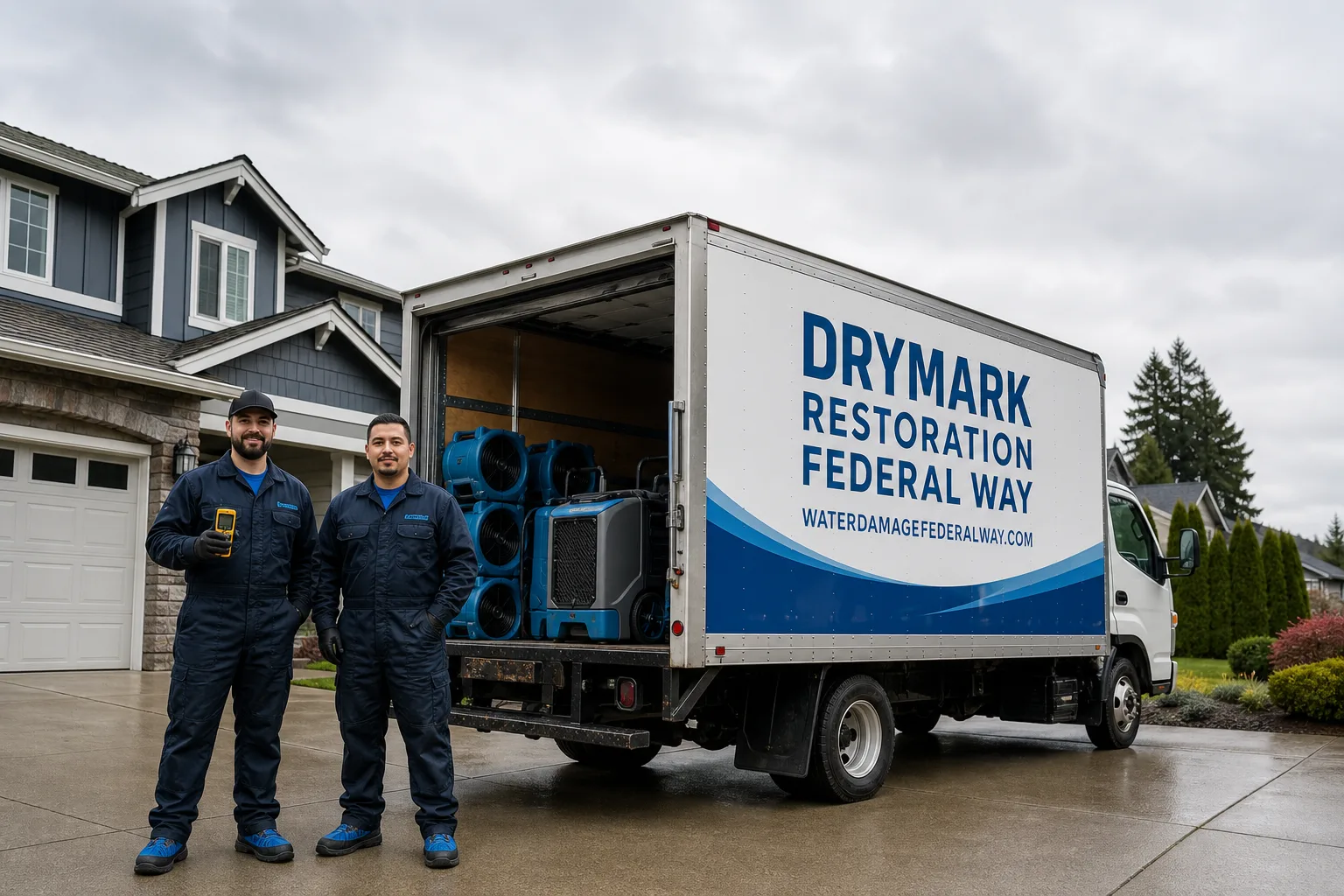
Mold remediation in Kent typically costs $1,800-$4,500 for residential crawl spaces and $3,200-$8,000 for whole-house treatments, with most projects completed in 3-7 business days after the written scope is approved. Our crews dispatch to Kent from our Seattle office, and we carry containment gear, HEPA filtration, and moisture-mapping equipment on every truck so we’re not making a second trip to start work.
We know Kent’s building stock: the 1960s-1990s ranch and split-level homes on East Hill and West Hill with original fiberglass-batted crawl spaces, the tilt-up warehouses on the valley floor with chronic slab moisture, and the persistent ground fog that settles from October through April and keeps structures wet long after the rain stops. That local knowledge changes how we scope remediation here. A crew that treats Kent like any other Puget Sound suburb misses the clay subsoil, the high water table, and the FEMA floodplain rules that can reshape a project overnight. Call (253) 322-4873 for a written estimate before any work starts.
Why DryMark Restoration Federal Way Is Kent’s Preferred Mold Remediation Company
We’ve restored more than 12,000 homes since 2011, every one with a written price before work began and a photo record on every visit. In Kent, that documentation habit matters more than most places. The 2009 Howard Hanson Dam emergency and subsequent FEMA remapping pulled large swaths of the Kent Valley into Special Flood Hazard Area Zone AE, so any mold remediation tied to a flood-loss structure on the valley floor can trigger the City of Kent floodplain administrator’s automatic Substantial Damage review. The 50% pre-damage value rule can legally force a full flood-elevation rebuild instead of a standard repair. Our scopes are built to survive that review, not scramble after it.
Kent homeowners find us through three-star reviews as often as five-star ones, and we answer both. Our 365-Day Done Right Promise, backed by The Haven Standard, means if mold returns in the same treated area, we make it right. No voicemail trees: a live person answers every call, 24 hours a day, 7 days a week. Our technicians are background-checked, uniformed, and licensed, with license numbers available on request. We document to IICRC, RIA, and IFA standards, producing the daily moisture logs and psychrometric data, which is the measurement of temperature and relative humidity that determines whether a structure is actually dry, that turn restoration invoices into payable insurance claims.
Our Mold Remediation Services in Kent
Mold Inspection & Testing
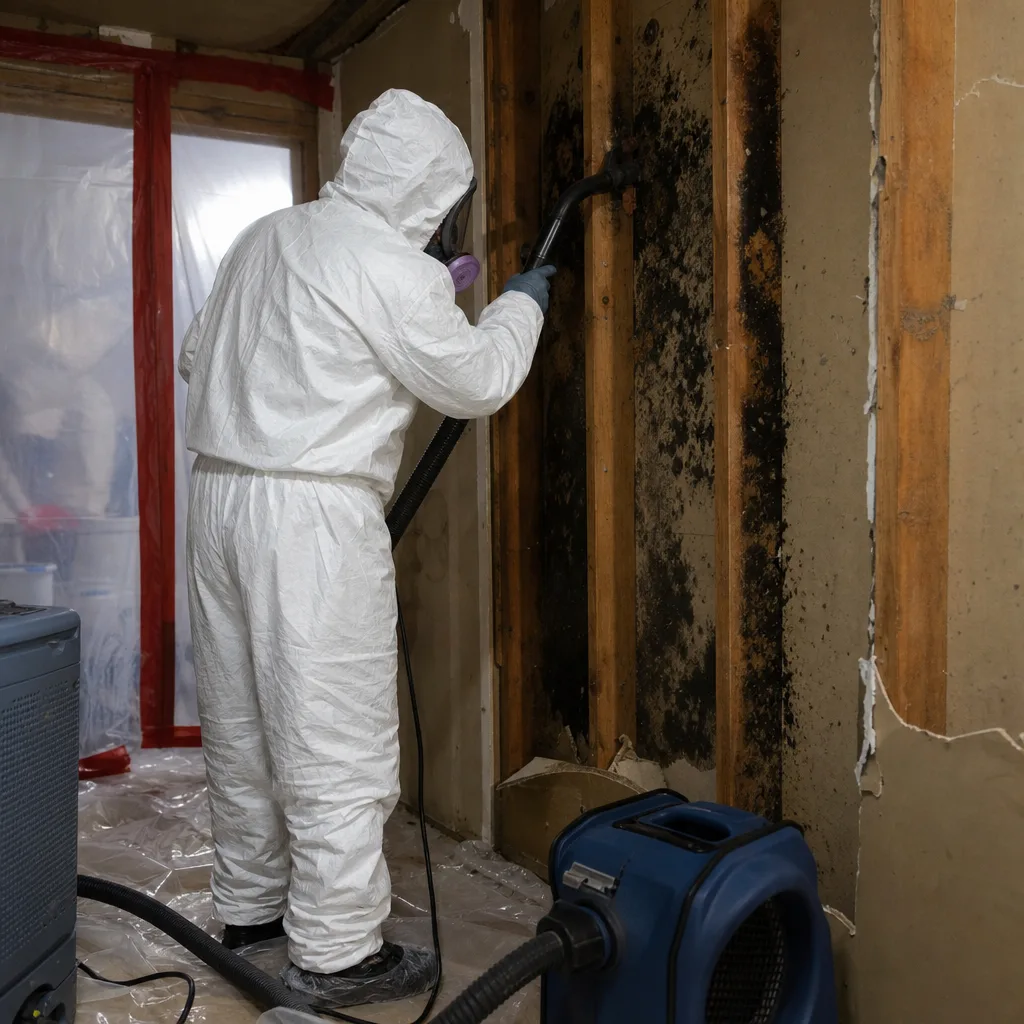
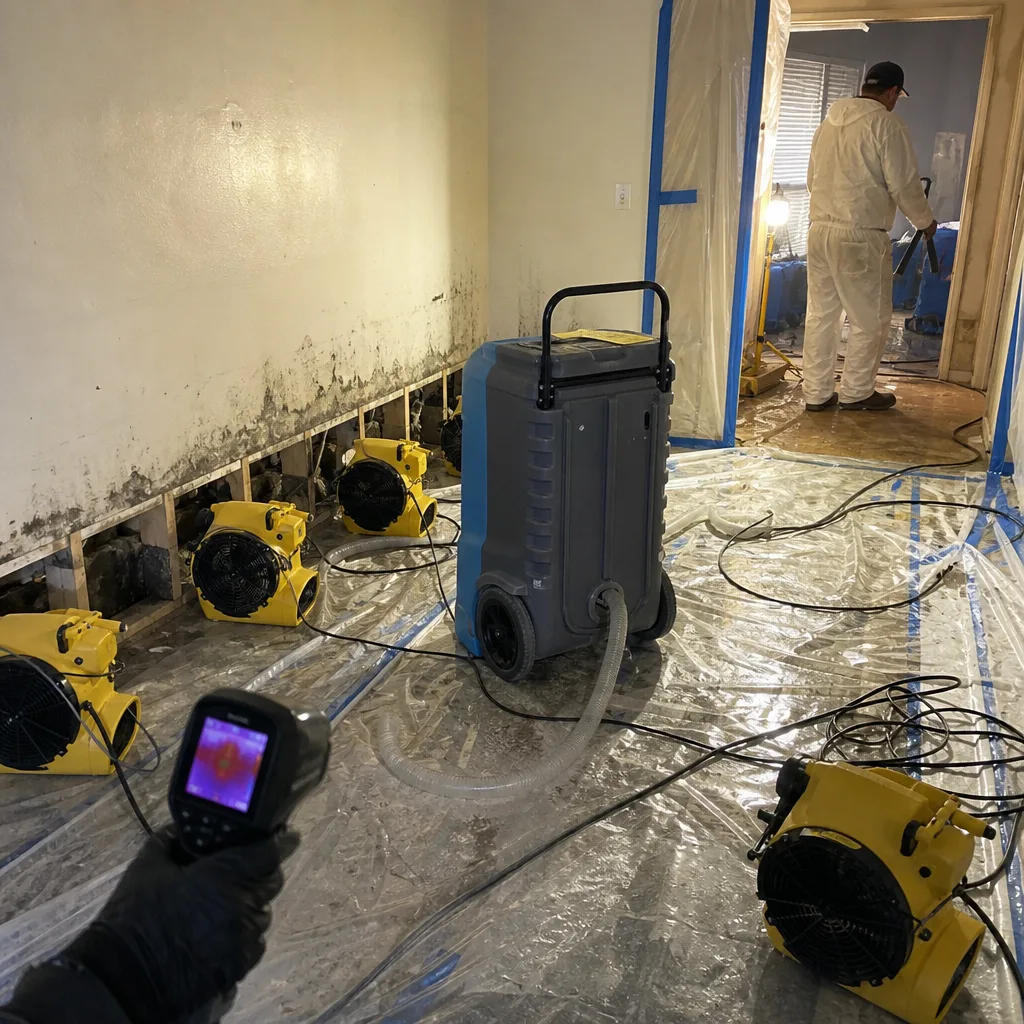
A proper Kent inspection starts with moisture mapping, not guesswork. We use thermal imaging and calibrated moisture meters to find the water source feeding the mold, whether it’s hydrostatic pressure at a valley-floor slab edge or failed vapor barrier on East Hill. Air and surface samples go to an independent lab; we don’t perform our own testing to avoid conflict of interest. In Kent’s climate, we regularly find secondary mold growth behind baseboards and inside wall cavities where Pacific marine air has penetrated siding for decades. The inspection report includes affected square footage, material classifications by trade name, moisture readings, and a written scope with a fixed price.
Black Mold Remediation
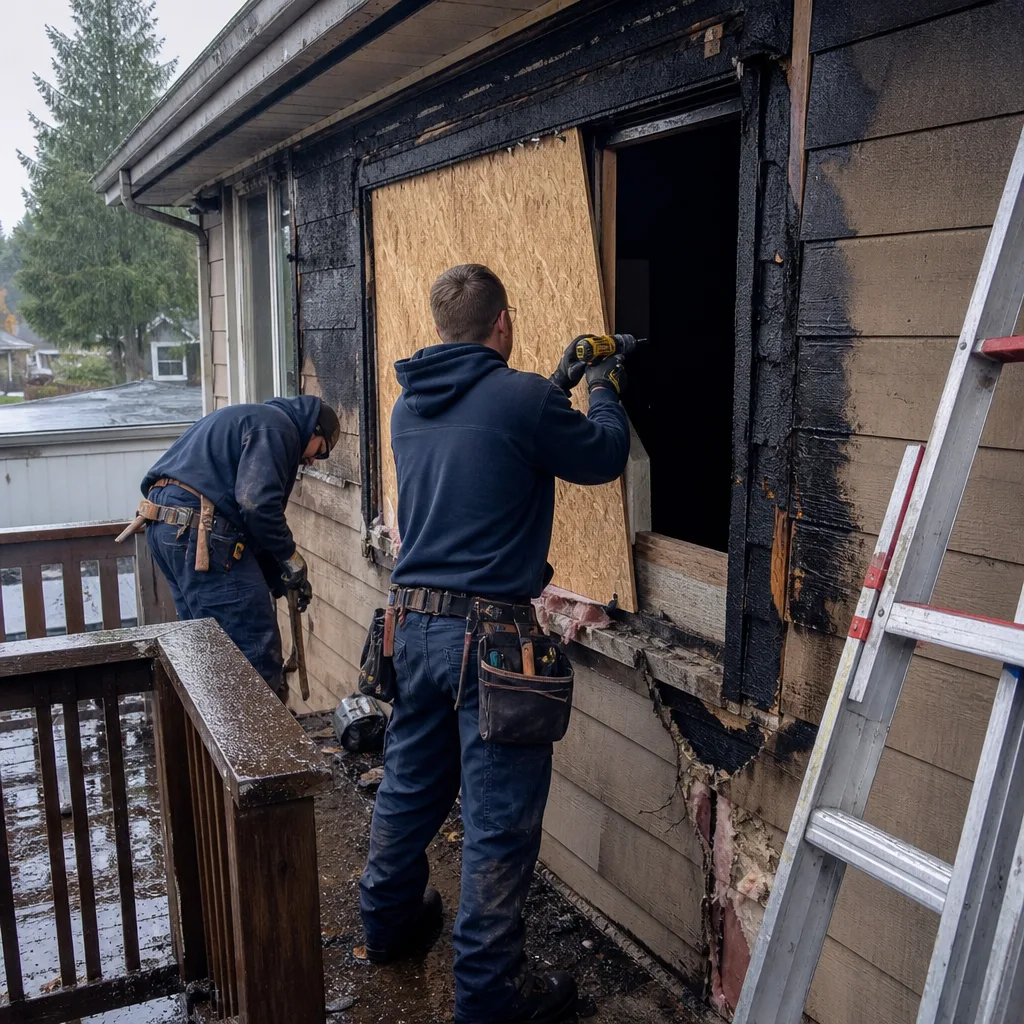
Stachybotrys chartarum, the mold species commonly called black mold, requires full containment with negative air pressure and HEPA filtration during removal. In Kent, we see it most often in crawl spaces where fiberglass batts have been pressed against damp clay subsoil for years, or in valley-floor warehouses where slab moisture intrusion has gone unaddressed. Our crews seal the work zone with 6-mil polyethylene, run air scrubbers, and remove contaminated materials under controlled conditions. We don’t paint over active mold with antimicrobial coating and call it done; that’s how Kent jobs fail post-remediation clearance. Every black mold remediation includes documented photo records on every visit and a written clearance test protocol.
Crawl Space Treatment
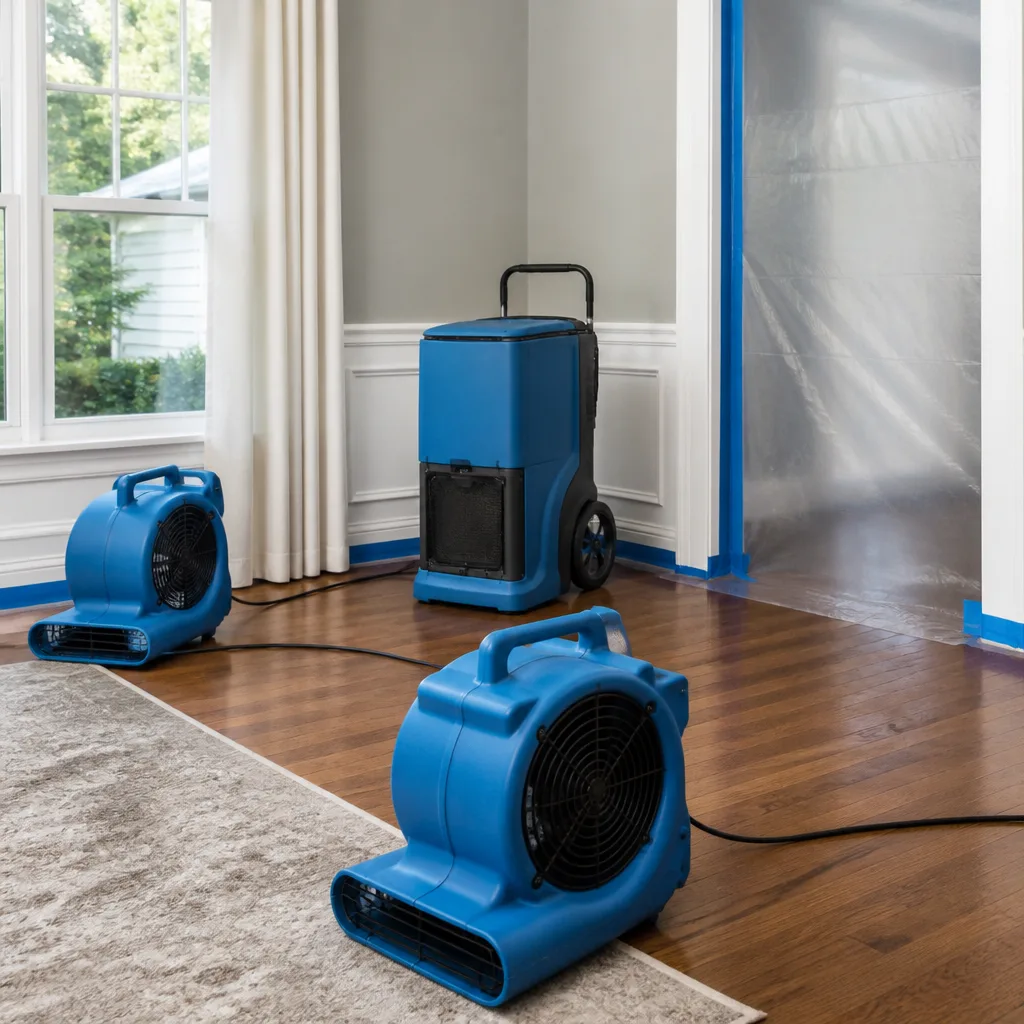
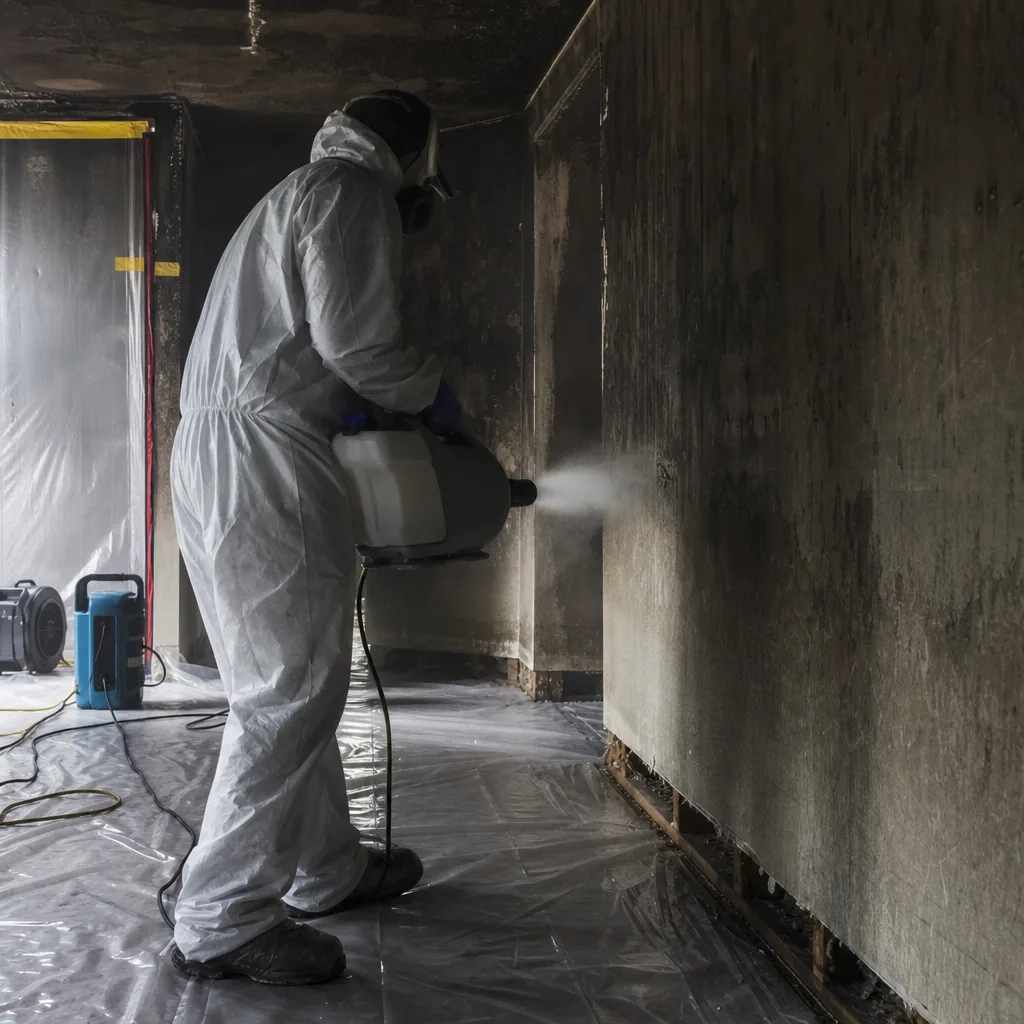
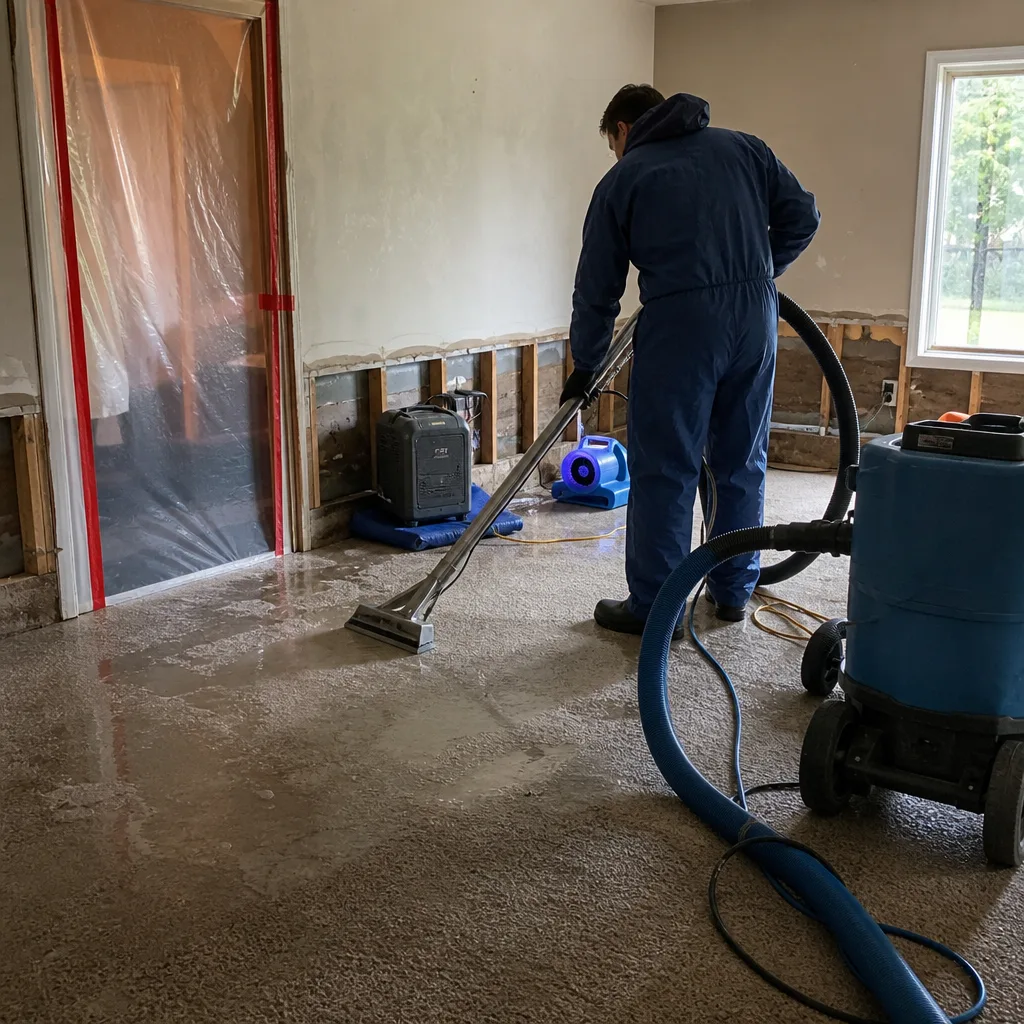
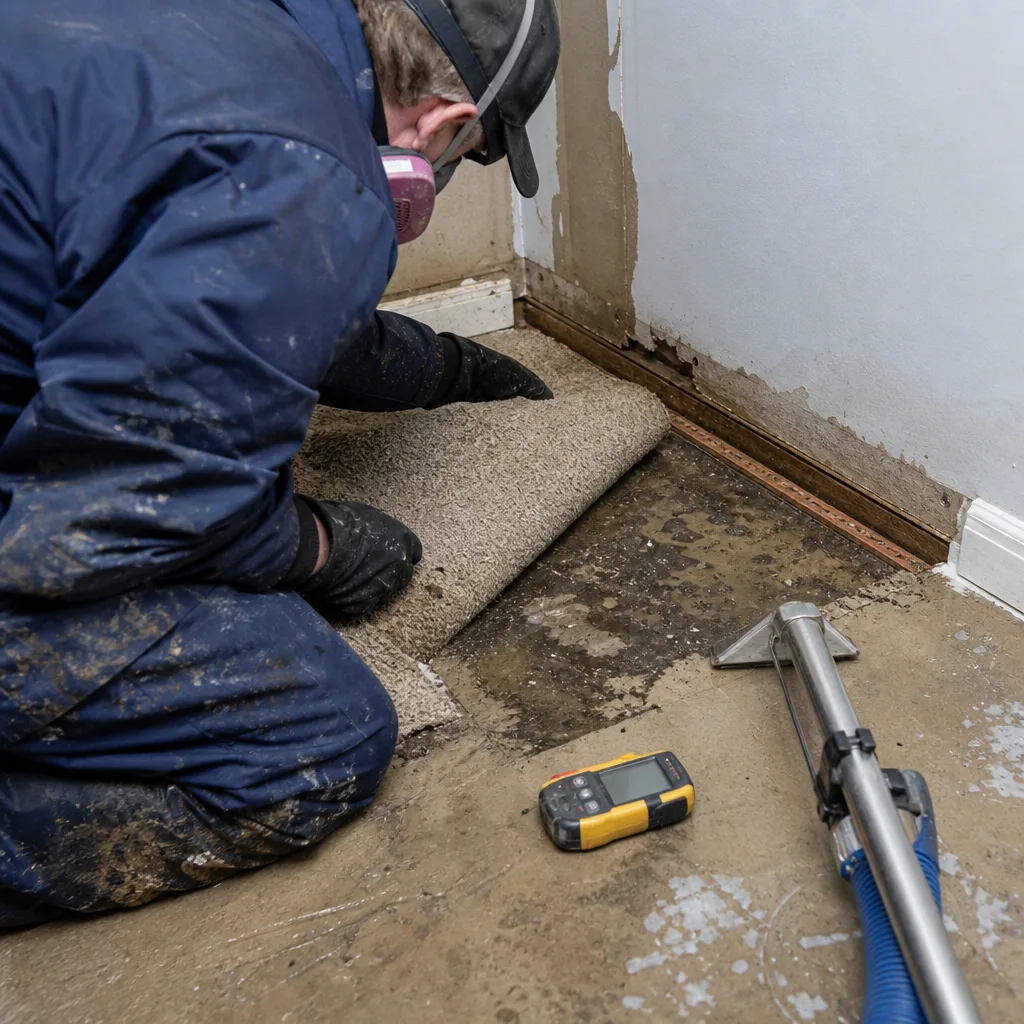
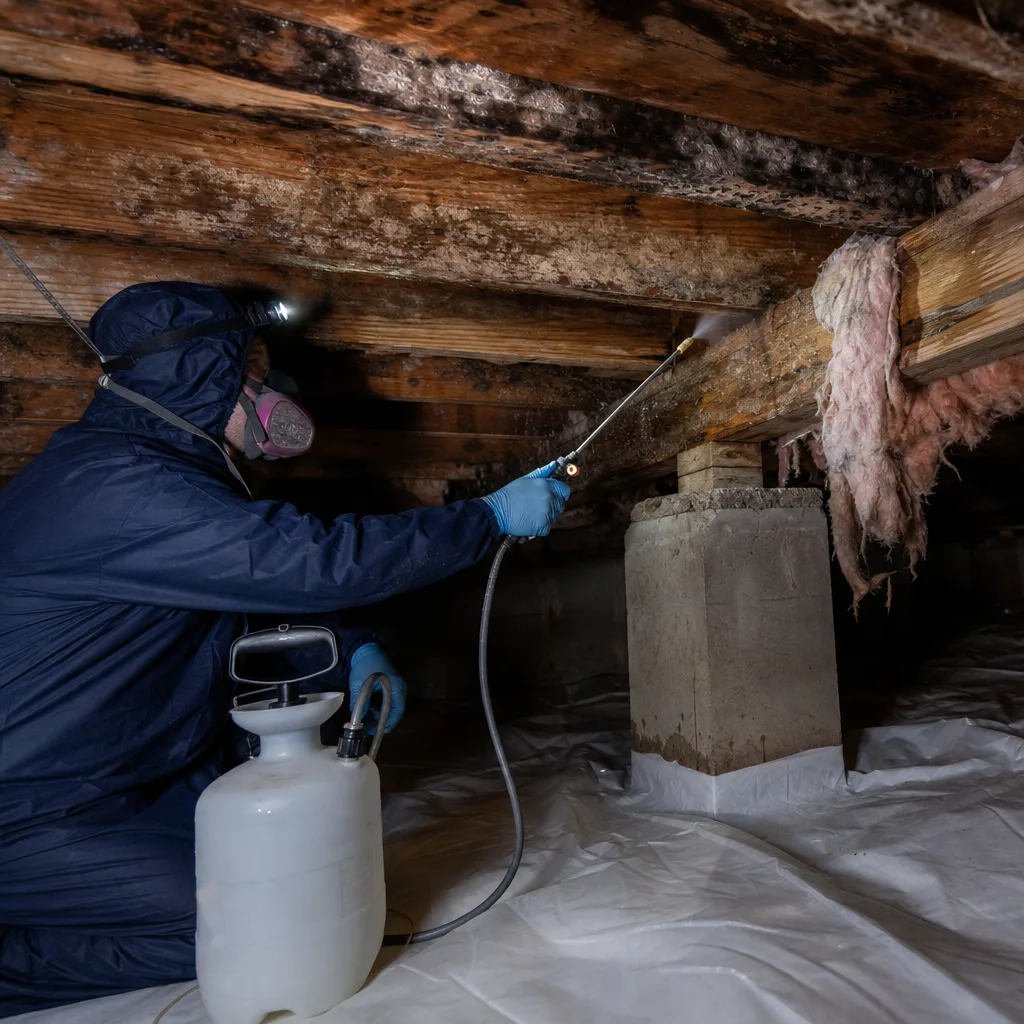
Kent’s crawl spaces are where most of our mold work happens. The combination of long wet seasons, heavy clay soils that don’t percolate water, and original construction with inadequate vapor barriers creates near-annual moisture events. On a split-level ranch off James Street on East Hill, we found fiberglass batts in the crawl space pressed against damp clay subsoil, with visible mold on the joists and a musty odor rising into the living area. After setting containment and running air movers and dehumidification, our tech performed an antimicrobial treatment on the affected framing and replaced the failed batt insulation. We documented moisture readings and drying logs daily, and the homeowner passed their post-remediation clearance test on the first try. Proper crawl space treatment in Kent includes vapor-barrier replacement with 10-mil or thicker polyethylene, sealed to walls and piers, not just laid on the ground.
Moisture & Humidity Control
Without controlling the moisture source, mold returns. In Kent, that means addressing the hydrostatic pressure from the Green River Valley’s high water table, the Pacific marine air that traps humidity against structures, and the poor drainage common to homes built before modern grading standards. We install permanent dehumidification where appropriate, improve ventilation pathways, and specify drainage corrections. Our moisture control scopes include target equilibrium moisture content readings for each material type, wood framing, drywall, subflooring, and a schedule for achieving them. Vapor pressure differential, which is the force that drives moisture from wet areas to dry ones, gets measured and managed, not ignored.
Air Quality Restoration
After mold removal, we restore breathable air through HEPA filtration, negative air scrubbing, and post-remediation verification testing. In Kent’s tightly built homes from the 1970s and 1980s, we often find that HVAC systems have distributed spores throughout the ductwork. Our air quality restoration includes duct inspection and cleaning where indicated, with photo documentation of before and after conditions. We don’t declare a job complete until independent lab results confirm airborne spore counts at or below outdoor baseline levels for the Kent area.
What happens when you call
- 1
A real person answersNo phone trees - you reach a local pro.
- 2
You get an upfront price rangeHonest numbers before anyone is dispatched.
- 3
A background-checked tech heads outLicensed & insured, dispatched right away.
- 4
You approve before work beginsNothing starts until you say go.
 Before
 After
AfterTrusted Brands We Service in Kent
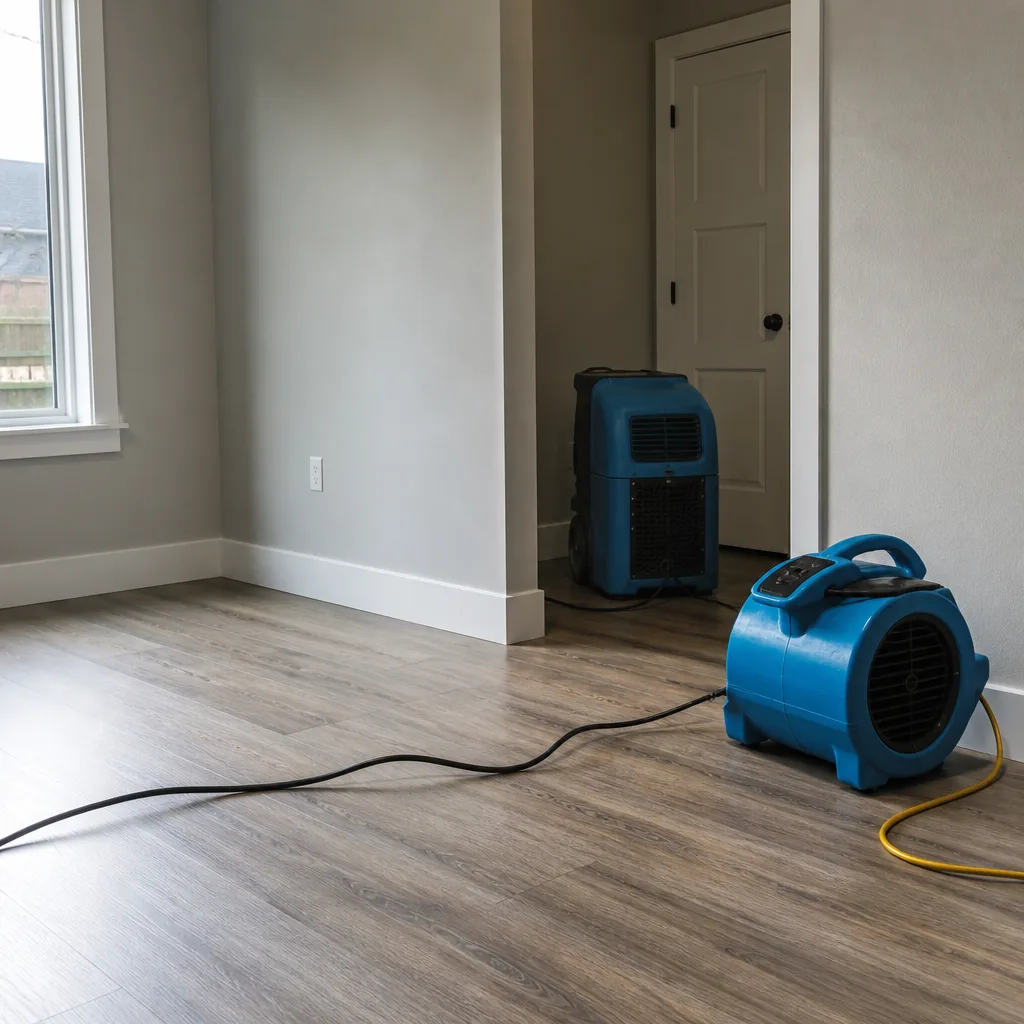
Our equipment fleet includes professional-grade drying systems from Dri-Eaz, Phoenix, and XPOWER, documented to IICRC, RIA, and IFA standards. We don’t rent equipment by the job; we own it, maintain it, and calibrate it. That matters in Kent, where a delayed response means mold spreads behind walls while you’re waiting for a rental company to deliver. Our dehumidifiers pull vapor pressure down fast enough to stop secondary growth, and our Injectidry systems dry inside wall cavities without removing drywall when the moisture map supports it. For Kent customers, this means faster project completion and less invasive remediation.
Common Mold Remediation Problems We See in Kent Homes
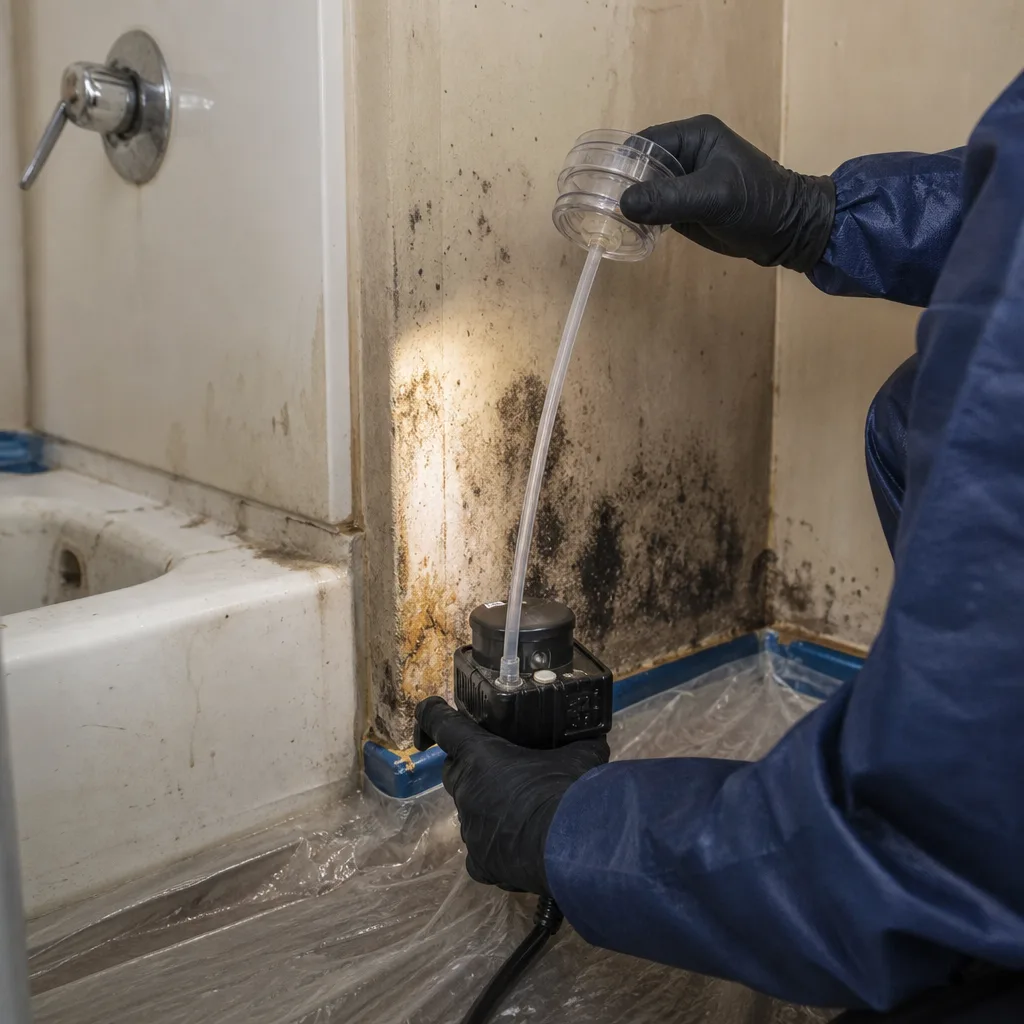
- Coastal marine air keeps crawl spaces wet for months. From October through April, Pacific marine air traps humidity against Kent structures. Many crews skip daily moisture mapping and structural drying checks in the rush to demo, leaving framing above 20% moisture content where mold recolonizes within a season.
- East Hill and West Hill crawl spaces have original fiberglass batts vapor-trapped against clay subsoil. The 1960s-1990s building stock in these neighborhoods was built without adequate vapor barriers. Mold returns within one wet season unless the remediation scope includes proper 10-mil polyethylene vapor-barrier detailing and full pack-out of saturated materials.
- Valley-floor warehouses get superficial antimicrobial treatment only. Tilt-up concrete buildings with chronic slab moisture intrusion need moisture readings at the slab edge and a category 1/2/3 water assessment. Without identifying the active moisture source, mold recolonizes the same bays within months.
- FEMA Zone AE triggers permit complications that stall projects. After the Howard Hanson Dam emergency, pulling a repair permit on a flood-loss structure in Kent’s newly designated AE zones triggers automatic Substantial Damage review. Restoration contractors who don’t document pre-damage value and scope accordingly can see projects reshaped midstream, with weeks of delay.
Pricing for Mold Remediation in Kent, WA
| Service | Typical Range in Kent |
|---|---|
| Mold inspection with moisture mapping | $350-$650 |
| Crawl space mold remediation (up to 1,000 sq ft) | $1,800-$3,200 |
| Whole-house mold remediation (residential) | $3,200-$8,000 |
| Black mold remediation with full containment | $2,800-$6,500 |
| Air quality restoration / post-remediation verification | $450-$900 |
| Crawl space vapor-barrier replacement (10-mil poly) | $1,200-$2,400 |
What moves a Kent job to the higher end: multiple affected levels, HVAC contamination requiring duct cleaning, pack-out of contents for off-site cleaning, and the structural drying time required before rebuild can begin. Haven Standard, Clause 1: your written price is delivered before anyone starts work, every time, with no scope-creep additions once the crew is inside. We also offer a Free Second Opinion on any competitor’s written estimate; bring it in and we’ll review it at no charge. Call (253) 322-4873 for your written estimate.
We Also Serve Cities Near Kent
Our Mold Remediation crews work throughout South King County, including Kent, Renton, Auburn, Federal Way, and Maple Valley. Each city gets the same documentation standard: written price before work, photo record on every visit, and the 365-Day Done Right Promise. Dispatch and scheduling are coordinated from our Seattle office; crews serve Kent locally with equipment stocked for same-day containment setup.
Serving Kent, WA - Our Local Coverage Area
We’re based in the Kent area and know this community well. Use the map below to see our service coverage - if you’re nearby, we can almost certainly help.
FAQs - Mold Remediation in Kent
Yes. After the 2009 dam emergency, FEMA’s updated Flood Insurance Rate Maps pulled many Kent Valley commercial parcels into Zone AE. Pulling a repair permit on a flood-loss structure in these zones now triggers an automatic Substantial Damage review by the City of Kent’s floodplain administrator. If damage exceeds 50% of pre-damage value, the Substantial Damage rule can force a full flood-elevation rebuild rather than standard repair. We document pre-loss conditions and scope accordingly from day one so this review doesn’t stall your project. Call (253) 322-4873 for a written scope that accounts for floodplain requirements.
Mold can begin visible growth on wet organic materials within 24-48 hours. In Kent, the combination of clay subsoil that doesn’t drain, Pacific marine air that keeps humidity above 70% for months, and original fiberglass batt insulation pressed against the ground means crawl spaces often stay wet long enough for multiple mold generations to establish before a homeowner notices musty odors indoors. We recommend crawl space moisture checks each spring, especially after winters with sustained rainfall. Call (253) 322-4873 to schedule moisture mapping.
Kent’s housing stock includes many 1960s-1990s homes with finished basements and built-in storage where mold has spread to contents before it was detected. The valley-floor warehouses we treat often store inventory that must be cleaned or documented for insurance before demolition begins. A pack-out, removing contents to a controlled cleaning environment, protects your property and allows complete access to affected structural materials. We photograph every item before it leaves, inventory by room, and coordinate with your adjuster on salvageability determinations. Haven Standard documentation means nothing disappears into a black box.
Category 1 is clean water from a supply line; category 2 is gray water with contamination, dishwasher or washing machine discharge; category 3 is black water, sewage or floodwater. The category determines PPE requirements, disposal protocols, and whether materials can be cleaned or must be removed. In Kent, we see category 3 water most often on valley-floor properties where the Green River has backed up or where storm drainage has failed. When mold is already present, the water category also affects whether the mold colony has been fed by nutrients in the water, which changes remediation intensity. We test and document water category on every job; it’s not a guess.
We don’t just remove mold; we remove the conditions that grew it. That means moisture readings at or below 16% for wood framing before we close walls, vapor-barrier installation that exceeds original construction standards, and written drying logs that prove the structure reached equilibrium. Our 365-Day Done Right Promise, backed by The Haven Standard, covers return growth in treated areas. We also specify ongoing humidity control, dehumidifiers, improved ventilation, or drainage corrections, based on what your moisture map shows. Call (253) 322-4873 for a remediation scope that includes prevention, not just cleanup.
Written by Alicia Brennan, Owner at DryMark Restoration Federal Way, serving Kent since 2011 under The Haven Standard.