
Free visual inspection and a written scope of work before any mitigation begins - photos, moisture readings, and drying logs go in your claim file
The scope we write is the scope we bill. Anything new gets shown to you, in writing, before we touch it.
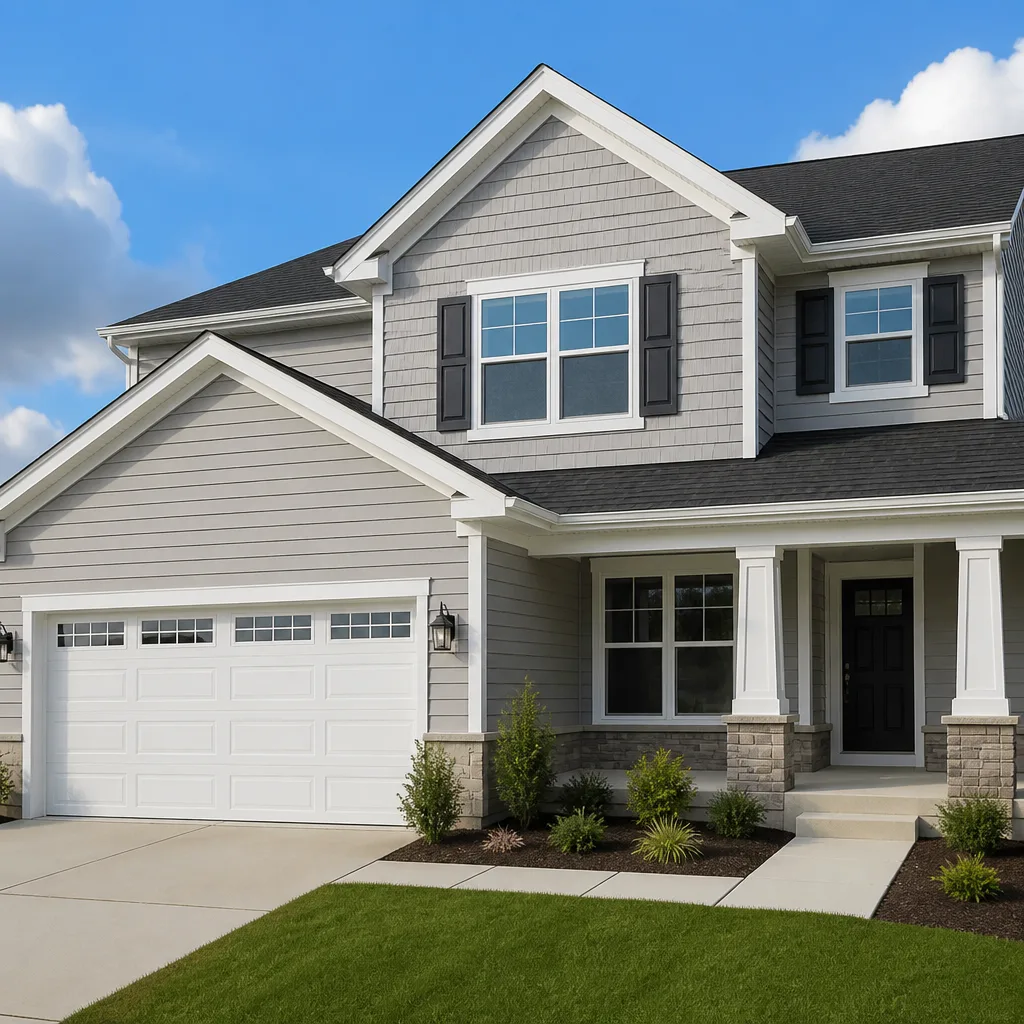
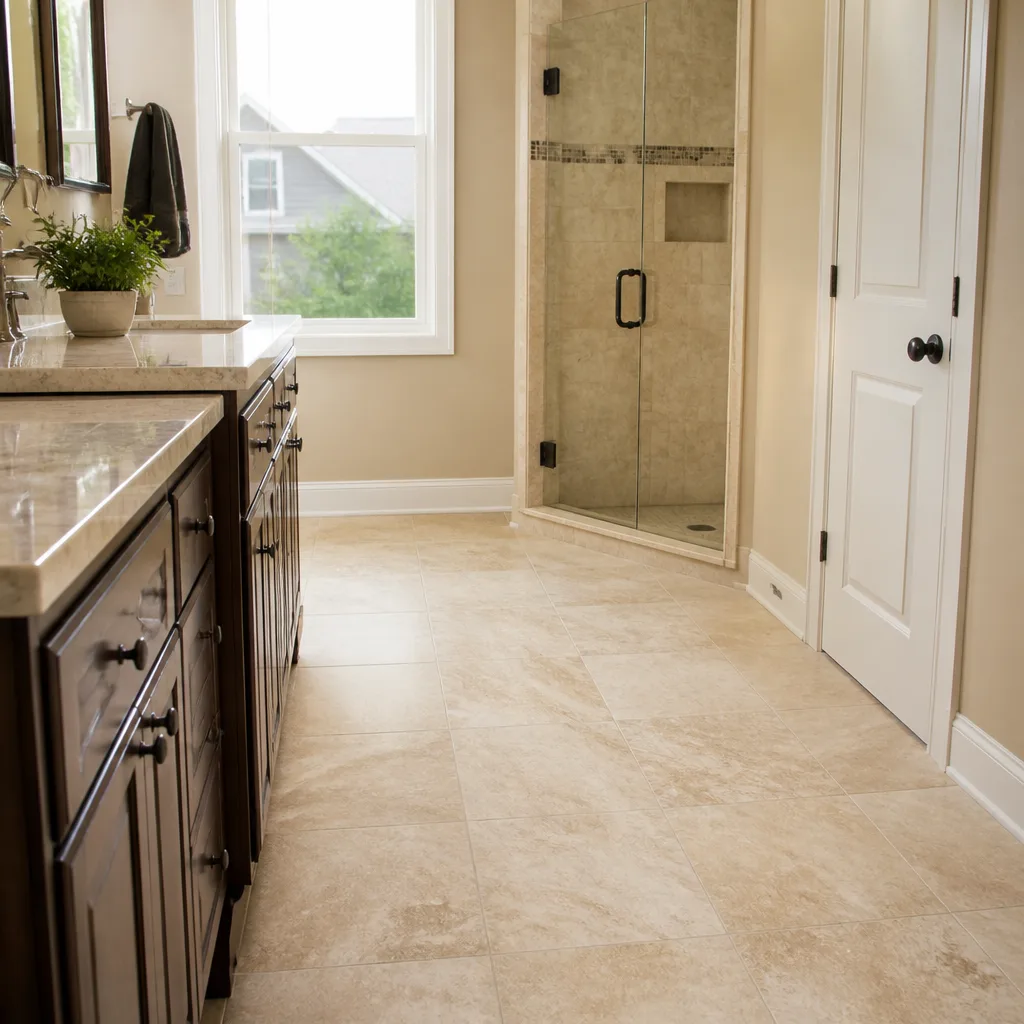
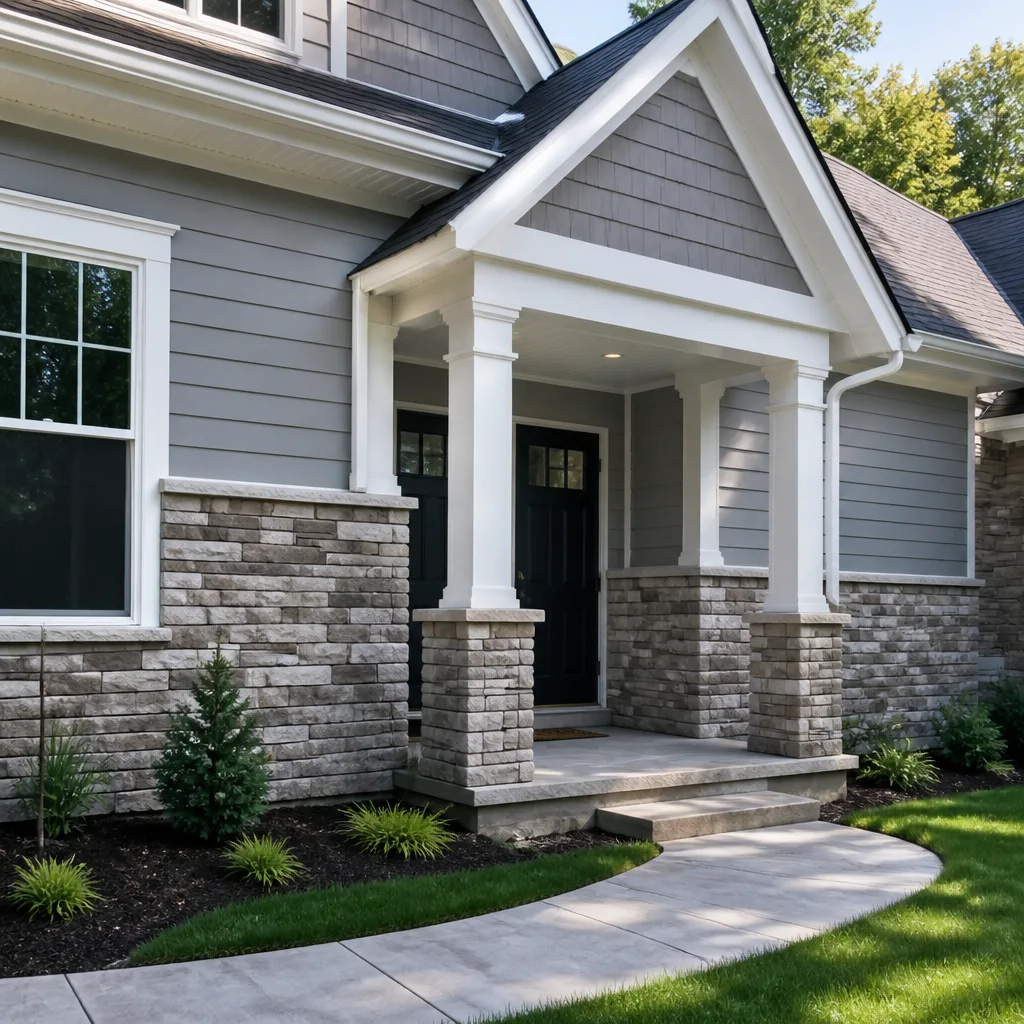
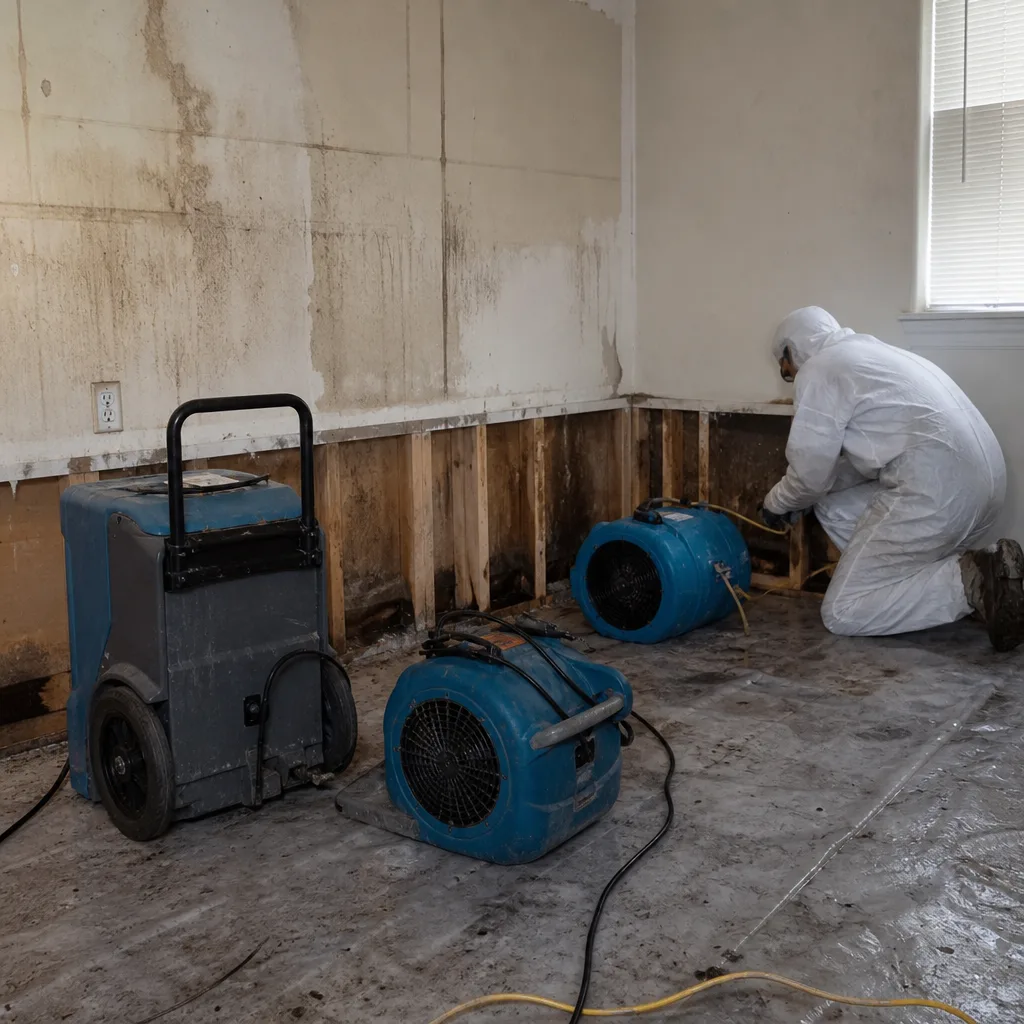 Before
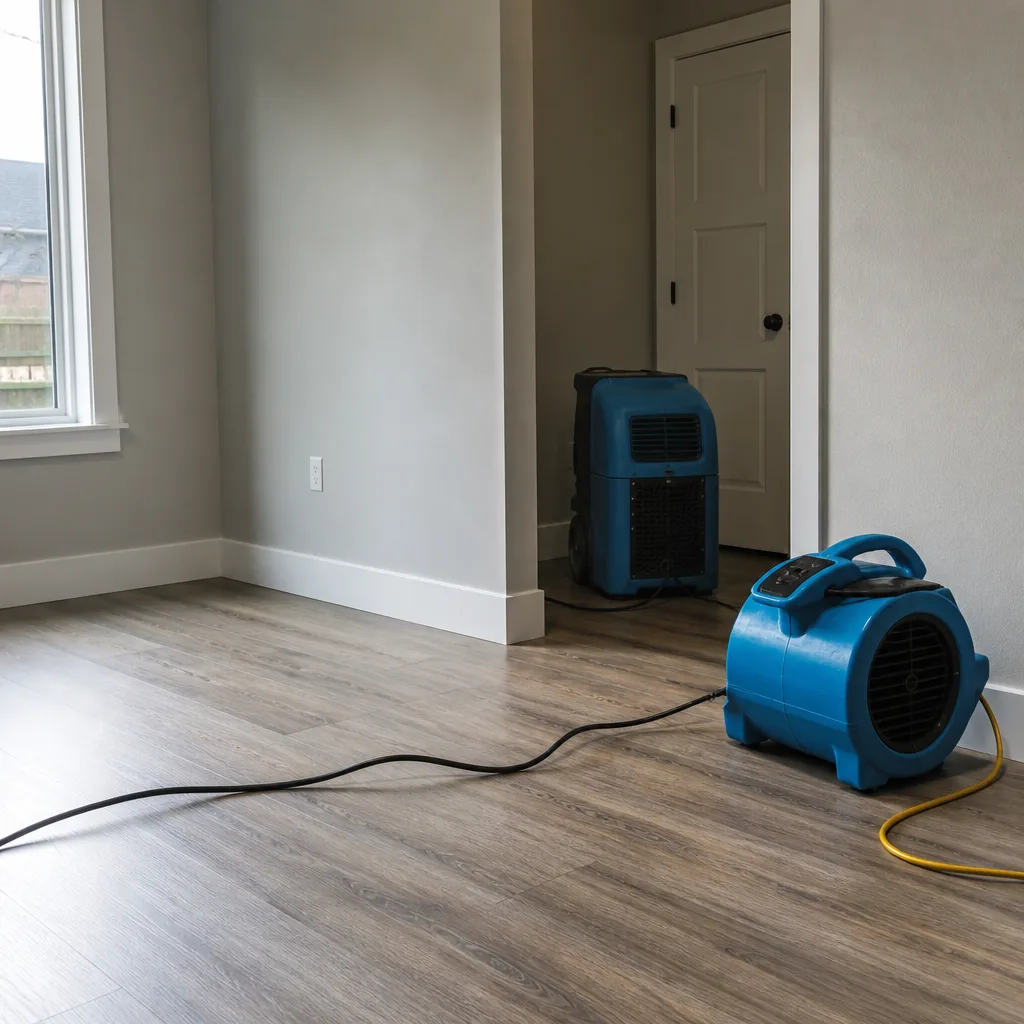 After
After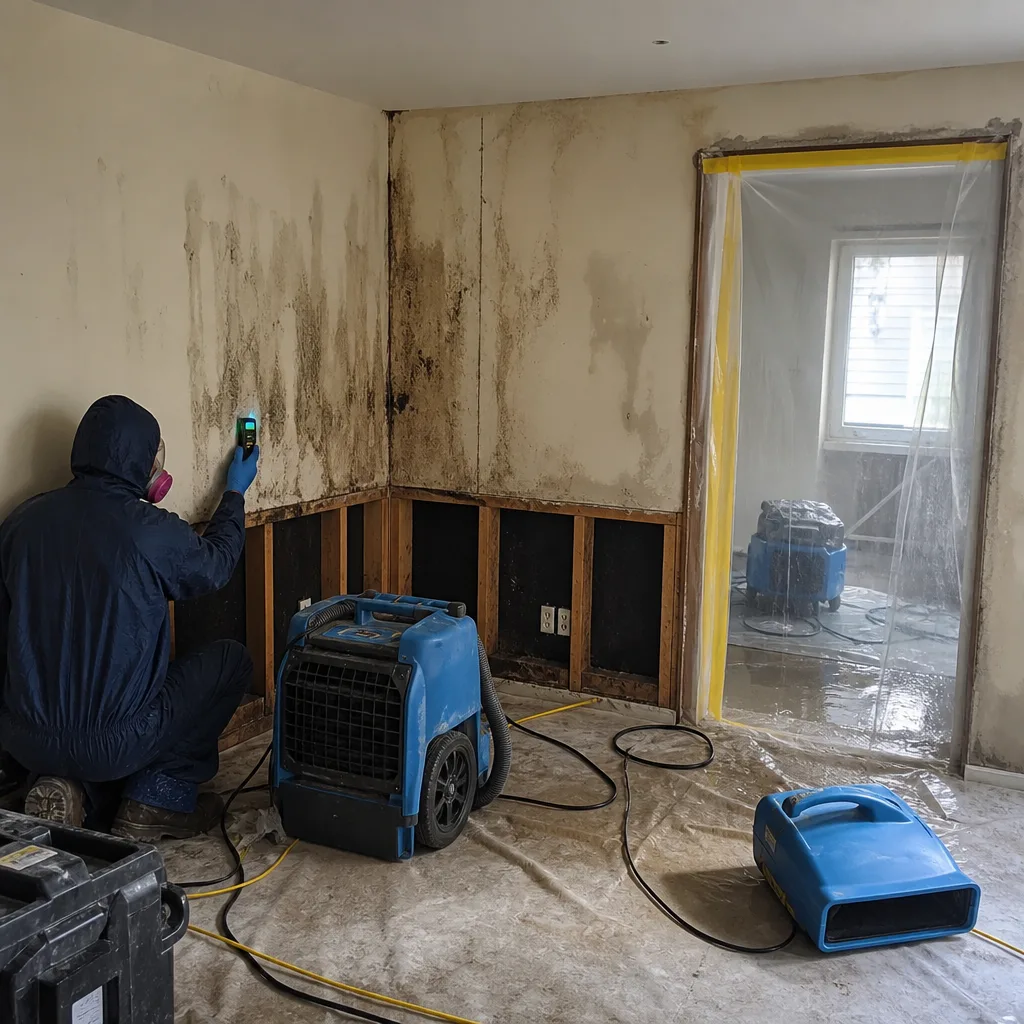 Before
 After
After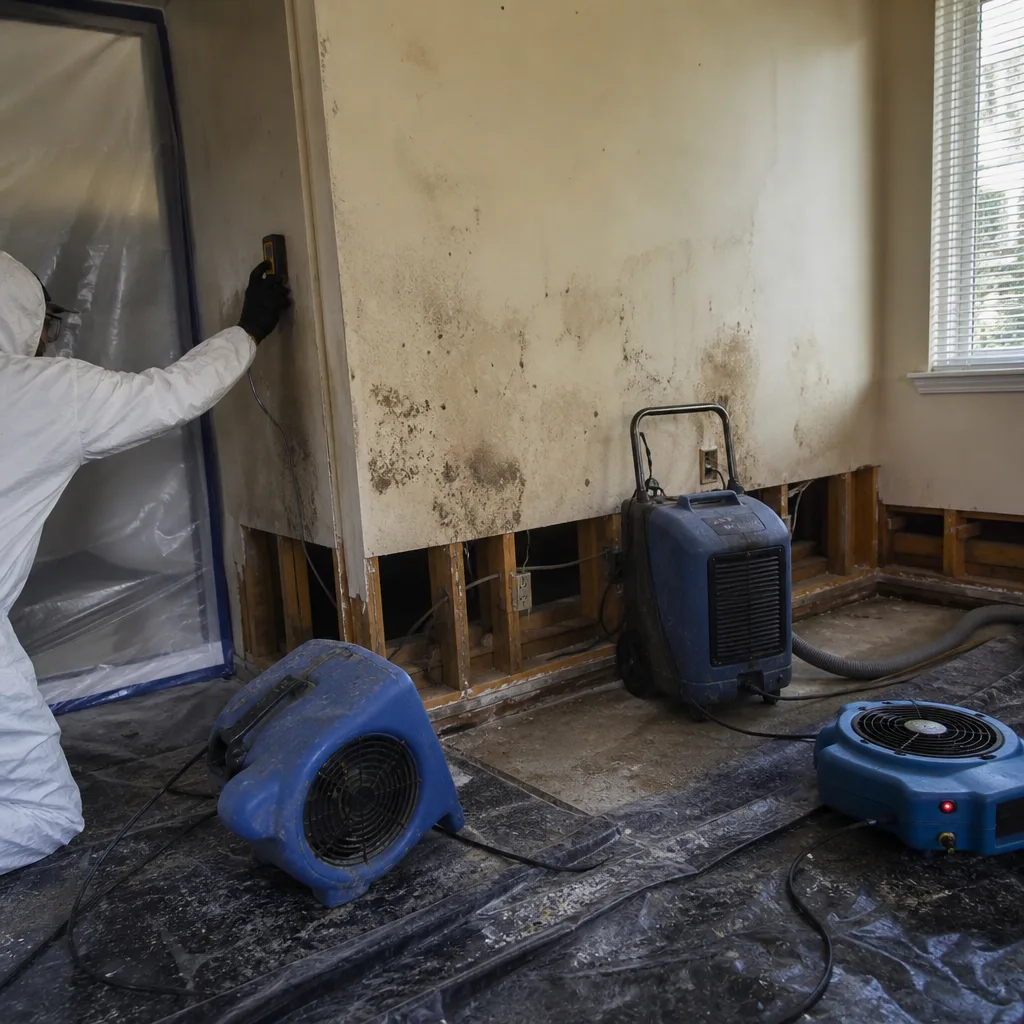 Before
 After
AfterFast, Reliable Water Damage Restoration Across Kent
Water damage restoration in Kent, WA typically costs $2,800-$7,500 for residential mitigation and drying, with emergency extraction starting at $1,200-$2,400 for most single-family homes. Our crews are dispatched from our Seattle office and can be on-site anywhere in Kent within 45-60 minutes for active water losses. Call (253) 322-4873 - a live person answers, 24 hours a day, 7 days a week, no voicemail trees while water is still moving through your walls.
We’ve restored water losses in Kent since 2011, from the 1960s ranches on East Hill to the tilt-up warehouses along the valley floor. Kent’s position in the Green River Valley floodplain, combined with its older housing stock and the FEMA remapping that followed the 2009 Howard Hanson Dam emergency, creates restoration challenges you won’t find in upland cities like Covington or Maple Valley. Our Water Damage Restoration team documents every job to the standard that gets claims paid.
Why DryMark Restoration Federal Way Is Kent’s Preferred Water Damage Restoration Company
Back to Dry Restoration, led by Alicia Brennan, was founded by a former claims adjuster who built the company around the documentation gap that costs homeowners their insurance settlements. We’ve restored 12,000+ homes since 2011, every one with a written price before work started and a documented record when the crew left. That origin matters in Kent, where FEMA Zone AE status means your flood-loss documentation may be reviewed by the City of Kent floodplain administrator before a permit is released.
Kent customers find us because they read the three-star reviews on every company they’re considering. They stay because we deliver what those reviews ask for: a written scope before anyone starts work, photo documentation on every visit, and daily moisture logs that show psychrometric data - temperature, relative humidity, and vapor pressure differential - in plain language that adjusters understand. Haven Standard, Clause 1: written price before work begins. No exceptions.
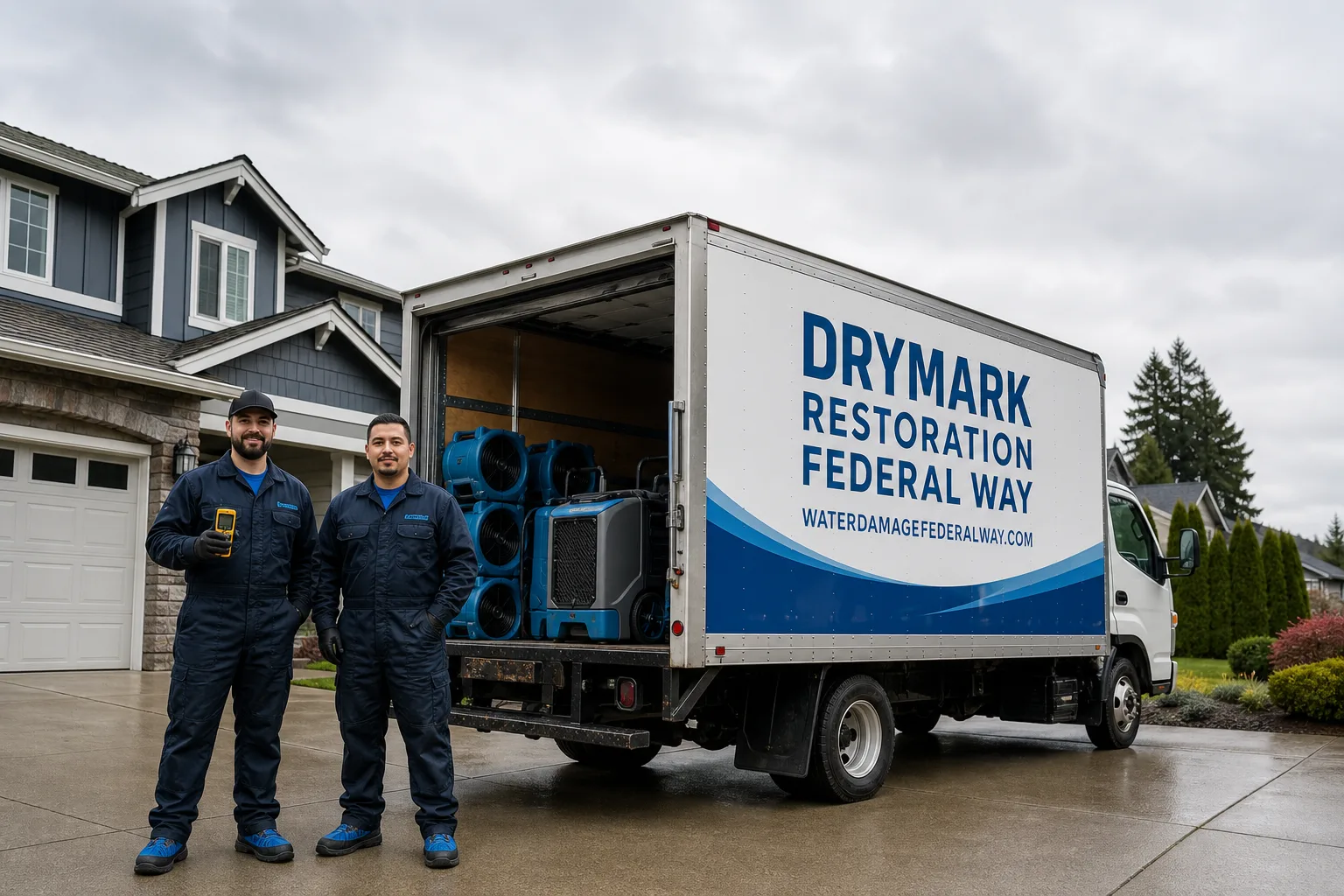
Our response time to Kent averages under an hour for emergency water extraction. We know the difference between East Hill’s clay-heavy subsoils and the valley floor’s high water table. We know which Kent neighborhoods built in the 1970s and 1980s have original fiberglass-batted crawl spaces with no vapor barrier. That local knowledge changes what we pack on the truck and how we scope the job before we arrive.
Our Water Damage Restoration Services in Kent
Emergency Water Extraction
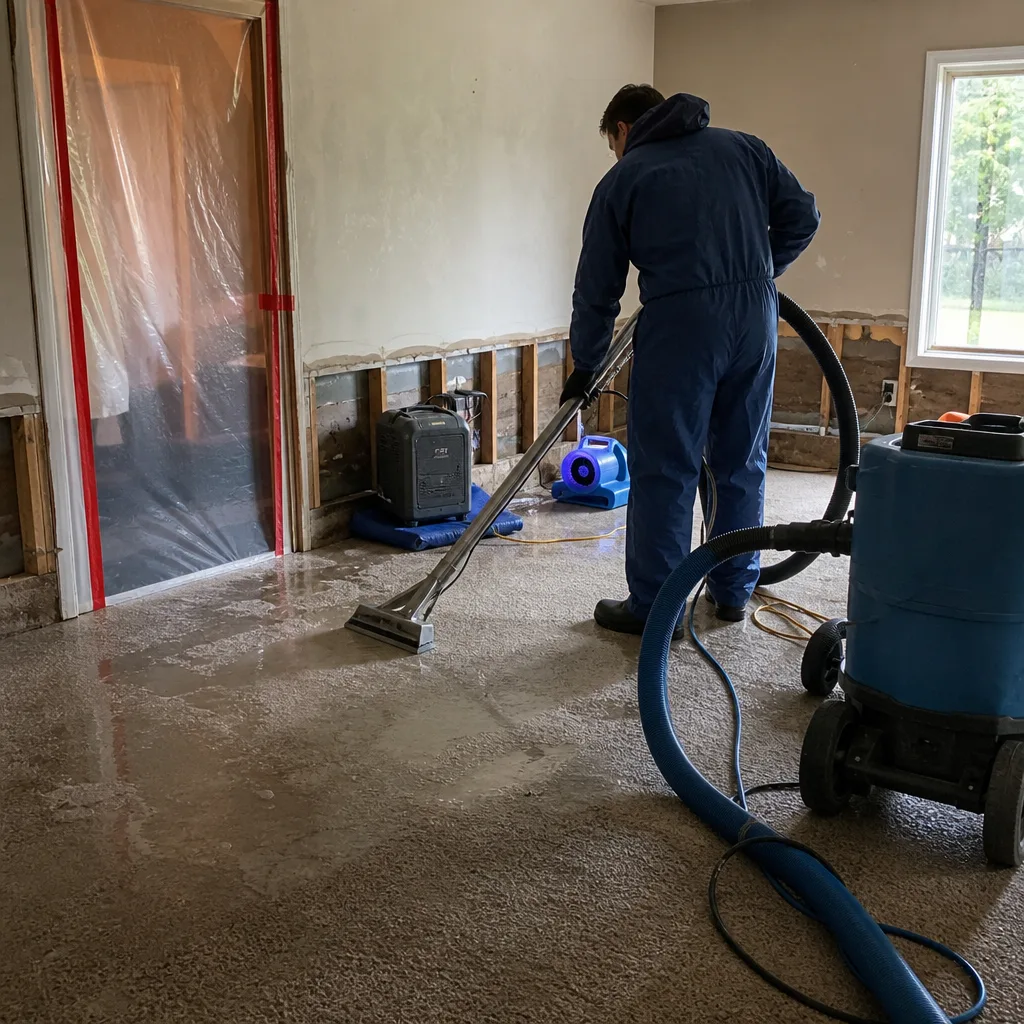
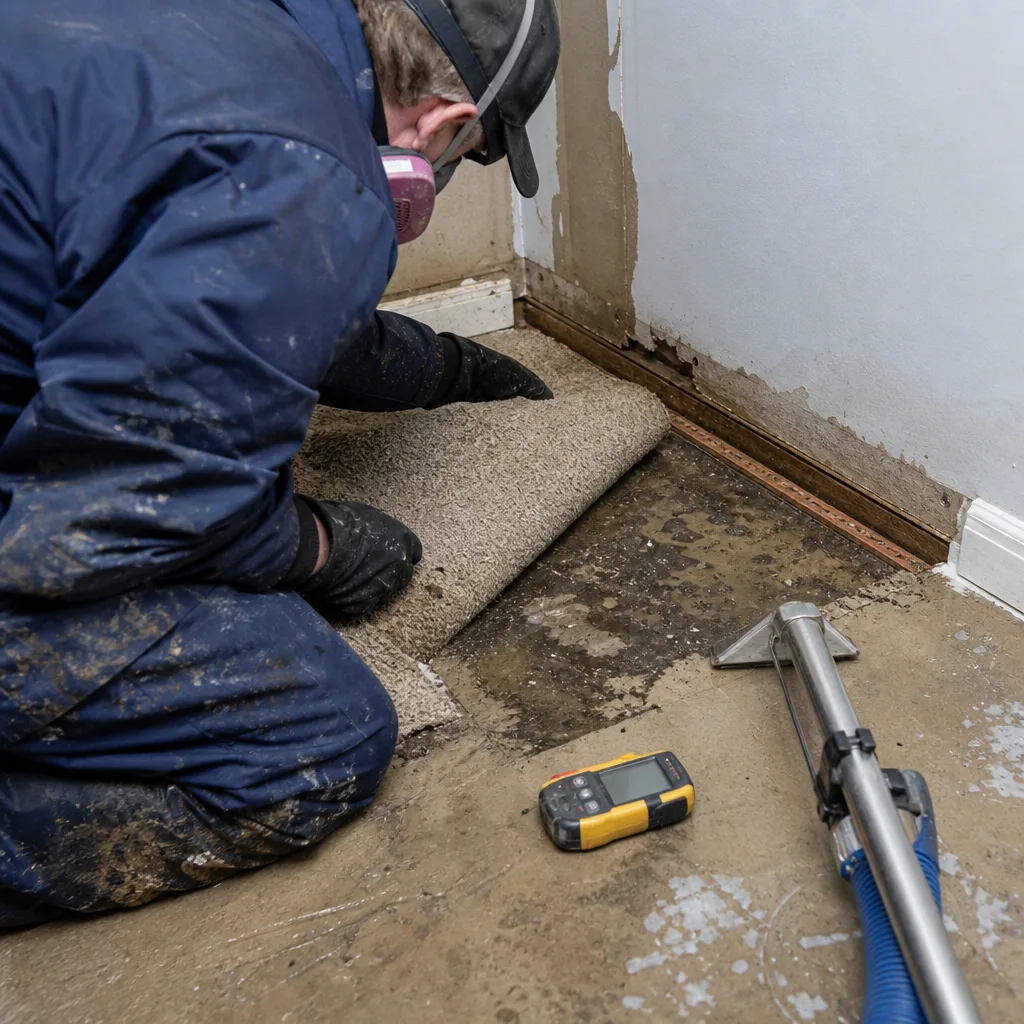
When a supply line fails in a Kent home at 2 a.m., standing water doesn’t wait for business hours. We extract Category 1, 2, and 3 water - clean, gray, and black - using truck-mounted and portable extraction systems. In Kent’s older East Hill and West Hill homes, we’re often working around original hardwood floors that cup quickly and crawl spaces with limited access. We document pre-loss conditions with photos before we move anything. Haven Standard, Clause 1 applies even at midnight: you’ll get a written price before extraction starts.
Structural Drying & Dehumidification
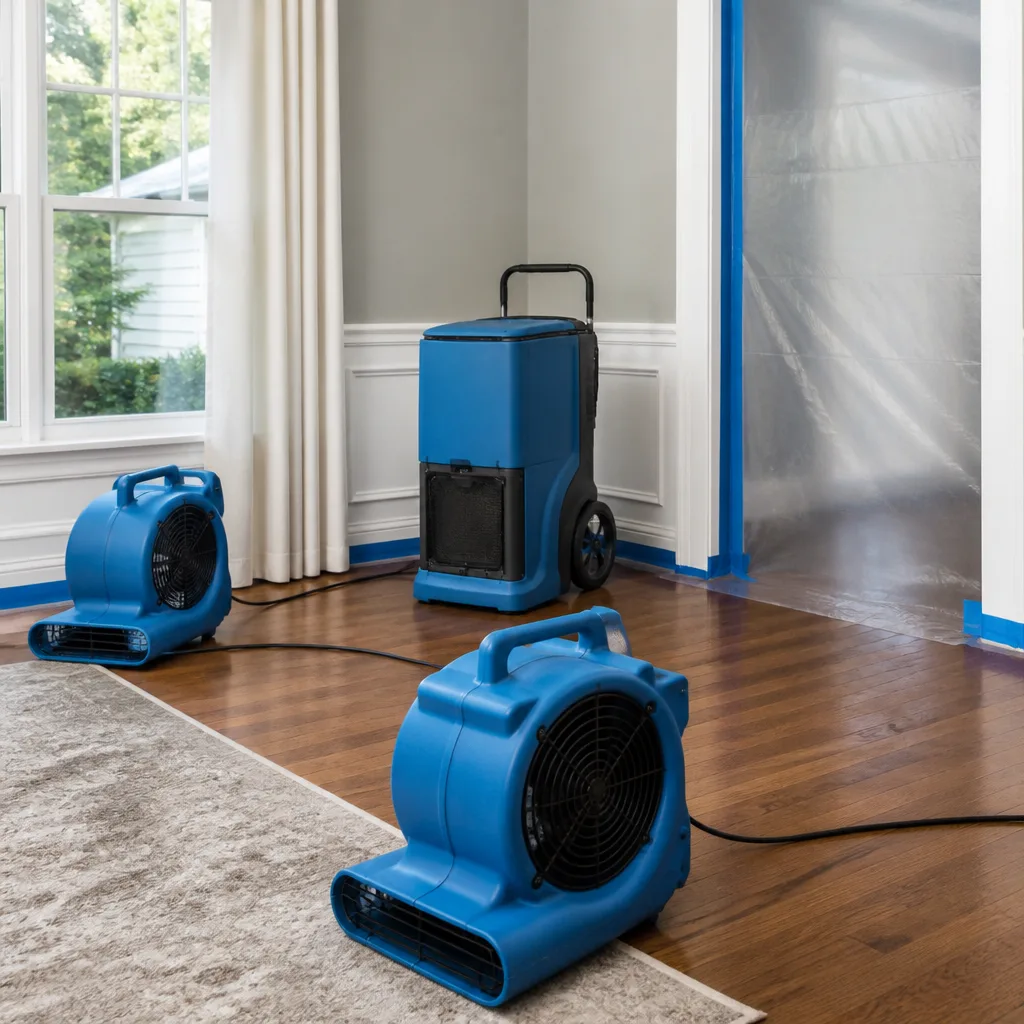
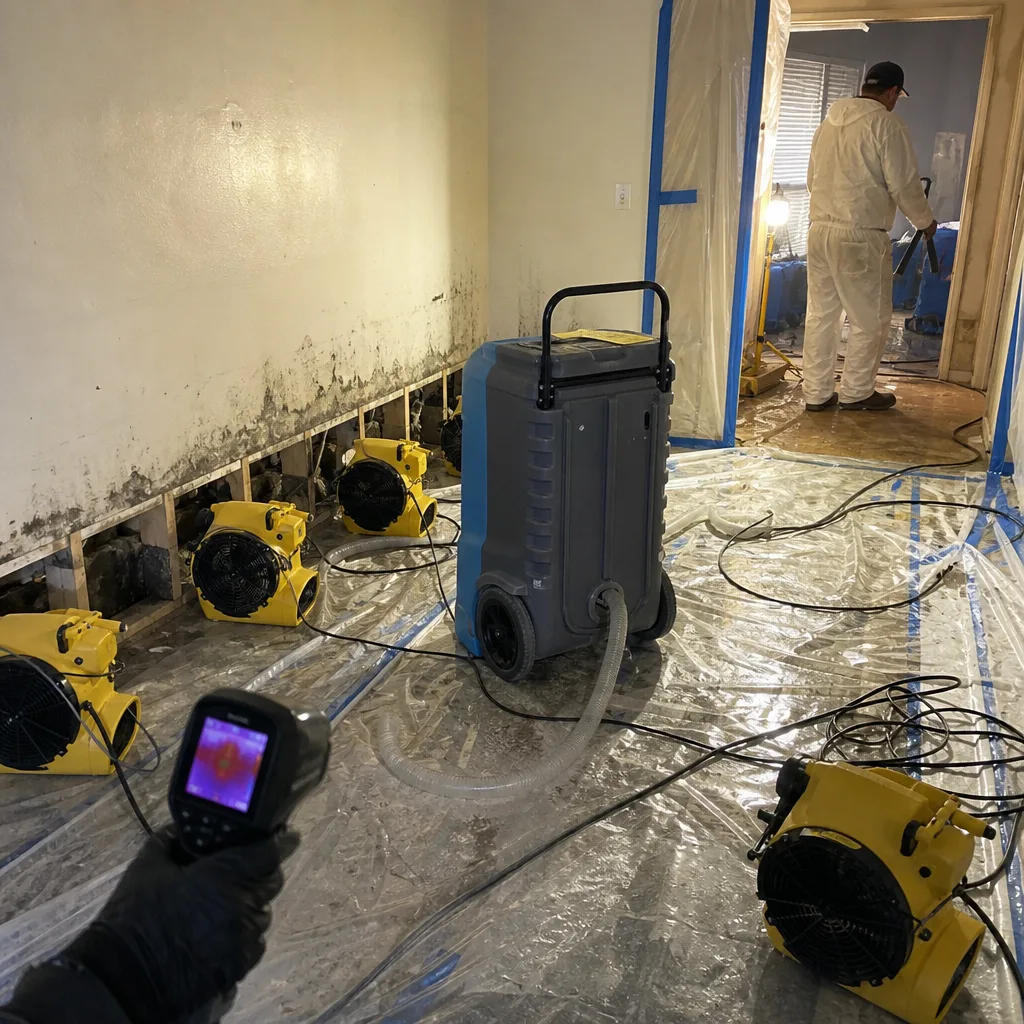
Kent’s low valley position traps Pacific marine air from October through April, producing persistent ground fog and prolonged humidity that makes structural drying harder here than in drier upland cities. We deploy Dri-Eaz and Phoenix air movers, desiccant dehumidifiers, and Injectidry systems to create vapor pressure differentials that pull moisture from wall cavities and subfloors. Daily drying logs track moisture content readings at every affected material - drywall, studs, sill plates, joists - documented to IICRC and RIA standards. These logs are what turn your restoration invoice into a payable claim.
Flood Cleanup
Flood cleanup in Kent carries a regulatory layer absent in neighboring cities. After the 2009 Howard Hanson Dam emergency, FEMA remapped large portions of the Green River Valley into Special Flood Hazard Areas (Zone AE). Pulling a repair permit on a flood-loss structure in these zones triggers an automatic Substantial Damage review by the City of Kent’s floodplain administrator when damage exceeds 50% of pre-damage value. This can legally force a full flood-elevation rebuild rather than standard repair. We scope and document every Kent flood loss with this threshold in mind from day one, because discovering it week three stalls the project and reshapes the entire budget.
Burst Pipe Restoration
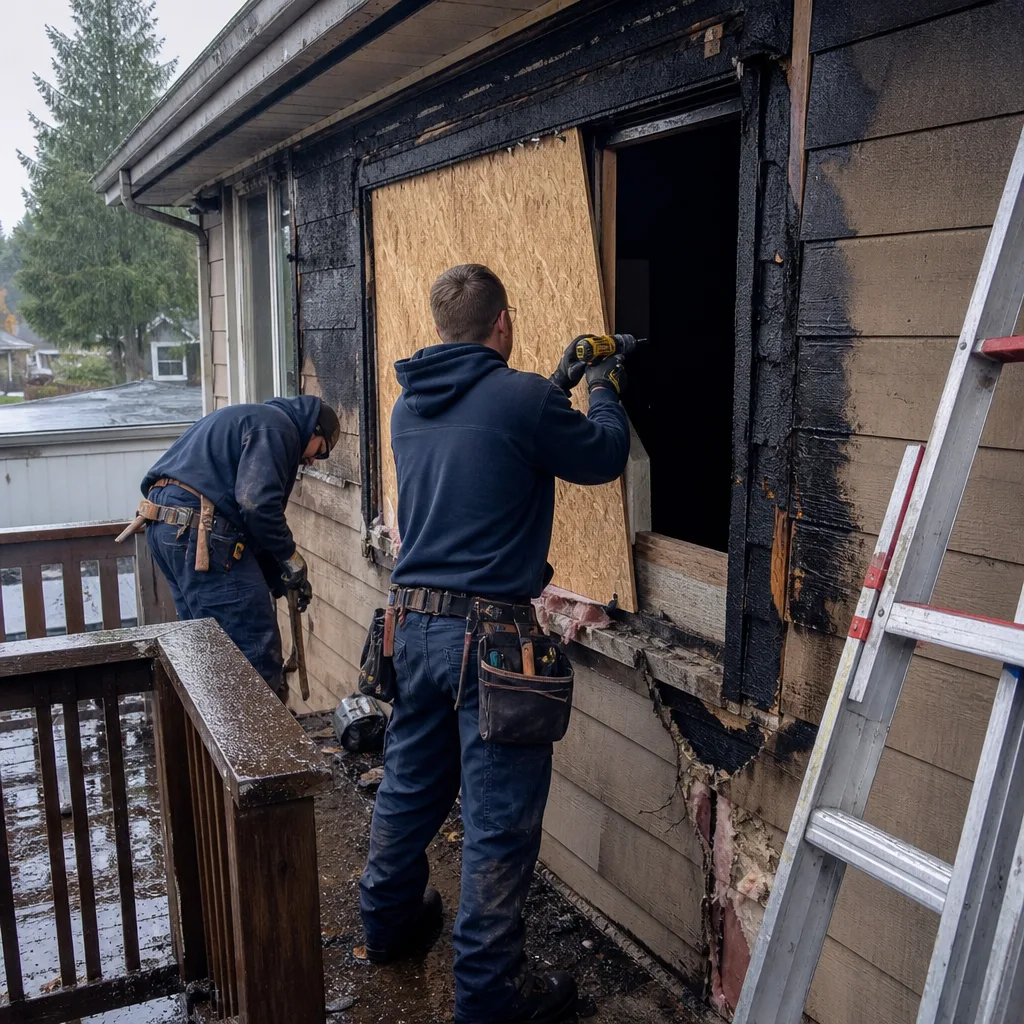
Kent’s freeze-thaw cycles are milder than inland Washington, but aging copper and galvanized supply lines in 1960s-1990s homes fail predictably at fittings and at the main shutoff. We isolate the source, extract standing water, and map moisture migration through walls and floors before any demolition starts. For burst pipe restoration in valley-floor commercial buildings, we check slab edges and perimeter walls for chronic hydrostatic intrusion that the pipe failure may have masked. Two problems layered together require two documented solutions.
What happens when you call
- 1
A real person answersNo phone trees - you reach a local pro.
- 2
You get an upfront price rangeHonest numbers before anyone is dispatched.
- 3
A background-checked tech heads outLicensed & insured, dispatched right away.
- 4
You approve before work beginsNothing starts until you say go.
 Before
 After
AfterTrusted Brands We Service in Kent
We deploy professional-grade drying systems from Dri-Eaz, Phoenix, and XPOWER on Kent jobs, with B-Air and Injectidry equipment reserved for specialized cavity drying and hardwood floor rescue. These aren’t brand names for marketing - they’re the machines that produce the documented cubic feet per minute, grains of moisture removed, and equilibrium moisture content readings that adjusters recognize. We stock common consumables and replacement filters locally, so a Kent job doesn’t wait on shipping when a dehumidifier needs a new desiccant rotor mid-project.
Common Water Damage Restoration Problems We See in Kent Homes
- FEMA Zone AE permitting delays on flood losses. Scoping a valley-floor flood loss like a standard repair and ignoring the Substantial Damage math until the City of Kent floodplain administrator stalls the permit weeks into mitigation. We document pre-damage value and projected repair costs on every Kent flood job before extraction starts.
- Re-wetting from clay subsoil in East Hill and West Hill crawl spaces. Leaving original fiberglass-batted crawl spaces without addressing the missing or degraded vapor barrier means water extraction stops, but Category 2/3 water keeps wicking out of the clay subsoil and re-wetting framing after demobilization. We map subsoil moisture and specify barrier repair in the written scope.
- Chronic slab moisture in valley-floor tilt-up warehouses. Treating wet slab edges with surface drying only, when hydrostatic pressure from Kent’s high water table means moisture readings stay elevated regardless of air mover count. We specify vapor barrier remediation or drainage solutions, not just more dehumidification.
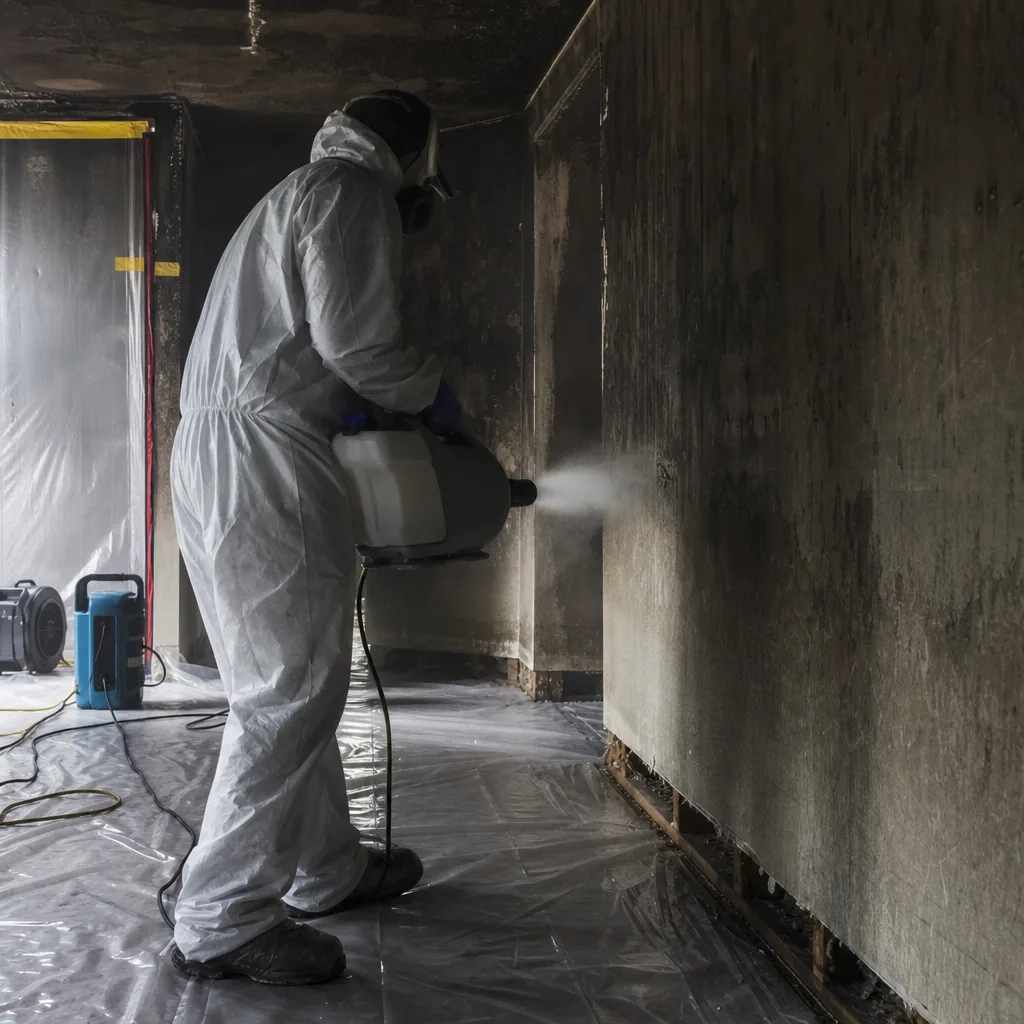
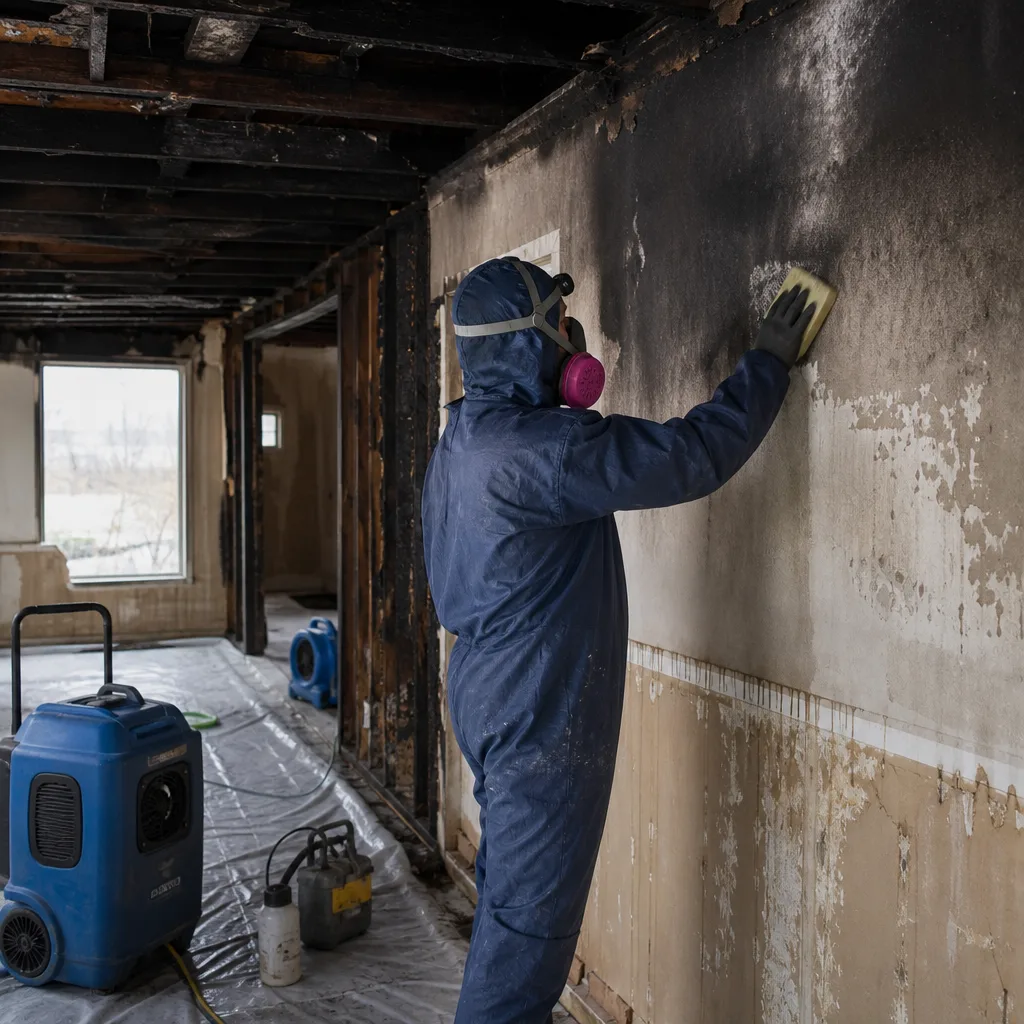
- Secondary mold colonization in poorly ventilated Kent homes. Kent’s prolonged wet season and trapped marine air create conditions where mold establishes within 48-72 hours of water intrusion. We build containment and apply antimicrobial treatment during structural drying, with photo documentation at each stage.
Pricing for Water Damage Restoration in Kent, WA
Emergency water extraction in Kent typically runs $1,200-$2,400 for residential losses under 1,500 square feet, with structural drying and dehumidification adding $1,600-$5,100 depending on affected square footage, material type, and whether cavity drying or hardwood floor rescue is required. Flood cleanup in Kent’s FEMA Zone AE areas starts higher - $3,500-$7,500 for typical residential mitigation - because documentation requirements, potential Substantial Damage review, and possible elevation compliance work add scope before reconstruction begins.
Factors that move Kent jobs within these ranges: Category 3 (black water) losses requiring PPE and antimicrobial treatment; crawl space access limitations on East Hill and West Hill homes; commercial tilt-up buildings with extensive slab-edge moisture; and jobs requiring content pack-out or document drying. Haven Standard, Clause 1: you’ll receive a written price before any work starts, with no scope-creep additions once our crew is inside your property. We also offer a Free Second Opinion on any competitor’s written estimate - bring it to us and we’ll review it at no charge.
Call (253) 322-4873 for an exact quote. Estimates are free.
We Also Serve Cities Near Kent
Our crews respond throughout south King County from our Seattle office. We regularly perform Water Damage Restoration in Kent and neighboring communities including Renton, Auburn, Federal Way, and Maple Valley. Each city’s building stock, soil conditions, and regulatory environment shape how we scope and document the work - what applies in Kent’s Green River Valley doesn’t automatically apply in Auburn’s Muckleshoot-area uplands or Maple Valley’s timber-country drainage.
Serving Kent, WA - Our Local Coverage Area
We’re based in the Kent area and know this community well. Use the map below to see our service coverage - if you’re nearby, we can almost certainly help.
FAQs - Water Damage Restoration in Kent
Yes. Kent’s valley floor sits in FEMA Zone AE after the 2009 Howard Hanson Dam emergency remapping, so pulling a repair permit on a flood-loss structure can trigger an automatic Substantial Damage review by the City of Kent floodplain administrator when damage exceeds 50% of pre-damage value. This review can stall a project for weeks and legally require flood-elevation compliance work that standard repair scoping misses entirely. We document pre-damage value and repair-cost projections on every Kent flood job from day one to avoid this surprise. Call (253) 322-4873 for a written scope that accounts for Kent’s specific regulatory environment.
Original fiberglass-batted crawl spaces in Kent’s 1960s-1990s housing stock were installed without adequate vapor barriers against the clay subsoil common to both hillsides. Water extraction removes standing water, but without a subsoil moisture barrier, Category 2/3 water continues wicking from the clay and re-wetting sill plates and floor joists after air movers leave. We map subsoil moisture content and specify vapor-barrier repair or encapsulation in the written scope when readings indicate ongoing wicking. Call (253) 322-4873 and we’ll show you the moisture readings that explain why the problem returned.
It’s likely chronic hydrostatic intrusion from Kent’s naturally high water table, not a plumbing leak. The valley floor’s heavy clay soils don’t percolate rainfall efficiently, creating sustained pressure on slab edges and below-grade walls that surface drying alone cannot resolve. We use moisture meters and thermal imaging to distinguish plumbing leaks from hydrostatic patterns, then specify drainage solutions or vapor-barrier remediation rather than simply running more dehumidification. Call (253) 322-4873 for a diagnostic that names the actual problem.
Mold colonization typically begins 48-72 hours after water intrusion in Kent’s climate, where Pacific marine air from October through April maintains humidity levels that accelerate fungal growth. We respond to Kent emergencies within 45-60 minutes, begin extraction immediately, and build containment with antimicrobial treatment during structural drying when Category 2 or 3 water is present. The daily moisture logs we produce document that we stayed ahead of secondary damage. Call (253) 322-4873 - live person, no voicemail, any hour.
Valley-floor commercial buildings in Kent - typically tilt-up concrete construction - often have chronic slab-edge moisture from hydrostatic pressure that a burst pipe failure can mask or compound. Hillside homes, particularly on East Hill and West Hill, more commonly show crawl space moisture from clay subsoil wicking and original vapor-barrier failure. We scope each differently: commercial jobs get slab-edge moisture mapping and potential drainage specification; residential jobs get crawl space subsoil analysis and vapor-barrier assessment. The written scope names which applies before demolition starts. Call (253) 322-4873 for a documented assessment of your specific building.
We got a call from a property manager on East Hill after a supply line let go under a 1974 split-level with the original fiberglass-batted crawl space, and our tech found Category 2 water pooled against the clay subsoil with no vapor barrier left to stop it. We ran moisture mapping across the joists and sill plates, set Dri-Eaz and Phoenix air movers with a desiccant dehumidifier, and built containment before applying antimicrobial treatment to the mold already colonizing the batt insulation. Because the loss stayed under the threshold, we closed it with structural drying and drying logs instead of a flood-elevation retrofit - but the documentation had to be airtight in case the City pulled the file.
Ready to get started? Call (253) 322-4873 now. A live person will answer, gather the details of your Kent water loss, and dispatch a crew with a written price before any work begins. Haven Standard, Clause 1. Every time.
Written by Alicia Brennan, Owner at Back to Dry Restoration, serving Kent since 2011.