
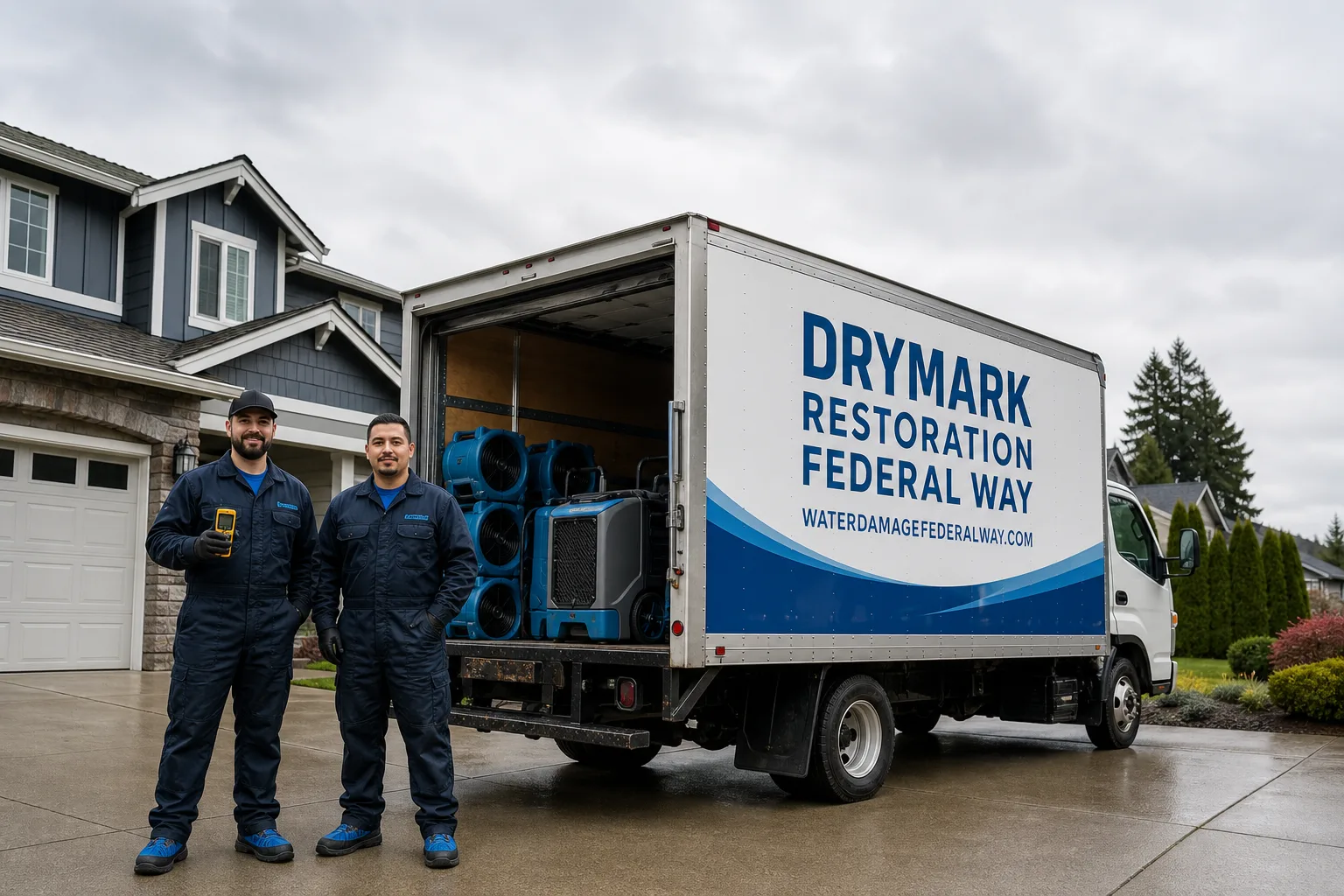
Free visual inspection and a written scope of work before any mitigation begins - photos, moisture readings, and drying logs go in your claim file
The scope we write is the scope we bill. Anything new gets shown to you, in writing, before we touch it.
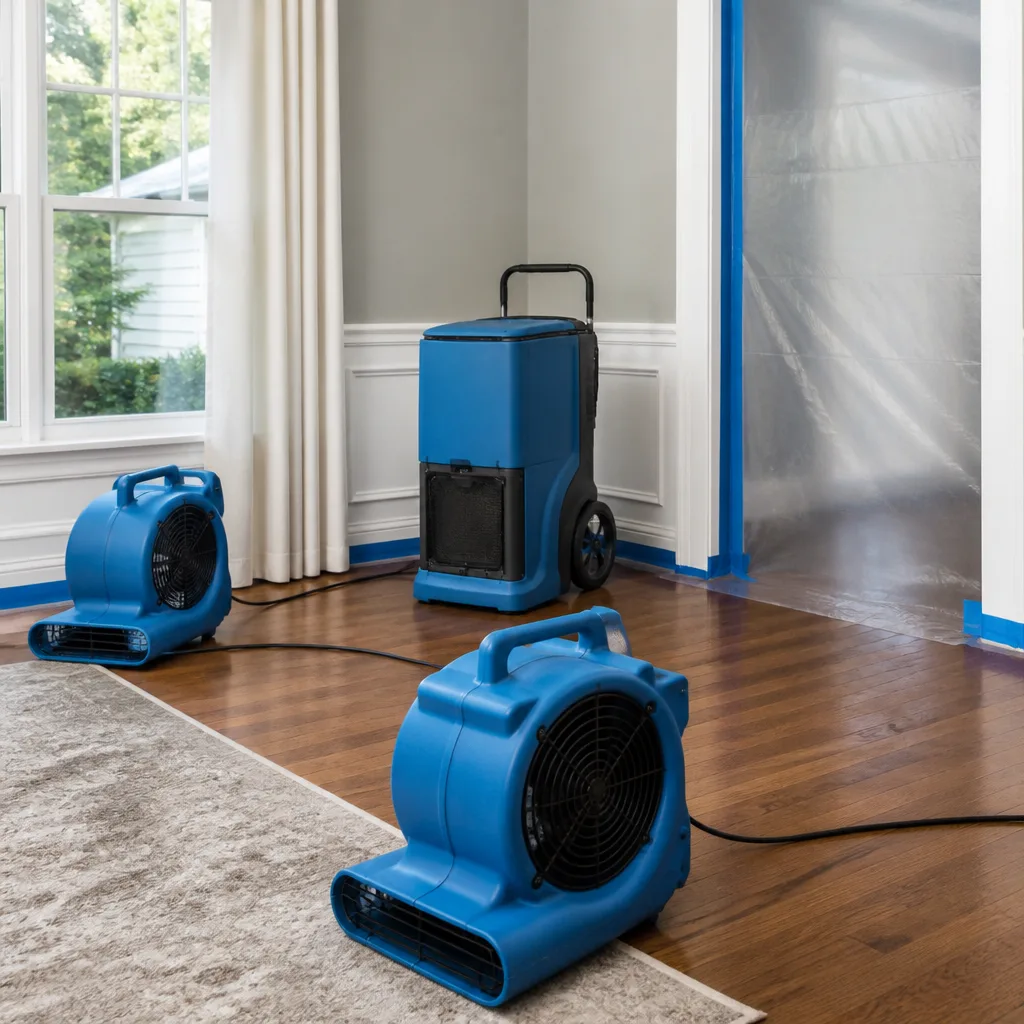
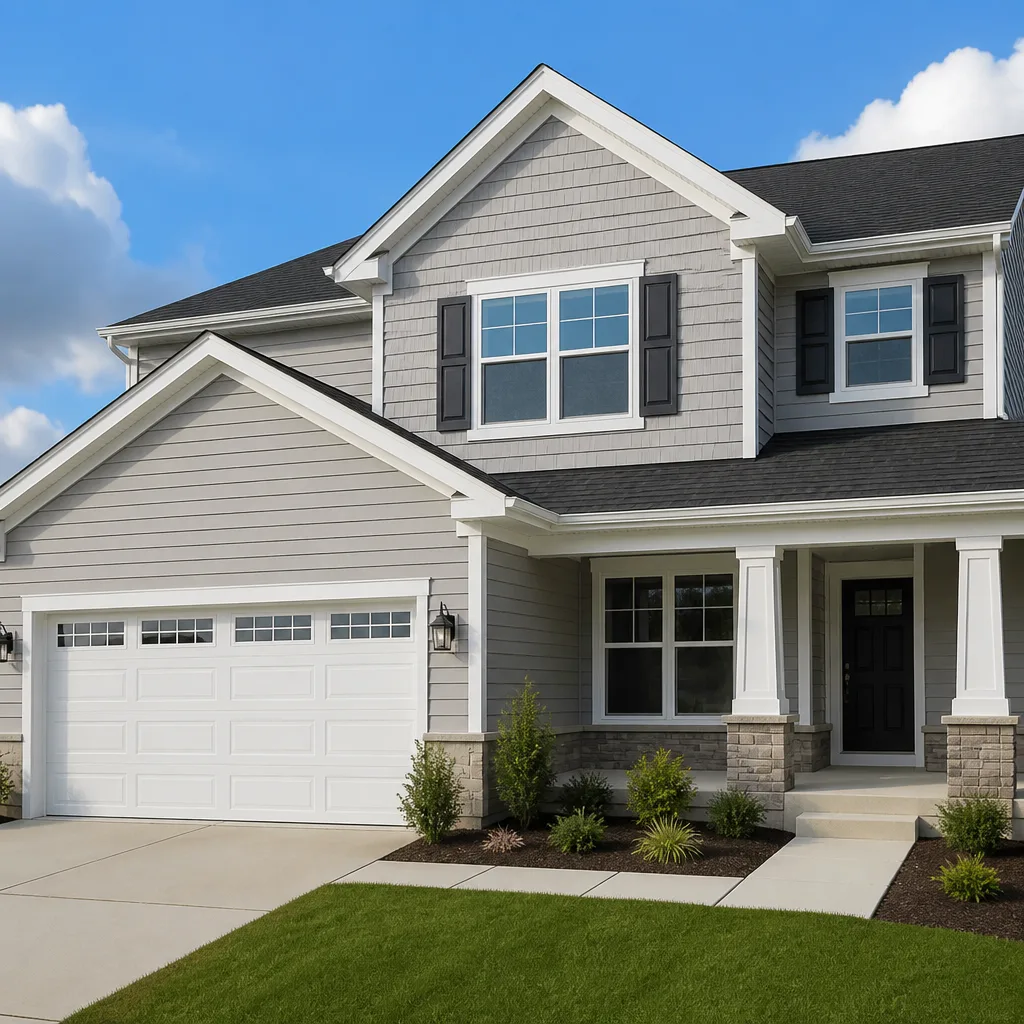
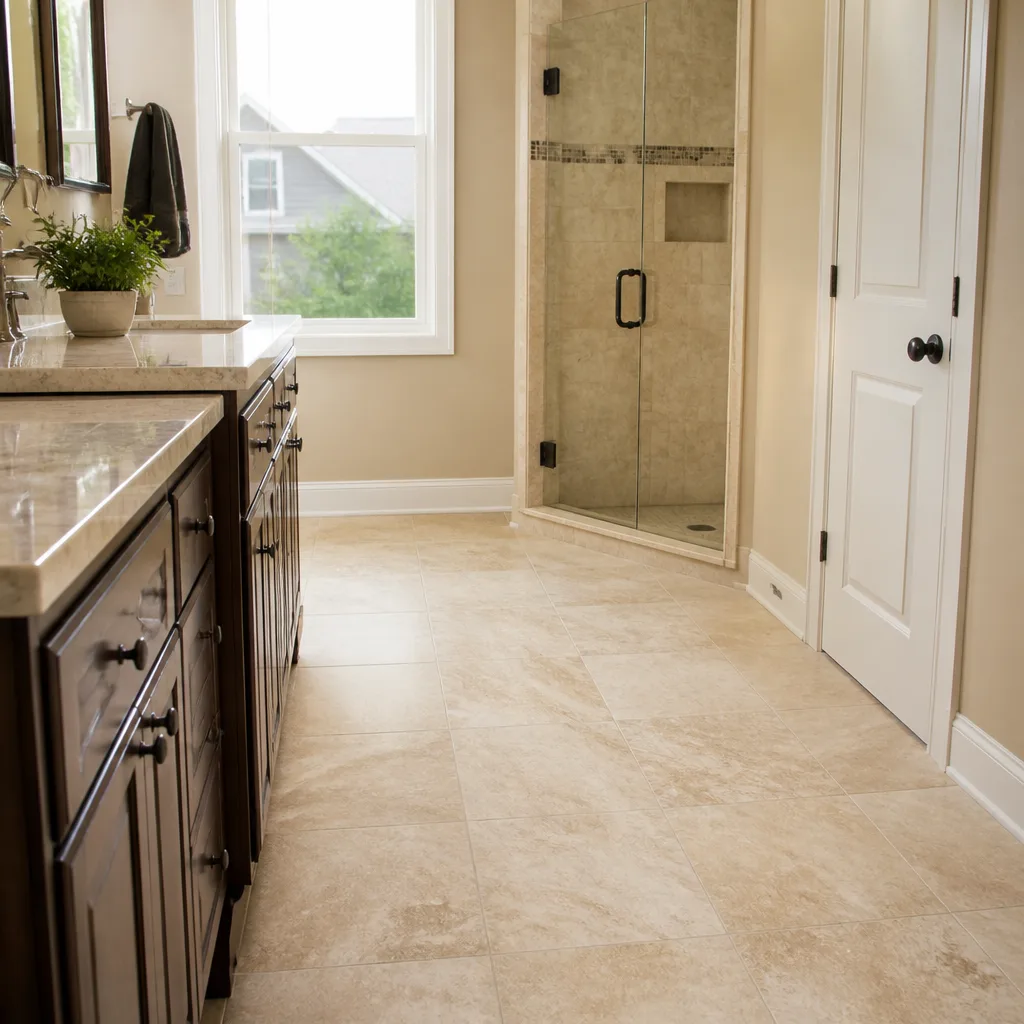
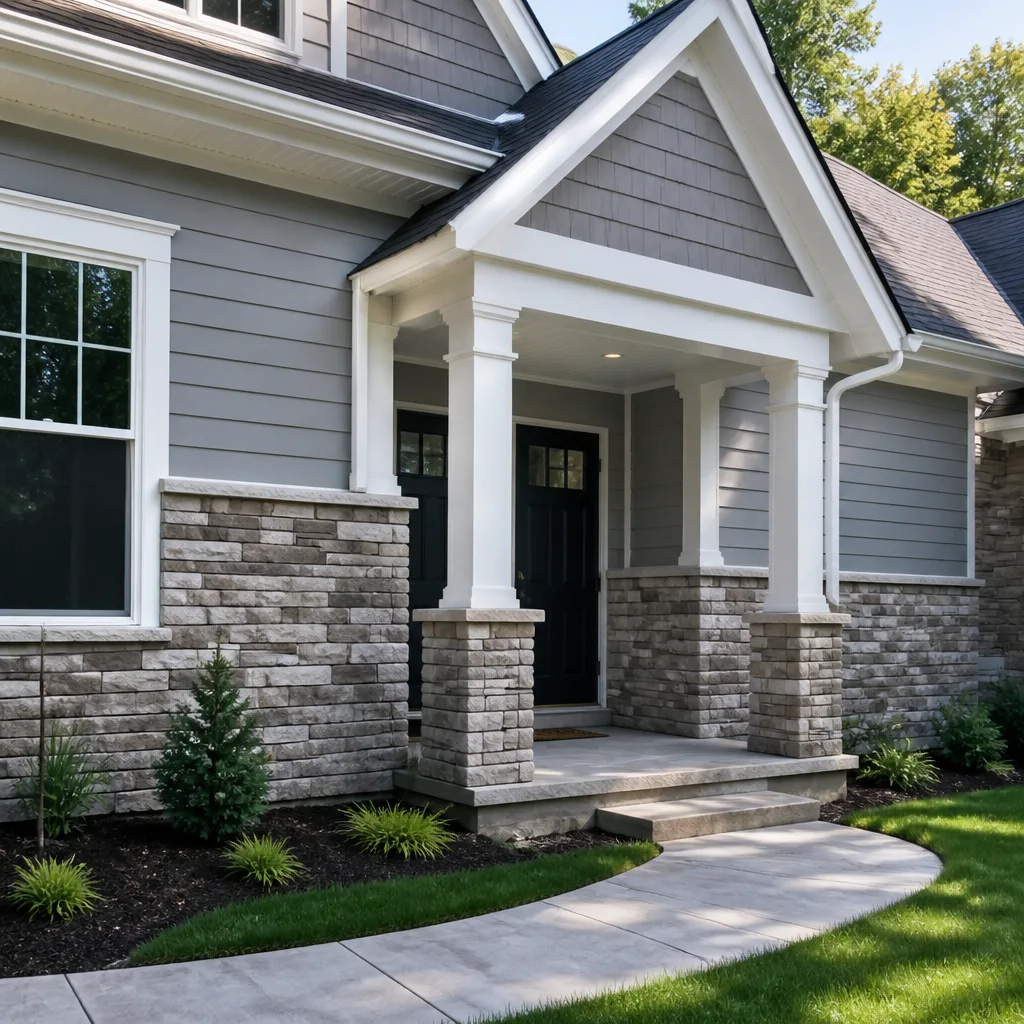
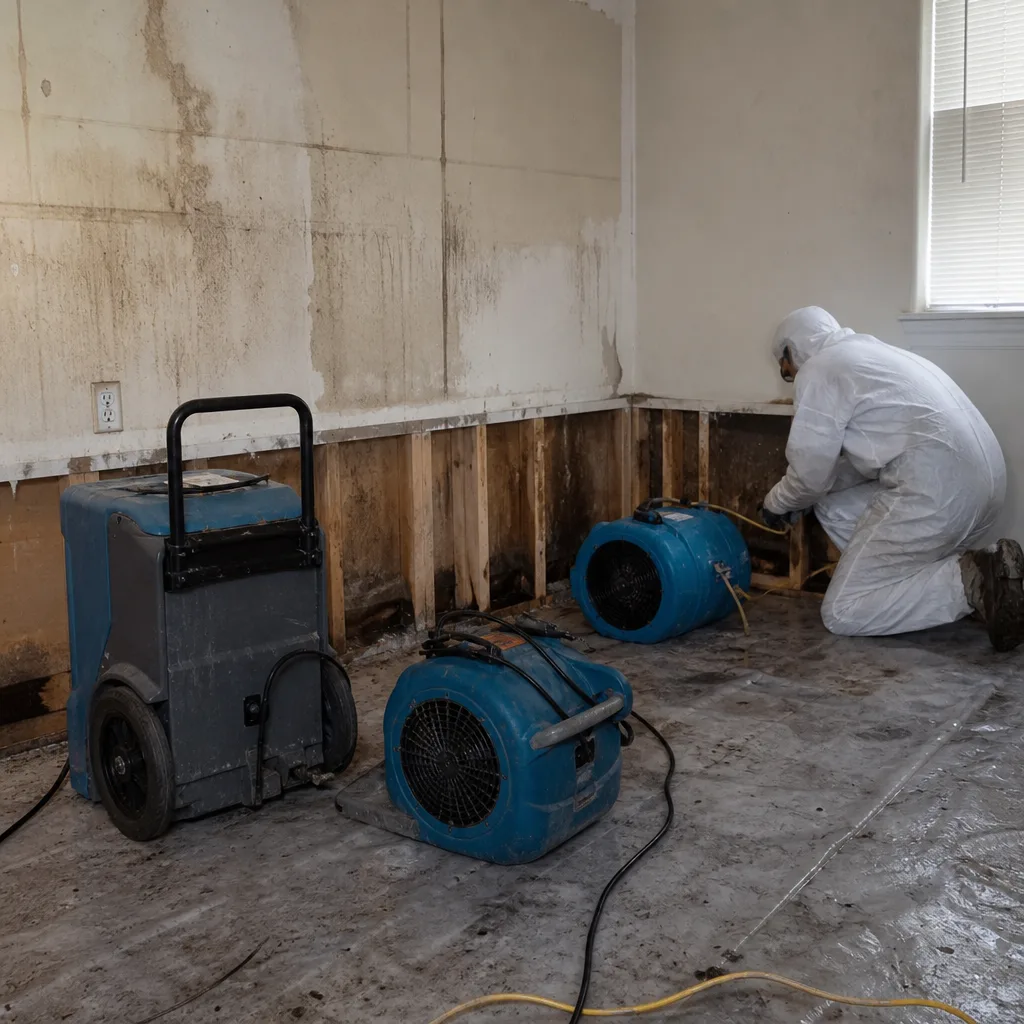 Before
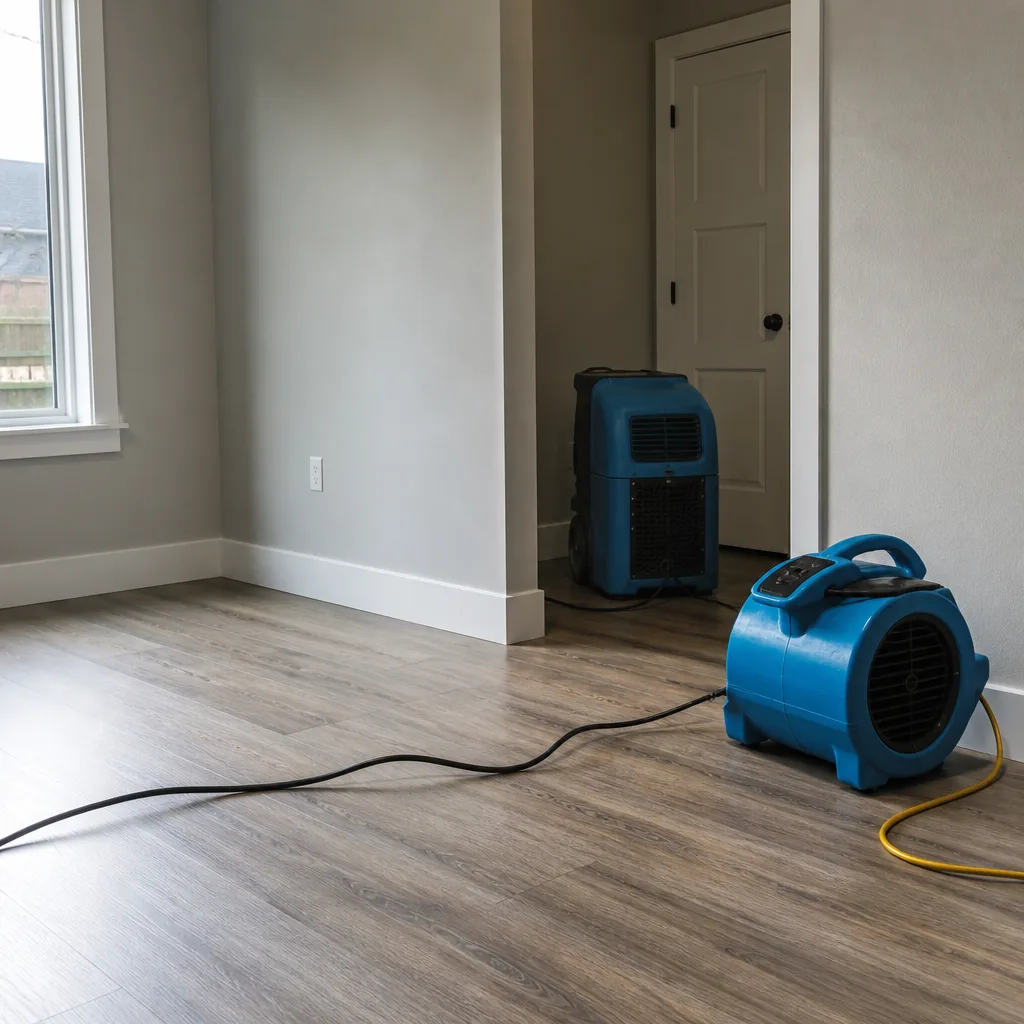 After
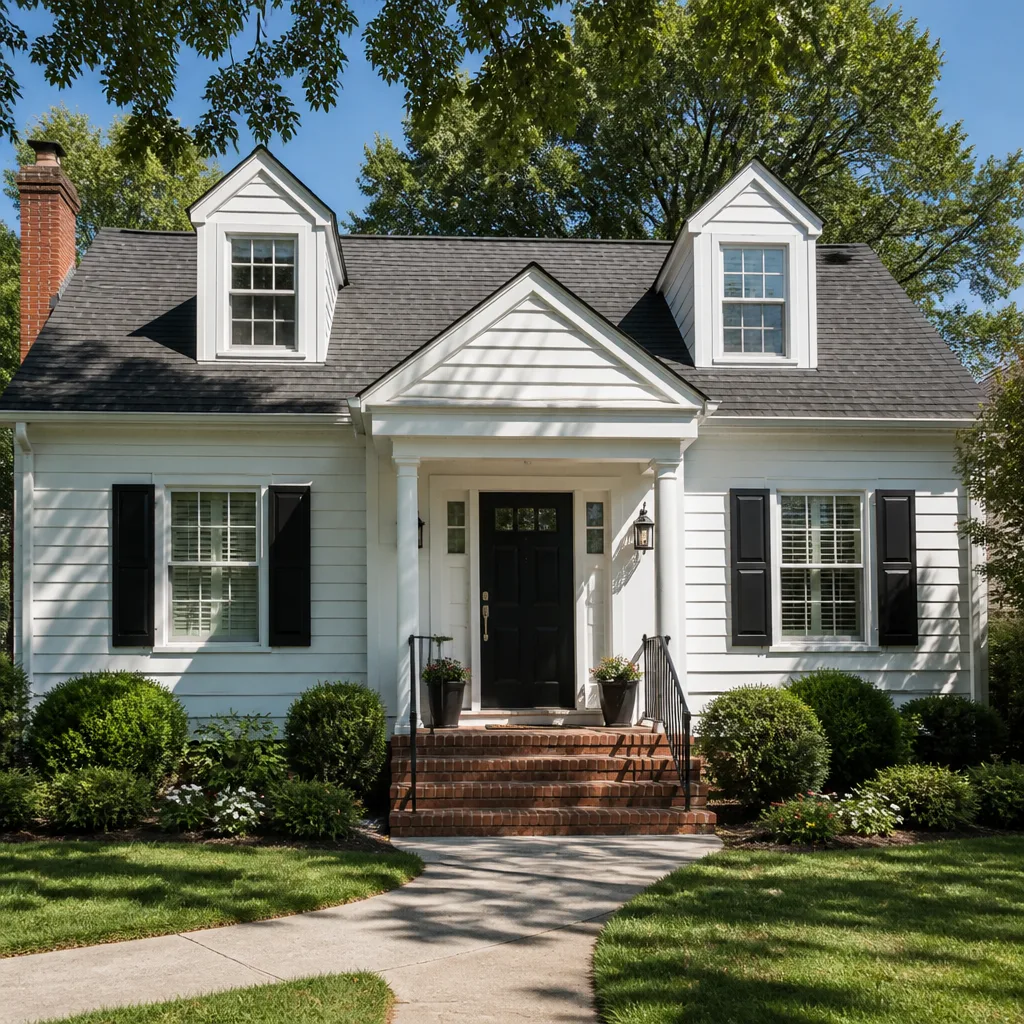
After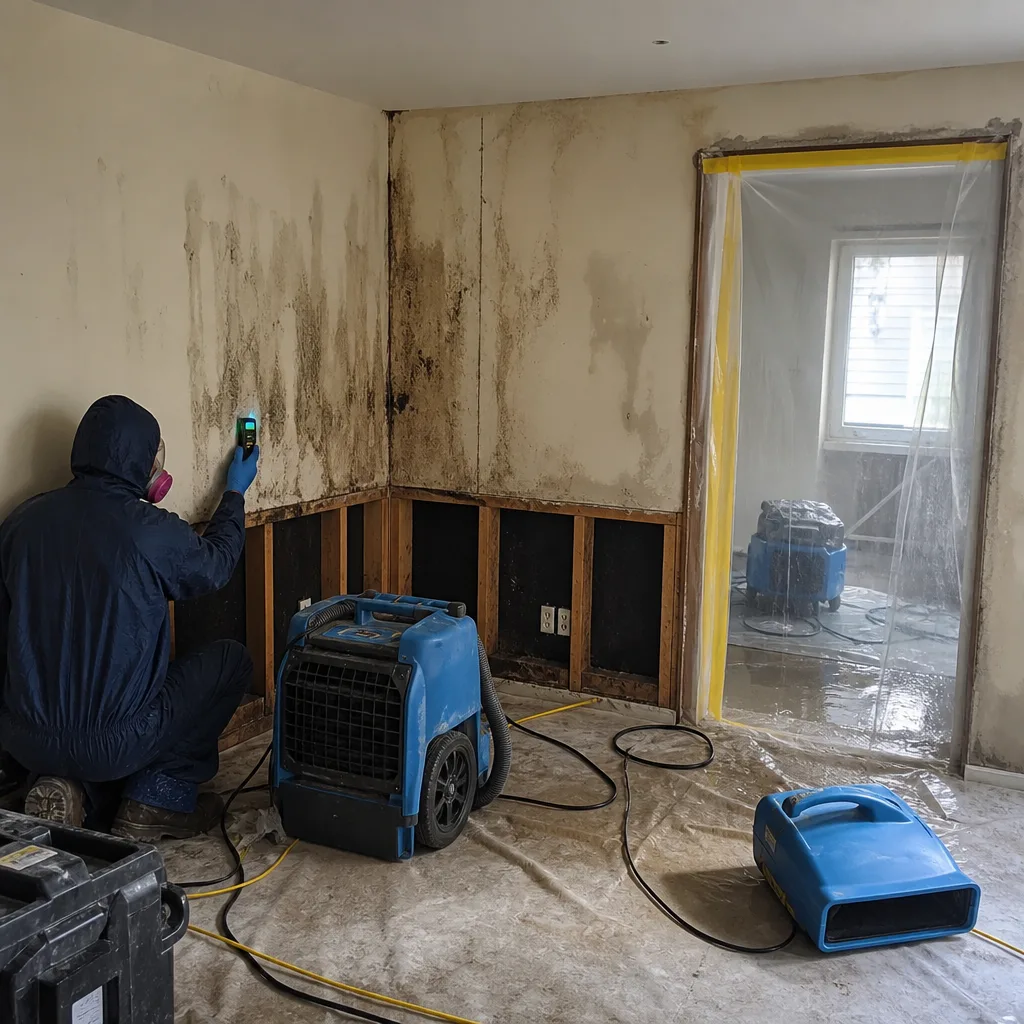 Before
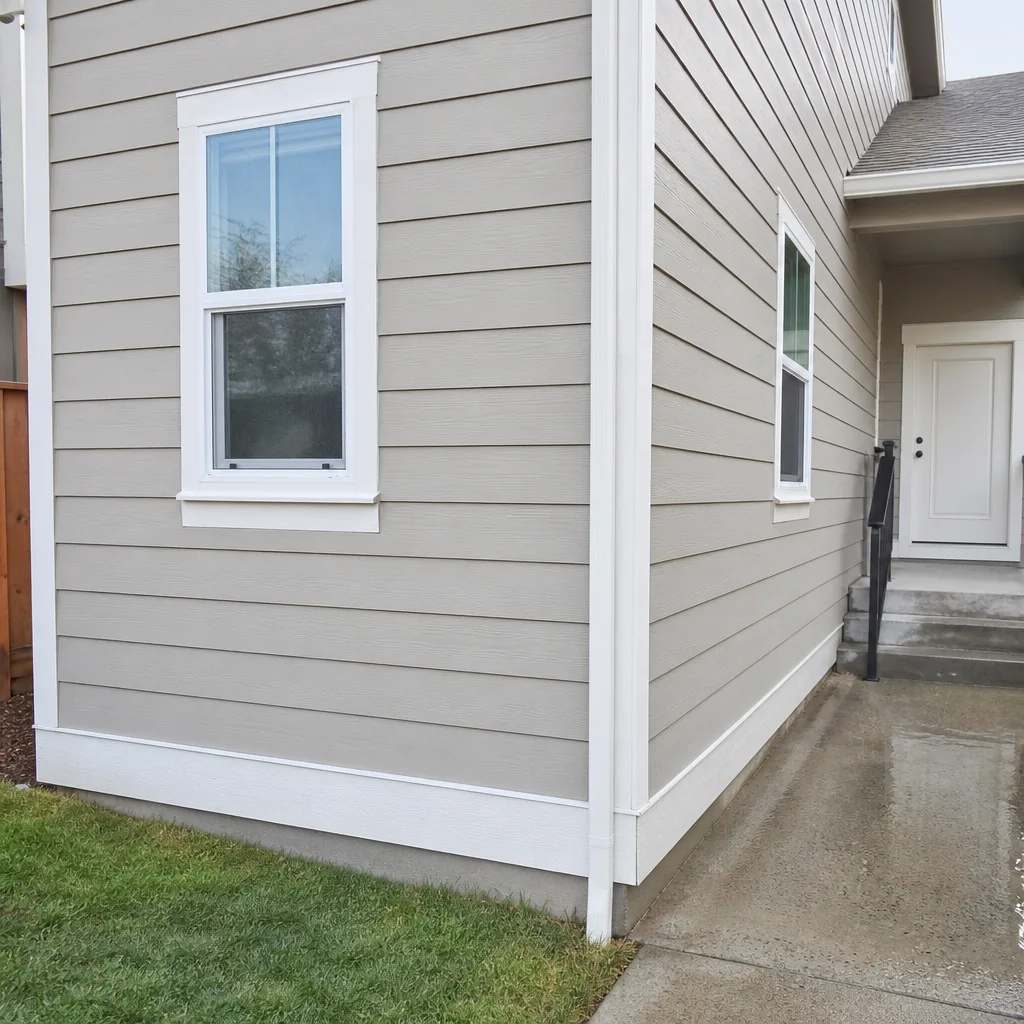 After
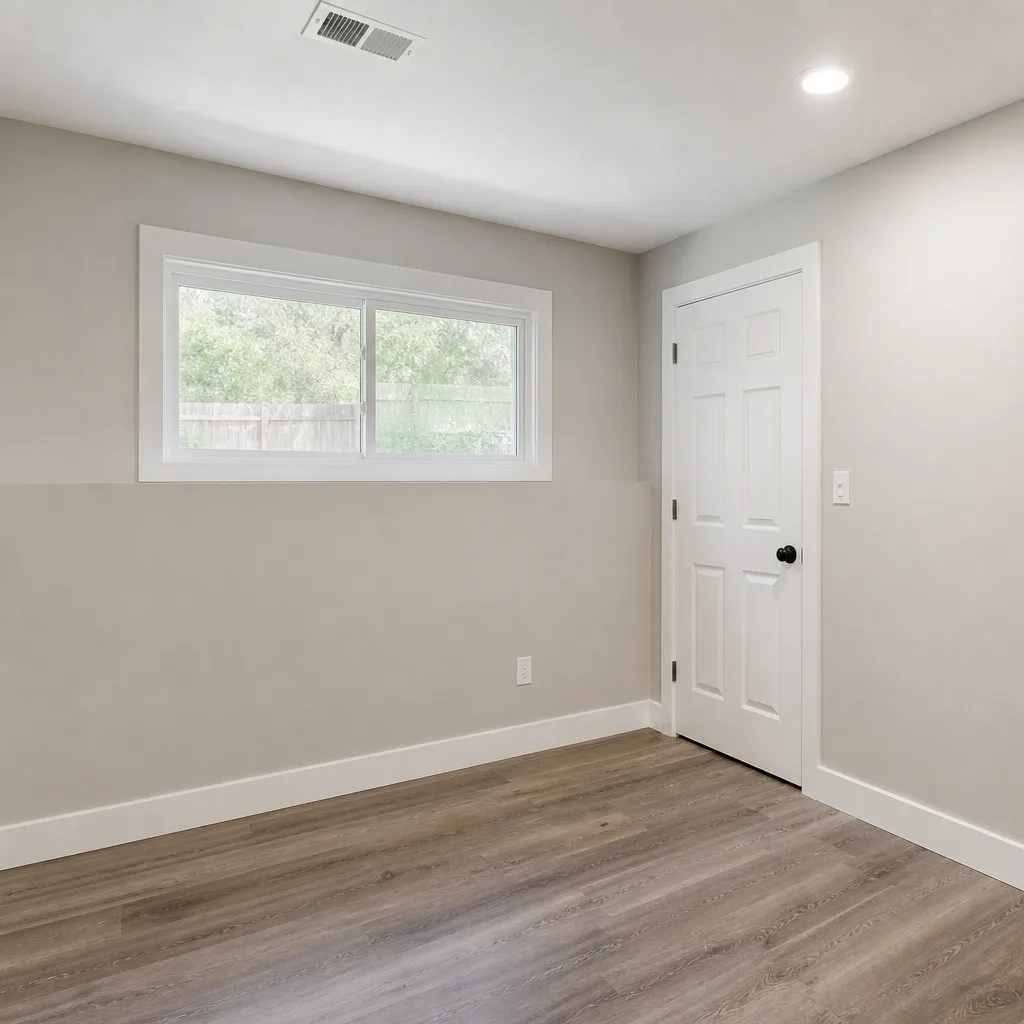
After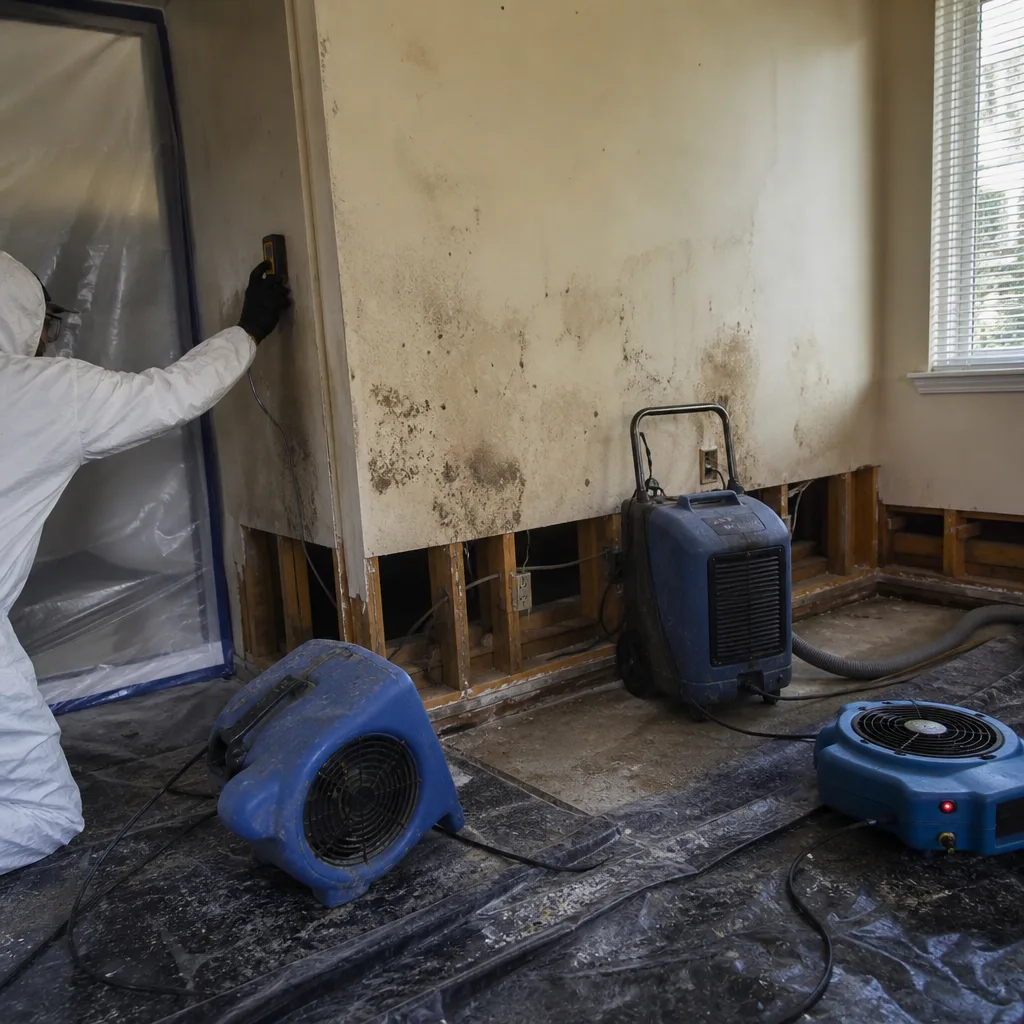 Before
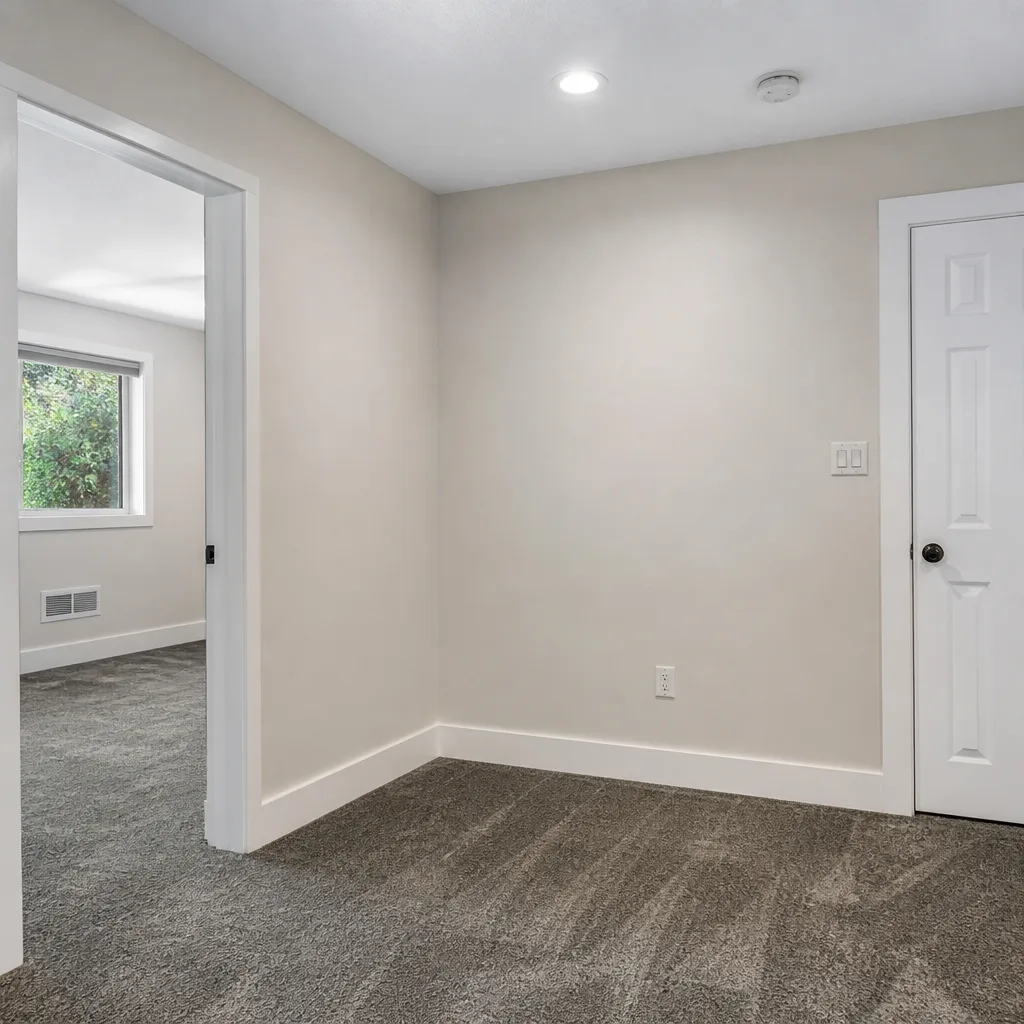 After
AfterFast, Reliable Mold Remediation Across SeaTac
Mold remediation in SeaTac typically runs $1,800-$4,500 for residential jobs, with full inspection and containment setup available same-day when you call (253) 322-4873. Our crews dispatch from the Seattle office and carry the containment systems, HEPA filtration, and moisture mapping tools needed for SeaTac’s specific building stock - the 1950s-1970s airport-worker homes with crawl-space foundations, the mid-century motels along International Boulevard, and the tighter townhome clusters where alley access and parking constraints shape every remediation plan. We know the difference between a standard crawl-space dryout and a SeaTac noise-retrofit attic where dense-pack cellulose has been holding moisture for weeks behind a stain that looks minor.
Why DryMark Restoration Federal Way Is SeaTac’s Preferred Mold Remediation Company
We’ve restored more than 12,000 homes since 2011, and a significant share of those jobs have been in the SeaTac blocks east of Seattle-Tacoma International Airport. Our reviews from SeaTac customers consistently mention two things: we show up when we say we will, and we document everything. That documentation habit - photo records on every visit, written scopes before work starts, daily moisture logs - comes from our founder’s background as a claims adjuster who watched homeowners lose legitimate payouts because the restoration invoice lacked the evidence to support it.
Response time to SeaTac is typically under 90 minutes from call to arrival for emergency assessments. We don’t use voicemail trees; a live person answers every call, 24 hours a day, 7 days a week. For mold specifically, speed matters less than precision - but the initial inspection still needs to happen quickly, because every day of delayed containment is a day spores are settling into new cavities.
Our local knowledge runs deeper than GPS coordinates. We know which SeaTac neighborhoods sit under the SEA flight paths where Port of Seattle noise-mitigation retrofits changed how moisture moves through walls. We know the 1960s flat-roof apartment clusters near South 188th Street that pond water against clogged drains every November. And we know the Angle Lake rental stock where deferred maintenance on original composition shingles sends water into dense-pack cellulose that wicks horizontally for weeks before anyone notices a stain.
Our Mold Remediation Services in SeaTac
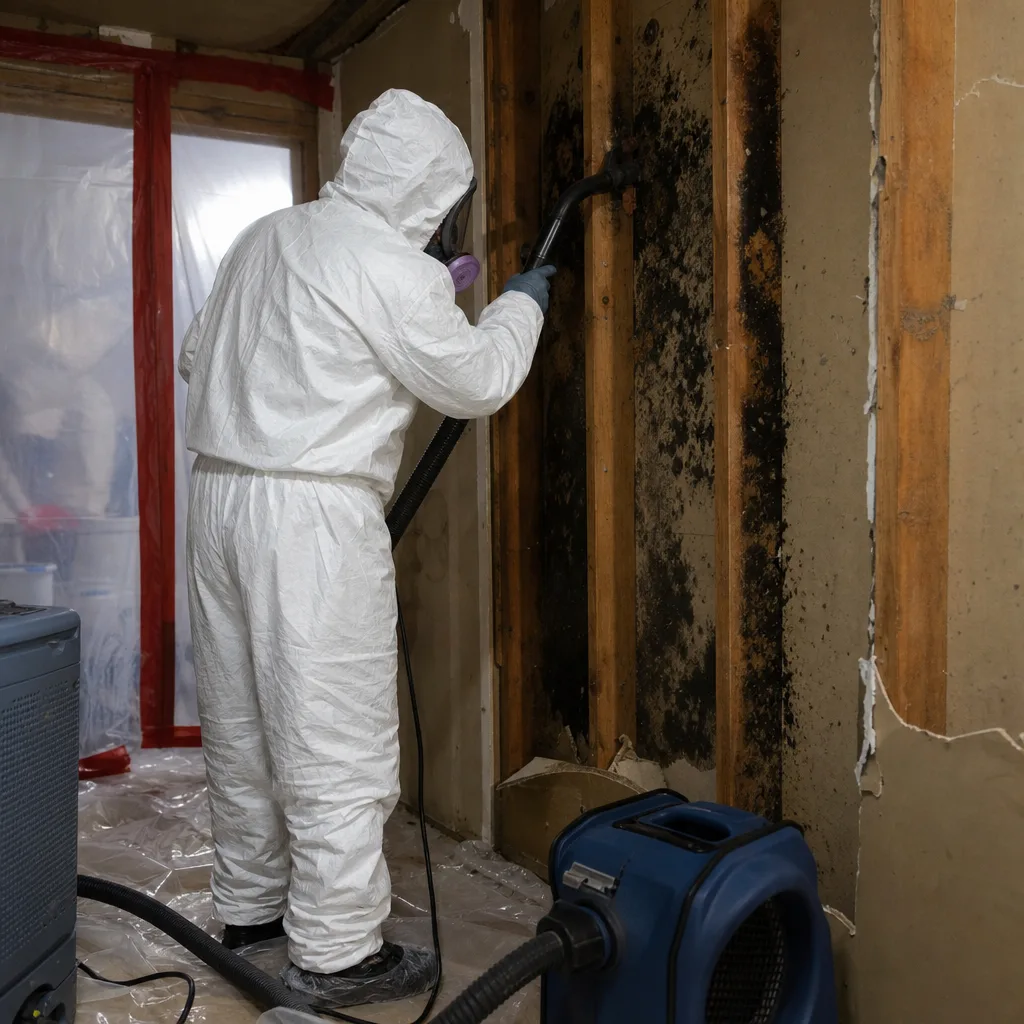
Mold Inspection & Testing
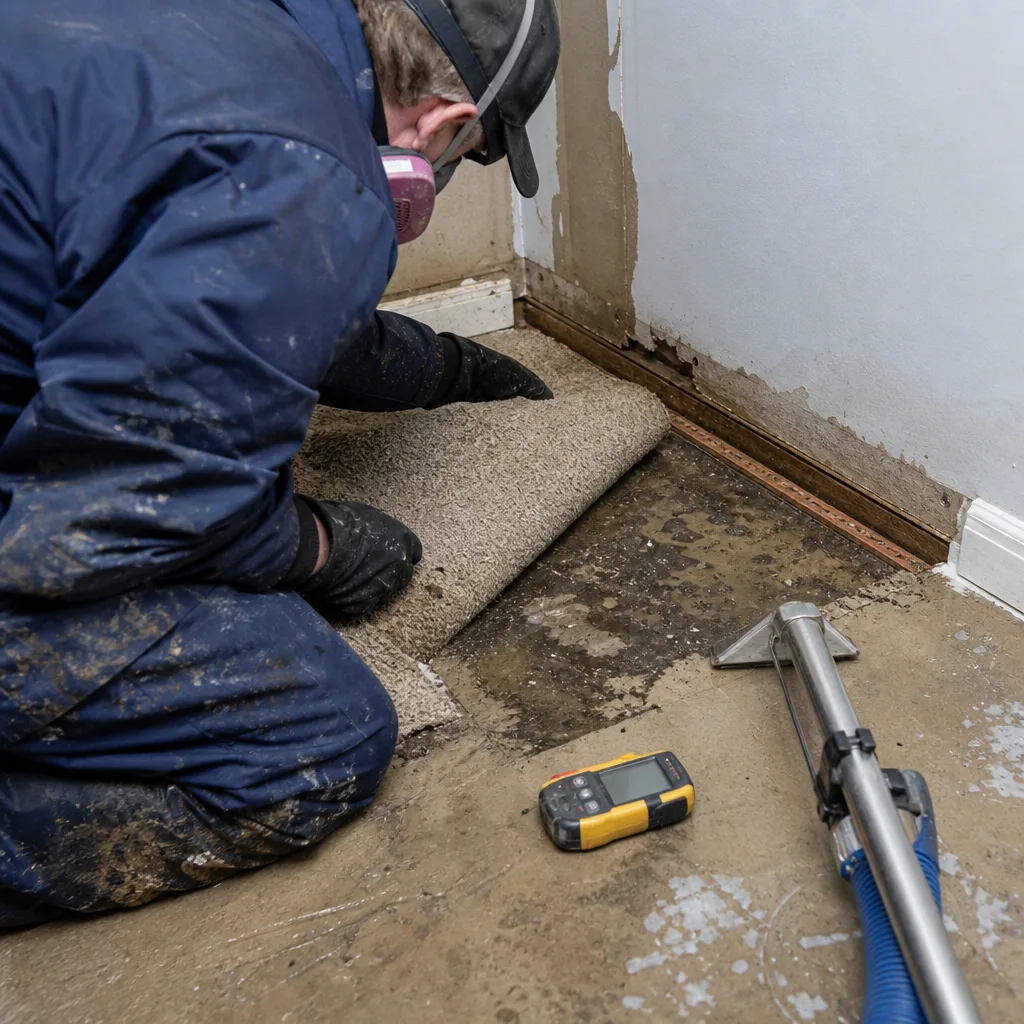
Every SeaTac mold job starts with a written inspection protocol, not a verbal guess. Our technicians map moisture readings room-by-room, identify the water source, and classify the damage category before any containment goes up. In noise-retrofit homes near the airport, we specifically probe the sealed wall cavities and dense-pack cellulose zones that standard inspections miss - because surface readings in those homes lie. The stain looks dry. The cavity behind it is not. We document this with photos, annotate the moisture map, and deliver a written scope with line-item pricing before any work begins. Haven Standard, Clause 1.
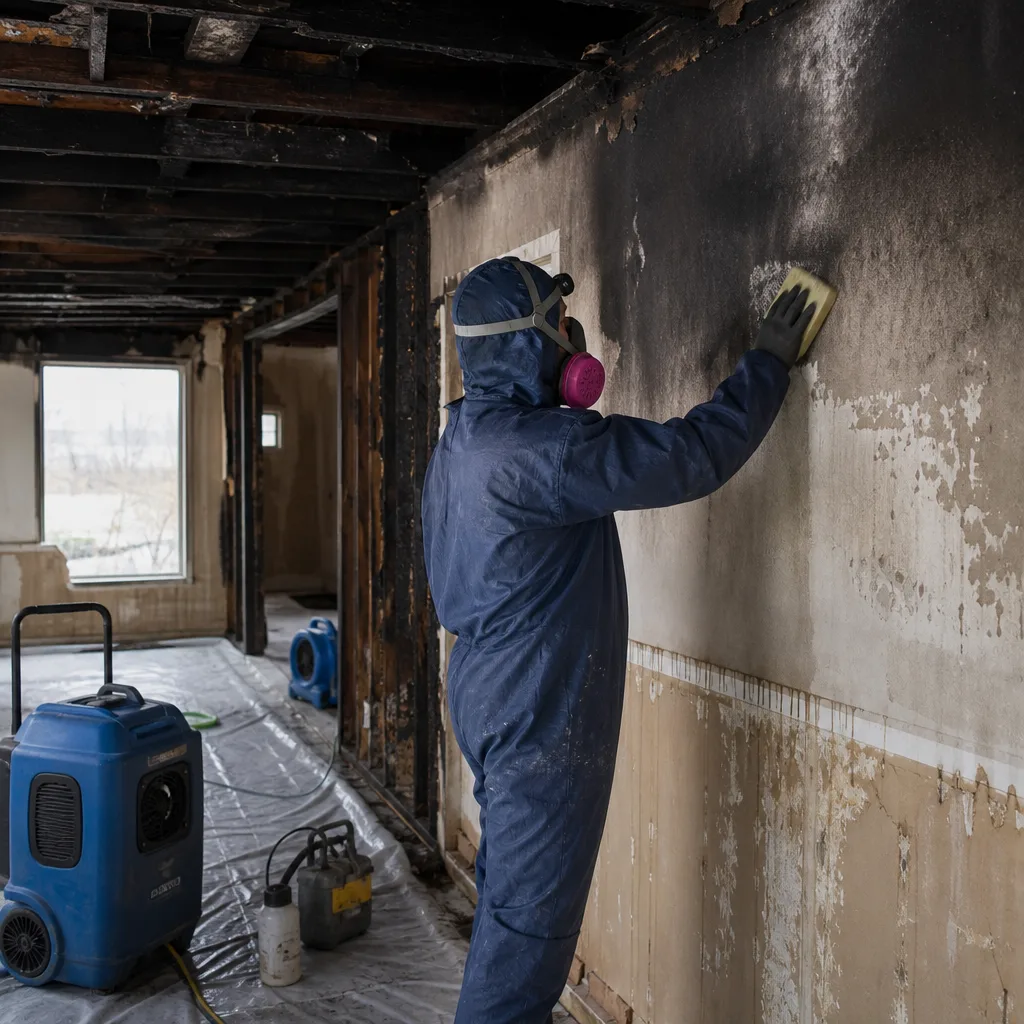
Mold Removal
Removal in SeaTac means accounting for tight clearances. Alley-load townhomes on the residential blocks off Military Road South don’t have front driveways for dumpster placement. Mid-century motels on International Boulevard have corridor layouts where one open door affects six units. Our crews stage HEPA-negative-air containment to isolate the work zone without blocking tenant access, and we bag removed materials for alley or loading-dock extraction rather than hauling through occupied hallways. Every removal is photo-documented, with before-and-after shots tied to the moisture log that proves pre-loss condition for your adjuster.
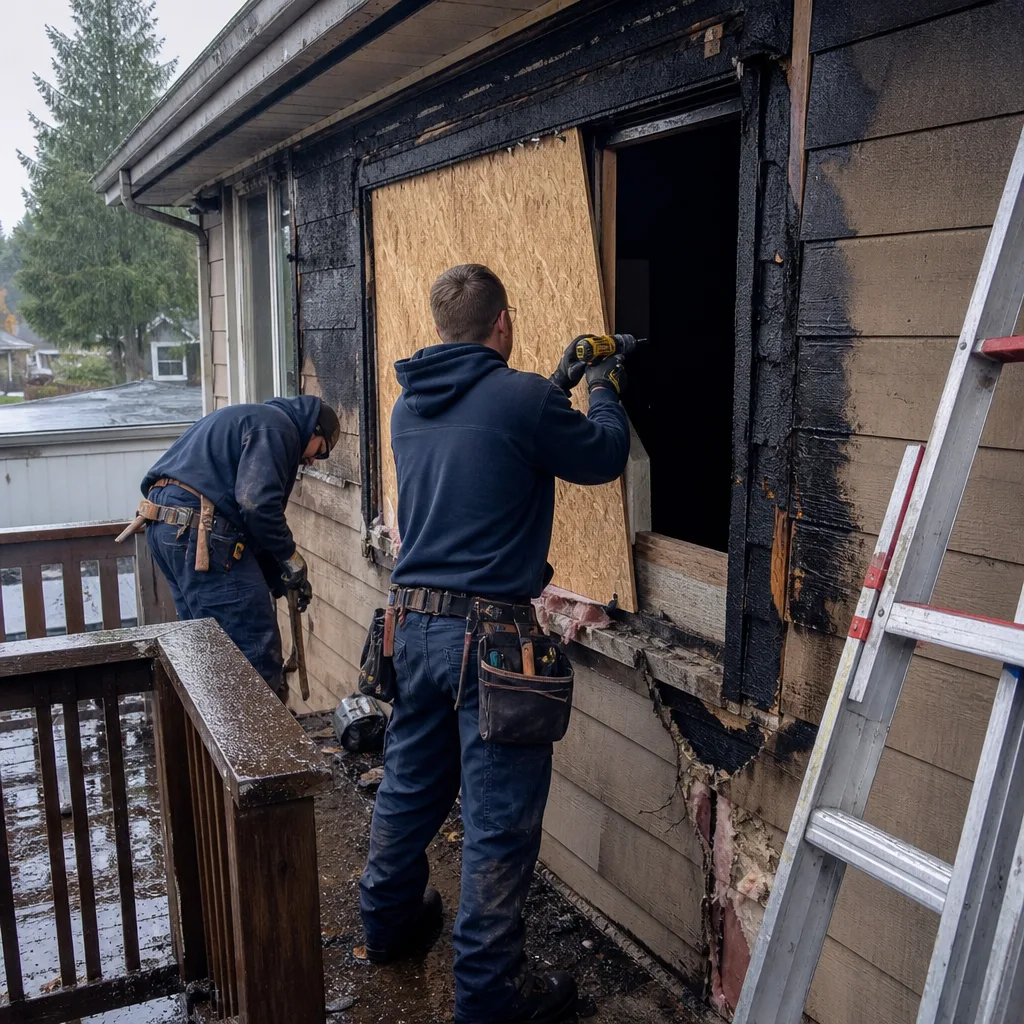
Black Mold Remediation
Stachybotrys colonization in SeaTac is almost always secondary to chronic moisture, not a sudden flood. The persistent October-to-April wet season here - 38 to 39 inches annually, measured at the official NWS station that defines “Seattle” rainfall - keeps crawl spaces and noise-retrofit cavities damp enough for toxigenic mold to establish. We treat black mold remediation as a containment and source-removal operation, not a surface-wiping exercise. That means establishing negative air pressure, sealing HVAC returns, removing contaminated porous materials under proper classification, and treating framing with antimicrobial agents before drying begins. The photo record on every visit becomes part of your claim file.
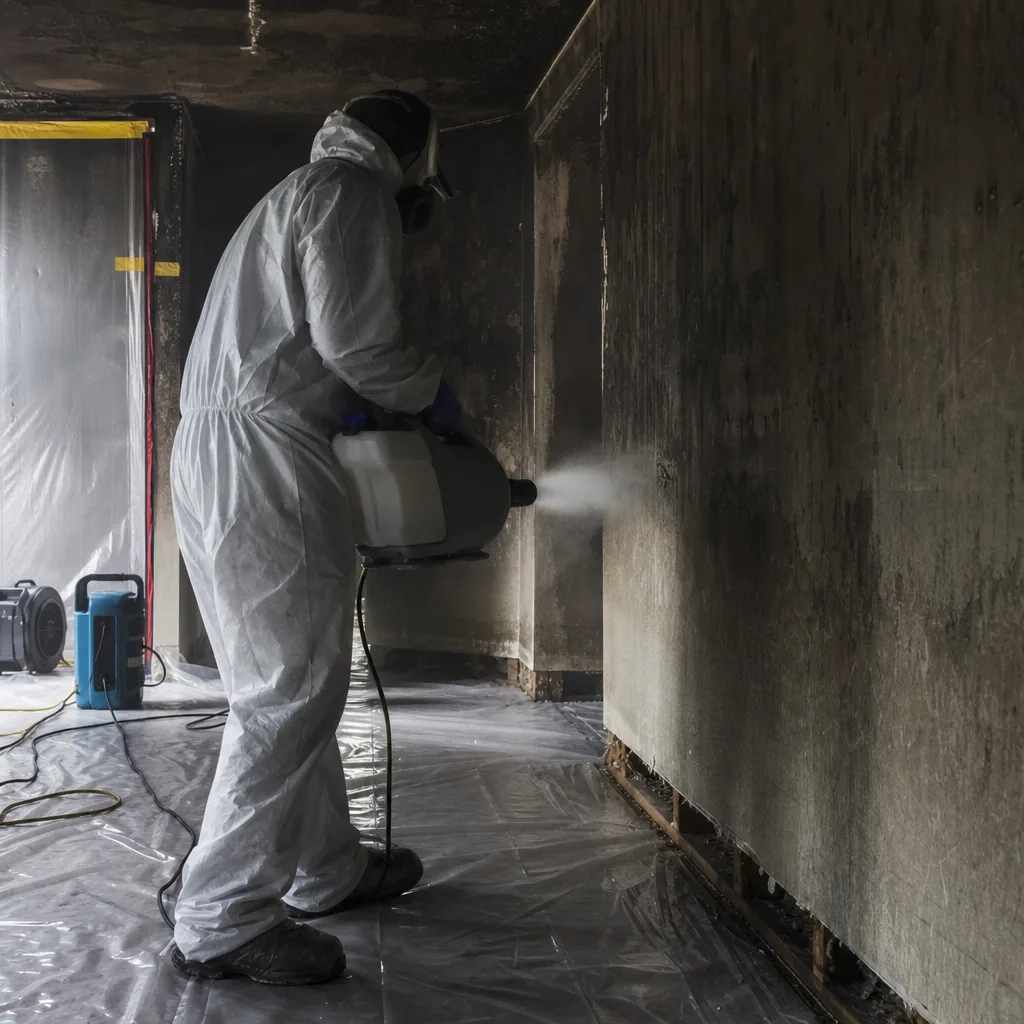
Air Quality Restoration
Post-remediation air quality in SeaTac properties requires more than a single spore count. We verify containment effectiveness with multiple air samples, compare indoor readings to outdoor baseline levels, and don’t clear the work zone until the data supports it. For motel and multi-family jobs along the International Boulevard corridor, we also coordinate with property managers to schedule verification testing around occupancy turnover - minimizing revenue loss while documenting that the space meets IICRC and IFA standards for re-occupancy.
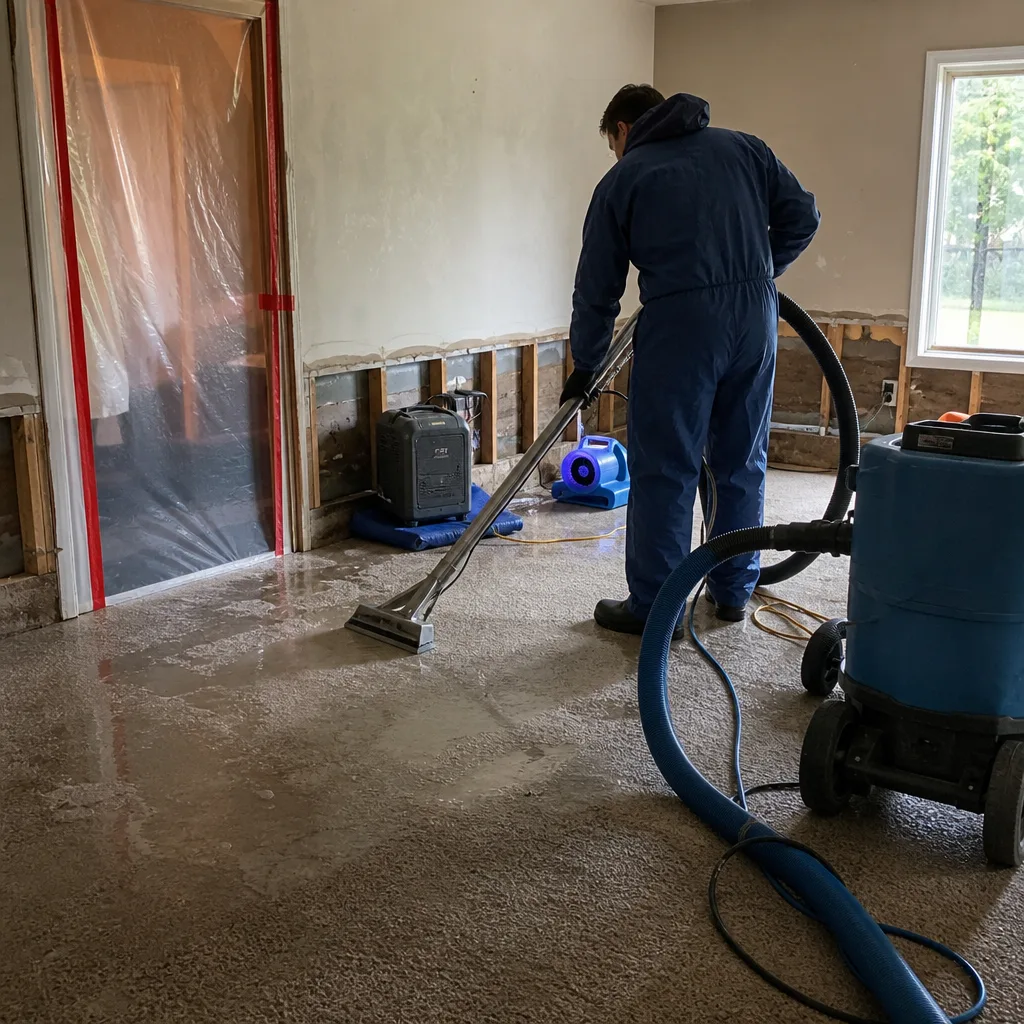
Crawl Space Treatment
SeaTac’s crawl spaces are a distinct category. The 1950s-1970s airport-worker homes that dominate the residential core were built with minimal vapor barriers and no perimeter drainage. Decades of deferred maintenance - torn polyethylene, failed sump pumps, grade sloped toward the foundation - have left many of these crawl spaces in chronic saturation. We don’t treat them like standard wet crawls. Our protocol includes full vapor-barrier replacement, structural drying with directed airflow, and moisture-source identification that often traces back to failed downspout extensions or driveway pitch. The drying log tracks vapor pressure differential - the measurable force that drives moisture from wet materials into dry air - until readings match the unaffected areas of the home.
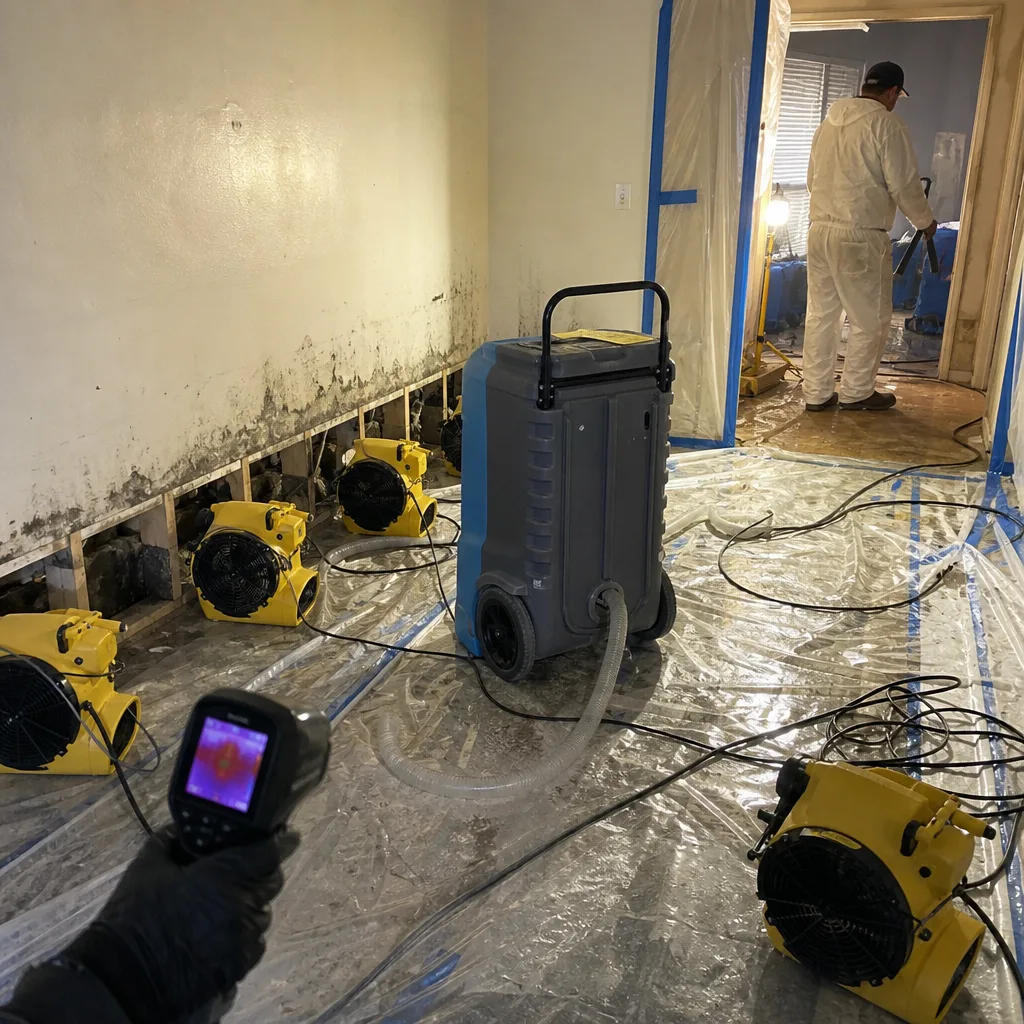
Moisture & Humidity Control
Long-term mold prevention in SeaTac requires controlling the humidity that the local wet season delivers for seven months straight. We install and specify dehumidification systems sized to the specific cubic footage and air leakage of each property, document the psychrometric data - temperature, relative humidity, and dew point - that proves the system is performing, and provide written maintenance schedules. For rental properties in the Angle Lake and McMicken Heights areas, we also coordinate with property managers to establish quarterly inspection protocols that catch roof-drain failures before the next wet season.
What happens when you call
- 1
A real person answersNo phone trees - you reach a local pro.
- 2
You get an upfront price rangeHonest numbers before anyone is dispatched.
- 3
A background-checked tech heads outLicensed & insured, dispatched right away.
- 4
You approve before work beginsNothing starts until you say go.
 Before
 After
AfterTrusted Brands We Service in SeaTac
Our equipment inventory includes professional-grade drying systems from Dri-Eaz, Phoenix, and Injectidry - brands specified in IICRC and RIA restoration protocols. We stock HEPA filtration units, axial and centrifugal air movers, and low-grain refrigerant dehumidifiers in quantities that let us scale from a single SeaTac townhome to a multi-unit motel loss without waiting on rental delivery. For the Injectidry mat systems we used on that Angle Lake noise-retrofit job, we keep enough panel inventory to dry multiple sealed cavities simultaneously. Parts and filter replacements are on the truck, not on order.
Common Mold Remediation Problems We See in SeaTac Homes
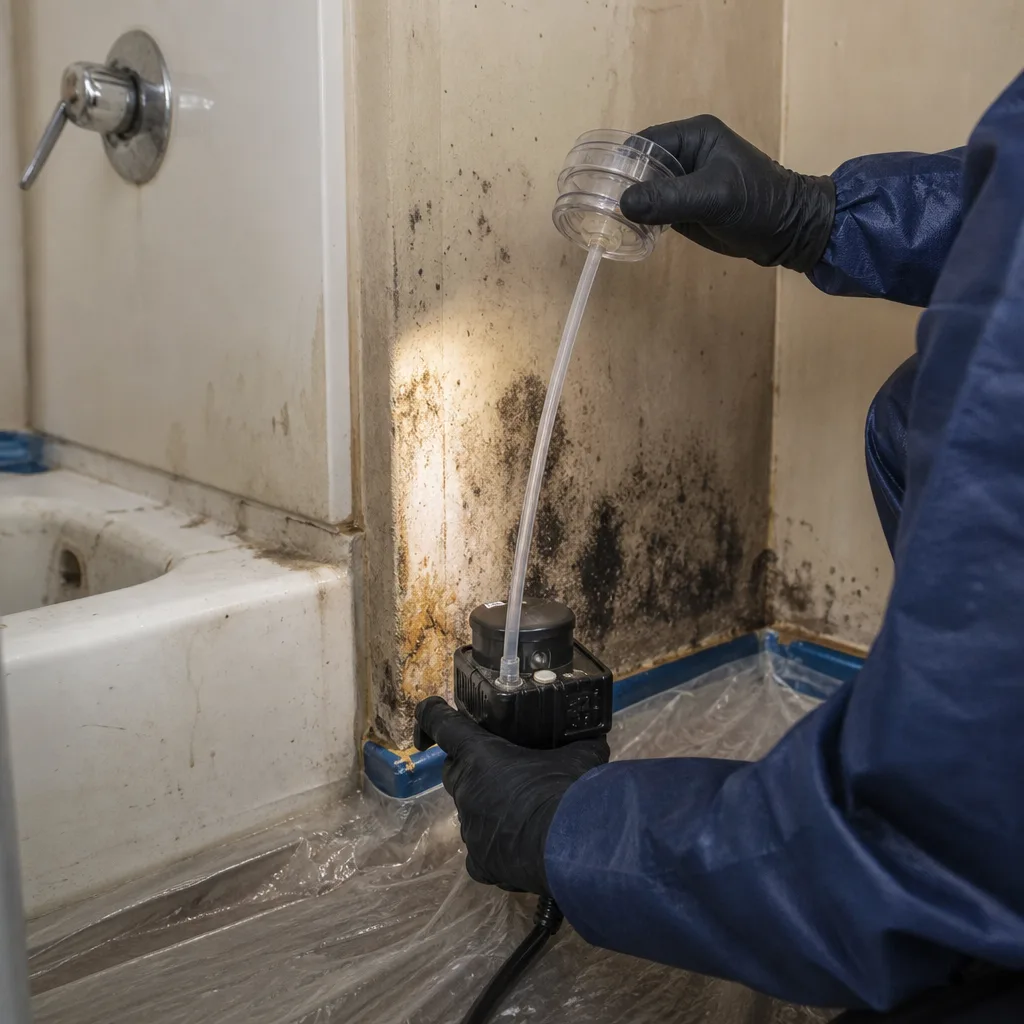
- Noise-retrofit cellulose hiding moisture. The Port of Seattle’s dense-pack cellulose insulation, installed in thousands of SEA flight-path homes, wicks roof-leak moisture horizontally and holds it in sealed cavities. By the time a ceiling stain appears, mold is established across sheathing and framing. Scoping only the visible stain guarantees a callback.
- Chronic crawl-space saturation from failed vapor barriers. Original 1960s polyethylene in SeaTac’s airport-worker housing is now brittle, torn, or missing entirely. Ground moisture evaporates upward into the subfloor year-round, creating the sustained 60%+ relative humidity that supports mold colonization even without a plumbing leak.
- Flat-roof ponding on 1960s commercial and multi-family buildings. Low-slope roofs with inadequate drainage slope collect water against clogged scuppers and drains through the October-to-April wet season. The membrane degrades, water enters the roof assembly, and mold spreads across insulation before interior staining alerts anyone.
- Tight townhome layouts spreading spores during DIY drying attempts. SeaTac’s alley-load and courtyard townhomes have contiguous HVAC systems and minimal wall separation. Running consumer-grade fans without containment pressurizes the mold source and distributes spores through shared cavities. We see this most often in the denser blocks off South 200th Street.
Pricing for Mold Remediation in SeaTac, WA
Most residential mold remediation jobs in SeaTac fall between $1,800 and $4,500. A contained single-room removal with limited material replacement typically runs $1,800-$2,800. Multi-room jobs involving noise-retrofit cavity drying, significant drywall removal, or crawl-space treatment range $3,200-$4,500. Commercial motel and multi-family losses scale higher based on unit count and containment complexity.
| Service | Typical Range in SeaTac |
|---|---|
| Mold inspection with moisture mapping | $350-$550 |
| Single-room mold removal (contained, limited replacement) | $1,800-$2,800 |
| Multi-room remediation with cavity drying | $3,200-$4,500 |
| Crawl space treatment with vapor barrier replacement | $2,500-$4,200 |
| Post-remediation air quality verification | $400-$650 |
What moves a job up or down within these ranges: square footage of visible colonization, whether the mold source is still active, the presence of noise-retrofit insulation requiring specialized extraction, and the extent of porous material removal needed. Every job gets a written price before work begins - Haven Standard, Clause 1 - with no additions once the crew is inside. We also offer a Free Second Opinion on any competitor’s written estimate. Call (253) 322-4873 for an exact quote; estimates are free.
We Also Serve Cities Near SeaTac
Our Mold Remediation in SeaTac crews also respond to properties in Federal Way, Milton, Des Moines, and Edgewood. Dispatch and scheduling are coordinated from our Seattle office, with local crews serving each market. The noise-retrofit issues specific to SeaTac’s airport flight paths don’t apply in the same way to these neighboring cities, though the regional wet-season patterns and mid-century housing stock share similarities. If you’re unsure which service area you’re in, call (253) 322-4873 and we’ll confirm response time.
Serving SeaTac, WA - Our Local Coverage Area
We’re based in the SeaTac area and know this community well. Use the map below to see our service coverage - if you’re nearby, we can almost certainly help.
FAQs - Mold Remediation in SeaTac
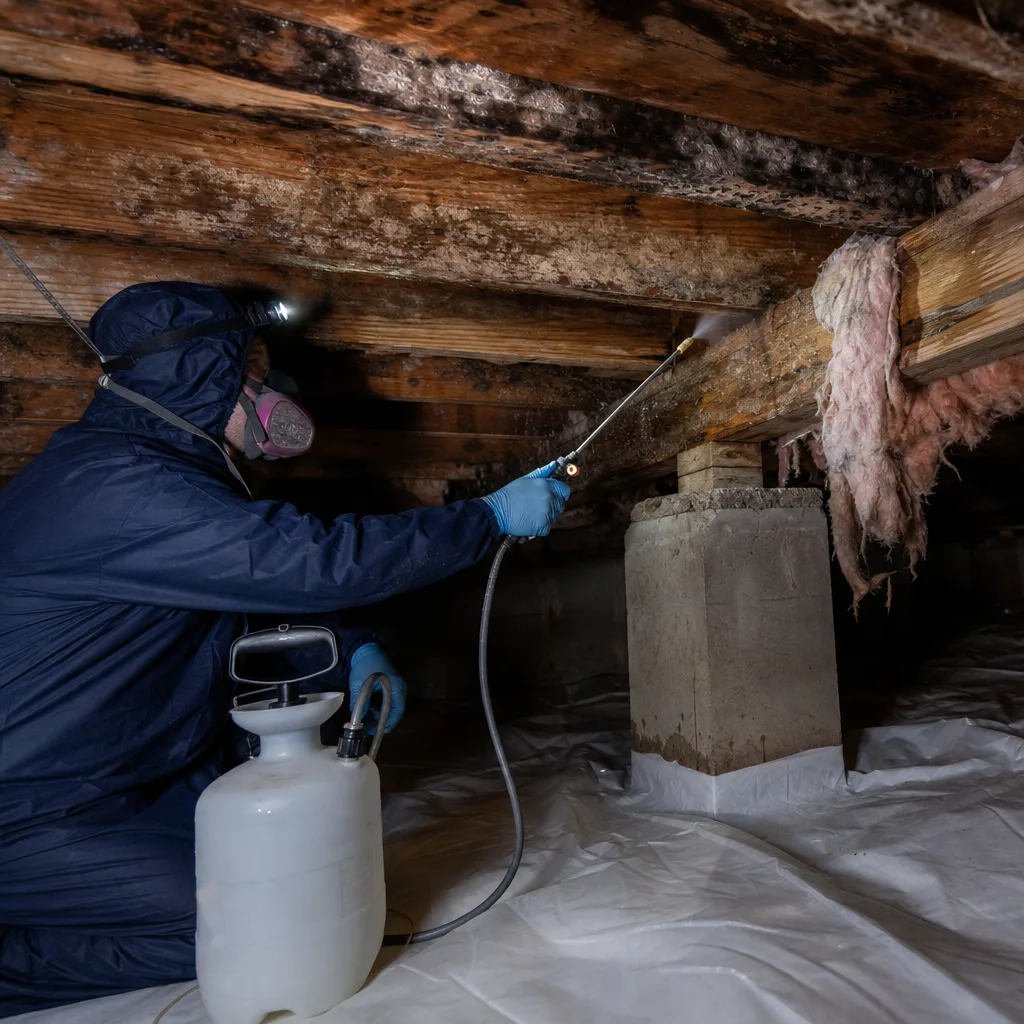
Mold can be well-established within 7 to 14 days in a SeaTac noise-retrofit home, but the dense-pack cellulose insulation often hides it for weeks longer. The cellulose wicks moisture horizontally through the sealed cavity, so the colony spreads across sheathing and framing before any ceiling stain appears. By first inspection, we regularly find Category 2 water classification with active colonization behind what looks like minor surface discoloration. Call (253) 322-4873 for an exact quote - estimates are free.
Yes. The dense-pack cellulose installed under Port of Seattle mitigation programs must be treated as a moisture reservoir, not just an insulating layer. We extract saturated cellulose under containment, treat exposed framing with antimicrobial agents, and use Injectidry mat systems or directed drying to restore the cavity to dry standard. Drying timelines in these homes run 30-50% longer than in comparable non-retrofit construction because the sealed cavities have minimal natural airflow. Call (253) 322-4873 for an exact quote - estimates are free.
SeaTac’s combination of 38-39 inches of annual rainfall, a nearly unbroken October-to-April wet season, and 1950s-1970s crawl-space construction with failed or missing vapor barriers creates chronic below-grade moisture. The ground stays damp, evaporation rises through the subfloor, and relative humidity stays above mold-supporting thresholds for months. Deferred maintenance on original grading, downspouts, and perimeter drainage is the consistent driver. Call (253) 322-4873 for an exact quote - estimates are free.
Most motel and hotel water losses in SeaTac start as Category 2 - significant contamination potential - because of the age of plumbing and the time elapsed before discovery. A failed supply line in a mid-century property on International Boulevard may run for hours before night staff notices, and the carpet, pad, and wall base in these buildings are almost always porous materials that wick and hold moisture. We classify based on source, time, and material testing, then document the category assignment with photos for the adjuster. Call (253) 322-4873 for an exact quote - estimates are free.
Yes, and we plan for it before arriving. Alley-load townhomes off Military Road South and courtyard clusters near South 200th Street have no front driveway for equipment staging. We map access routes in advance, use smaller-format HEPA units and portable containment, and schedule material removal around tenant parking patterns. The goal is full remediation without blocking the access that residents depend on. Our Mold Remediation team coordinates these logistics as part of the written scope delivered before work starts. Call (253) 322-4873 for an exact quote - estimates are free.
Ready to stop mold from spreading in your SeaTac property? Call (253) 322-4873 now for a free written estimate. Every job comes with a documented photo record, daily moisture logs, and our 365-Day Done Right Promise under The Haven Standard - if it’s not done right, we make it right. Alicia Brennan built this company in 2011 to close the documentation gap that costs homeowners their insurance claims. That same standard applies to every SeaTac job we take.
Written by Alicia Brennan, Owner at Back to Dry Restoration, serving SeaTac since 2011.