
Free visual inspection and a written scope of work before any mitigation begins - photos, moisture readings, and drying logs go in your claim file
The scope we write is the scope we bill. Anything new gets shown to you, in writing, before we touch it.
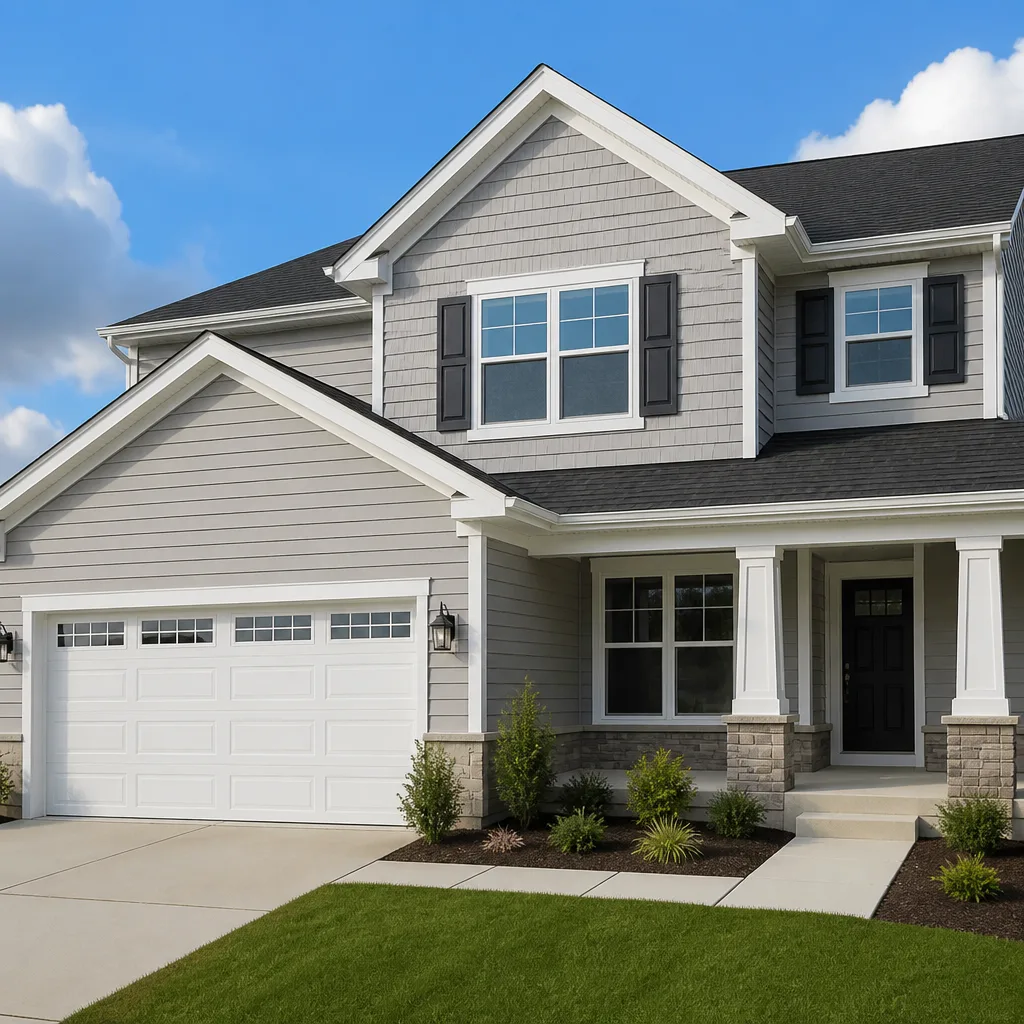
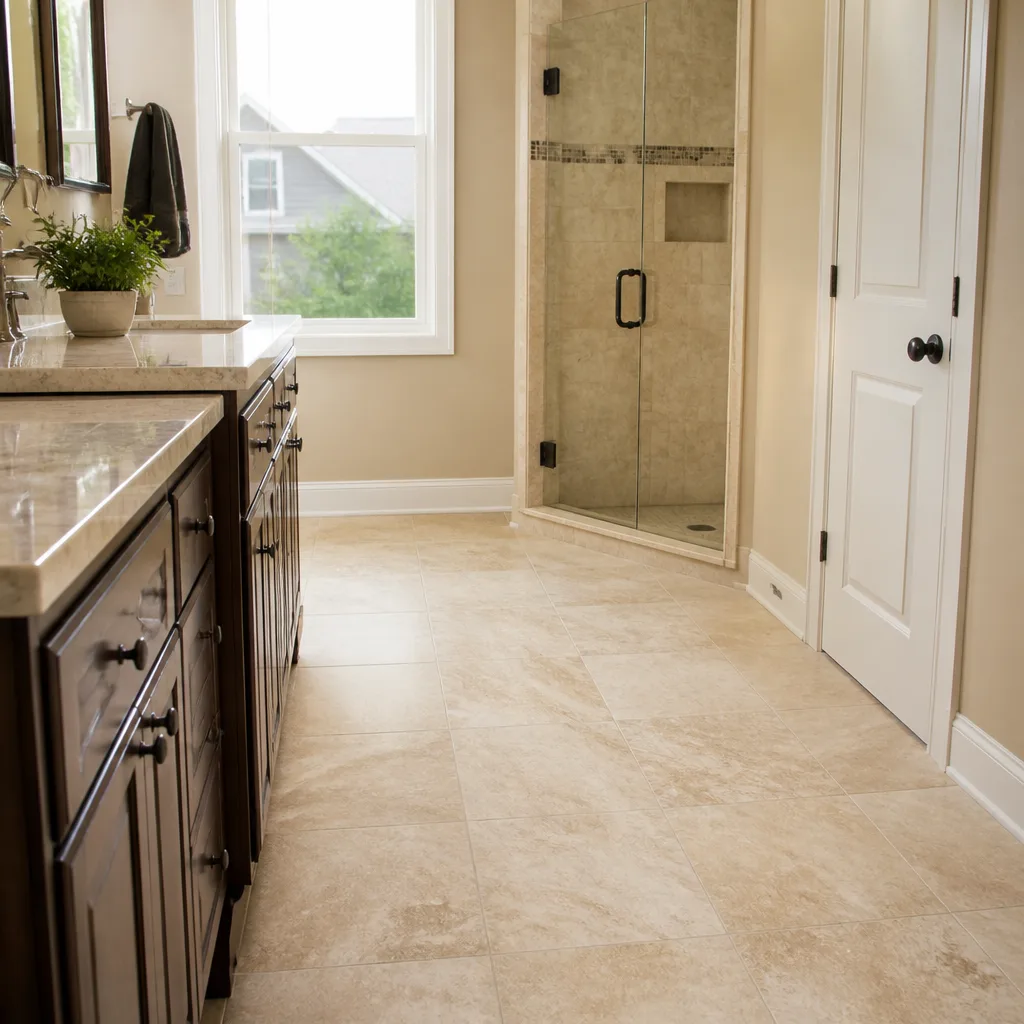
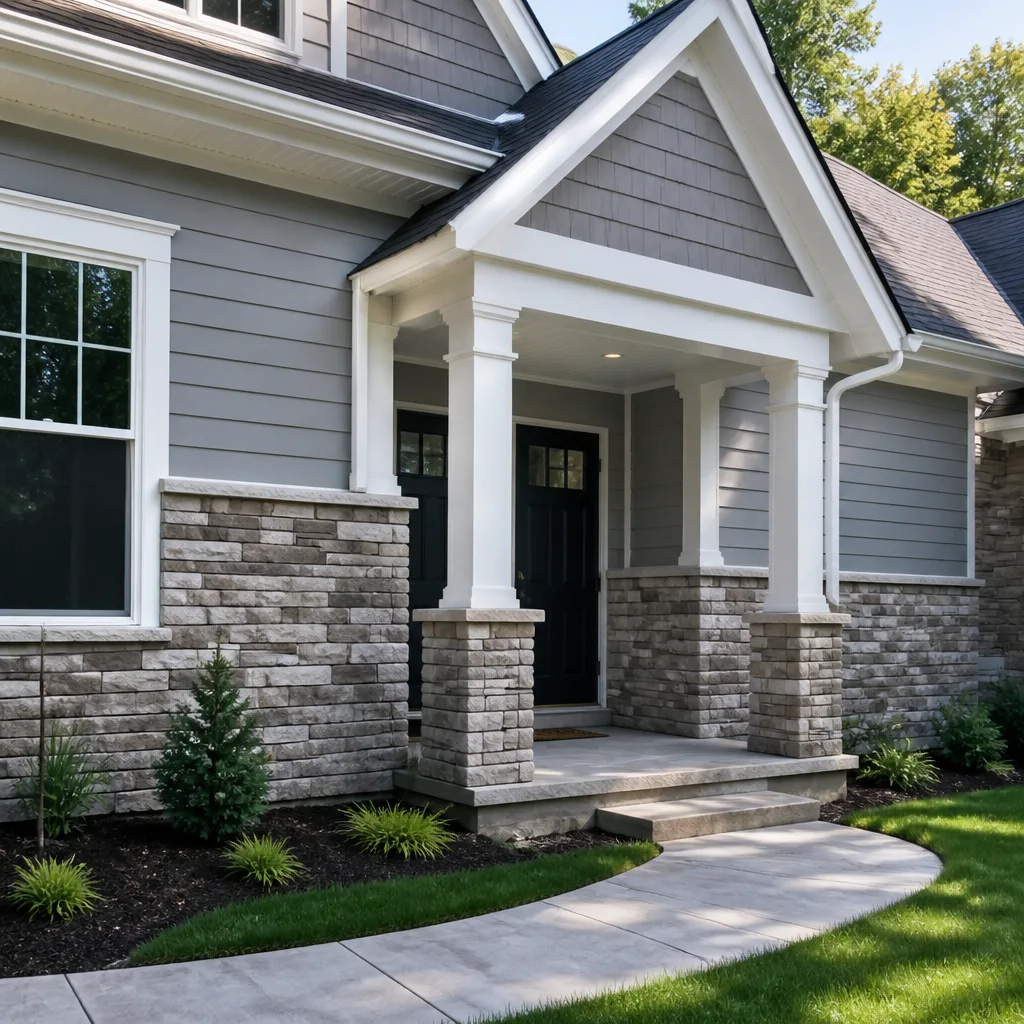
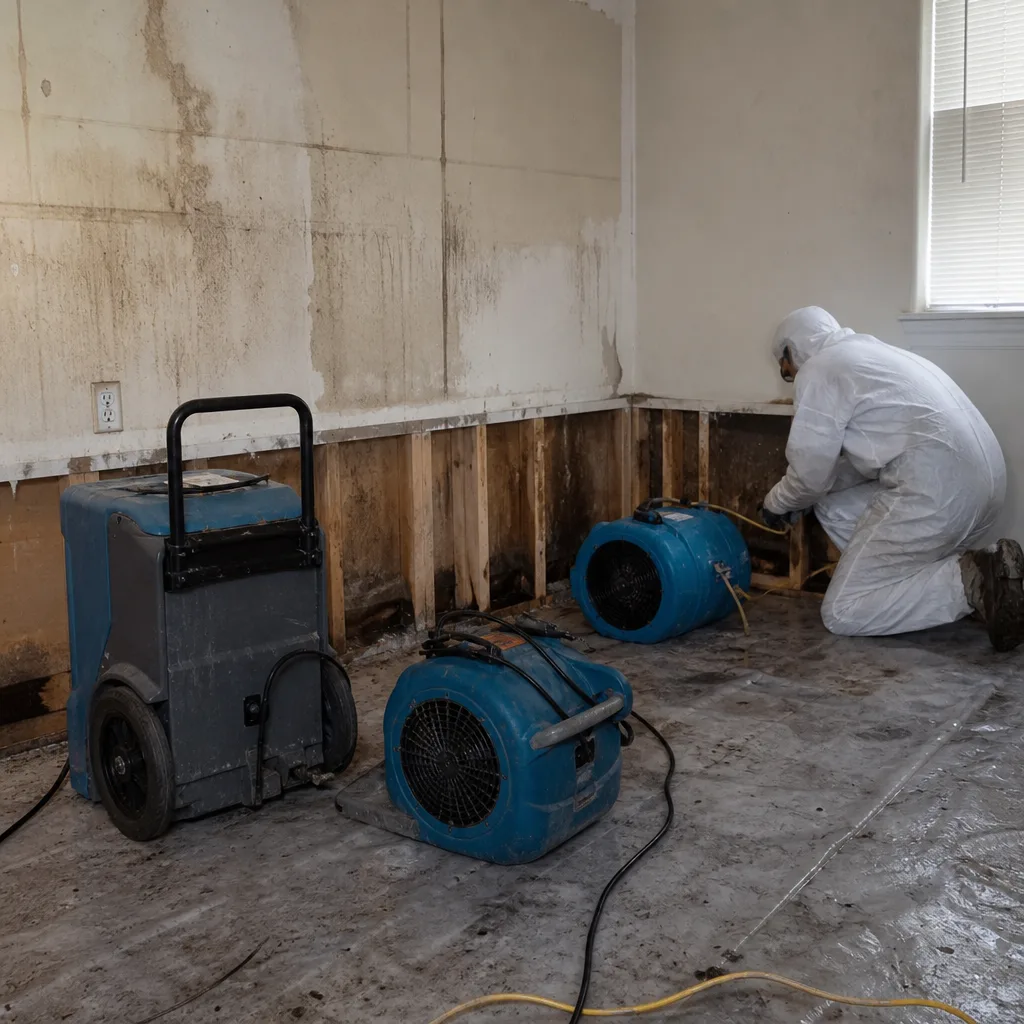 Before
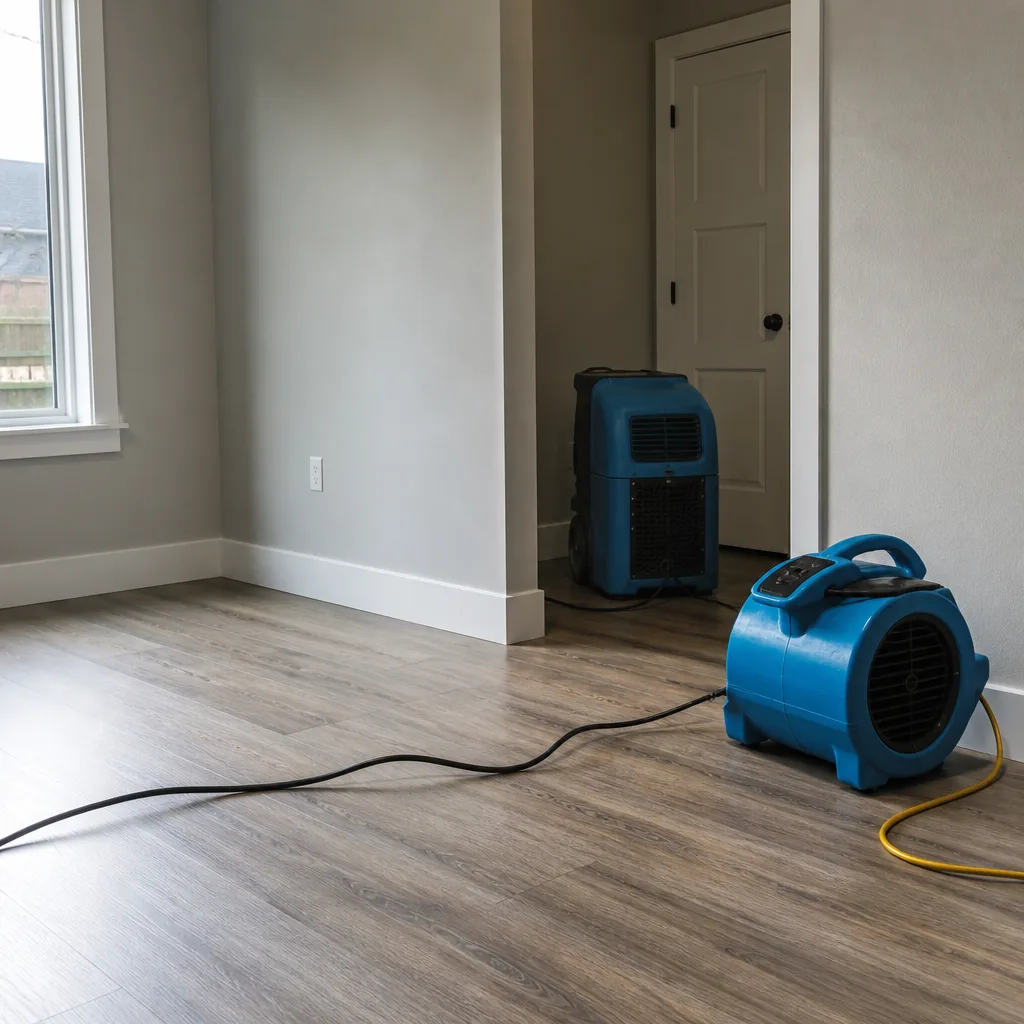 After
After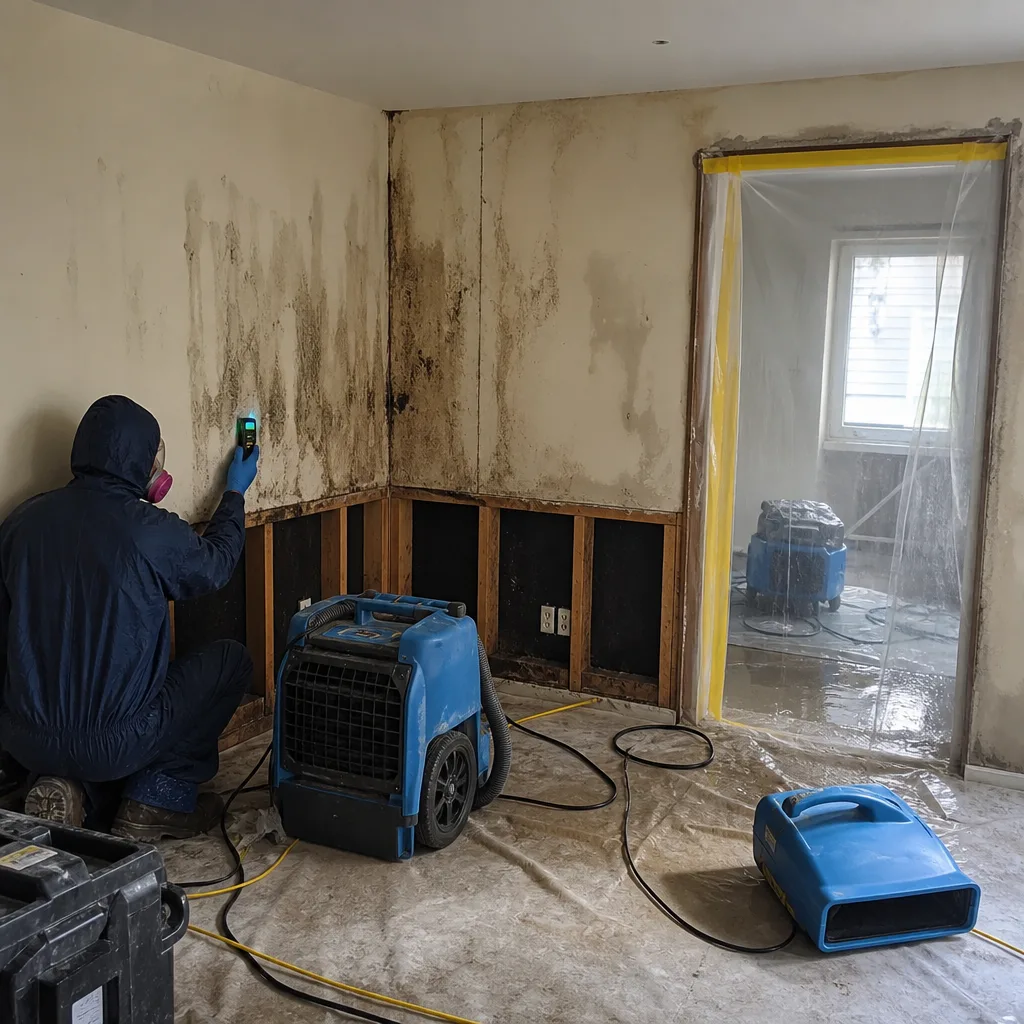 Before
 After
After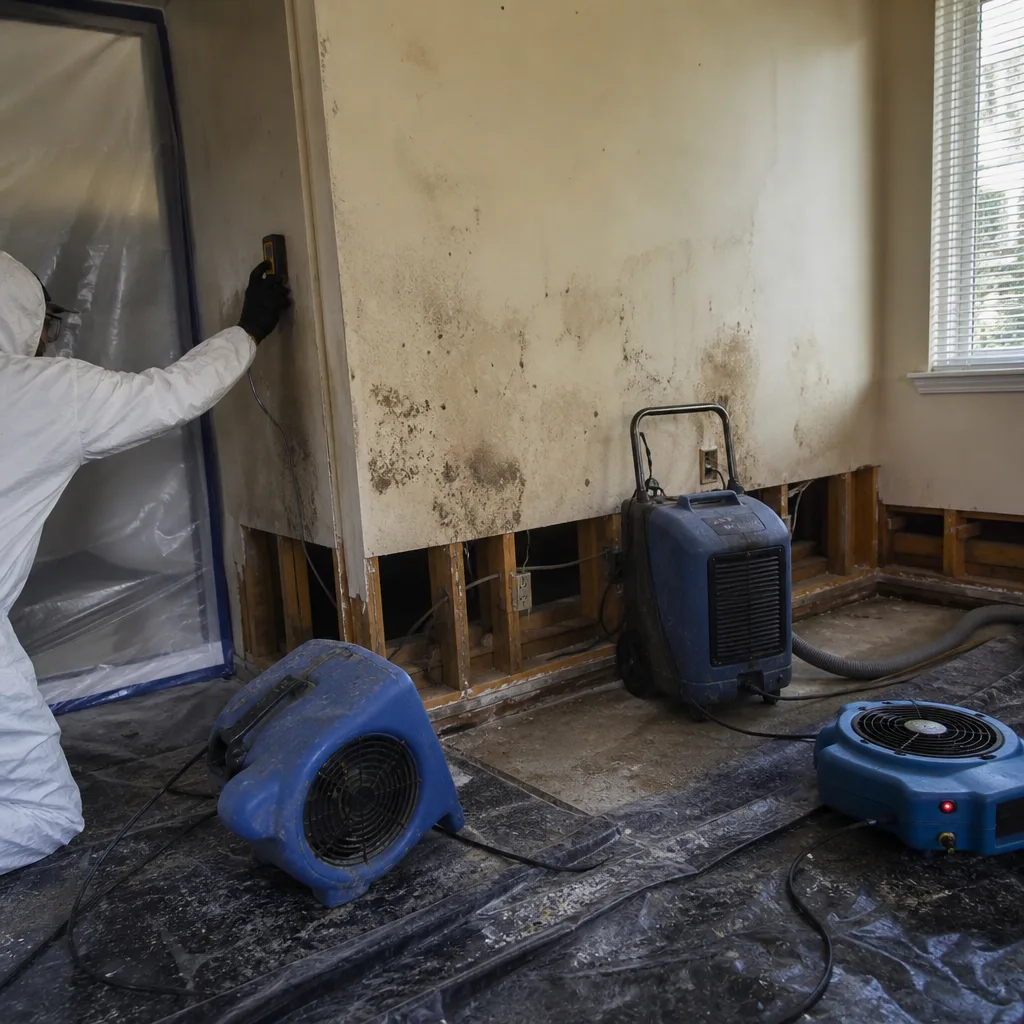 Before
 After
AfterFast, Reliable Mold Remediation Across Bellevue
Mold remediation in Bellevue typically costs $1,800-$6,500 depending on affected square footage, with crawl-space jobs in hillside neighborhoods running toward the higher end and contained single-room treatments starting lower. Most Bellevue homeowners who call us at (253) 322-4873 get a same-day inspection and a written scope within 24 hours. We dispatch crews from our Seattle office and serve Bellevue neighborhoods directly, which means we’re familiar with the split personality of this city’s housing stock: the 1960s-70s split-levels perched on clay-heavy hillsides and the glass-and-steel condo towers downtown where a single water event can migrate across multiple units.
Why DryMark Restoration Federal Way Is Bellevue’s Preferred Mold Remediation Company
We’ve restored more than 12,000 homes since 2011, and a significant share of those jobs have been in Bellevue’s hillside subdivisions and downtown towers. Our Mold Remediation team understands that a mold call in Somerset is a completely different protocol than one in a Lincoln Square condo, and we scope accordingly.
Bellevue customers consistently mention our documentation in reviews: the photo record on every visit, the written price before work starts, the daily moisture logs that their adjusters actually accept. We’re independently owned and operated under The Haven Standard, not a franchise network, so the crew that arrives at your door answers to Alicia Brennan directly.
Our 24-hour live dispatch means no voicemail trees when you’re staring at blooming mold on a bathroom ceiling at 11 p.m. We answer, we schedule, we document the call. Response time to Bellevue is typically under 90 minutes from dispatch.
Our Mold Remediation Services in Bellevue
Mold Inspection & Testing
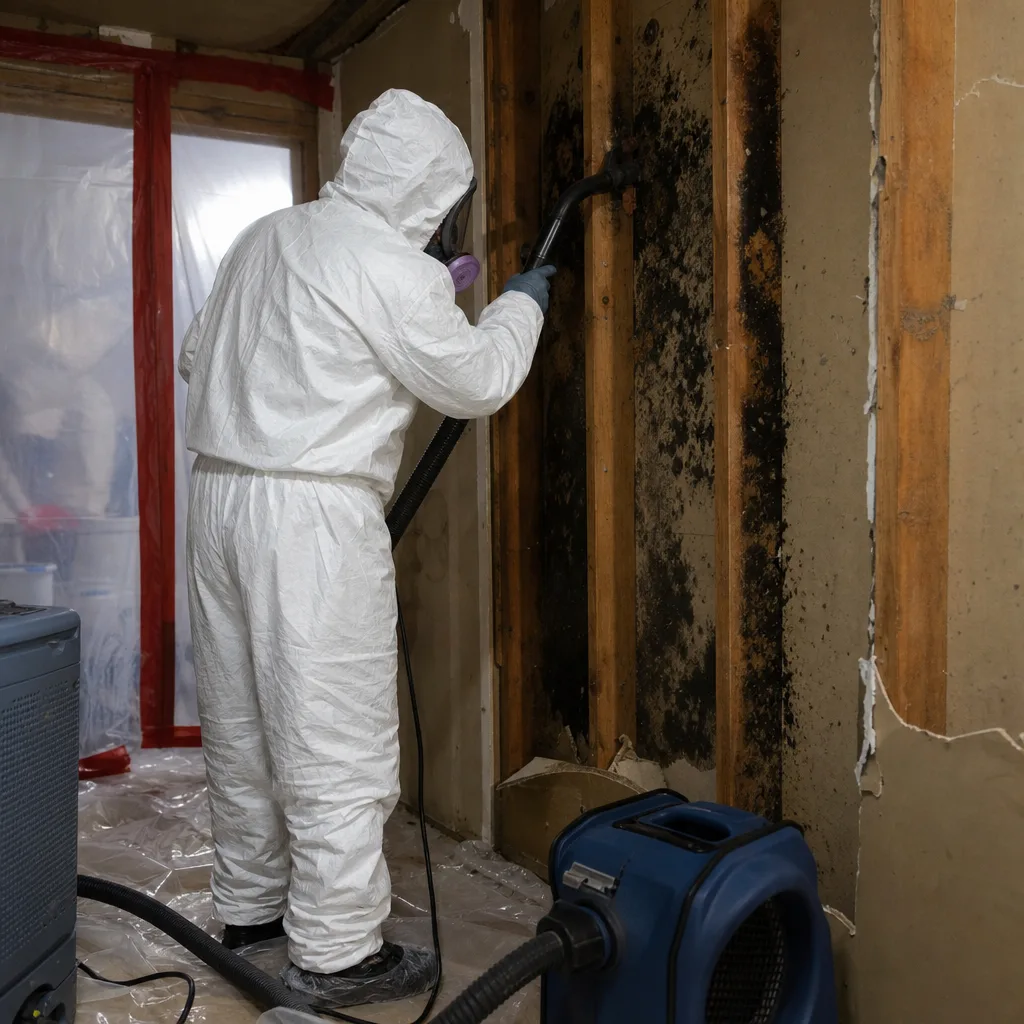
Every Bellevue mold job starts with inspection and testing, because guessing at contamination scope is how homeowners get surprise bills and insurers get reason to deny. In Bellevue’s older hillside homes - Somerset, Newport Hills, Eastgate - we routinely find that the visible mold represents 30-40% of the actual contamination. Our techs use thermal imaging and moisture mapping to trace vapor drive through crawl spaces and wall cavities, then sample per IICRC and RIA protocols. We deliver lab results and a written scope with line-item pricing before any containment goes up. Haven Standard, Clause 1: written price before work begins.
Mold Removal
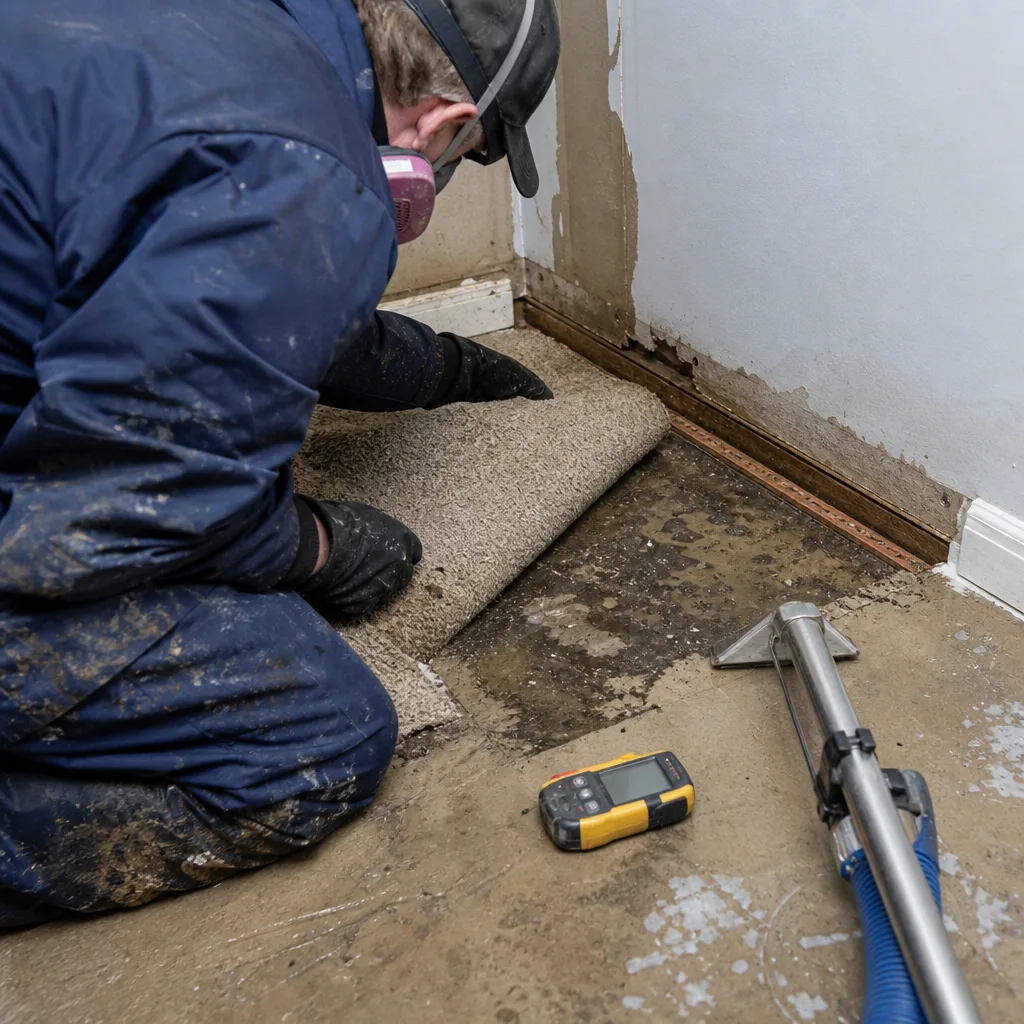
Removal in Bellevue means different containment strategies for different building types. A Factoria split-level with an open dirt crawl space needs full negative-air containment and HEPA filtration; a downtown high-rise unit needs sealed containment that protects common hallways and neighboring units, plus coordination with building management and HOA documentation. Our crews are background-checked, uniformed, and carry license documentation on every job. We remove only what’s contaminated, document pre-loss condition of everything else, and provide photo evidence of complete removal before any rebuild begins.
Black Mold Remediation
Stachybotrys and other toxigenic molds show up in Bellevue wherever chronic moisture has gone unaddressed - typically in crawl spaces where vapor barriers have failed, or in wall cavities behind slow plumbing leaks. We got called out to a Somerset hillside split-level on a wet January day where the homeowner reported a single slab leak. Using moisture mapping and thermal imaging, our tech found the crawl space’s vapor barrier was long gone and years of chronic seepage through the glacial till had rotted floor joists and seeded black mold colonies throughout the subfloor. After a full containment setup and antimicrobial treatment, we ran structural drying with Dri-Eaz dehumidification and Injectidry floor-mat drying, then rebuilt the vapor barrier - repair-vs-replace guidance the homeowner only got because we scoped the whole subfloor, not just the visible leak.
Air Quality Restoration
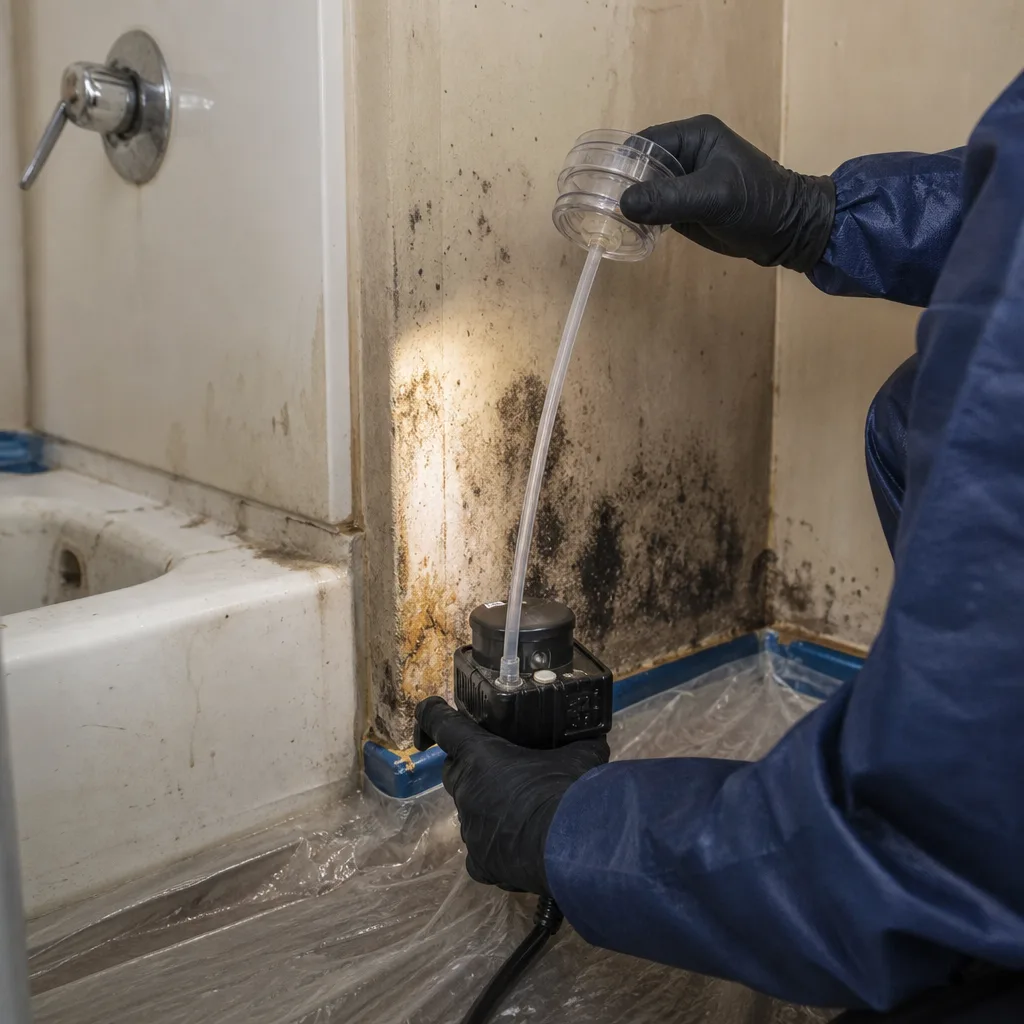
Post-remediation air quality in Bellevue’s tight, energy-efficient homes and condos requires more than a single clearance test. We run multiple air samples and surface swabs, compare against outdoor baseline readings, and document particle counts at 0.3 microns and larger. For downtown high-rise units with shared HVAC systems, we coordinate with building engineers to verify that no cross-contamination has occurred. You receive the full lab report, not a pass/fail phone call.
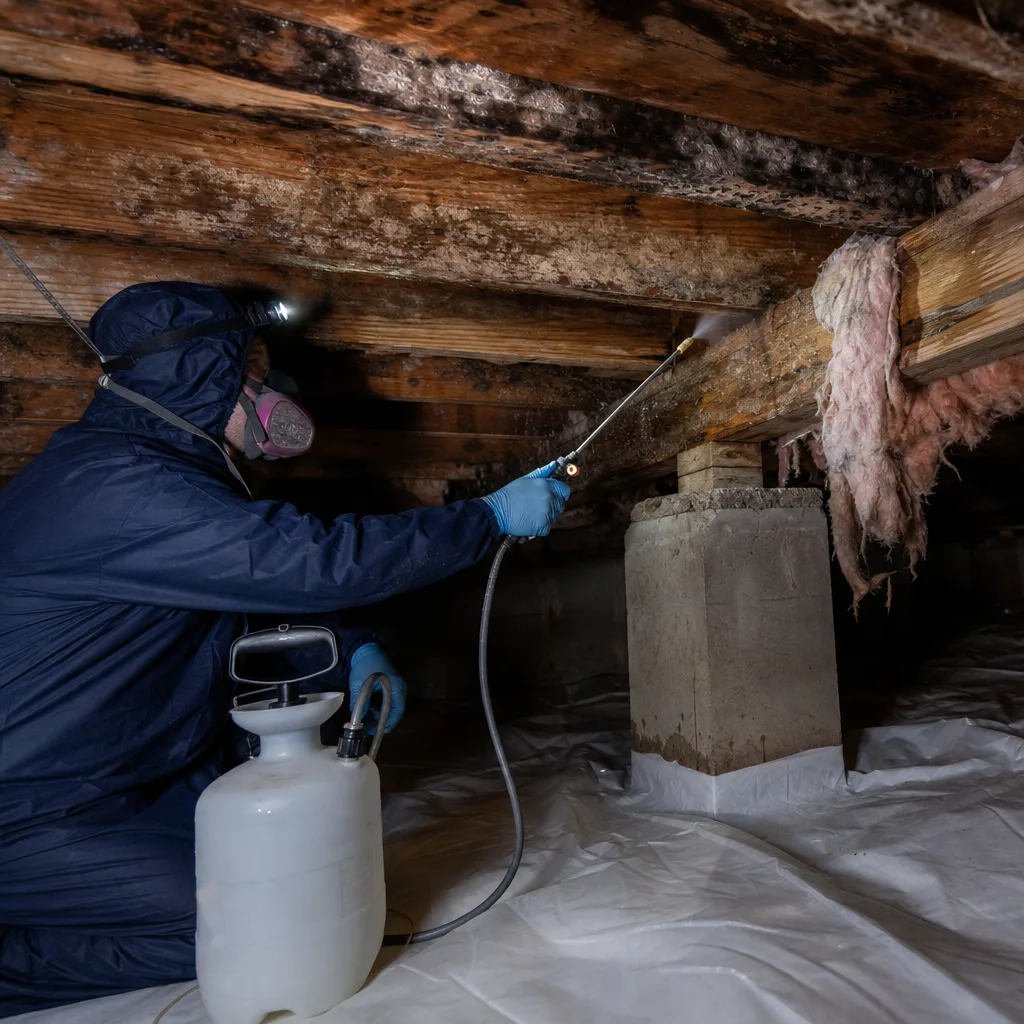
Crawl Space Treatment
Crawl space treatment is where Bellevue’s geography hits hardest. The city’s clay-heavy hillside soils, saturated by atmospheric-river rainfall October through March, create chronic vapor drive into subfloors. In Somerset, Newport Hills, and Factoria, we consistently find that what’s reported as a single leak event is actually years of chronic crawl-space moisture accumulation that has rotted floor joists and seeded mold colonies throughout the subfloor, requiring full remediation scopes that dwarf the original reported damage. Our crawl space protocol includes vapor barrier replacement, dehumidification sizing per ASHRAE guidelines, and structural drying to established moisture content targets - documented daily, photographed every visit.
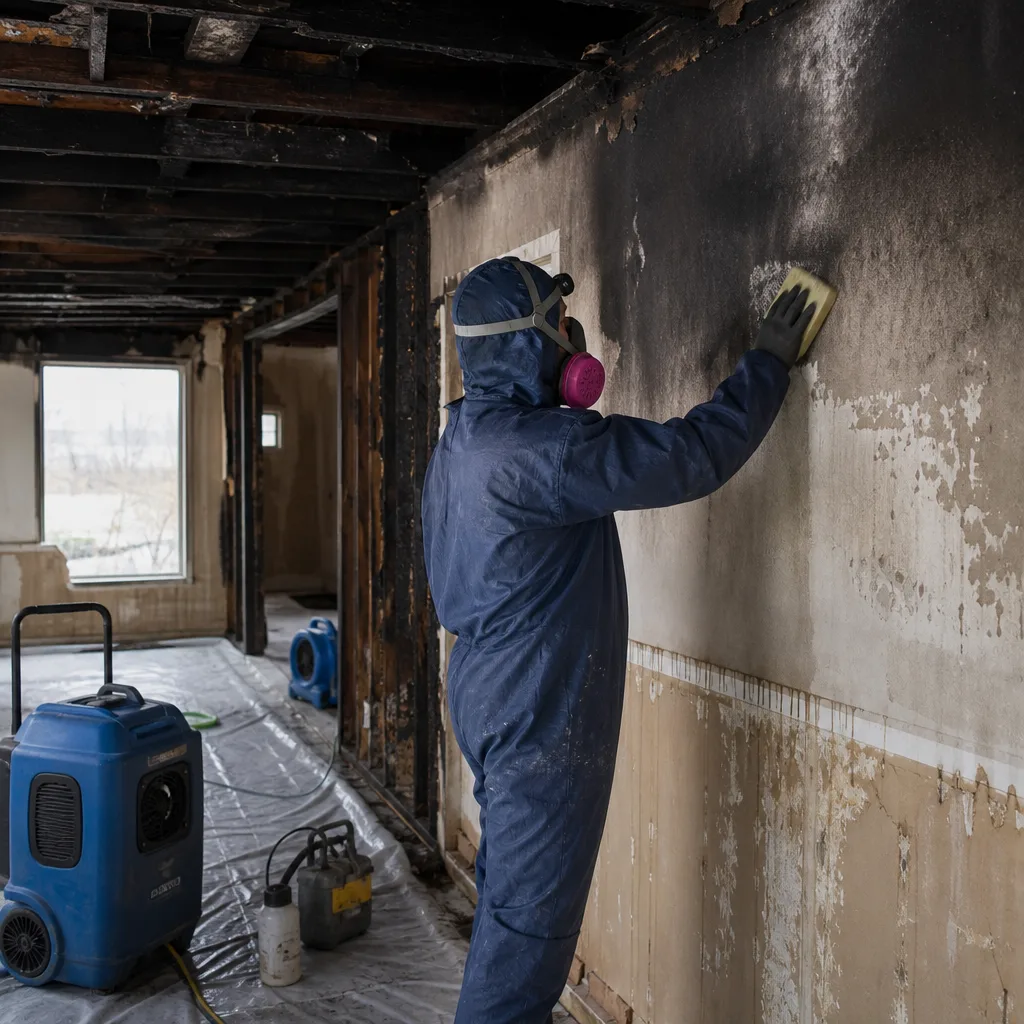
Moisture & Humidity Control
Controlling moisture after remediation prevents recurrence. In Bellevue’s older homes, this often means installing conditioned-crawl systems or sealed encapsulation with dehumidification. In downtown high-rises, it means identifying the original intrusion point - frequently a failed waterproofing membrane or balcony drainage issue - and coordinating with the building’s facilities team. We specify equipment from Dri-Eaz and Phoenix, size it to the space, and leave you with a written maintenance protocol and the 365-Day Done Right Promise backed by The Haven Standard.
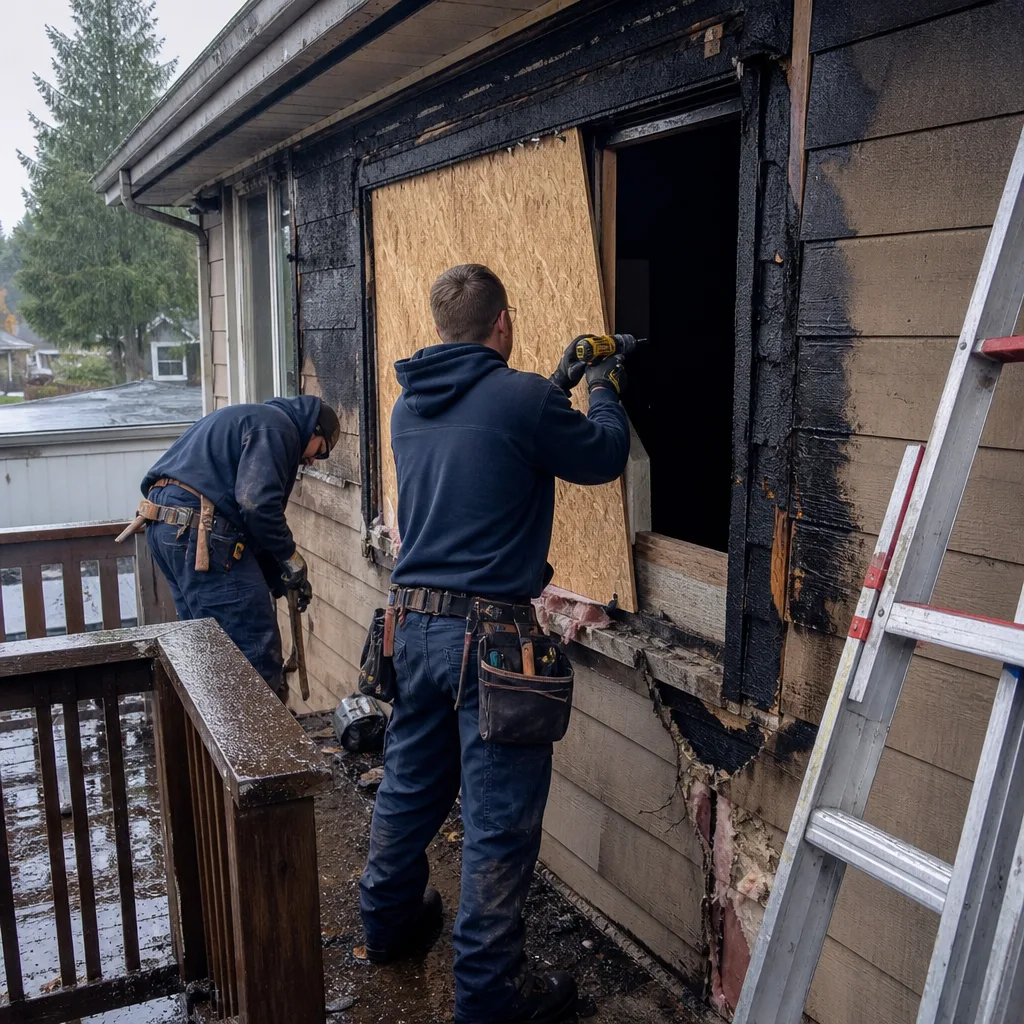
What happens when you call
- 1
A real person answersNo phone trees - you reach a local pro.
- 2
You get an upfront price rangeHonest numbers before anyone is dispatched.
- 3
A background-checked tech heads outLicensed & insured, dispatched right away.
- 4
You approve before work beginsNothing starts until you say go.
 Before
 After
AfterTrusted Brands We Service in Bellevue
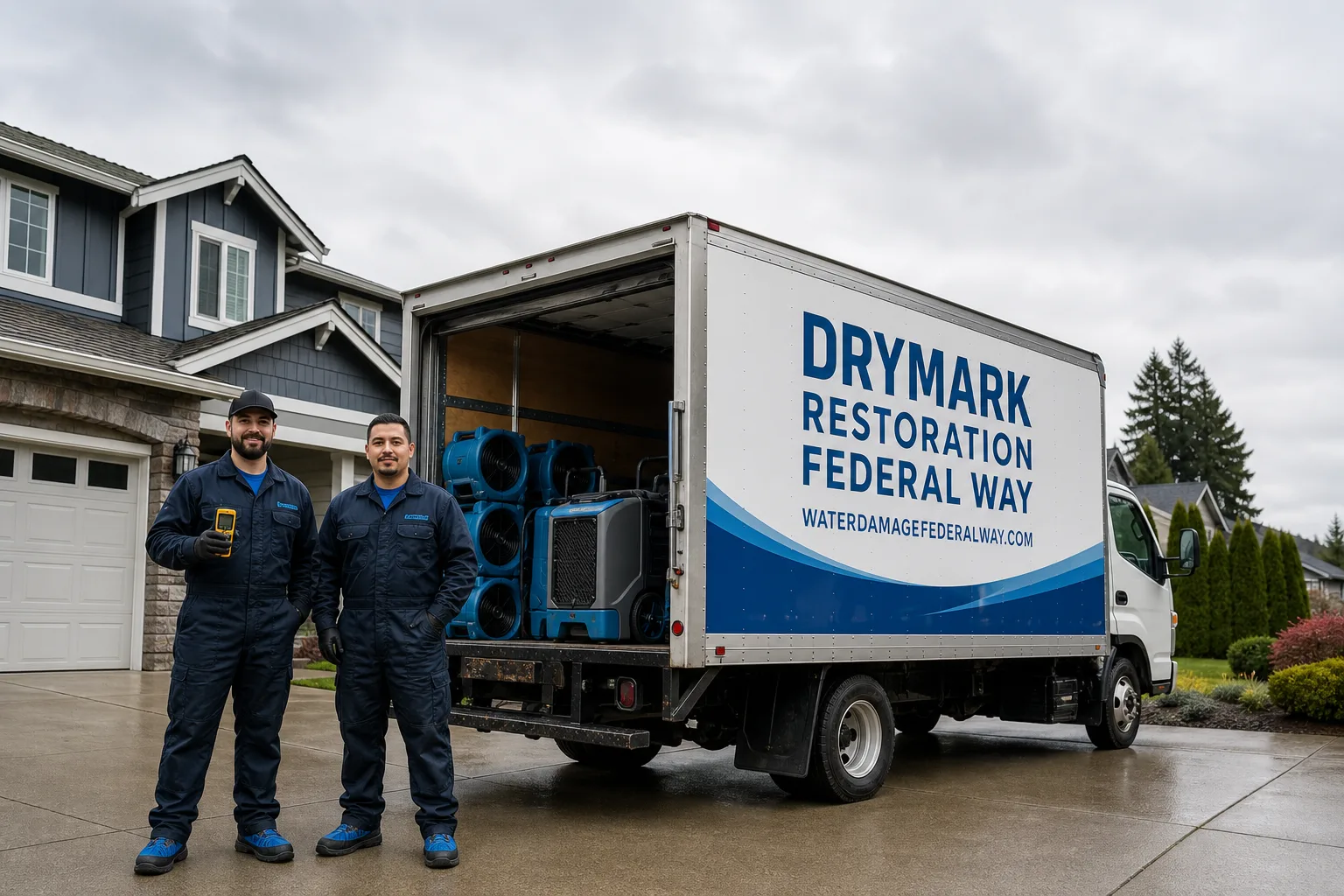
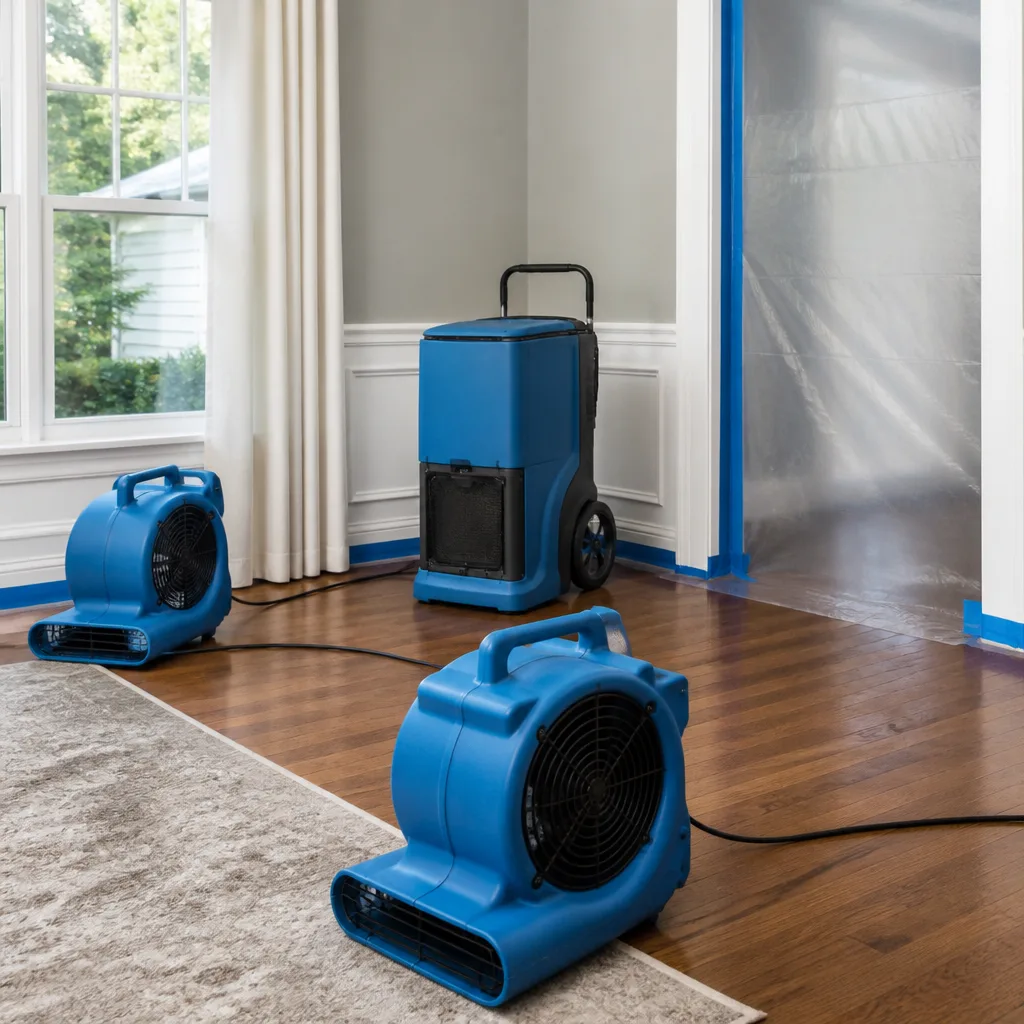
Our equipment inventory includes professional-grade drying systems from Dri-Eaz, Phoenix, and XPOWER, plus Injectidry specialty drying for hardwood and subfloor applications. We maintain this fleet locally, which means no waiting for rental equipment when Bellevue’s winter storms hit and every contractor in King County is scrambling. For downtown high-rise jobs requiring premium material sourcing - matching wide-plank engineered hardwood, radiant-heat subfloor components, smart-home wiring chases - we work with Bellevue-area suppliers who stock the finishes specified in these buildings. Fast turnaround on materials means faster return to pre-loss condition, documented and warrantied.
Common Mold Remediation Problems We See in Bellevue Homes
- Chronic crawl-space moisture masked as a single leak. Restoration crews that only treat the reported leak in Bellevue’s 1960s-70s hillside split-levels miss years of chronic crawl-space moisture that has already rotted joists and seeded subfloor mold - leading to a “fixed” leak and a mold callback within a season. We scope the entire subfloor, every time.
- High-temperature drying destroying premium condo finishes. Applying standard high-temperature drying to downtown luxury condo towers with wide-plank engineered hardwood and radiant-heat flooring can warp and delaminate premium finishes. Low-temperature drying protocols and premium material sourcing are mandatory, not optional, and most Eastside contractors aren’t equipped for it.
- Category miscalculation in aging plumbing systems. Assuming Category 1 water in aging galvanized or early-copper plumbing means everything can be dried in place. Once that water sits in a clay-heavy crawl space and picks up soil and organic load, it’s Category 2 or 3 and the affected materials must come out, not just get air movers pointed at them.
- Missing documentation in multi-unit high-rise events. Skipping pack-out and pre-loss condition documentation in dense high-rise towers where multiple units share supply lines leaves HOA and neighboring-unit claims, and materials lost to secondary mold growth, unaccounted for. We photograph every item, every room, every visit.
Pricing for Mold Remediation in Bellevue, WA
Mold inspection and testing in Bellevue runs $350-$650 for residential properties, including lab analysis and written scope. Contained single-room mold removal starts around $1,800-$2,800. Crawl-space remediation in hillside neighborhoods like Somerset or Newport Hills, where chronic moisture has spread contamination across the full subfloor, typically ranges $4,200-$6,500. Downtown high-rise jobs involving multi-unit coordination, premium material matching, and low-temperature drying protocols fall in the $3,500-$7,000 range depending on affected square footage and HOA requirements.
What drives cost: affected square footage, material type (drywall vs. plaster vs. engineered hardwood), accessibility (crawl space vs. finished basement vs. 15th-floor condo), and whether structural elements require replacement. Every job gets a written price before work starts, per Haven Standard, Clause 1. No exceptions. Bring a competitor’s written estimate and we’ll provide a Free Second Opinion at no charge.
Call (253) 322-4873 for an exact quote - estimates are free.
We Also Serve Cities Near Bellevue
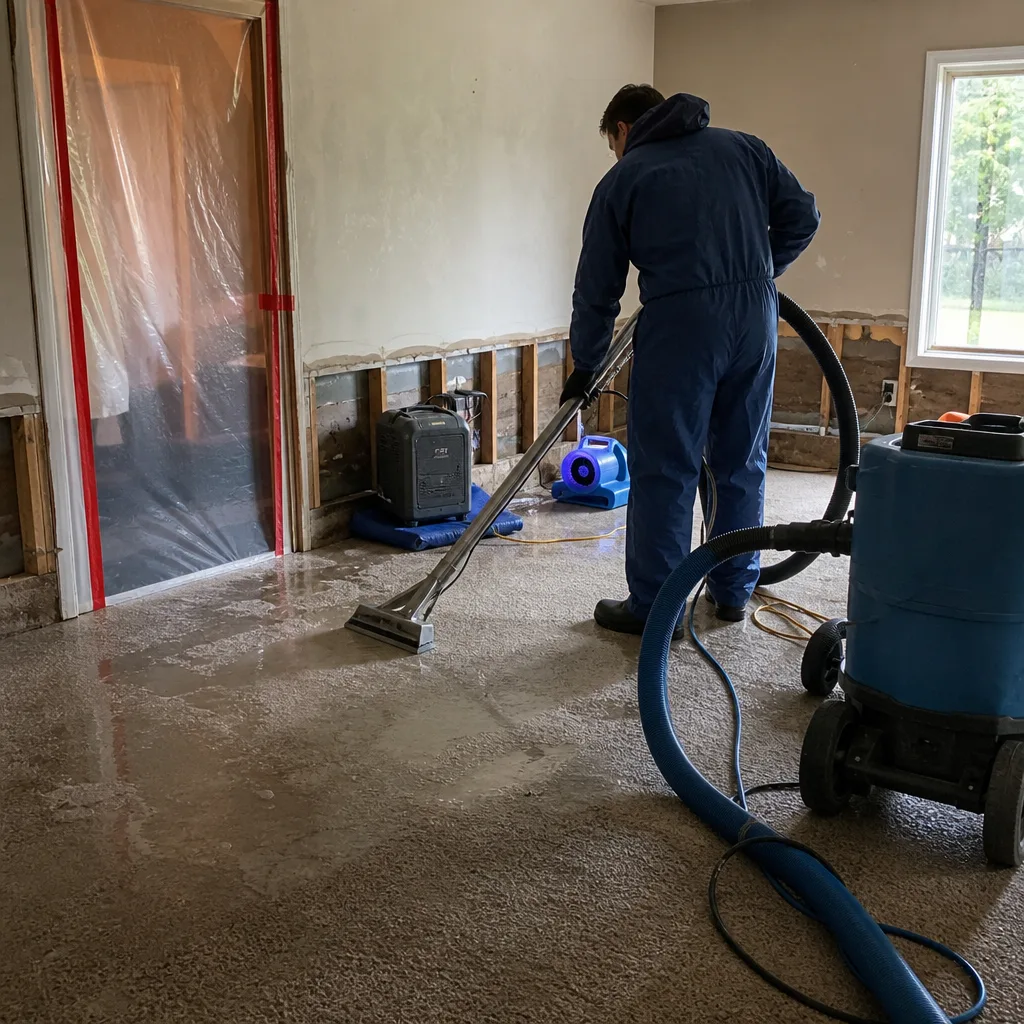
Our Mold Remediation in Bellevue crews also respond to mold calls in Mercer Island, Seattle, Renton, and Issaquah. Each city gets the same documentation-first protocol: written price before work, photo record on every visit, 365-Day Done Right Promise. Dispatch and scheduling are coordinated from our Seattle office; crews serve all five cities locally.
Serving Bellevue, WA - Our Local Coverage Area
We’re based in the Bellevue area and know this community well. Use the map below to see our service coverage - if you’re nearby, we can almost certainly help.
FAQs - Mold Remediation in Bellevue
Because the reported leak is usually the symptom, not the disease. Bellevue’s 1960s-70s hillside subdivisions sit on poorly draining glacial till and clay that trap moisture against foundations for years. By the time a homeowner sees mold on a ceiling or smells mustiness, the crawl space has typically been chronically wet for multiple seasons, rotting floor joists and seeding colonies throughout the subfloor. Our thermal imaging and moisture mapping find the full extent before we quote, so the scope you approve covers everything that needs doing. Call (253) 322-4873 for an inspection - estimates are free.
Sometimes, but only with low-temperature drying protocols that most Eastside contractors don’t deploy. Standard high-temperature drying warps and delaminates engineered hardwood and can damage radiant-heat tubing embedded in subfloors. We use Injectidry floor-mat systems and controlled dehumidification to draw moisture without thermal shock, and we document moisture content at multiple depths before declaring the material salvageable. If the wood is too far gone, we source matching premium material and coordinate with building management on installation timing. Call (253) 322-4873 for an assessment - estimates are free.
Category 1 is clean water from a supply line; Category 2 is significantly contaminated, typically from dishwasher or washing machine discharge or from clean water that sat in a crawl space and picked up soil and organic load; Category 3 is grossly contaminated from sewage or ground flooding. In Bellevue’s clay-heavy crawl spaces, what starts as Category 1 from aging galvanized plumbing almost always becomes Category 2 within 24-48 hours. Category 2 and 3 water means affected porous materials - insulation, drywall, unfinished wood - must be removed, not dried in place. We test and document the category before quoting, so you know exactly what needs to come out and why. Call (253) 322-4873 for testing - estimates are free.
Mold colonization can begin within 24-72 hours of sustained moisture above 16% wood moisture content. In Bellevue’s humid fall and winter climate, with atmospheric-river events keeping ambient moisture high, that window shrinks. We’ve seen active growth in crawl spaces within 48 hours of a slab leak and in wall cavities within 72 hours of wind-driven rain intrusion. Speed matters for mitigation, but mold remediation is scoped work - we contain, remove, dry, and verify before any rebuild starts. Call (253) 322-4873 to schedule - estimates are free.
Yes. The same storms that saturate hillside soils also drive wind-driven rain through aging window seals, damaged roof flashing, and compromised building envelopes. Bellevue’s dense Douglas fir and western red cedar canopy adds a compounding vector: large conifers topple onto roofs during Puget Sound windstorms, puncturing building envelopes and triggering simultaneous water-intrusion and structural damage. We’ve handled jobs where a single storm created mold in attic spaces, wall cavities, and crawl spaces simultaneously - each zone requiring different containment and drying protocols. Full moisture mapping prevents missed zones. Call (253) 322-4873 for storm-response inspection - estimates are free.
Ready to stop mold from spreading and start documenting your path back to pre-loss condition? Call DryMark Restoration Federal Way at (253) 322-4873. A live person answers 24 hours a day, 7 days a week. We’ll schedule your inspection, deliver a written price before any work begins, and back every job with our 365-Day Done Right Promise under The Haven Standard.
Written by Alicia Brennan, Owner at Back to Dry Restoration, serving Bellevue since 2011.