
Free visual inspection and a written scope of work before any mitigation begins - photos, moisture readings, and drying logs go in your claim file
The scope we write is the scope we bill. Anything new gets shown to you, in writing, before we touch it.
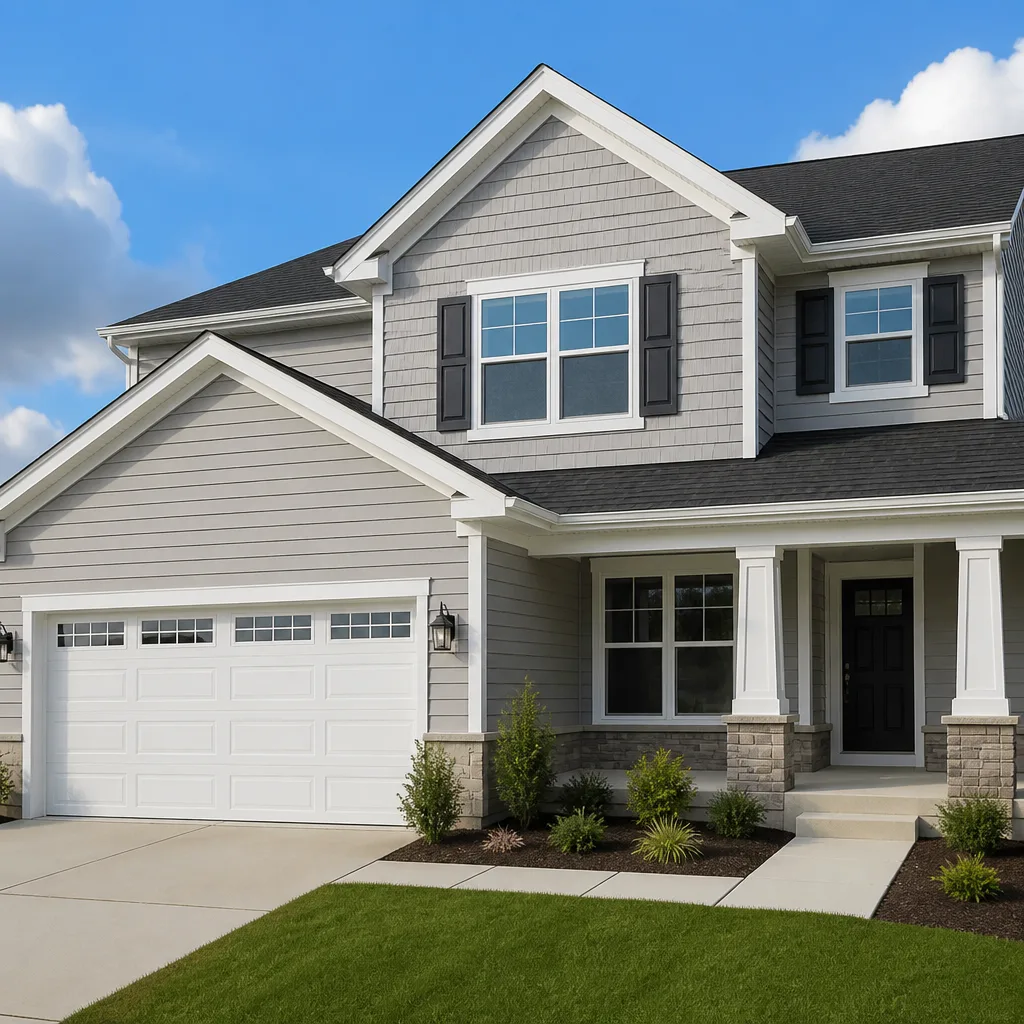
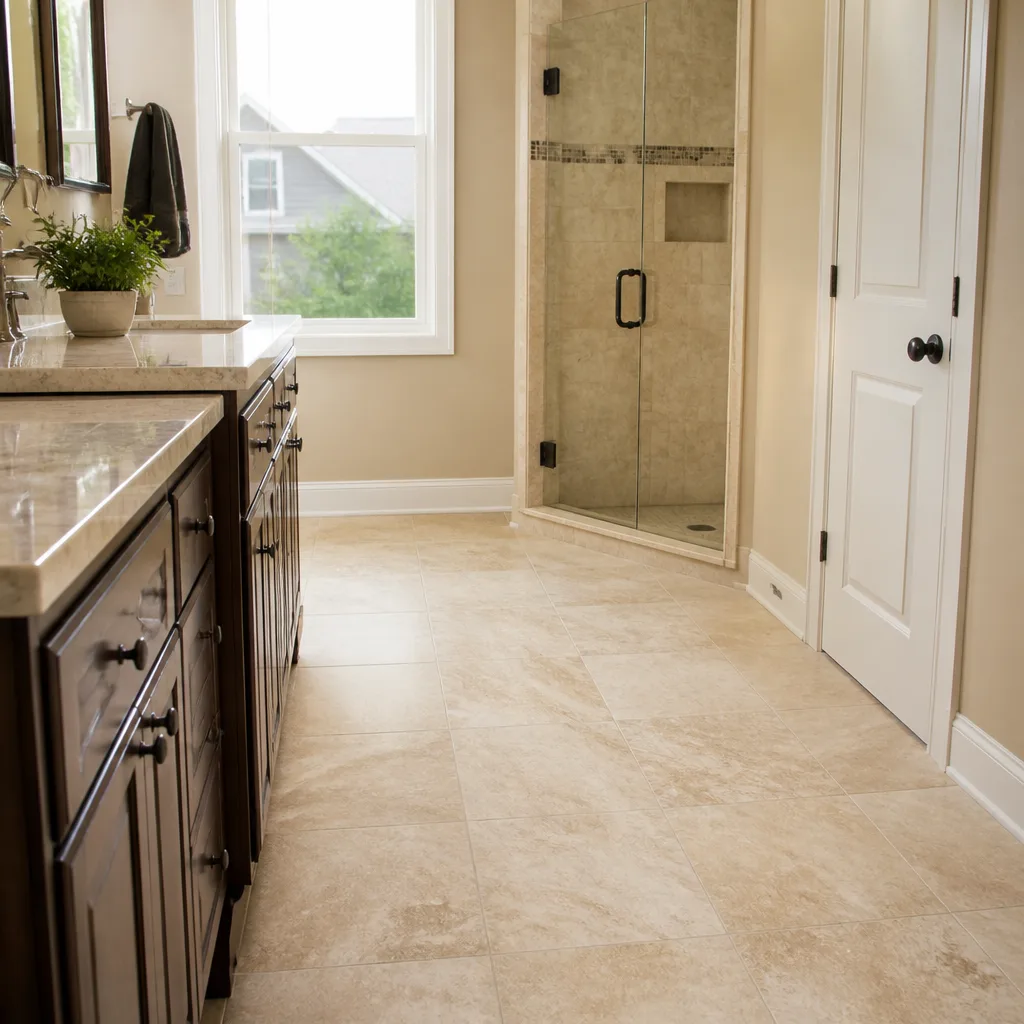
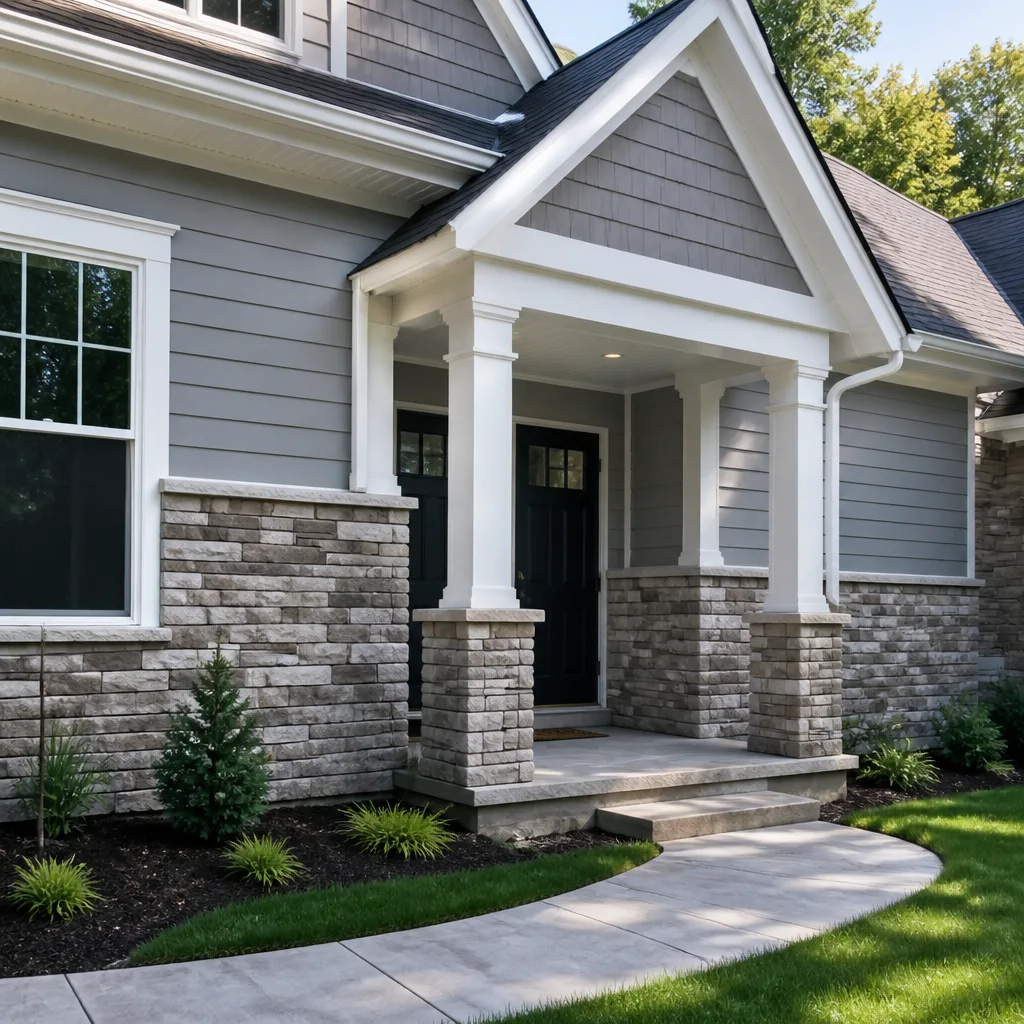
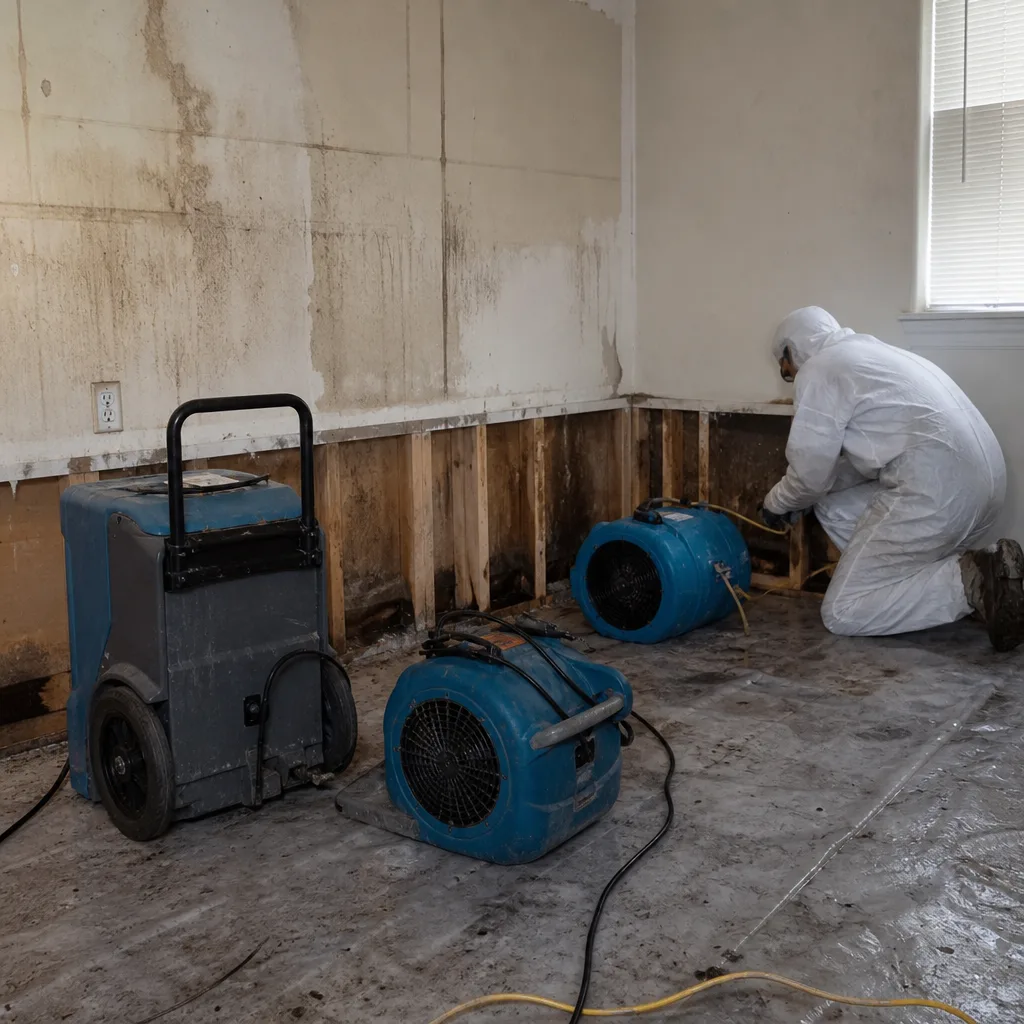 Before
 After
After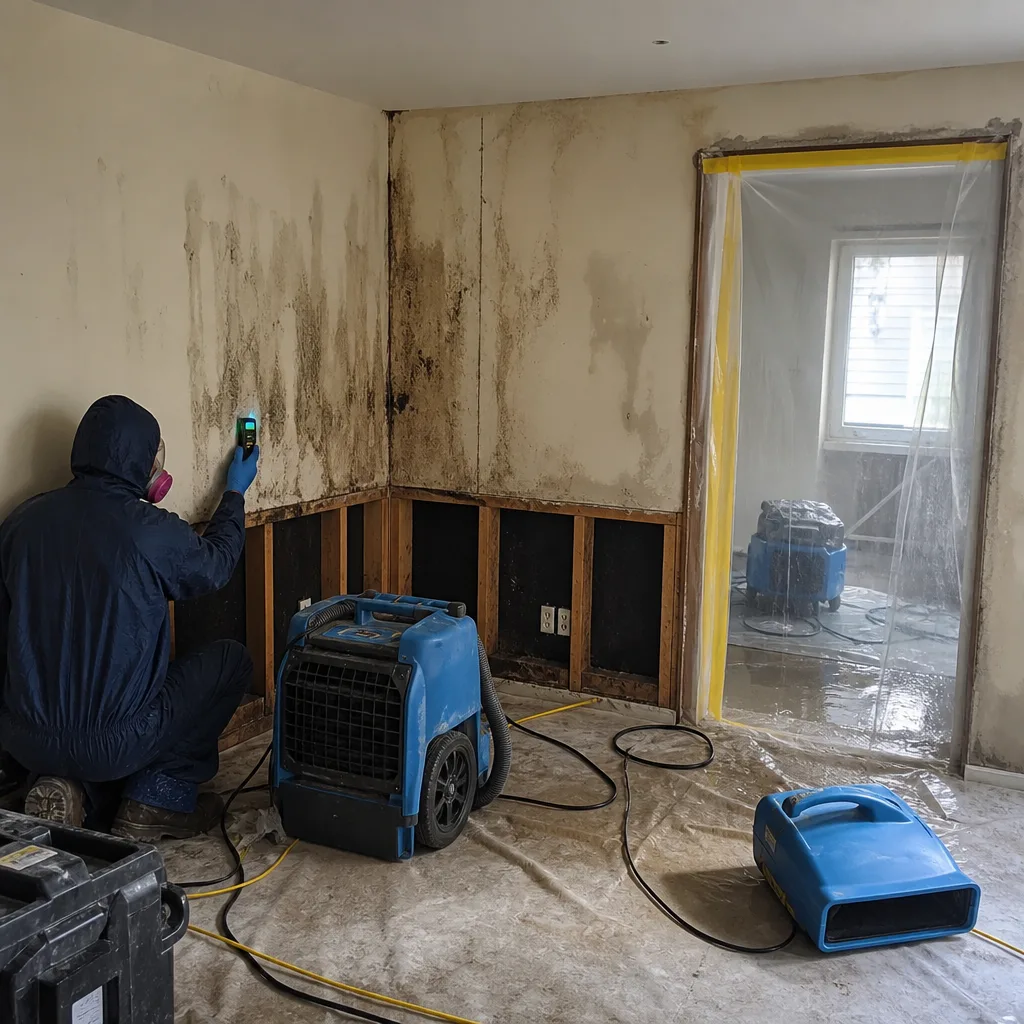 Before
 After
After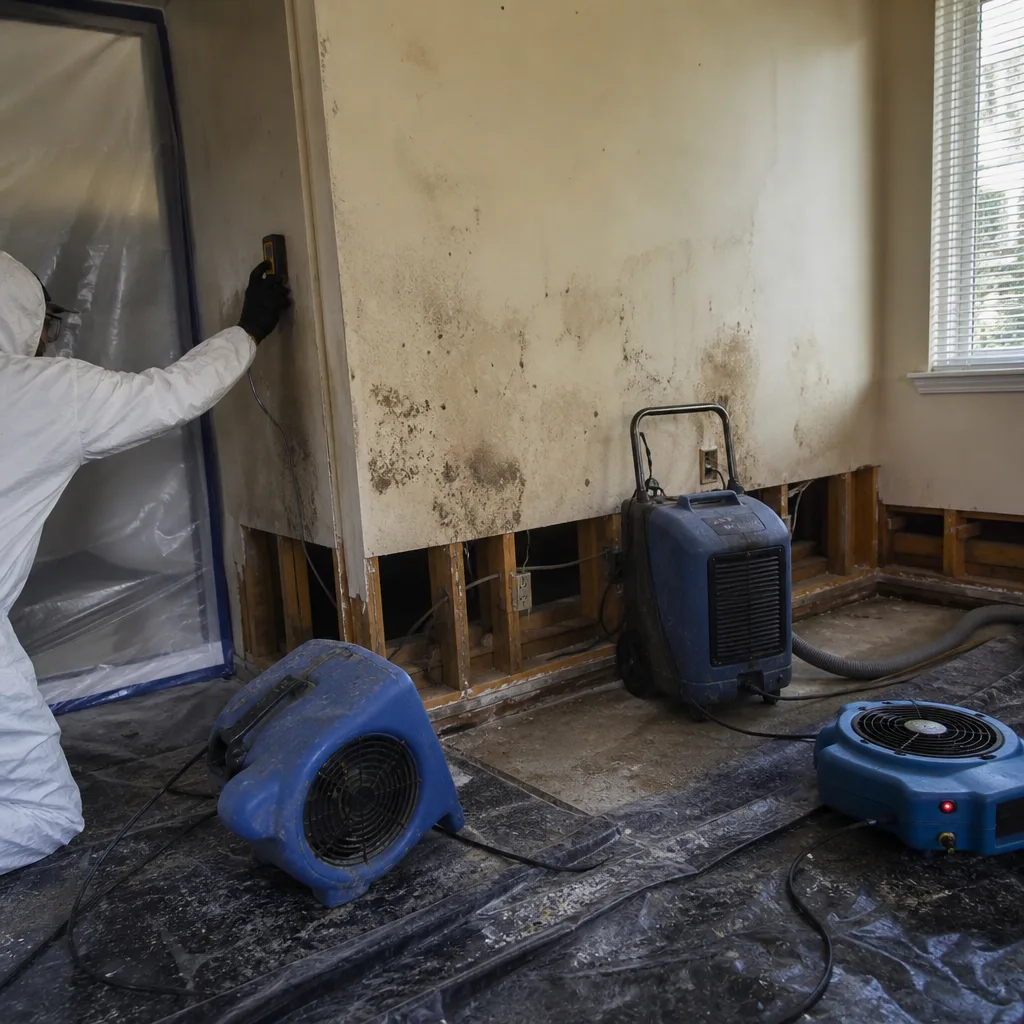 Before
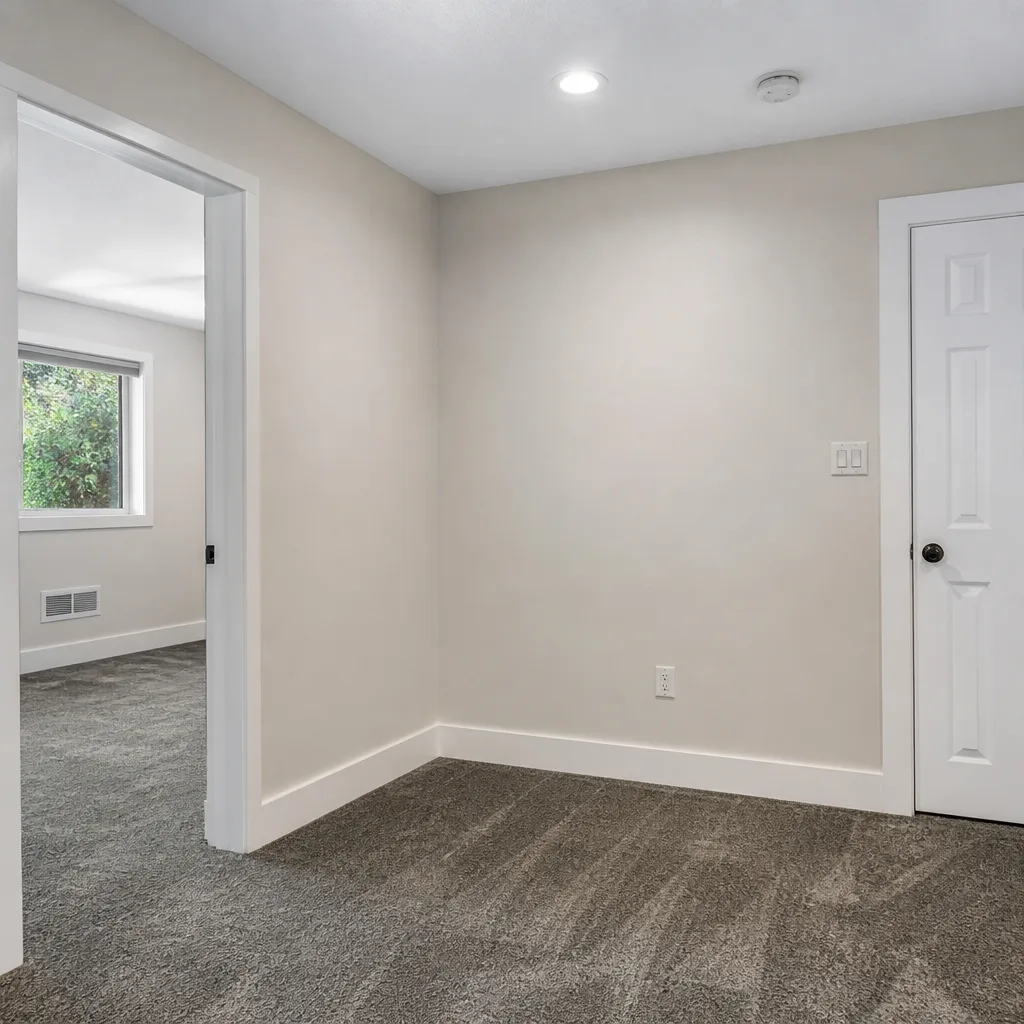 After
AfterFast, Reliable Fire & Smoke Damage Restoration Across SeaTac
Fire and smoke damage restoration in SeaTac typically costs $2,800-$8,500 for a contained single-room fire with smoke migration, while whole-home losses with structural fire repair run $15,000-$45,000+. Most emergency board-up and tarping calls in SeaTac are answered within 60-90 minutes, and our crews are dispatched from our Seattle office with direct routes to the Angle Lake, McMicken Heights, and Riverton Heights neighborhoods. Call (253) 322-4873 for a written estimate before any work begins.
We’ve restored fire and smoke damage in SeaTac since 2011, and we’ve learned that homes here are different. The same Port of Seattle noise-mitigation retrofits that keep jet noise out also seal smoke residue in, changing how fire losses behave from block to block. Our Fire & Smoke Damage Restoration team documents every job to IICRC and RIA standards so your insurer pays the claim without a fight.
Why DryMark Restoration Federal Way Is SeaTac’s Preferred Fire & Smoke Damage Restoration Company
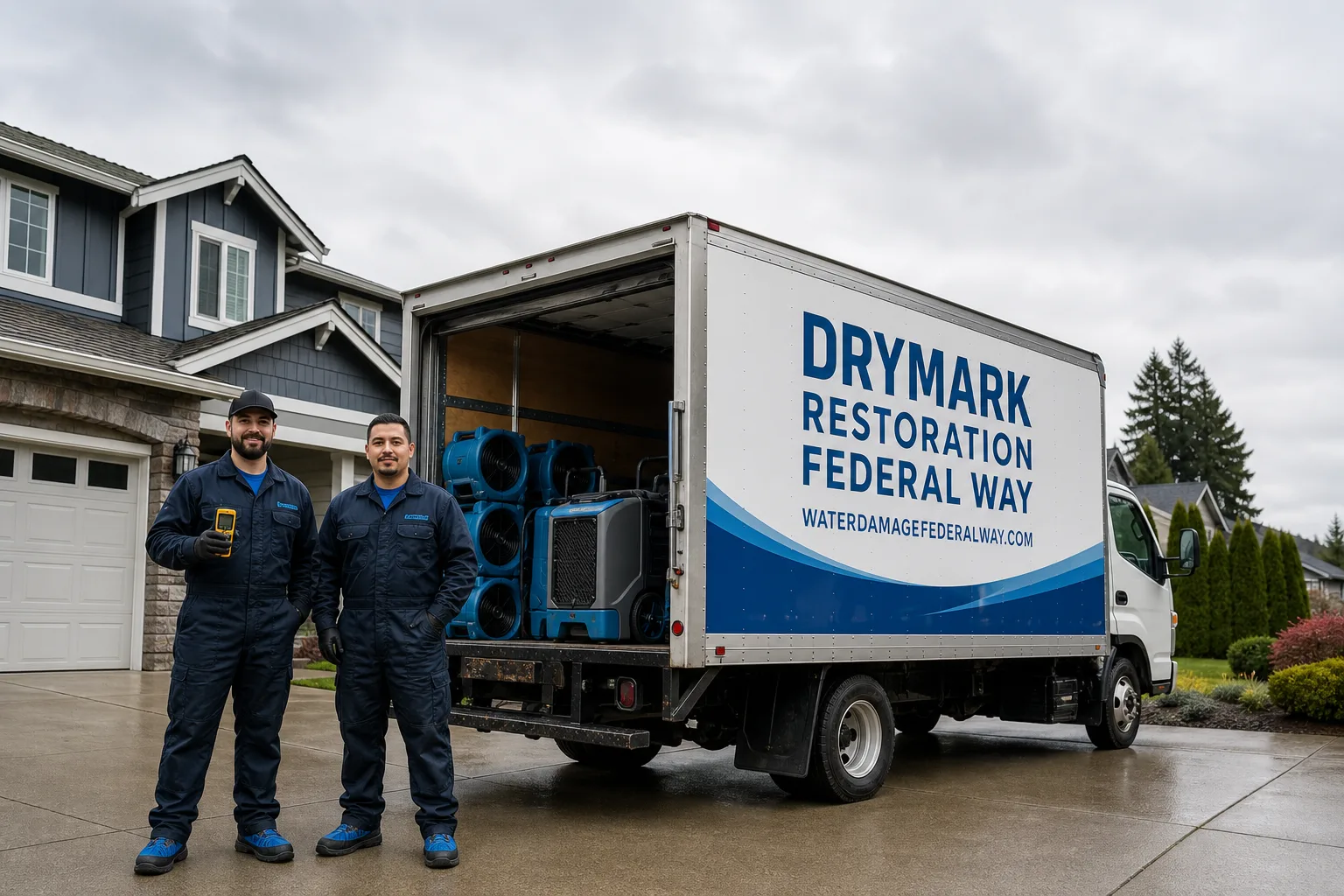
SeaTac homeowners know the difference between a contractor who scopes from the curb and one who reads the house. Our crews arrive with thermal imaging, moisture meters, and the construction knowledge to trace smoke through dense-pack cellulose and sealed wall cavities that most miss. We’ve restored 12,000+ homes since 2011, every one with a written price before work started and a photo record when we left.
Our response time to SeaTac averages under 90 minutes for emergency board-up calls. We know the local street grid - where International Boulevard bottlenecks, which McMicken Heights cul-de-sacs feed from South 188th, how to stage equipment near Angle Lake without blocking airport traffic. That local fluency means faster containment and less secondary damage.
Reviews from SeaTac customers consistently cite our documentation: the drying logs, the room-by-room photo records, the written scope they could hand directly to their adjuster. One homeowner on South 200th Street noted we found smoke residue in a sealed cavity that two prior contractors had dismissed as “just the smell.” We documented it, treated it, and her claim paid in full.
Every technician is background-checked, uniformed, and licensed - the license number is on file and available on request. Live dispatch answers every call, 24 hours a day, 7 days a week. No voicemail trees while your home is still venting smoke.
Our Fire & Smoke Damage Restoration Services in SeaTac
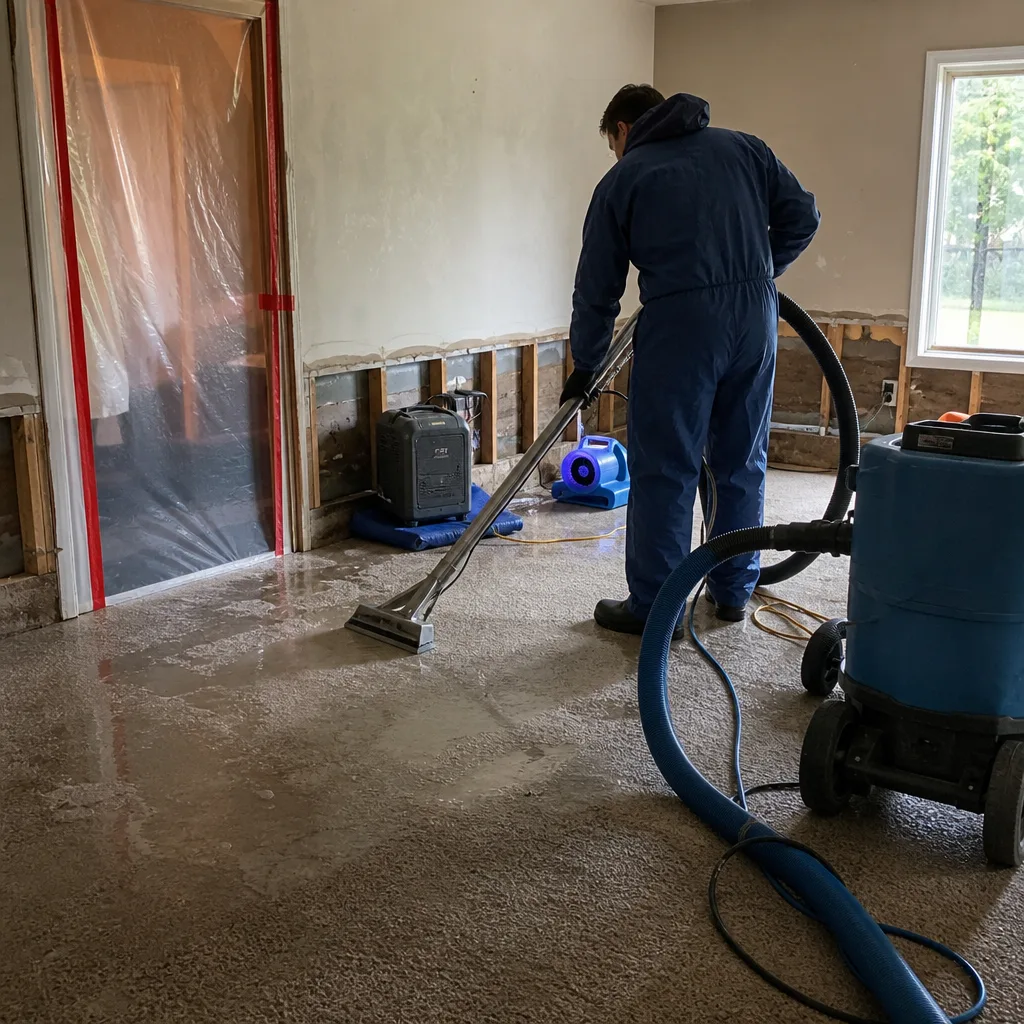
Fire Damage Cleanup
Fire damage cleanup in SeaTac starts with understanding what burned and where the smoke went. In the 1950s-1970s homes that dominate SeaTac’s residential core, original lath-and-plaster or early drywall assemblies react differently to heat and water than modern construction. Our crews test for asbestos in pre-1978 materials before disturbing anything, then remove charred structural elements with containment that protects unaffected rooms. We document every square foot of removal with photos and a written scope, because Haven Standard, Clause 1 requires a written price before work begins - and that price depends on an accurate count of what must come out.
Smoke & Soot Removal
Smoke and soot removal is where SeaTac’s unique construction matters most. The Port of Seattle’s noise-mitigation program retrofitted thousands of homes within SEA flight paths with blown-in attic insulation, sealed wall cavities, and interior storm windows. When fire sends smoke through these homes, residue migrates into insulation and cavity voids that were open to airflow when the houses were built in the 1960s. Our techs use thermal imaging and borescope inspection to trace migration paths that surface cleaning alone won’t reach. We write the scope to include cavity treatment or insulation removal when testing shows it’s necessary, not as an upsell but as documented need.
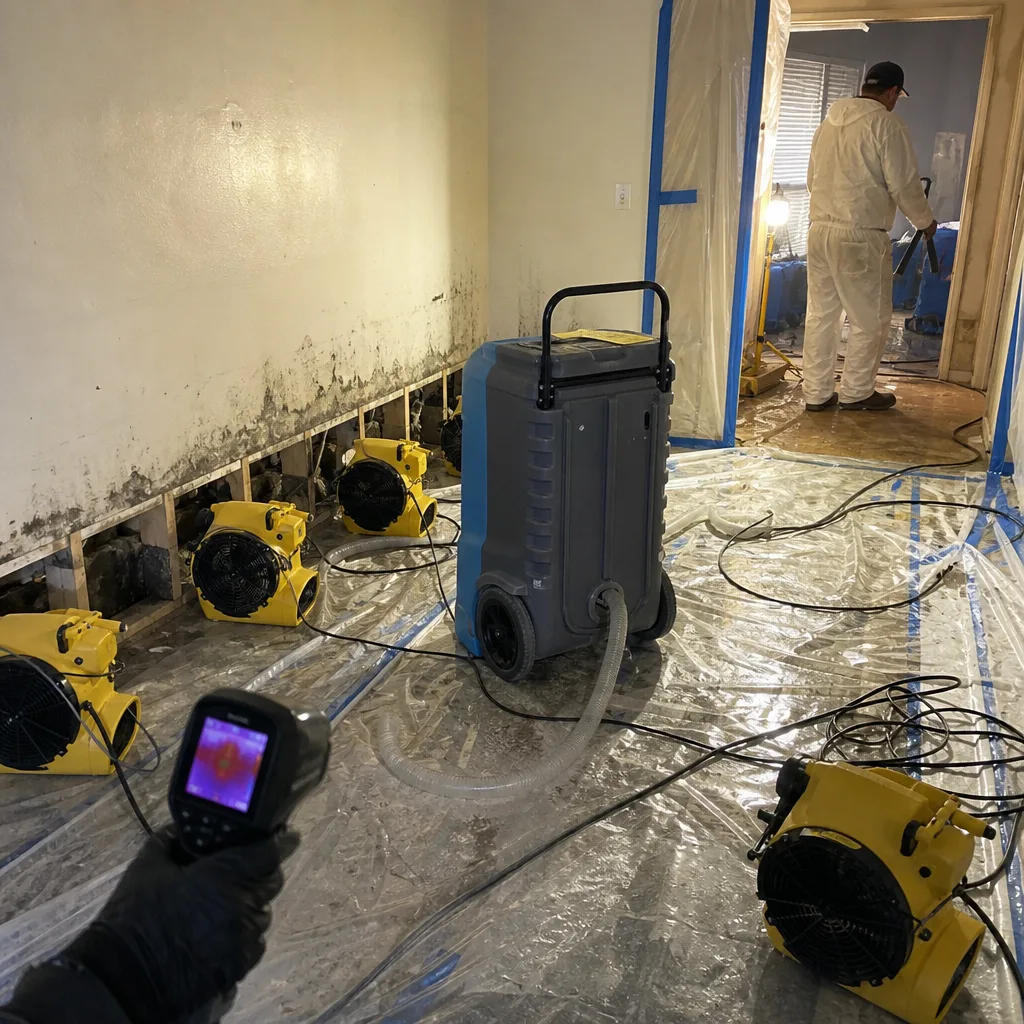
Odor Removal & Deodorization
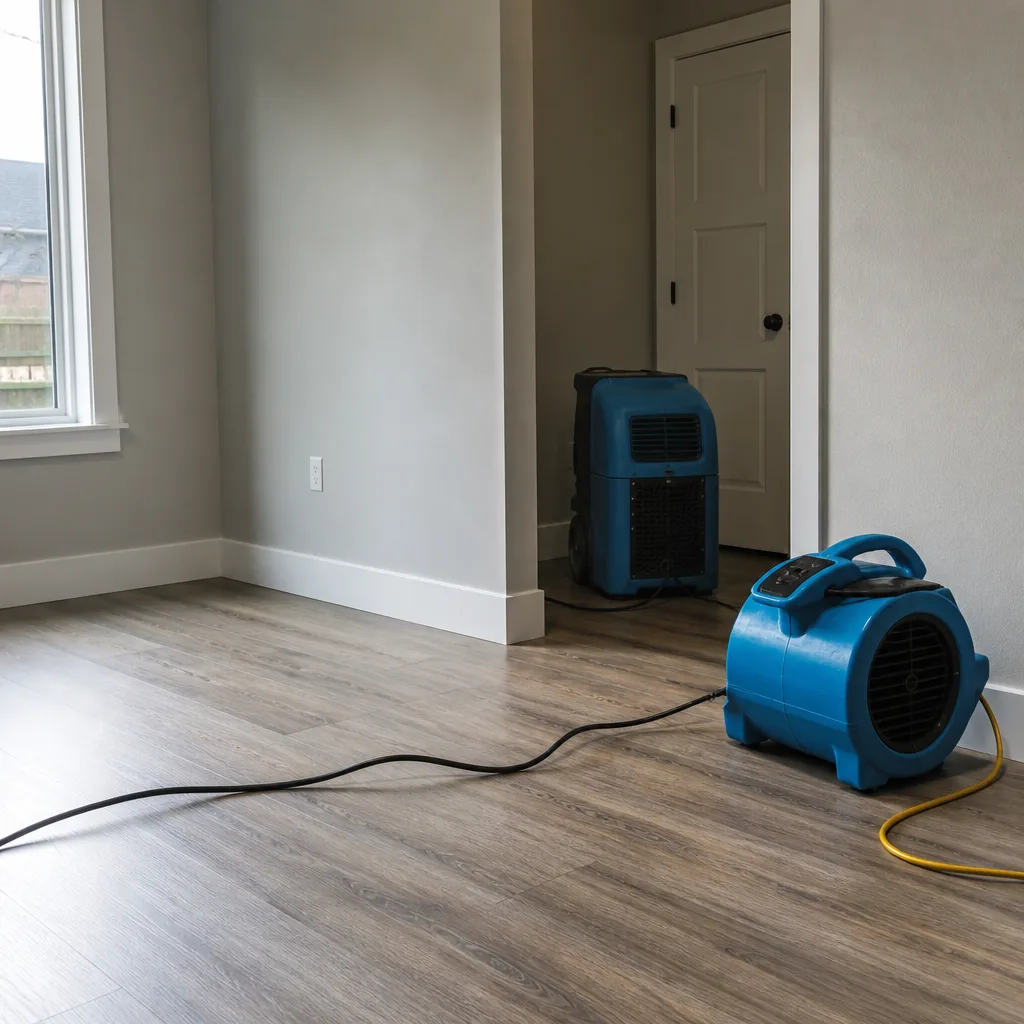
Odor removal in SeaTac takes longer than in un-retrofitted homes of the same era. Dense-pack cellulose insulation holds soot and char odor in ways loose-fill fiberglass doesn’t. Sealed wall cavities prevent natural off-gassing. Our deodorization protocol includes source removal first, then thermal fogging or ozone treatment sized to the affected volume, followed by air-scrubbing with activated carbon filtration. We run moisture mapping parallel to deodorization because the water used to suppress the fire often saturates the same cavity holding the odor. Wet smoke residue smells worse and breeds mold faster than dry residue. Our drying logs track psychrometric data - temperature, relative humidity, vapor pressure differential - until the assembly reads dry to IICRC standards, not just “dry to the touch.”
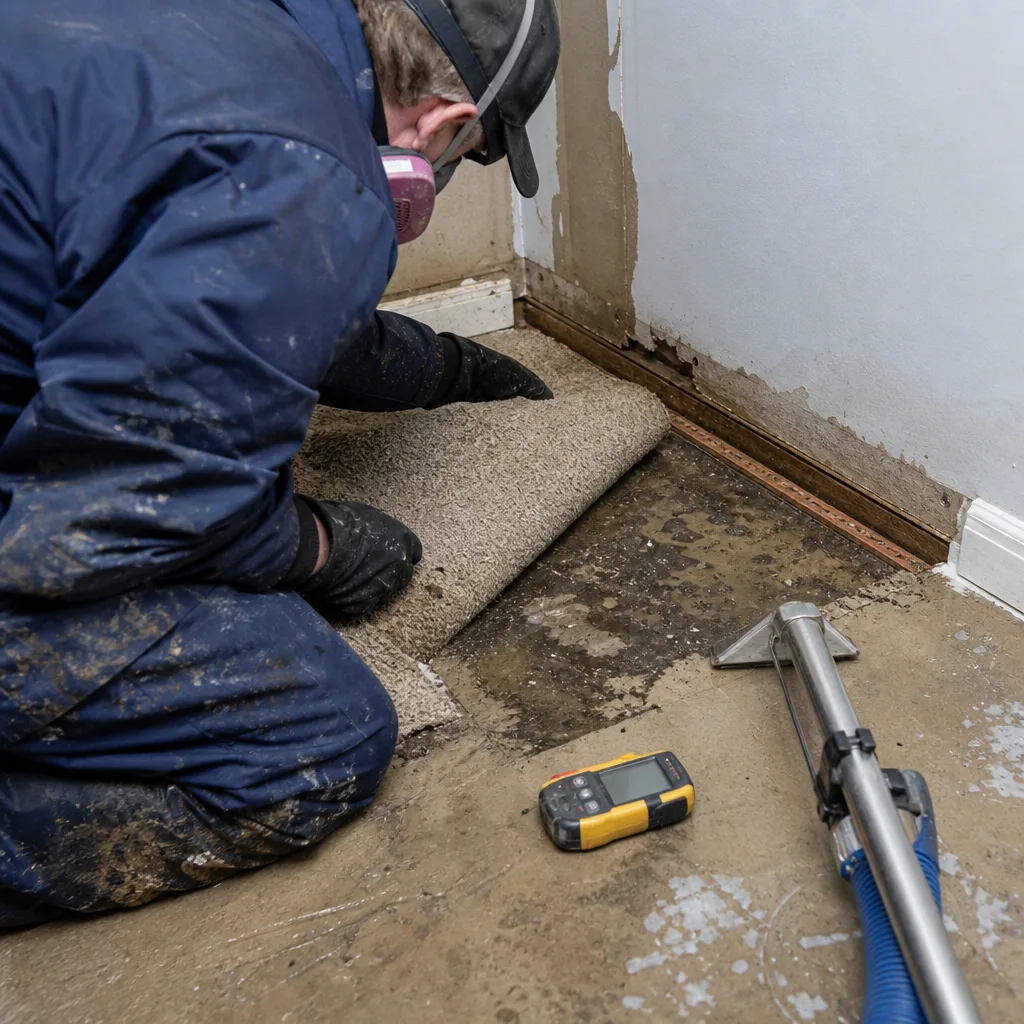
Contents Cleaning & Pack-Out
Contents cleaning and pack-out for SeaTac fire losses happens in our controlled facility, not your driveway. We inventory every item with photo documentation, clean smoke-affected textiles and electronics on specialized lines, and store cleaned contents until structural fire repair is complete. For homes near Angle Lake and along the International Boulevard corridor, where many properties are rentals with tenant belongings, this documentation protects landlords and tenants alike. Every packed item is tracked in a written record that accompanies your claim file.
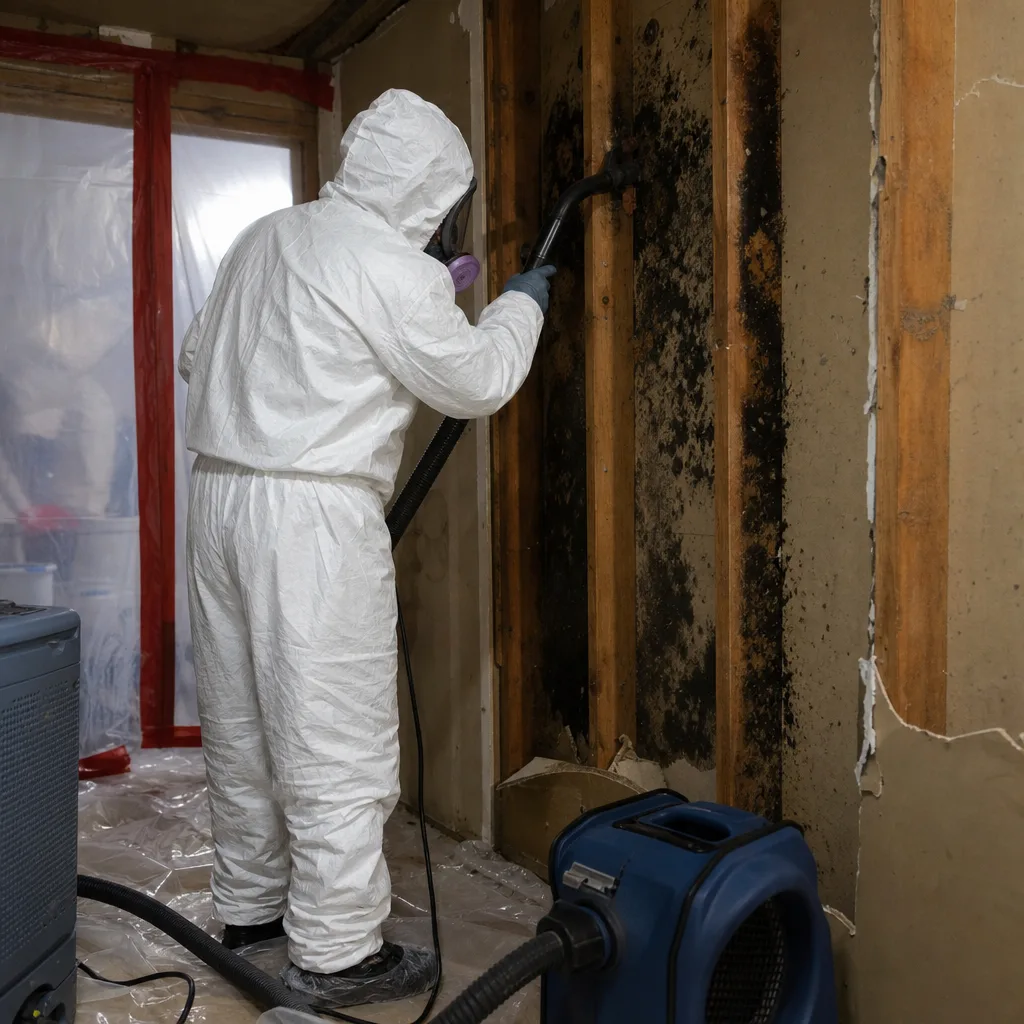
Emergency Board-Up & Tarping
Emergency board-up and tarping in SeaTac must account for older garage doors and original openings that don’t match modern hardware. Many 1960s SeaTac homes still have one-piece or early sectional doors with proprietary track systems that are no longer manufactured. Improvised board-up on these openings fails when wind loads shift the panel or smoke re-enters through gaps. Our crews carry a range of fasteners and framing stock to secure these legacy openings properly, then document the temporary protection with photos for your adjuster.
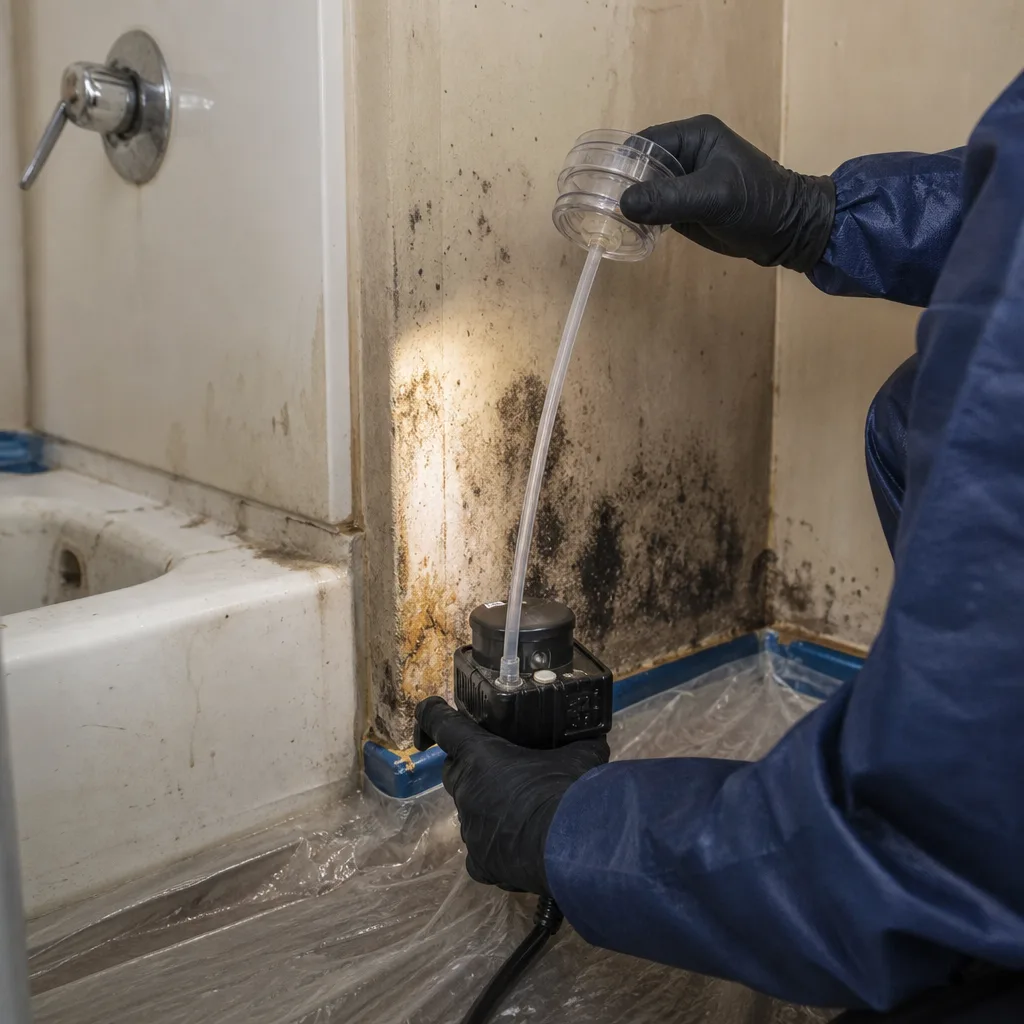
Structural Fire Repair
Structural fire repair in SeaTac returns charred framing, damaged roofing, and compromised assemblies to pre-loss condition. We coordinate permit requirements with the City of SeaTac and King County as needed, and our written scope specifies material grades, fastener schedules, and finish matches before work begins. No scope creep. No “while we’re here” additions. Haven Standard, Clause 1.
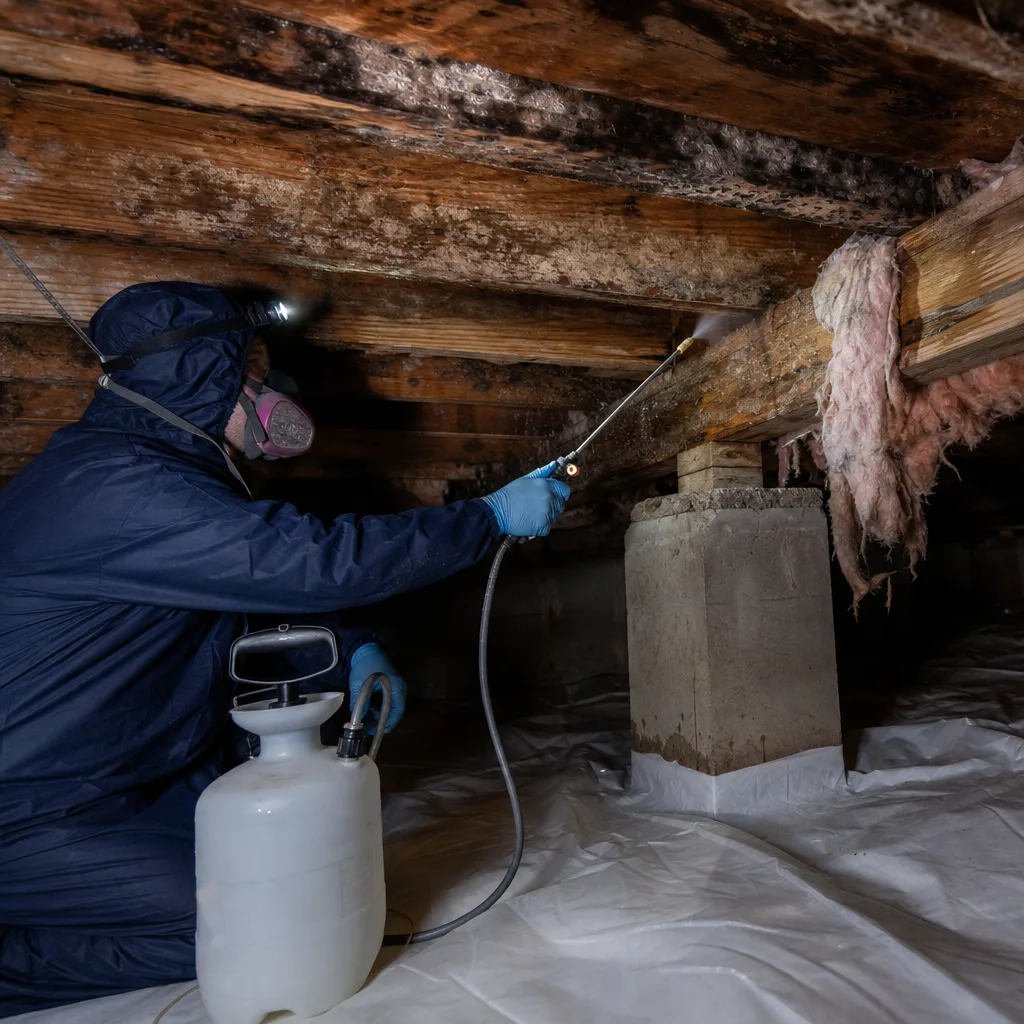
What happens when you call
- 1
A real person answersNo phone trees - you reach a local pro.
- 2
You get an upfront price rangeHonest numbers before anyone is dispatched.
- 3
A background-checked tech heads outLicensed & insured, dispatched right away.
- 4
You approve before work beginsNothing starts until you say go.
 Before
 After
AfterTrusted Brands We Service in SeaTac
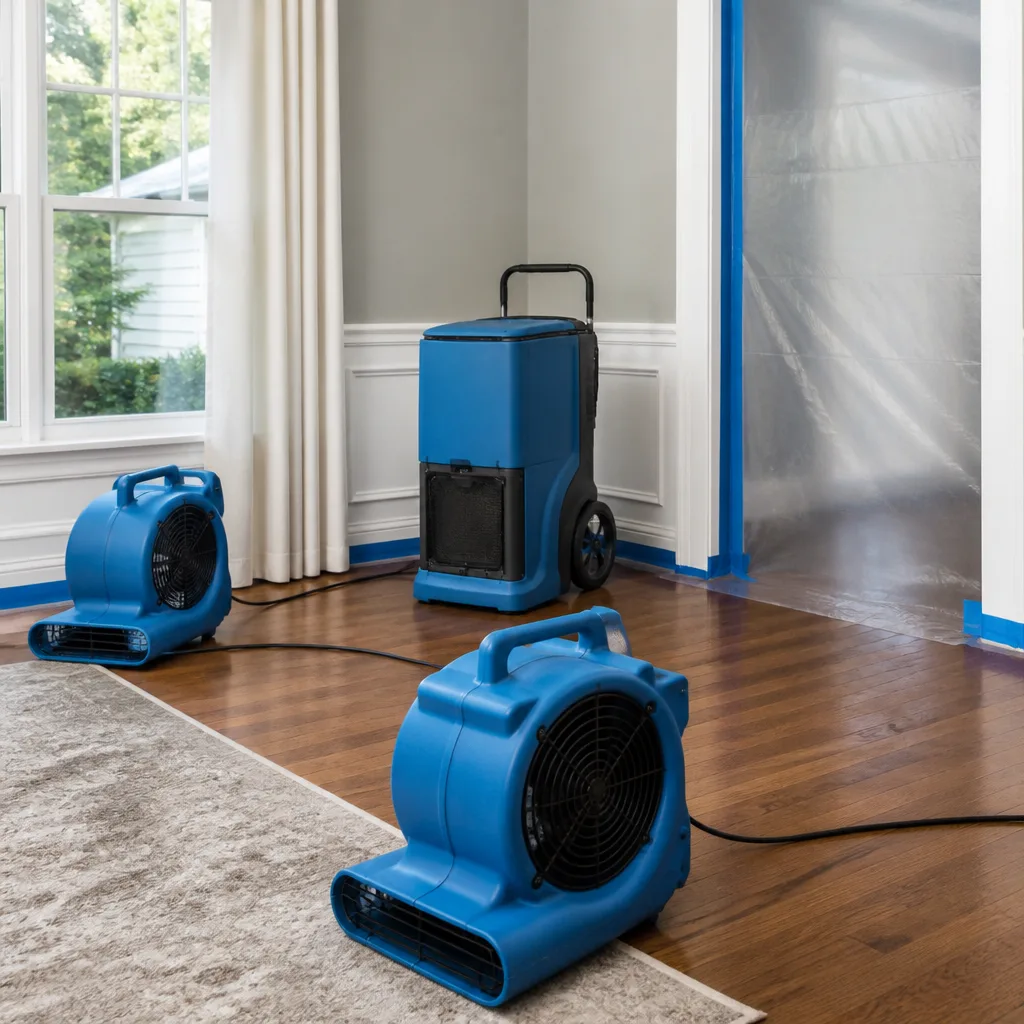
Our equipment fleet includes professional-grade drying and air-scrubbing systems from Dri-Eaz, Phoenix, and XPOWER, documented to IICRC, RIA, and IFA standards. We stock HEPA filtration media, activated carbon, and antimicrobial treatments sized for SeaTac’s typical fire-loss volumes - from single-room kitchen fires in Riverton Heights rambler to multi-unit motel losses along International Boulevard. That local inventory means faster deployment and shorter deodorization timelines.
Common Fire & Smoke Damage Restoration Problems We See in SeaTac Homes
- Smoke residue hidden in Port-retrofitted cavities. Contractors who don’t know the noise-abatement construction details scope the loss as a single-room job and miss soot that has migrated into dense-pack attic insulation and sealed wall cavities. We find it with borescope inspection and thermal imaging, then write the scope to treat what we find.
- Surface-only cleaning that leaves odor behind. Soot and char odor get treated as a surface-cleaning problem, so air movers and dehumidification are never set and the smoke-damaged assembly stays wet. The same cavity that traps moisture then holds odor. We run drying logs in parallel with deodorization.
- Improvised board-up on legacy garage doors. Original one-piece or early sectional doors on 1950s-1970s SeaTac homes are past service life, with hardware that’s no longer manufactured. Improvised tarping fails in the wind and rain that SeaTac sees 38-39 inches of per year. We secure these openings with framing stock and fasteners rated for the load.
- Delayed mold colonization in water-logged cavities. SeaTac’s persistent wet season means mold timelines start faster here than in drier inland suburbs. A fire-suppressed ceiling assembly with dense-pack cellulose insulation can host active mold within 48-72 hours if drying isn’t documented and completed. We apply antimicrobial treatment to smoke-affected framing and track moisture readings until the assembly is dry.
Pricing for Fire & Smoke Damage Restoration in SeaTac, WA
Fire and smoke damage restoration pricing in SeaTac reflects the scope of the loss and the construction details of the home. Emergency board-up and tarping typically runs $400-$1,200 depending on opening count and access. Smoke and soot removal for a contained single-room fire with surface cleaning and deodorization ranges $2,800-$5,500. When smoke has migrated into sealed cavities requiring insulation removal, cavity treatment, and extended deodorization, costs rise to $5,500-$8,500. Structural fire repair with framing replacement, drywall, and finish matching runs $15,000-$45,000+ for whole-home involvement. Contents cleaning and pack-out is priced per item and cubic foot of storage, typically $1,500-$4,000 for a standard household inventory.
What affects your price: the square footage affected, the materials burned (synthetic materials produce more toxic residue than wood), whether water suppression has saturated assemblies, and whether Port-retrofit cavities require specialized treatment. We deliver a written price before any work starts, every time, with no exceptions. Haven Standard, Clause 1. Bring a competitor’s written estimate and we’ll review it free - our Free Second Opinion guarantee.
We Also Serve Cities Near SeaTac
Our crews respond throughout south King County from our Seattle office, with regular service to SeaTac, Federal Way, Milton, Des Moines, and Edgewood. Each community gets the same documented approach: written price first, photo record on every visit, 365-Day Done Right Promise on every job.
Serving SeaTac, WA - Our Local Coverage Area
We’re based in the SeaTac area and know this community well. Use the map below to see our service coverage - if you’re nearby, we can almost certainly help.
FAQs - Fire & Smoke Damage Restoration in SeaTac
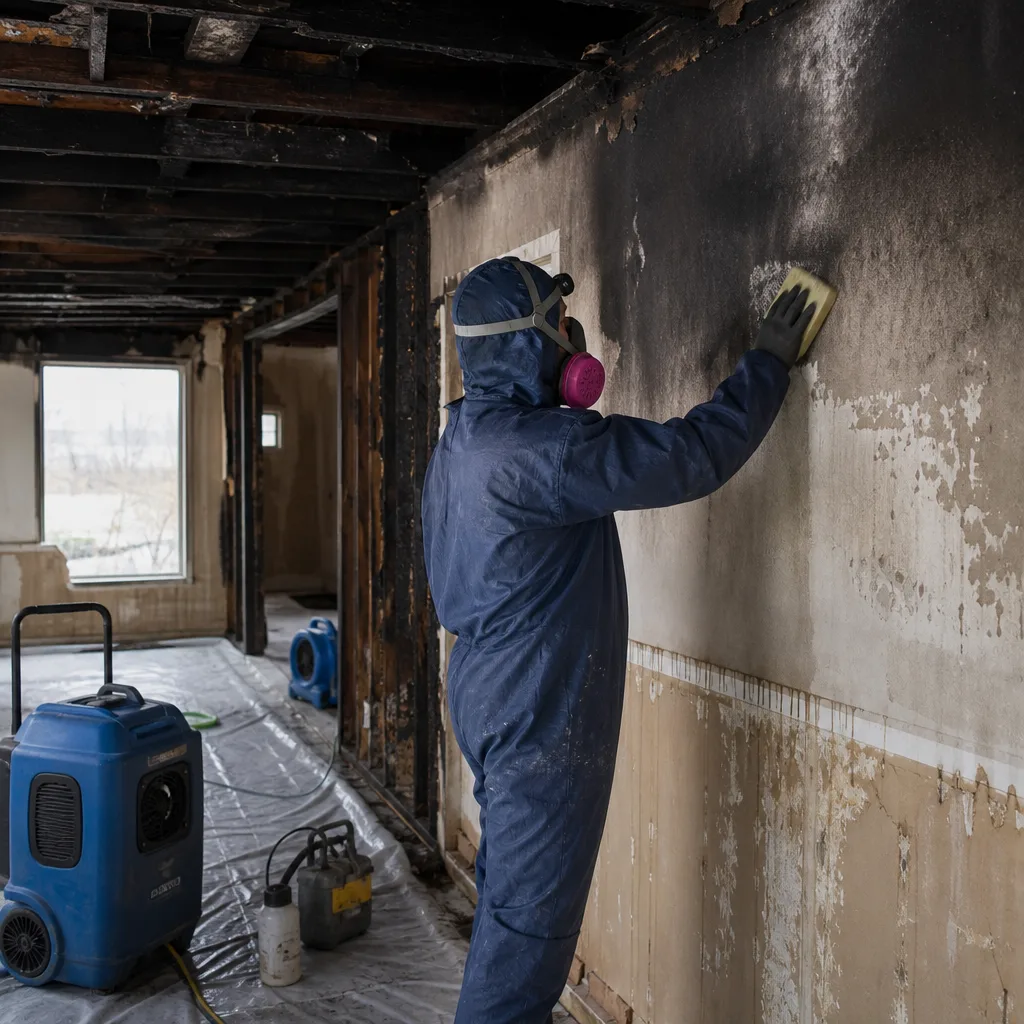
Smoke odor returns because residue remains in hidden reservoirs - typically the dense-pack cellulose insulation and sealed wall cavities installed under Port of Seattle noise-mitigation retrofits. Surface cleaning and air fresheners don’t reach these reservoirs. Our techs use borescope inspection and thermal imaging to locate hidden residue, then remove or treat the source rather than masking it. Call (253) 322-4873 for an exact scope - estimates are free.
Yes. Many 1960s SeaTac homes have one-piece or early sectional doors with hardware that’s no longer manufactured. We carry framing stock and fasteners sized for these legacy openings and secure them to withstand SeaTac’s wind and rain loads. Every board-up is photo-documented for your adjuster. Call (253) 322-4873 - we typically arrive within 60-90 minutes.
The insulation itself doesn’t worsen the fire, but it changes how smoke and odor behave after the fire is out. Dense-pack cellulose traps soot and char residue in ways loose-fill insulation doesn’t, and sealed cavities prevent natural ventilation that would otherwise clear odor. Restoration takes longer and requires more precise scope documentation. We account for this in every SeaTac fire loss we assess. Call (253) 322-4873 for a written estimate that includes cavity inspection.
Mold can become active within 48-72 hours in water-logged assemblies, and SeaTac’s wet climate accelerates that timeline compared to drier inland areas. Fire suppression water plus dense-pack insulation that holds moisture creates ideal colonization conditions. We run moisture mapping and drying logs from day one and apply antimicrobial treatment to smoke-affected framing as standard practice, not as an upsell. Call (253) 322-4873 for immediate assessment.
Yes. We inventory, photograph, clean, and store contents in our controlled facility until structural repair is complete. This service is standard on fire losses, not an add-on, and every item is tracked in a written record for your claim. For rental properties near Angle Lake or along International Boulevard, this documentation protects both landlord and tenant interests. Call (253) 322-4873 to schedule pack-out.
Written by Alicia Brennan, Owner at DryMark Restoration Federal Way, serving SeaTac since 2011 under The Haven Standard.