
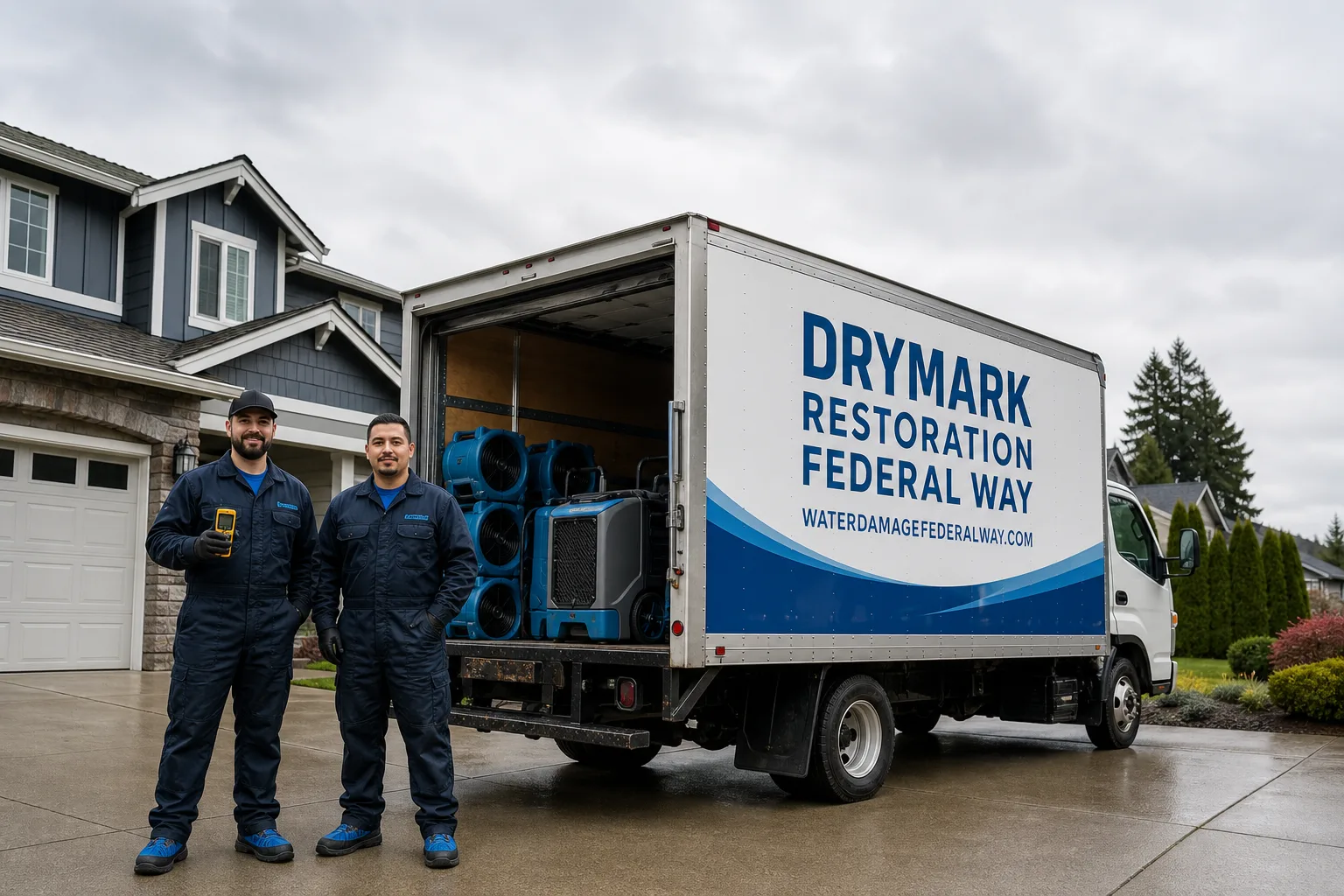
Free visual inspection and a written scope of work before any mitigation begins - photos, moisture readings, and drying logs go in your claim file
The scope we write is the scope we bill. Anything new gets shown to you, in writing, before we touch it.
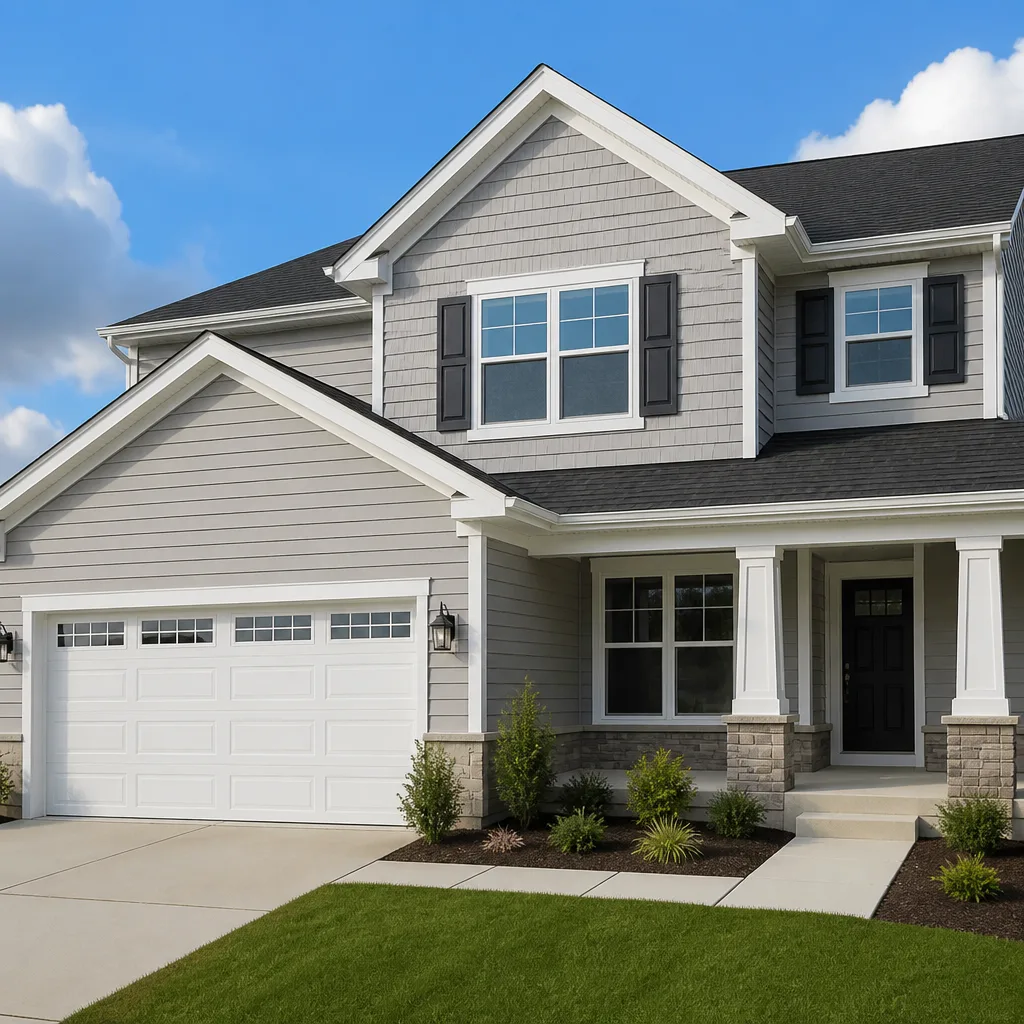
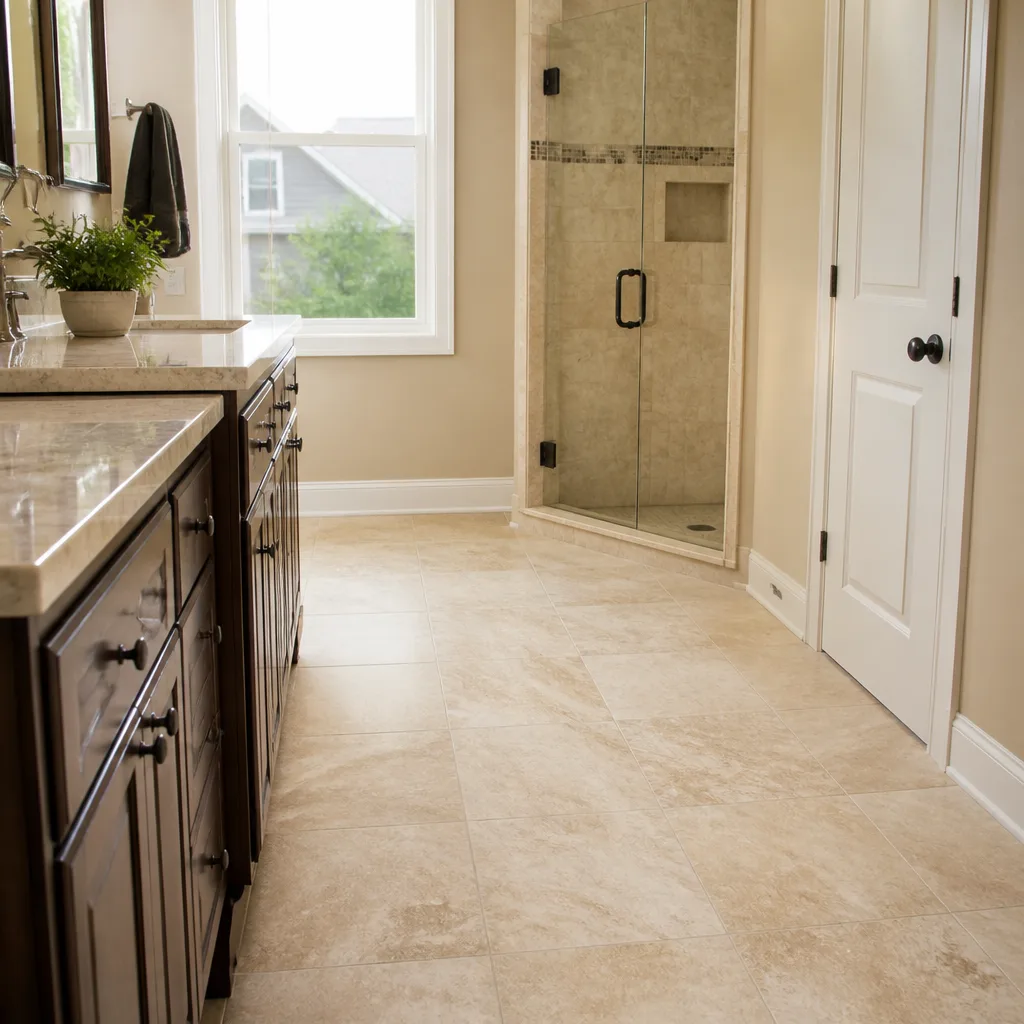
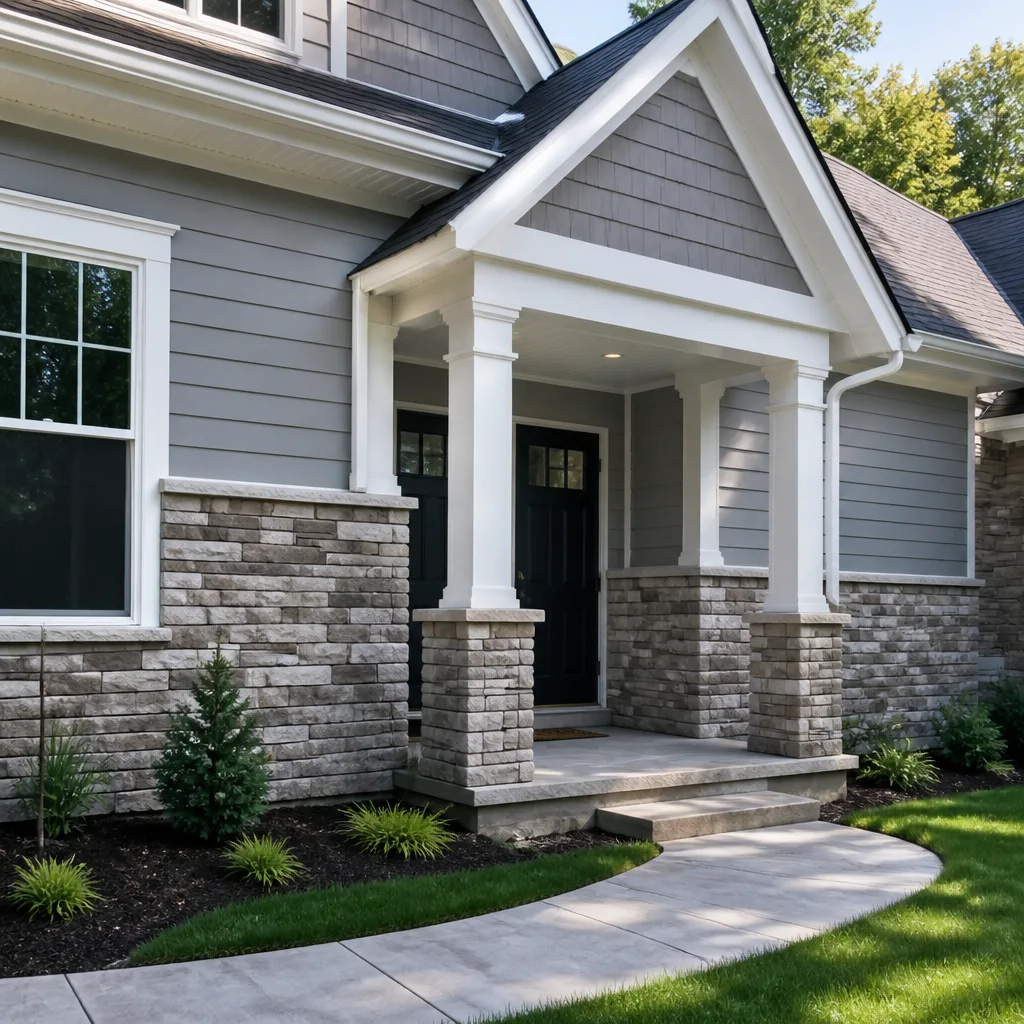
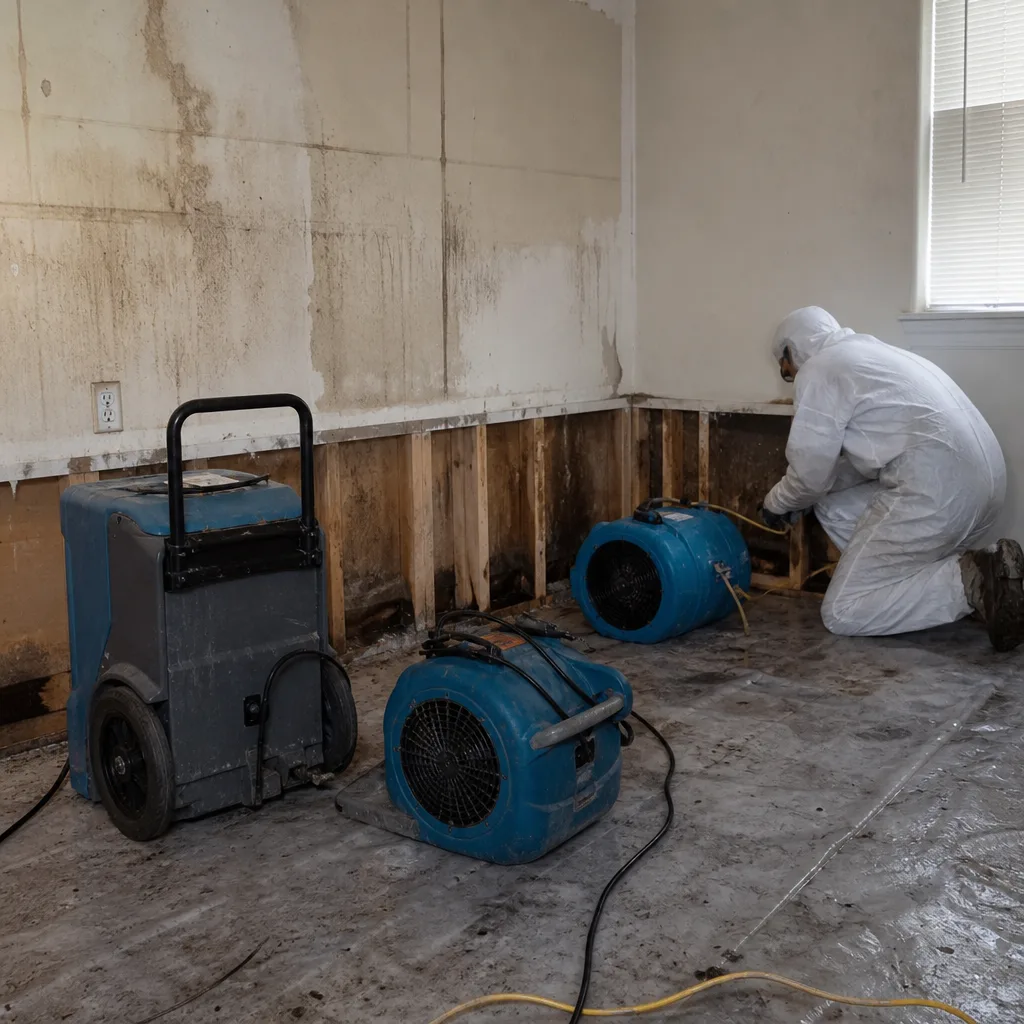 Before
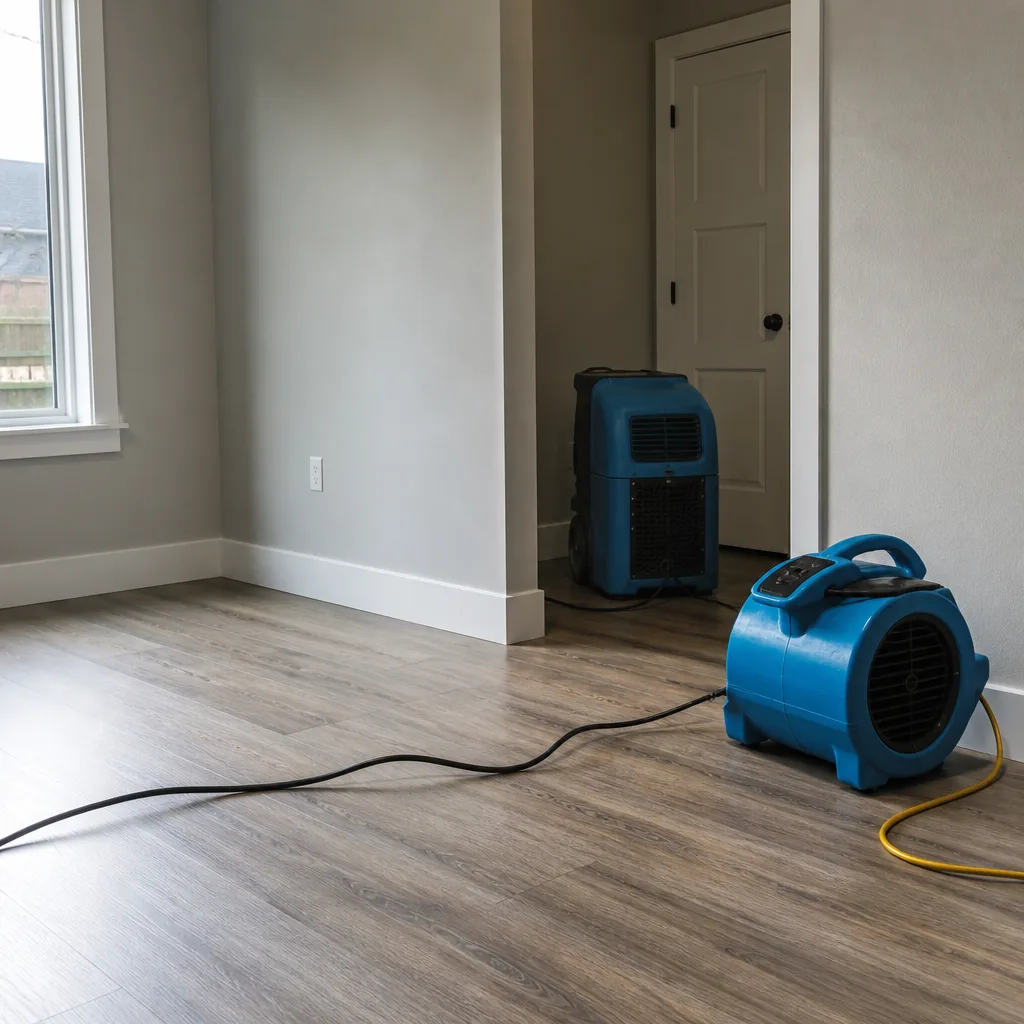 After
After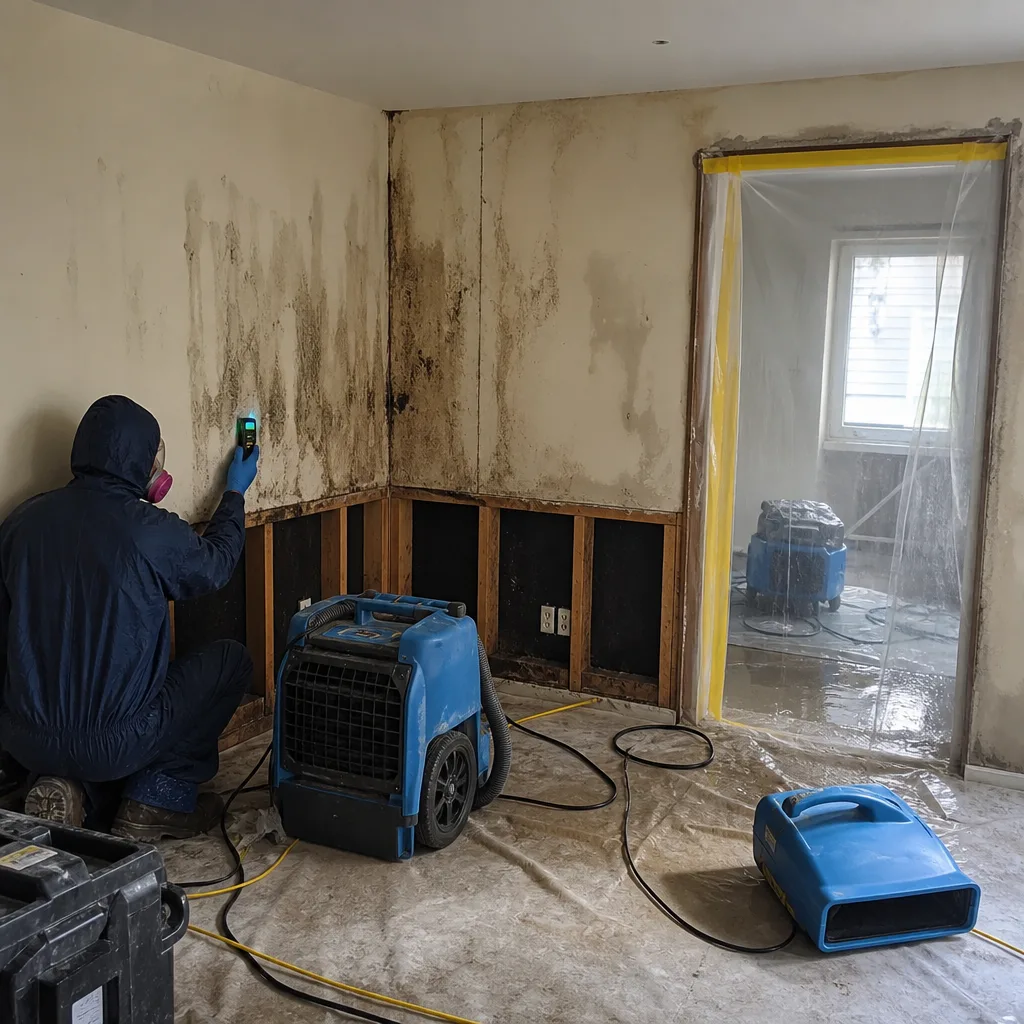 Before
 After
After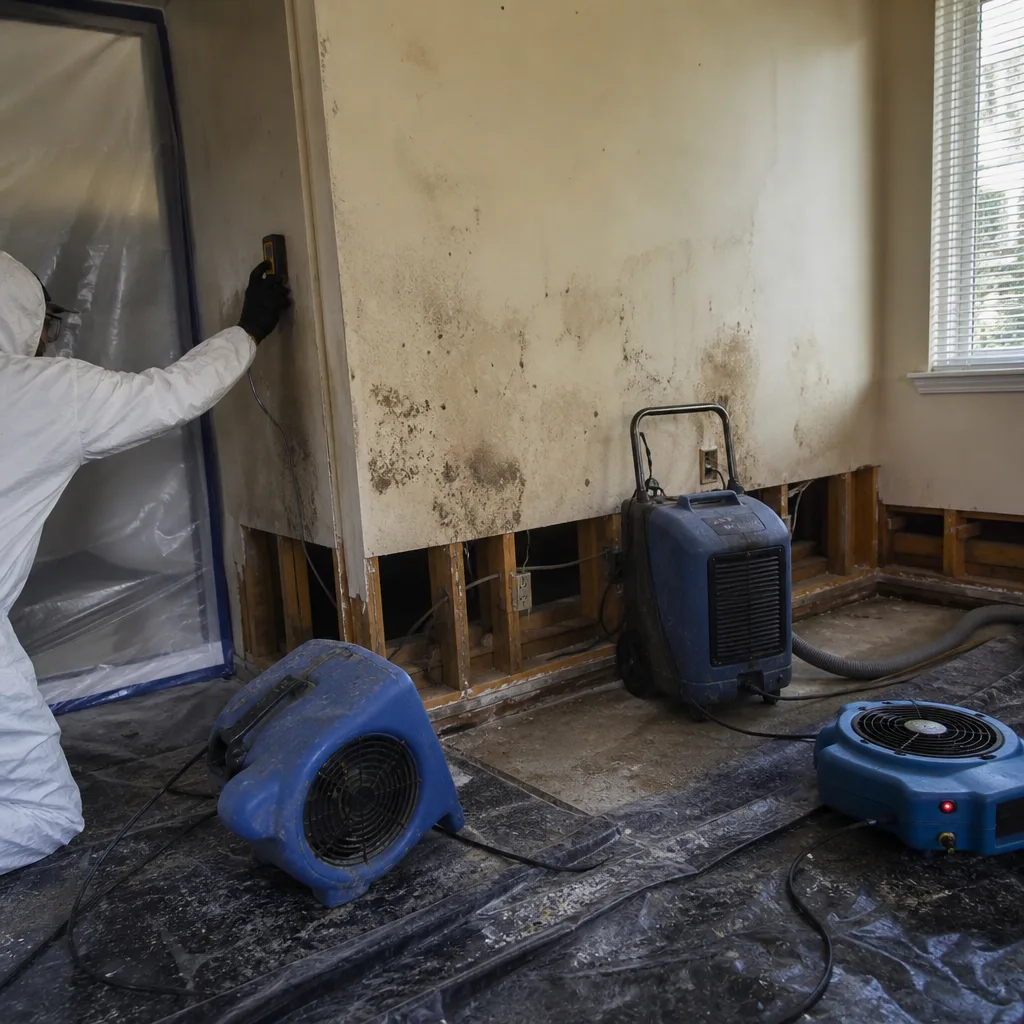 Before
 After
AfterFast, Reliable Water Damage Restoration Across Seattle
Water damage restoration in Seattle typically costs $2,800-$7,500 for a standard residential mitigation, with emergency extraction starting at $1,200 and full structural drying running $3,500-$6,000 depending on affected square footage and material classification. Most Seattle homes we see need same-day extraction to prevent mold colonization in our persistently humid climate.
We’re Back to Dry Restoration, and our Water Damage Restoration team dispatches from our Seattle office to neighborhoods from Ballard to Beacon Hill. We answer live, 24 hours a day, 7 days a week - no voicemail while water is still moving through your walls. Call (253) 322-4873.
Why DryMark Restoration Federal Way Is Seattle’s Preferred Water Damage Restoration Company
We’ve restored more than 12,000 homes since 2011, every one with a written price before work started and a documented record when the crew left. Alicia Brennan founded this company after working as a claims adjuster and watching homeowners lose legitimate payouts because the restoration company couldn’t produce moisture logs, photo sequences, or a signed scope. That documentation gap is the problem we solve.
Our Seattle customers find us because they read the three-star reviews. They want to know what happens when something goes sideways. Our answer: Haven Standard, Clause 1 - written price before any work starts, every time, with no scope-creep additions once the crew is inside your house. Plus a 365-Day Done Right Promise stamped on every job, not offered verbally and forgotten.
Response time to Seattle neighborhoods averages 45-90 minutes for emergency calls, depending on bridge traffic and whether you’re in Magnolia, Rainier Valley, or Capitol Hill. We don’t promise what traffic won’t allow. We do promise a live person answers, a crew is dispatched, and you receive a text with technician names and license numbers before they arrive.
Local expertise matters here because Seattle’s damage patterns are not generic. Our crews understand how glacial clay soils in Queen Anne and Beacon Hill shed water laterally into foundations, why Ballard Craftsman crawl spaces re-saturate through February, and how the city’s 1985-2000 condo stock hides saturated OSB sheathing behind intact-looking cladding. This isn’t textbook knowledge. It’s field data from thousands of Seattle drying logs.
Our Water Damage Restoration Services in Seattle
Emergency Water Extraction
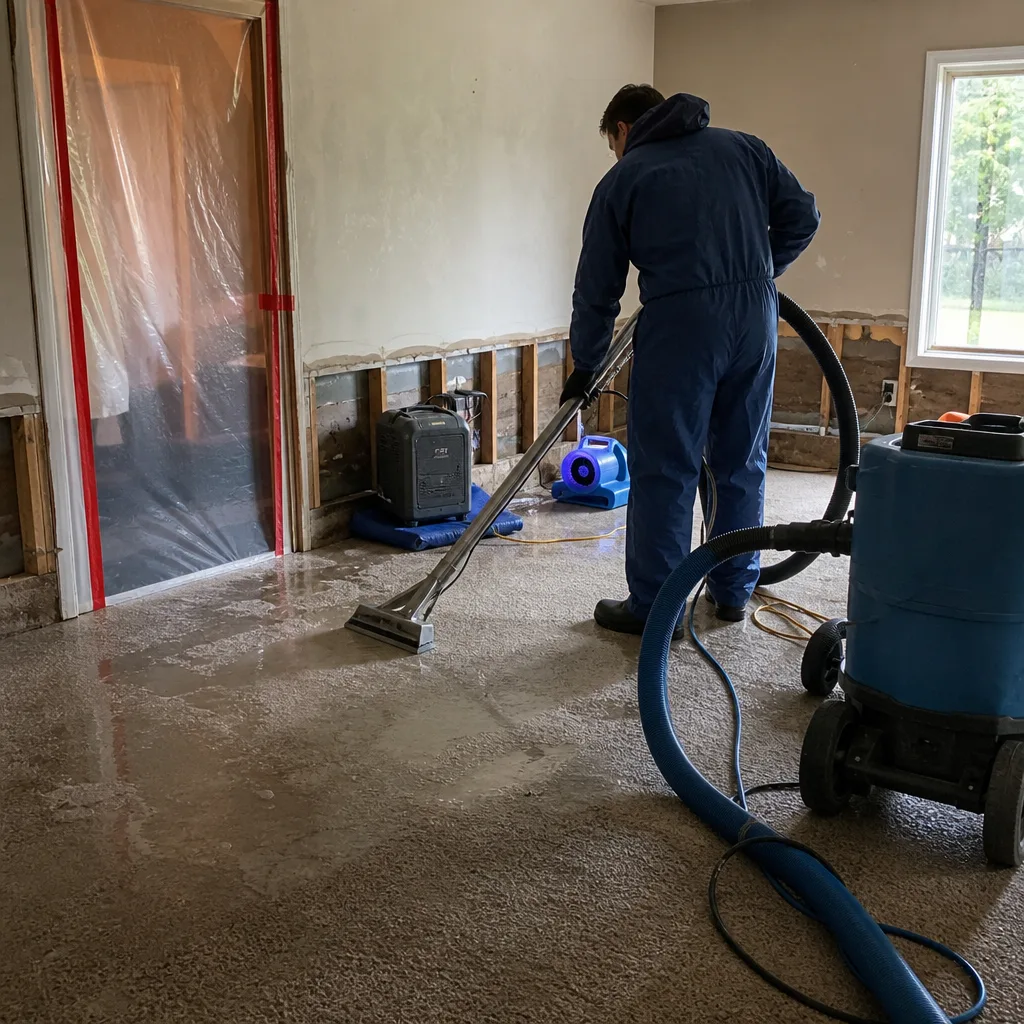
Standing water in a Seattle home starts generating psychrometric risk within hours, not days. Our truck-mounted extraction systems remove water from carpet, pad, and hard surfaces at rates up to 25 gallons per minute, then we document pre-loss moisture readings with calibrated thermo-hygrometers. In hillside neighborhoods like Magnolia, where groundwater pressure can force water through slab joints, extraction is only the first move - we also assess vapor pressure differential to determine whether the moisture source is active or residual. A written scope with line-item pricing is delivered before any drying equipment is placed. Haven Standard, Clause 1.
Structural Drying & Dehumidification
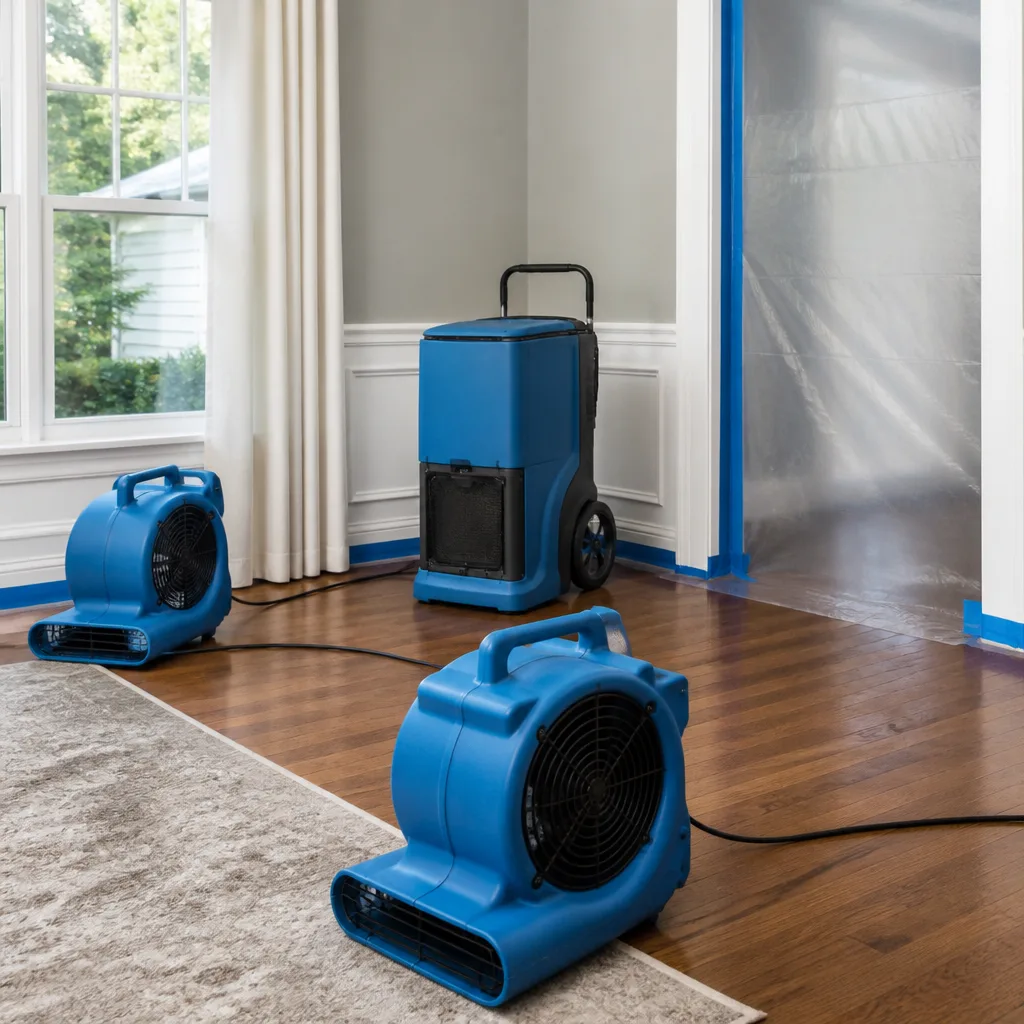
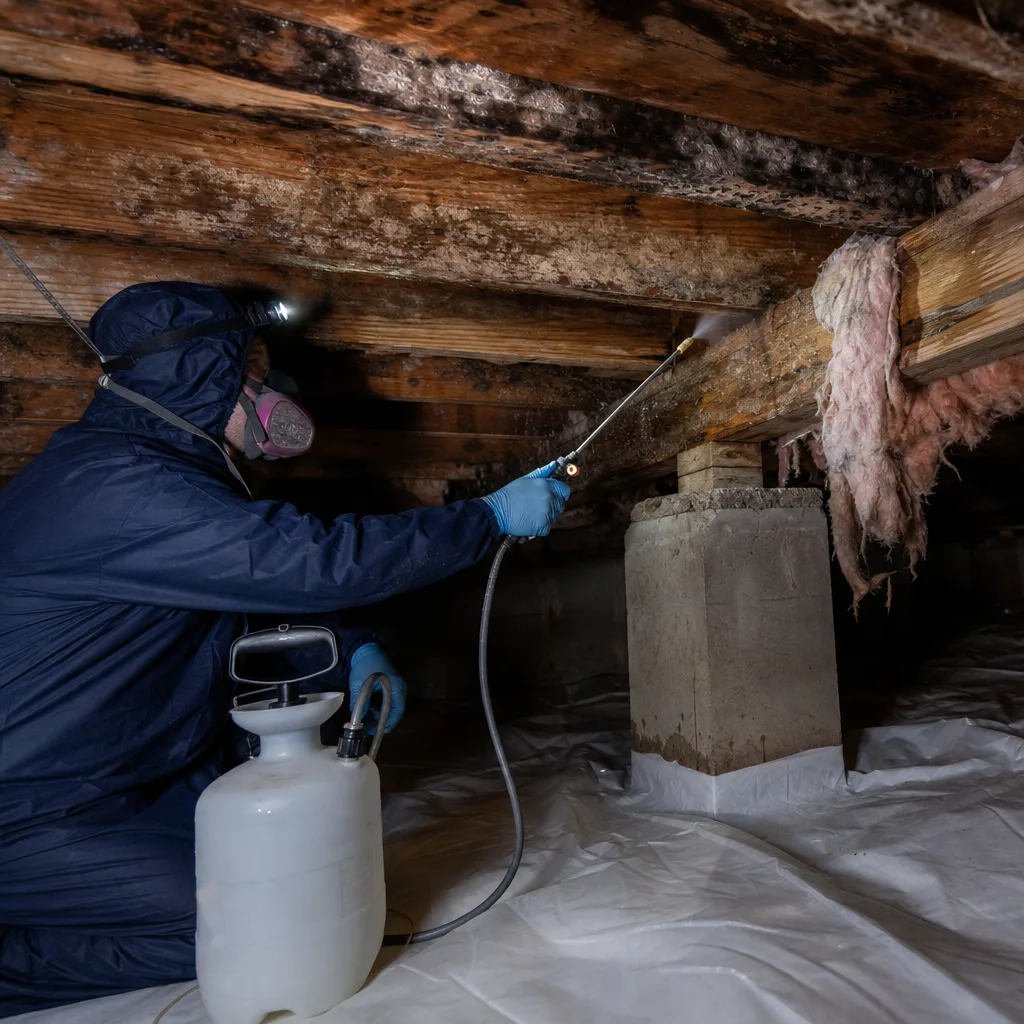
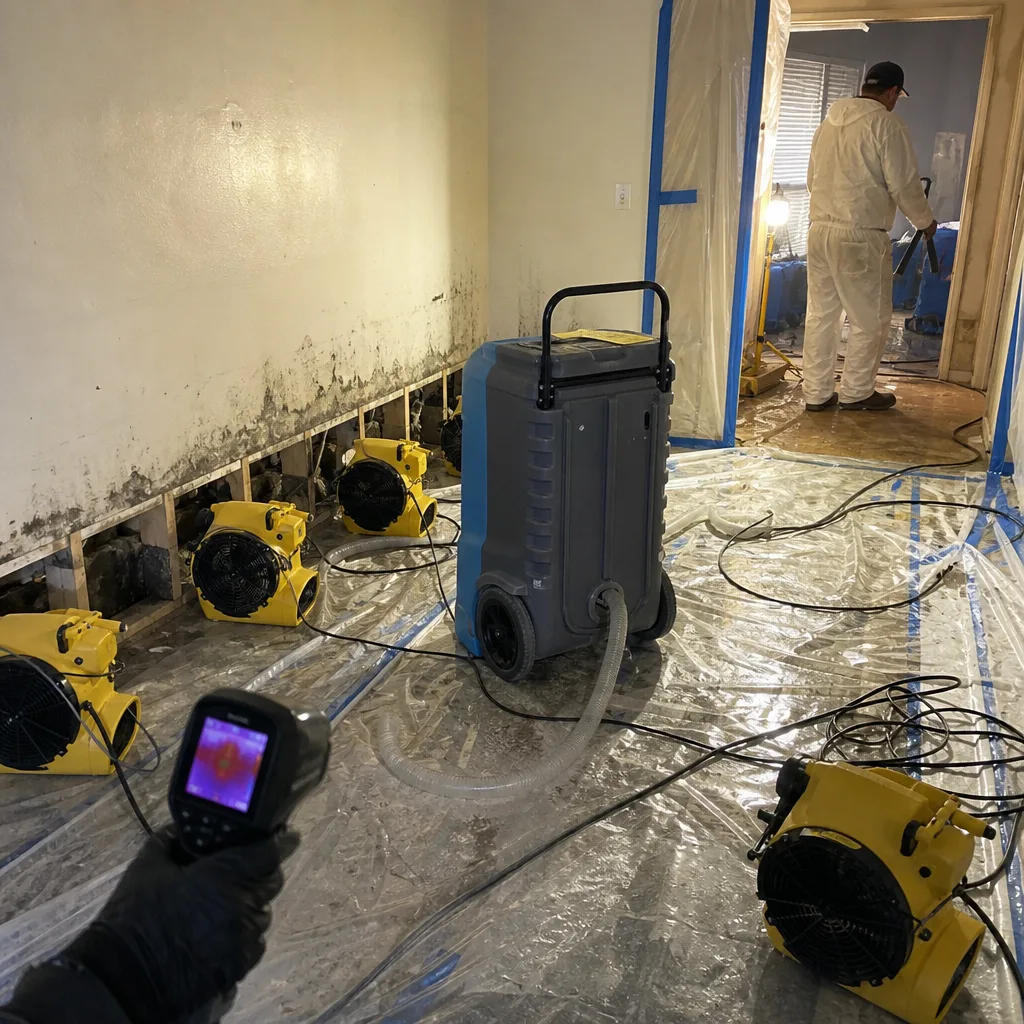
Seattle’s extended drizzle season means indoor relative humidity stays elevated for months, making structural drying a longer campaign than in drier climates. We deploy Dri-Eaz and Phoenix LGR dehumidifiers with documented daily moisture logs - wood moisture content, relative humidity, and specific humidity readings recorded room-by-room. Tertiary drying, the final phase where bound moisture is coaxed from dense materials, often takes 5-8 days in Seattle’s older Ballard and Wallingford bungalows with their thick old-growth framing. Every reading is photographed, time-stamped, and formatted for adjuster review. This is how restoration invoices become payable claims.
Flood Cleanup
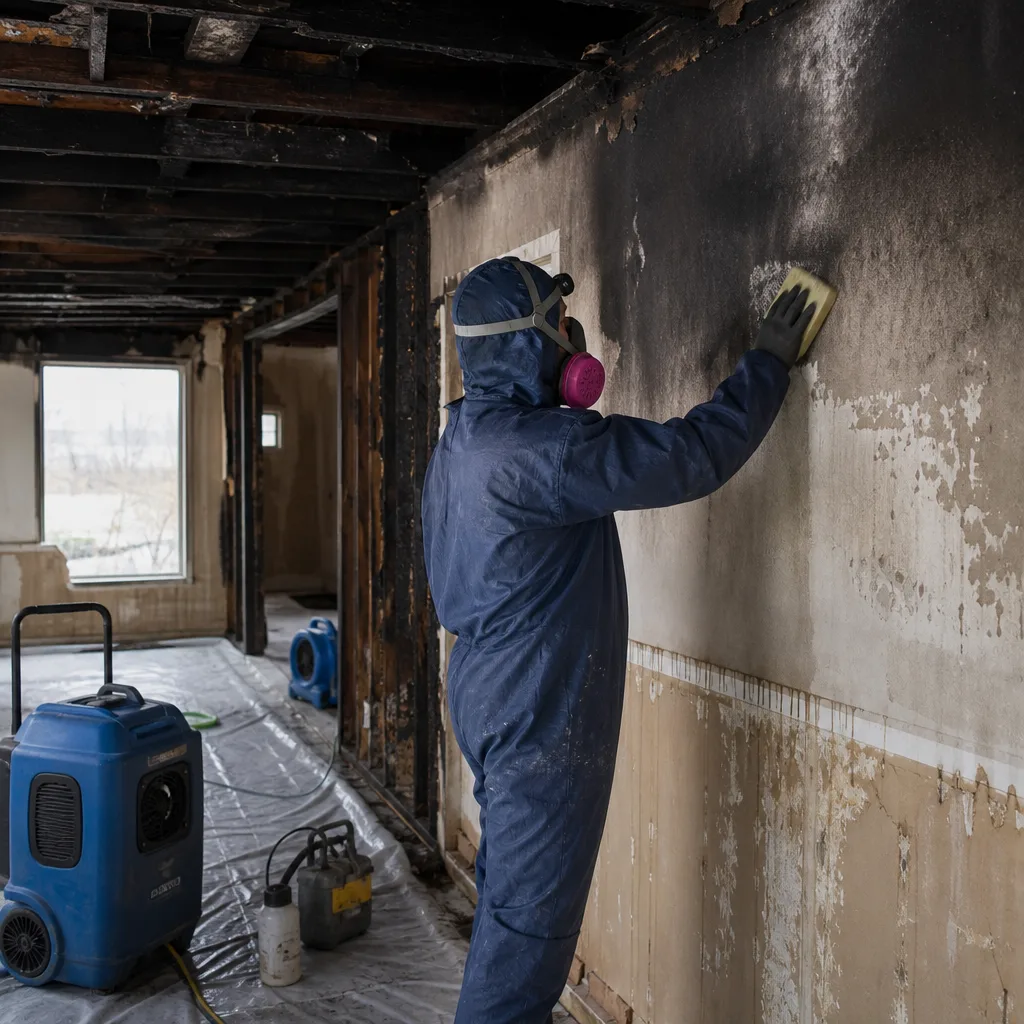
Flood events in Seattle rarely arrive as dramatic surges. More commonly, we see saturated-soil episodes in January and February when glacial clay soils reach field capacity and water sheets into basements and crawl spaces across Rainier Valley and Beacon Hill. Our flood cleanup includes category classification (clean, gray, or black water), contaminated material removal, antimicrobial application where indicated, and full psychrometric documentation. For Seattle homeowners in flood-prone zones, we also assess whether perimeter drainage improvements belong in the recovery scope - not as an upsell, but as a documented recommendation with a separate written price.
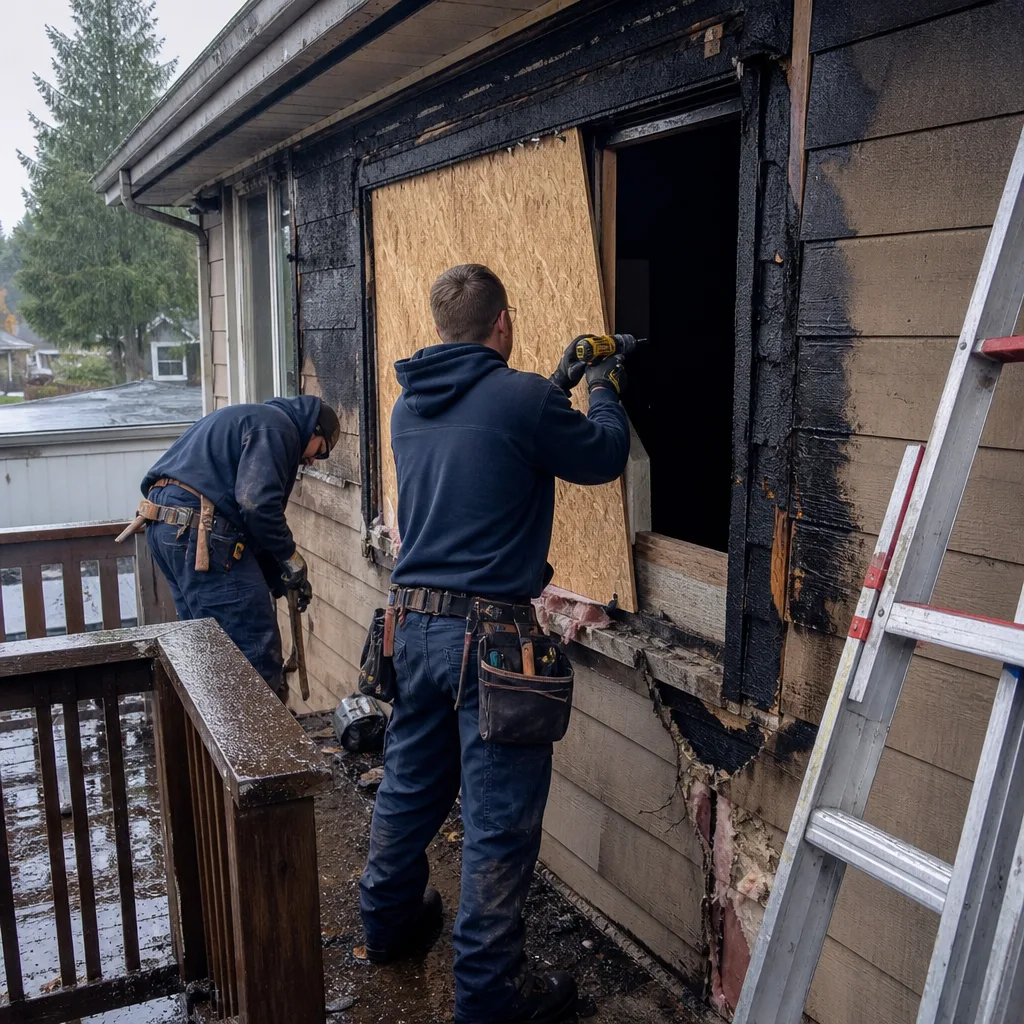
Burst Pipe Restoration
Seattle’s older housing stock carries original galvanized or early copper plumbing that fails predictably at joints and elbows. When a pipe bursts in a Capitol Hill Craftsman or a 1990s condo in Belltown, the damage pattern follows the path of least resistance: down through wall cavities, across OSB subfloors, and into the unit below. We extract, dry, and document the full affected assembly, including moisture mapping of adjacent units when building envelope failure is suspected. Our photo record captures pre-loss condition, mid-dry readings, and post-dry verification - standard deliverable, never an upsell.
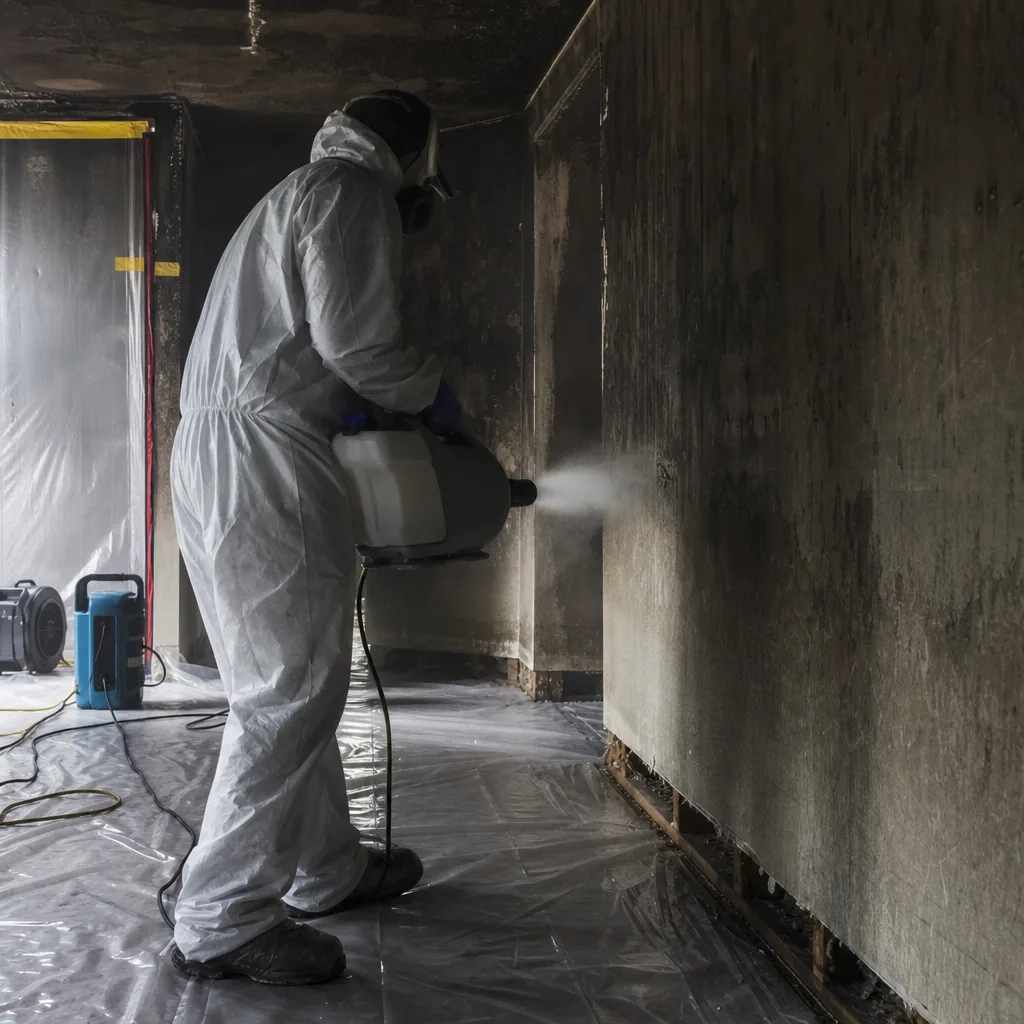
Basement Water Removal
Basements in Seattle are fundamentally different from basements elsewhere. The city’s high water table, combined with impermeable glacial hardpan clay, means water doesn’t percolate downward - it moves laterally and upward. A basement in Fremont or Wallingford that floods in November will likely flood again in January if the scope doesn’t address hydrostatic pressure. Our basement water removal includes extraction, drying, and a written assessment of whether sump pump capacity, drain tile, or vapor barrier installation should be part of the permanent solution. We separate mitigation (what insurance covers) from improvement (what protects your equity) and price each in writing.
Ceiling & Roof Leak Water Damage
Seattle’s 150-plus days of measurable rainfall don’t always enter dramatically. Slow roof leaks around vent penetrations and valley flashings saturate insulation and drywall over weeks, creating concealed mold reservoirs. We use thermal imaging to trace water migration paths, then remove affected ceiling sections with controlled demolition, dry the cavity, and document the full sequence. For condos with known building-envelope vulnerabilities, we coordinate directly with your adjuster on scope boundaries - what is sudden and accidental versus what is chronic maintenance.
What happens when you call
- 1
A real person answersNo phone trees - you reach a local pro.
- 2
You get an upfront price rangeHonest numbers before anyone is dispatched.
- 3
A background-checked tech heads outLicensed & insured, dispatched right away.
- 4
You approve before work beginsNothing starts until you say go.
 Before
 After
AfterTrusted Brands We Service in Seattle
Our drying and dehumidification equipment comes from Dri-Eaz, Phoenix, and XPOWER - brands specified in IICRC and RIA drying standards because their performance curves are documented and reproducible. We don’t use equipment that can’t produce a verifiable CFM or grains-per-pound removal rate. For Seattle homeowners, this means your daily moisture log contains numbers an adjuster can cross-reference against manufacturer specifications, not vague claims about “industrial strength.” We also stock Injectidry cavity-drying systems for the dense, old-growth framing common in pre-1940 Seattle housing, where standard air movers can’t penetrate wall assemblies effectively.
Common Water Damage Restoration Problems We See in Seattle Homes
- Salt-air corrosion of garage-door hardware in coastal neighborhoods. In Ballard, Magnolia, and West Seattle, the combination of marine air and 150-plus days of drizzle corrodes garage-door springs, hinges, rollers, tracks, and opener chains years faster than inland. We regularly find crews have dried the garage slab but left corroded hardware that fails weeks later, causing callbacks and secondary damage when the door slams or jams.
- Crawl-space re-saturation through glacial clay soils. Extracting water from a Ballard or Fremont crawl space without installing perimeter drain tile and a sealed vapor barrier essentially guarantees the space will be wet again by February. The impermeable hardpan beneath has zero percolation; groundwater migrates laterally all winter.
- Concealed mold in 1985-2000 condo envelopes. Seattle’s “leaky condo” epidemic left thousands of units with saturated OSB sheathing behind synthetic stucco and fiber-cement cladding. Water damage restoration often reveals previously undetected chronic moisture that has been colonized by Stachybotrys for months or years.
- Standard steel fasteners rusting in high-humidity garages. We see opener chains frozen with rust, tracks seized solid, and doors misaligned from corroded rollers - failures that mimic water-damage symptoms but actually stem from hardware corrosion in our marine climate.
Pricing for Water Damage Restoration in Seattle, WA
Emergency water extraction in Seattle runs $1,200-$2,800 for most residential jobs, depending on affected square footage and whether carpet/pad removal is required. Structural drying and dehumidification typically costs $3,500-$6,000 for a standard three-bedroom home with 1,200-2,000 square feet affected. Full basement water removal with perimeter drainage assessment ranges $4,500-$8,500. Category 3 (sewage-contaminated) water adds $800-$1,500 for proper PPE, antimicrobial treatment, and disposal protocols.
What moves the price: material classification (Class 1 surface water versus Class 4 saturated plaster or hardwood), containment requirements, whether the affected area includes a finished basement with built-ins, and whether hazardous materials (pre-1978 lead paint, asbestos-containing drywall) are present. We deliver a written price before any work starts - Haven Standard, Clause 1 - and we offer a Free Second Opinion on any competitor’s written estimate. Call (253) 322-4873 for an exact quote; estimates are free.
We Also Serve Cities Near Seattle
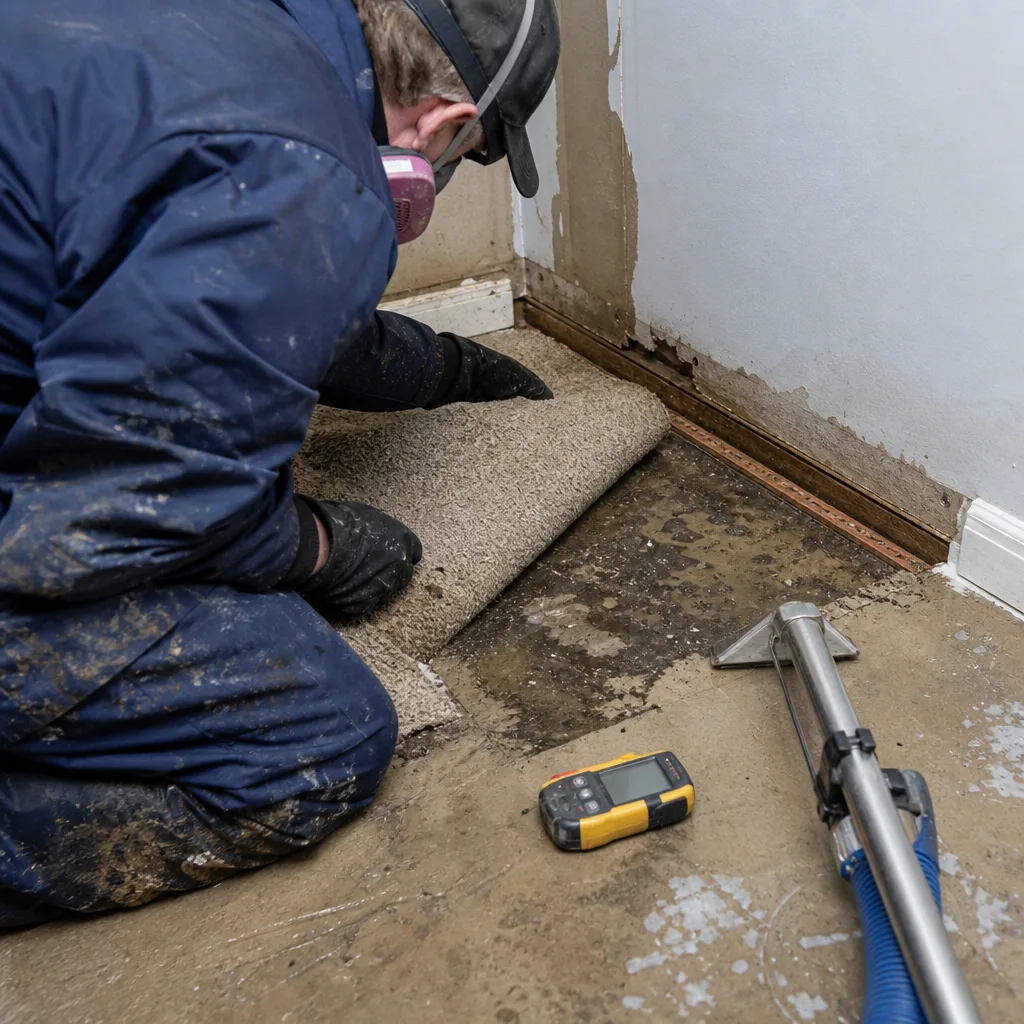
Our crews respond throughout the metro area, including Water Damage Restoration in Seattle and neighboring communities: Bellevue, Mercer Island, Renton, and Manchester. Dispatch and scheduling are coordinated from our Seattle office. Same documentation standards, same written pricing, same 365-Day Done Right Promise apply in every city we serve.
Serving Seattle, WA - Our Local Coverage Area
We’re based in the Seattle area and know this community well. Use the map below to see our service coverage - if you’re nearby, we can almost certainly help.
FAQs - Water Damage Restoration in Seattle
Marine salt-air exposure combined with 150-plus days of annual drizzle corrodes galvanized coatings and standard steel hardware years faster than in drier, inland climates. In Ballard, we responded to a Craftsman bungalow where the garage-door torsion spring had snapped, sending the door off-track; salt-air corrosion had eaten through the galvanized coating, and the opener chain was frozen with rust. We extracted standing water from the garage slab, set up containment, and applied antimicrobial treatment to the corroded tracks, then replaced the spring with a coated, corrosion-resistant unit and swapped in stainless hinges and nylon rollers. The homeowner also asked about our Fire & Smoke Damage Restoration - Seattle services after seeing our full restoration capabilities. The homeowner avoided a full door replacement, and we documented the pre-loss condition with moisture readings and drying logs. Call (253) 322-4873 if you’re seeing similar corrosion - we handle both water damage and hardware replacement in one visit.
Extracting water without addressing the impermeable glacial hardpan clay beneath, which has essentially zero percolation and guarantees lateral groundwater re-saturation through the cold season. Any scope that doesn’t include perimeter drain tile and a sealed vapor barrier almost guarantees a callback by February. We see this repeatedly: a crew pumps the standing water, places air movers for 72 hours, declares the job dry, and the homeowner calls us in March with new mold growth. Our scopes include hydrostatic pressure assessment and permanent drainage solutions priced separately in writing.
In Seattle’s persistently high indoor relative humidity, Stachybotrys and Chaetomium colonies can establish within 48-72 hours of a moisture event - faster than the 5-7 day timeline typical in drier climates. The city’s large stock of 1985-2000 condos with known building-envelope vulnerabilities is especially susceptible because moisture often hides behind intact-looking cladding for weeks before visible damage appears. If you suspect a leak, same-day extraction and moisture mapping are critical. Call (253) 322-4873 for emergency response.
Yes. We extract standing water, set up containment and drying, assess hardware corrosion, and replace failed components with marine-grade alternatives - coated springs, stainless hinges, nylon rollers - all documented in the same photo record and drying log. This prevents the callbacks we see when water crews and garage-door companies work separately and neither addresses the full loss condition. One written price covers the restoration scope; hardware replacement is line-itemed separately so you see exactly what you’re paying for.
Category 3 water, commonly called black water, contains pathogenic agents from sewage, ground surface water, or seawater intrusion and requires specialized PPE, antimicrobial treatment, and controlled disposal under IICRC S500 standards. In Seattle, we see Category 3 events most often from backed-up sewer lines in older hillside neighborhoods with combined storm-sewer systems, and from groundwater intrusion during saturated-soil episodes. The cost runs $800-$1,500 above standard extraction due to containment, decontamination, and disposal protocols. All Category 3 work is photo-documented for adjuster review and health department compliance if required. Call (253) 322-4873 for immediate assessment; do not attempt cleanup yourself.
Written by Alicia Brennan, Owner at Back to Dry Restoration, serving Seattle since 2011.