
Free visual inspection and a written scope of work before any mitigation begins - photos, moisture readings, and drying logs go in your claim file
The scope we write is the scope we bill. Anything new gets shown to you, in writing, before we touch it.
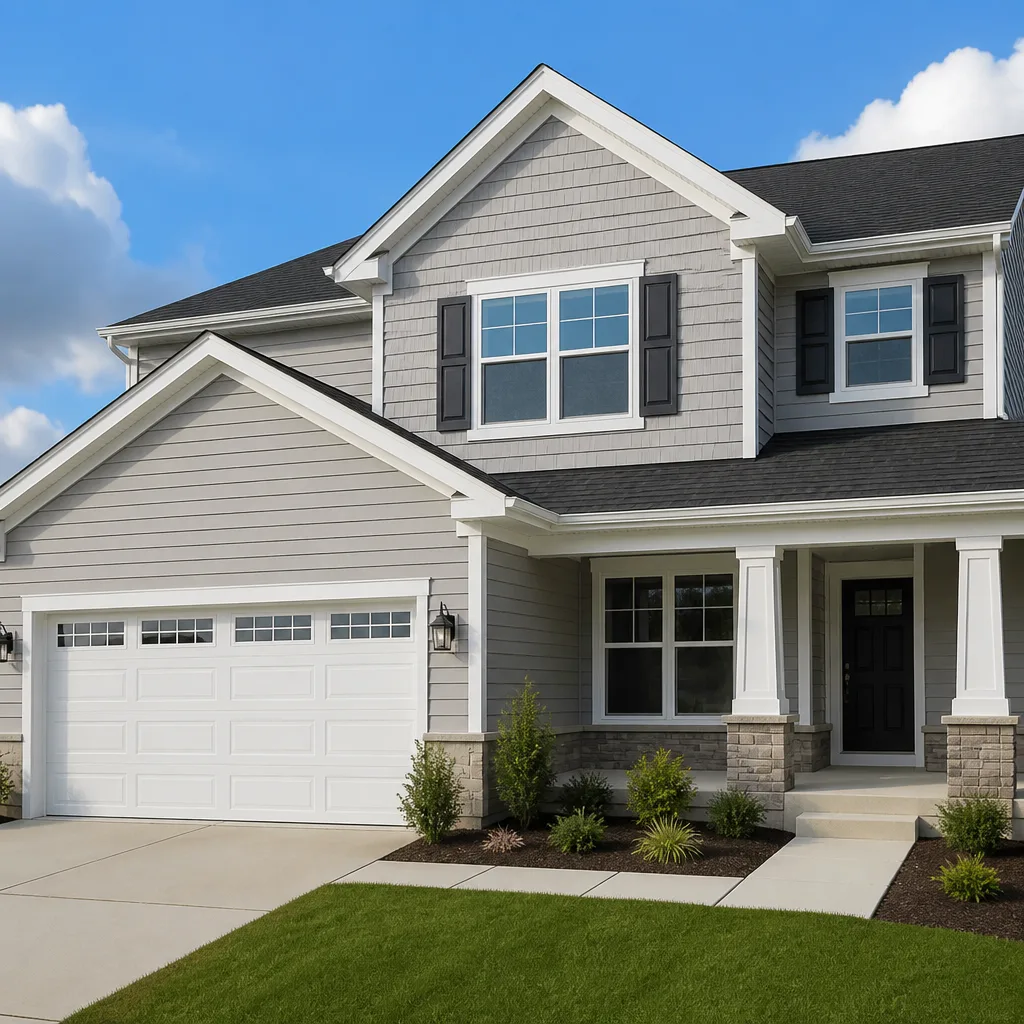
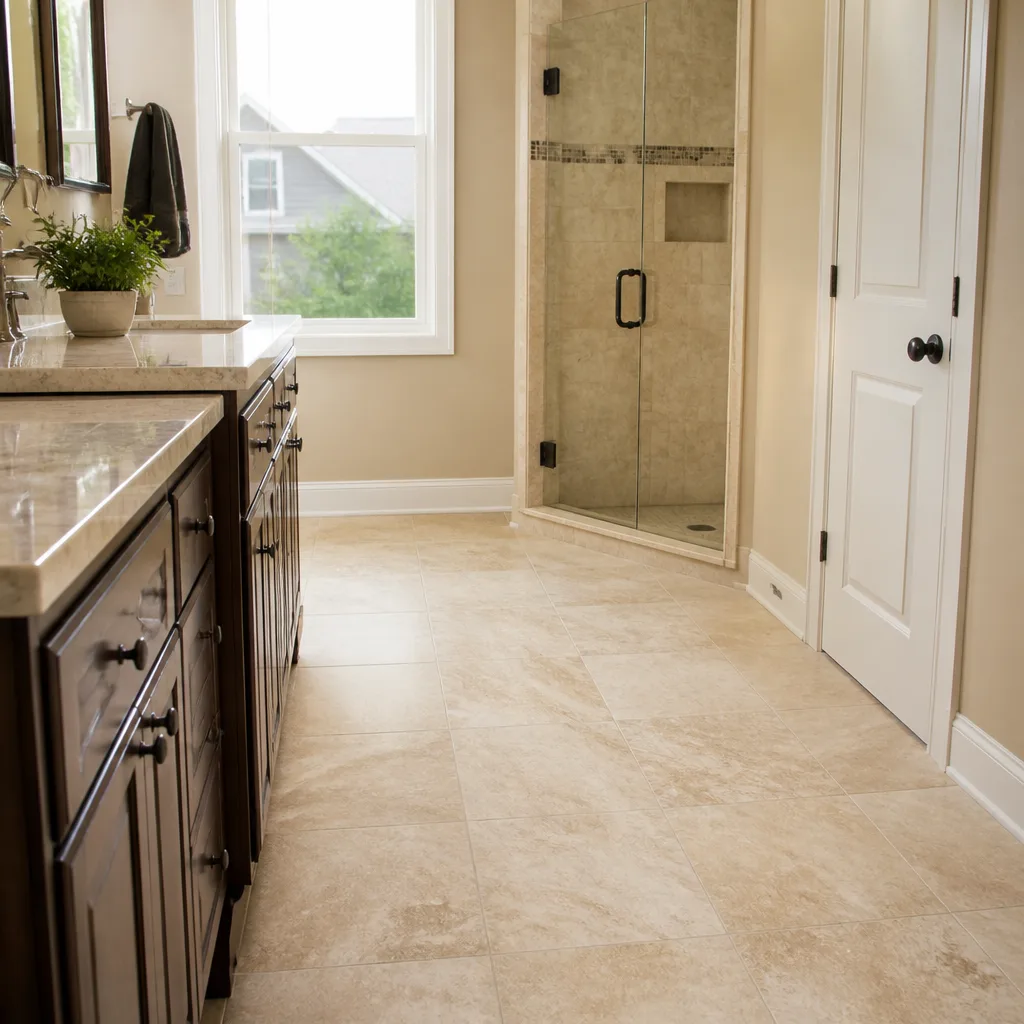
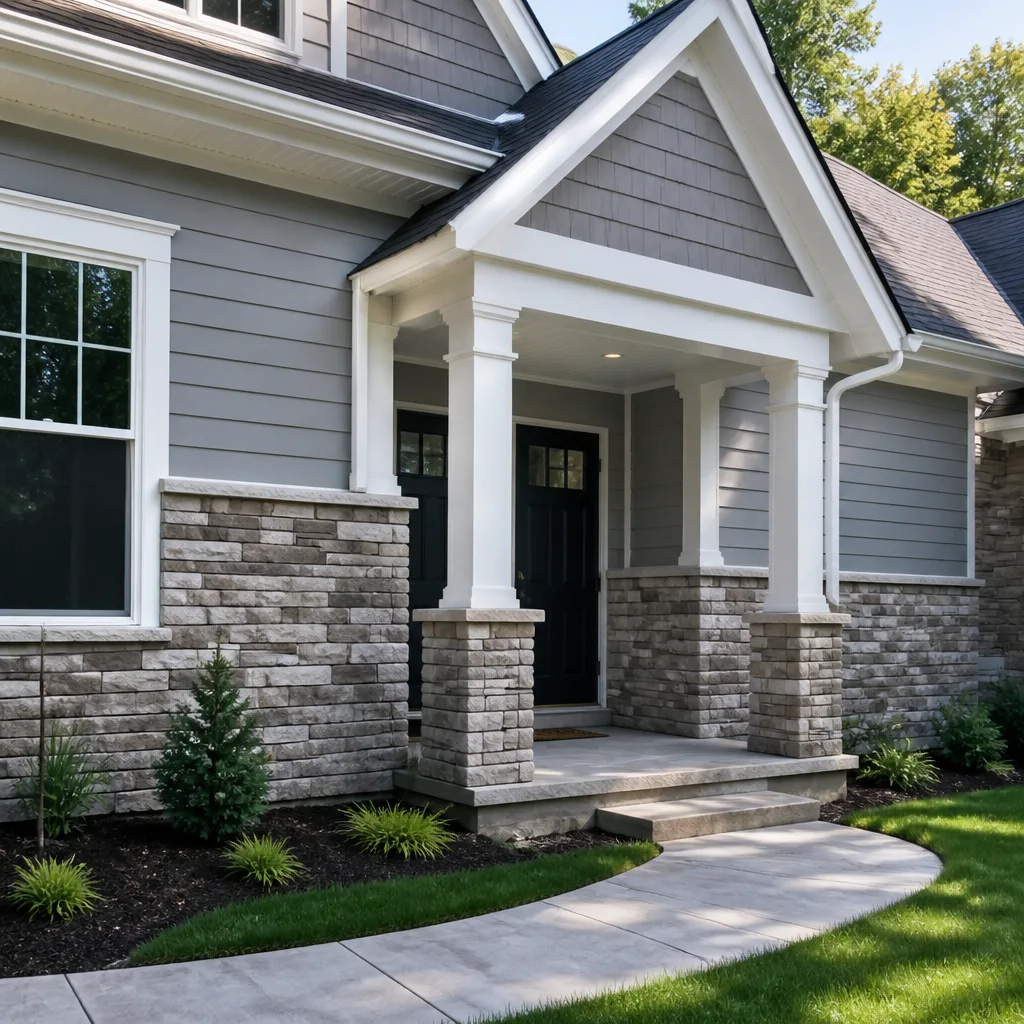
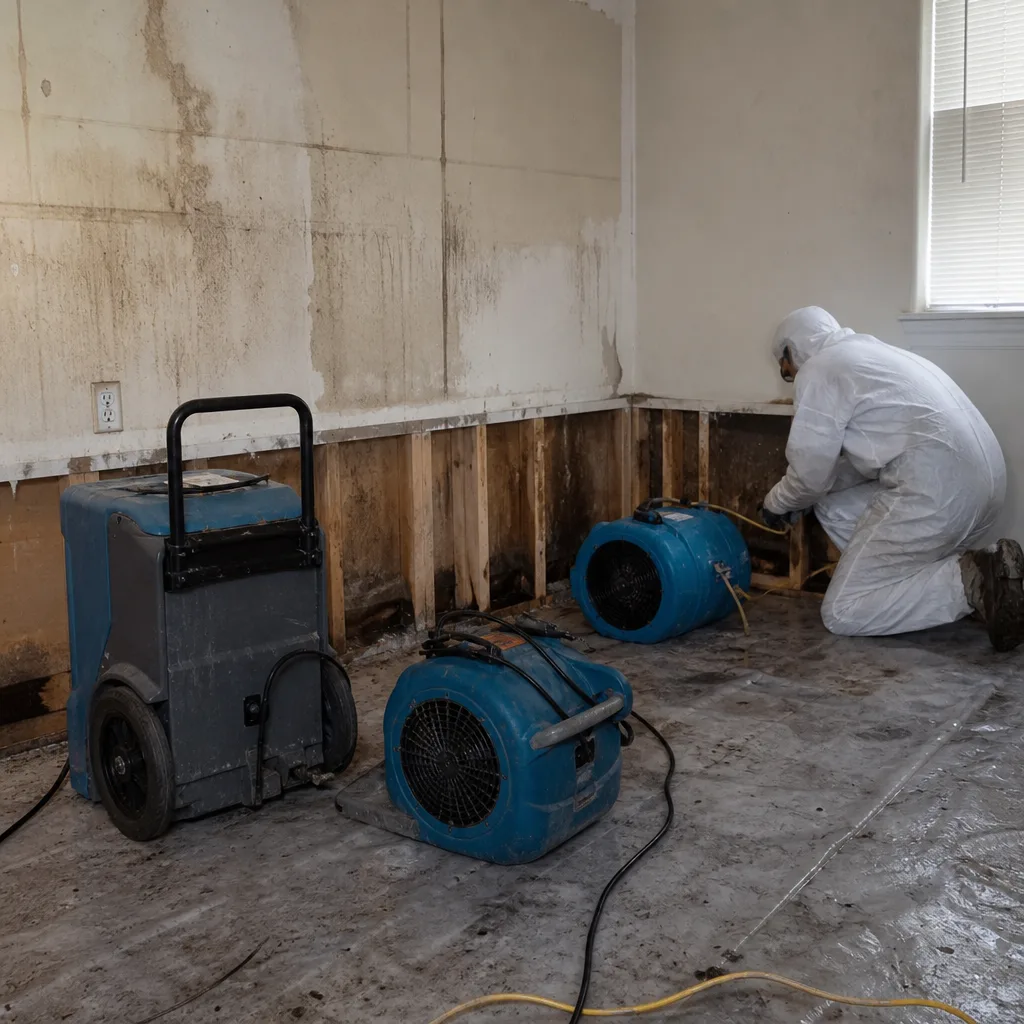 Before
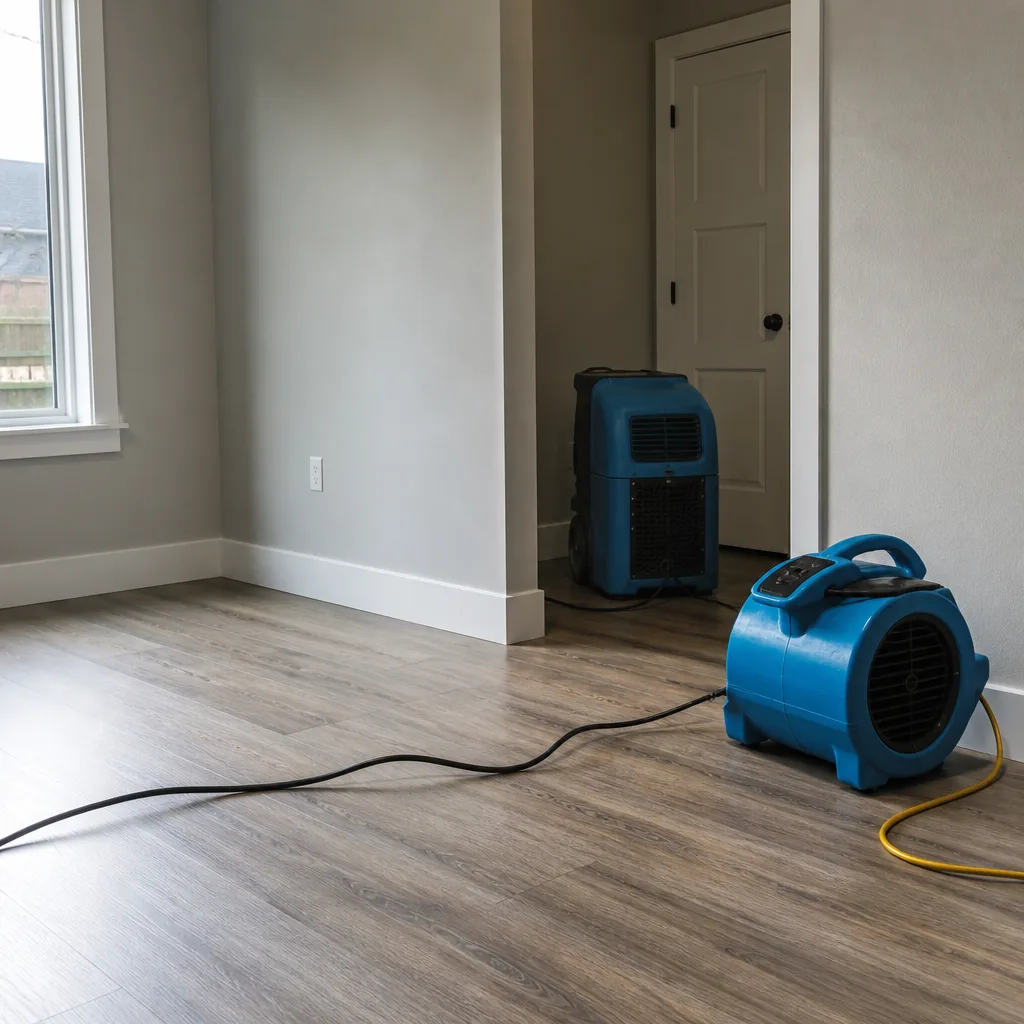 After
After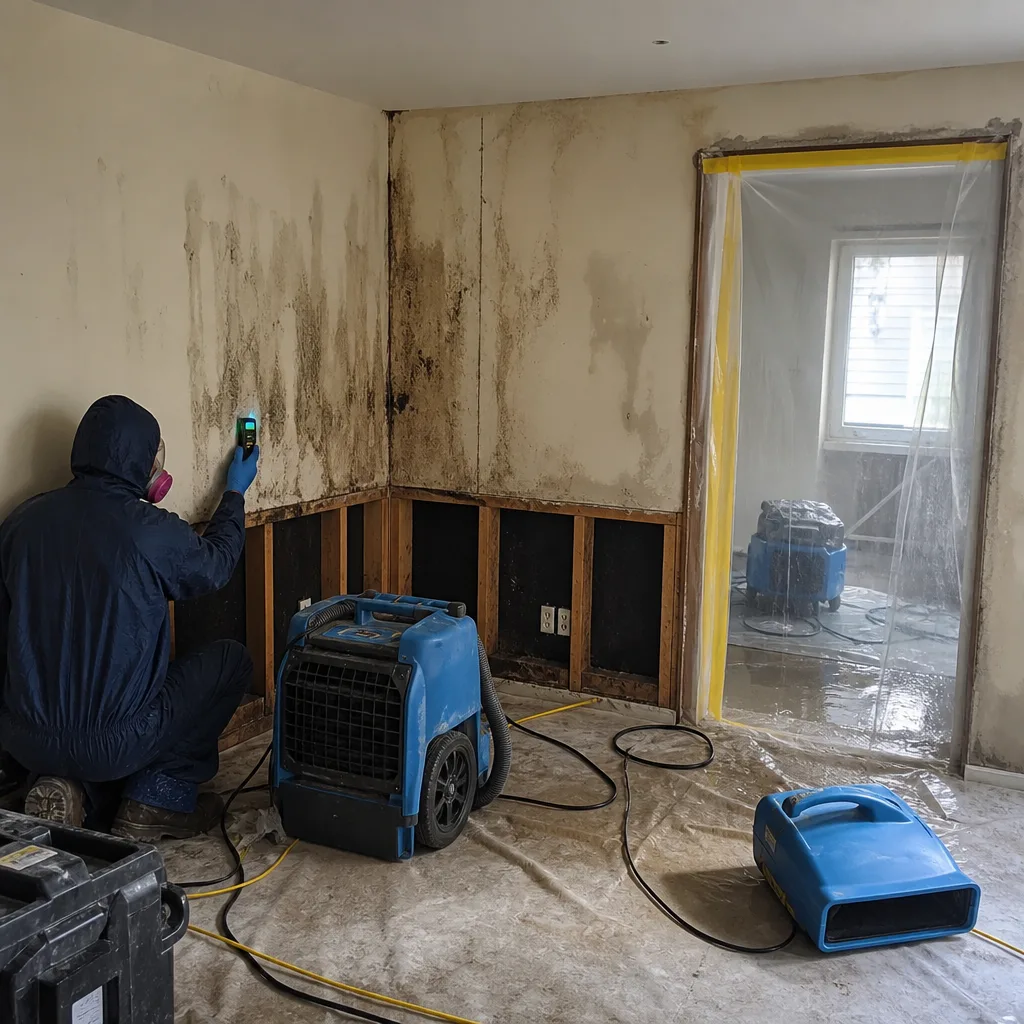 Before
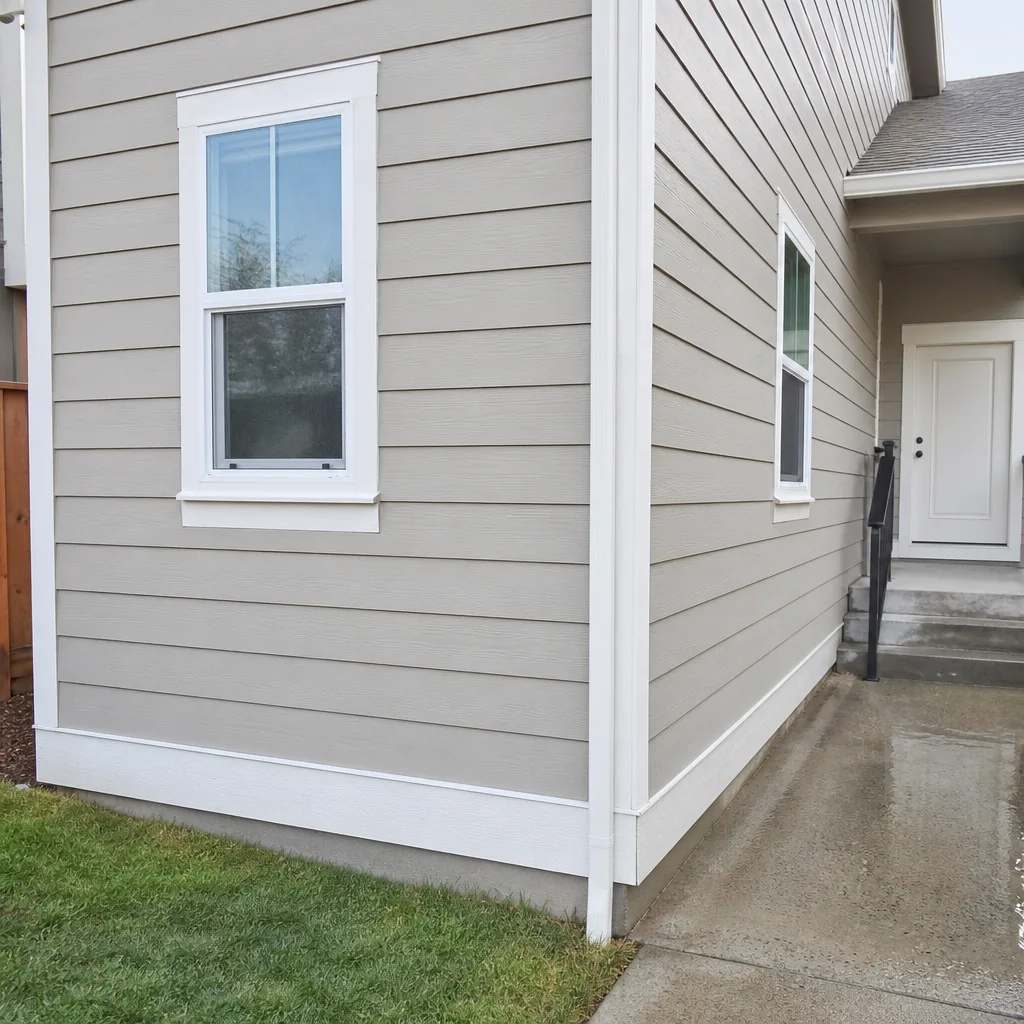 After
After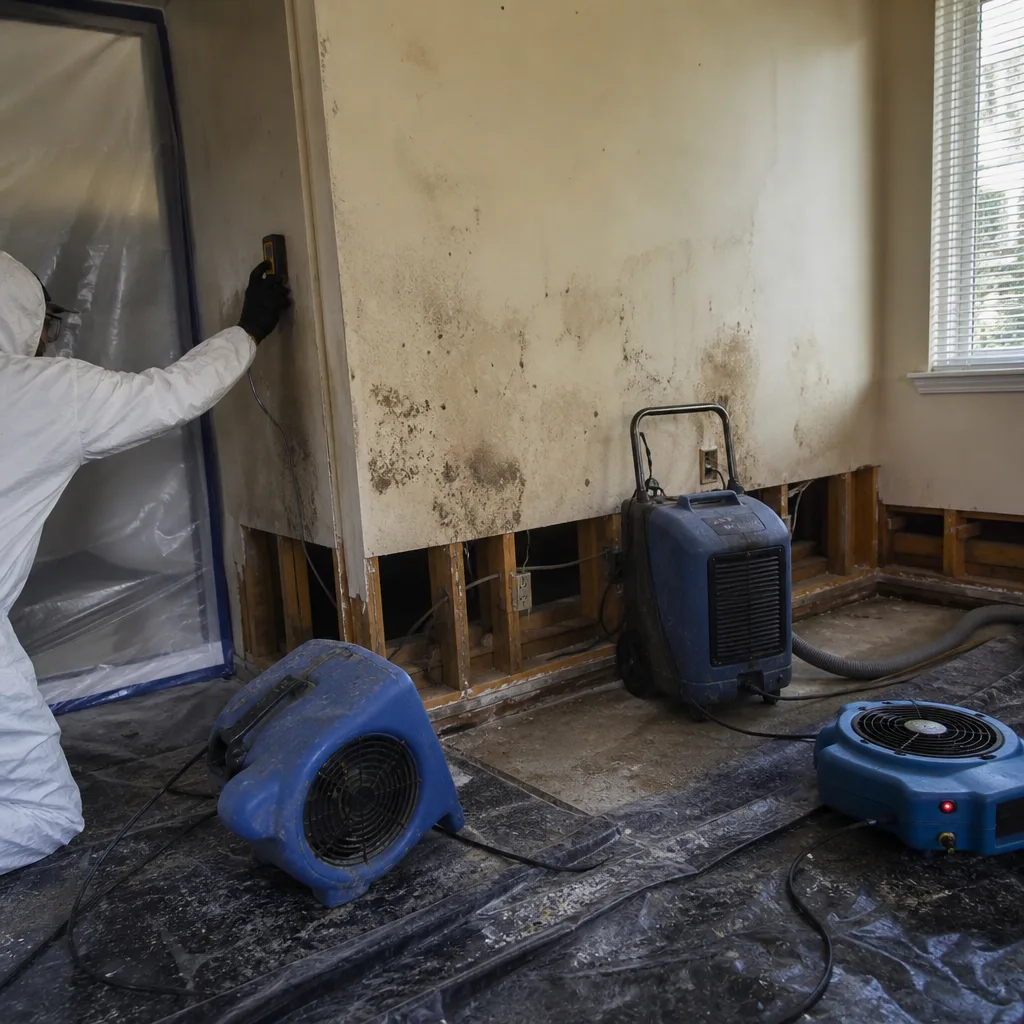 Before
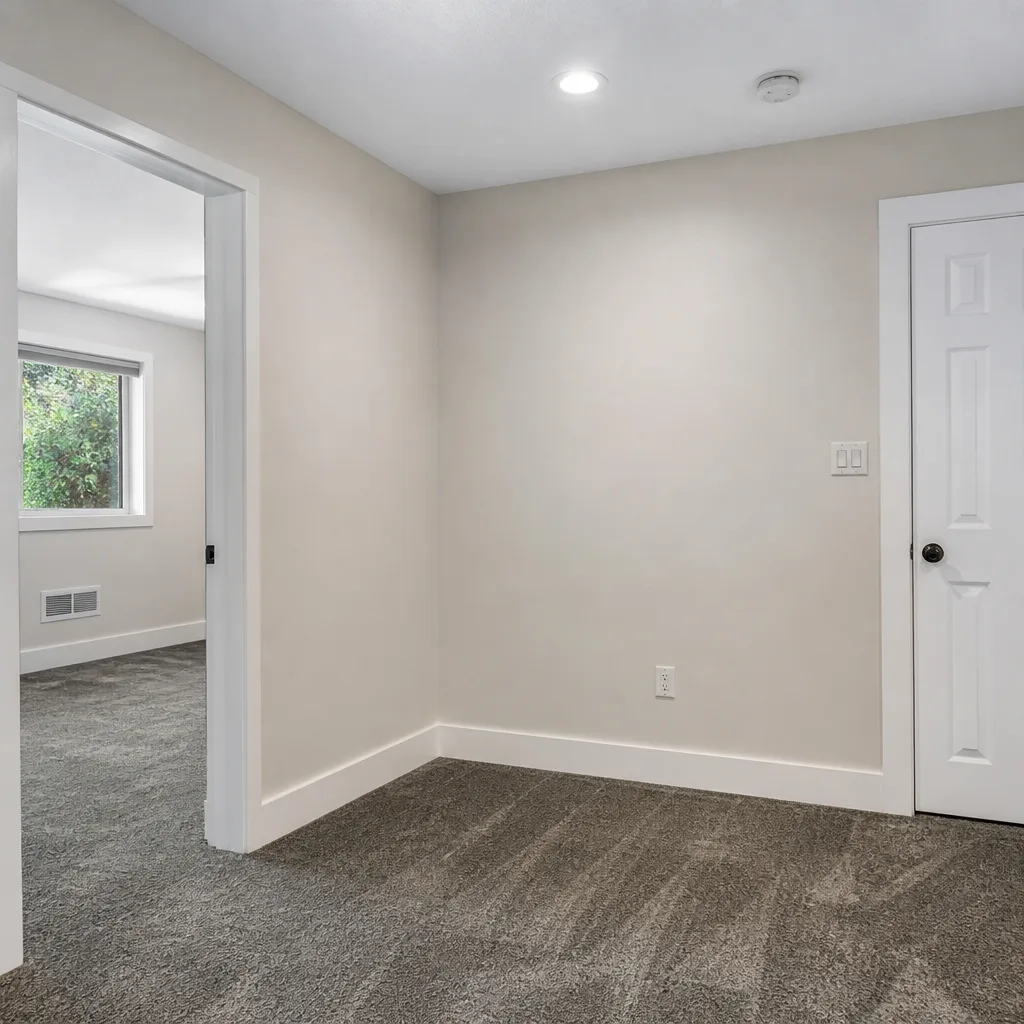 After
AfterFast, Reliable Mold Remediation Across Sumner
Mold remediation in Sumner typically costs between $1,800 and $6,500 depending on affected square footage, with most contained crawl-space or wall-cavity jobs falling in the $2,400-$4,200 range. We dispatch crews to Sumner from our Seattle office, and our Mold Remediation team carries the documentation tools that turn valley-floor mold jobs into payable claims. Call (253) 322-4873 - a live person answers, 24 hours a day, 7 days a week, no voicemail.
Sumner’s position on the Puyallup River Valley floor creates mold conditions that upland neighbors simply don’t face at the same frequency. The valley channels Pacific moisture inland while snowmelt from Mount Rainier’s glaciers spikes groundwater every late winter and spring. Homes near the river corridor, especially the older stock near downtown, cycle through repeated humidity stress that keeps crawl spaces and rim joists perpetually damp. We’ve treated properties on Alder Street, on Main Street’s historic corridor, and in the 1970s tract developments off Valley Avenue - each with different housing eras, different moisture pathways, and different documentation requirements when FEMA floodplain status is involved.
Why DryMark Restoration Federal Way Is Sumner’s Preferred Mold Remediation Company
We’ve restored more than 12,000 homes since 2011, every one with a written price before work started and a documented photo record when the crew left. In Sumner specifically, our reputation as the trusted Sumner Water Damage Restoration team rests on paperwork fluency that competitors often skip: elevation certificates for SFHA-designated properties, drying logs that satisfy FEMA documentation requirements, and moisture readings recorded to IICRC standards.
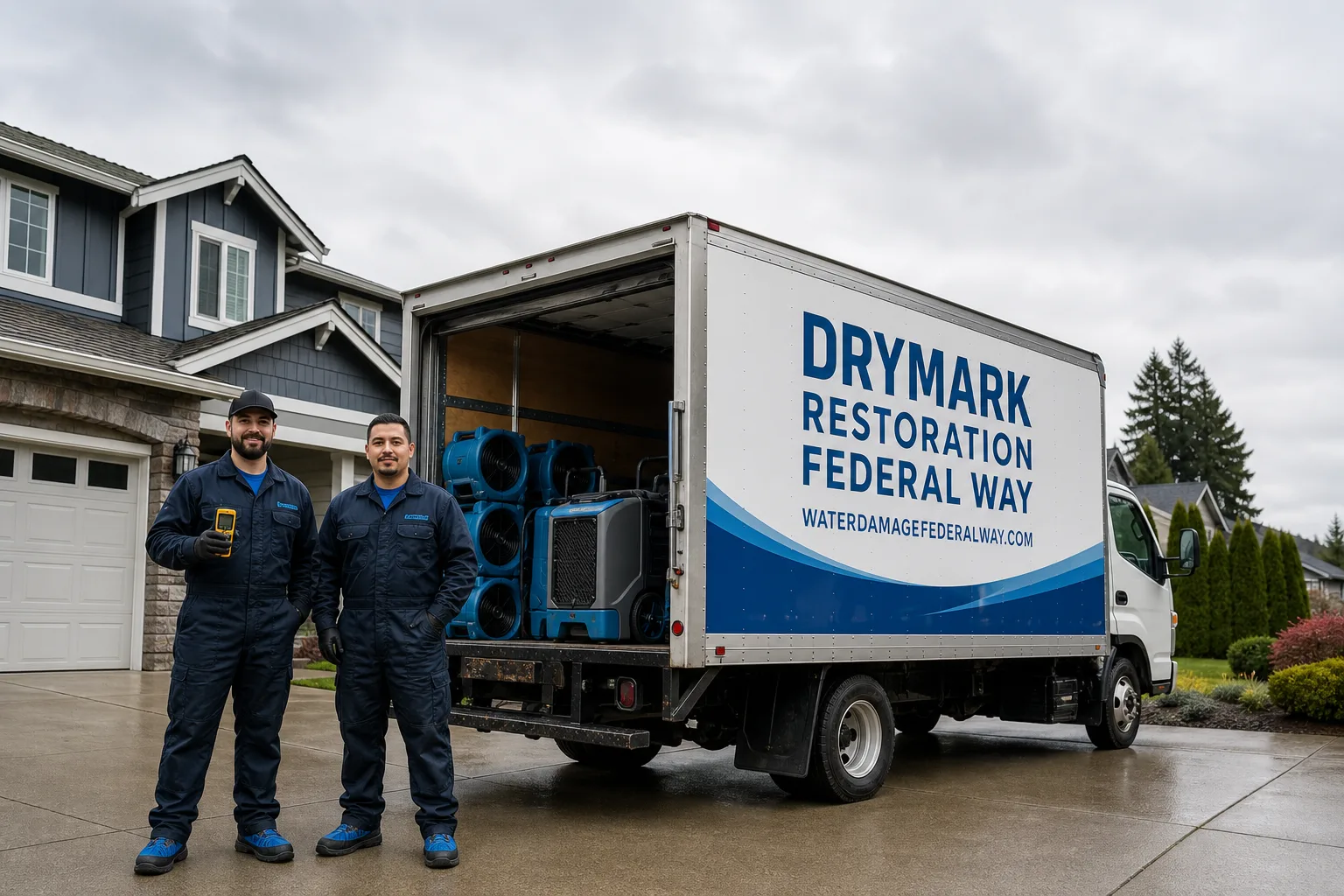
Our response time to Sumner runs same-day for active mold emergencies with visible colonization or musty odor reports. Crews arrive with Dri-Eaz moisture meters, Phoenix dehumidification units, and containment materials already loaded - no return trips for equipment while humidity keeps climbing in your wall cavity.
Reviews from Sumner customers consistently cite two things: the written scope they received before anyone touched a wall, and the photo documentation that made their insurance adjuster’s job straightforward. Haven Standard, Clause 1: written price before work begins. Always. No exceptions.
We know the local conditions. The valley’s wet microclimate, the legacy crawl spaces without vapor barriers, the wind-driven rain that finds every gap in an aging exterior door on a historic Craftsman. This isn’t generic mold knowledge applied to a zip code. It’s field experience in the specific housing stock and hydrology of the Puyallup River corridor.
Our Mold Remediation Services in Sumner
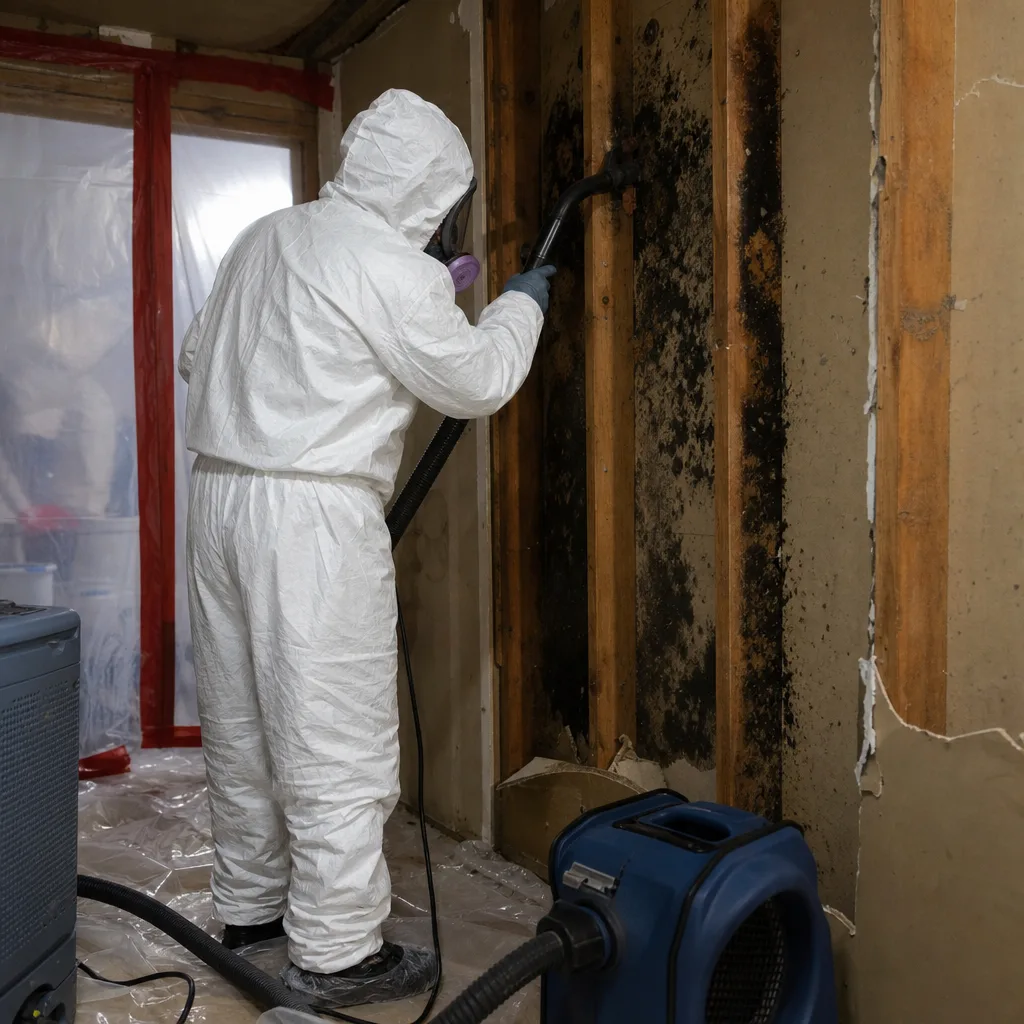
Mold Inspection & Testing
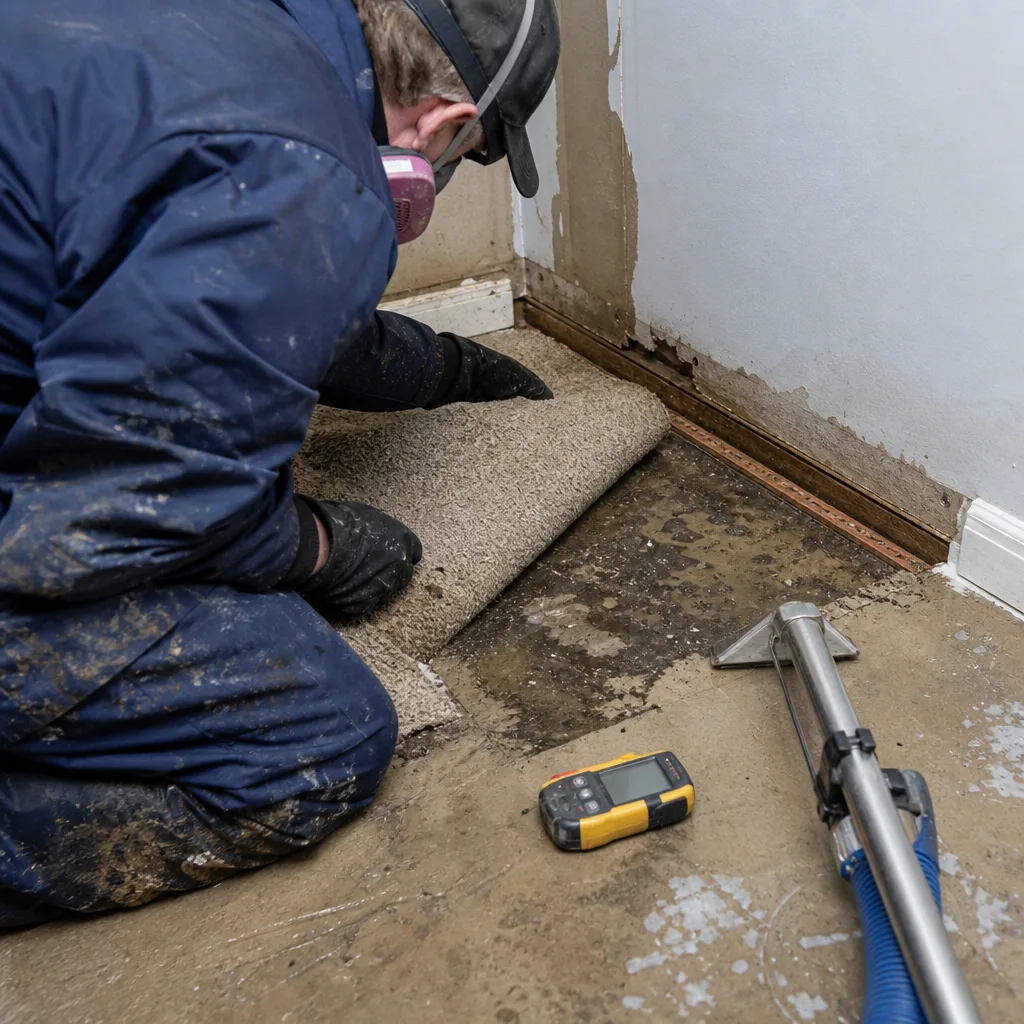
Every Sumner job starts with moisture mapping and air sampling, not a visual guess. We use Dri-Eaz moisture detection tools to trace vapor pressure differentials - the measurable force that pushes moisture from wet materials into drier air - through wall cavities, rim joists, and crawl spaces. In Sumner’s older downtown homes, we regularly find that the visible mold spot on a ceiling is actually the exit point for a moisture pathway that started in an unsealed crawl space or a failing door frame weeks earlier. Our inspection report includes affected square footage, material classification by trade name, moisture content readings in percentage, and a written scope with line-item pricing before any containment begins.
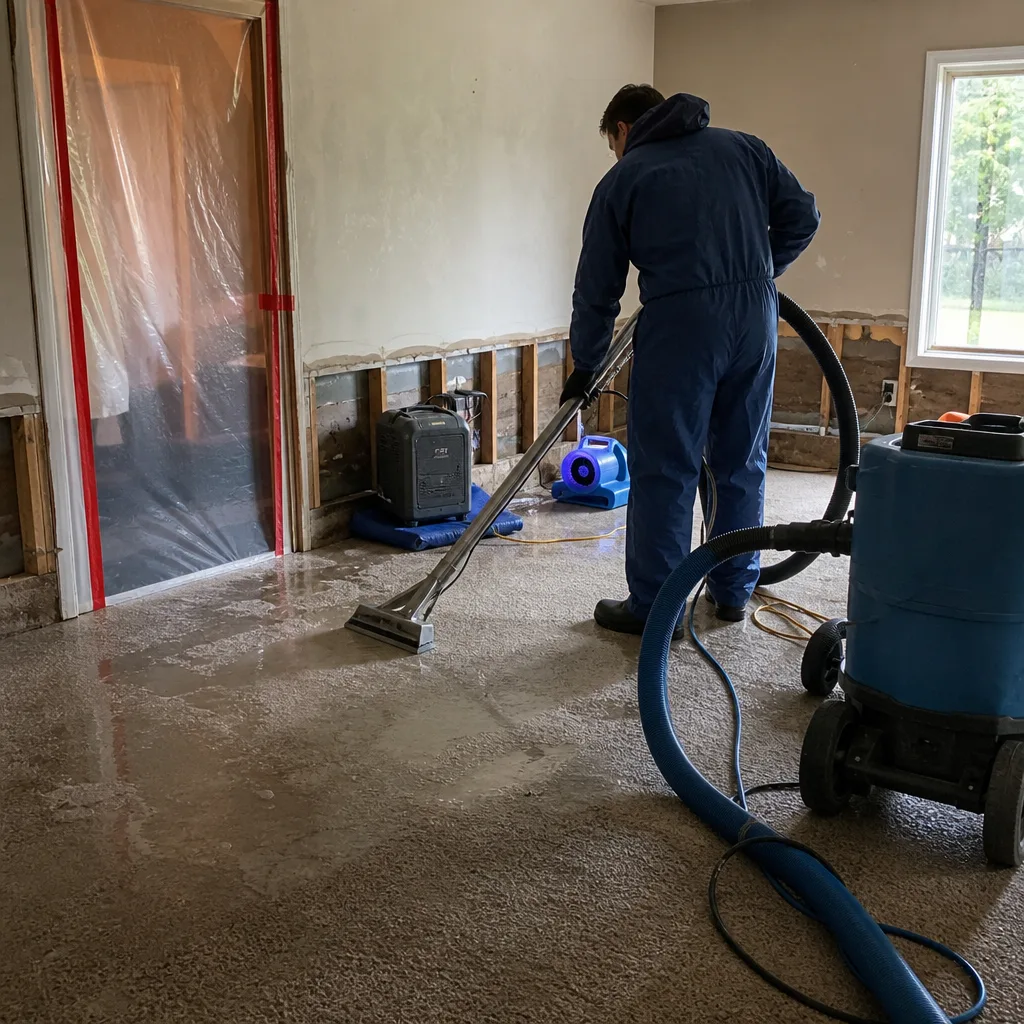
Mold Removal
Containment is erected with 6-mil polyethylene and negative air pressure before any disturbed material leaves the work zone. In Sumner’s SFHA-designated properties, we photograph every stage for the flood-loss documentation that FEMA and private insurers require. Removal follows IICRC S520 standards for professional mold remediation - no bleach sprays, no surface-only treatment, no shortcuts that leave viable hyphae in the substrate. We remove the mold. Then we remove the moisture source that grew it. One without the other is a temporary fix in this valley.
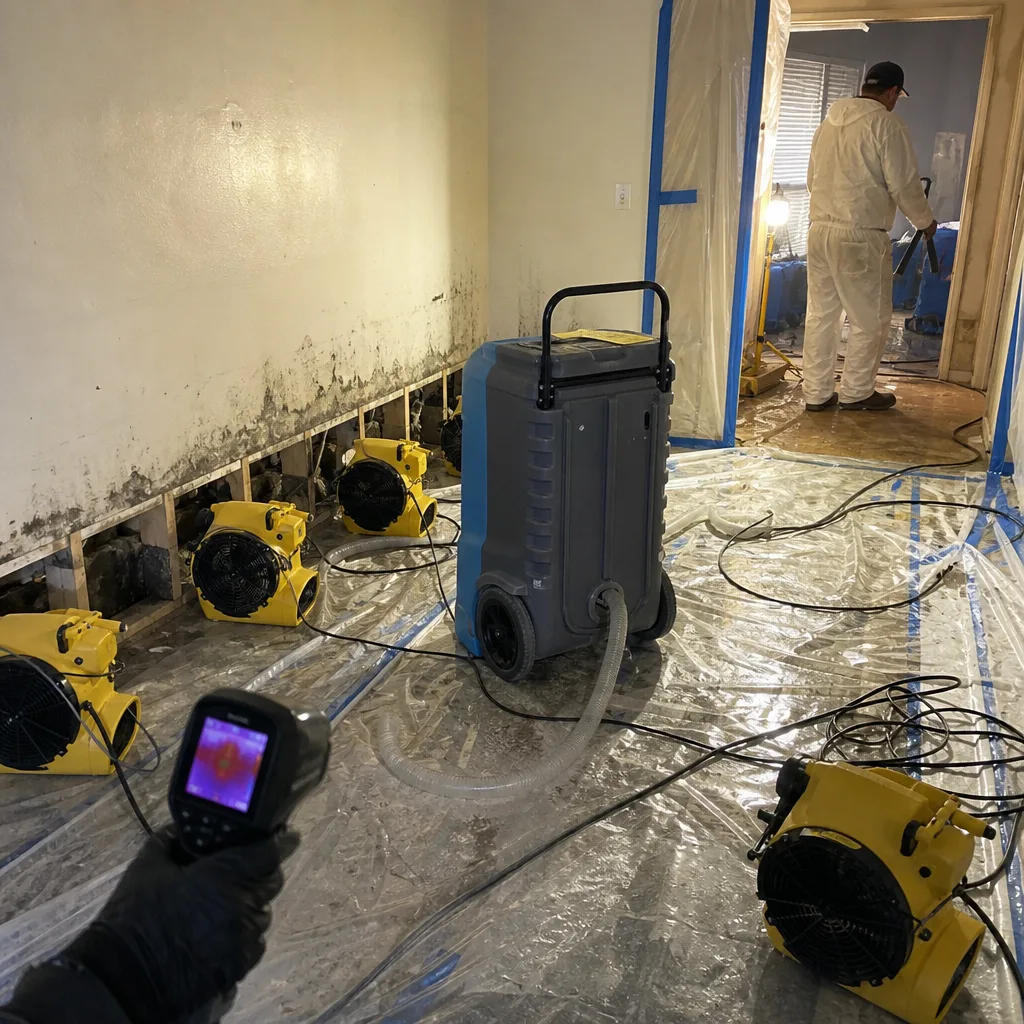
Black Mold Remediation
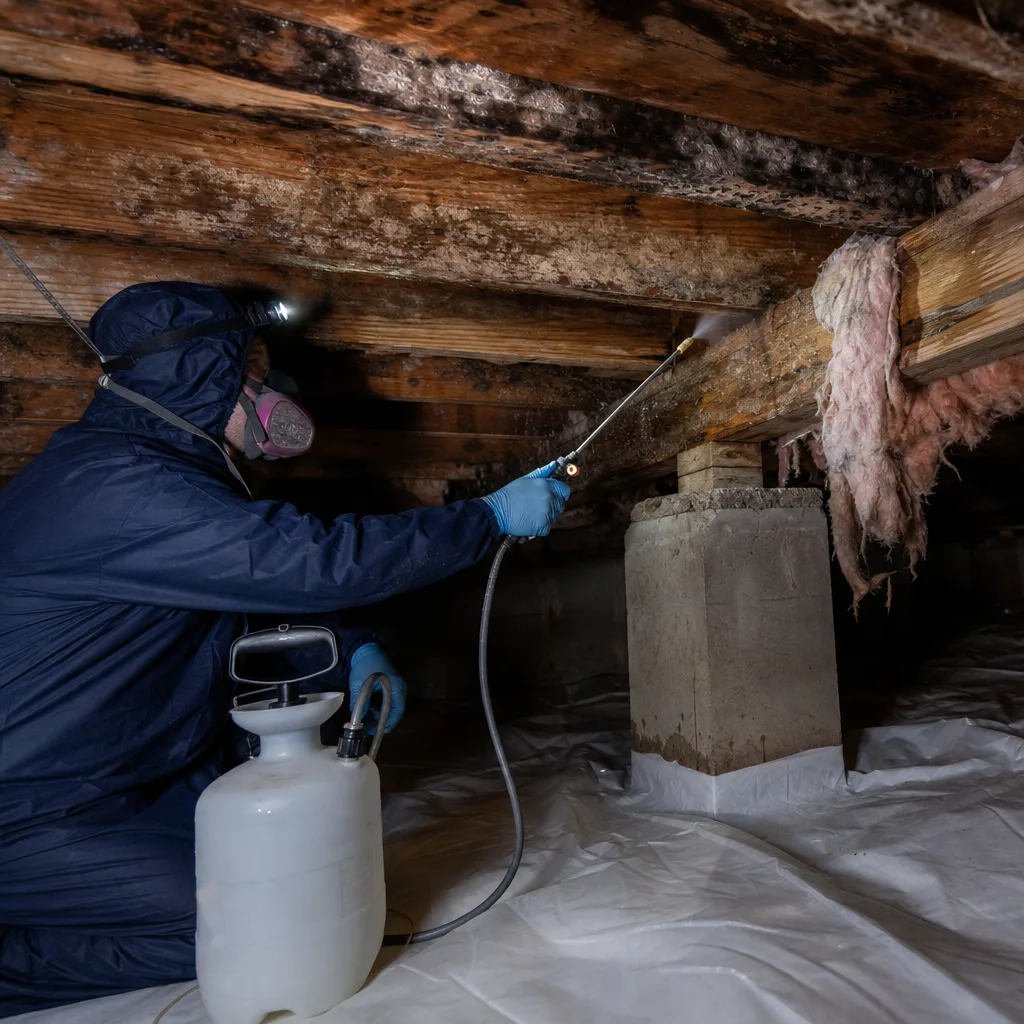
Stachybotrys chartarum and other toxigenic species require the same containment rigor as any mold job, with additional attention to HVAC isolation and personal protective protocols. In Sumner, we most often encounter heavy black mold colonization in crawl spaces with chronic groundwater intrusion - the valley floor’s high water table keeps these spaces humid year-round, and without vapor barriers or mechanical dehumidification, cellulose materials in wood framing become permanent food sources. Our crews are licensed, insured, and background-checked; the license number is available on request. Every black mold job includes antimicrobial treatment, HEPA air scrubbing, and post-remediation verification sampling.
Air Quality Restoration
After physical removal, we restore breathable air through HEPA filtration, negative air machines, and controlled ventilation with Phoenix dehumidification. The goal is not just odor elimination but particulate reduction to pre-loss levels, verified with air sampling. In Sumner’s tight, older homes with limited natural ventilation - common in the 1890s-1920s stock near the historic core - this phase is critical. Residents with respiratory sensitivity need documented proof that spore counts returned to baseline, not just our word.
Crawl Space Treatment
This is where Sumner’s geography hurts most. The Puyallup Valley’s high groundwater and the river corridor’s periodic inundation events keep crawl spaces humid even when the weather above seems dry. We treat the mold, install or repair vapor barriers, and recommend mechanical dehumidification where the moisture load exceeds what passive barriers can manage. Without humidity control, remediation is a revolving door. We’ve learned this on repeated callbacks in valley-floor homes where the previous contractor treated visible mold but never addressed the groundwater vapor driving it.
Moisture & Humidity Control
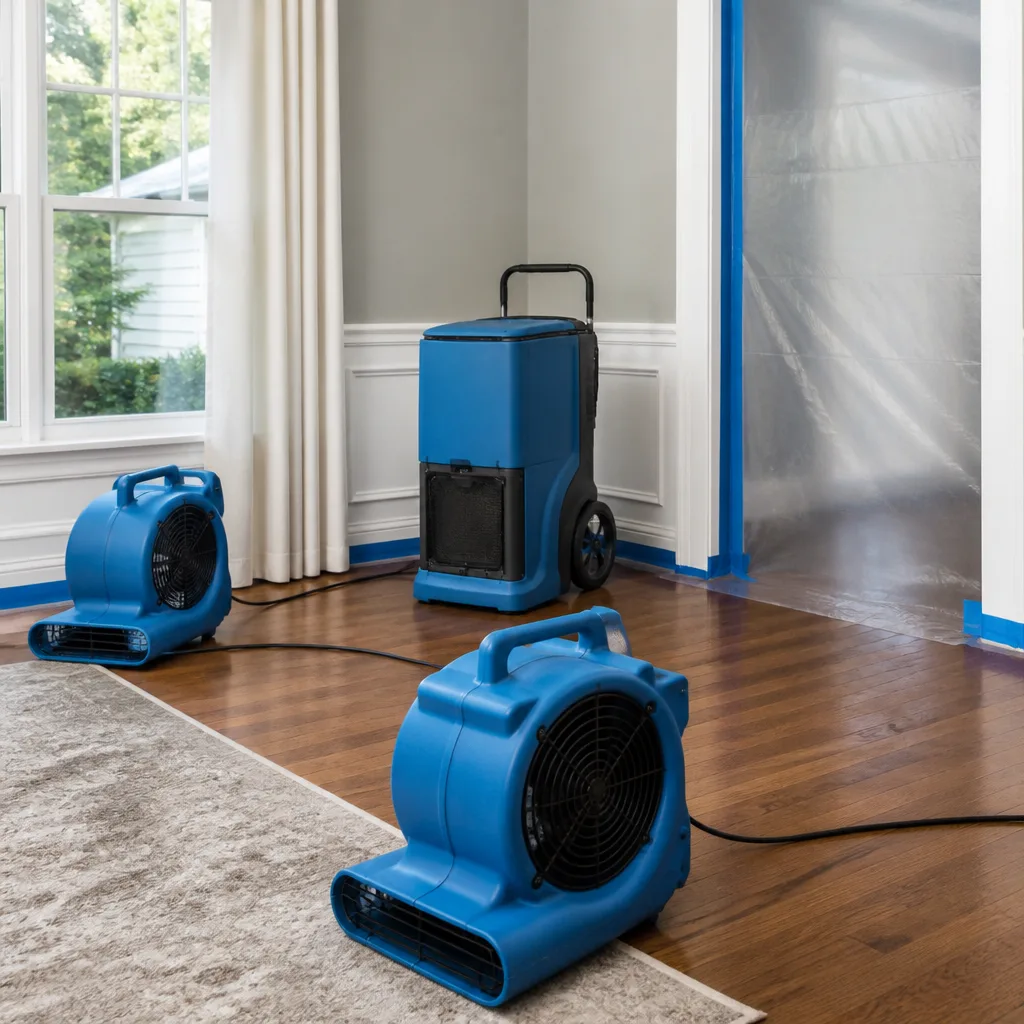
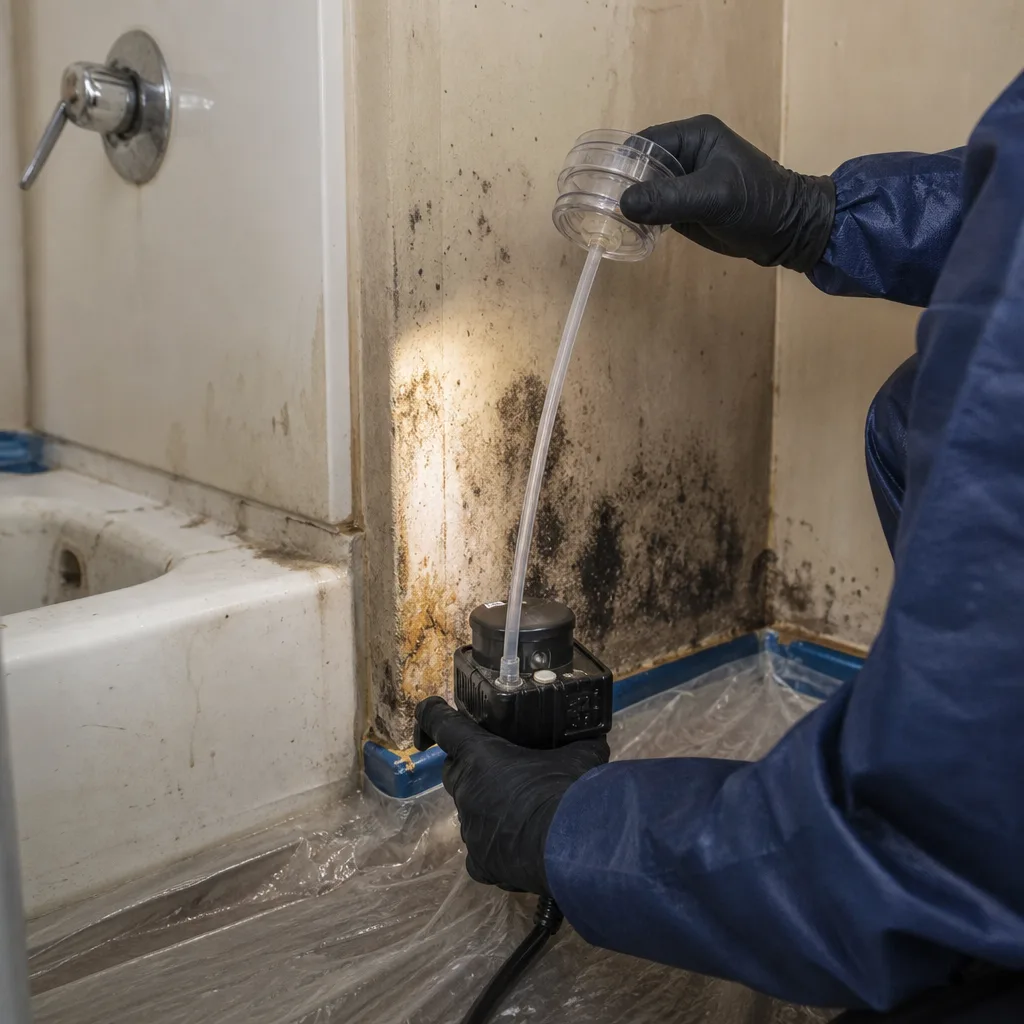
Our drying systems - Phoenix dehumidifiers, XPOWER air movers, and Injectidry cavity-drying equipment - produce daily psychrometric data: temperature, relative humidity, and vapor pressure readings that document the drying progress. This is the evidence that turns a restoration invoice into a claim an insurer pays without dispute. In Sumner, where flood-loss documentation requirements are stricter than in upland cities, these daily logs are not optional. They’re the difference between a closed claim and a six-month adjuster fight.
What happens when you call
- 1
A real person answersNo phone trees - you reach a local pro.
- 2
You get an upfront price rangeHonest numbers before anyone is dispatched.
- 3
A background-checked tech heads outLicensed & insured, dispatched right away.
- 4
You approve before work beginsNothing starts until you say go.
 Before
 After
AfterTrusted Brands We Service in Sumner
We deploy professional-grade drying systems from Dri-Eaz, Phoenix, and XPOWER on every Sumner job, with Injectidry equipment for cavity drying when wall assemblies are involved. These aren’t marketing names - they’re the machines that produce the documented moisture readings your adjuster needs. We stock local parts and maintain our fleet in-house, so equipment failures don’t delay your drying schedule. In a valley where humidity reloads the moment dehumidification stops, that reliability matters.
Common Mold Remediation Problems We See in Sumner Homes
- Crews treat visible mold without stopping the moisture source. On valley-floor homes, chronic high groundwater means the humidity never quits. Remediation without vapor barriers or dehumidification just relocates the problem to the next damp corner.
- Older downtown Sumner homes have unsealed crawl spaces with no vapor barrier. Category 2 water from a wind-driven door leak wicks into wood framing and gets misclassified as a quick dry-out instead of a full containment and antimicrobial job. The mold returns in 60-90 days.
- Remediators skip the drying logs and elevation-certificate documentation. Because Sumner is a mapped lahar corridor with SFHA-designated properties, FEMA and insurers need specific flood-loss paperwork. Without it, the claim stalls after the work is done and the homeowner is left holding the invoice.
- Wind-rated door failures go unaddressed before storm systems arrive. A failing exterior door on a historic Craftsman lets rain track along the frame into wall cavities for months before anyone notices musty odor. By then, the rim joist and crawl space are both colonized.
Pricing for Mold Remediation in Sumner, WA
| Service | Typical Range in Sumner |
|---|---|
| Mold inspection & moisture mapping | $350-$650 |
| Contained crawl space remediation (up to 500 sq ft) | $2,400-$3,800 |
| Wall cavity / interior room remediation | $1,800-$4,500 |
| Whole-house air quality restoration | $3,200-$6,500 |
| Black mold / toxigenic species protocol | $2,800-$5,200 |
| Vapor barrier installation (crawl space) | $1,200-$2,800 |
What moves a job up or down in these ranges: affected square footage, whether containment requires HVAC isolation, the presence of SFHA documentation requirements that extend the reporting phase, and whether structural drying is needed beyond surface remediation. Every Sumner job gets a written price before work starts - Haven Standard, Clause 1. No scope-creep additions once the crew is inside. Bring a competitor’s written estimate and we’ll review it free under our Second Opinion policy. Call (253) 322-4873 for your specific quote.
We Also Serve Cities Near Sumner
Our crews work the full Puyallup River corridor, including Mold Remediation in Sumner and surrounding communities: Puyallup to the northwest, Milton to the west, Auburn to the north, and Lakewood to the southwest. Each city has different elevation profiles, different floodplain designations, and different housing stock - we adjust our documentation and drying protocols accordingly. Dispatch and scheduling are coordinated from our Seattle office.
Serving Sumner, WA - Our Local Coverage Area
We’re based in the Sumner area and know this community well. Use the map below to see our service coverage - if you’re nearby, we can almost certainly help.
FAQs - Mold Remediation in Sumner
Sumner’s valley-floor position means higher ambient humidity and more frequent groundwater intrusion, so moisture from a wind-driven door leak doesn’t dry naturally the way it would in Auburn’s drier upland conditions or Bonney Lake’s steeper drainage. The same leak that might evaporate in 48 hours elsewhere can wick into rim joists and crawl spaces for weeks here, colonizing mold in multiple locations before odor alerts the homeowner. Call (253) 322-4873 if you’re tracking moisture from a recent storm - estimates are free.
Mold colonization on cellulose materials begins in 24-48 hours under favorable conditions, and Sumner’s valley humidity is consistently favorable. We’ve documented active growth on drywall and wood framing within 36 hours of a confirmed door leak in downtown historic homes where crawl spaces were already near saturation. Speed matters for the structure. It matters more for the claim documentation. Call (253) 322-4873 - we can deploy same-day for active intrusion.
Yes. Many Sumner properties carry FEMA Special Flood Hazard Area designations, which means mold remediation from water intrusion is often classified as a flood-loss event requiring elevation certificates, specific drying logs, and documented moisture readings that standard residential policies don’t request. We produce this documentation as a standard deliverable, not an upsell. Skipping it stalls the claim after the work is finished. Our crews are trained in SFHA paperwork fluency because it’s essentially mandatory here.
Because the clean-out treated the symptom, not the source. The Puyallup Valley’s high groundwater and the river corridor’s periodic inundation keep crawl space humidity elevated year-round. Without a vapor barrier, mechanical dehumidification, or both, the moisture source never stops feeding new growth. We see this repeatedly in valley-floor homes where previous contractors removed visible mold but left the crawl space bare-earth and unventilated. Our crawl space treatment includes moisture source identification and humidity control recommendations, not just surface remediation.
We took a mold remediation call on a 1900s Craftsman on Alder Street near downtown Sumner where a failing exterior door had let wind-driven rain track along the frame into a wall cavity for months. Moisture mapping with our Dri-Eaz meters traced elevated readings through the rim joist and into a crawl space with no vapor barrier, and after containment and antimicrobial treatment we ran structural drying with Phoenix dehumidification and XPOWER air movers; the moisture readings returned to pre-loss condition and the crawl space got a proper barrier before we closed it up. For pre-storm door failures, we secure the opening, assess intrusion pathways, and document baseline moisture readings so any subsequent claim has a clear before-and-after record. Call (253) 322-4873 - we’ll prioritize securing the envelope before the next system arrives.
Back to Dry Restoration serves Sumner and surrounding communities with mold remediation documented to IICRC, RIA, and IFA standards. Every job includes a written price before work begins, a photo record on every visit, and the 365-Day Done Right Promise backed by The Haven Standard. Free Second Opinion available on any competitor’s written estimate.
Written by Alicia Brennan, Owner at Back to Dry Restoration, serving the Puyallup River corridor since 2011.