
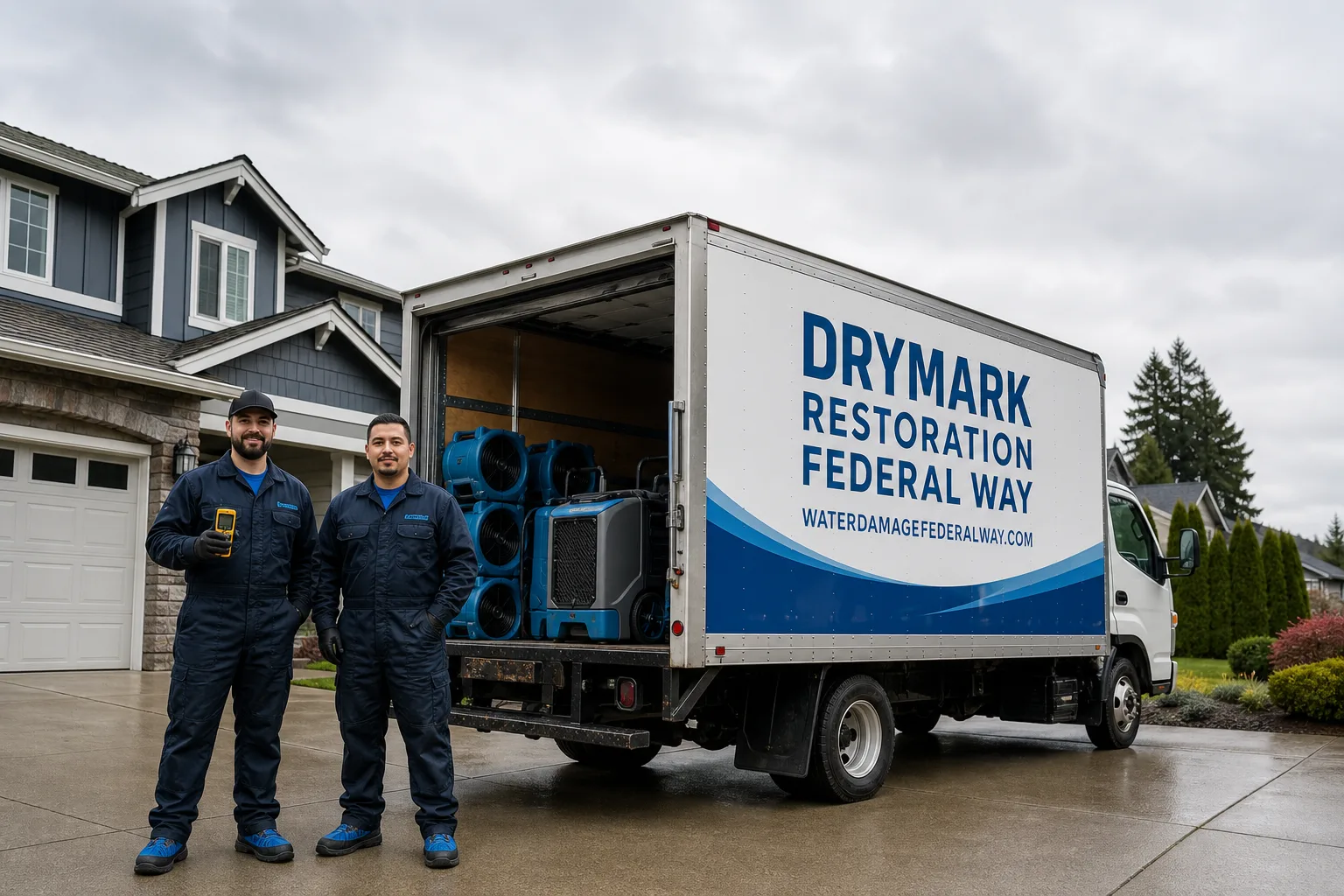
Free visual inspection and a written scope of work before any mitigation begins - photos, moisture readings, and drying logs go in your claim file
The scope we write is the scope we bill. Anything new gets shown to you, in writing, before we touch it.
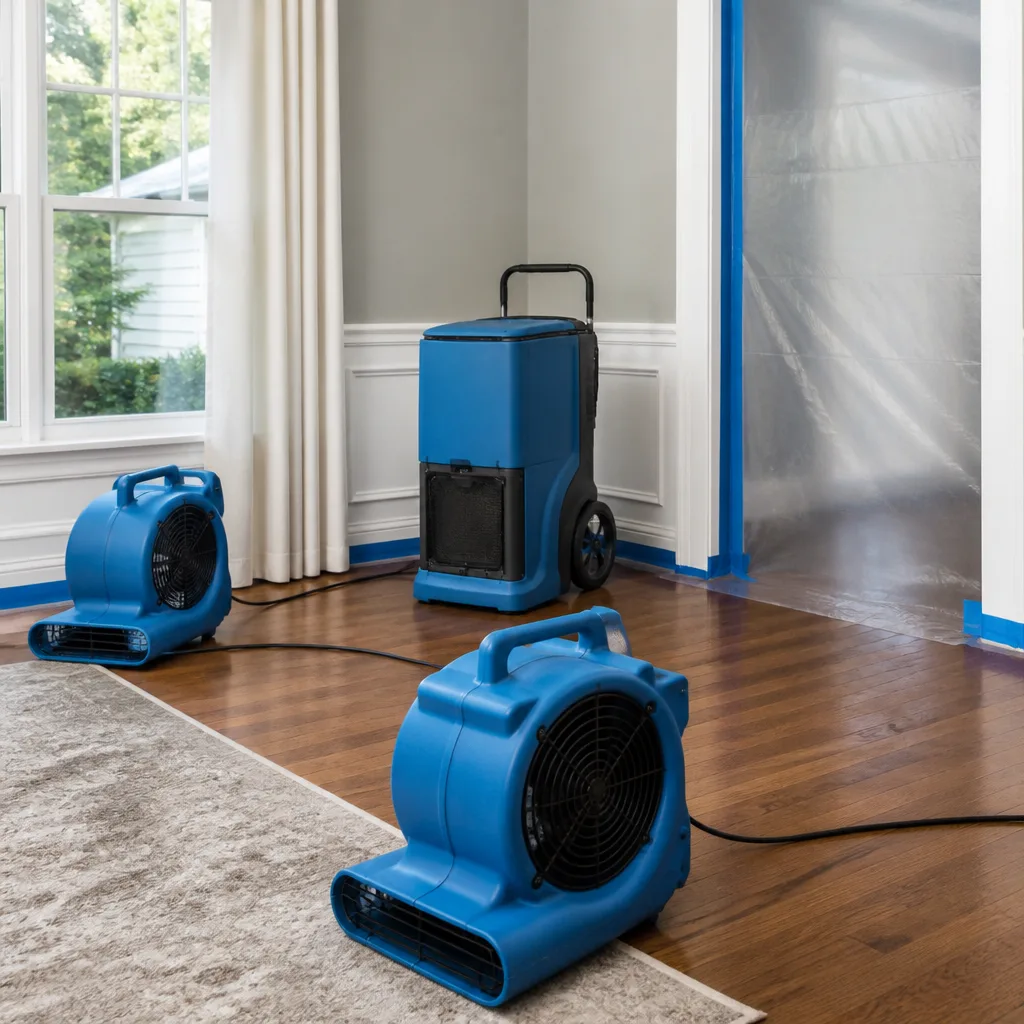
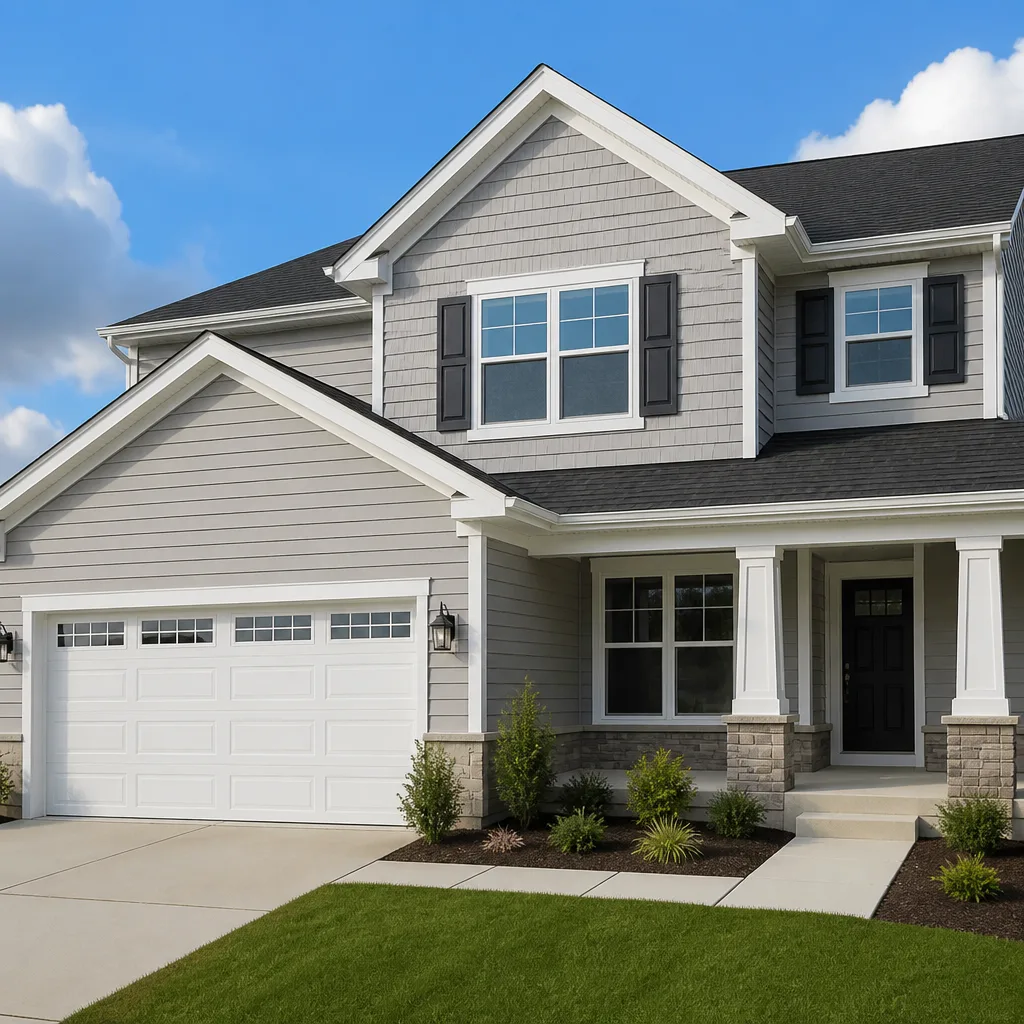
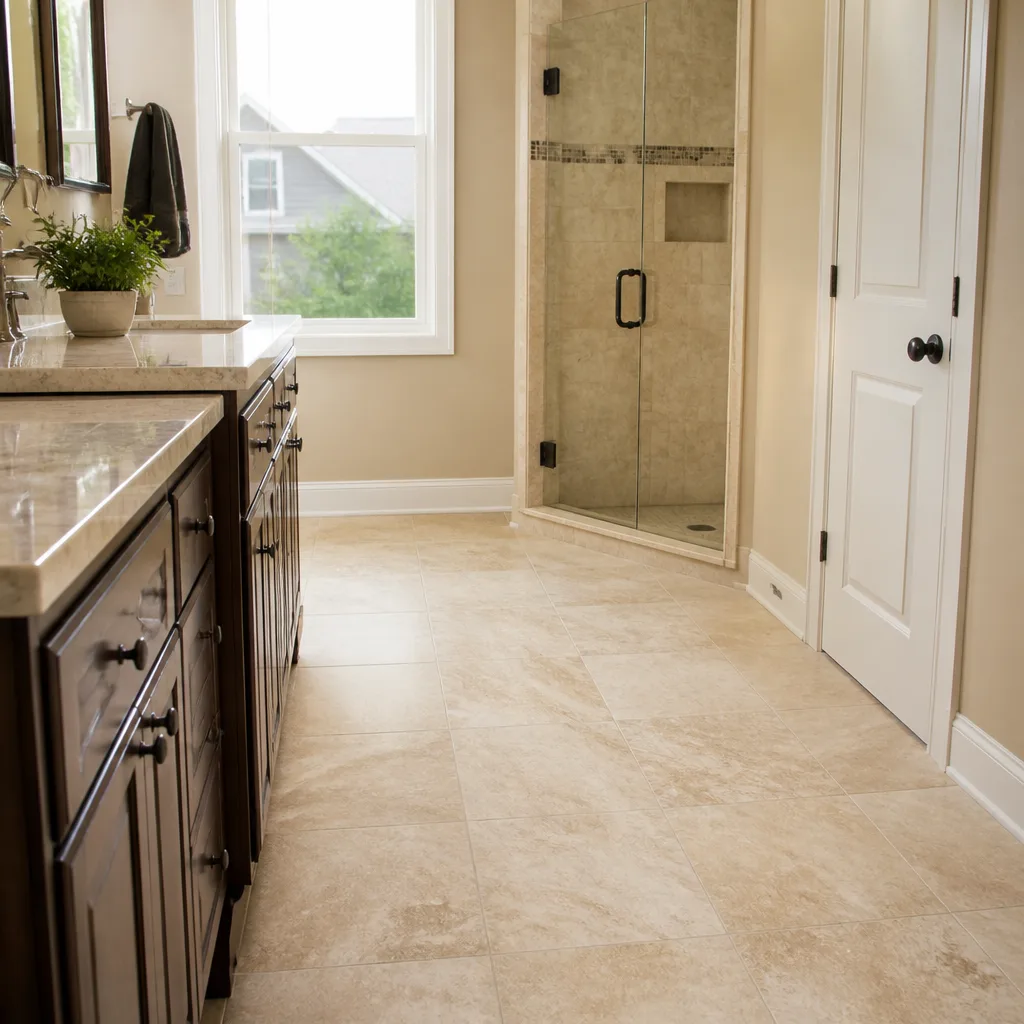
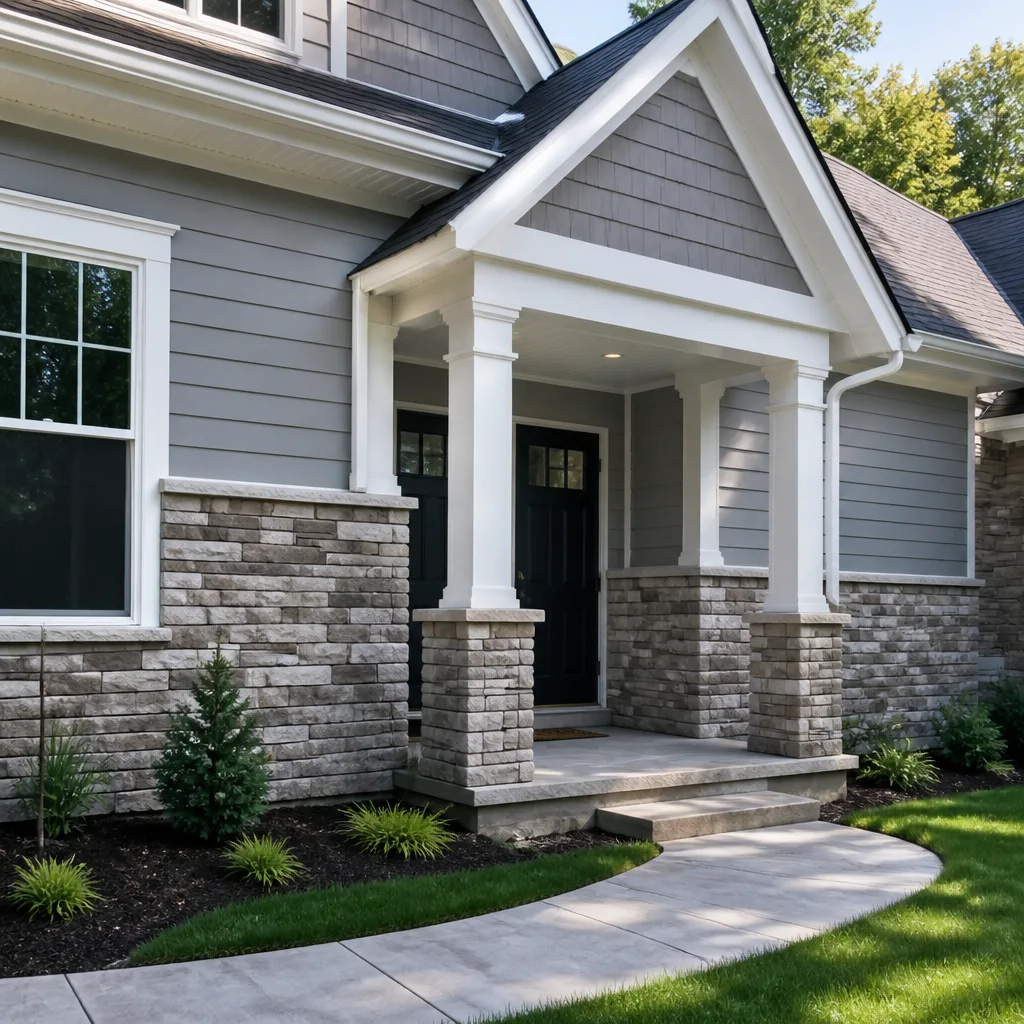
 Before
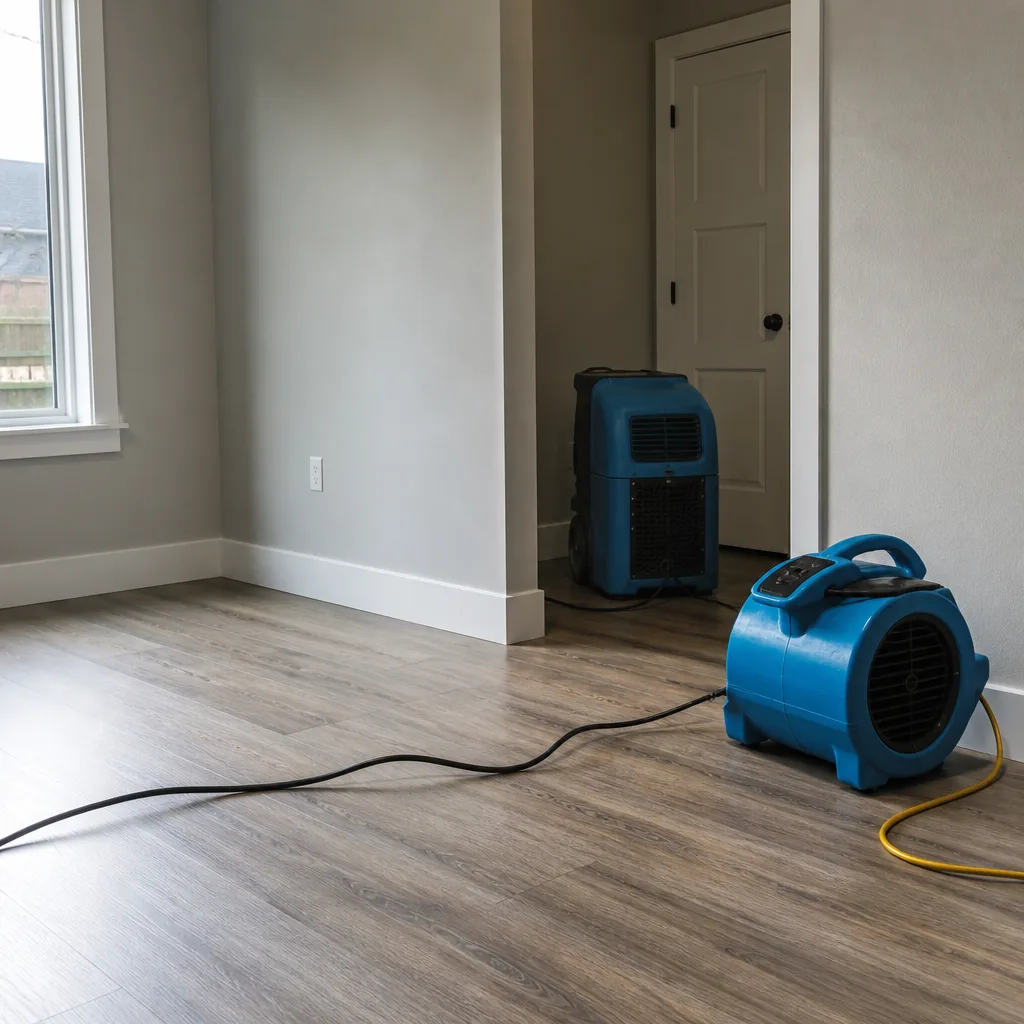 After
After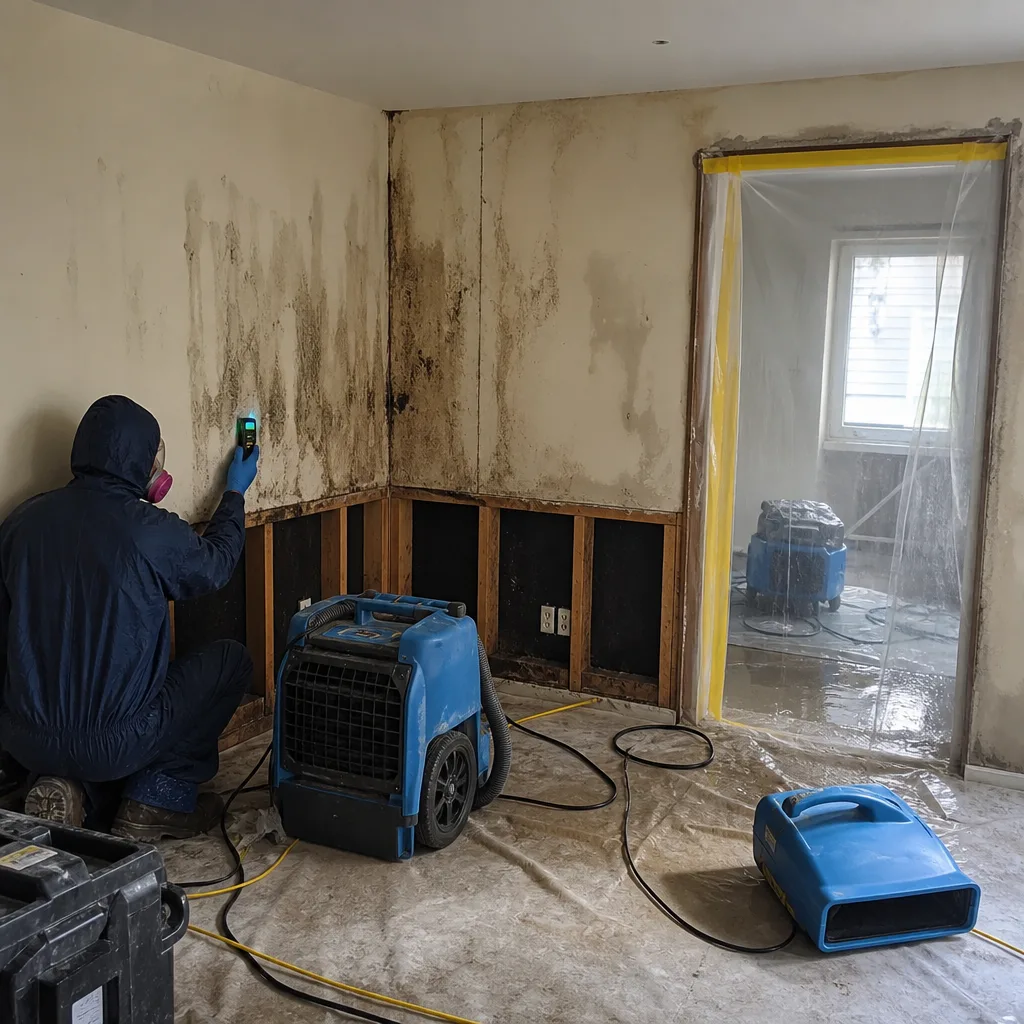 Before
 After
After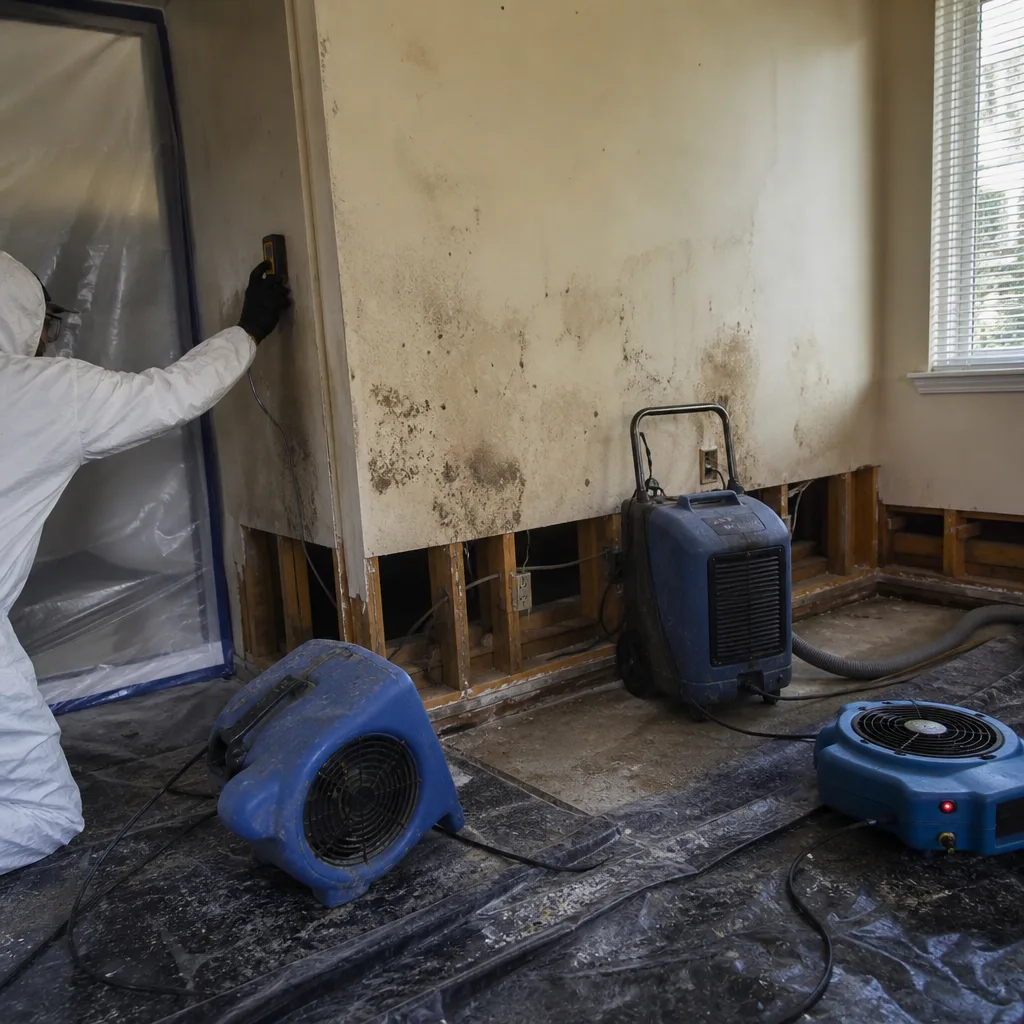 Before
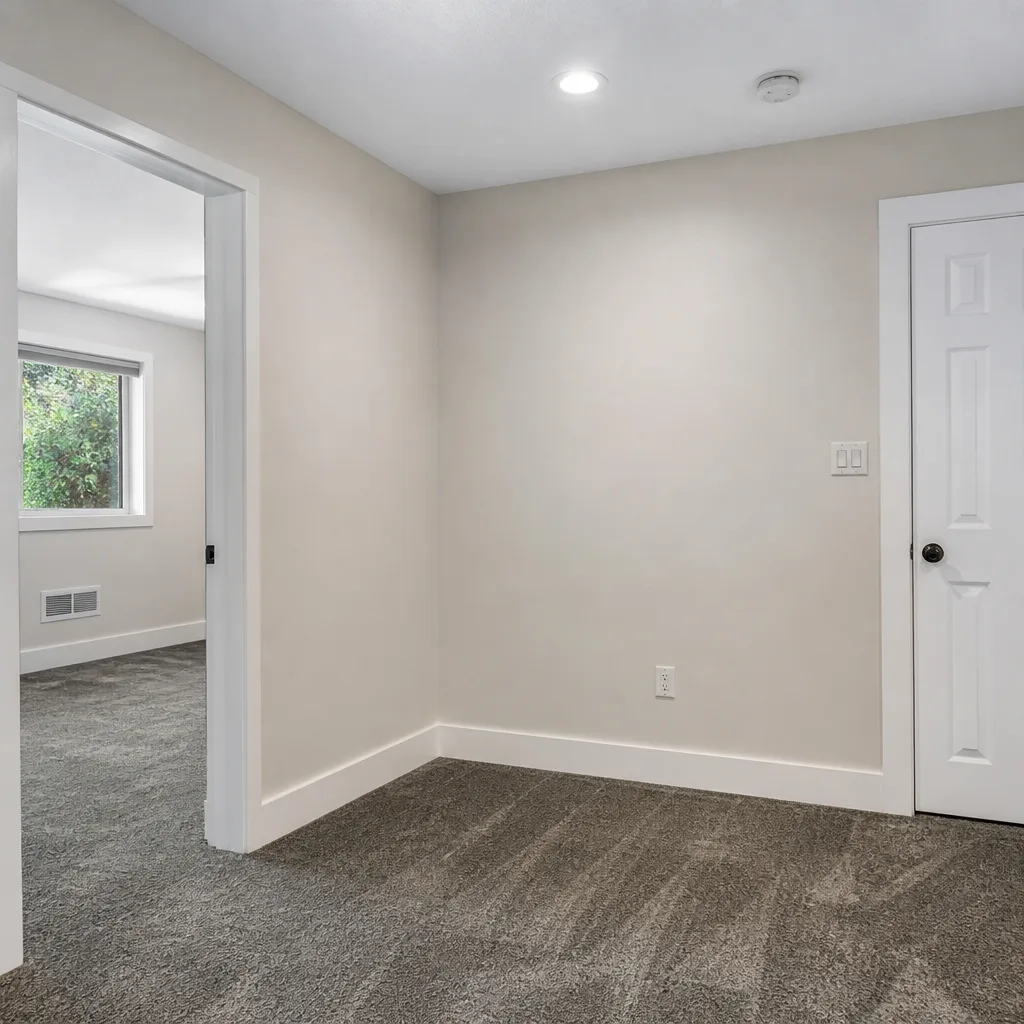 After
AfterFast, Reliable Mold Remediation Across Seattle
Mold remediation in Seattle typically costs $2,800-$7,500 for whole-home treatment, with crawl-space jobs running $1,800-$4,200 and single-room remediation starting around $950. Most Seattle properties need 3-5 days of active remediation, though our crews can begin same-day when moisture is still spreading. Call (253) 322-4873 for a written estimate before any work starts.
We dispatch from our Seattle metro office and know the difference between a Capitol Hill basement and a Ballard crawl space. Seattle’s 150-plus days of annual rainfall, glacial clay soils, and legacy housing stock create mold conditions that don’t respond to generic treatment protocols. Our Mold Remediation team documents every moisture reading, every photo, every drying log to IICRC standards so your insurer pays the claim without a fight.
Why DryMark Restoration Federal Way Is Seattle’s Preferred Mold Remediation Company
We’ve restored over 12,000 homes since 2011, every one with a written price before work began and a photo record when the crew left. That documentation-first approach was built by a former claims adjuster who saw too many Seattle homeowners lose coverage because their Seattle Water Damage Restoration company couldn’t produce the daily drying logs or moisture readings the insurer required.
Our crews serve Seattle neighborhoods from Queen Anne to Rainier Valley with background-checked, uniformed technicians whose license numbers are on file before they arrive. Live person answers every call, 24 hours a day, 7 days a week. No voicemail trees while water is still moving through your walls.
The 365-Day Done Right Promise backs every job under The Haven Standard. If it’s not done right, we make it right. Not a marketing line, a signed guarantee.
Our Mold Remediation Services in Seattle
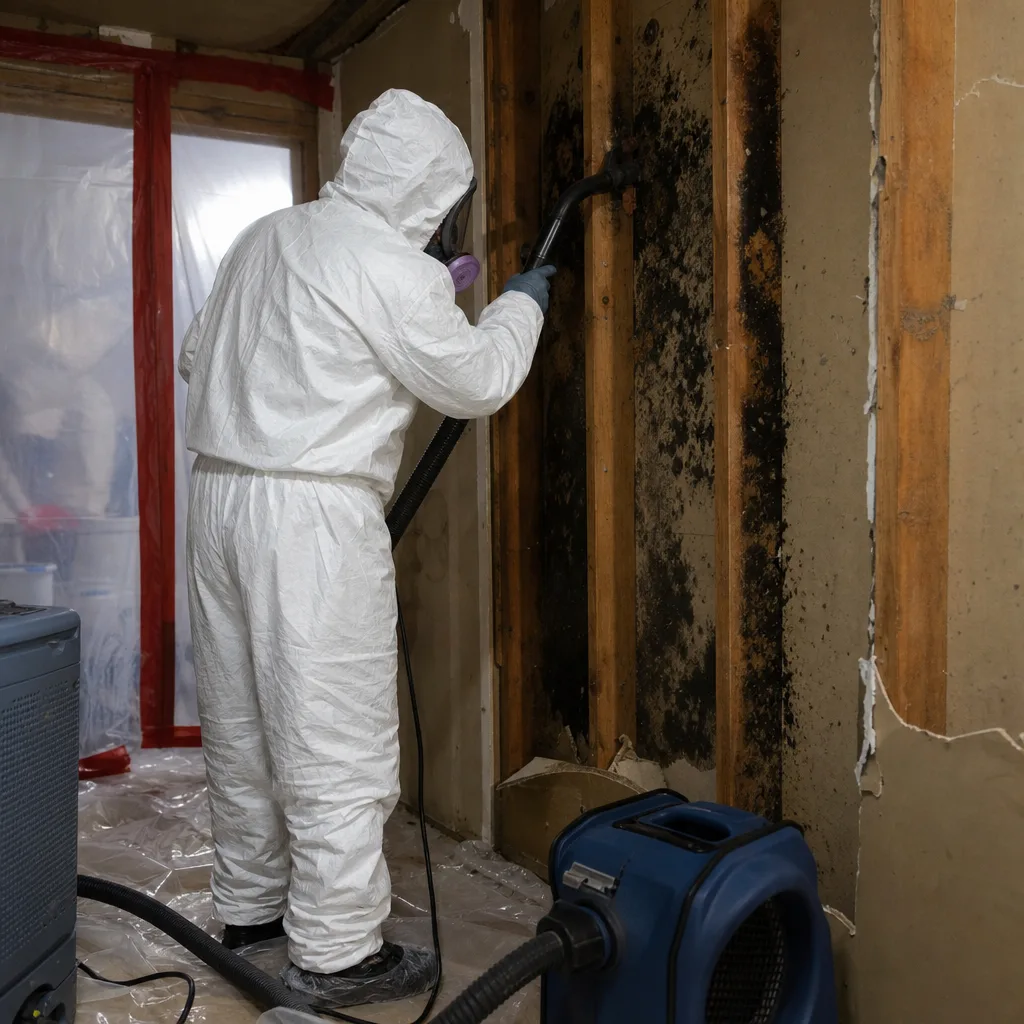
Mold Inspection & Testing
A proper Seattle mold inspection starts with moisture mapping, not guesswork. We use thermal imaging and calibrated moisture meters to find the water source that’s feeding the colony, whether it’s a failed building envelope in a 1990s townhome or groundwater wicking through glacial clay into a Ballard crawl space. Air and surface samples go to an independent lab; we don’t perform remediation on the same job we sample, to avoid conflict of interest. Inspections in Seattle run $350-$650 for residential properties, with written findings delivered within 48 hours.
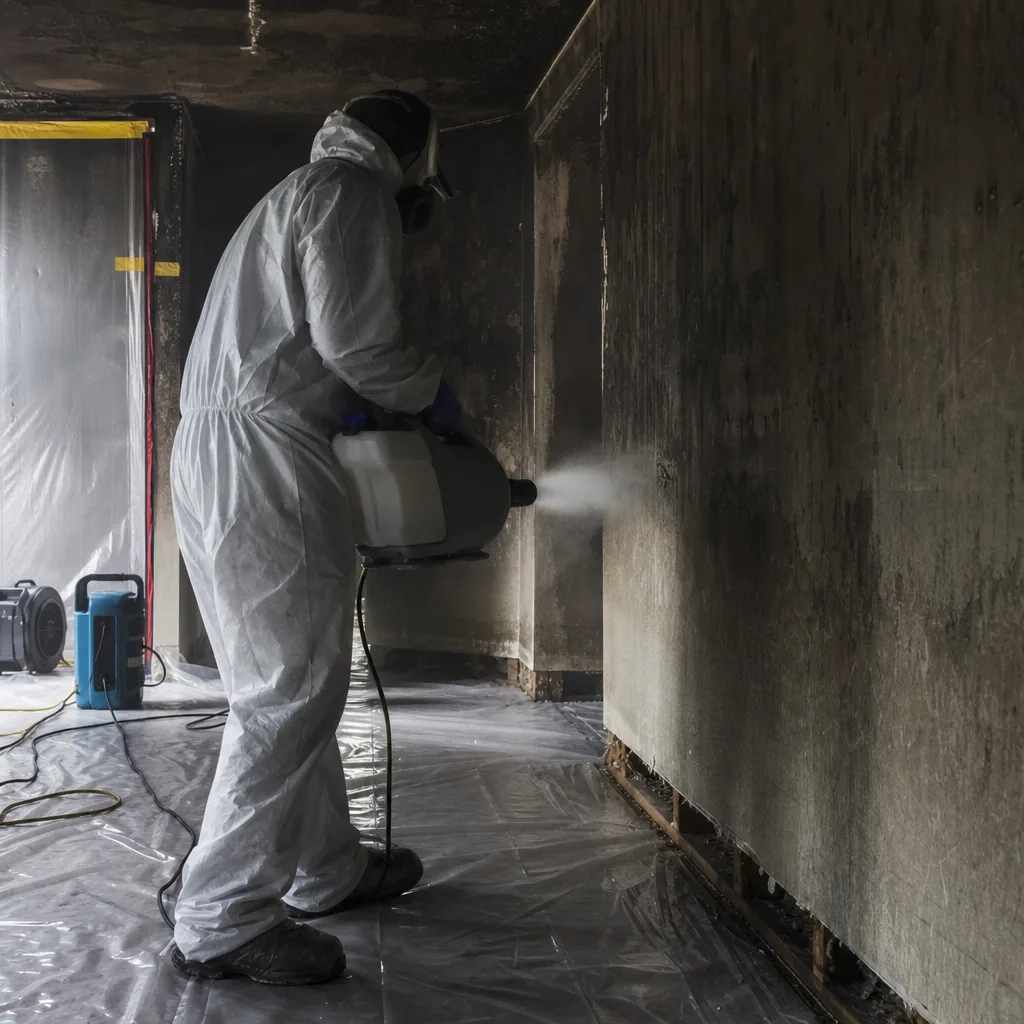
Mold Removal
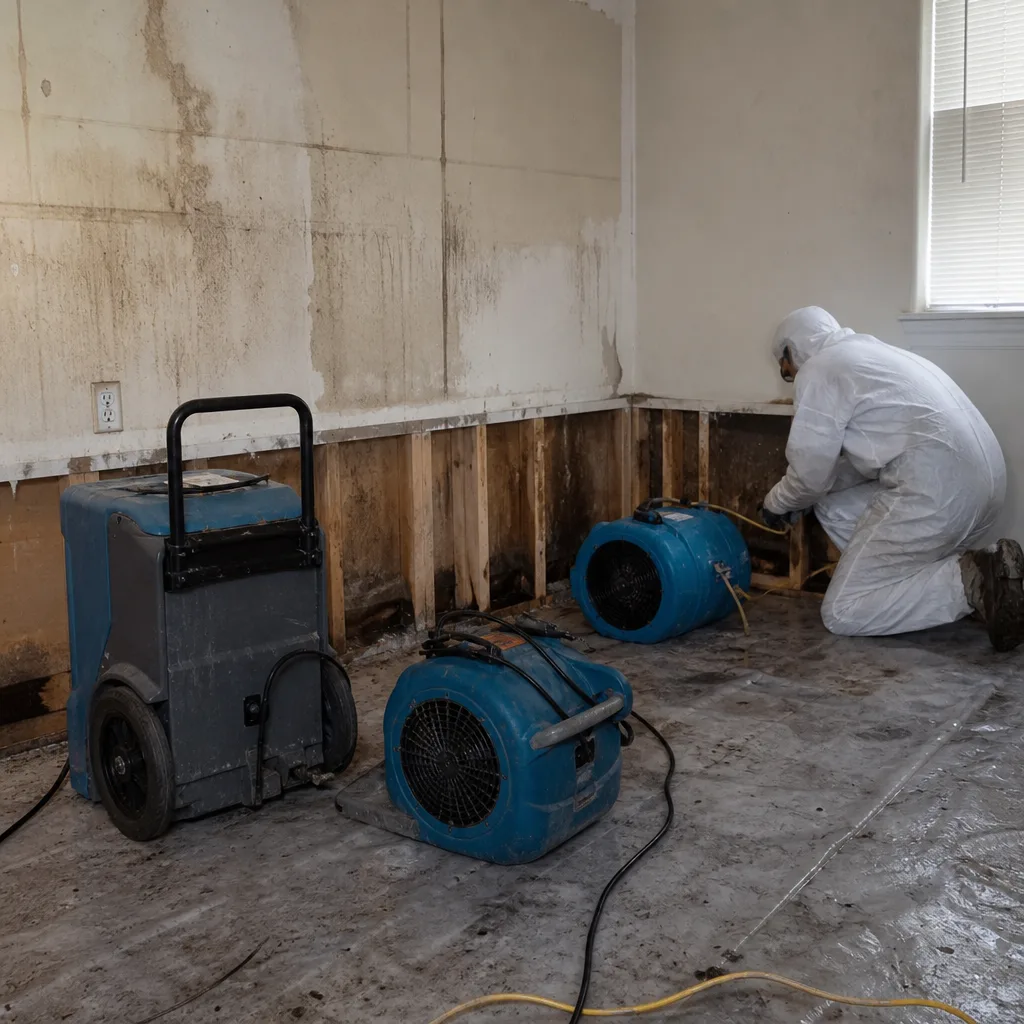
Removal protocols vary by material classification and contamination extent. Non-porous surfaces like tile and metal can often be cleaned and sealed. Porous materials, saturated drywall, or compromised OSB sheathing in leaky-condo assemblies get removed per IICRC S520 standards. We containment-barrier the work zone, run negative air with HEPA filtration, and document every square foot of affected material with before-and-after photography. Typical single-room removal in Seattle: $950-$2,400.
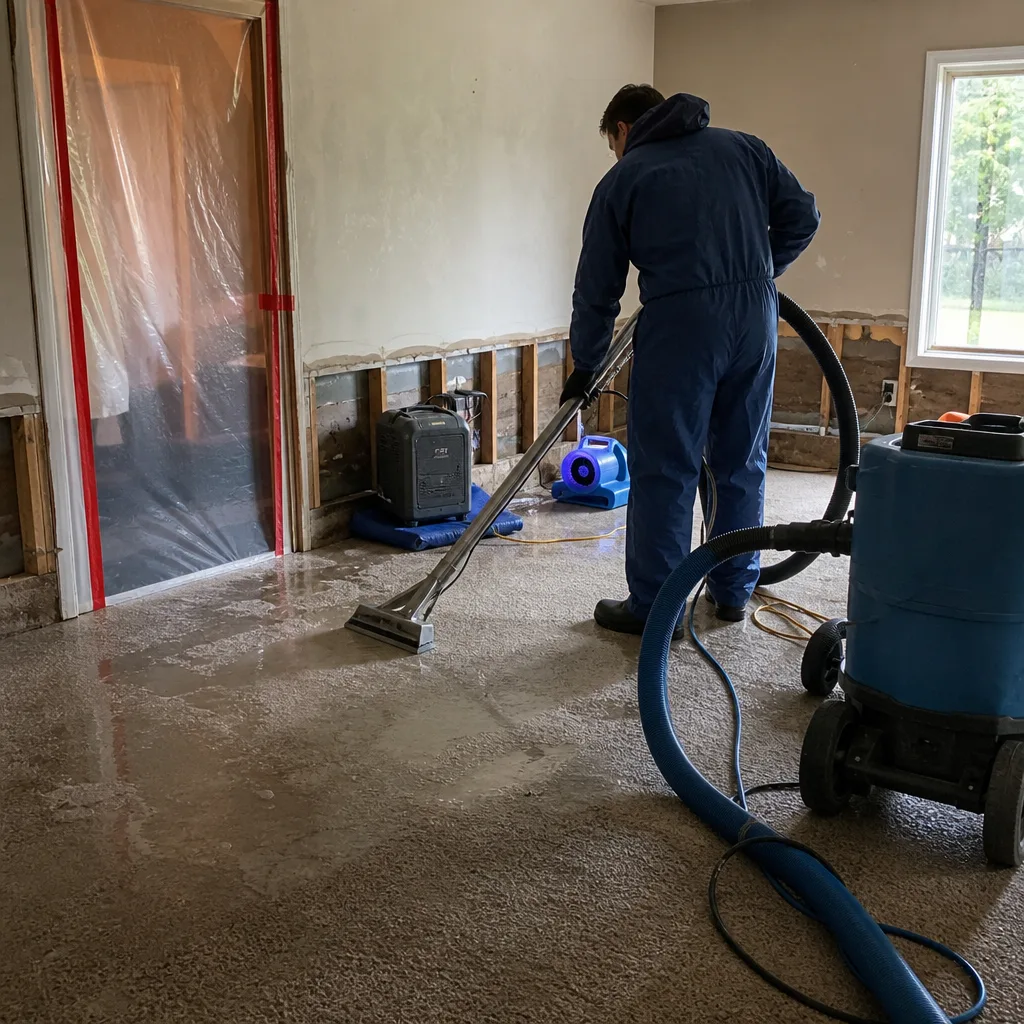
Black Mold Remediation
Stachybotrys chartarum and other toxigenic molds require enhanced containment and PPE protocols. In Seattle’s prolonged drizzle conditions, these colonies often develop in chronically wet assemblies that were under-dried after a previous water event. We don’t treat black mold as a surface problem. The scope includes source moisture elimination, controlled demolition of contaminated materials, and post-remediation verification testing to confirm clearance before rebuild begins. Black mold jobs in Seattle typically range $3,500-$8,500 depending on affected square footage.
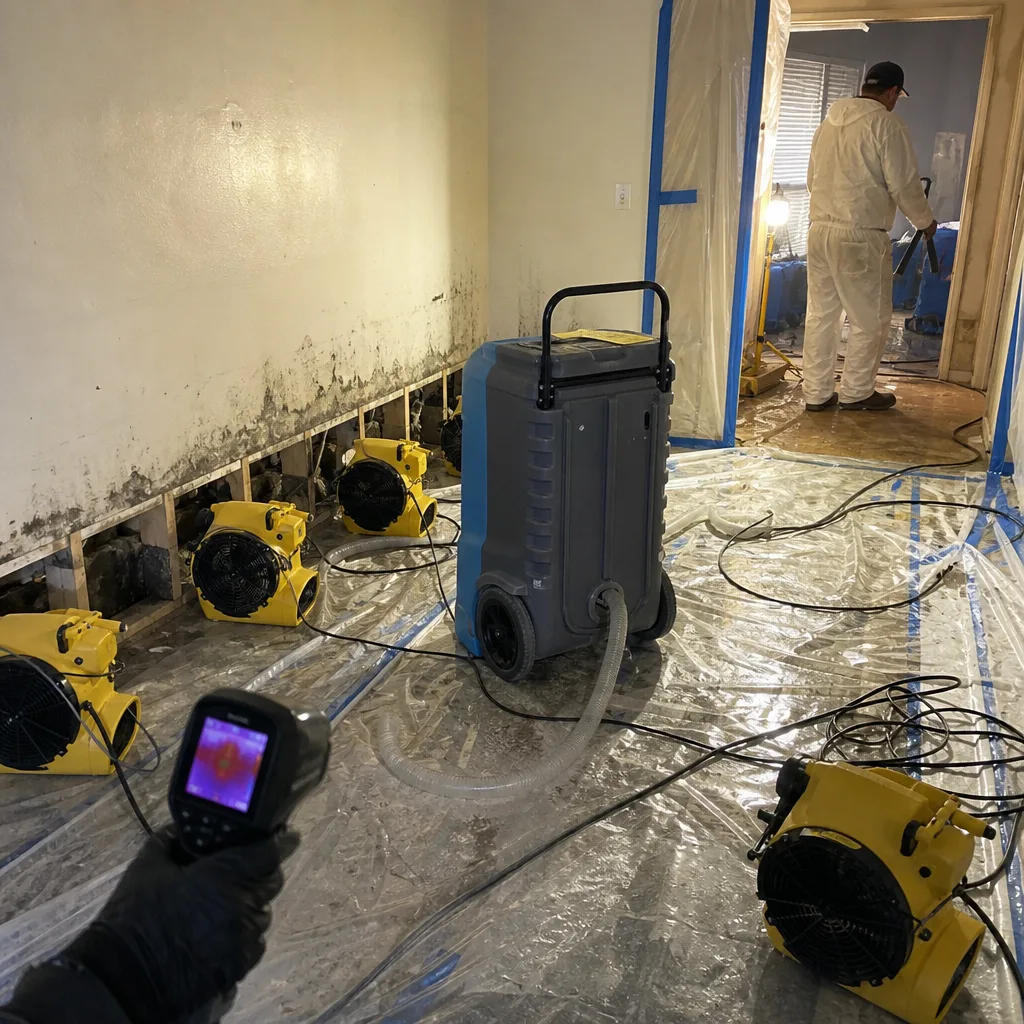
Air Quality Restoration
After physical removal, we restore breathable air through HEPA air scrubbing, duct cleaning where contamination has entered the HVAC system, and continuous particle counting until readings meet or exceed industry clearance standards. Seattle’s tight, energy-efficient homes often trap airborne spores; we measure and document particulate levels rather than assuming the air is clean. Air quality restoration as a standalone service runs $800-$1,800; it’s included in comprehensive remediation scopes.
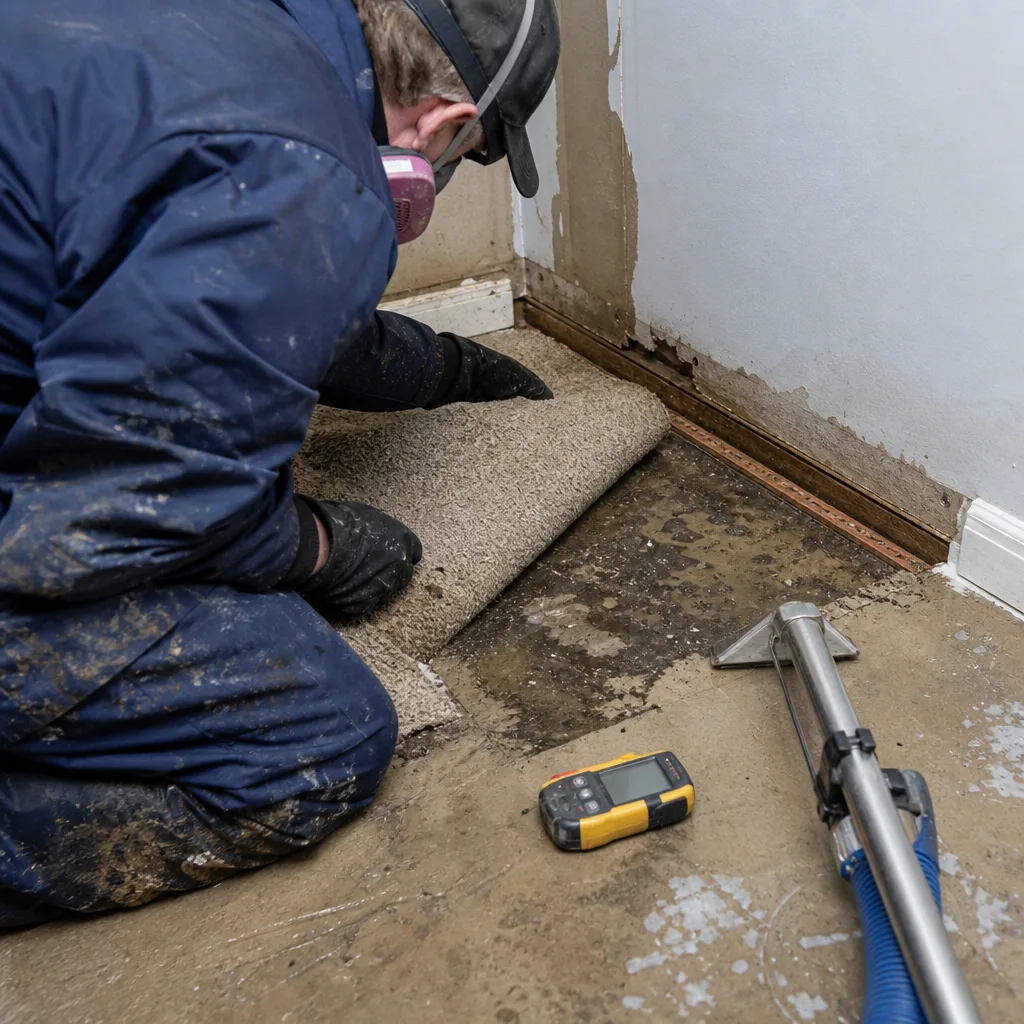
Crawl Space Treatment
This is where Seattle’s geology makes generic remediation fail. We were already on a Ballard job near NW Market Street when our tech pulled moisture readings at the rim joist of a 1926 Craftsman crawl space and found Chaetomium colonies behind saturated fir sills. Because the glacial clay had already re-wetted the assembly once, we didn’t just run air movers and Dri-Eaz dehumidification - we added a sealed vapor barrier and perimeter drain tile, logged daily structural drying readings, and the crawl space stayed dry through the following spring. Crawl space remediation in Seattle: $1,800-$4,200.
Moisture & Humidity Control
Seattle’s indoor relative humidity stays elevated for months. We install permanent dehumidification, ventilation corrections, and vapor management systems sized to your specific foundation type and soil conditions. The goal isn’t just drying what’s wet now; it’s breaking the October-April re-wetting cycle that brings us back to the same crawl space every winter. Humidity control systems run $1,200-$3,500 installed.
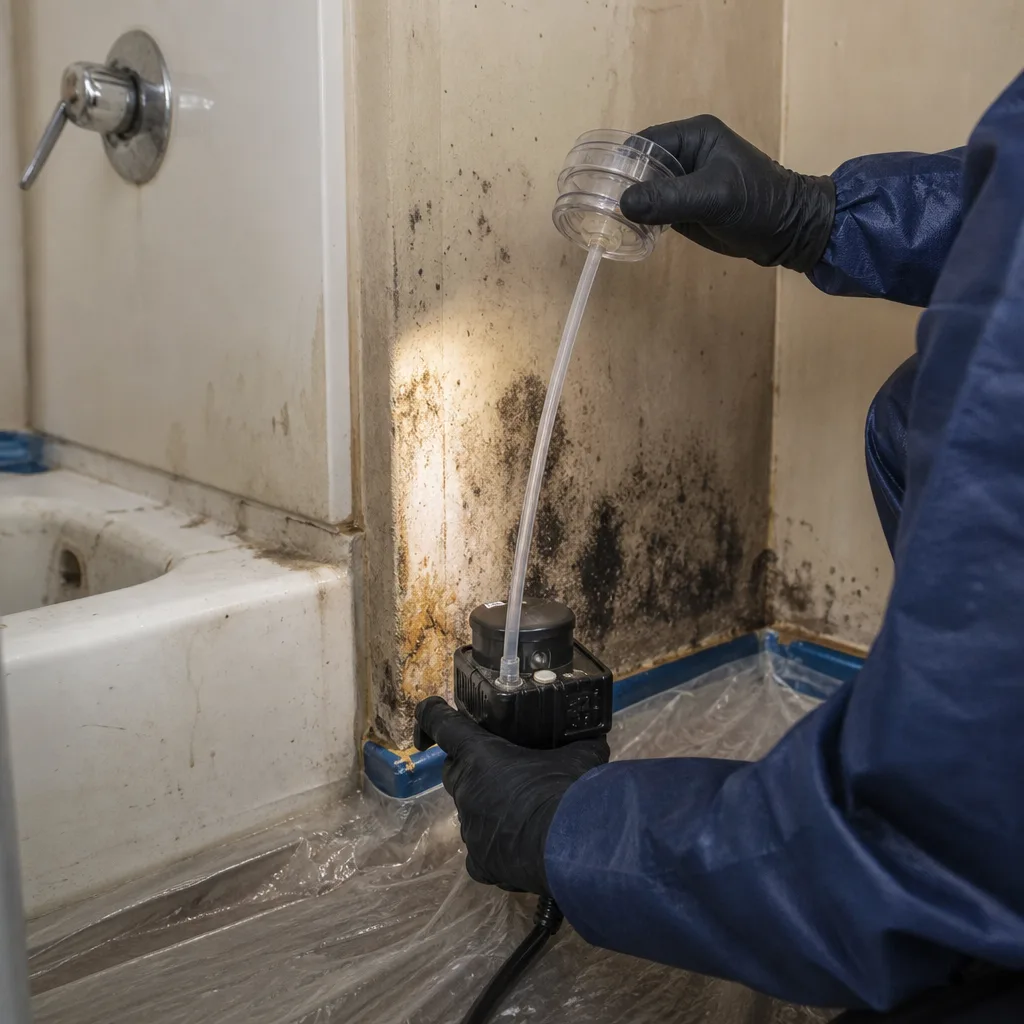
What happens when you call
- 1
A real person answersNo phone trees - you reach a local pro.
- 2
You get an upfront price rangeHonest numbers before anyone is dispatched.
- 3
A background-checked tech heads outLicensed & insured, dispatched right away.
- 4
You approve before work beginsNothing starts until you say go.
BeforeAfterTrusted Brands We Service in Seattle
Our equipment inventory includes Dri-Eaz and Phoenix dehumidifiers, XPOWER air movers, and B-Air HEPA scrubbers - all maintained to manufacturer specifications and documented to IICRC, RIA, and IFA standards. We stock replacement filters, hoses, and drying accessories locally so Seattle jobs don’t wait on freight. Daily moisture logs from this equipment become the documentation that turns your restoration invoice into a payable insurance claim.
Common Mold Remediation Problems We See in Seattle Homes
- Craftsman crawl spaces re-wet through winter. Drying a Ballard or Wallingford crawl space without addressing the clay’s lateral groundwater migration means returning by February with a re-wetted vapor barrier and a callback. The scope has to include perimeter drain and sealed vapor barrier, or it’s temporary.
- ‘Leaky condo’ wall assemblies treated as surface mold. 1985-2000 townhomes with synthetic stucco or fiber-cement cladding often have saturated OSB sheathing and framing behind intact-looking finishes. Surface cleaning misses the colony; the wall has to open.
- Chronic drizzle intrusion under-classified as Category 1 water. Seattle’s extended mist and light rain keeps assemblies wet for weeks. Water that’s been sitting that long degrades to Category 2 or 3 biochemically, even if the source looked clean. The scope needs to reflect actual contamination, not source assumptions.
- Steep-hillside foundations with active groundwater pressure. Queen Anne, Magnolia, Beacon Hill - glacial clay sheds water laterally toward foundations. Remediation without addressing exterior drainage and foundation waterproofing is incomplete.
Pricing for Mold Remediation in Seattle, WA
Here’s what mold remediation costs in Seattle’s market:
| Service | Typical Range |
|---|---|
| Mold inspection & testing | $350-$650 |
| Single-room mold removal | $950-$2,400 |
| Crawl space remediation | $1,800-$4,200 |
| Whole-home remediation | $2,800-$7,500 |
| Black mold / toxigenic protocols | $3,500-$8,500 |
| Air quality restoration | $800-$1,800 |
| Moisture control system install | $1,200-$3,500 |
What moves the number: affected square footage, material type (drywall vs. plaster vs. OSB sheathing), accessibility (crawl space vs. finished basement), whether containment and negative air are required, and if post-remediation verification testing is included. Haven Standard, Clause 1: you’ll get a written price before any work starts, every time, with no scope-creep additions once the crew is inside. Free Second Opinion on any competitor’s written estimate. Call (253) 322-4873.
We Also Serve Cities Near Seattle
Our crews work throughout the metro area, including Mold Remediation in Seattle proper plus Bellevue, Mercer Island, Renton, and Manchester. Same documentation standards, same written-price guarantee, same 365-Day Done Right Promise.
Serving Seattle, WA - Our Local Coverage Area
We’re based in the Seattle area and know this community well. Use the map below to see our service coverage - if you’re nearby, we can almost certainly help.
FAQs - Mold Remediation in Seattle
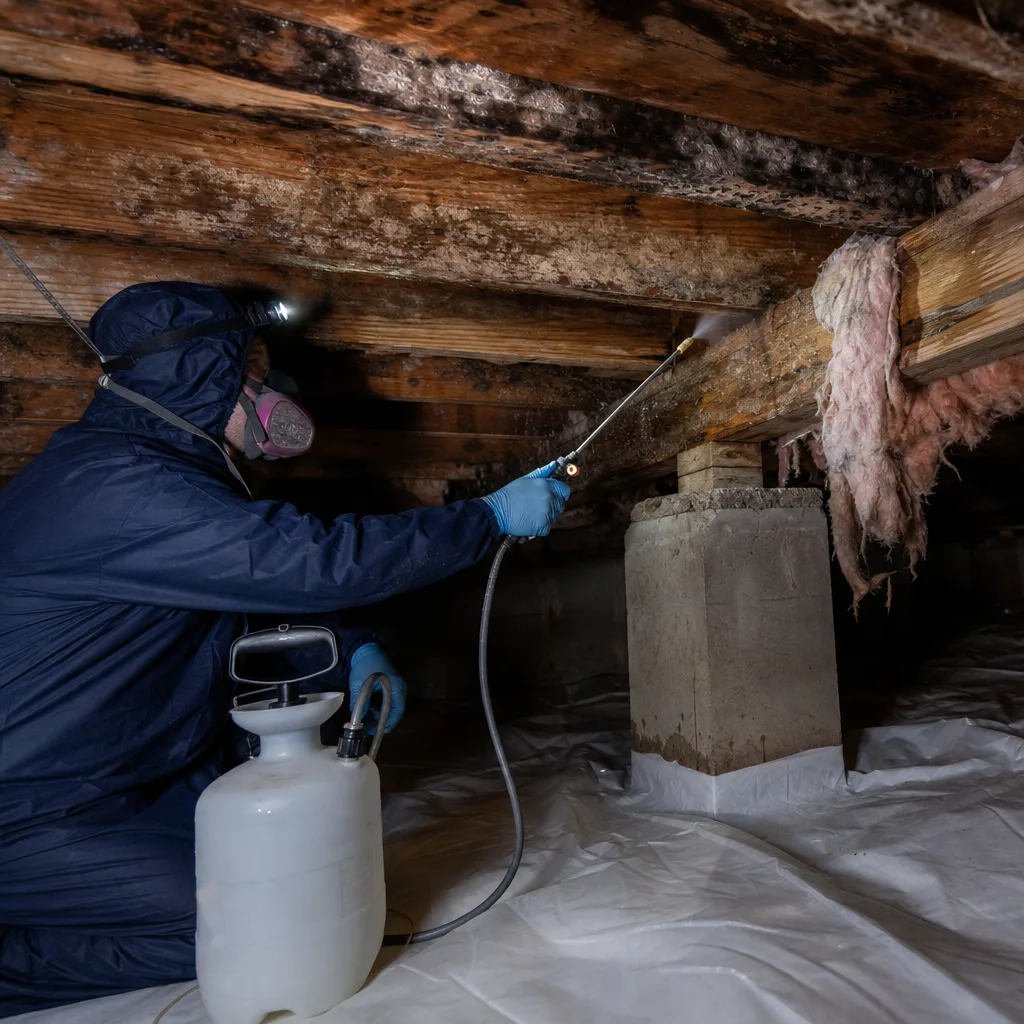
Because the remediation scope likely didn’t address Seattle’s glacial hardpan clay, which has near-zero percolation and re-saturates the crawl space laterally through the entire cold season. Without sealed vapor barrier and perimeter drain tile, the moisture source stays active. We see this callback pattern every February on scopes that dried the air but not the ground. Call (253) 322-4873 and we’ll review your previous scope at no charge.
We probe with moisture meters and thermal imaging, then open selective inspection ports in suspect wall cavities. Fiber-cement cladding and synthetic stucco can look intact while OSB sheathing behind is saturated and colonized. If we find elevated moisture or visible mold, the scope expands to controlled demolition of the affected assembly, documented with photos. Written price before any demolition starts.
In Seattle’s typical indoor conditions, 60-72 hours for visible colony establishment on organic materials. The city’s prolonged drizzle and high baseline humidity mean assemblies stay wet longer than in drier climates, so the growth window is effectively wider. That’s why same-day response matters for active leaks, and why we log daily moisture readings until materials hit dry standard.
Yes. Storm markets deal with sudden, high-volume water events; Seattle’s challenge is chronic, low-intensity moisture that requires sustained dehumidification over longer periods. We run lower grain depression targets with Dri-Eaz and Phoenix LGR dehumidifiers, and we emphasize vapor pressure differential management - the force that moves moisture from wet materials to dry air - because Seattle’s ambient air starts closer to saturation. The equipment is the same; the psychrometric targets and duration are different.
Category 1 is clean water from a supply line. Category 2 is significantly contaminated, carrying microorganisms. Category 3 is grossly contaminated, including sewage or groundwater. In Seattle, water that sits in a Craftsman-era assembly for weeks - even from a clean source - often degrades to Category 2 or 3 biochemically. We classify by actual condition at time of assessment, not by original source, because that determines what materials can be dried versus what must be removed. Misclassification is how mold gets left behind.
Written by Alicia Brennan, Owner at Back to Dry Restoration, serving Seattle since 2011.