
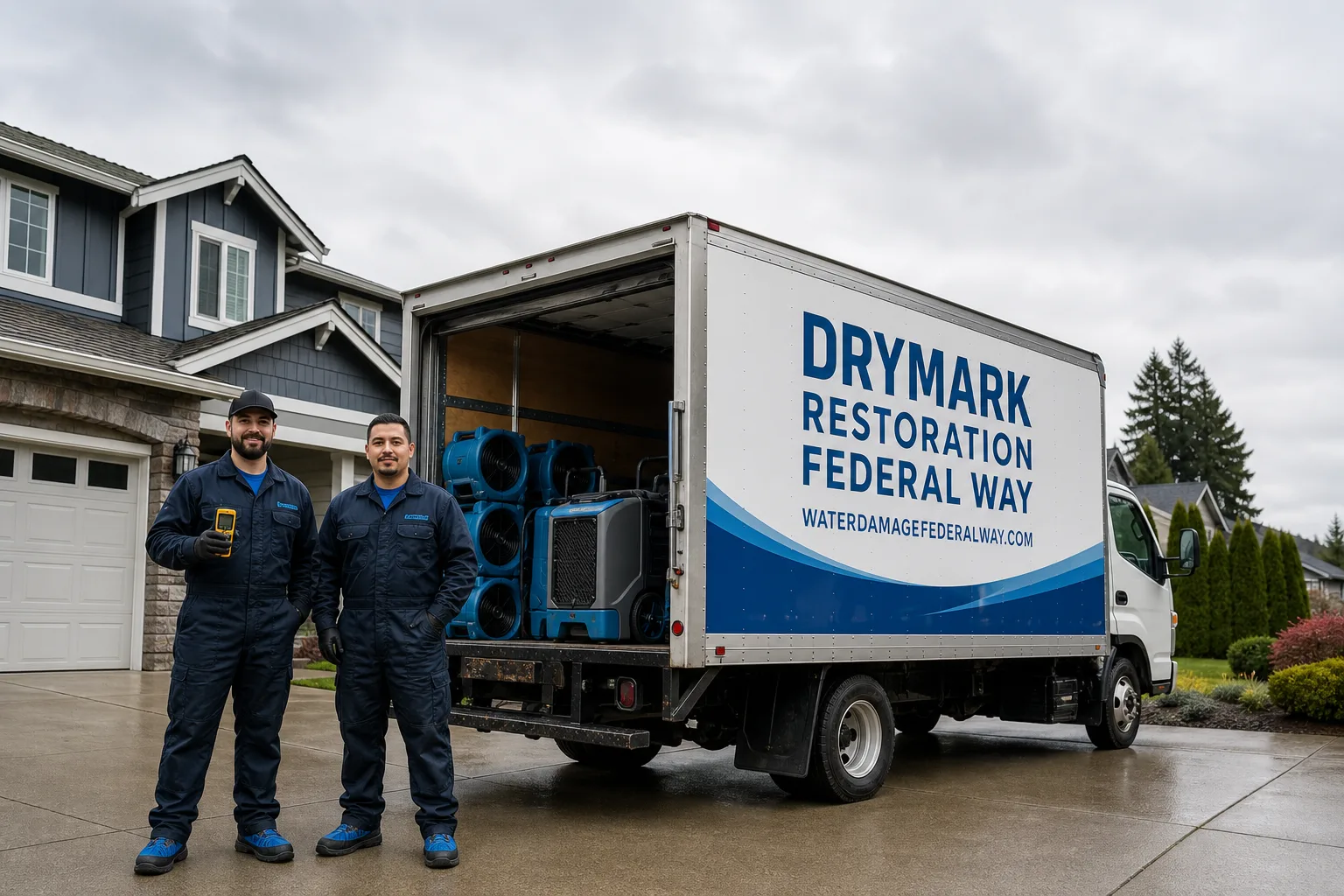
Free visual inspection and a written scope of work before any mitigation begins - photos, moisture readings, and drying logs go in your claim file
The scope we write is the scope we bill. Anything new gets shown to you, in writing, before we touch it.
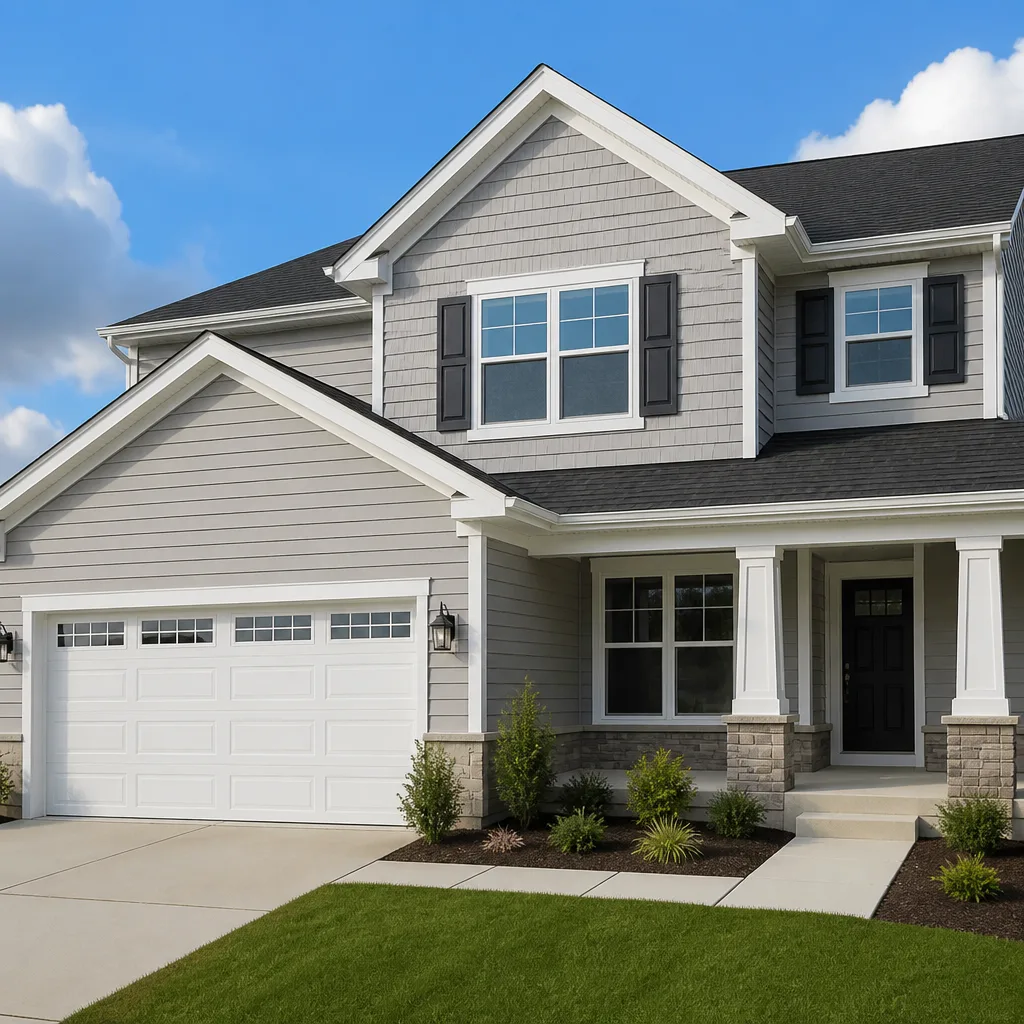
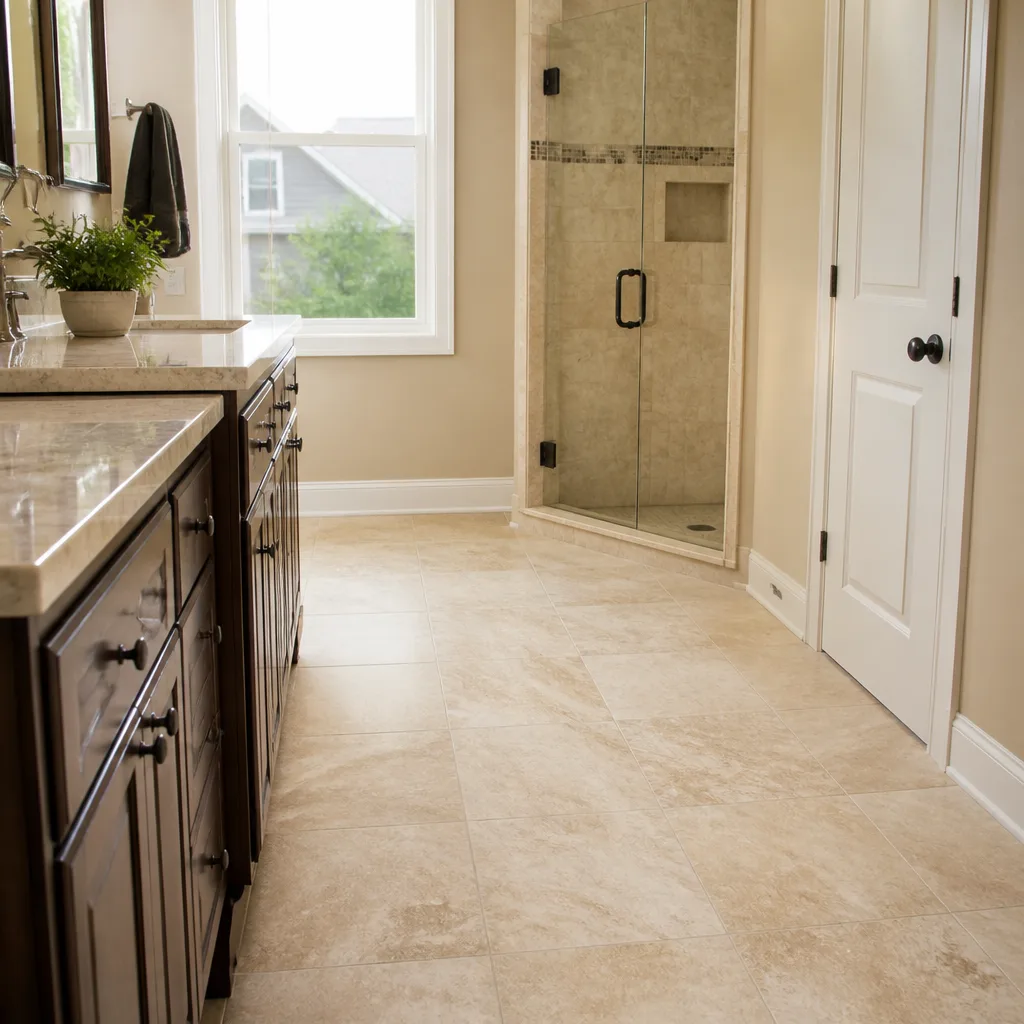
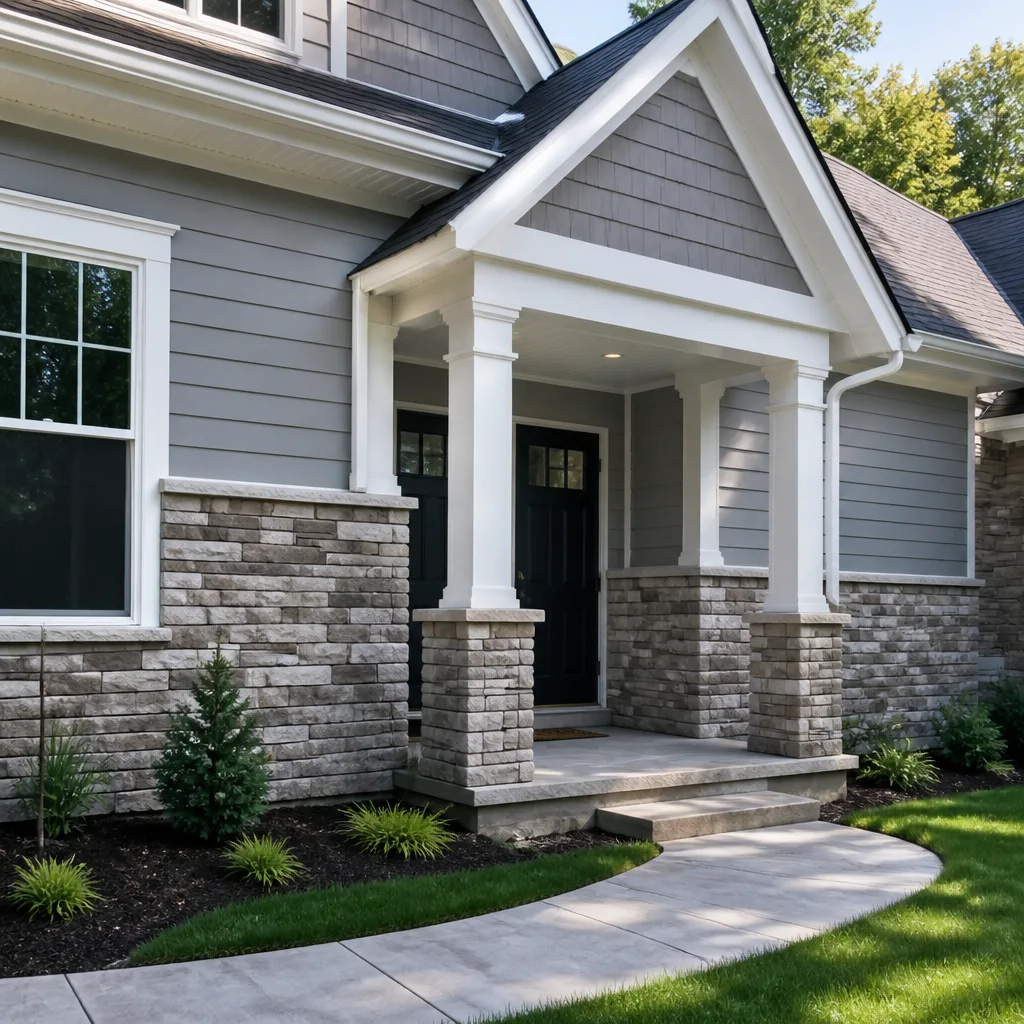
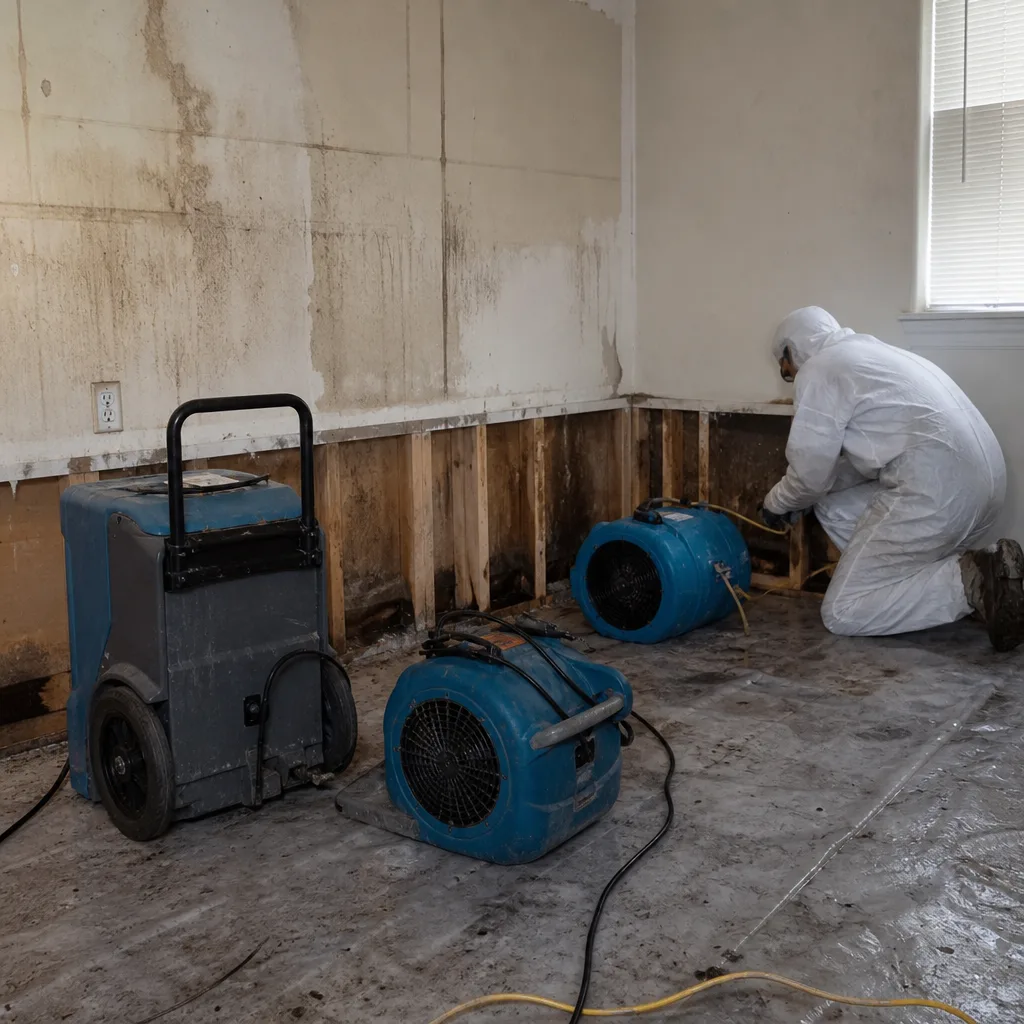 Before
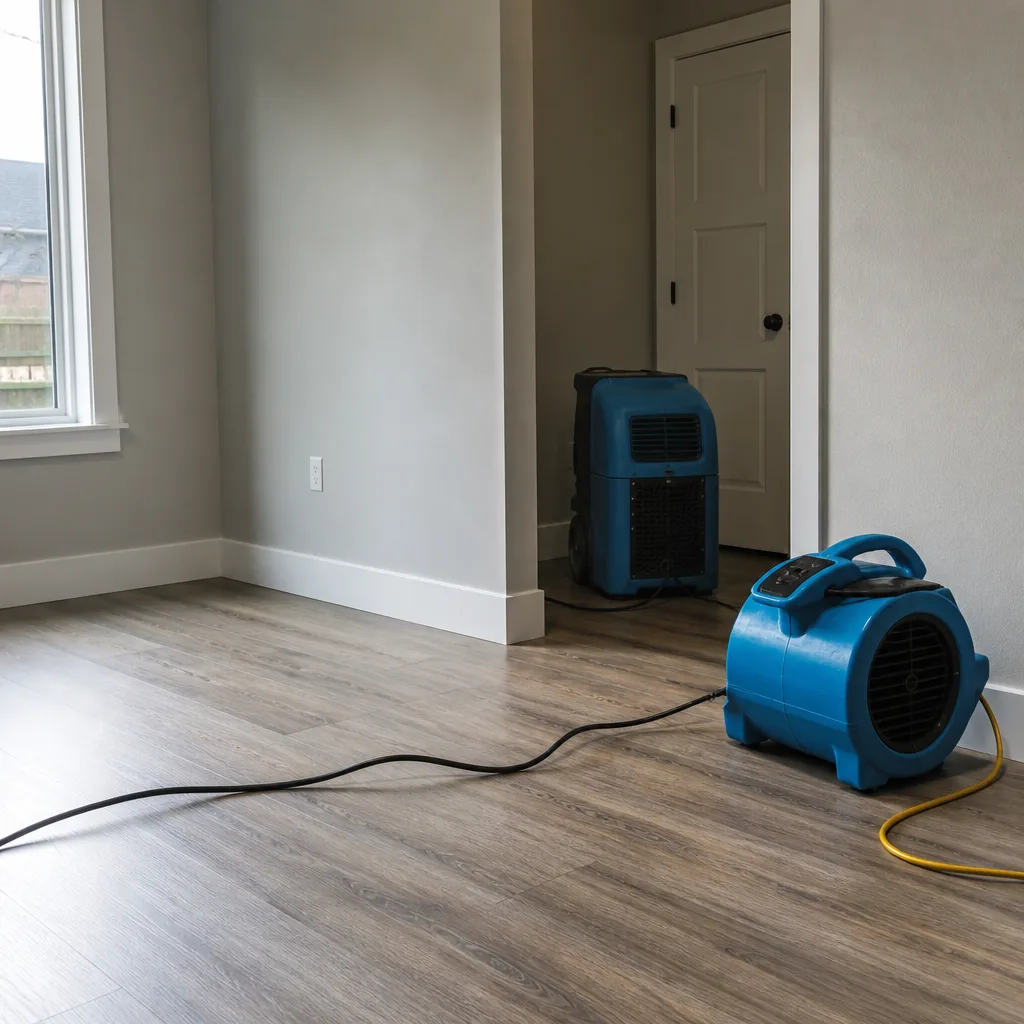 After
After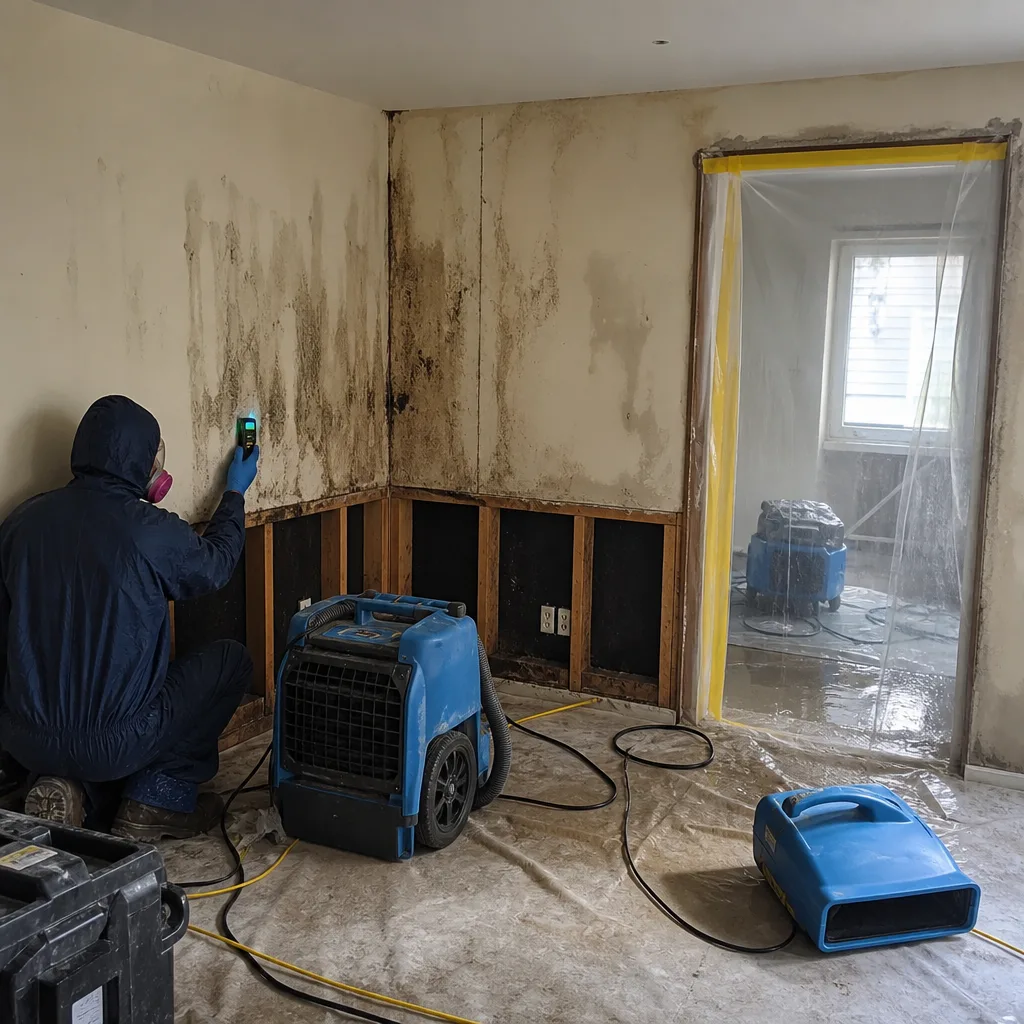 Before
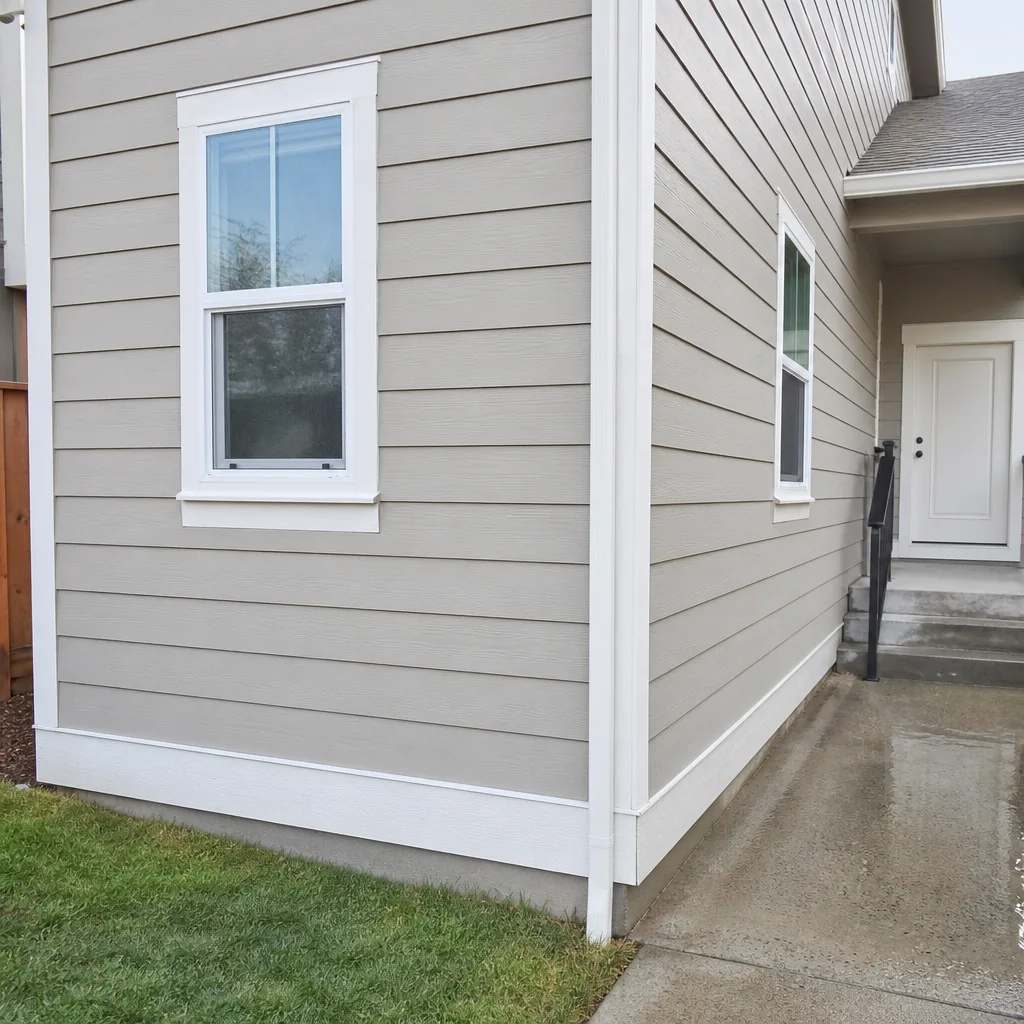 After
After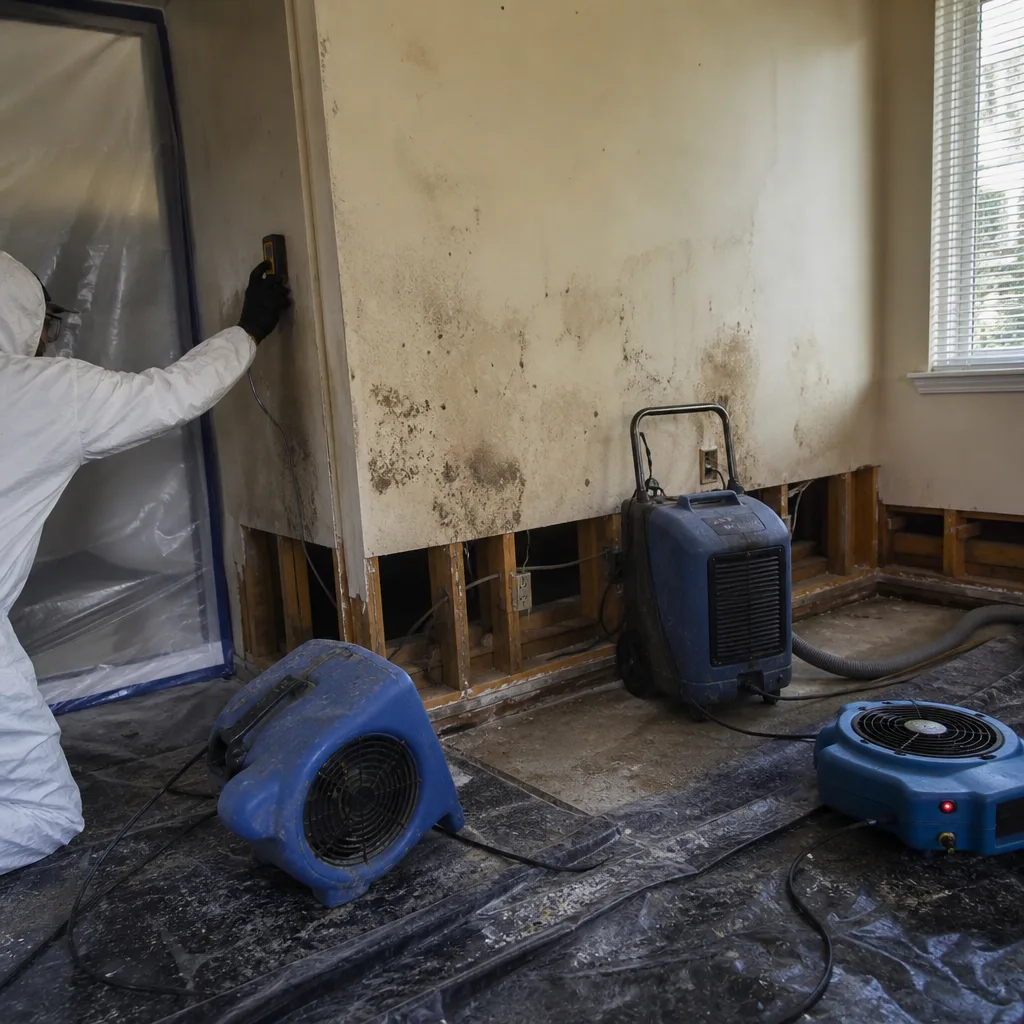 Before
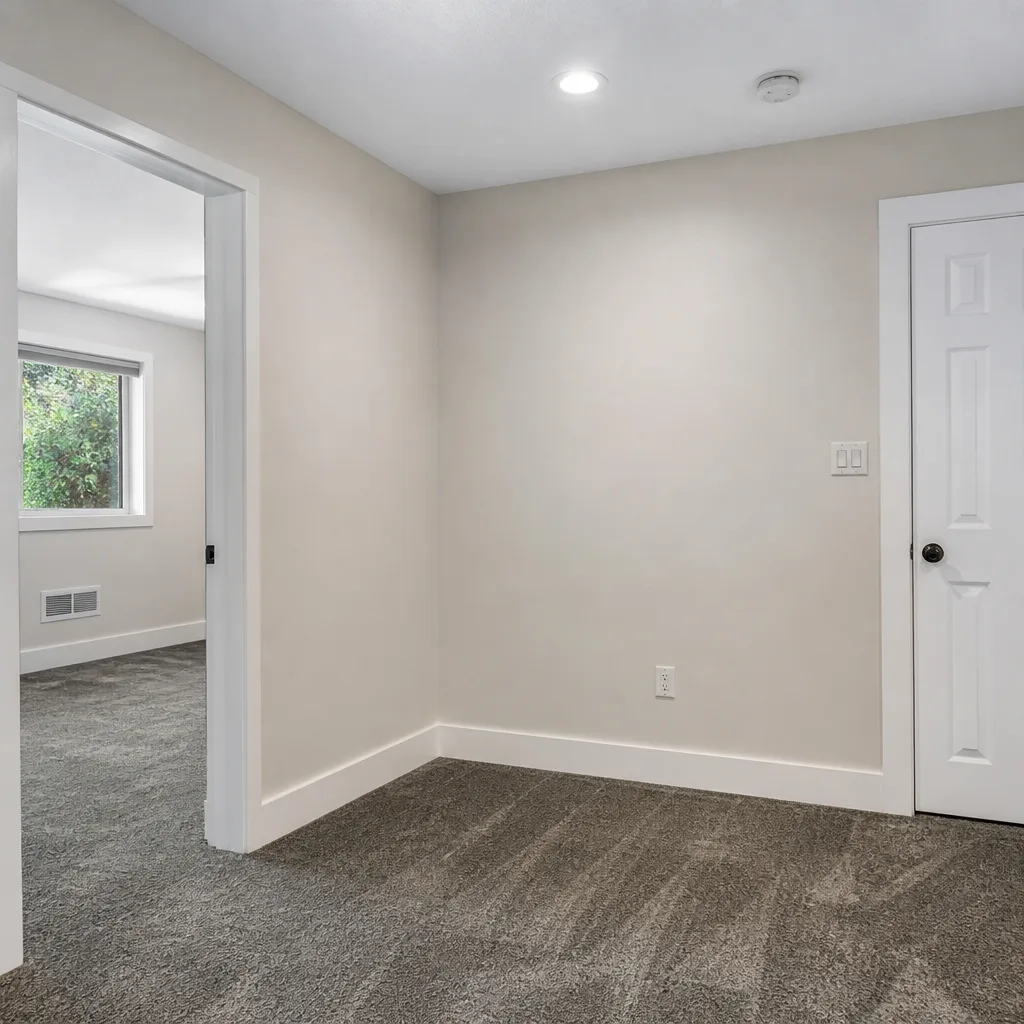 After
AfterFast, Reliable Mold Remediation Across Edgewood
Mold remediation in Edgewood typically runs $1,800-$4,500 for crawl-space treatment and $450-$1,200 for inspection and air-quality testing, with most jobs starting within 24 hours of your call. We’re familiar with the clay-heavy soils and lateral groundwater patterns that make Edgewood’s crawl-space mold different from neighboring cities, and we bring that knowledge to every assessment. If you’re seeing musty odors, visible growth, or moisture readings above 16% on your subfloor, call (253) 322-4873. Our Mold Remediation team dispatches to Edgewood from our Seattle office with containment gear, moisture meters, and the documentation tools your insurer will want to see.
Why DryMark Restoration Federal Way Is Edgewood’s Preferred Mold Remediation Company
Our Edgewood Water Damage Restoration team has restored homes in the city’s 1970s ranch subdivisions off Meridian Ave E, the older farmhouses near the Puyallup River valley, and the split-level tracts built during Pierce County’s pre-incorporation suburban boom. That range matters because a 1985 crawl space with original rim joists and a 1950s farmhouse with galvanized plumbing present entirely different moisture pathways, and we document each one before quoting.
Our reviews from Edgewood customers consistently cite two things: the written price that arrived before anyone started work, and the photo record they received on every visit. Haven Standard, Clause 1 - no exceptions.
Response time to Edgewood averages under 90 minutes for active mold emergencies, because we know that Category 2 groundwater sitting on clay pan for 48 hours crosses into Category 3 territory fast. Our dispatchers answer live, 24 hours a day, 7 days a week. No voicemail while water is still moving.
What separates our Edgewood work is the lahar-corridor context. Most Puget Sound restoration contractors don’t have to factor volcanic hazard overlays into their moisture mapping. We do, and it changes how we scope containment, drying duration, and documentation for your adjuster.
Our Mold Remediation Services in Edgewood
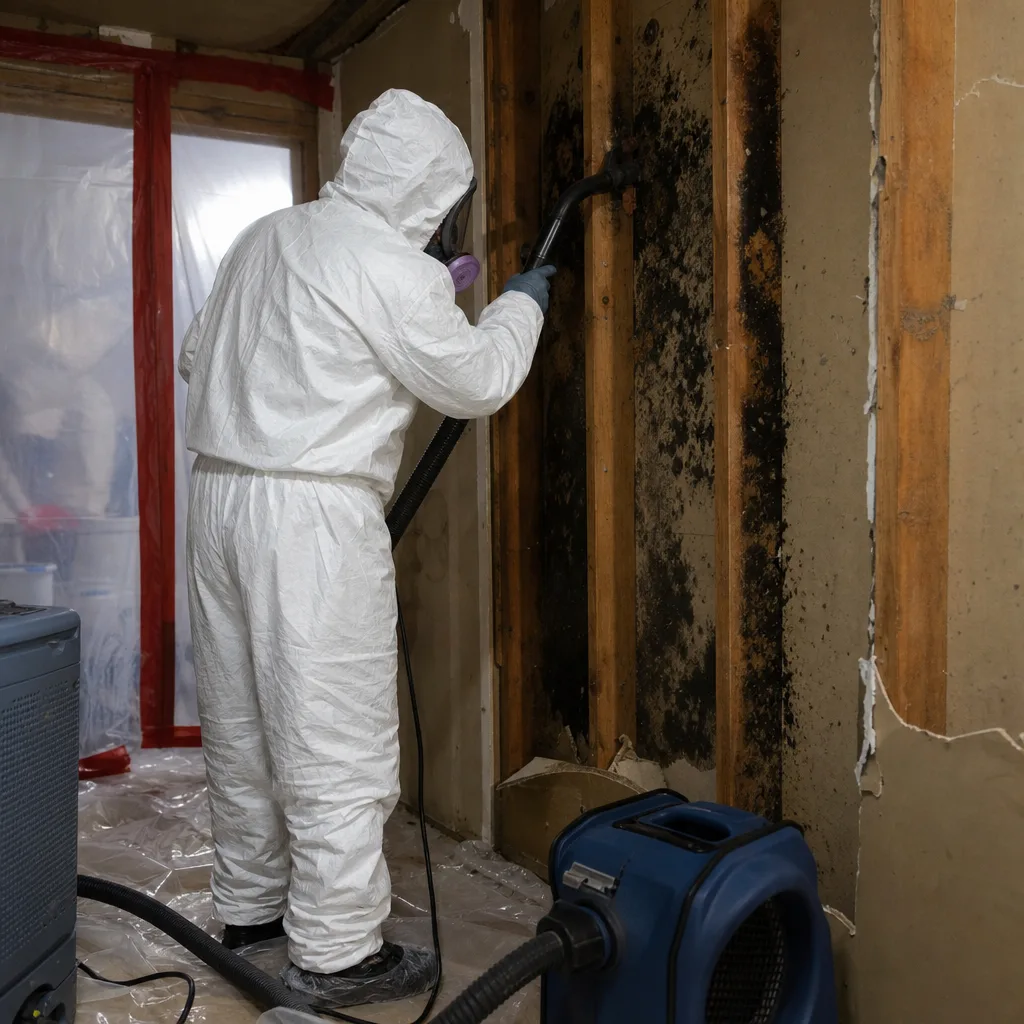
Mold Inspection & Testing
A proper Edgewood inspection starts with psychrometric data - temperature, relative humidity, and vapor pressure differential, which is the force that drives moisture through your walls and into your crawl space. We measure each room, map moisture content to the subfloor sheathing, and collect air and surface samples where readings exceed 16% wood moisture equivalent. In Edgewood’s valley-edge subdivisions, we also check lateral groundwater intrusion from neighboring lots, because the clay pan beneath these homes can funnel runoff under your rim joists even when your own plumbing is sound. You receive a written scope with photo documentation, lab results, and a fixed price before any remediation begins.
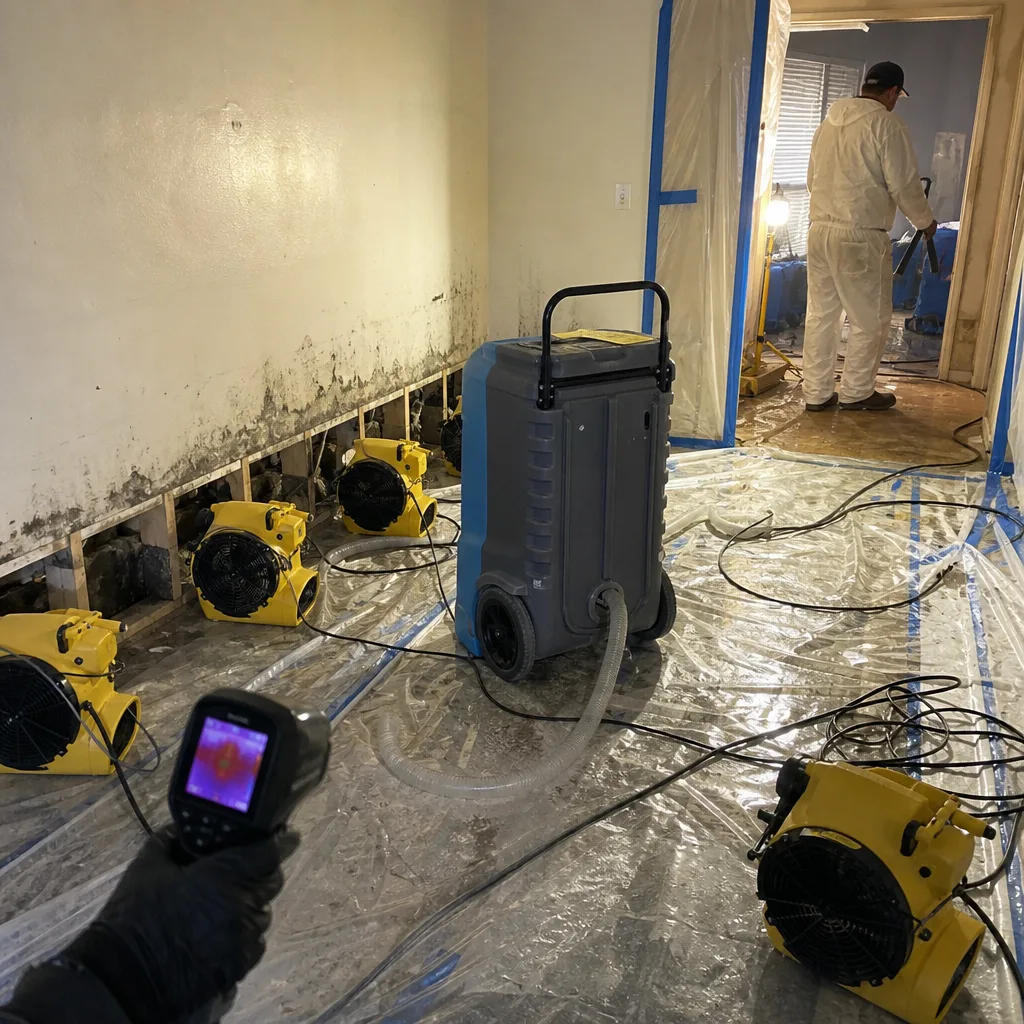
Mold Removal
Removal in Edgewood follows IICRC S520 standards for professional mold remediation, with containment barriers, negative air pressure, and HEPA filtration on every job. We treat affected framing with antimicrobial solutions rated for wood substrates, then verify clearance with post-remediation air sampling. For the wood-frame ranch and split-level homes that dominate Edgewood’s housing stock, we pay particular attention to rim joist cavities and sill plate areas where clay-pan groundwater pools and evaporates slowly. Our crews are background-checked, uniformed, and licensed - the license number is available on request.
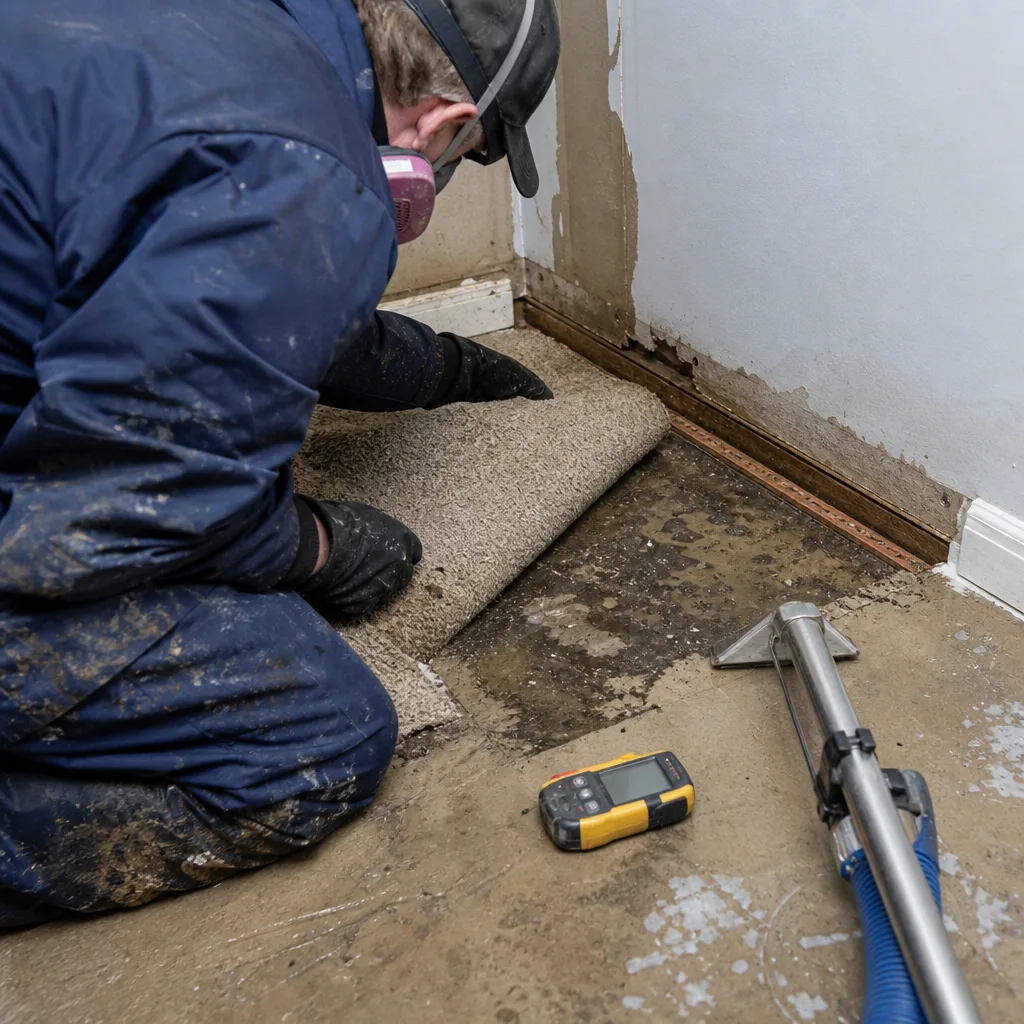
Black Mold Remediation
Stachybotrys chartarum and other toxigenic molds require stricter containment than cosmetic species, and we scope accordingly. In Edgewood’s older homes with original crawl-space ventilation, we often find these species thriving on cellulose-based materials - paper-faced insulation, cardboard, unfinished subfloor - where humidity has stayed above 60% for extended periods. We remove contaminated materials under containment, treat remaining structural elements, and install temporary dehumidification during drying. Every step is photo-documented for your insurer.
Air Quality Restoration
Post-remediation air quality in Edgewood homes means more than passing a spore count. We verify that vapor pressure differential has normalized, that your HVAC system is free of cross-contamination, and that dehumidification is adequate for your crawl space’s specific soil conditions. Our documentation includes pre- and post-moisture logs, equipment readings from Dri-Eaz and Phoenix dehumidifiers, and a written clearance statement your adjuster can file directly.
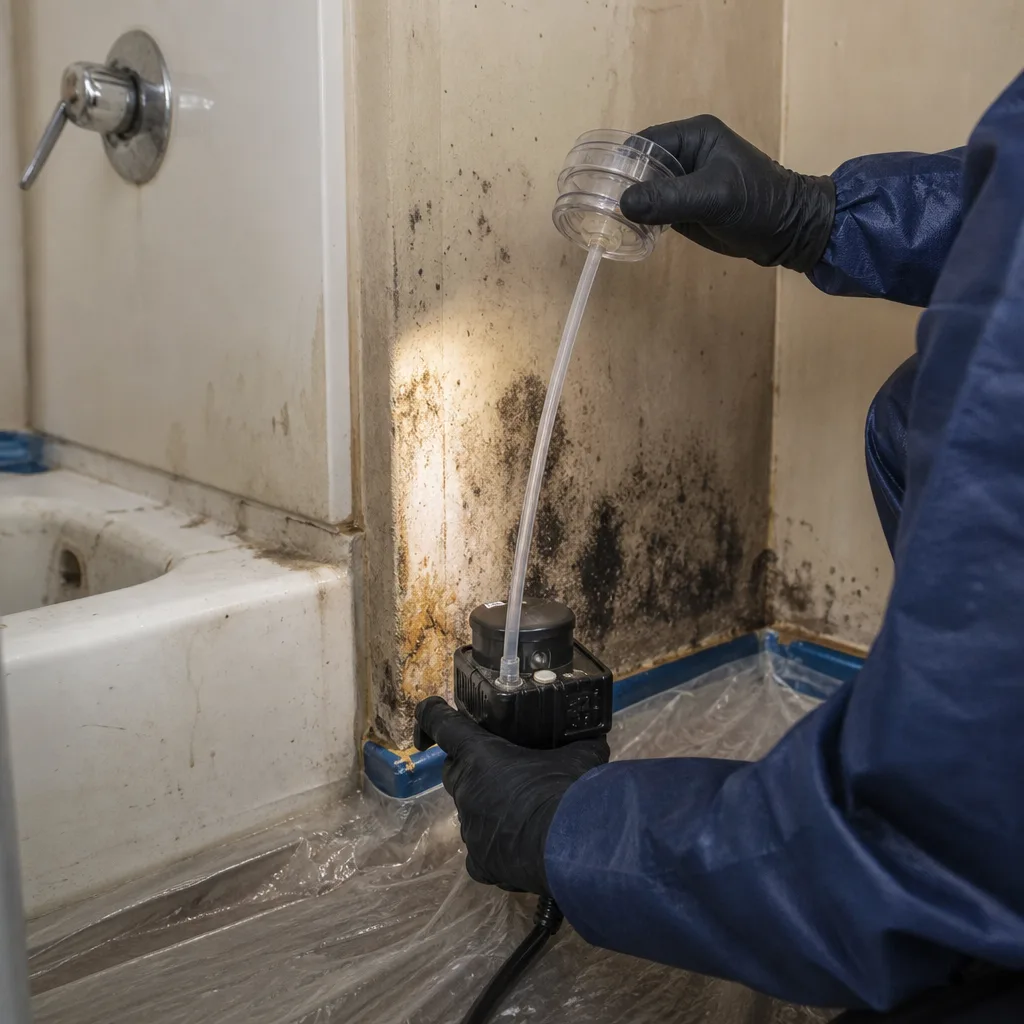
Crawl Space Treatment
This is where Edgewood’s geography matters most. The clay-heavy glacial till beneath the city sheds water laterally rather than absorbing it, which means your crawl space can be saturated from a neighbor’s drainage even during moderate rain. We install vapor barriers rated for high-groundwater conditions, seal rim joist cavities with closed-cell spray foam where appropriate, and specify permanent dehumidification sized to your crawl space’s cubic volume and soil type. Without addressing the lateral groundwater pathway, mold returns. We document the source, treat the symptom, and warranty the result.
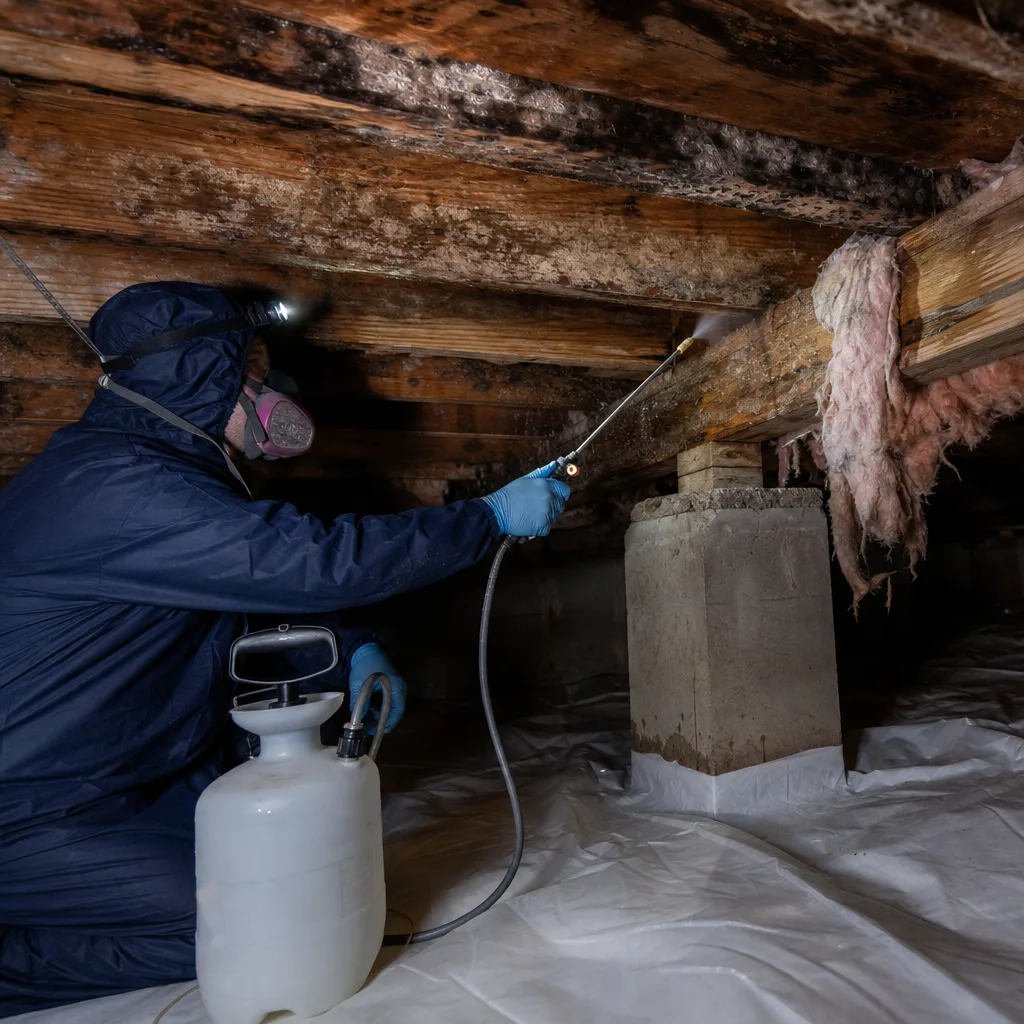
Moisture & Humidity Control
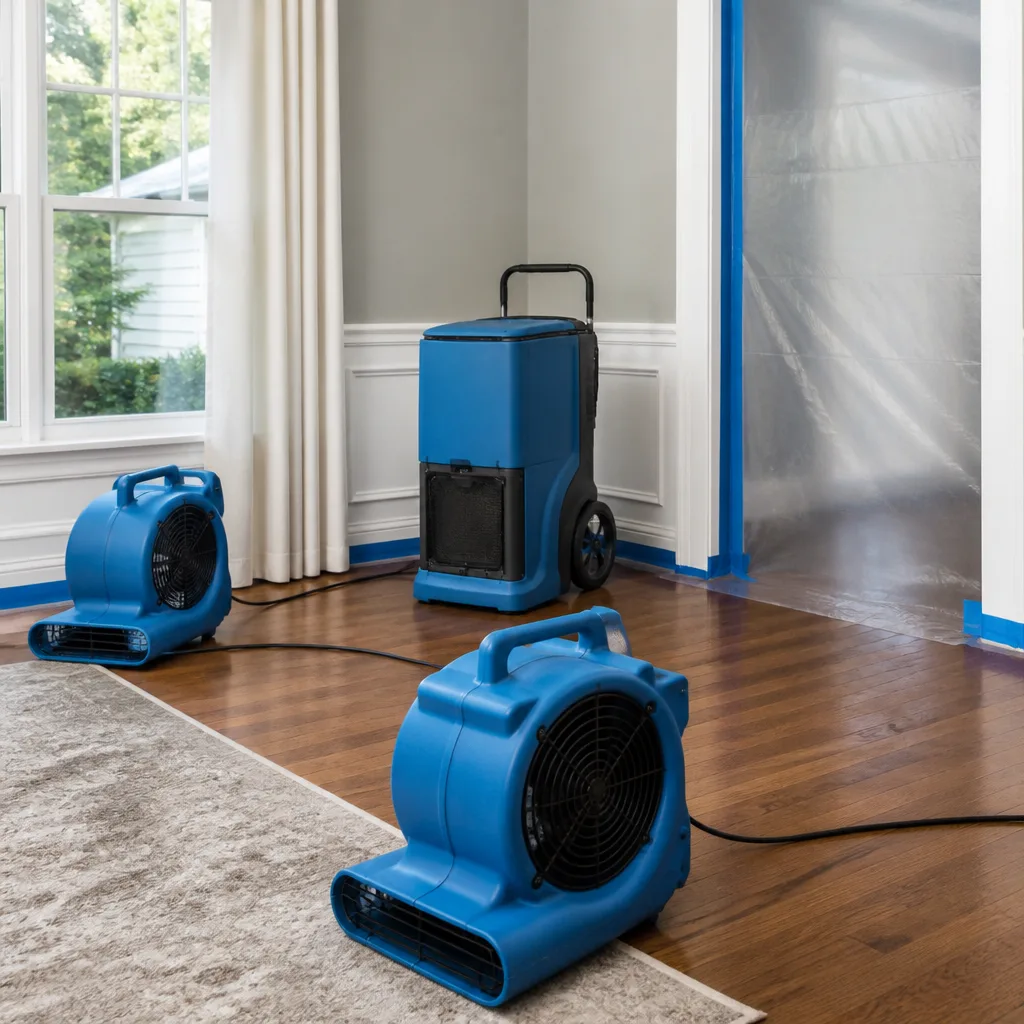
Long-term moisture control in Edgewood requires equipment matched to the load. We specify Dri-Eaz and Phoenix dehumidifiers with documented pint-per-day capacity, position them for optimal air circulation with XPOWER and B-Air air movers, and produce daily drying logs that track specific humidity, grains per pound, and moisture content at multiple structural points. These logs become part of your claim file, turning restoration invoices into payable documentation.
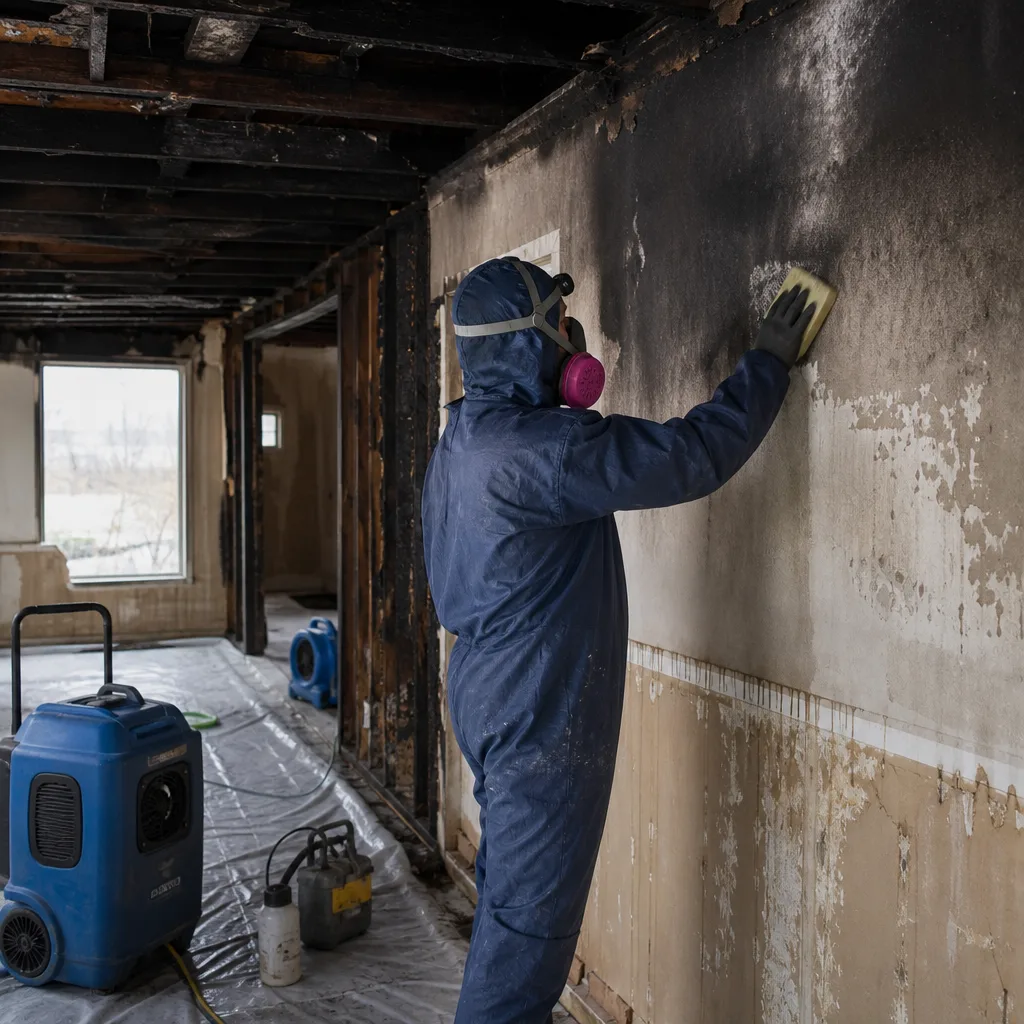
What happens when you call
- 1
A real person answersNo phone trees - you reach a local pro.
- 2
You get an upfront price rangeHonest numbers before anyone is dispatched.
- 3
A background-checked tech heads outLicensed & insured, dispatched right away.
- 4
You approve before work beginsNothing starts until you say go.
BeforeAfterTrusted Brands We Service in Edgewood
Our Edgewood crews deploy professional-grade drying systems from Dri-Eaz, Phoenix, and XPOWER - equipment we maintain locally and replace on regular cycles to ensure rated capacity. We stock antimicrobial treatments, HEPA filtration media, and containment supplies specific to the wood-frame construction and crawl-space configurations common in Edgewood’s 1970s-1990s housing stock. That local inventory means no waiting for parts while moisture readings climb and mold spreads. Every piece of equipment is documented to IICRC, RIA, and IFA standards, and its performance data feeds directly into your daily drying log.
Common Mold Remediation Problems We See in Edgewood Homes
- Lateral groundwater intrusion from clay-pan soils. Edgewood’s glacial till creates a subsurface barrier that forces water sideways instead of down. A homeowner on a valley-edge lot off Meridian Ave E can have a dry crawl space while their neighbor’s runoff pools under their rim joists. We map the source with moisture meters before quoting, because treating the mold without addressing the pathway guarantees recurrence.
- Wind-driven rain through failing door weatherstripping, scoped as a one-time leak. Edgewood’s exposure to Puget Sound storm fronts means wind-rated door seals matter. When a failing seal admits Category 1 water that then encounters clay-pan lateral flow, the result is Category 2 or 3 contamination that standard cleanup won’t address. We inspect door assemblies and recommend reinforcement where the original installation predates current wind-load requirements.
- Surface-dry crawl spaces with saturated rim joists. A moisture meter reading on the crawl-space floor doesn’t tell you what’s happening at the rim joist, where wood meets foundation and airflow is minimal. In Edgewood’s older ranch homes, we’ve found 28% moisture content in rim joists while the center of the crawl space read 12%. Without tertiary drying directed at these cavities, mold colonizes within 48 to 72 hours of saturation.
- Remediation scoped without lahar-corridor flood risk in mind. Edgewood’s location in Pierce County’s documented inundation zone means that water intrusion here carries different documentation requirements for insurers, and different preparation standards for contractors. We scope every Edgewood job with that overlay, ensuring your claim file meets the standard your adjuster expects.
Pricing for Mold Remediation in Edgewood, WA
Mold inspection and testing in Edgewood typically runs $450-$1,200 depending on square footage, sample count, and lab turnaround. Crawl-space mold remediation with containment, removal, treatment, and drying averages $1,800-$4,500. Whole-home air quality restoration after significant contamination ranges $3,500-$8,000. Black mold or toxigenic species requiring enhanced containment add 15-25% to base remediation.
What moves you within these ranges: affected square footage, structural material type (plywood subfloor versus OSB, dimensional lumber versus engineered joists), accessibility of the crawl space or attic, and whether lateral groundwater requires vapor barrier or drainage correction. Every Edgewood job receives a written price before work begins - Haven Standard, Clause 1 - with no scope-creep additions once our crew is inside. We also offer a Free Second Opinion on any competitor’s written estimate. Bring their scope and we’ll review it at no charge.
We Also Serve Cities Near Edgewood
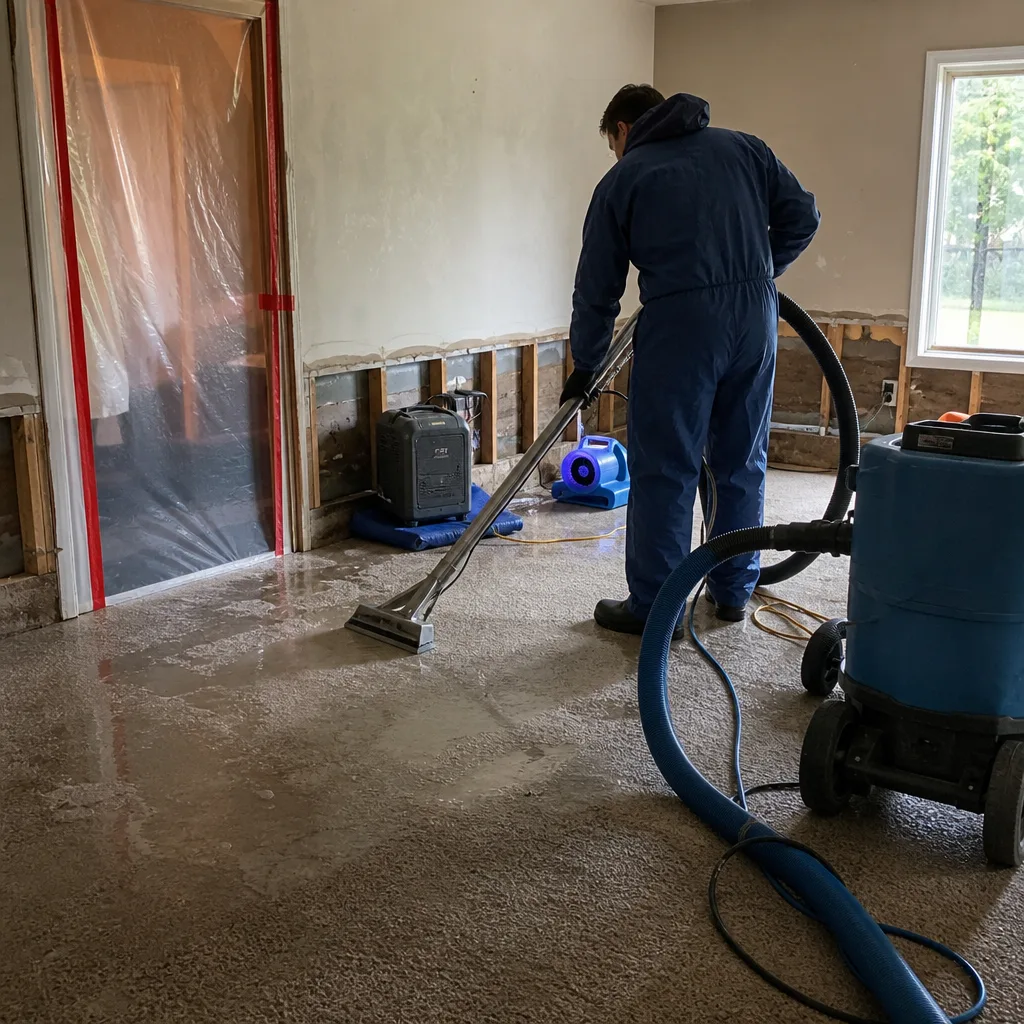
Our crews work throughout the south Puget Sound region, including Mold Remediation in Edgewood and surrounding communities: Federal Way, Milton, Des Moines, and Auburn. Each city presents distinct soil, housing stock, and moisture patterns, and we adjust our documentation and drying protocols accordingly. Dispatch and scheduling are coordinated from our Seattle office.
Serving Edgewood, WA - Our Local Coverage Area
We’re based in the Edgewood area and know this community well. Use the map below to see our service coverage - if you’re nearby, we can almost certainly help.
FAQs - Mold Remediation in Edgewood
Clay-heavy glacial till beneath Edgewood forces groundwater to move laterally rather than absorbing vertically, so runoff from neighboring lots can pool under your rim joists while your own plumbing is intact. We map the actual moisture pathway with meters before quoting, and we document the source for your insurer. Call (253) 322-4873 for a written estimate - the inspection itself is often covered if you have a resulting claim.
Yes. Pierce County and USGS documentation classify the Puyallup River valley as a primary lahar pathway, which means water intrusion events here carry volcanic hazard overlays that adjust documentation standards for insurers and preparation requirements for contractors. We scope every Edgewood job with that classification in mind, ensuring your claim file meets the standard your adjuster expects. Our written scope includes this context explicitly.
Mold colonization begins 24 to 48 hours after organic materials reach 16% moisture content, which happens fast in Edgewood when wind-driven rain meets clay-pan lateral pooling. The rim joist cavity is especially vulnerable because airflow is minimal and wood remains saturated long after the storm passes. We recommend inspection within 24 hours of any water intrusion in an Edgewood crawl space, and we dispatch same-day for active leaks.
Category 1 is clean water from a supply line; Category 2 is gray water with elevated contamination, including groundwater that has contacted soil or building materials; Category 3 is black water with significant pathogen load, often from sewage or prolonged standing water. In Edgewood, Category 1 rain intrusion frequently becomes Category 2 or 3 within 48 hours when clay-pan soils contribute dissolved minerals, organic matter, and microbial load. This escalation changes antimicrobial treatment requirements, disposal protocols, and documentation standards - we classify and document the category in your written scope before work begins.
Often yes, if the subfloor is structurally sound and moisture content returns to pre-loss levels with professional drying. We use Injectidry floor mats and directed air movers to dry saturated plywood from below, then treat affected framing with antimicrobial solutions and verify clearance with post-remediation testing. If the sheathing is delaminated or moisture has remained above 20% for more than 72 hours, we specify replacement in the written scope with photo documentation. The decision is always based on meter readings, not guesswork. Call (253) 322-4873 to schedule an assessment with a written price.
Written by Alicia Brennan, Owner at Back to Dry Restoration, serving Edgewood and the south Puget Sound since 2011.